20170531 Trillium, Cinquefoil, Moose, Cotton Grass, Bunchberry, Dragonfly, Starflower, Snapping turtle, Clintonia, Sheepkill, Labrador tea, Blue-eyed grass, Tamarack

Trillium, Cinquefoil, Moose, Cotton Grass, Bunchberry, Dragonfly, Starflower, Snapping turtle, Clintonia, Sheepkill, Labrador tea, Blue-eyed grass, Tamarack

We took some detours on our way to and from Parry Sound on the last day of May and saw some nice sights ….

Including this field of maturing Trillium grandiflorum along the bank of Harris Creek along Hwy 529.

When this marsh plant shows it little purple flowers we’ll be able to positively ID it as Potentilla palustris.

New mom with calf  south of Pte au Baril  ….

Cottongrass, probably this one:

Bunchberry, Cornus canadensis, one of the three flowers competing for Canada’s National Flower. Voting closes on June 30, 2017.

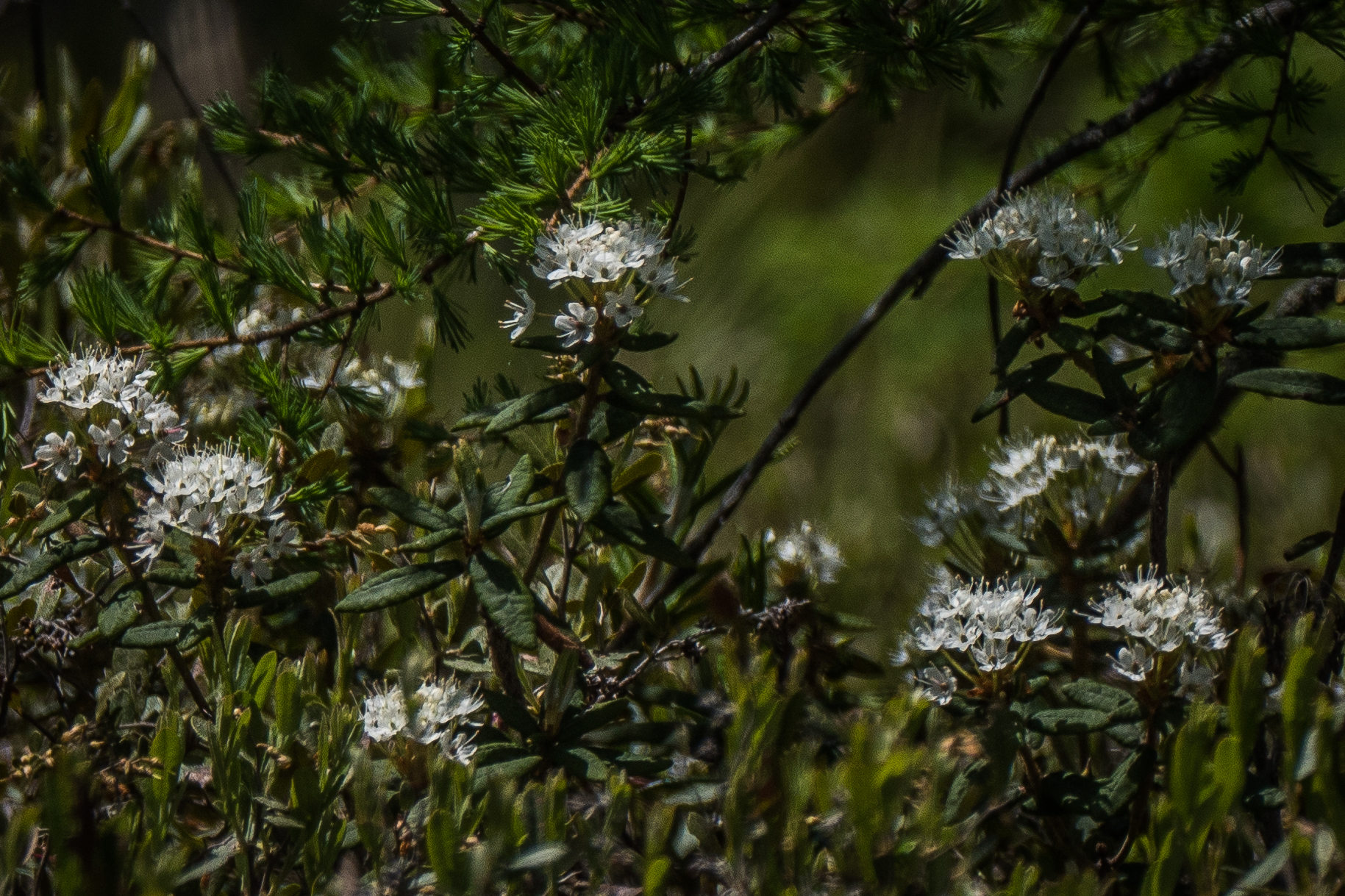
Labrador Tea …  easy to identify by the rust-coloured  wooly underside of its mature leaves.

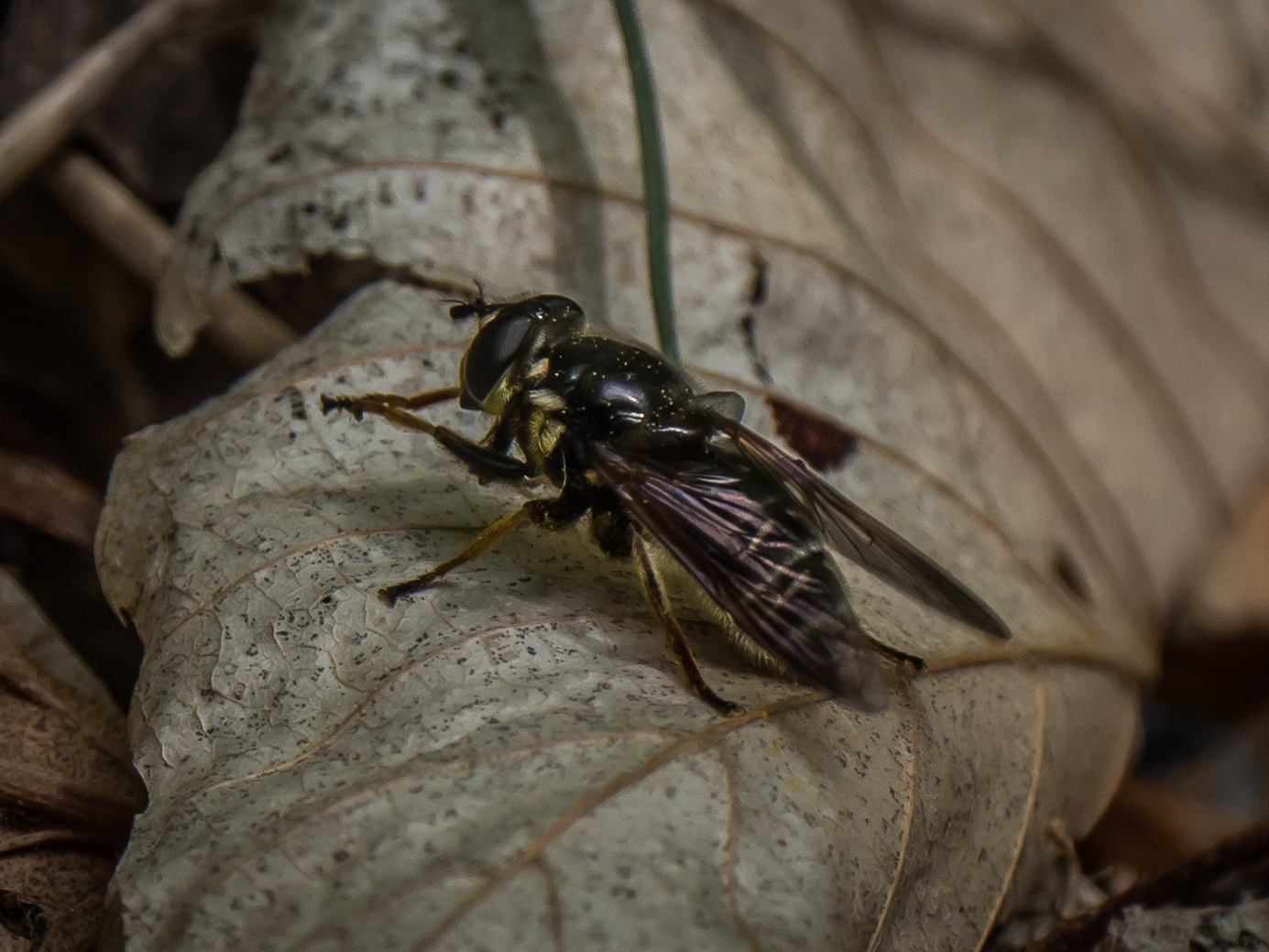
Either a solitary bee or a fly …
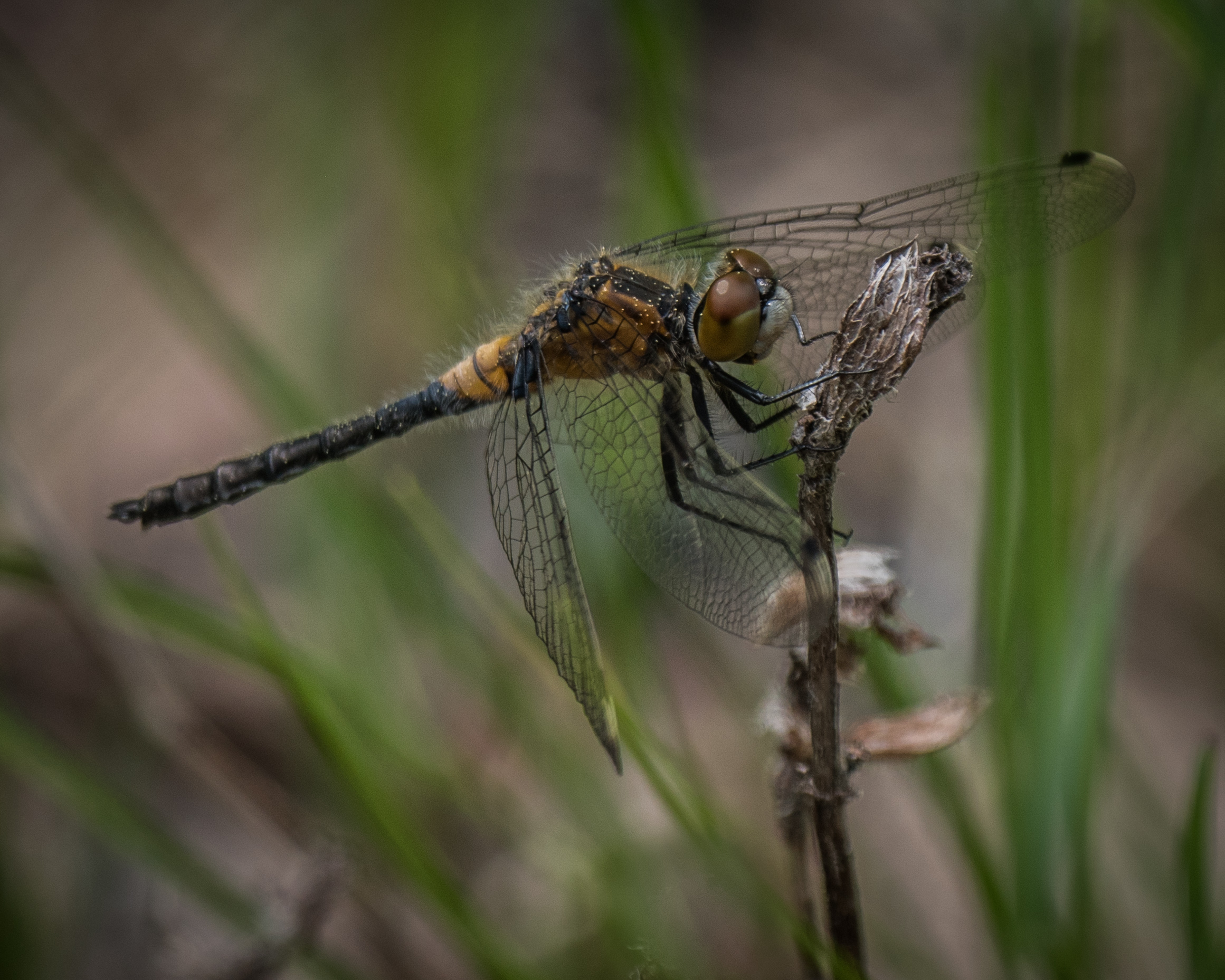
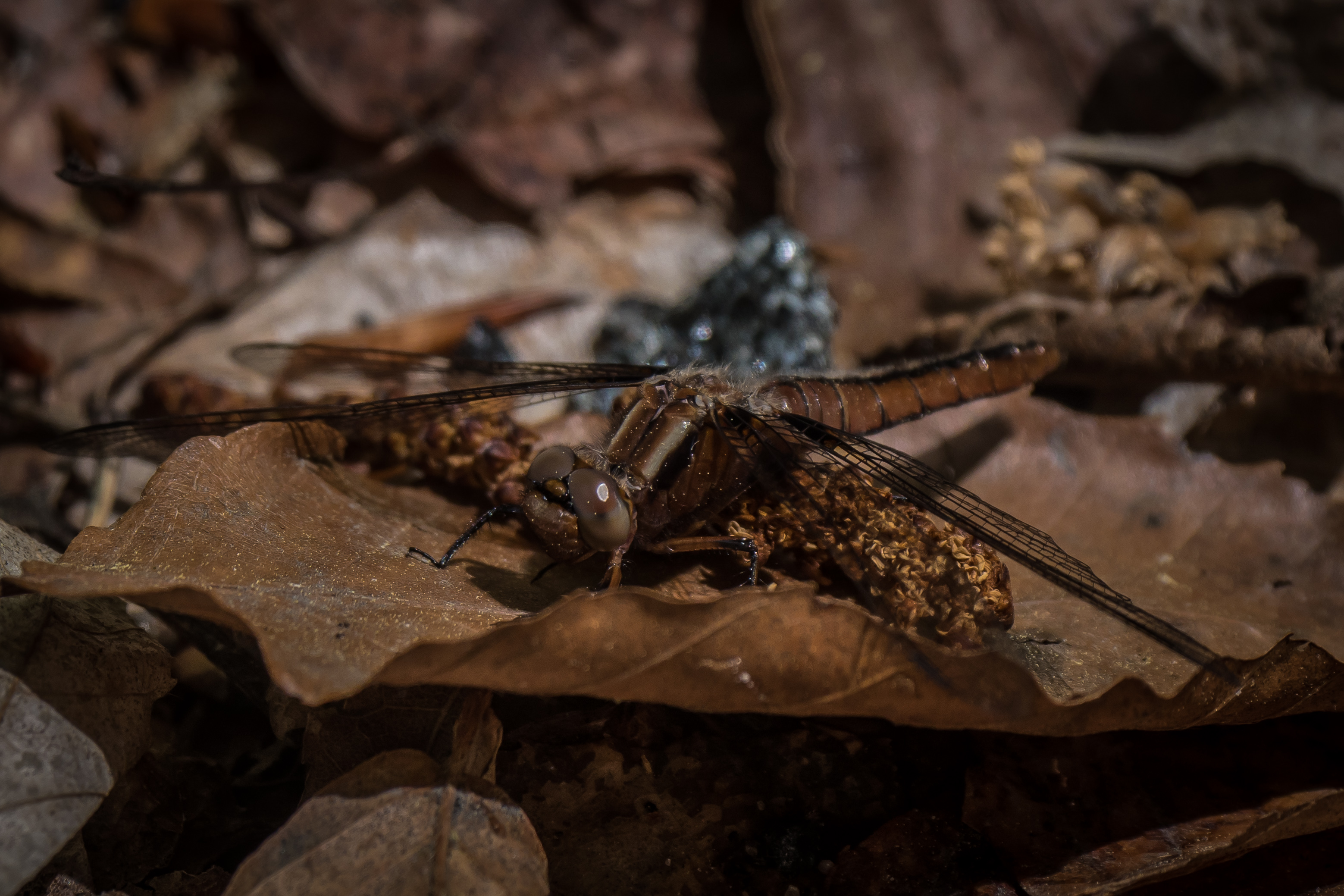
Thankfully the Dragonflies have arrived.   Outdoors folks are thankful because of the huge numbers of mosquitoes and black flies they consume.
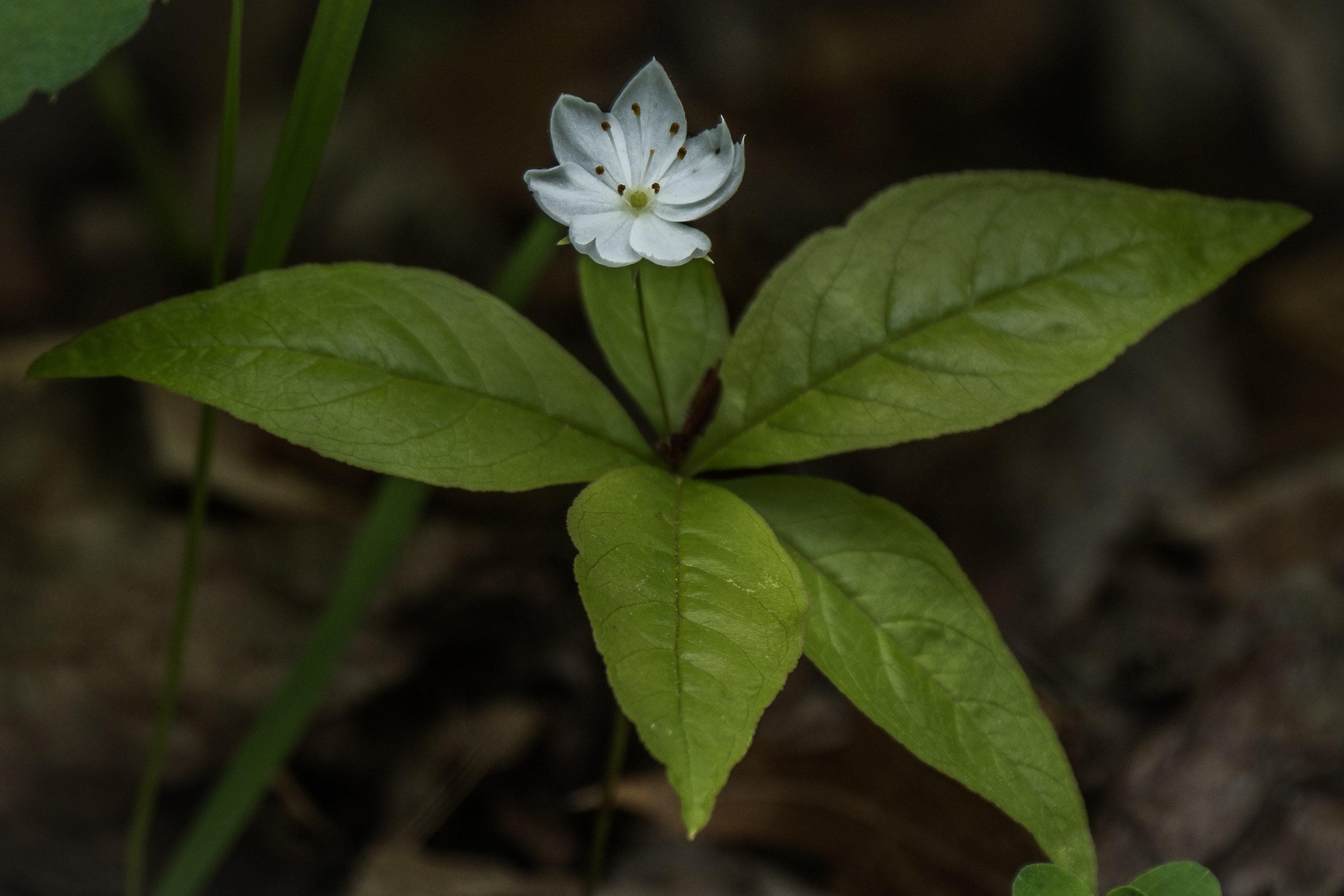
Starflower:

Keeping a beady eye out for the photographer taking a close up.  Click on the photo to see it really close up…..

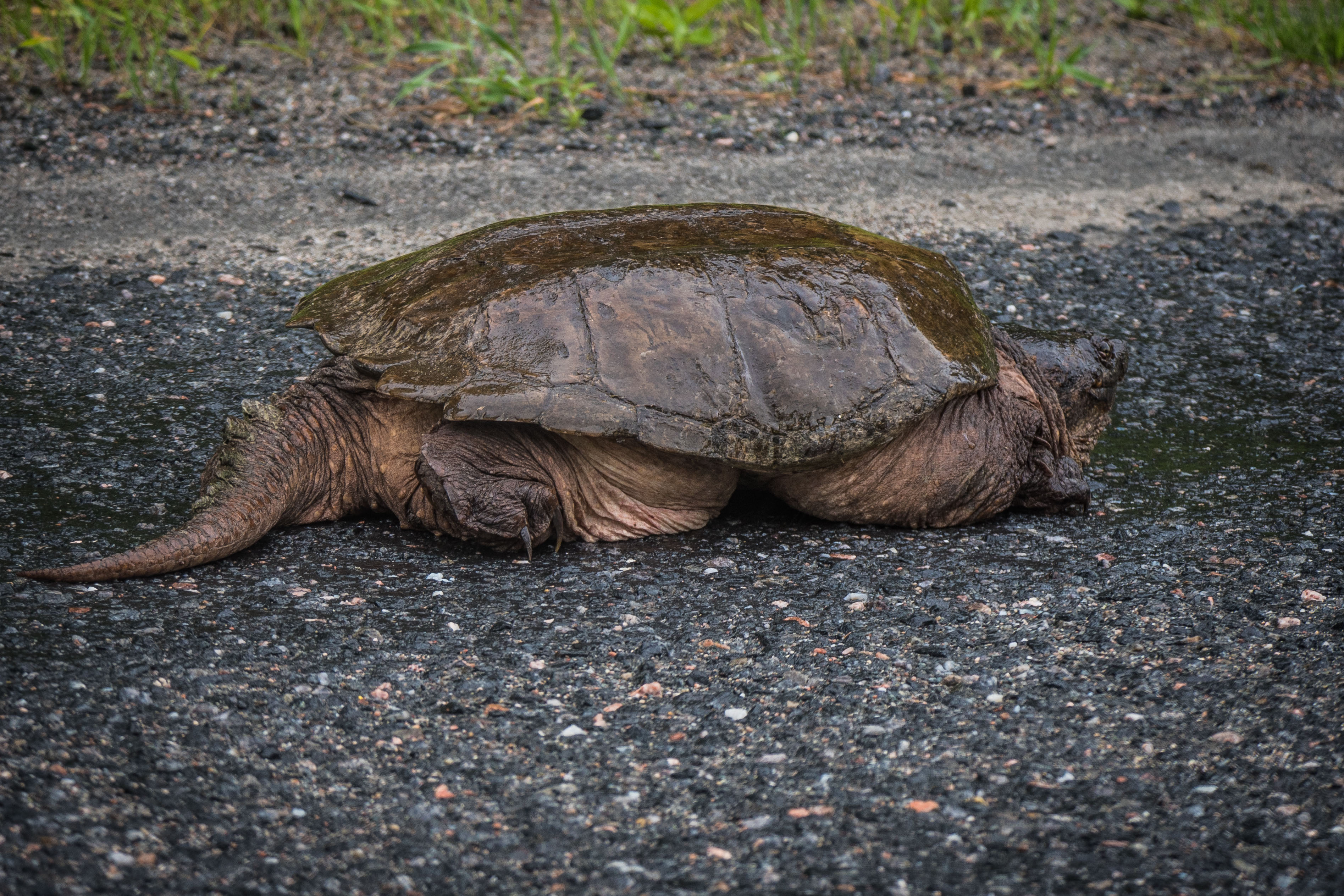
This article tells how to pick up a Snapping turtle, if you really need to.  I’ll let someone else do it if required.
Clintonia borealis (commonly blue-bead lily or Clintonia, also Clinton’s lily, corn Lily, cow tongue, yellow beadlily, yellow bluebeadlily, snakeberry, dogberry, and straw lily) are just starting to bloom.  It’s blossoming follows the yellow Trout Lily in deciduous forests  by a week or two.

Kalmia angustifolia contains a poison and is known as ‘lamb-kill’, ‘sheep kill’, ‘calf-kill’, ‘pig laurel’, ‘sheep-laurel’ and ‘sheep-poison’.  It is also known as narrow-leaved laurel and dwarf laurel.   It has a pretty flower and is often in association with leatherleaf, labrador tea, cottongrass, bog rosemary and a variety of sedges … often in tamarack bogs.

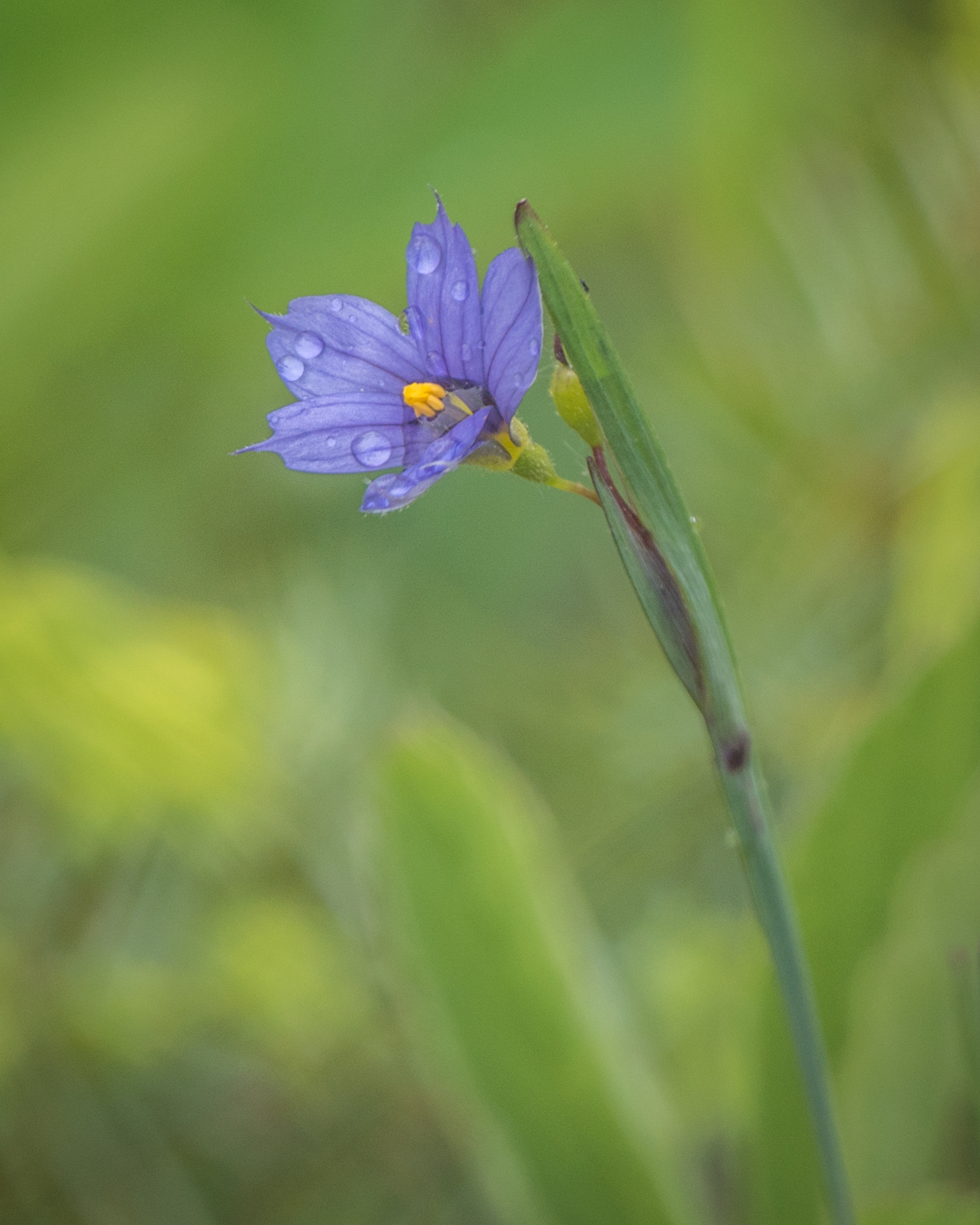
Blue-eyed grass holding some rainwater …
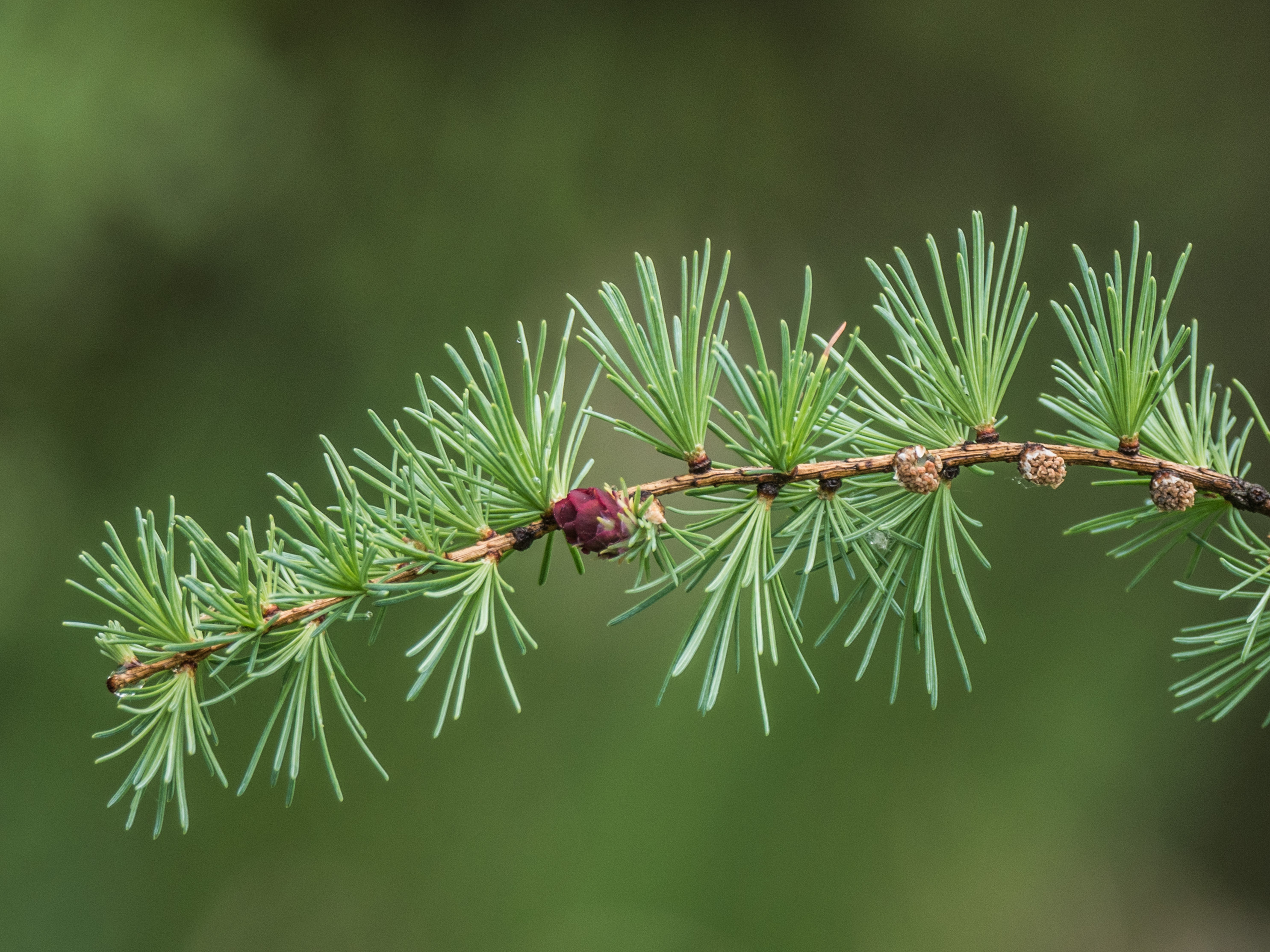
Female cone along with several male pollen “cones” along a Tamarack twig .
I just looked at Mark Berkery’s latest post Black and White – I fly.    Very interesting subject from a very interesting man who happens to also be a great photographer.

 

Save

20170530 Water Arum, Blackbird, Canada goose gosling, Northern Spring Azure, Pale corydalis, Taraxacum, Fanleaf Hawthorne, Eastern Tent caterpillar, Star flower, ambush spider, Forget-me-nots, Wild Allium.

Water Arum, Blackbird, Canada goose gosling, Northern Spring Azure, Pale corydalis, Taraxacum, Fanleaf Hawthorne, Eastern Tent caterpillar, Star flower, ambush spider, Forget-me-nots, Wild Allium.


On the way back from Sudbury we detoured to Alban to see a few sights then went for a short drive along Riverside drive…


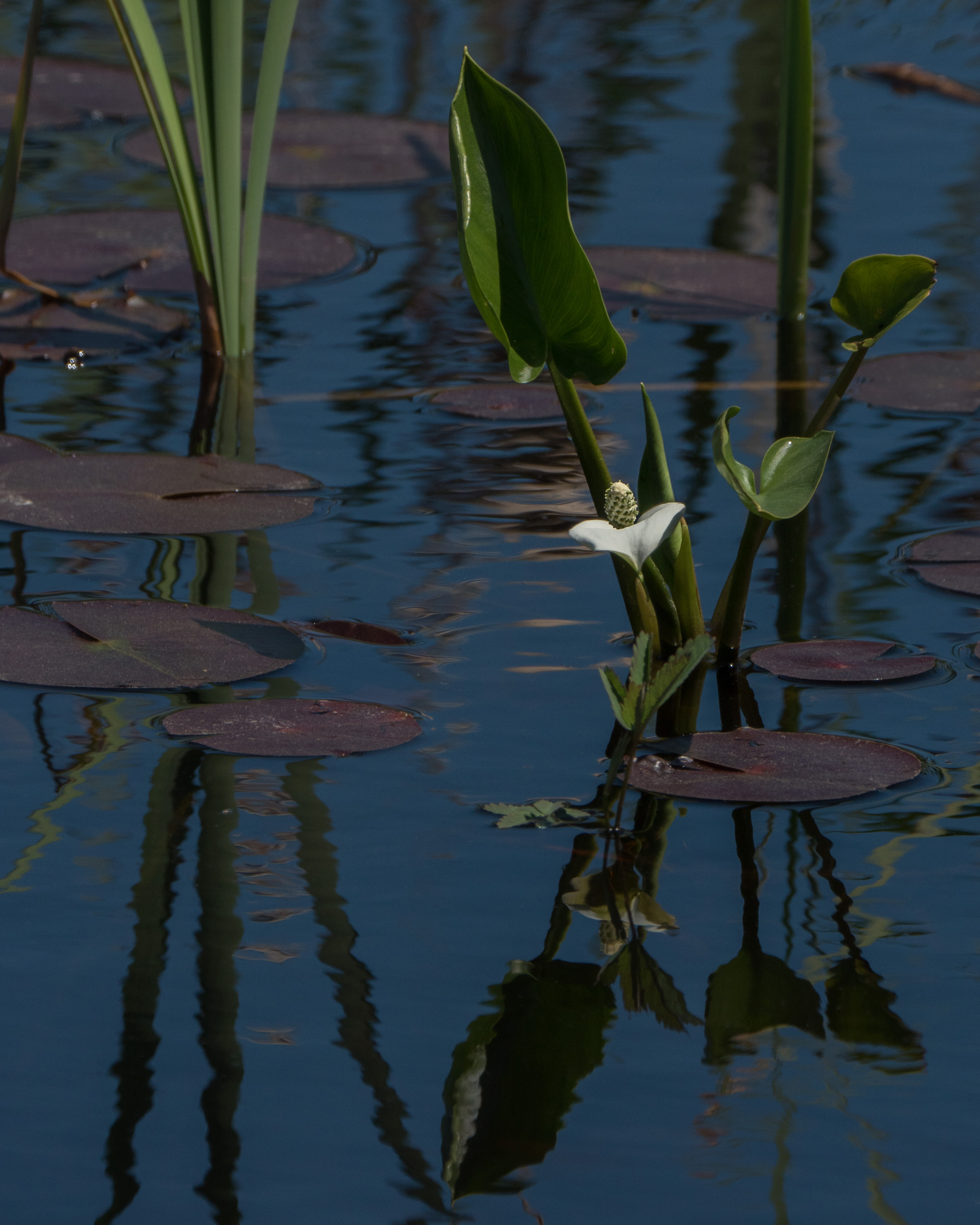
Water arum, Calla palustris,  is starting to bloom along Hwy 607.  The blossom  looks like the Calla Lily:

Redwinged Blackbirds often spread they tail feathers when they are calling …

Parent and youngster …


Northern Spring Azure, I think, from a long ways away….

Pale Corydalis collecting fluff …

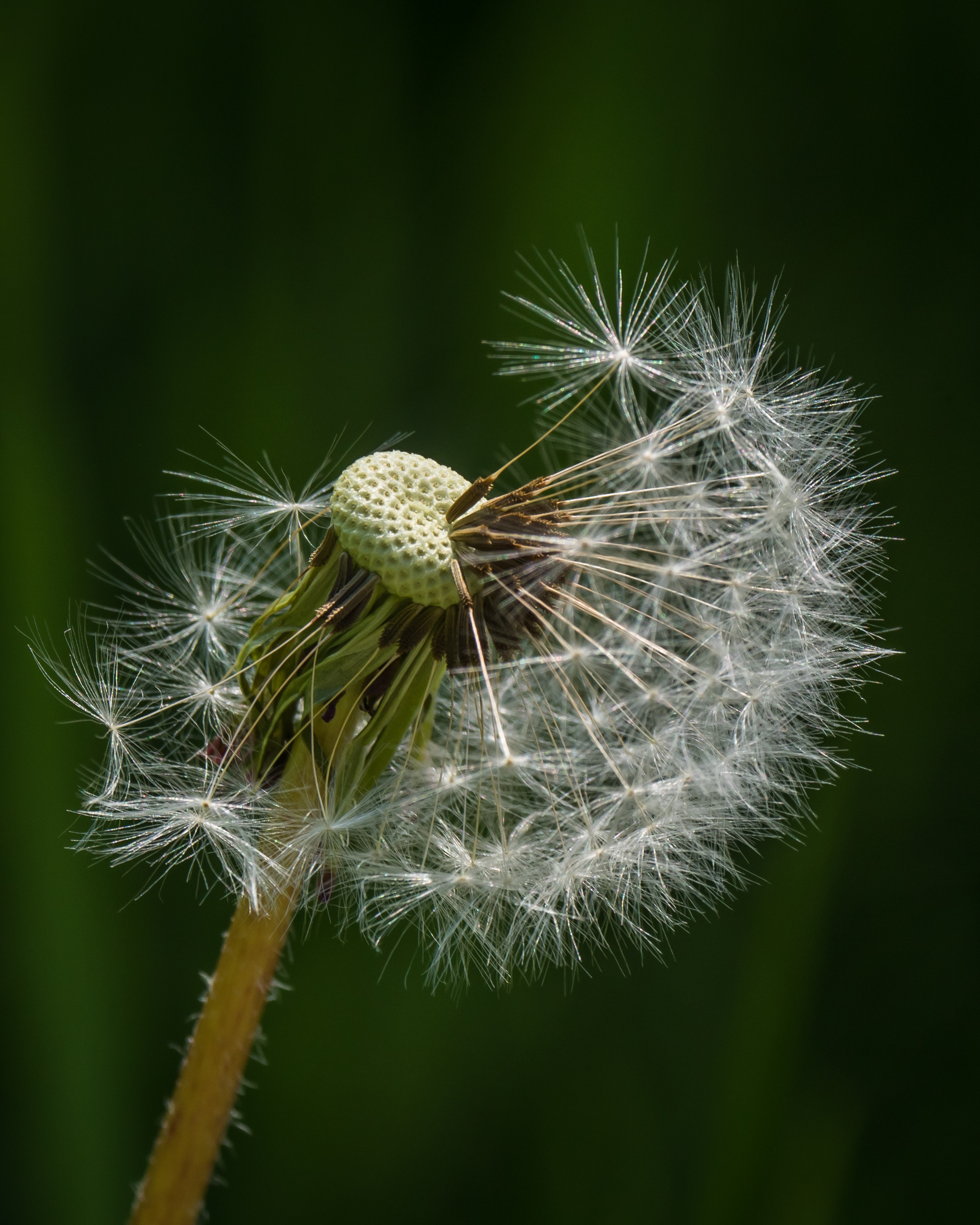
The beneficial weed Taraxacum shedding seeds….

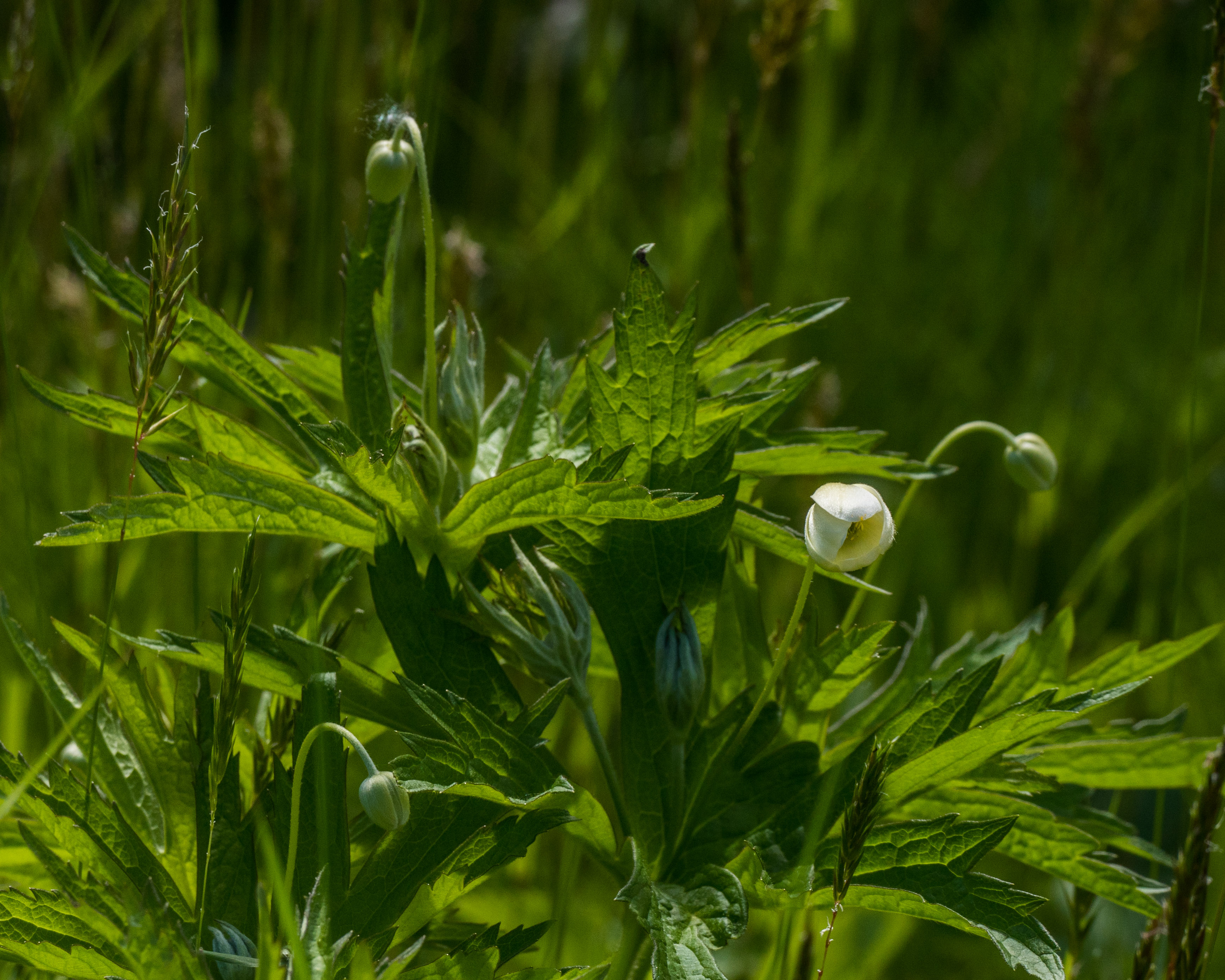
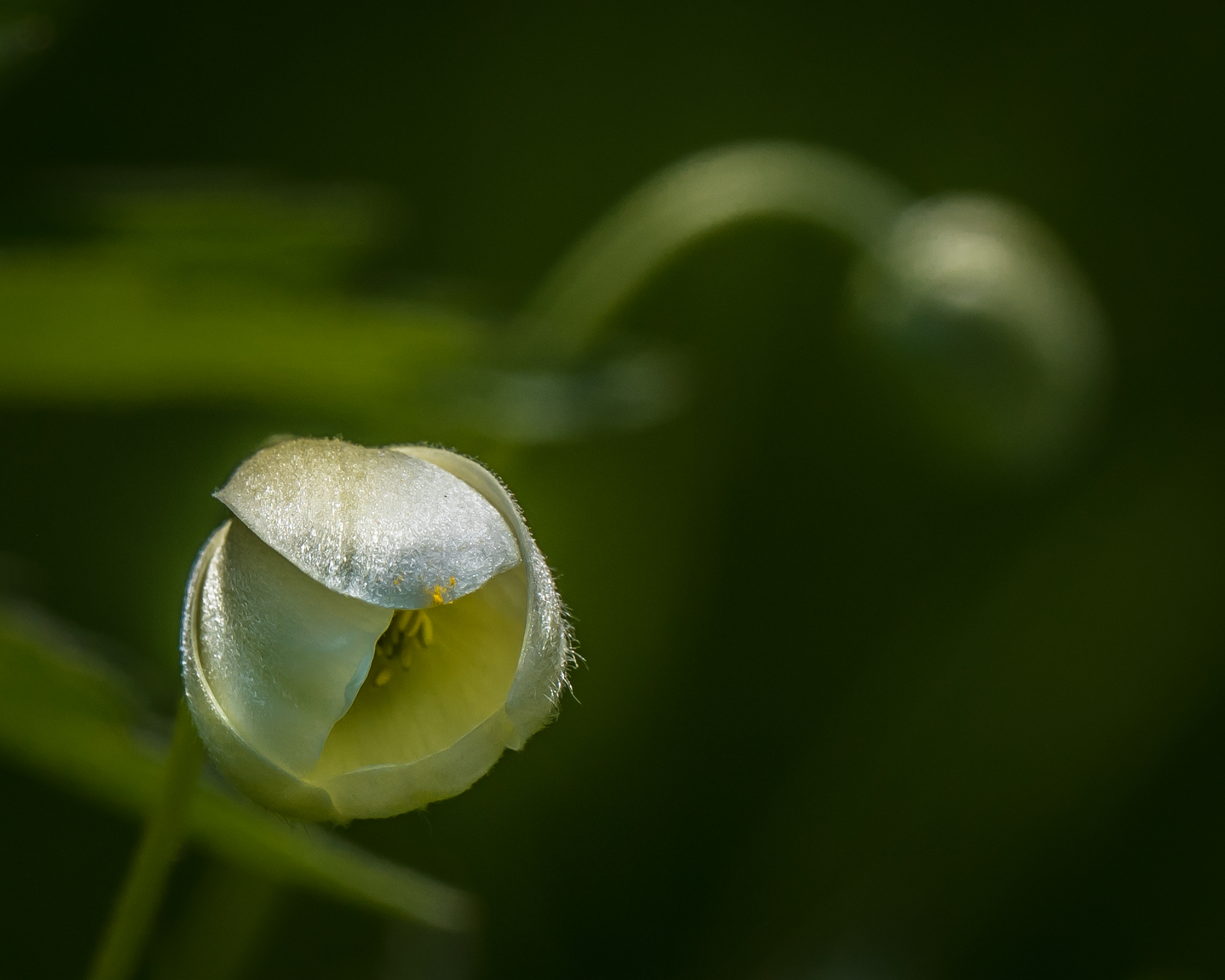
Canada anemone is starting to bloom near George W’s place on Riverside Rd….

It has a beautiful white flower, emerging here …

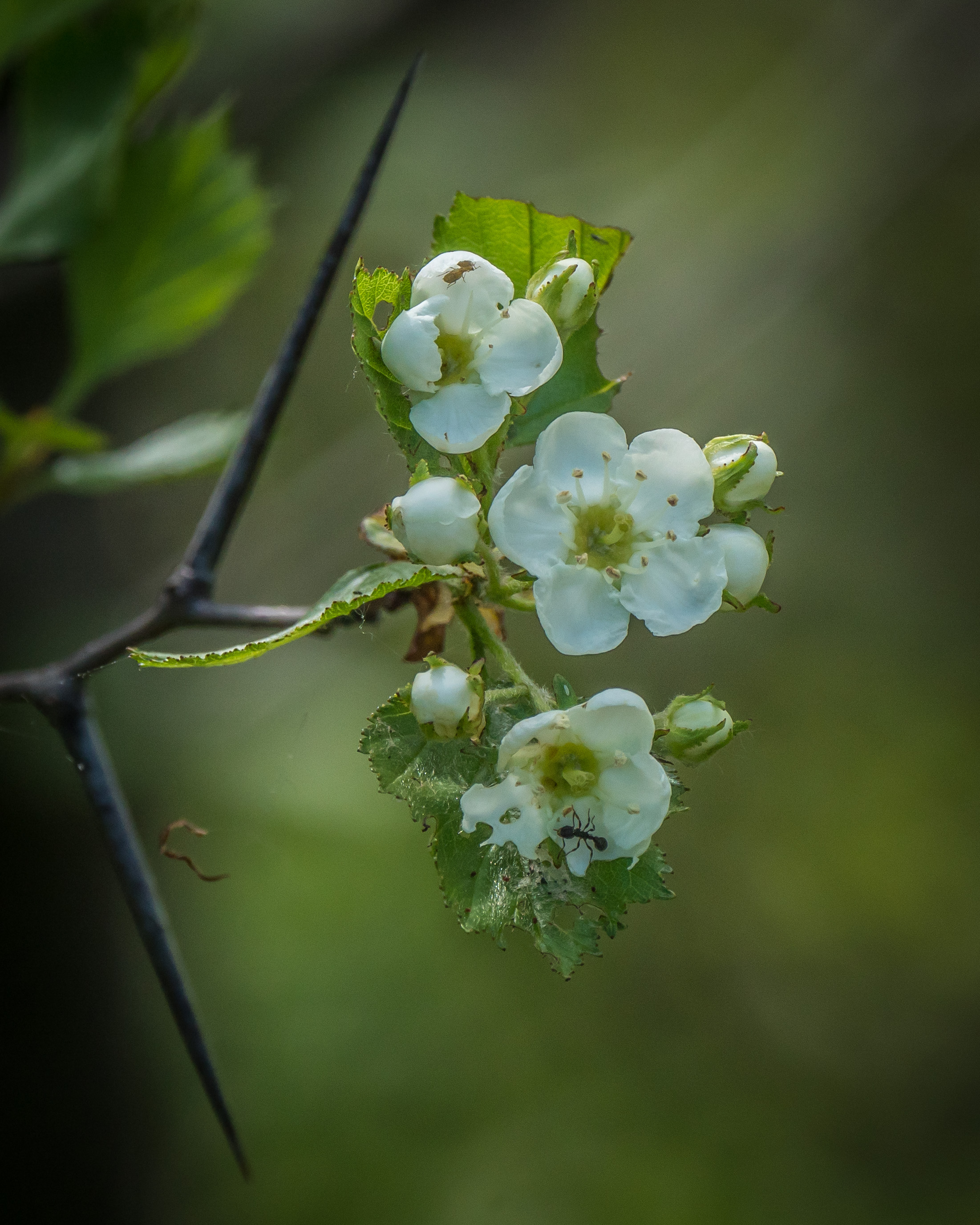
Fanleaf Hawthorn, complete with two thorns, and two visitors … and a half eaten blossom …

I have a whole new respect for them after reading the Wikipedia article about the Eastern Tent Caterpillar.

I need help to identify this shrub… Probably Sandcherry.   Prunus pumila.….

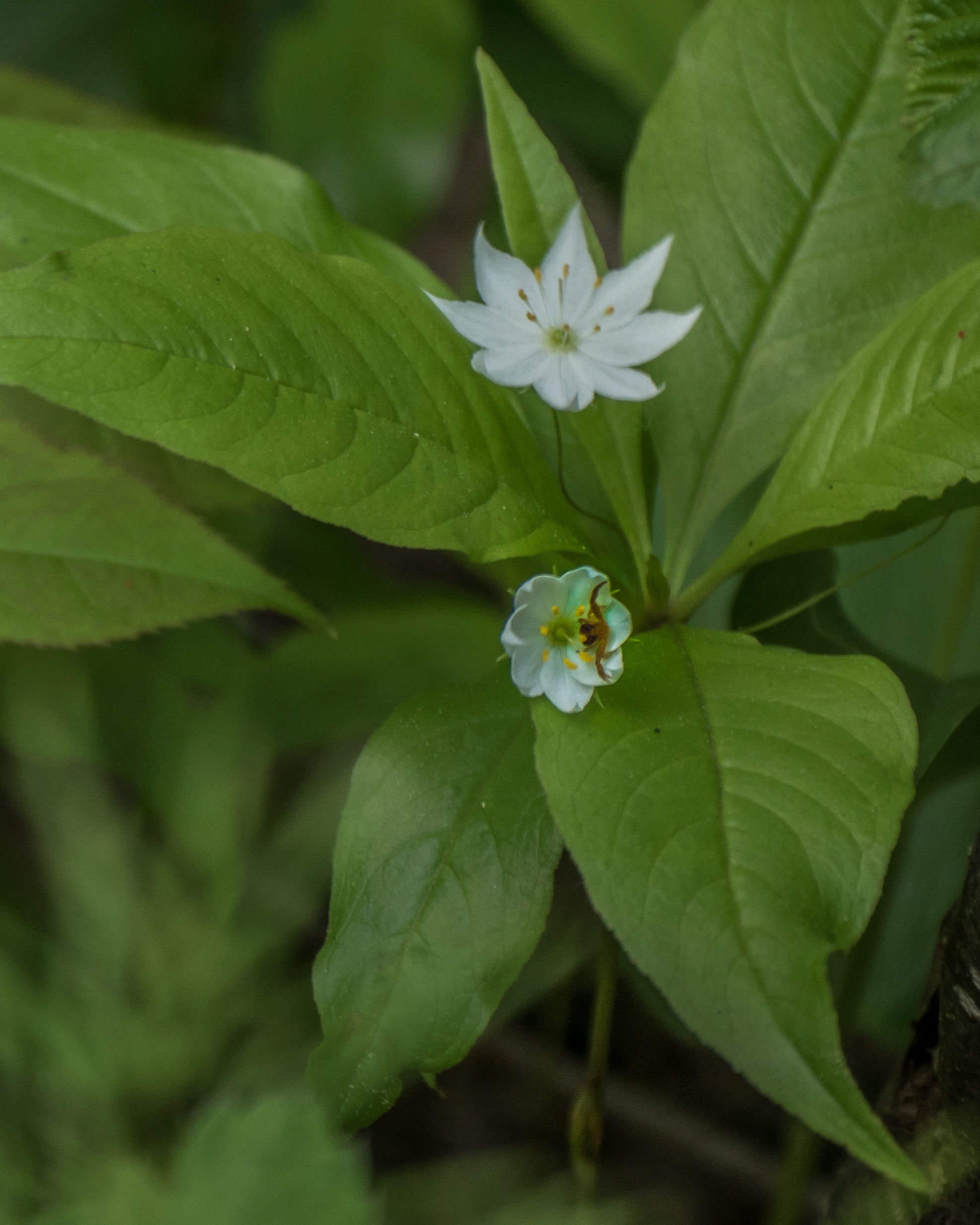
Starflower with a wee spider hiding in ambush.  The blossom is about 1 cm in diameter when fully open.   I guess that the spider’s leg span is about half a centimeter.

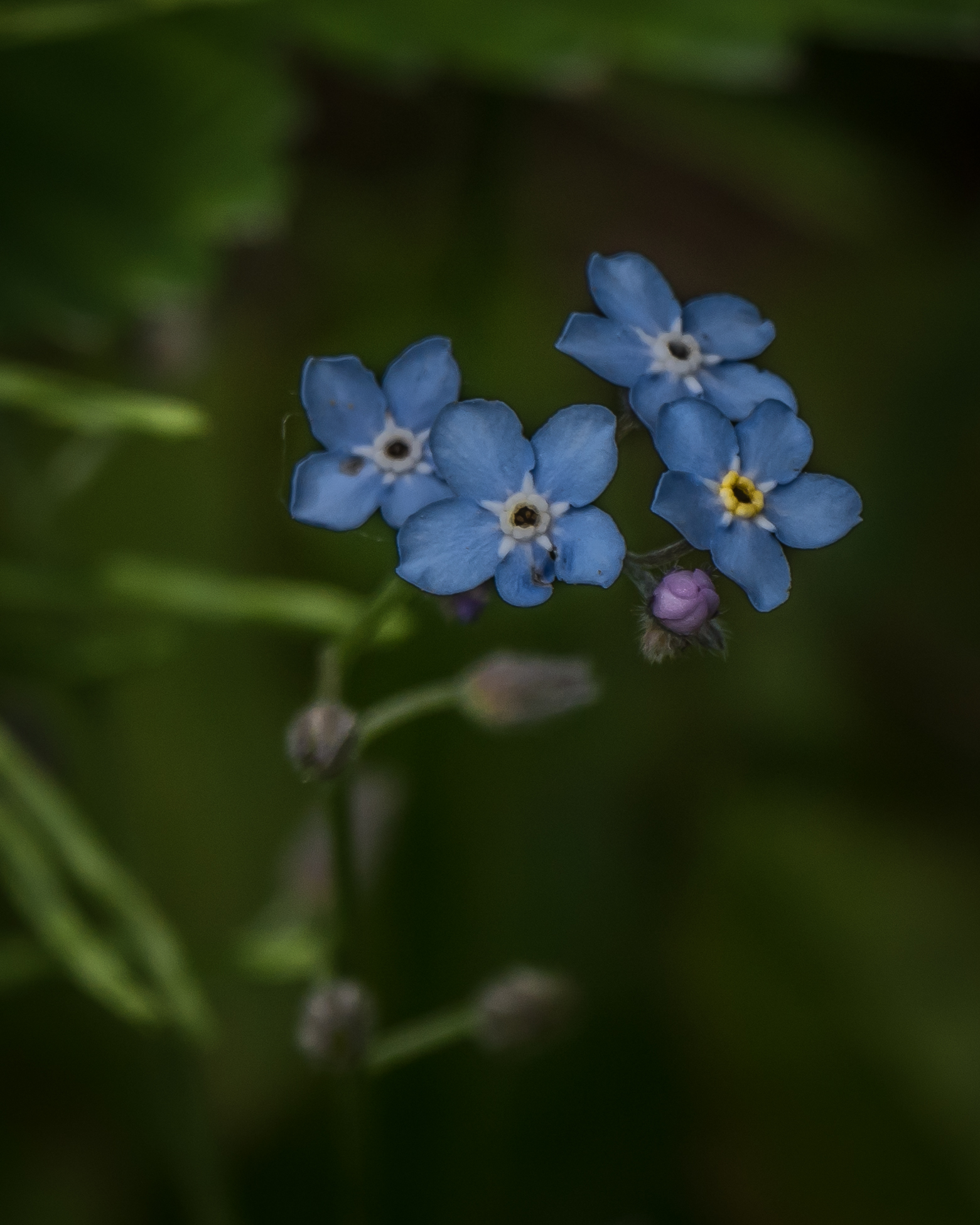
Forget-me-nots, probably escapees from someone’s garden to the roadside wilds:

Wild Allium, also probably escapees , at “Reynold’s Rock”  …

Spring seems to be developing in fits and starts this year.  A day or two of warm sunshine accelerates development interspersed between cold wet days which retard growth and critter activity.  The only constant this year is the voracious activity of blackflies and mosquitoes who are both multiplying rapidly.  They challenge the careful photographer while focusing and composing.   Usually wind is a photographer’s enemy.  Not this spring!

Save