20170618-20 Sandhill Cranes, Ring Billed Gulls, Brewers Blackbird, Mallard Duck, Killdeer, Ruby throated Hummingbird

My friend Dave twice phoned to tell me of Sandhills visiting his place.   This pair was seen Sunday afternoon.   They were very calm and I was able to approach to within 10 m in the car.   Click on the photos to see the details of these interesting birds.

That stern look always reminds me of John Diefenbaker!
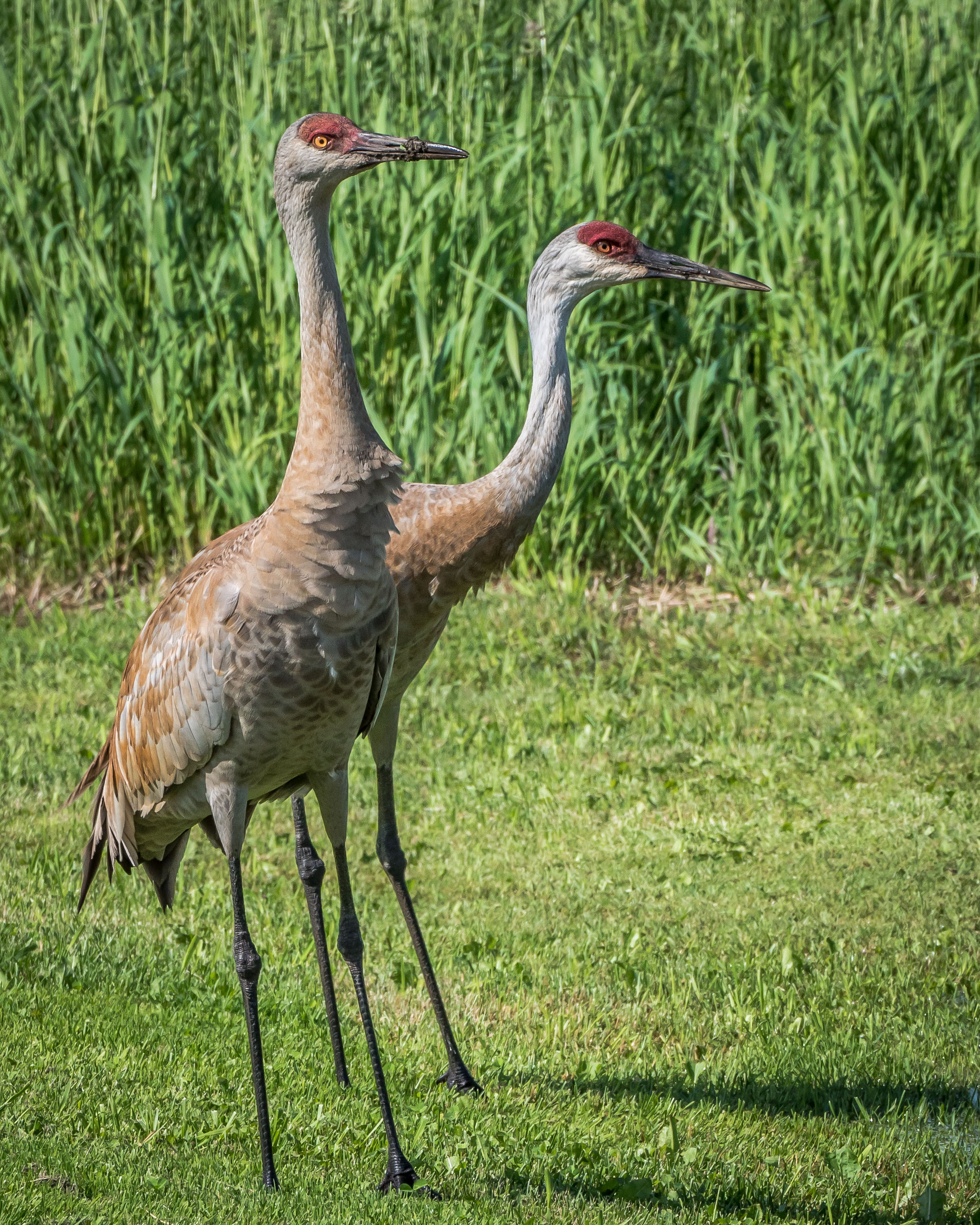
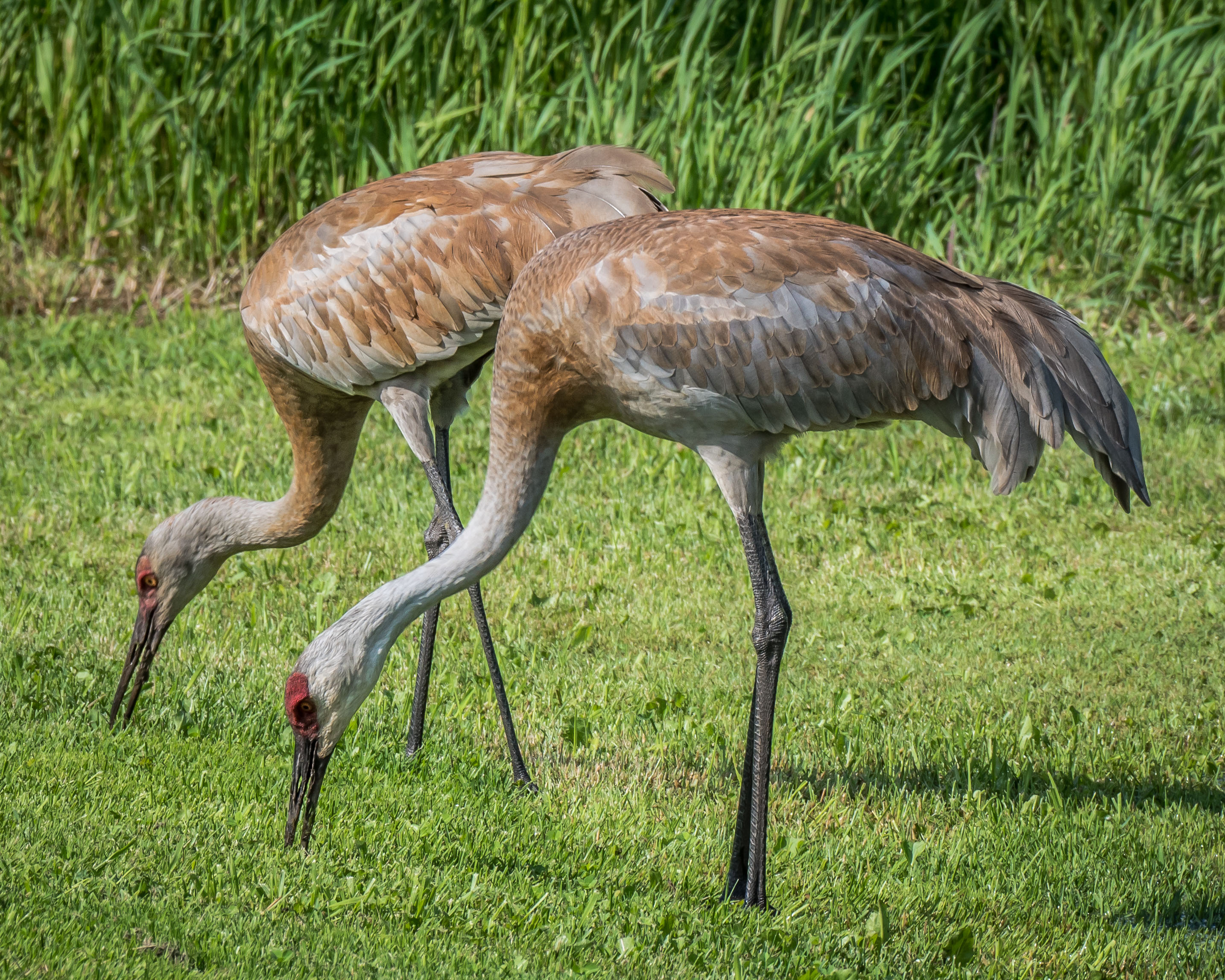
They were stabbing their beaks about an inch in to the soil to extract grubs that were pushed up by recent rainfalls.
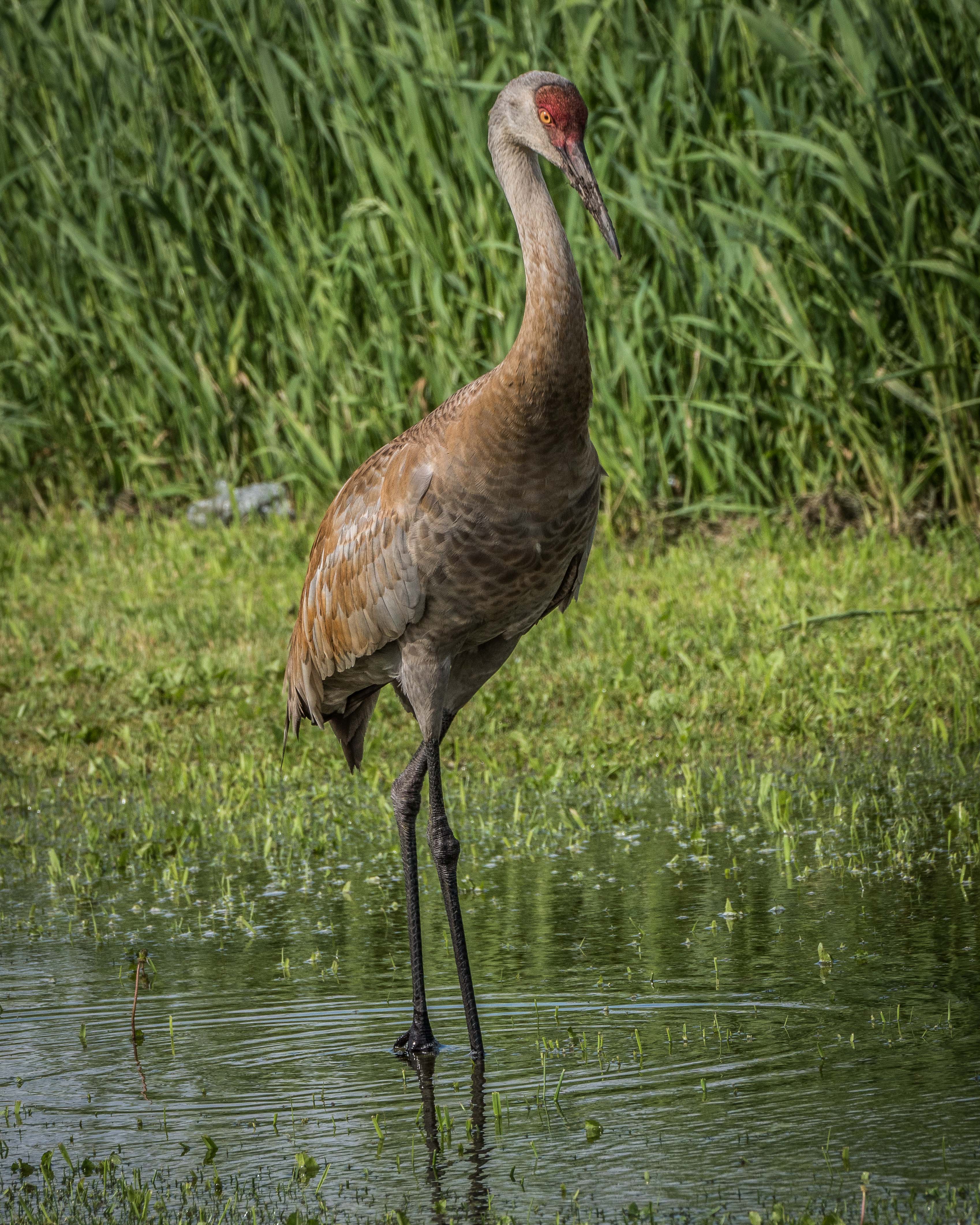
There were some puddles around for this bird to wade in.
Up close and personal as they walked along the mowed roadway to Dave and Irene’s house.

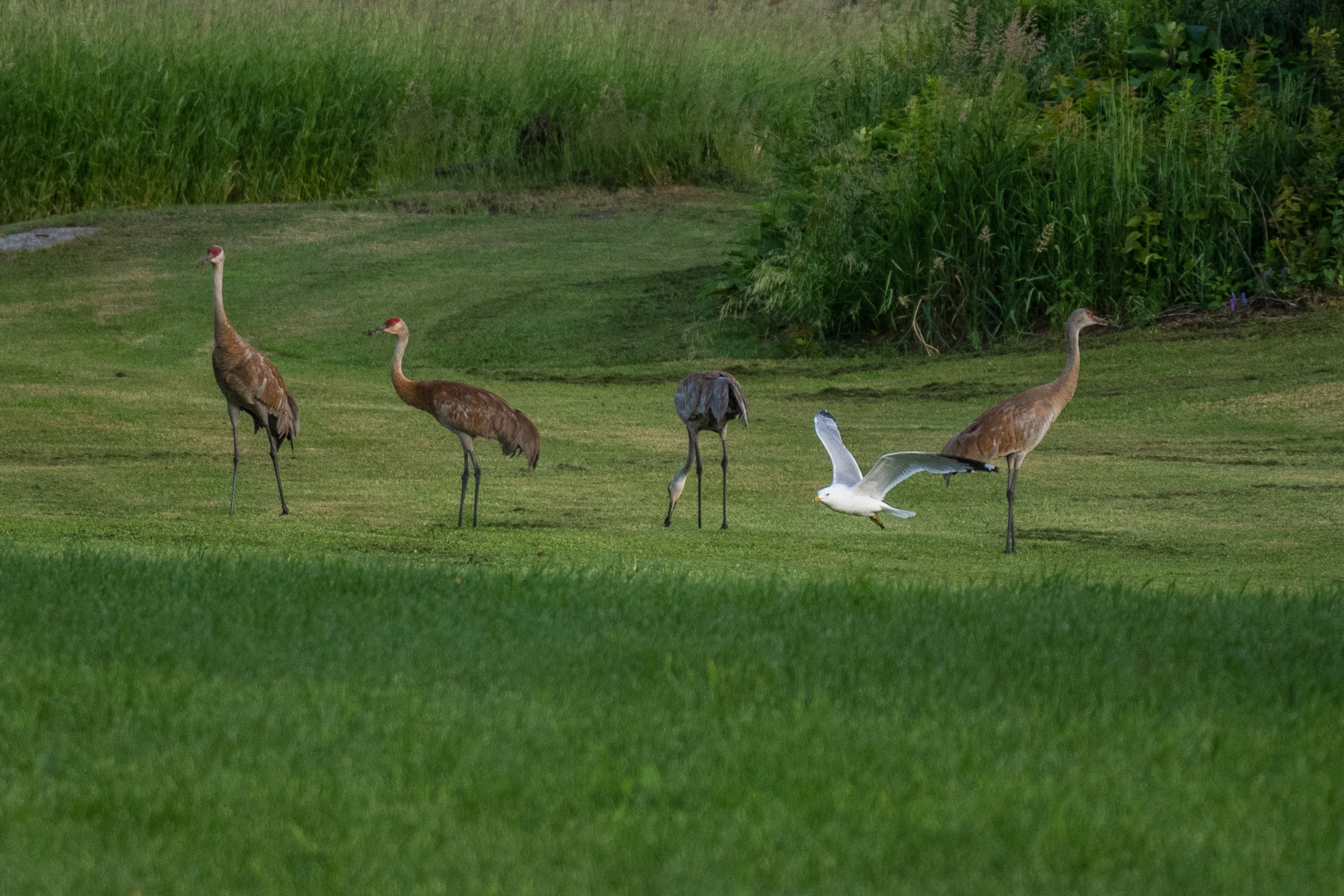
This quartet was seen early Tuesday (7:17) morning in front of the skeleton of Dave’s Barn….

Ring-bills seem to hang out with Sandhills.  I don’t know why.
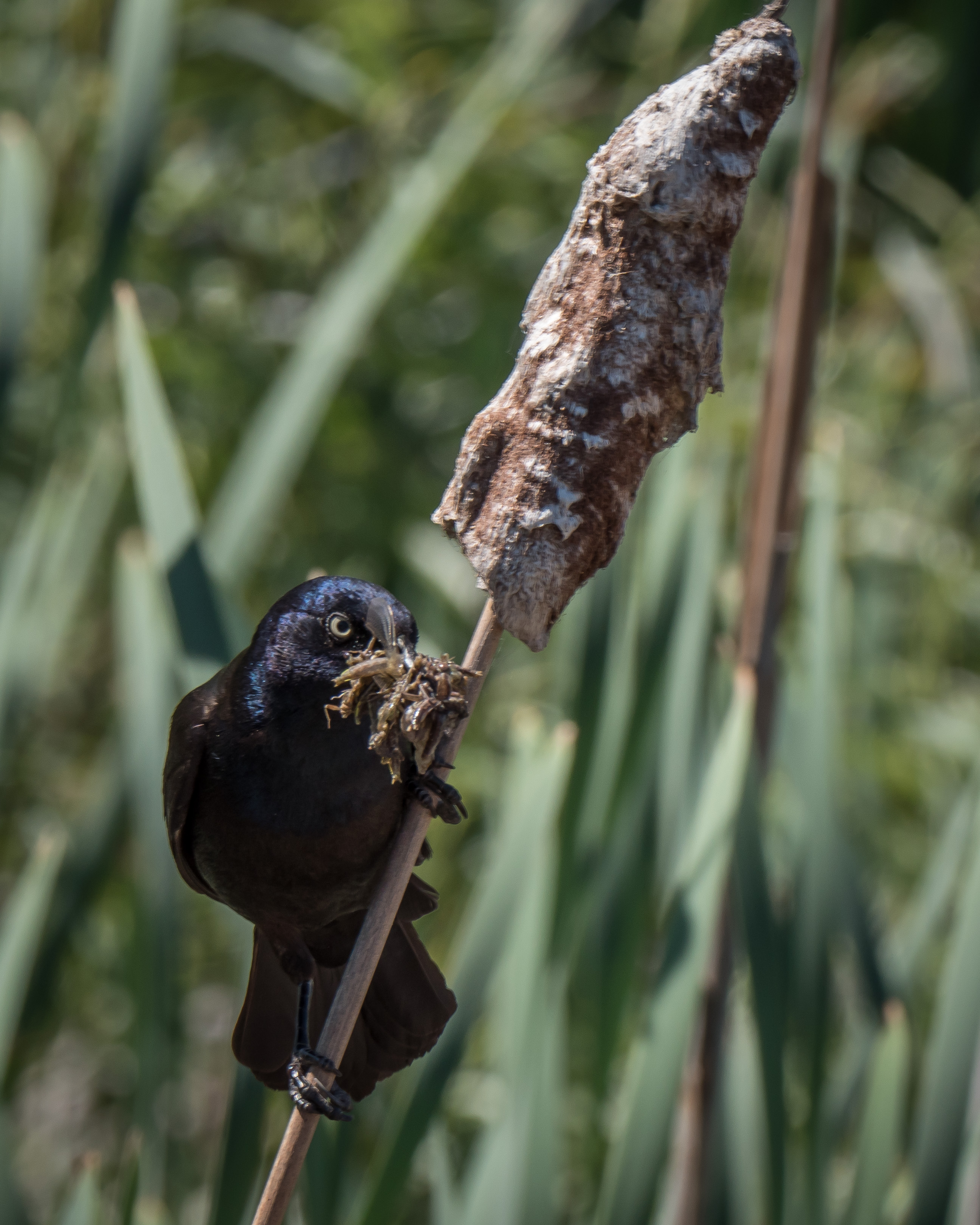
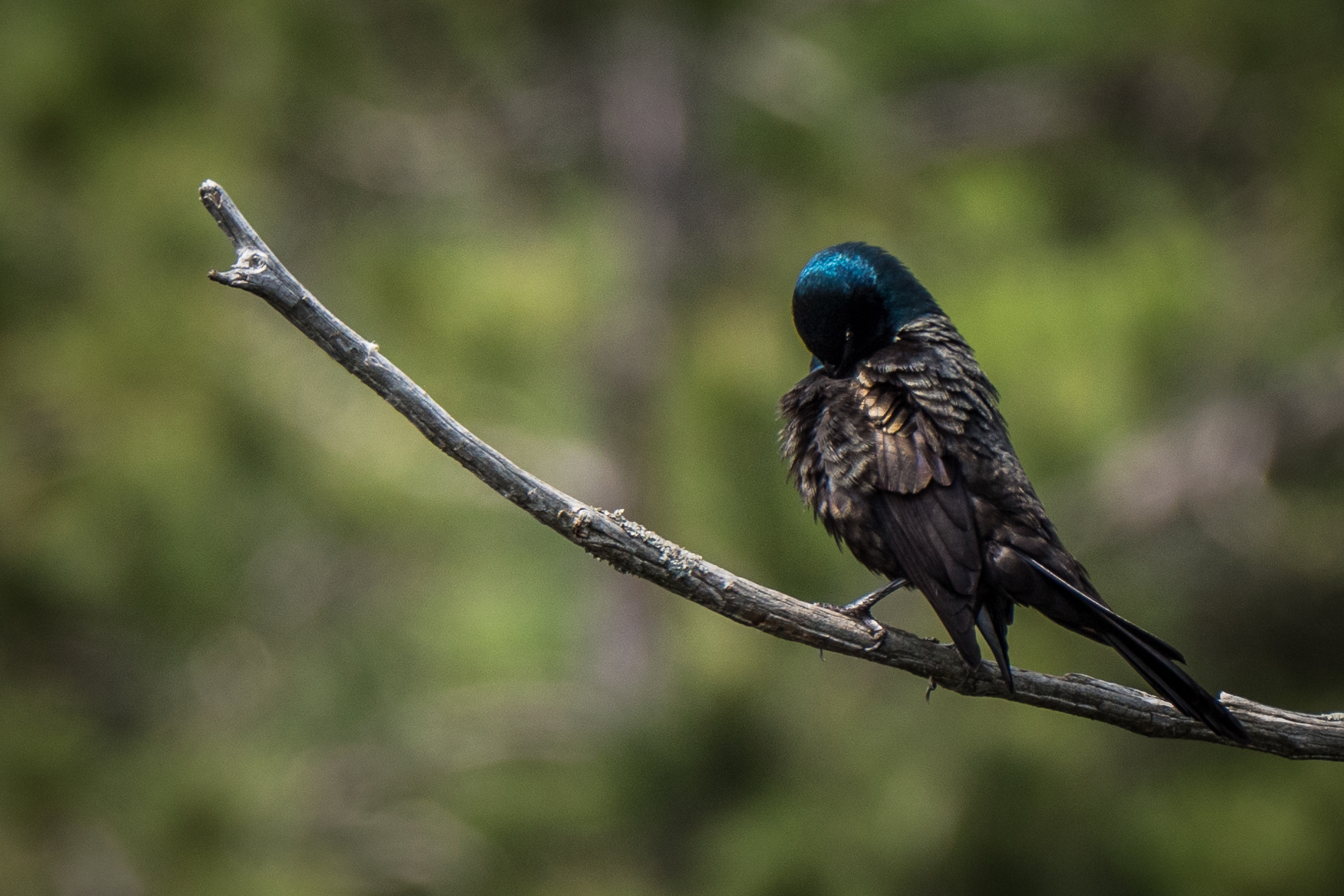
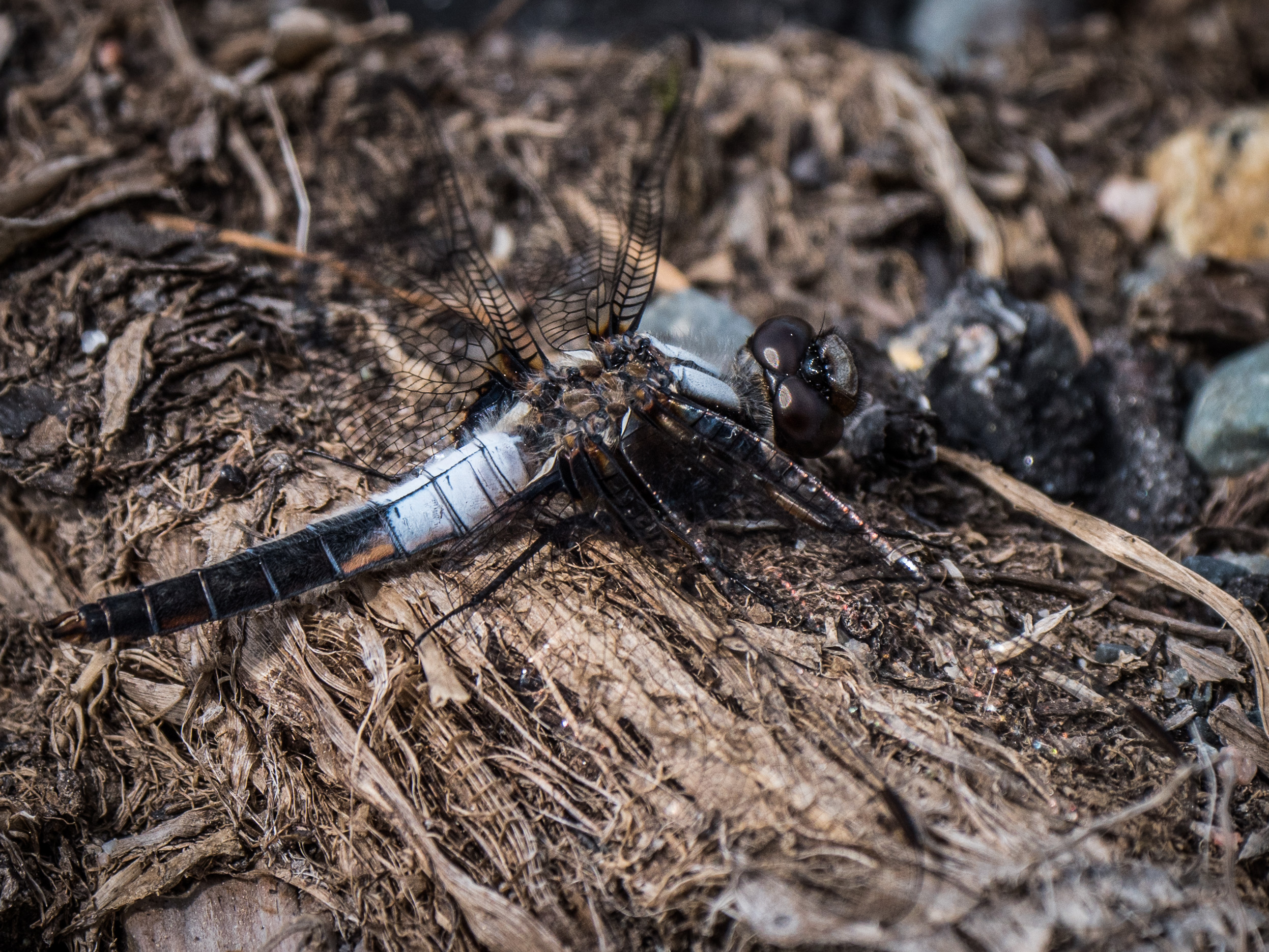
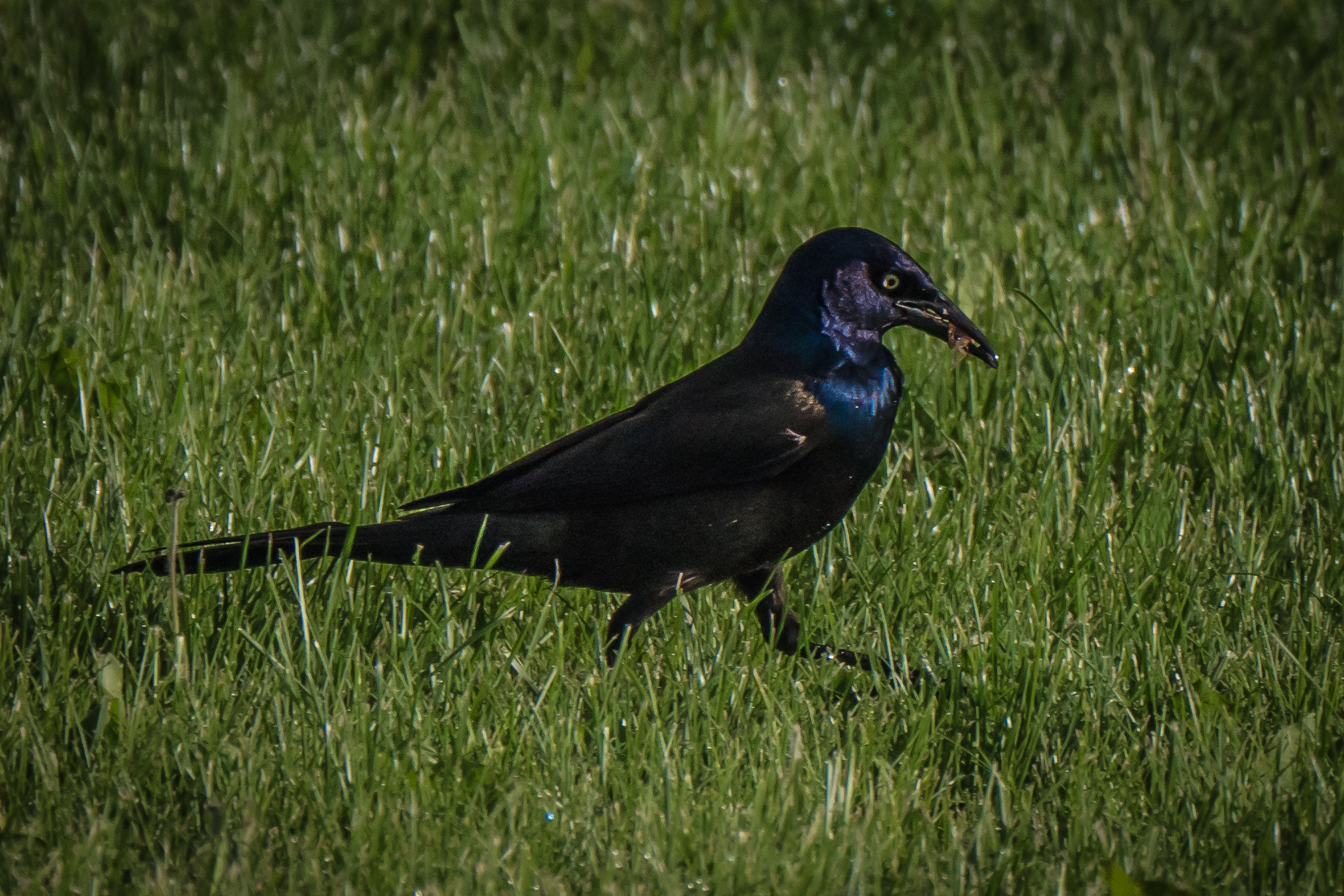
While the Sandhills were feasting on grubs, this Brewers Blackbird

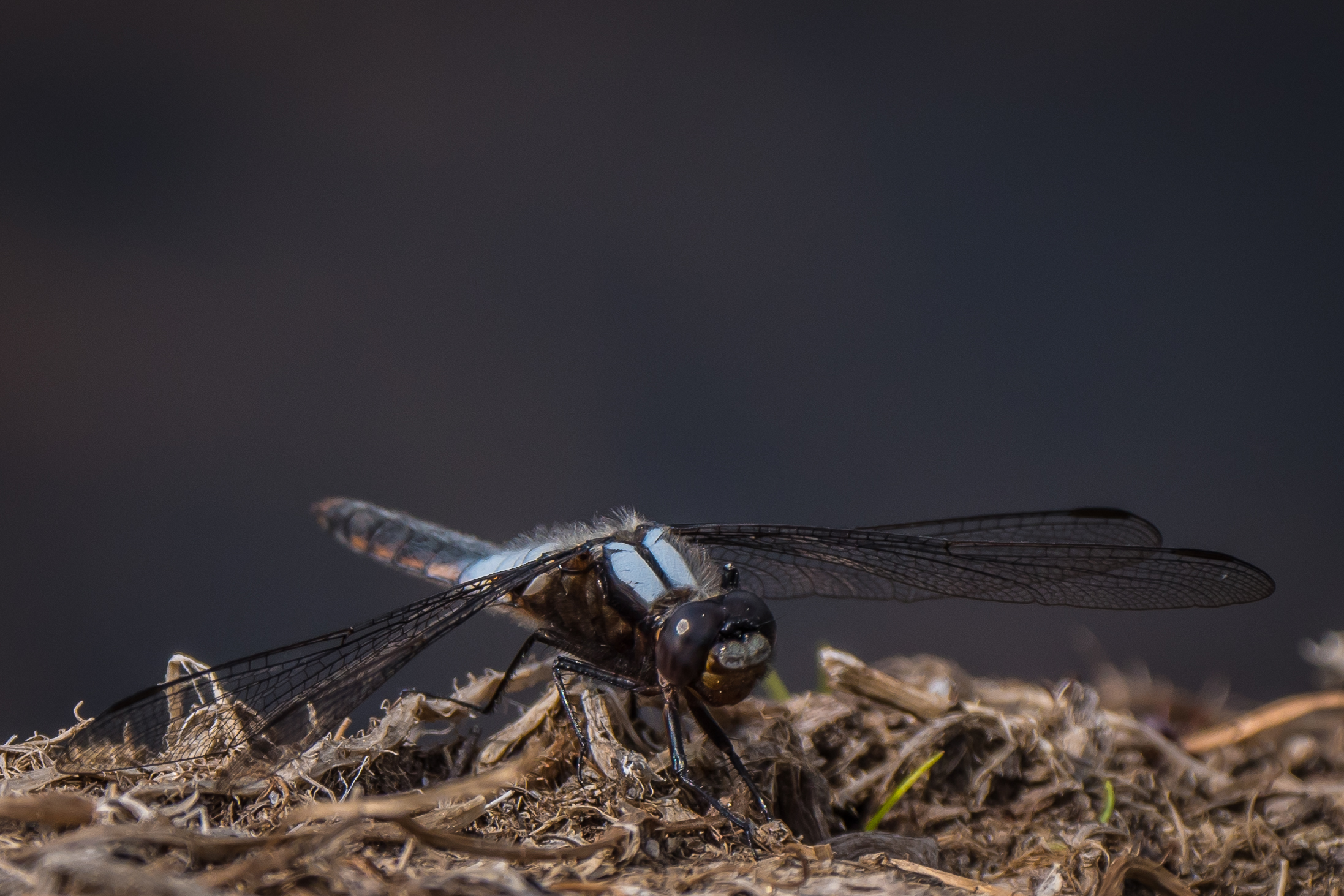
caught a dragonfly resting on a blade of grass.
One of the Sandhills wandered over to a trickle of water flowing through the field to visit with a Mallard drake and a Killdeer.
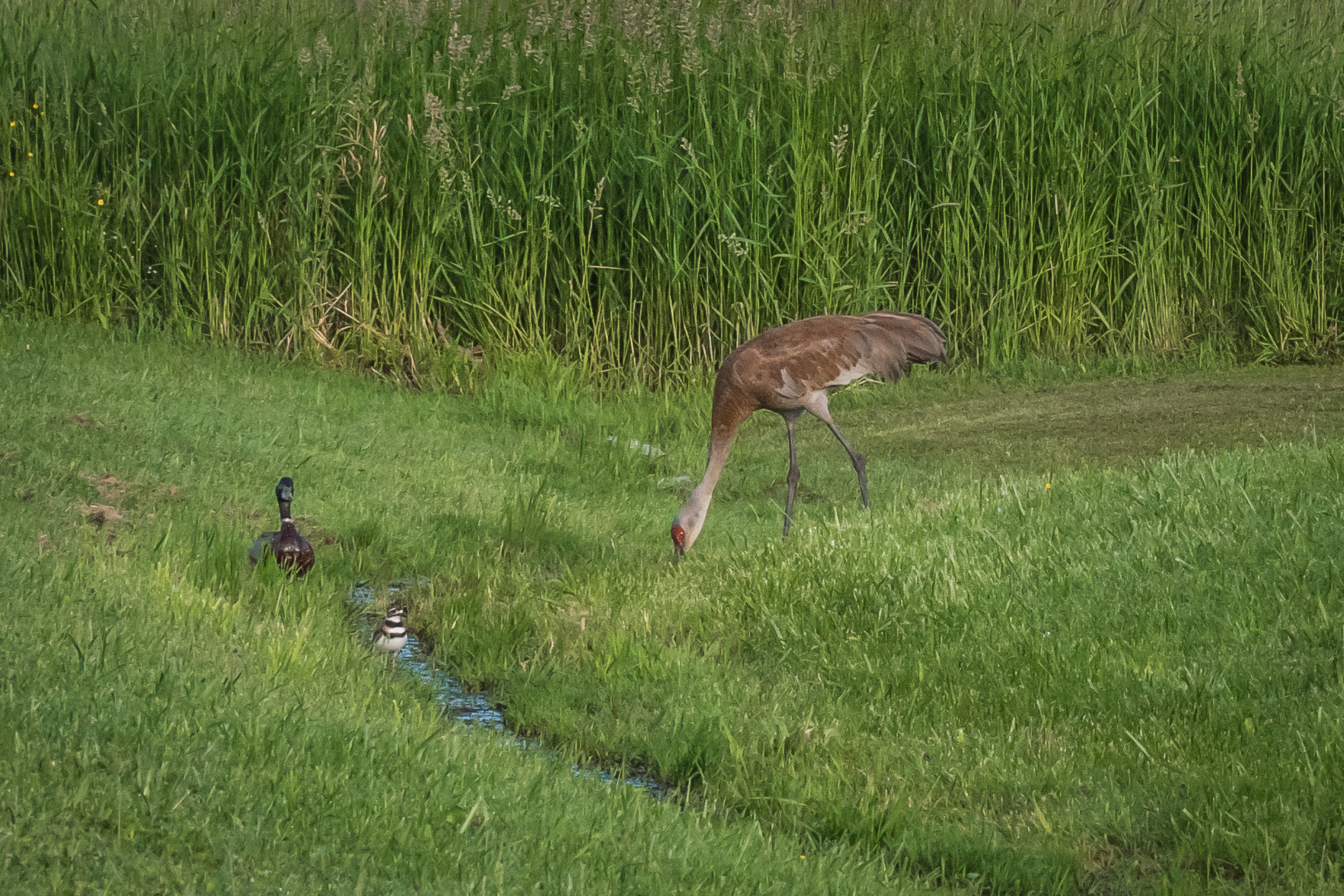
The Killdeer gradually came closer to me but kept an eye on the duck and crane.

Then Drake and Killdeer started to go cross country….

Lynn came along and also managed to photograph this jump…

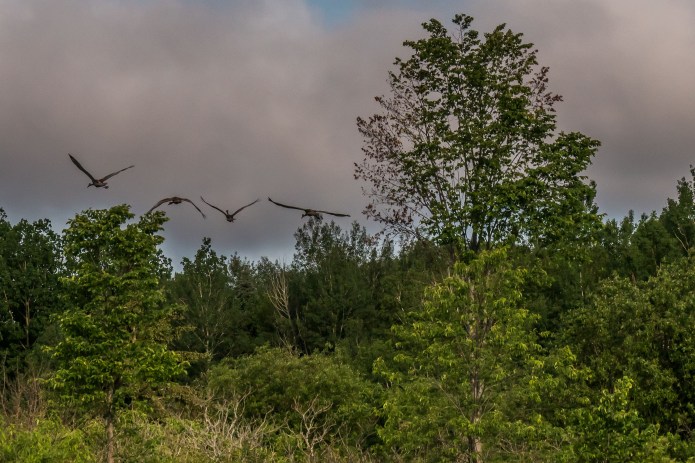
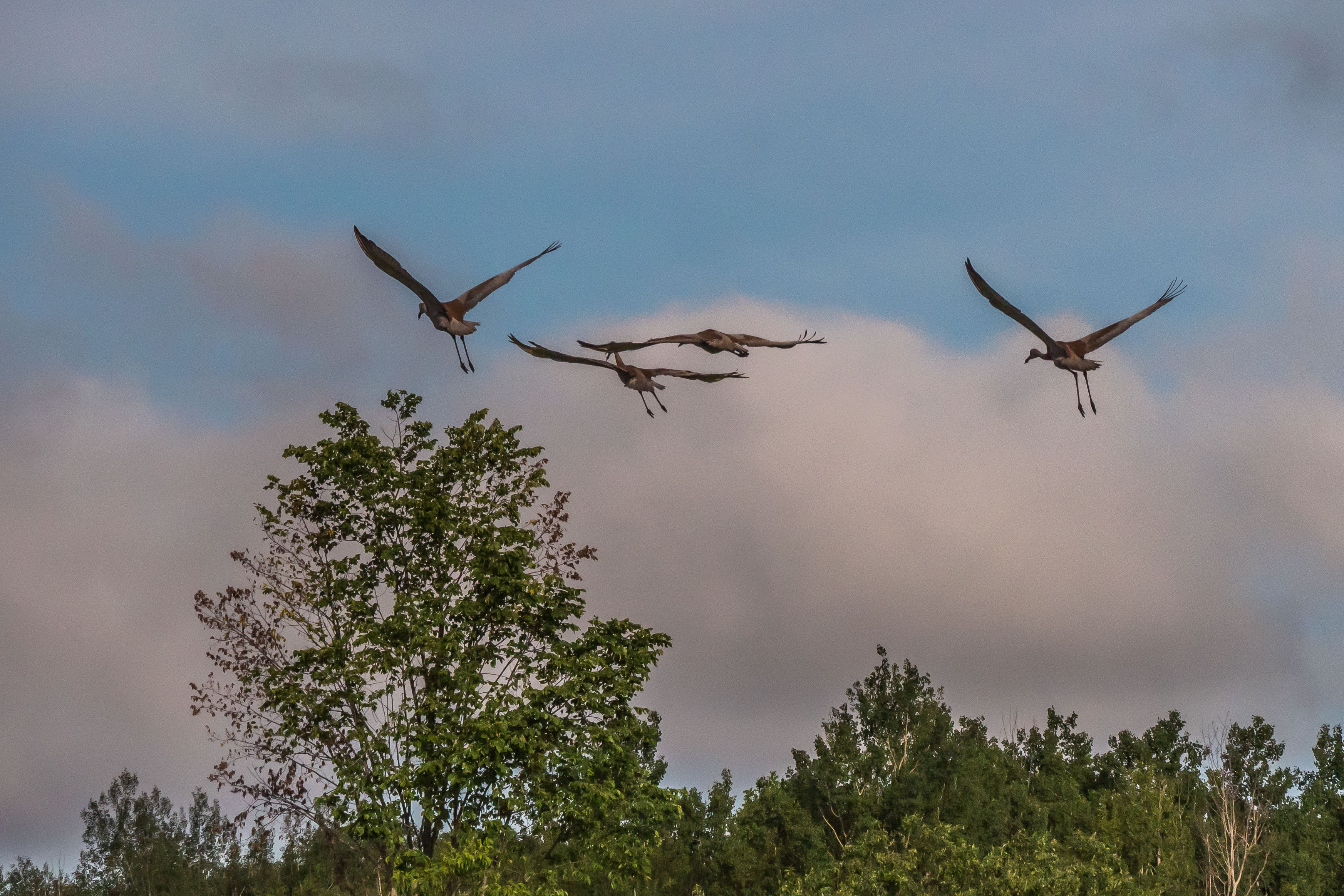
An hour later Dave came back into his driveway and the Sandhills played “follow the leader” in a stream take-off.

Lead is safely airborne as those in line astern leap into the air…

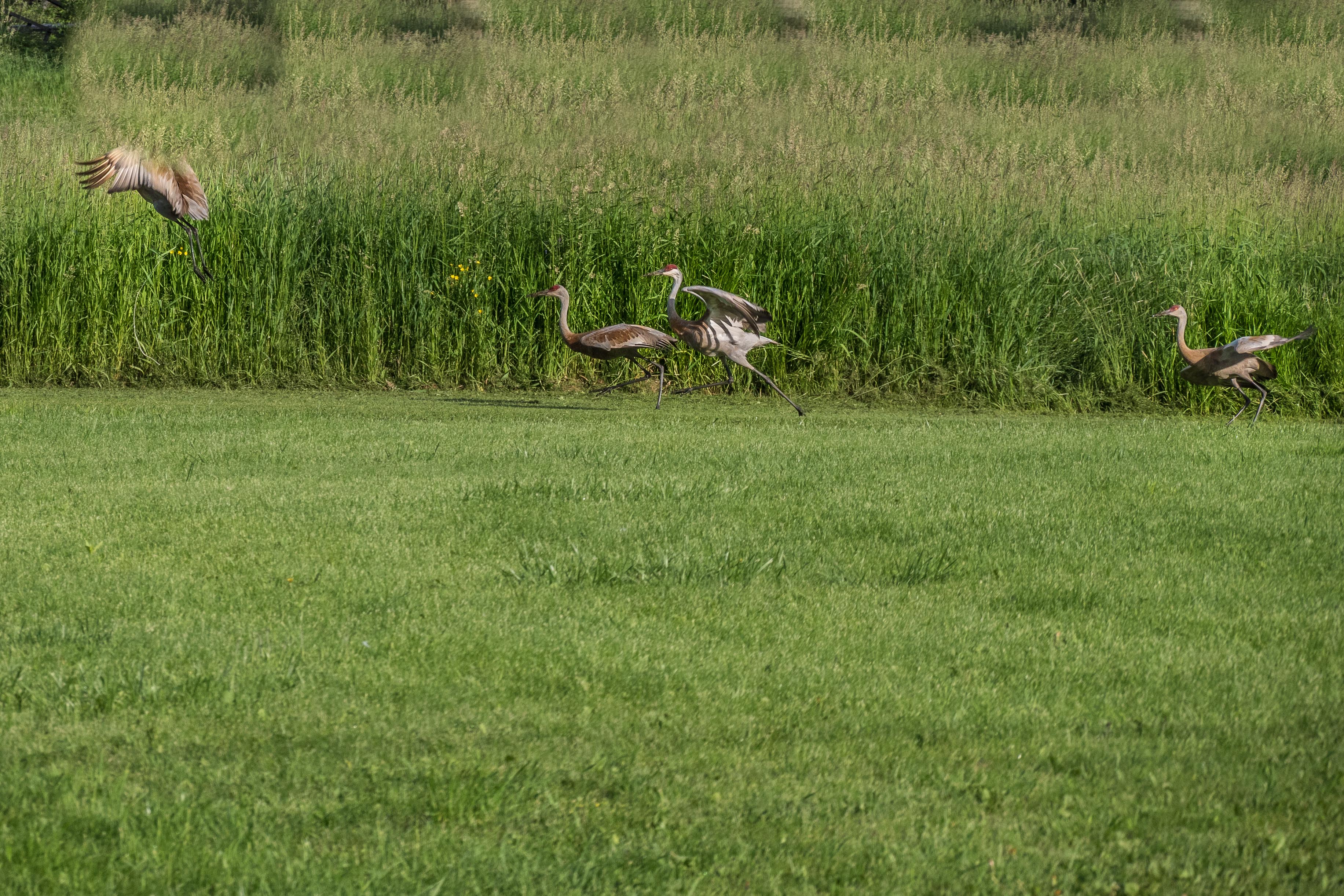
On the climb-out
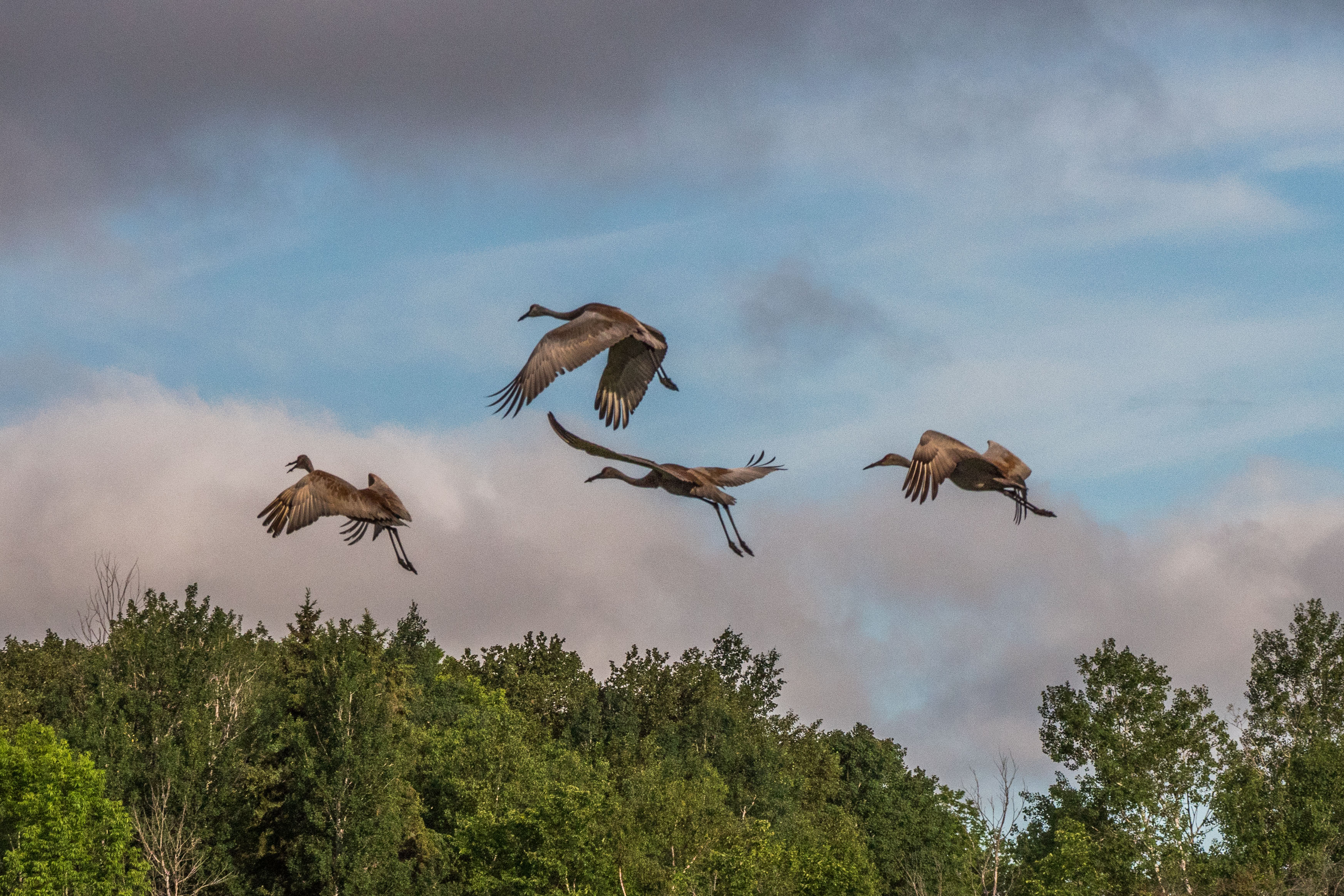
Above the trees …
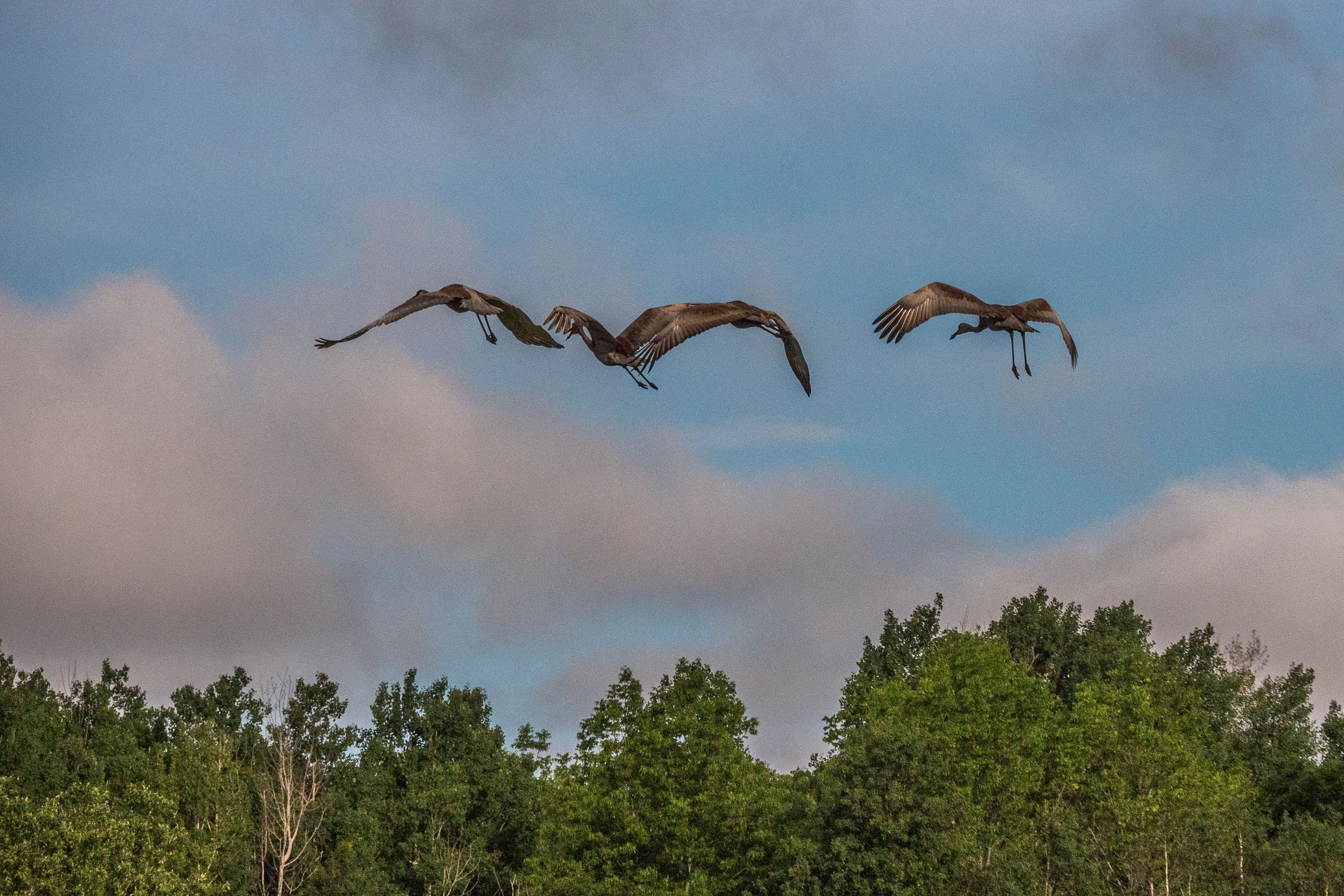
Up, up and away!
Later I visited Dave and Irene when this Ruby Throated Hummingbird posed for us.  After being quite nondescript it flexed its throat feathers to demonstrate the basis of colour in this bird.  This article on Structural Coloration is more detailed and does not make the common error of conflating refraction and diffraction.

If you scroll back up to the Brewers Blackbird you’ll see another example of structural coloration.

Audubon has an opinion of the effect of Keystone XL on Sandhills.

Ontario has some strange laws regarding the control of Sandhills in farmer’s fields.

I have been corresponding with a photographer who has some extraordinary words of wisdom here:  http://035c417.netsolhost.com/WordPress/category/a-photography-art-blog/page/3/

He can relate to Making Pictures (which pops up when you click on it in the title block of this blog).  Does it make sense to you?
Save

Save

20170617 Yellow goatsbeard, pink ladyslipper, viper’s bugloss, cinnamon fern, tufted loosestrife, pitcher plant, dogbane, potentilla, cow parsnip, pollinators

An afternoon drive down Hwy 529 yielded some interesting scenery…

Yellow goatsbeard stayed open in spite of a light rainshower:

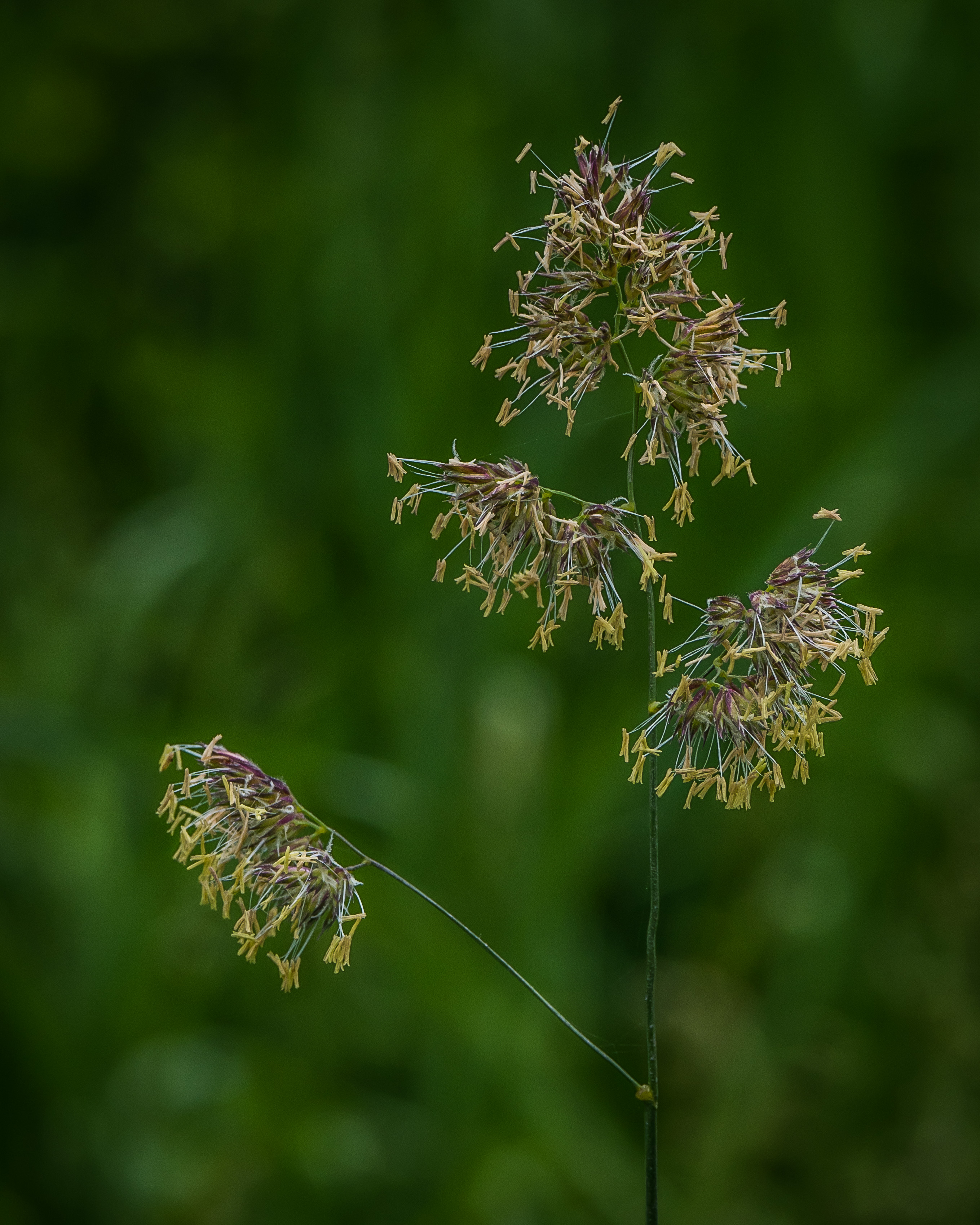
When you look closely (click on the photo) you can clearly see the anthers on this seed head of grass…

Patch of pink ladyslipper orchids, in a sphagnum bog just off of the rock dump north of Big Lake.

Viper’s bugloss being pollinated by a visiting bumblebee….

Cinnamon fern, named for its spore-bearing fertile fronds …

First (and only, so far) sighting of tufted loosestrife

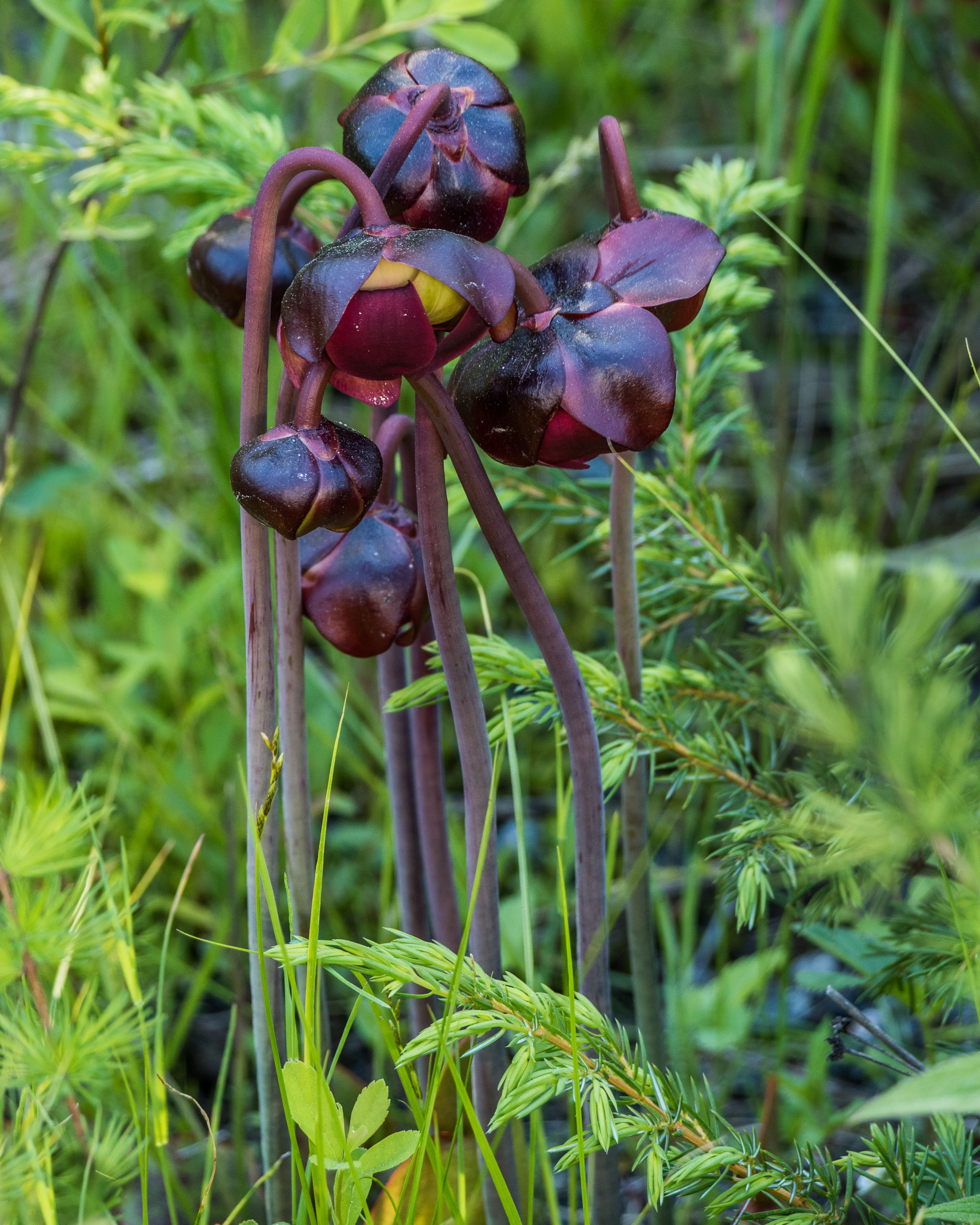
The purple pitcher plant .6 km N of 529A is in mid-bloom.

Possibly a (ground?) crab spider of some sort waiting in ambush.  It didn’t move at all.

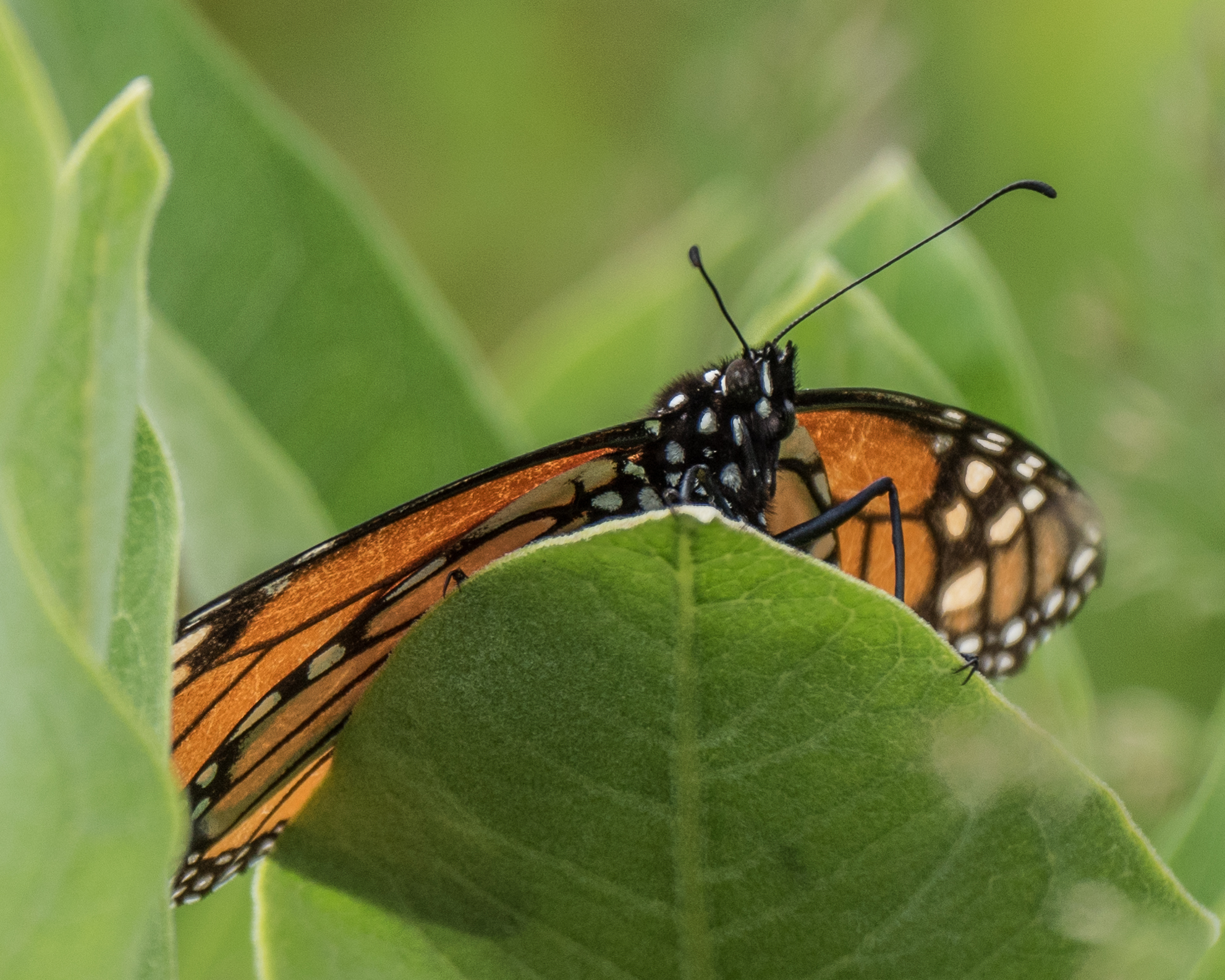
I am now reasonably certain that the Monarchs are laying eggs on the yet-to-bloom milkweeds …

Another copious source of nectar for a variety of pollinators, including many butterflies … Spreading Dogbane.

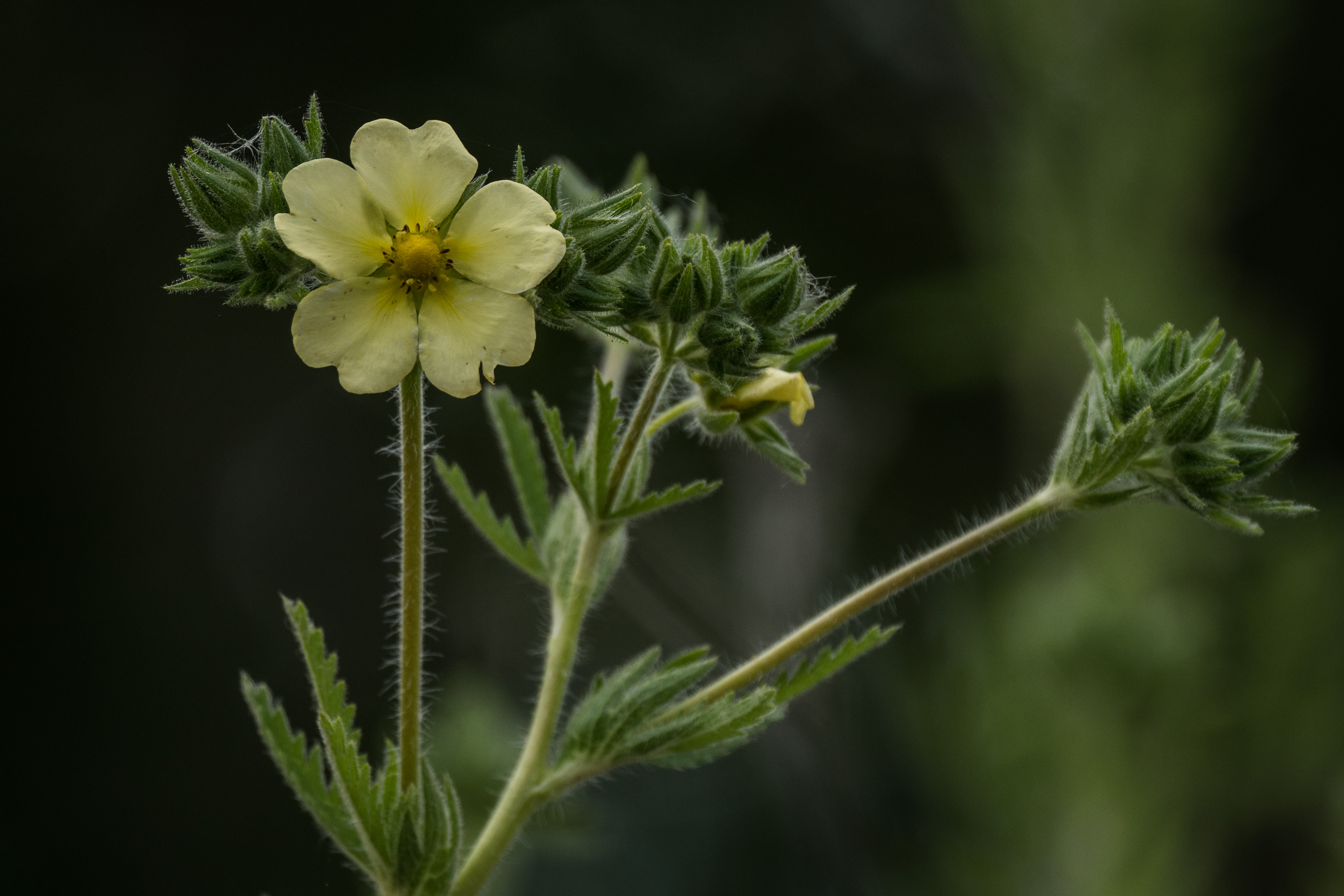
“Potentilla simplex, also known as common cinquefoil or old-field five-fingers or oldfield cinquefoil, is a perennial herb.

Pollinators include mason bees, small carpenter bees, cuckoo bees, halictid bees, syrphid flies, tachinid flies, blow flies, and others. Less common pollinators are wasps and butterflies.”


Nice camouflage!   (The ID is also “camouflaged” in my brain!)

I have seen several of these, some with all of the petals removed.

She loves me.

She loves me not.

She loves me.

Etc.   ??
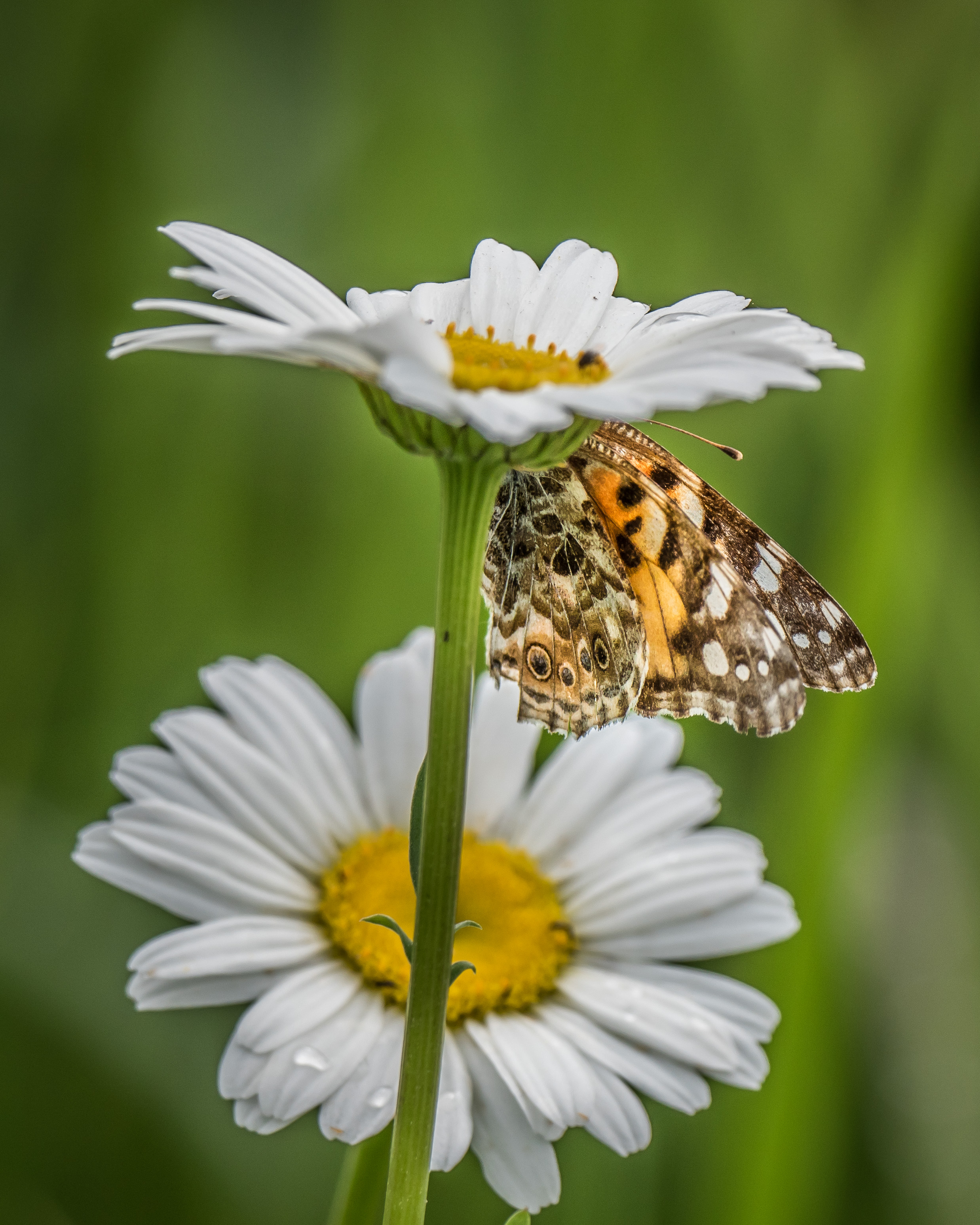
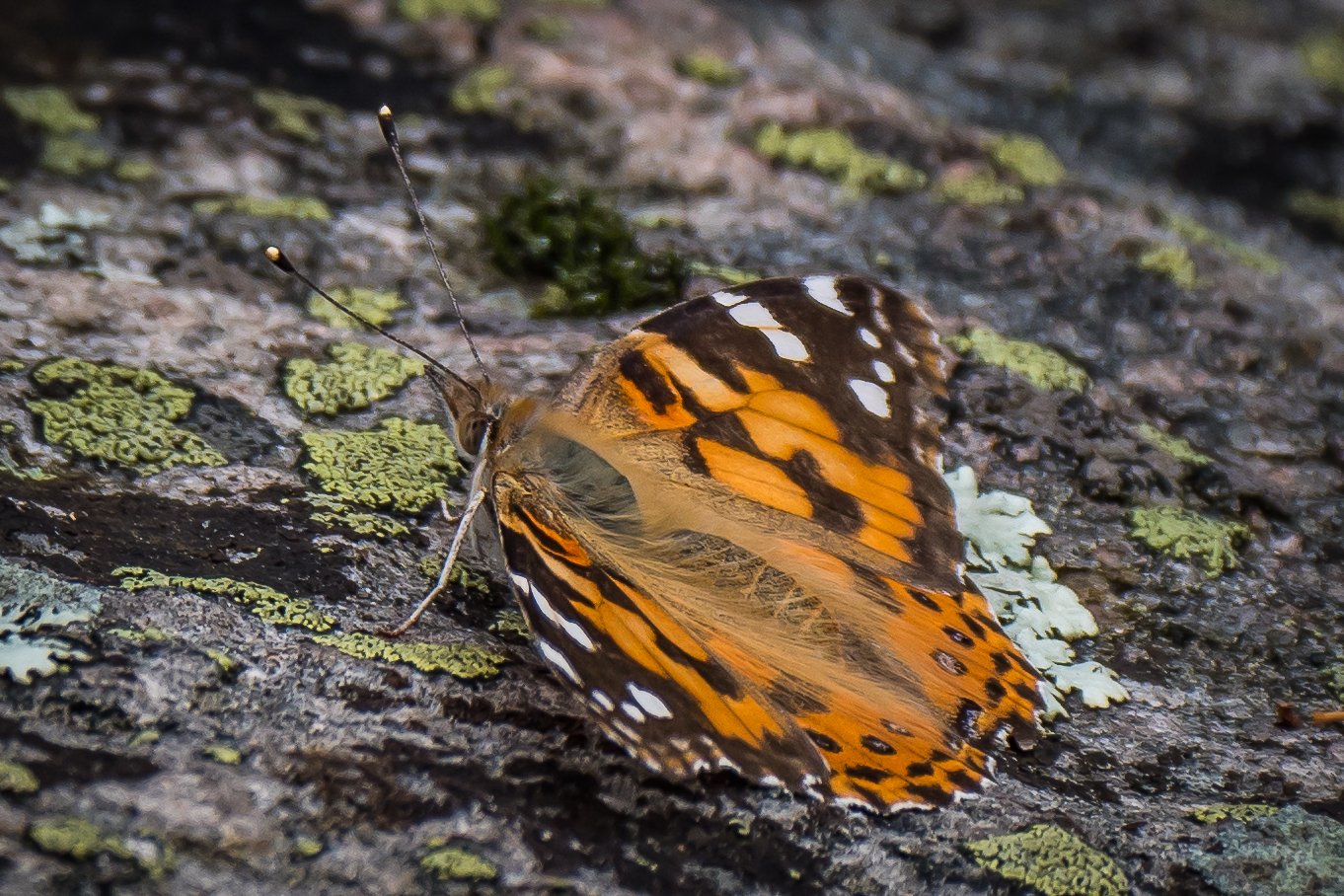
Painted Ladies have more “eyes” than American Ladies:

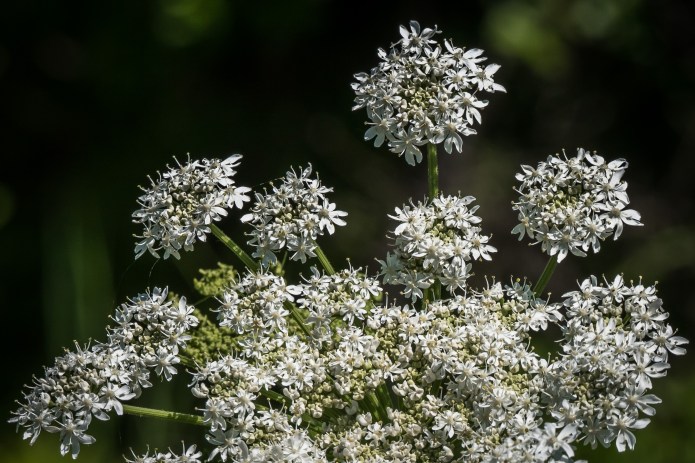
Backlit Cow Parsnip looking towards the setting sun ….

While trying to ID the above spider I came across this link to very fine nature photography:

http://www.randysnaturephotography.com/index.html

Save

20170616 Dogwood, chestnut sided warbler, highbush cranberry, Canada anemone, blight, wild rose, painted lady, wood satyr, crab spider, salsify.

Dogwood, chestnut sided warbler, highbush cranberry, Canada anemone, blight, wild rose, painted lady, wood satyr, crab spider, salsify.

Some scenes along the Old Still River Road and Hwy 529 ..

The dogwoods are in full bloom now …

This Chestnut Sided Warbler views the photographer from its “hide”.

A nice display of the V. trilobum …

Canada anemone is in full bloom now …

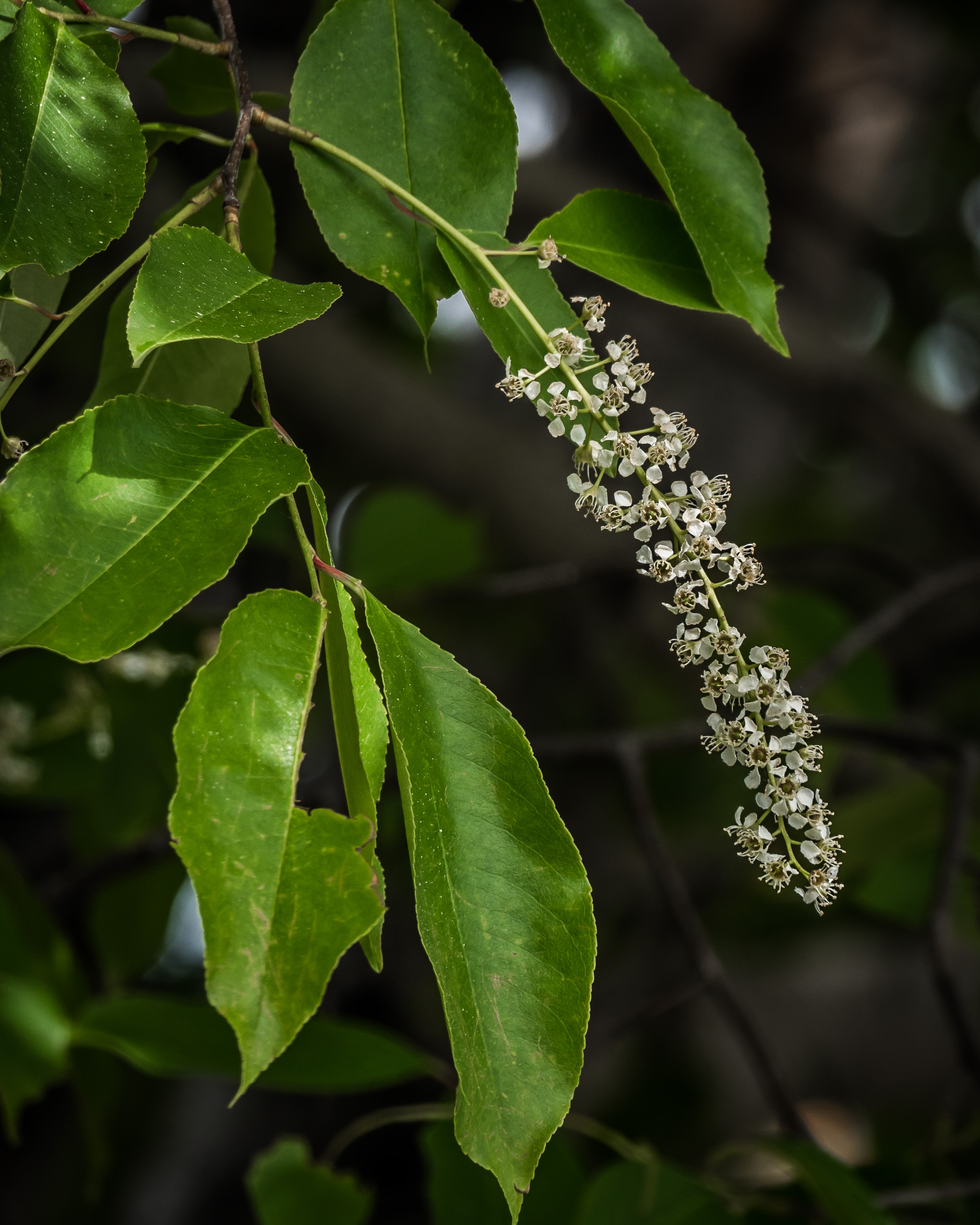
Many of the Choke Cherries seem to be affected by a blight of some sort this year …

Up close:

This wild plum has a similar affliction …

All of the local serviceberries have some sort of disease also.  I have yet to see any serviceberry mature to edible fruit over the last 20 years in this area.   Too bad, as serviceberry (aka Saskatoon berry) pie is delicious. 

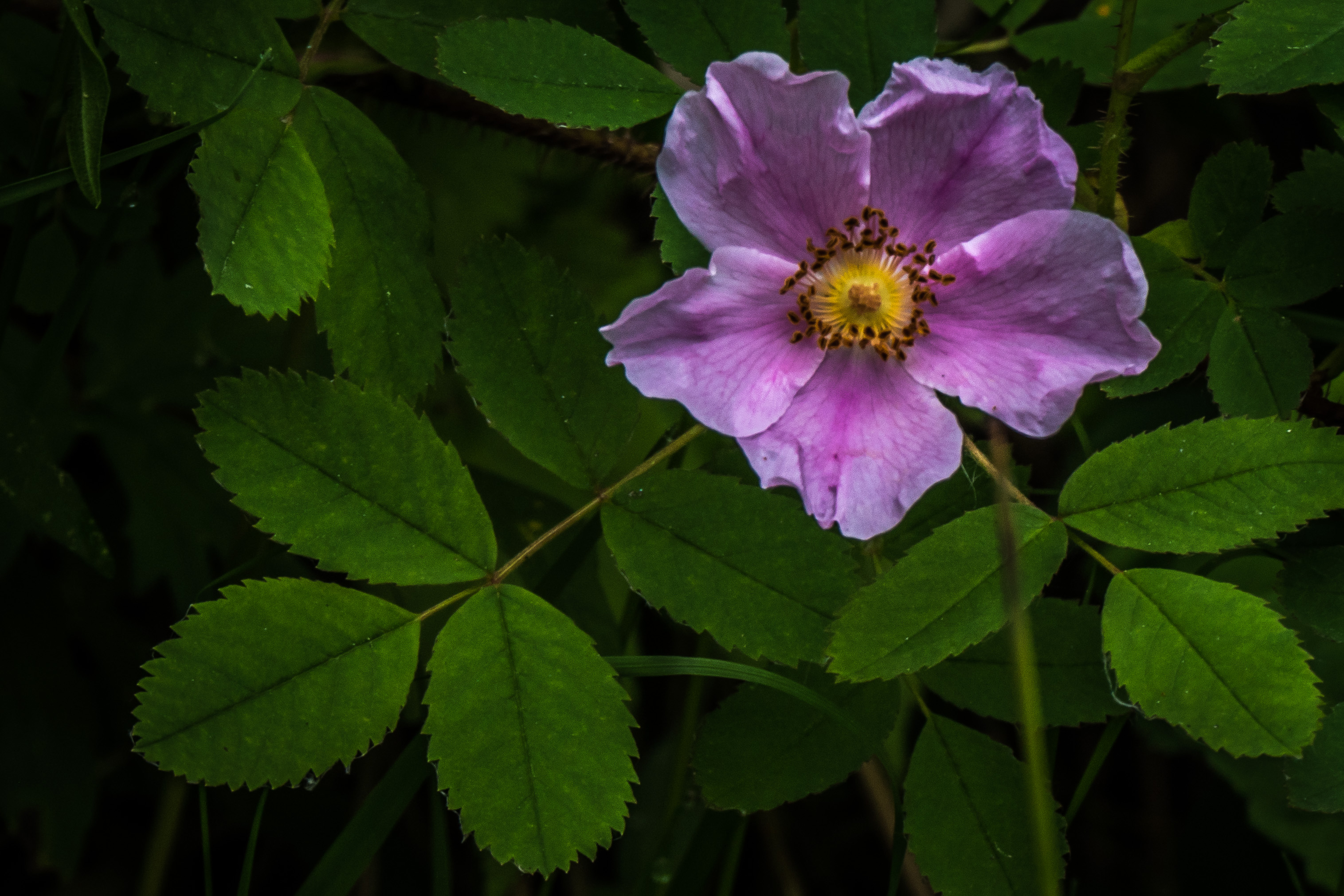
The Prickly Wild Roses are in mid-bloom now …

This Crab Spider seems to be transitioning to the yellow format (in anticipation for lying in wait on a Goldenrod?)

Little Wood Satyr, resting on a leaf under a grass arch …

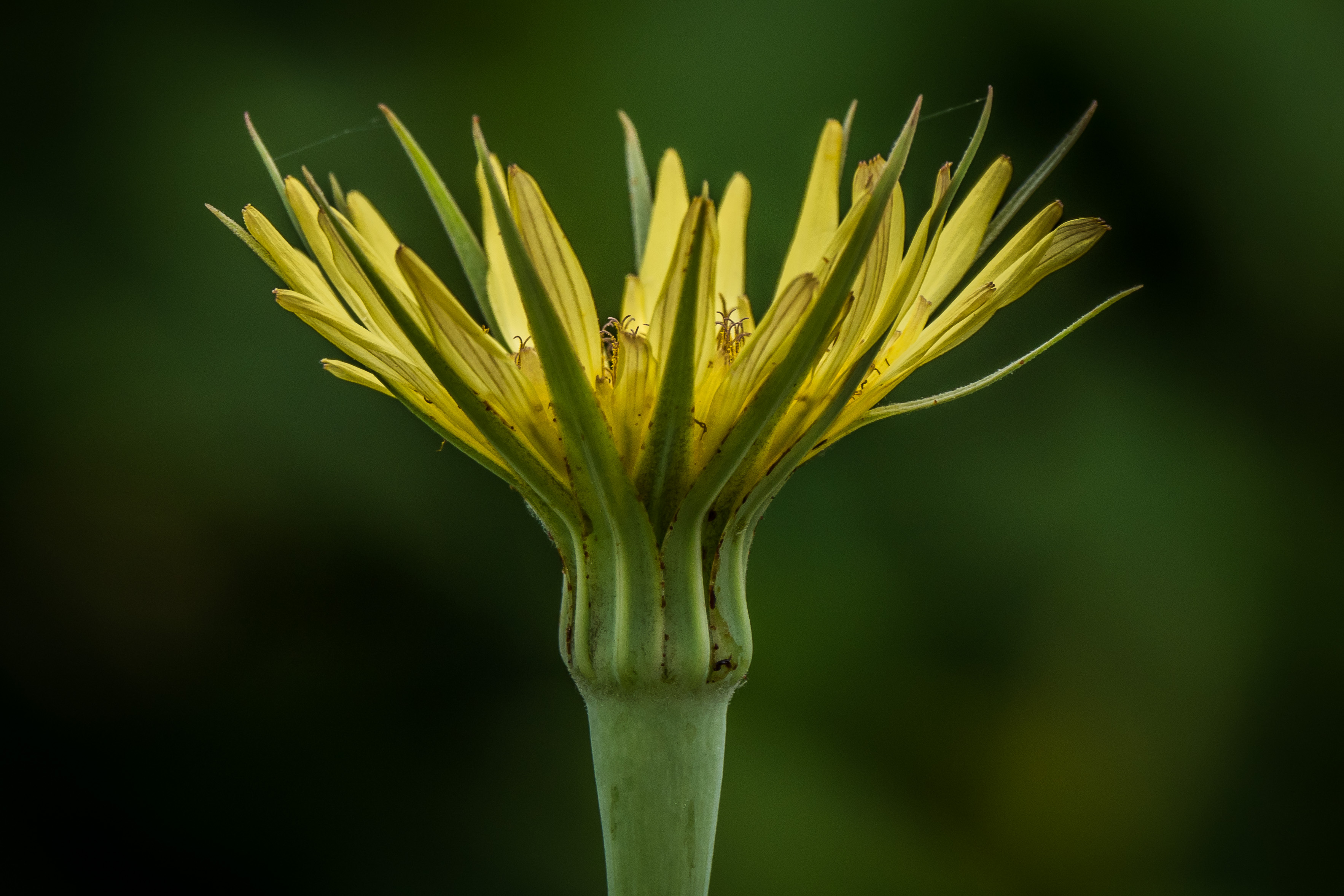
Tragopogon dubius (yellow salsify, western salsify, western goat’s-beard, wild oysterplant, yellow goat’s beard, goat’s beard, goatsbeard, common salsify, salsify) in a delicate light:

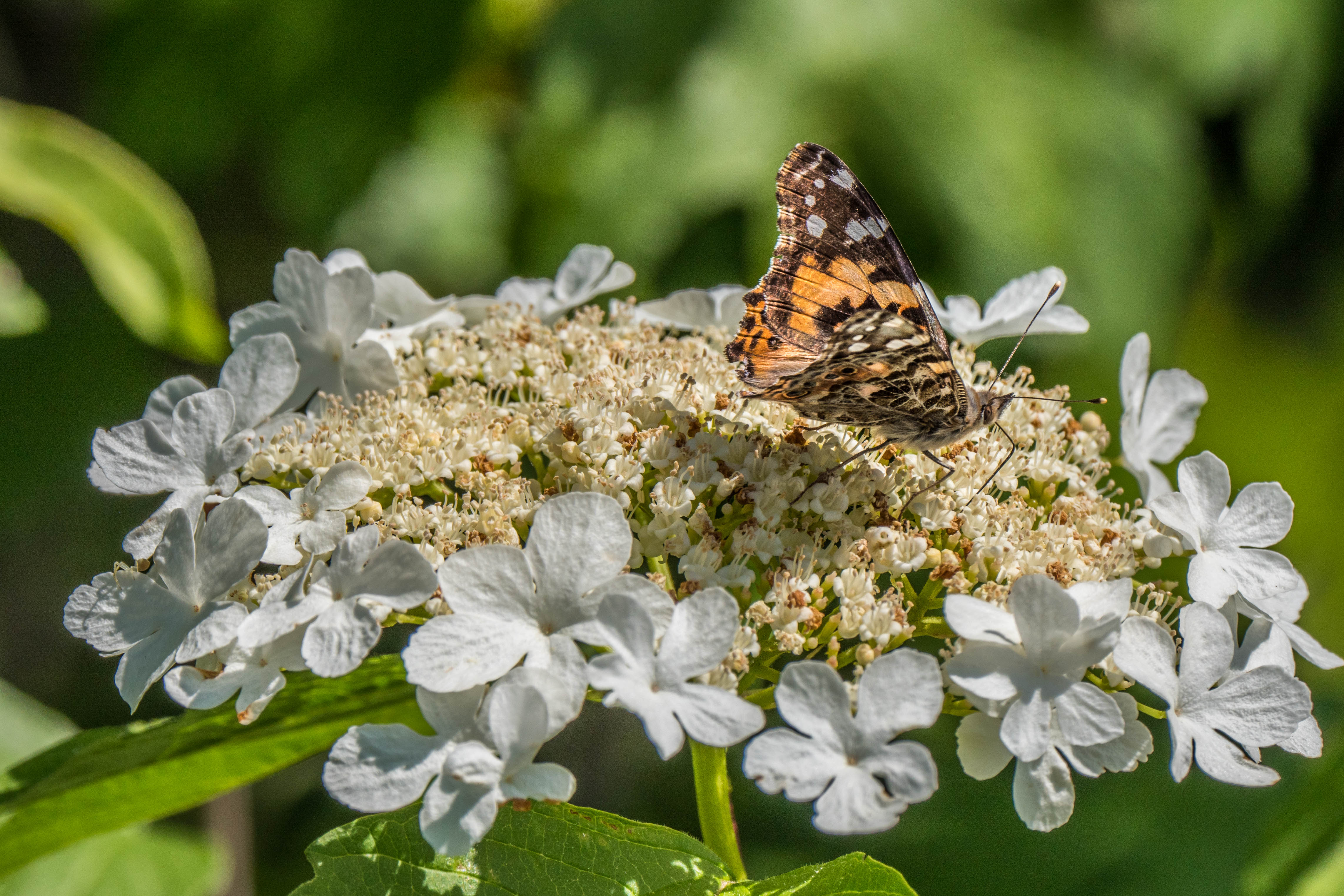
Painted lady nectaring on a V. trilobum…

Native bee collecting pollen and nectar on the flowerhead of a Common Yarrow….

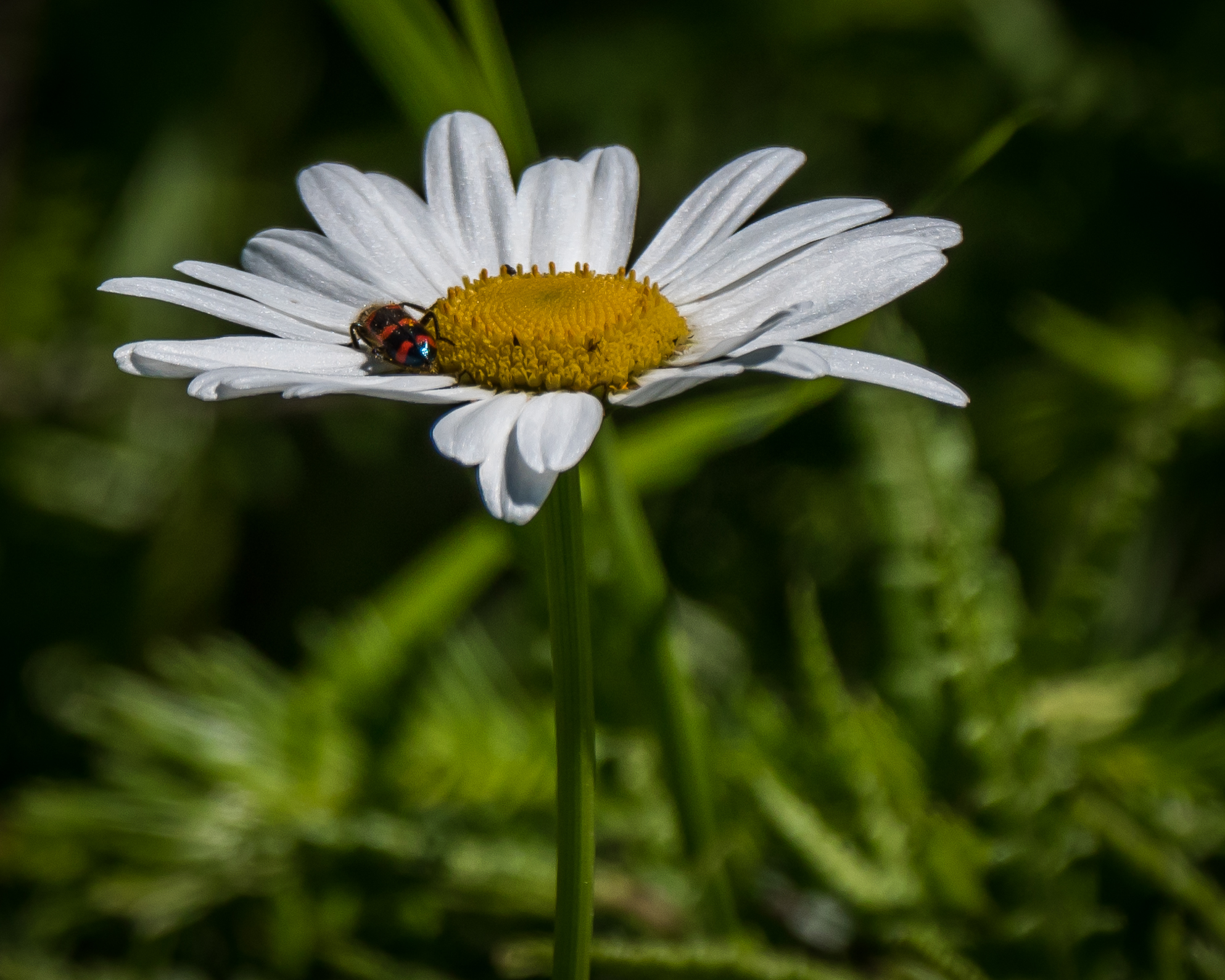
Beetle on Ox Eye Daisy.   I don’t know what it is doing there.

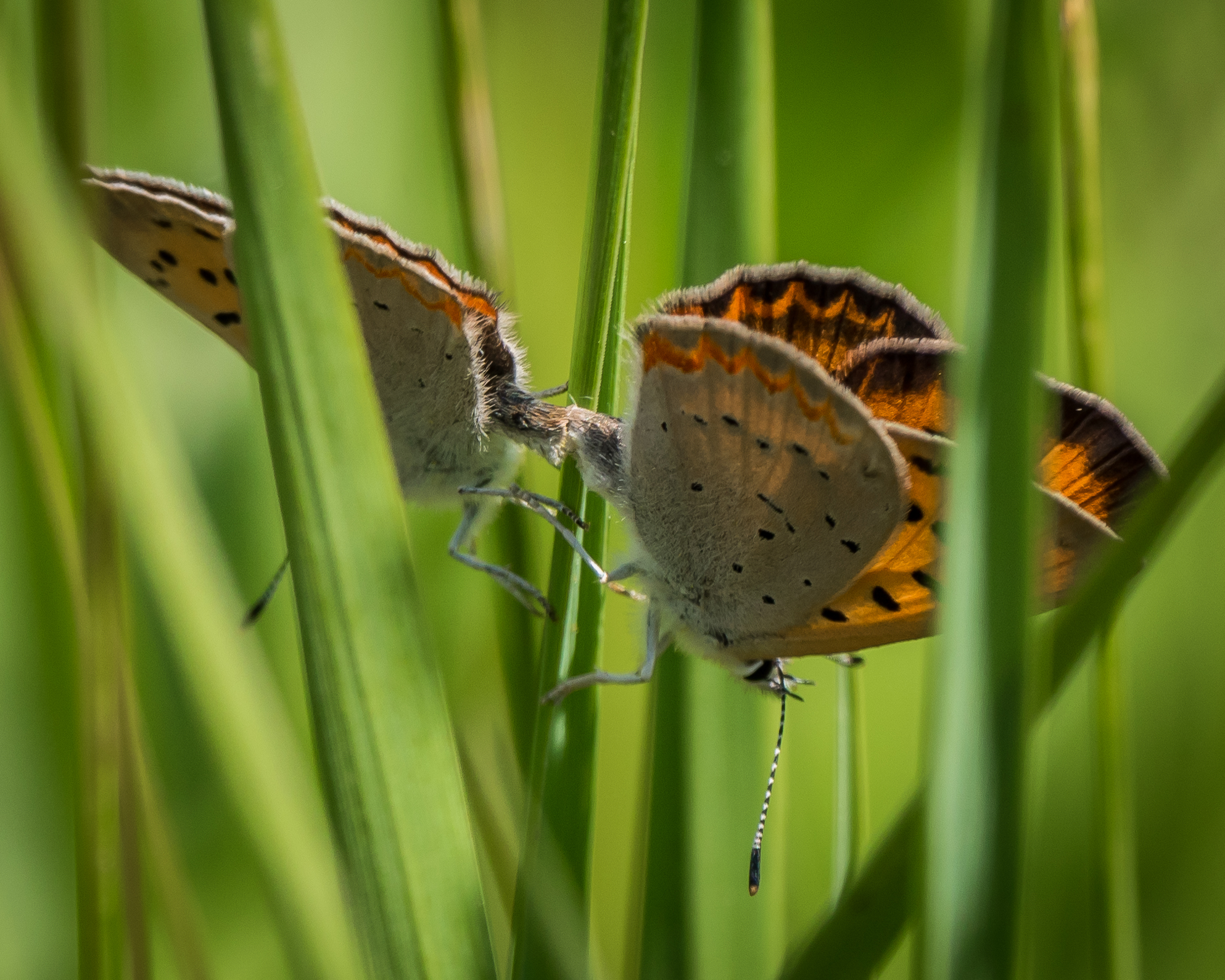
These two (Coppers??) were hidden in the wind-moving grass.  A pair of antennae at either end.

A wind gust later … Aha!   That’s how they do it!


And interesting reference for up-to-date environmental news:

http://naturecanada.ca/category/news/blog/

More stuff:  http://blog.feedspot.com/nature_blogs/

It is probably healthier to go outside for a walk or drive than to look at all of this computer stuff!!!

Save

Save

20170615 Britt, Hwy 529 Painted lady, moths, skippers, brushfoots, coppers, cabbage butterfly, dragonflies

We spent some time looking into the grass along Hwy 529 and Riverside Drive to see butterflies, moths, bees & flies foraging, pollinating and, I think, laying eggs.

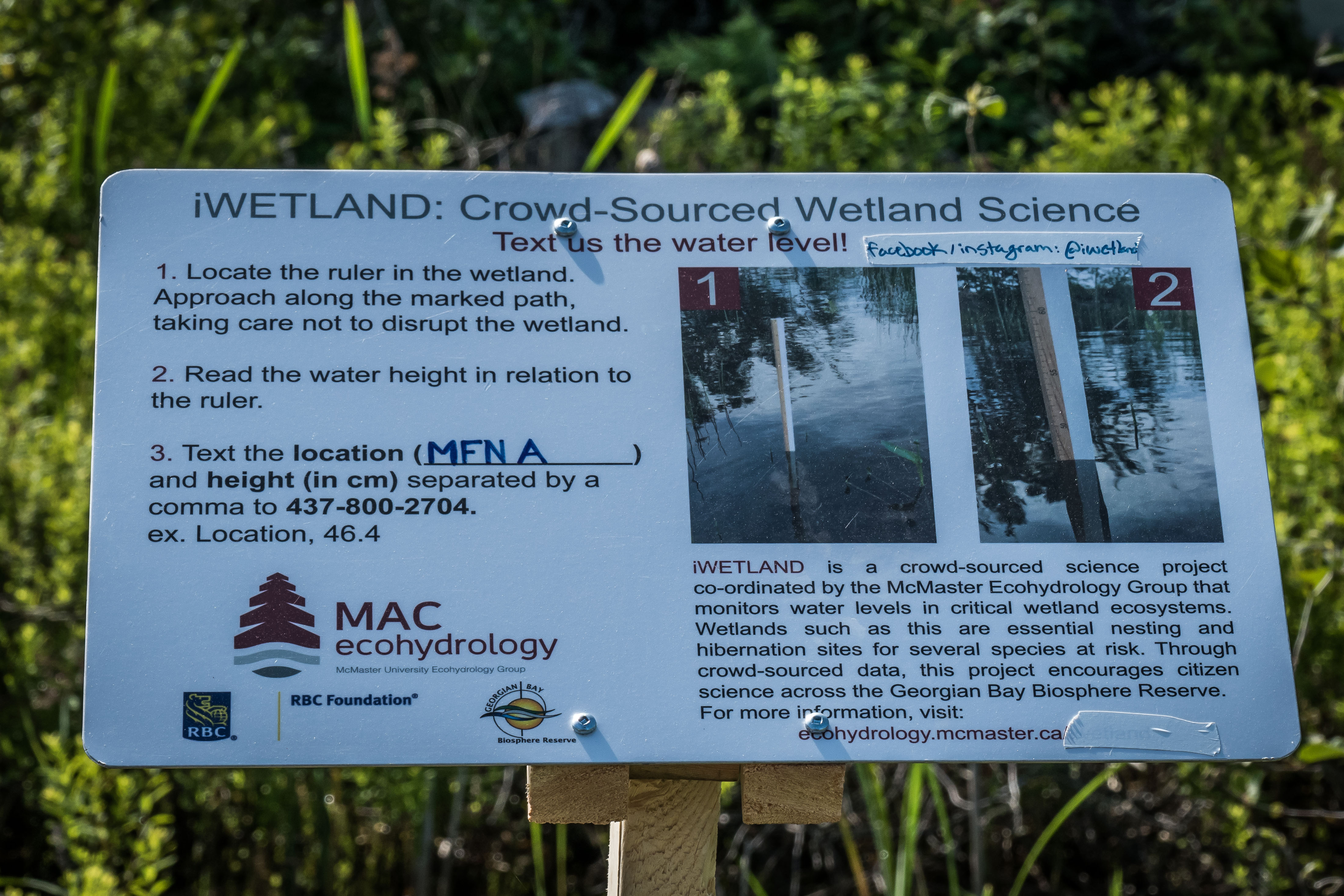
Just west of the Magnetawan FN Band Office we saw this interesting use of “citizen science”.    Good for McMaster, Royal Bank, Georgian Bay Biosphere Reserve and the Magnetawan FN.

It appears that this year’s Pin Cherry crop will be affected by the cold wet weather during their pollination period about three weeks ago.

These Black Cherries are going to do a bit better, we hope.

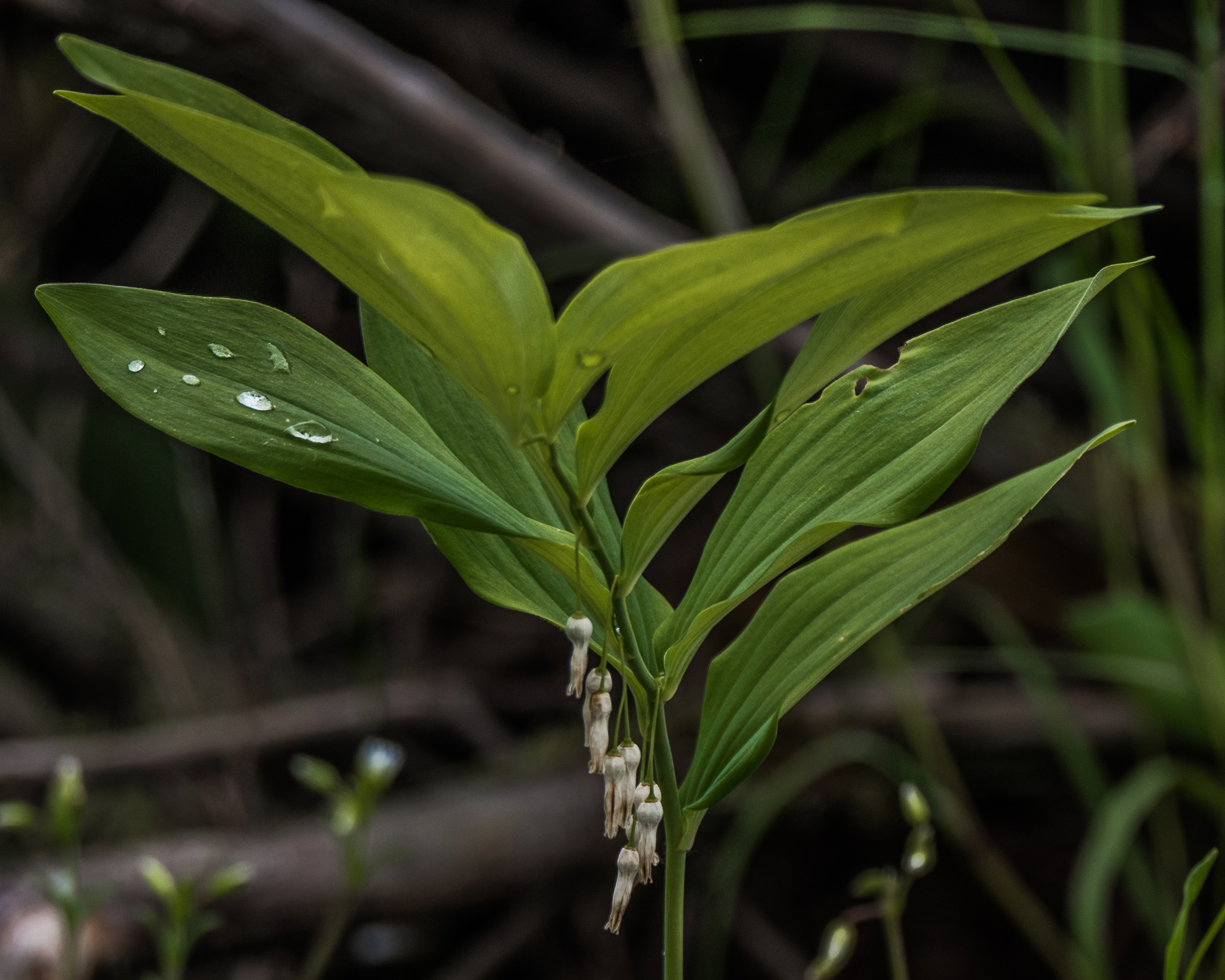
Solomon’s Seal along Riverside Drive, near the Geophysical Marker….

Vanessa cardui have been flitting around and nectaring for about two weeks now.

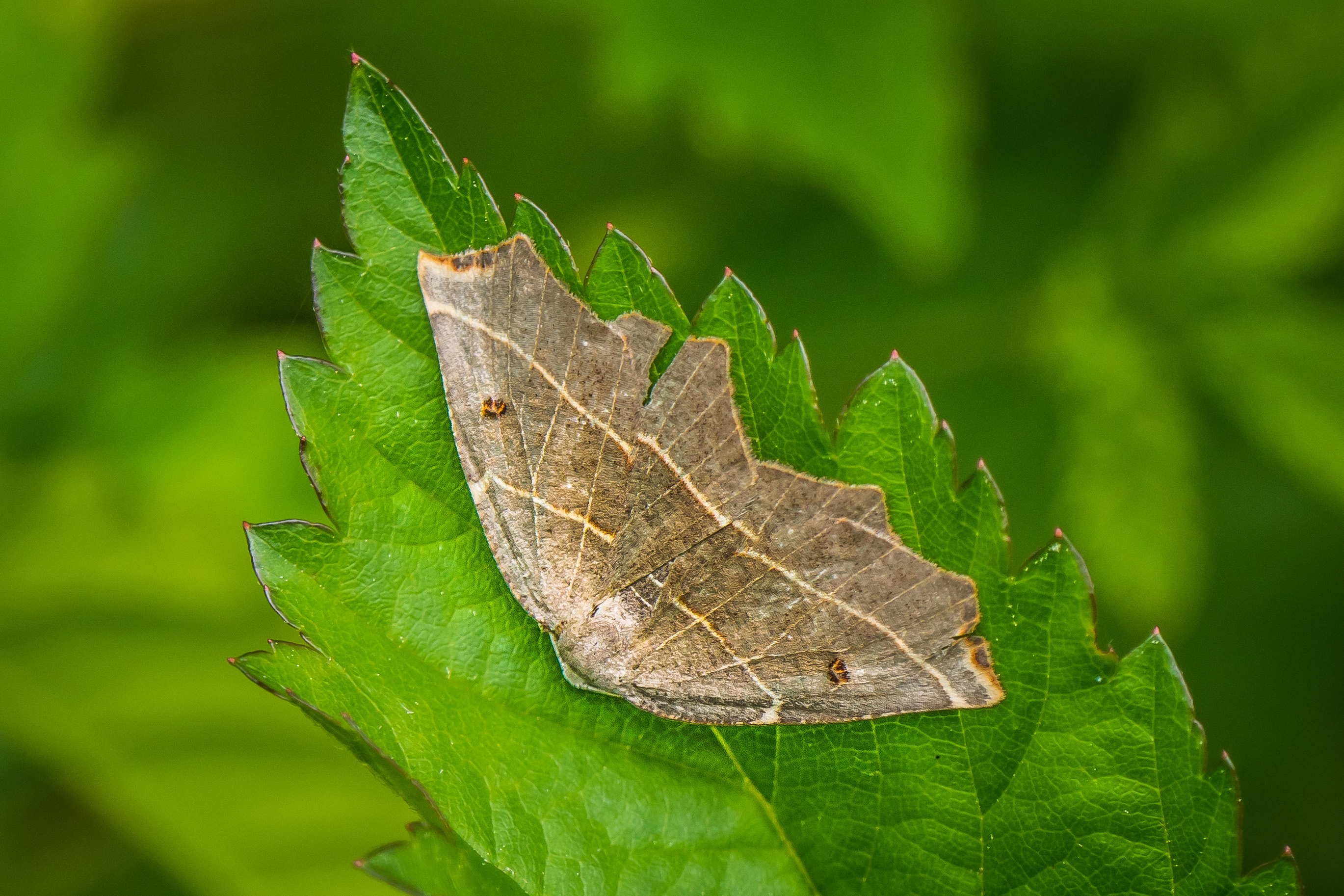
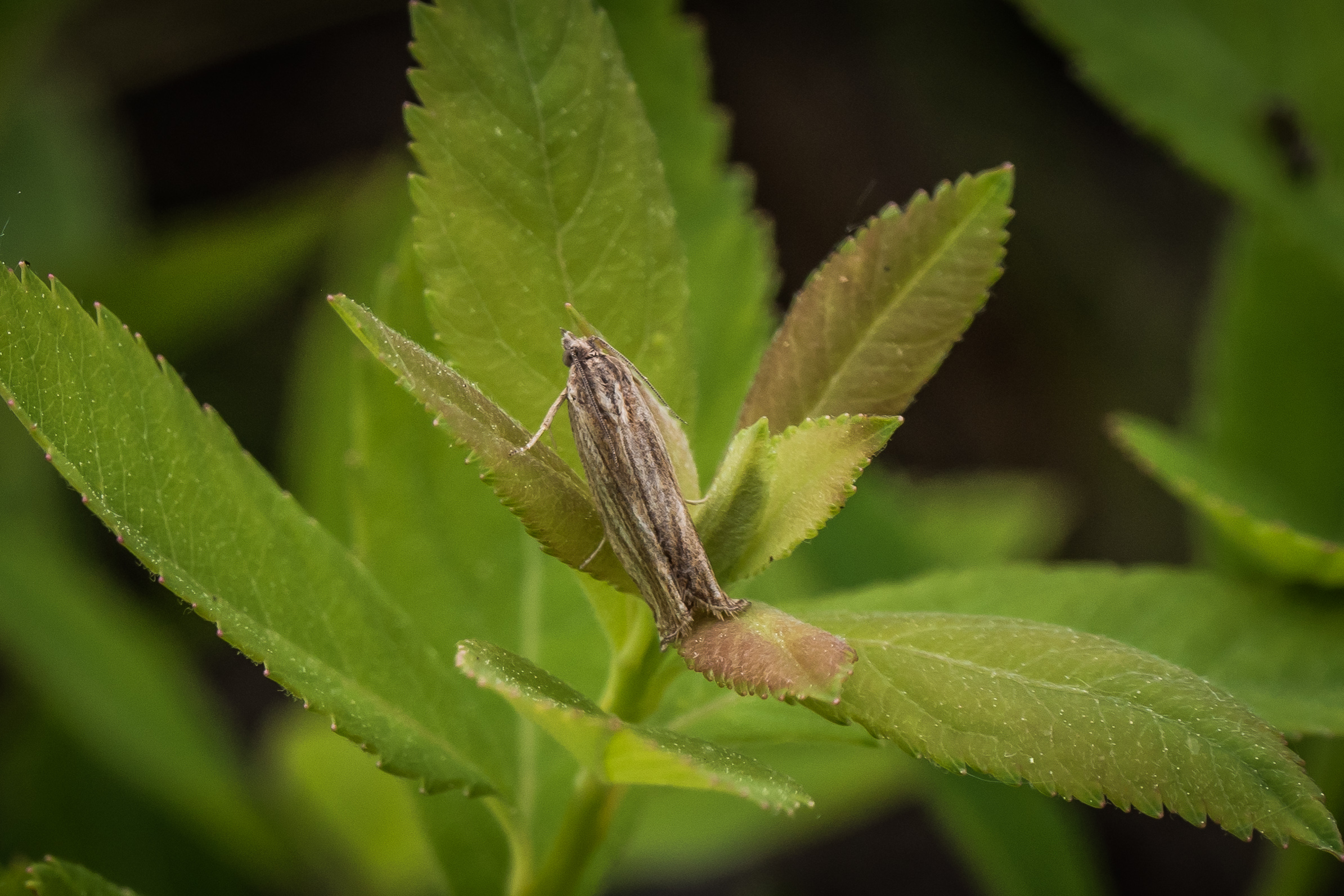
Here are several moths that I have not yet identified:

Try:  http://www.backyardnature.net/n/a/moo/


Back to Butterflies:

This looks to be a Pieris rapae.   It didn’t move to a better location for a better ID photo so this is all we have.   I have seen them flittering on the wild mustard that is blooming now.  No photos though as it has been very windy when they’ve been feeding.  This one might be laying eggs.

The Monarchs have been around for a week or so, usually  feeding on Orange Hawkweeds.   The Common Milkweeds won’t be blooming for a week or so.  I suspect that this Monarch is in the milkweeds to lay eggs for the first generation of summer Monarchs.

This looks like a male Indian Skipper

Another Skipper.   But which one …..

Maybe a Harris Checkerspot?

And a ??? …

American Copper

Perhaps a beetle of some sort …

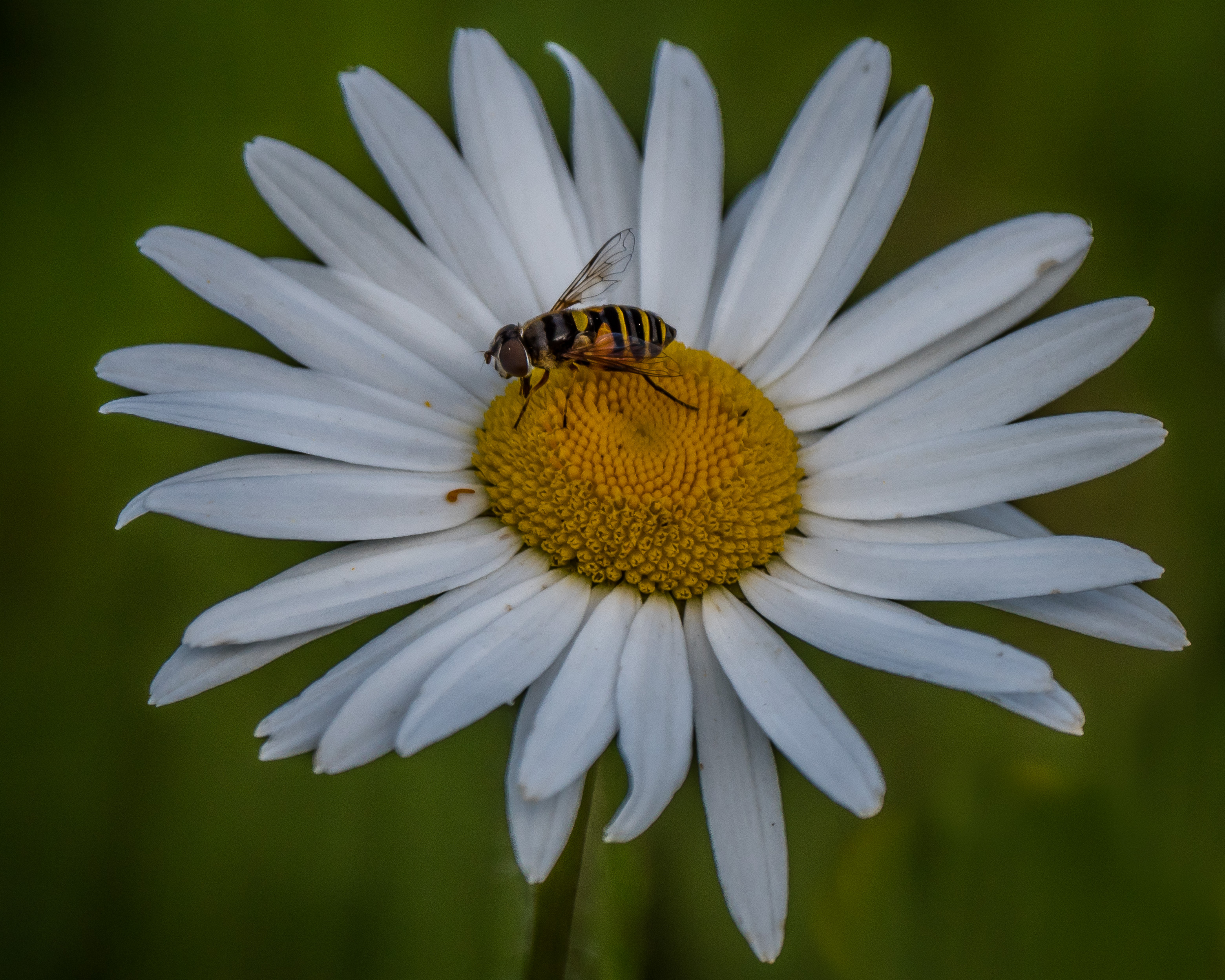
Hoverfly?

Two beautiful Dragonflies, helping to control mosquitoes and black flies!!   : )


Another bee, methinks …

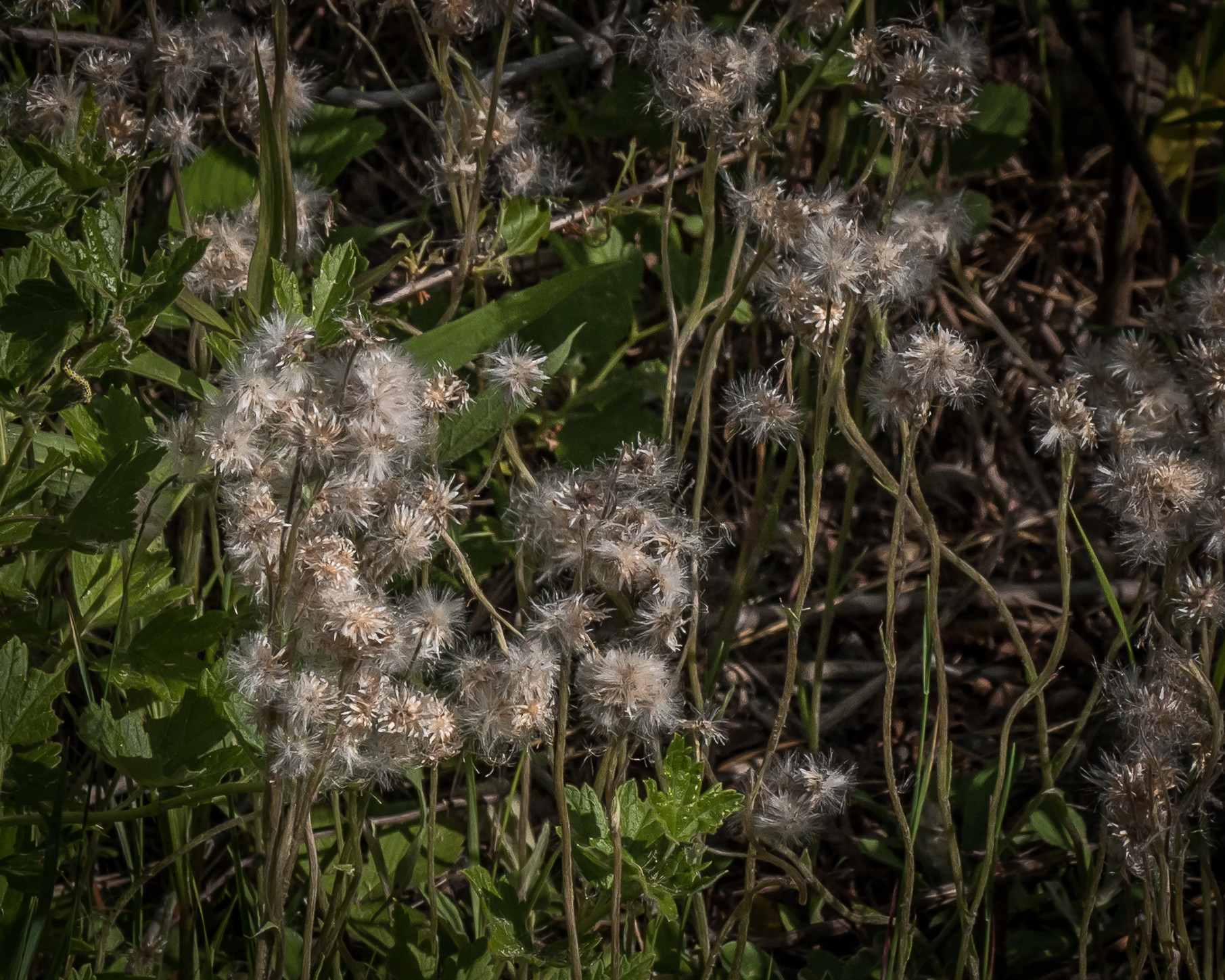
A clump of Pussytoes ..

… releasing little fluffs containing very small seeds.   

20170614 Hwy 529, Cow Parsnip, Ox Eye Daisy, Brewer’s Blackbird, Painted Lady, Eastern Tiger Swallowtail, Clearwing Hummingbird Moth, Monarch, Blanding’s Turtle


Hwy 529, Cow Parsnip, Ox Eye Daisy, Brewer’s Blackbird, Painted Lady, Eastern Tiger Swallowtail, Clearwing Hummingbird Moth, Monarch, Blanding’s Turtle

At 20170613  there is a photo of Cow Parsnip with this advice:

Near the Twin Rivers Bridge, at the confluence of Harris Creek and Naiscoot River, there are many Cow Parsnip plants growing along the roadside.  Although they are somewhat phototoxic they are not as deadly as their look-alike close cousin, Giant Hogweed.

A nice little explanation showing the difference is at this link.   It makes sense to avoid both plants.

This photo shows a slightly later stage of development, as the sheath unfolds to show the flower head emerging to eventually form an umbel, the characteristic inflorescence of the carrot family.

Roadside Ox Eye Daisies are in full bloom now, attracting and feeding many pollinators … and enhancing the roadside.


When I first saw this bird I thought that it was a Red Winged Blackbird.   But NO RED.   And it certainly wasn’t a female.  Too small for a Common Grackle.  I eventually decided that it was a Brewer’s Blackbird, an uncommon sight for me.  Here is some interesting background on that bird in this neck of the woods.

Note size, yellow eyes and iridescence as this birdie takes a load of protein to its nest….

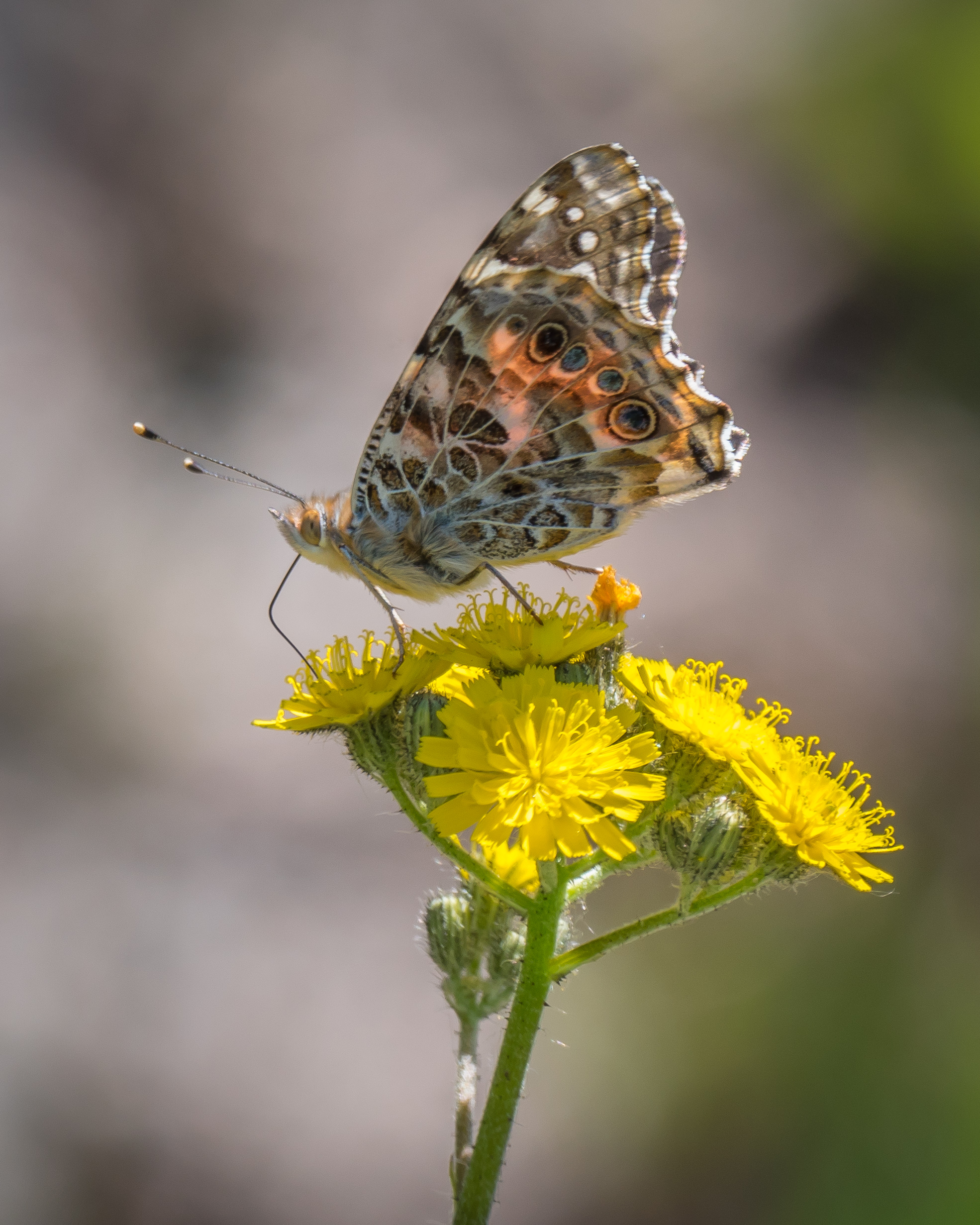
Painted Lady on a yellow hawkweed.   Good news for Albertans this year!


Eastern Tiger Swallowtails are also feasting on newly flowering yellow hawkweed.

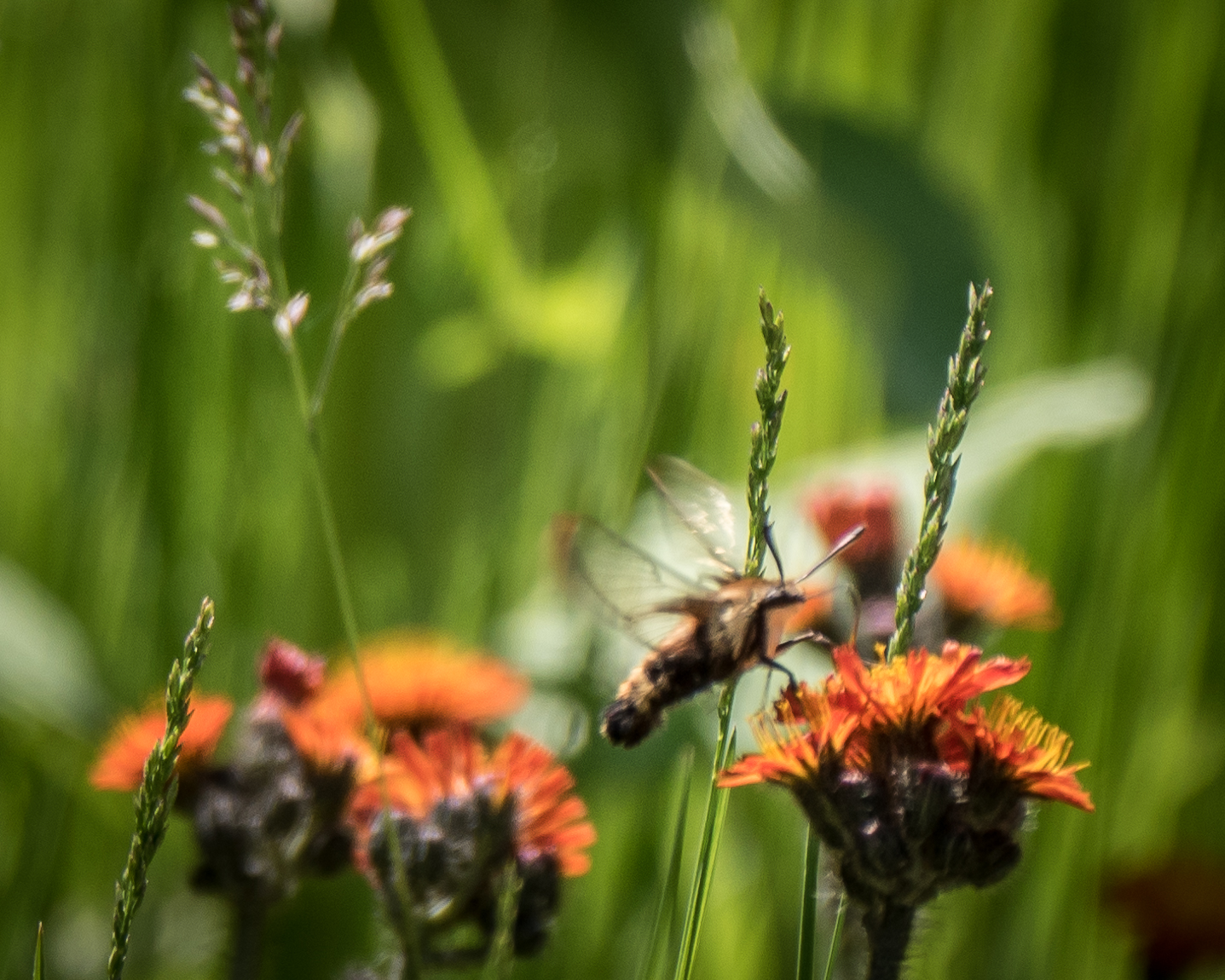
  This was a surprise.  My first sighting of a Clearwing Hummingbird Moth on orange hawkweed.  The flowers had just opened today.

Proboscis is starting to uncoil for arrival at the next feeding station.

First one of the season!  This year’s migration map indicates that they’ve been here for about a week.  This is a great site.

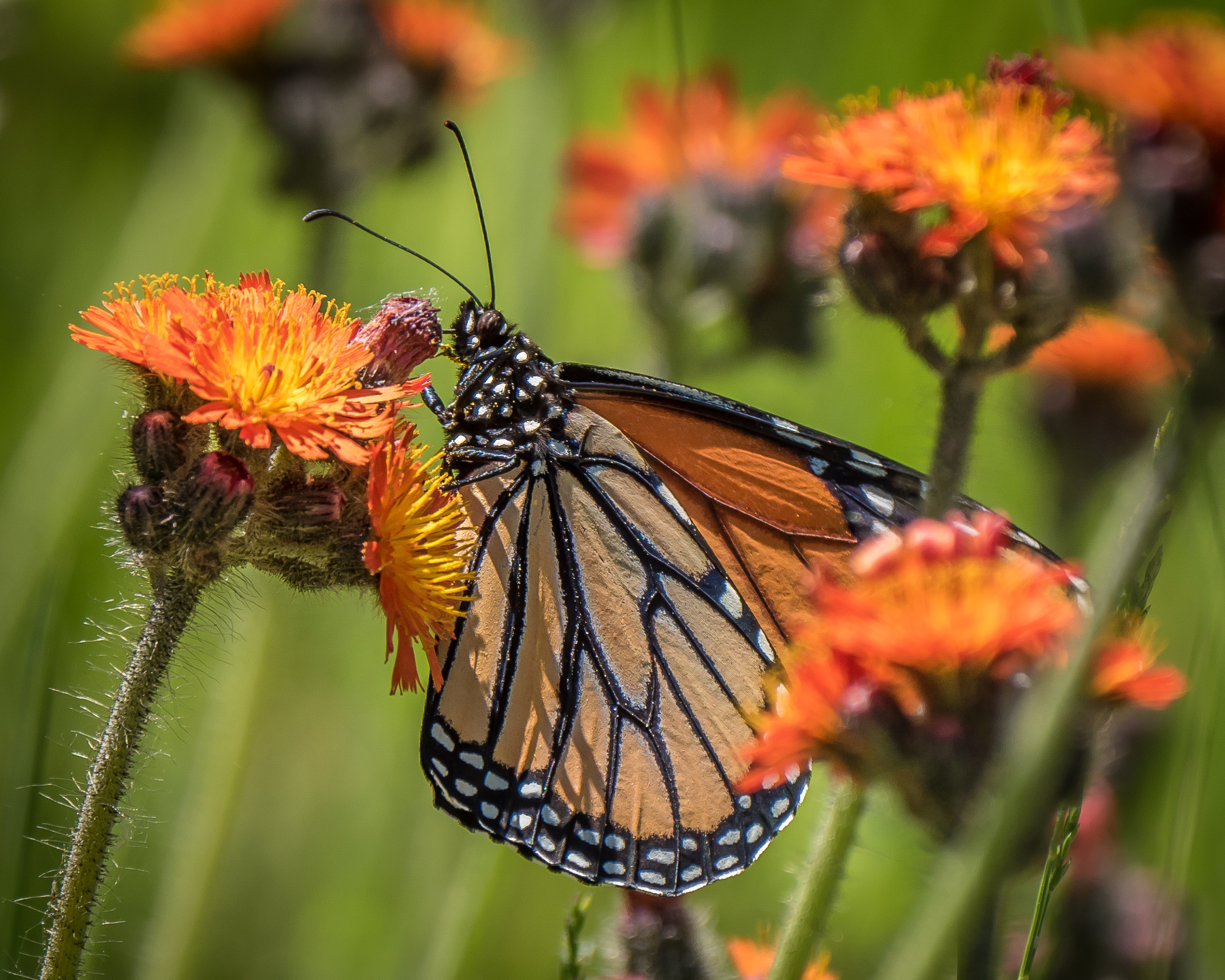
I had seen some Viceroy Butterflies earlier but couldn’t get a photo.  Here is a great exercise for telling the difference between Monarch, Viceroy and Queen Butterflies.

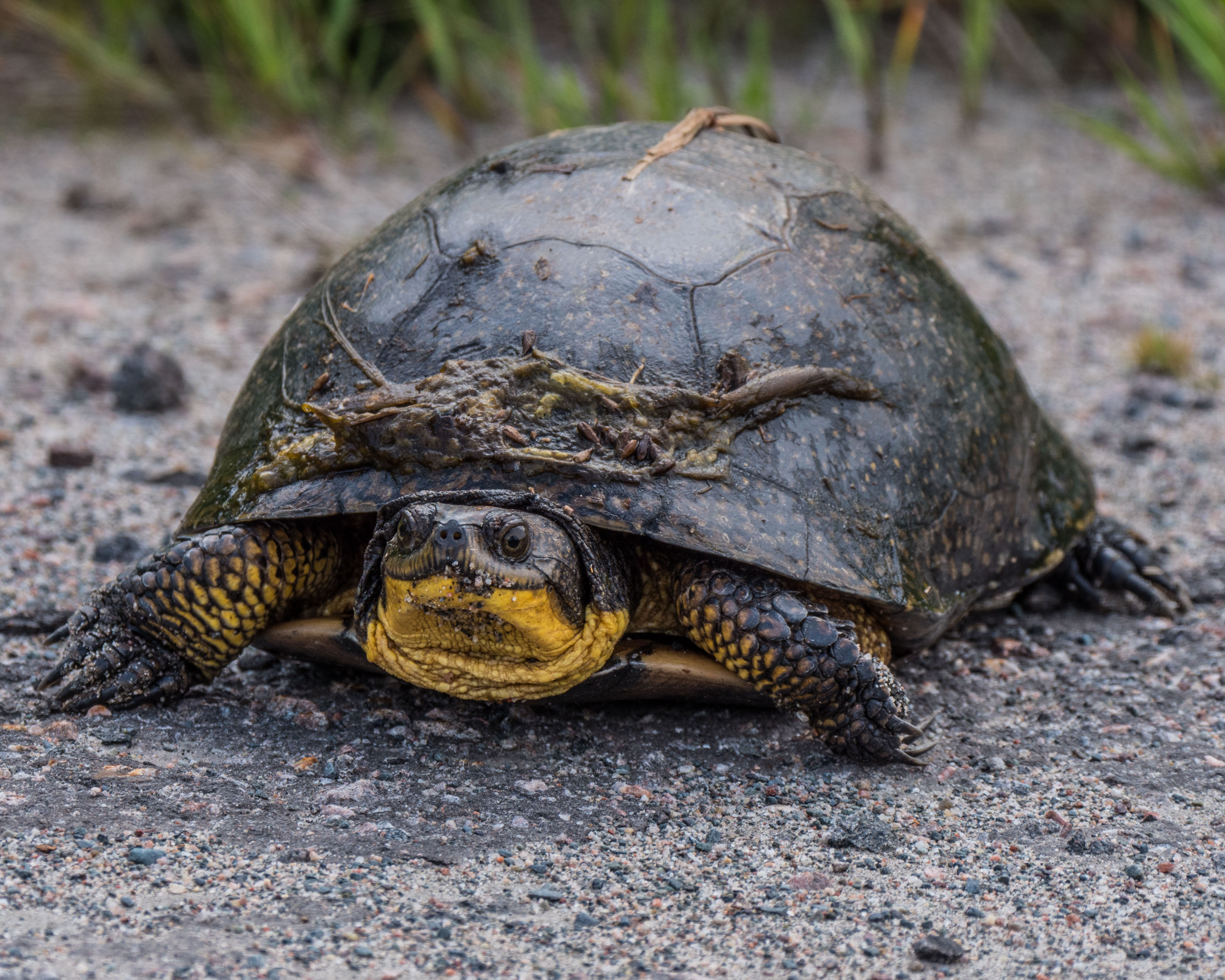
A large Blanding’s Turtle is checking the photog out from a safe distance.  It slipped into the water afterwards.

Here’s an interesting news report about new crops for BC agriculture.

20170613 Hwy 529, Pitcher plant, Solomon’s Plume, Skipper, Cow Parsnip

Hwy 529, Pitcher plant, Solomon’s Plume, Skipper, Cow Parsnip

On the way back from a treat of Black Cherry frozen yoghurt at Moose Lake Trading post, we showed friends the location of the pitcher plants on Hwy 529, 0.6 km north of Hwy 529A, in the westside road ditch near a rock outcrop in the tamarack swamp.

The purple flowers are on stems about a foot above the pitchers at the base.

  In spite of a fierce attack of a swarm of black flies, we got out of the vehicles to see the “pitchers” …

The side-lighting reveals the downward pointing bristles which help to trap insects in the liquid at the bottom of the pitcher.

After gathering a handful of wild strawberries ripening along the roadside, we stopped to examine some of the Solomon’s Plume for Crab Spiders.  None were seen.

We did see several of these skippers nectaring on the Ox Eye daisies though.   Painted Ladies, the butterfly, were also common as were Viceroys, which are often mistaken for Monarchs.  The wind was blowing the flowers wildly, making photography difficult.

Near the Twin Rivers Bridge, at the confluence of Harris Creek and Naiscoot River, there are many Cow Parsnip plants growing along the roadside.  Although they are somewhat phototoxic they are not as deadly as their look-alike close cousin, Giant Hogweed.

A nice little explanation showing the difference is at this link.   It makes sense to avoid both plants.

Here is Cow Parsnip just before the top flower umbel unfolds.

Mary Holland has this very interesting challenge for the pattern recognition part of your vision system.

20170612 Burwash, Tree swallow, Hawk, Dragonfly, Bee-fly, Damselfly, Dragonfly, Painted Lady, Clearwing Hummingbird Moth, Pussytoes, American Redstart, Lupin, Viburnum, Painted turtle, Eastern Meadowlark, Bobolink, Savannah Sparrow, Barn Swallow, Skipper, Crab Spider

Burwash, Tree swallow, Hawk, Dragonfly, Bee-fly, Damselfly, Dragonfly, Painted Lady, Clearwing Hummingbird Moth, Pussytoes, American Redstart, Lupin, Viburnum, Painted turtle, Eastern Meadowlark, Bobolink, Savannah Sparrow, Barn Swallow, Skipper, Crab Spider

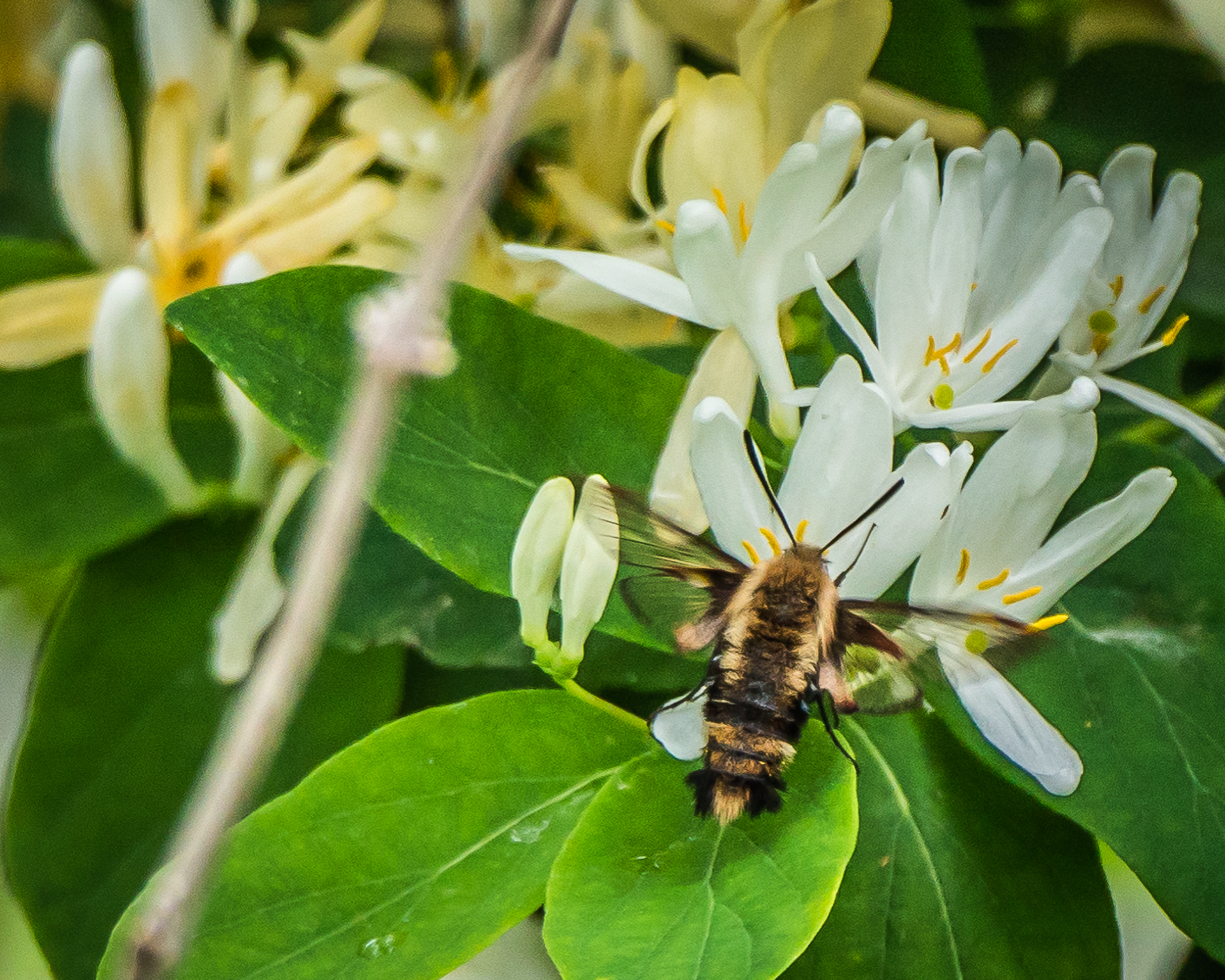
We made an afternoon trip to Burwash to see Clearwing Hummingbird Moths on the honeysuckle blossoms.  We saw a lot more than expected.

In the way into the site, a Tree Swallow welcomed us from a telephone cable…

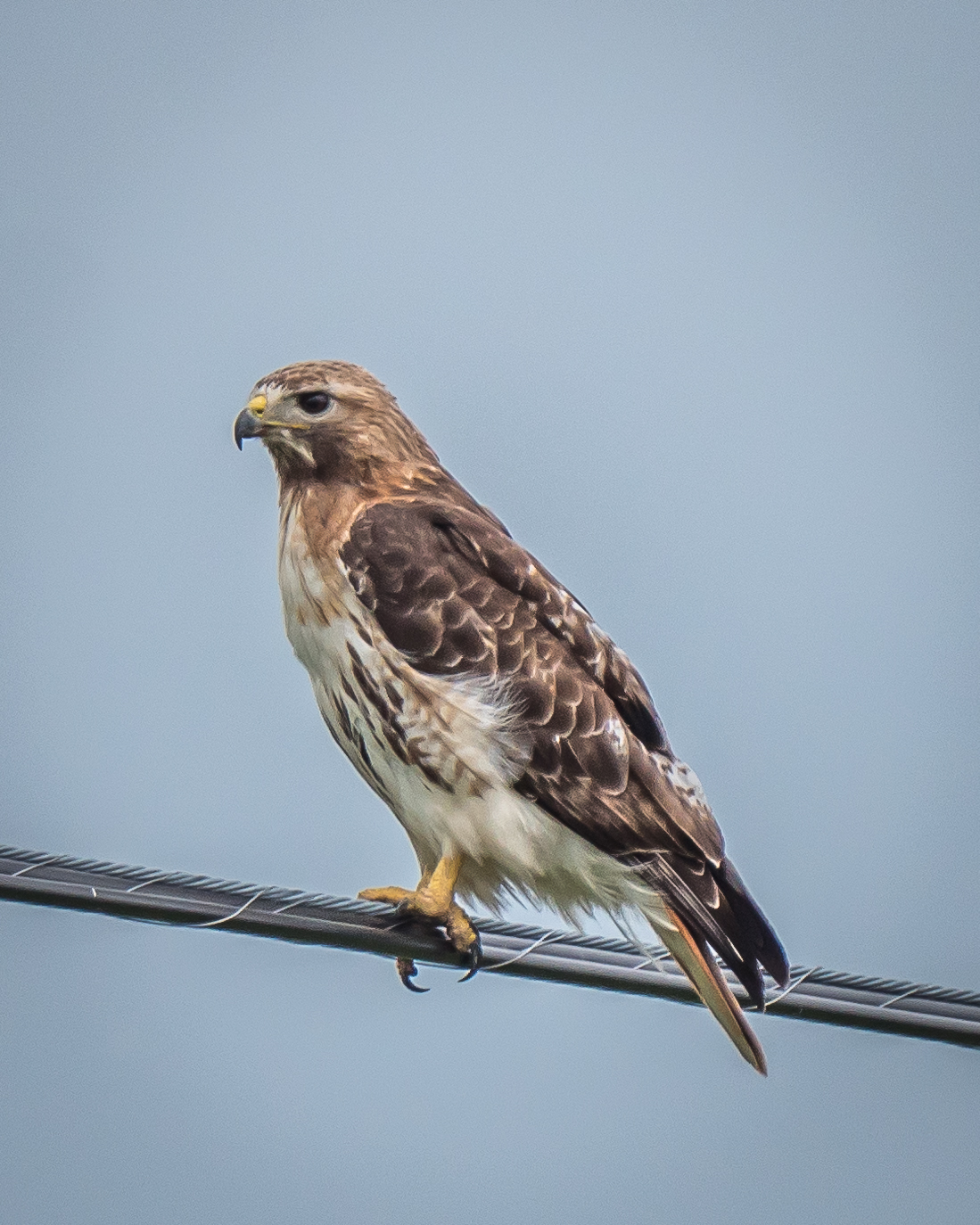
A little further on this hawk eyed us.  I did not see it in flight or from any other angle and can’t ID it.

Dragonflies were munching on the flying insects along Neilly Lake.

This is the first Bee-fly I’ve seen since photographing one pollinating Coltsfoot blossoms on Harris Lake Road.

This might be a female Marsh Bluet

Maybe a Dot-tailed Whiteface.   I didn’t see the rest of the body.

Painted Lady on Yellow Hawkweed…

Aha!  Here it is, as predicted:

Pussytoes … showing some sort of different flower structure … worth of further research!…

Unknown bee/wasp or fly on the newly blooming Ox eye daisy …

American Redstart serenading, showing rictal bristles

Patches of multicoloured lupins are developing.

Nice shadow on the leaf of the V. trilobum

Lots of painted turtles were on the move …

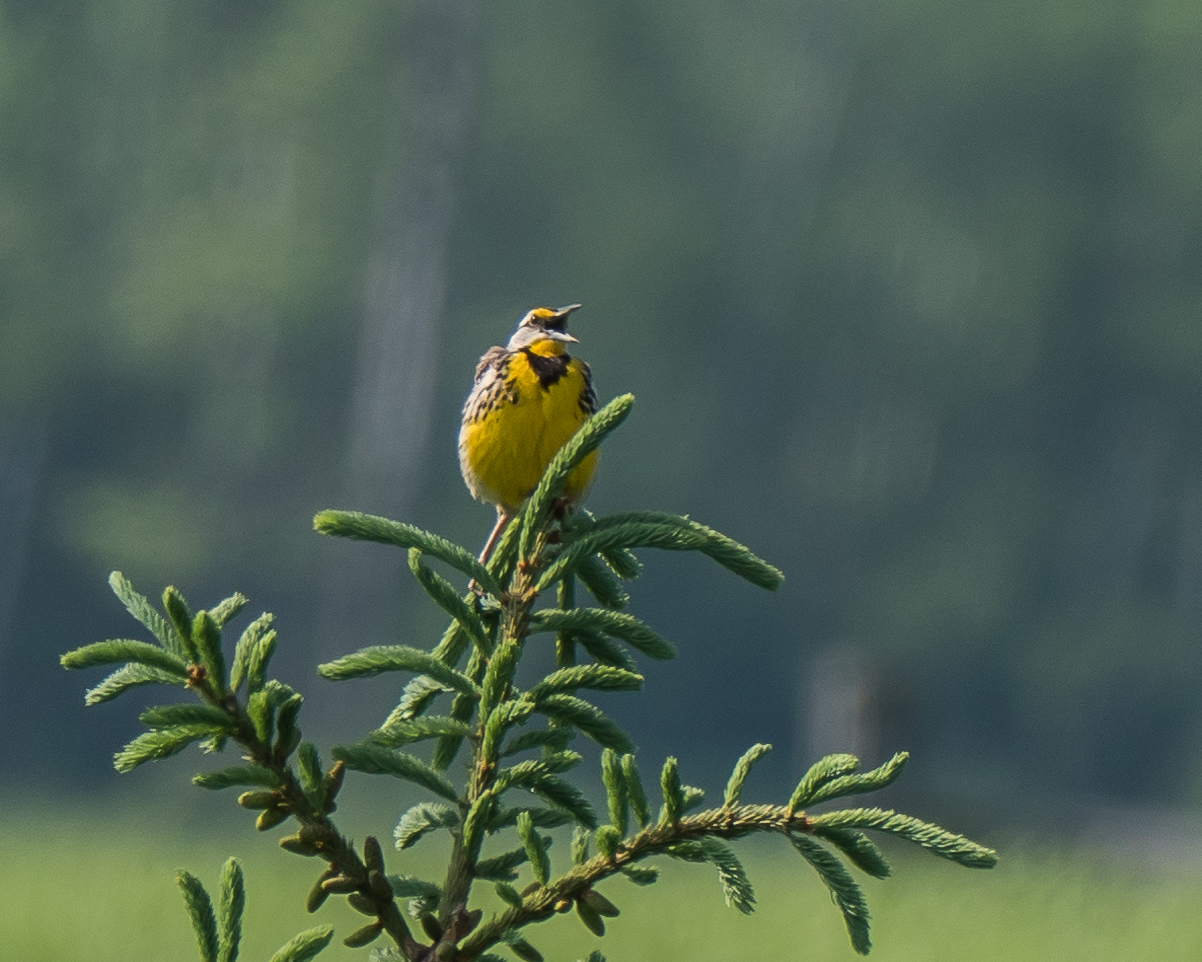
A first for me!   Eastern Meadowlark singing away.  The bird kept its distance from me.  It was foraging for food, perhaps with a nest nearby?

Another birdie that I rarely see, only at Burwash ….

While the bobolink and meadowlark were singing and going after insects, this lil Savannah Sparrow stood on the fence, seemingly unimpressed by all of the activity…

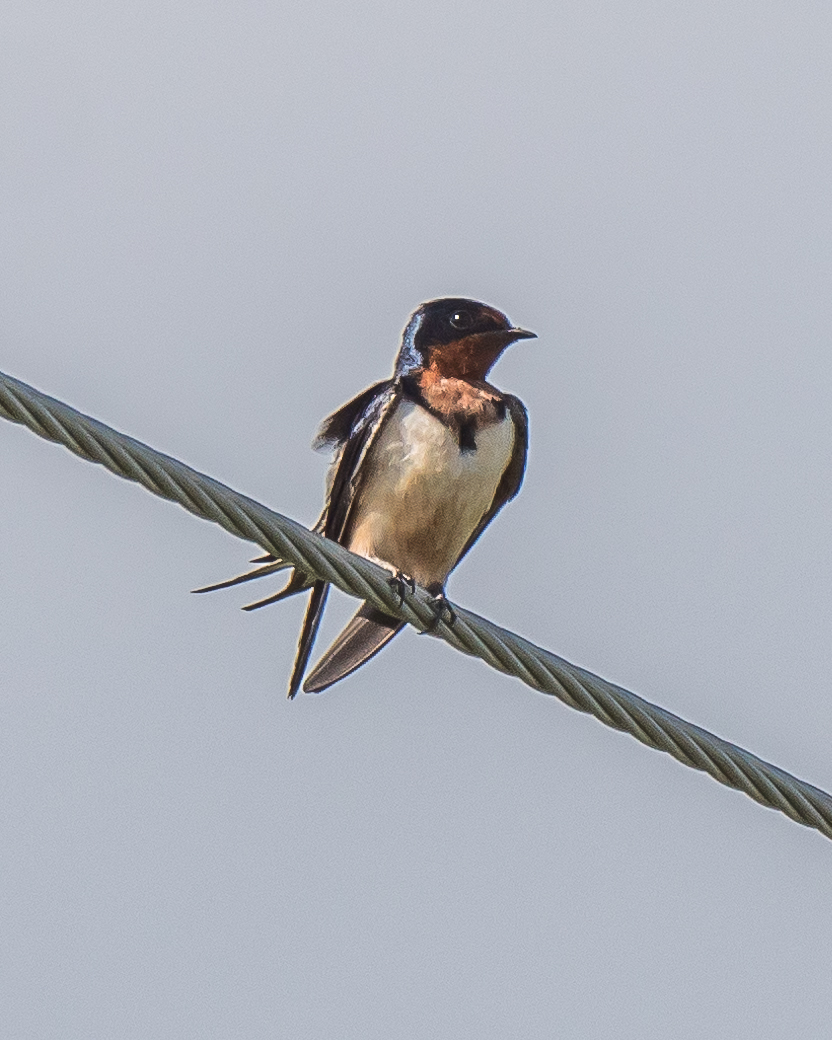
  On the way out of the old prison farm this other common swallow said goodbye.  Notice the difference in undercolouring of the Tree Swallow (above)  and this Barn Swallow

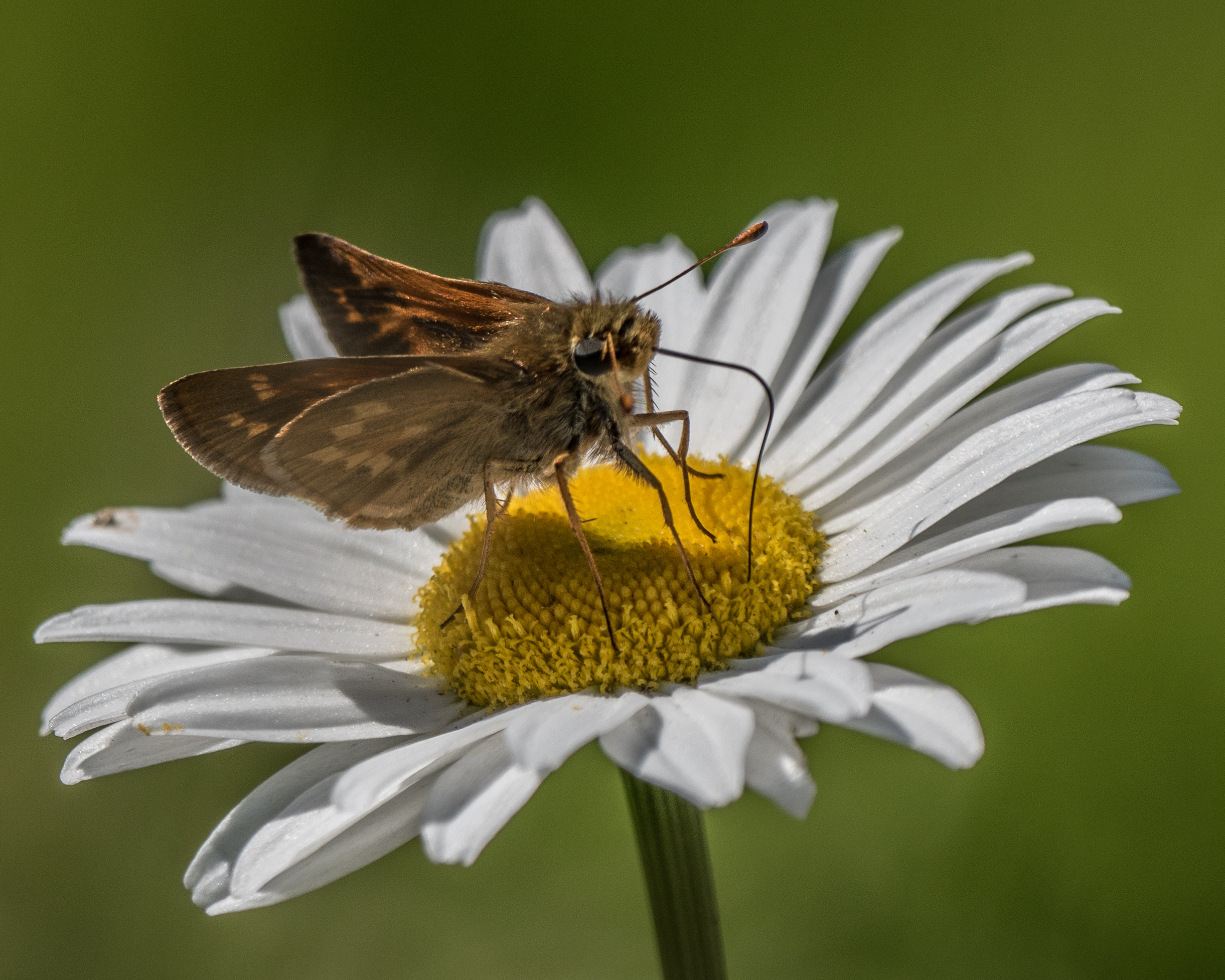
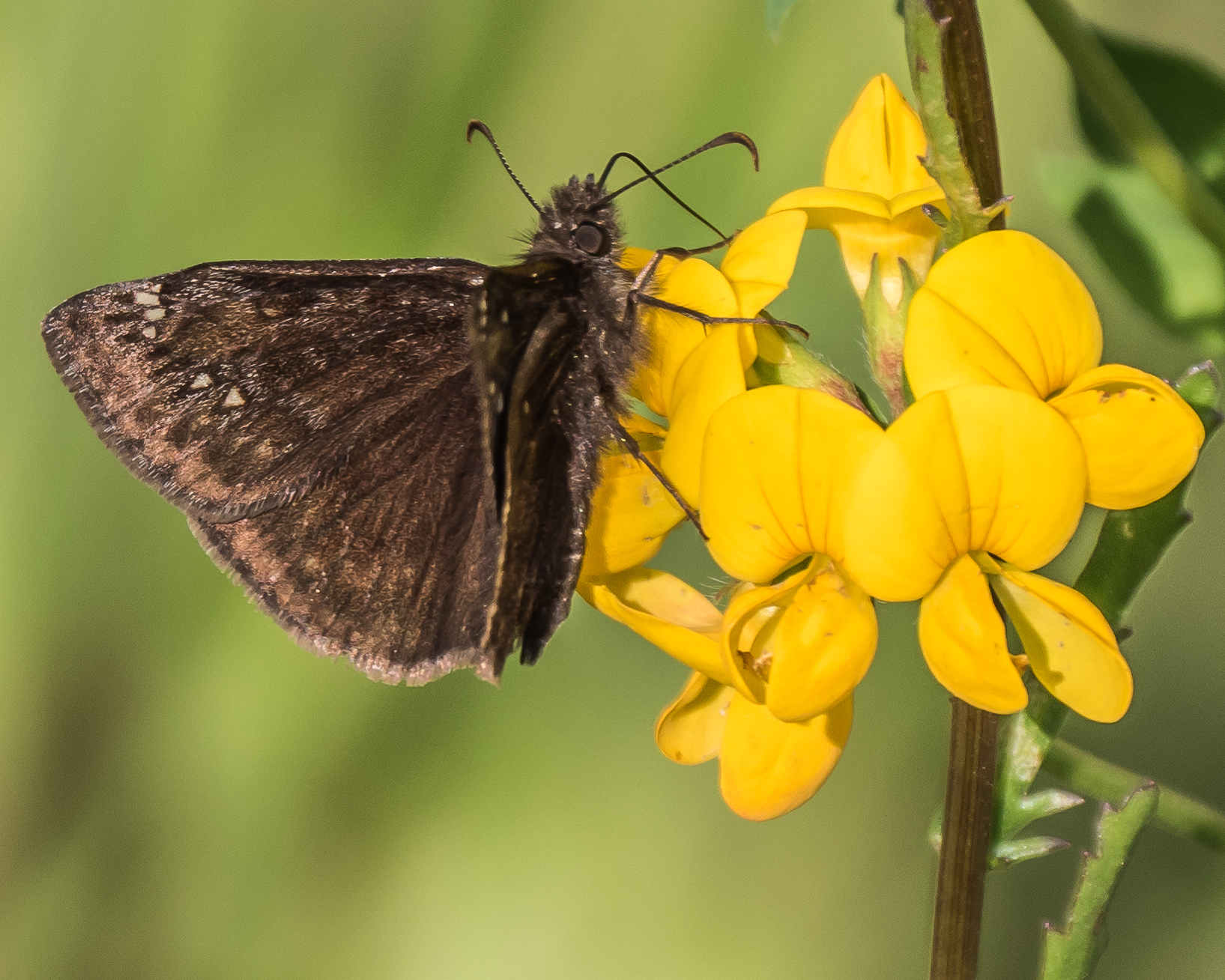
This is about the size of a skipper.  Probably one of these.  EDIT:  Probably Columbine Duskywing.   It was nectaring on this roadside Birdsfoot trefoil near a rock outcrop which has a lot of blooming columbines.

It didn’t take long for this Crab Spider to find an Ox Eye Daisy to lie in ambush on.  The Daisies only opened up the previous day.

Click on the photo to see the eye structure….

While at Burwash I met a photographer who lives just north of Sudbury.  He gets great wildlife imagery at Burwash and Killarney.  He’s a very interesting man, a practitioner of some of the iceman and breathing techniques at Innerfire.

20170610 Painted and Snapping turtle, Chalk Fronted Dragonfly, Highbush cranberry, Clearwing Moth, Potentilla, Wild Iris, Wild Calla lily, Common Grackle, Wooly Aphid, Ring-billed gulls airshow

Painted and Snapping turtle, Chalk Fronted Dragonfly, Highbush cranberry, Clearwing Moth, Potentilla, Wild Iris, Wild Calla lily, Common Grackle, Wooly Aphid, Ring-billed gulls airshow

We went up to Burwash to check out the bugs and blossoms on a nice spring day.

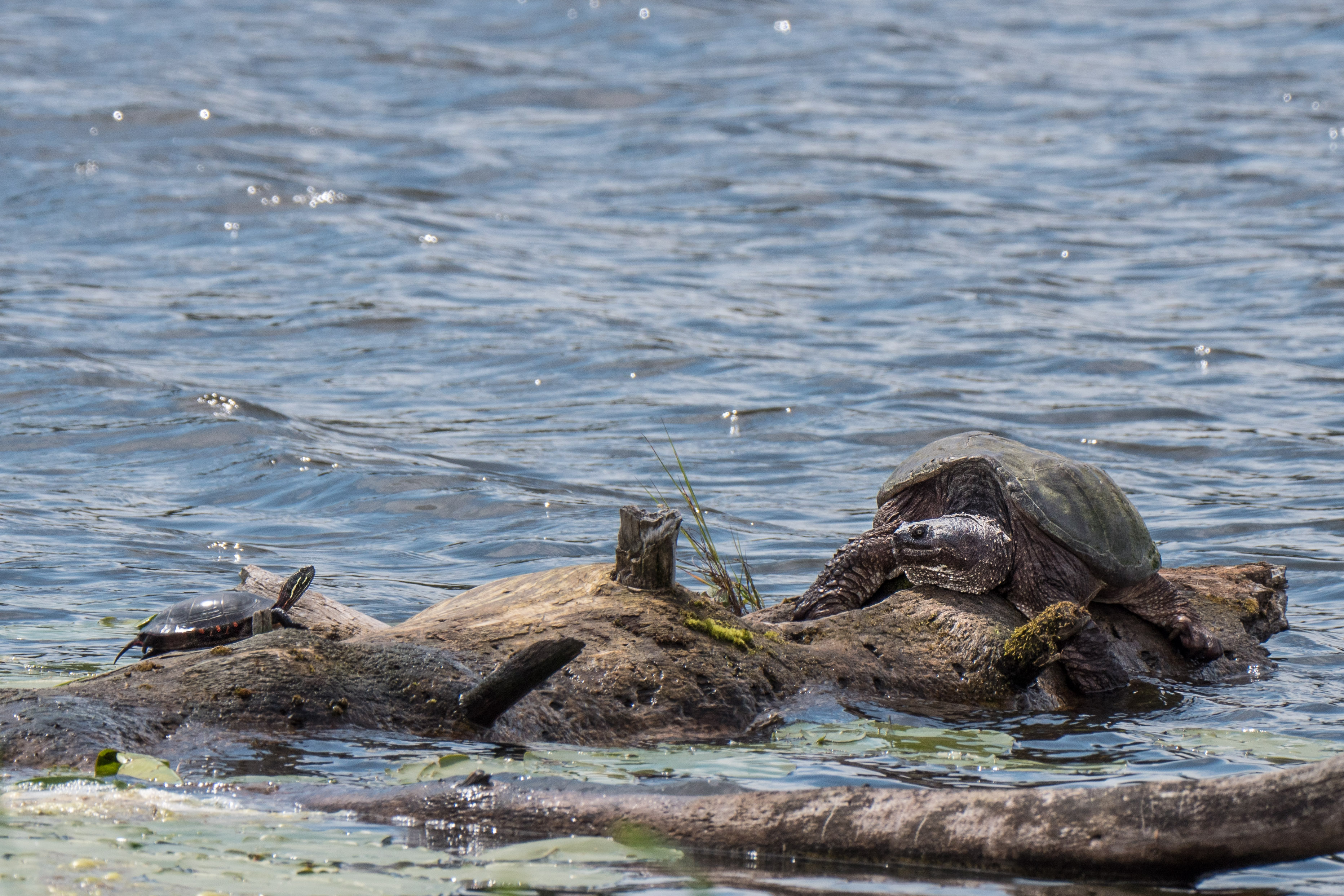
Painted and big Snapping Turtle eying photographer from afar …

Two male Chalk Fronted Corporals were buzzing along the roadside along Neilly Road.

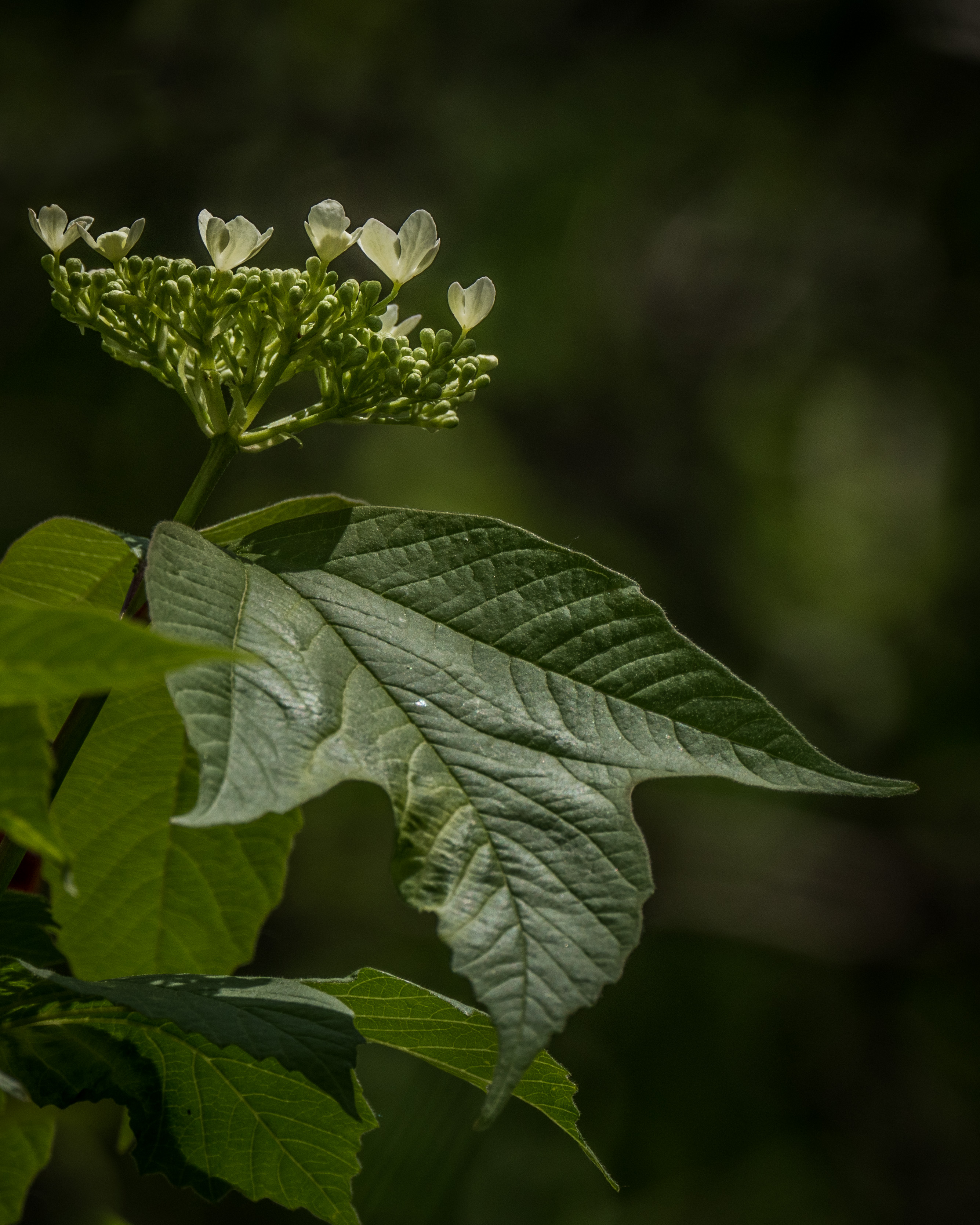
The signal or attractor blossoms were blooming on this Viburnum trilobum.

First sighting of the season!   Clearwing Hummingbird Moth!   I think that this is a H. thysbe instead of a H. gracilis.

The presence of the appropriate caterpillar hosts and sources of nectar at Burwash makes it a good spot to see these beauties.   We also have clearwings in Britt who usually visit the milkweeds later this month to stock up on nectar.

Potentilla (cinquefoil) is starting to bloom profusely. These might be remnants or hybrids of cultivars growing in the former community.

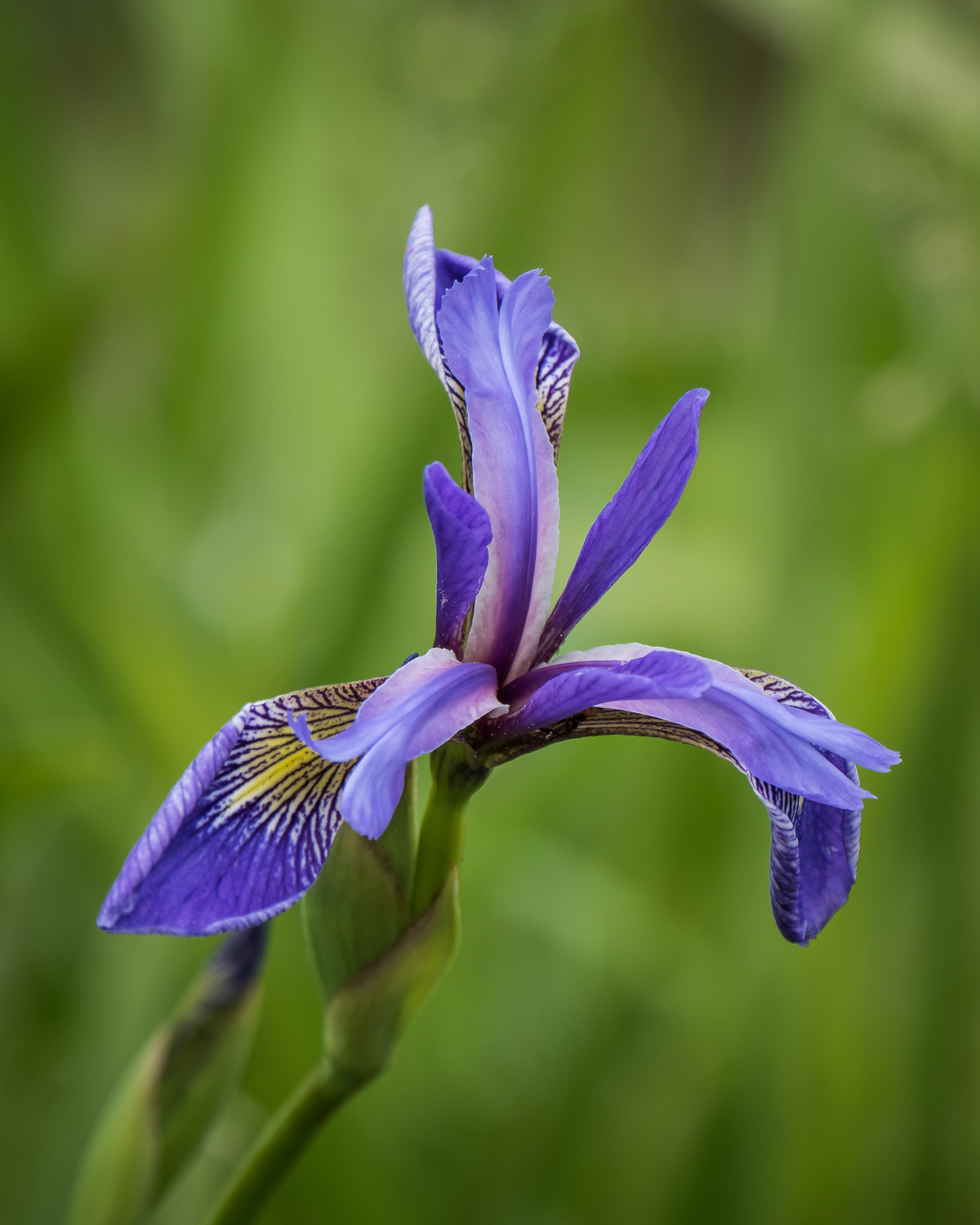
Iris versacolor showing the three sets of petals of the Fleur-de-lis.

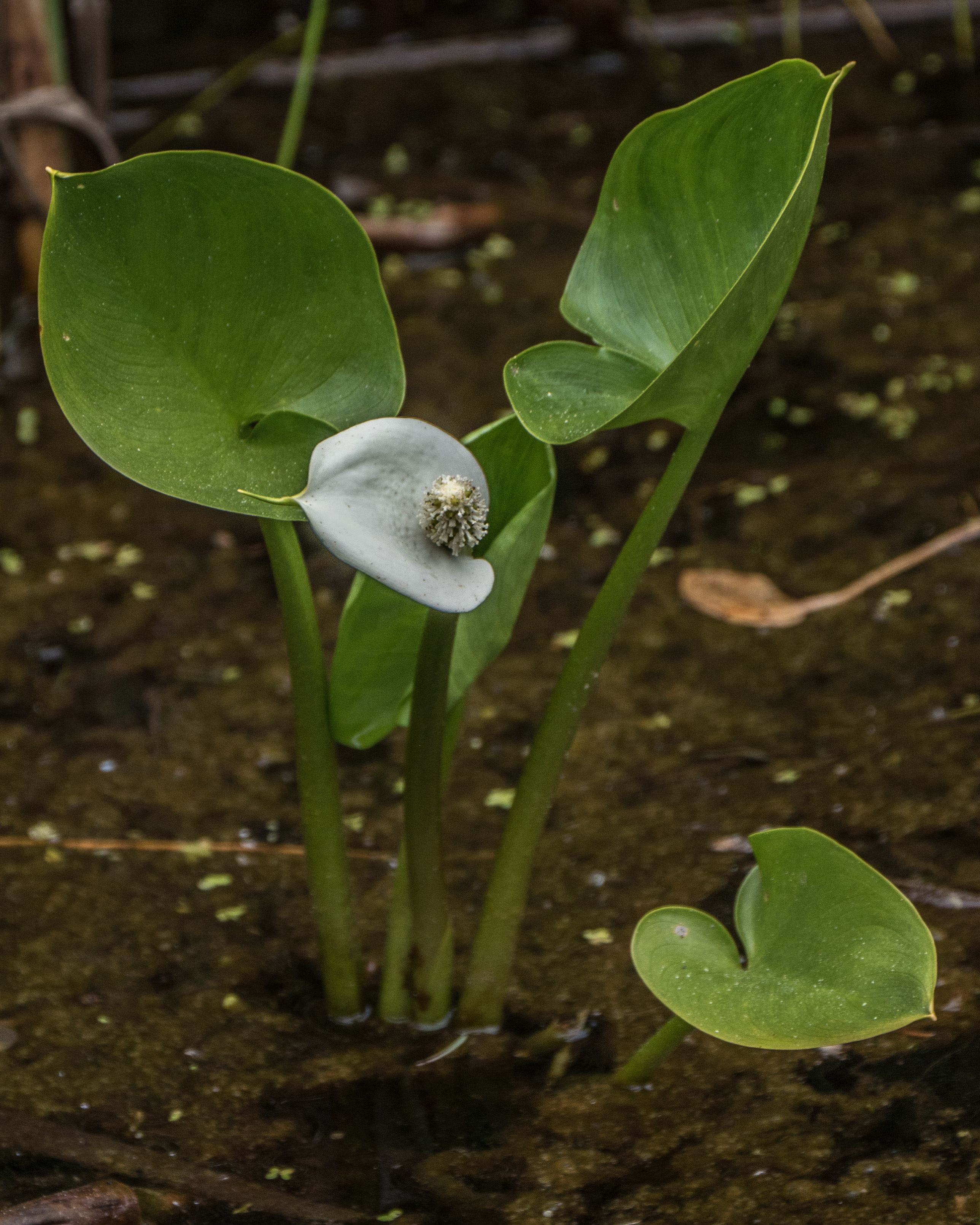
Wild Calla Lily emerging from the muck of the ditch along the road to Burwash…

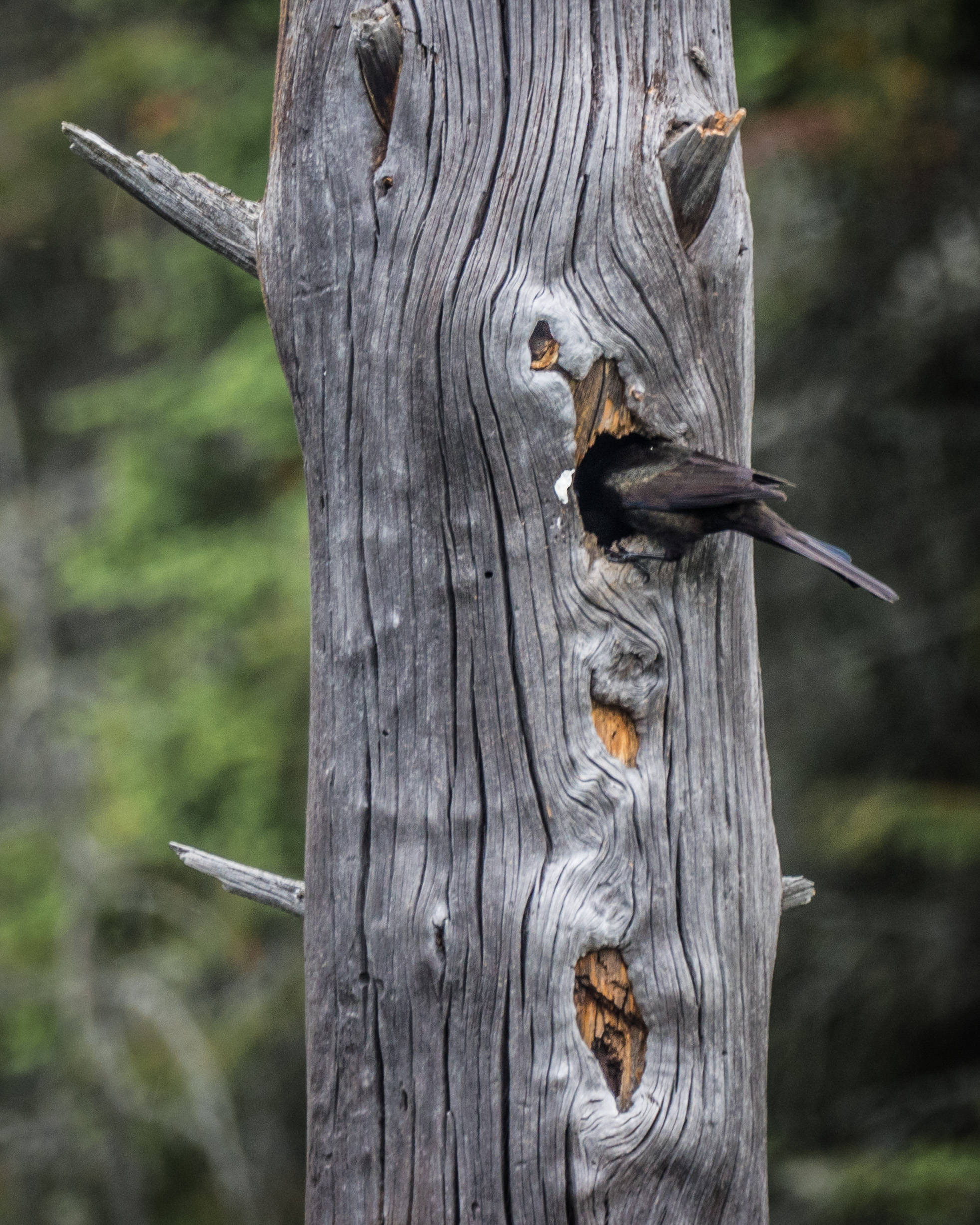
And along the east that road this Common Grackle found an abandoned woodpecker nest to rear its young.  It took only a minute or two between feedings of the fledglings.

After arriving home I checked out the Tag Alders where I had photographed the Harvester butterfly at 20170607.  Sure enough, here are the Woolly aphids that the larvae feed on, making the Harvester butterfly the only carnivorous butterfly species.  Sharp-eyed naturalists will see the ant which might be “farming” the aphids.

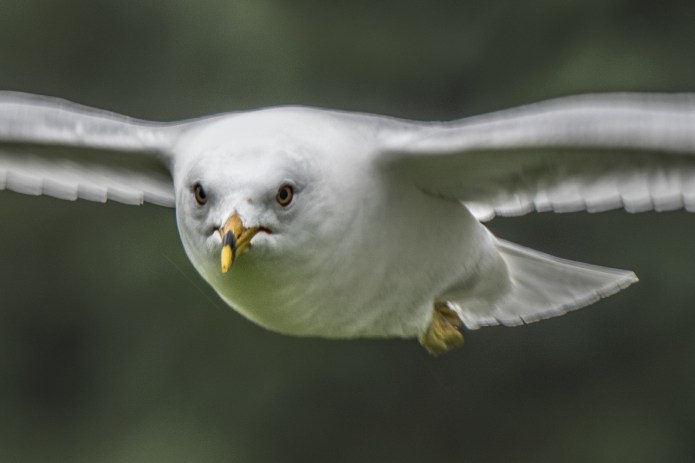
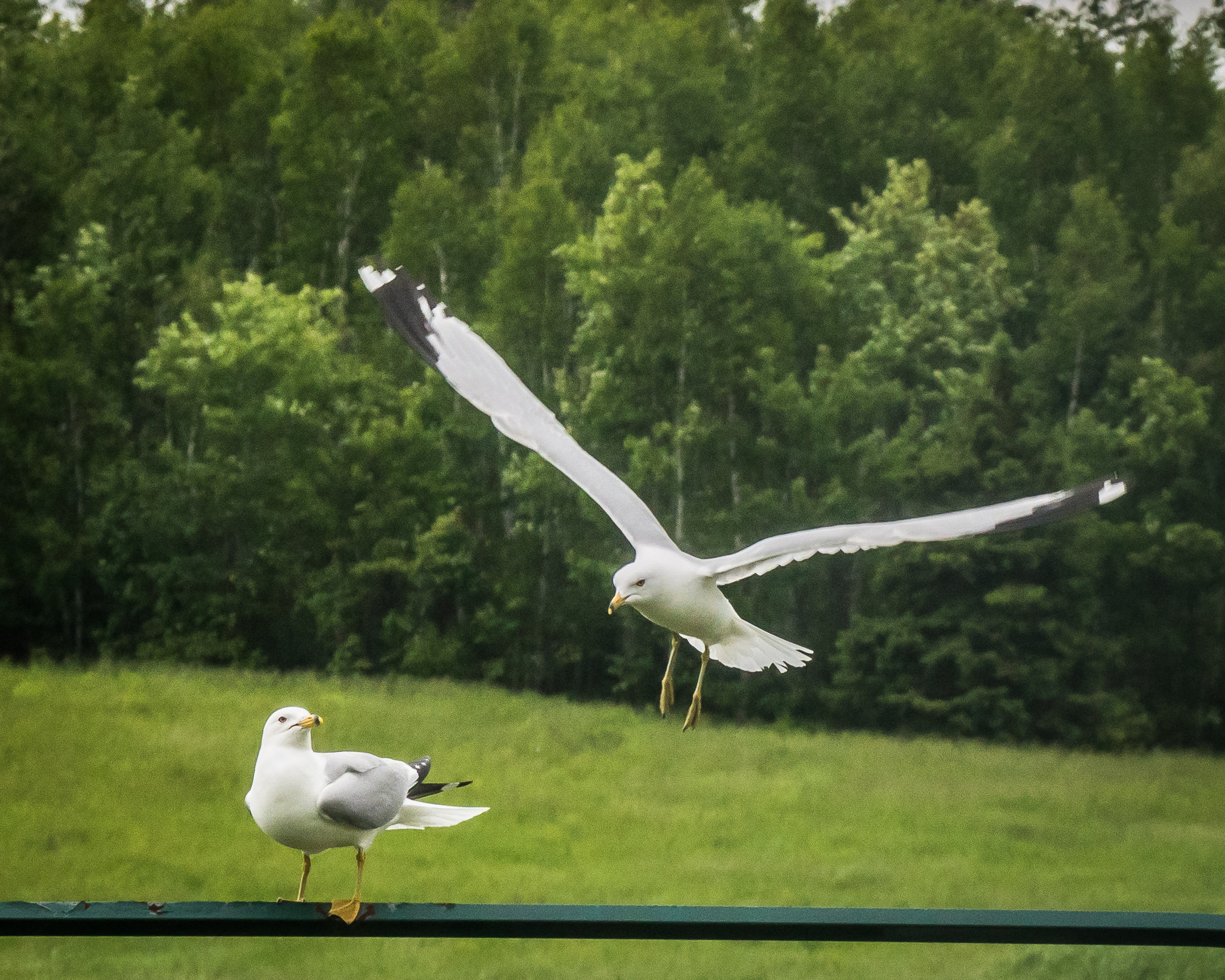
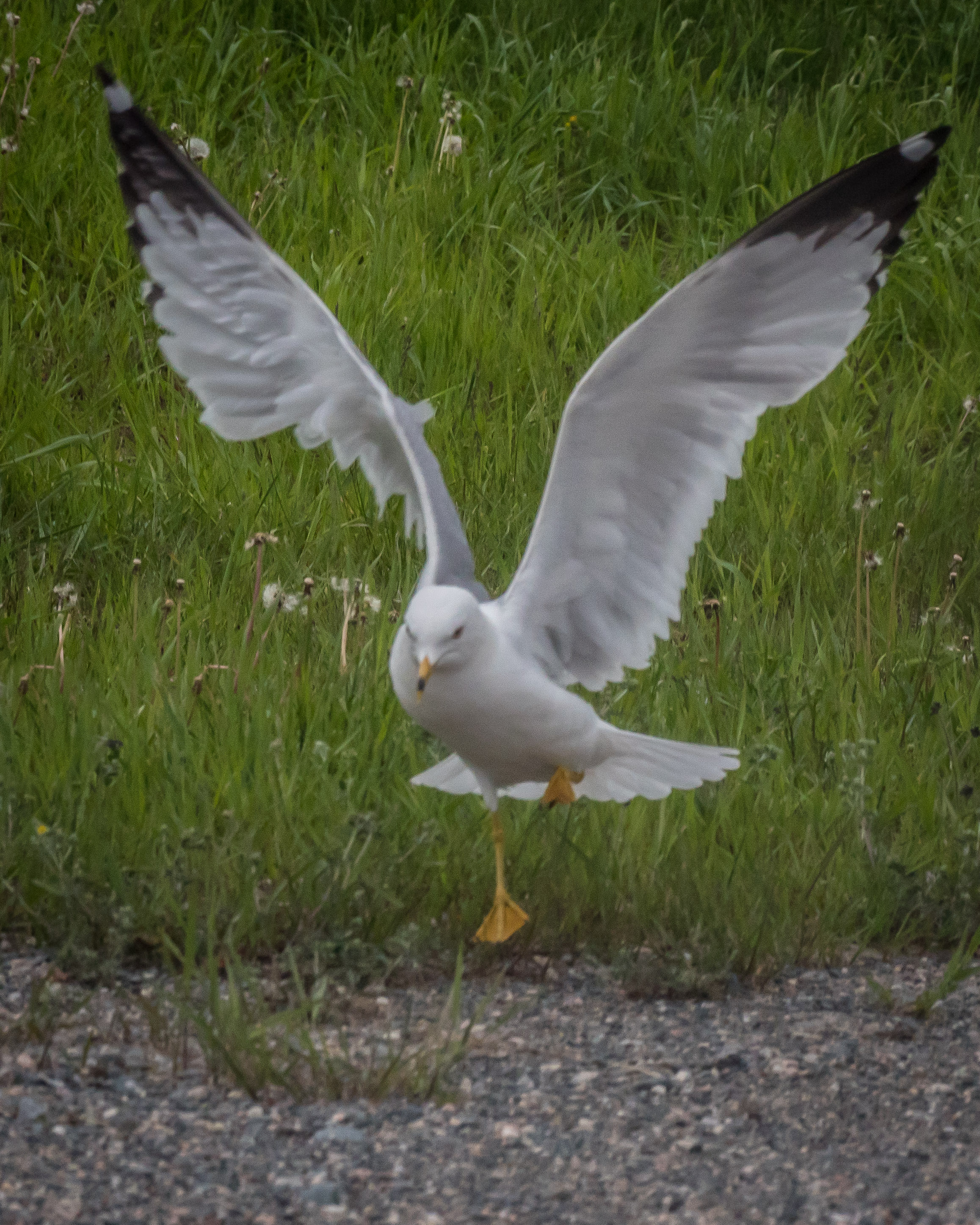
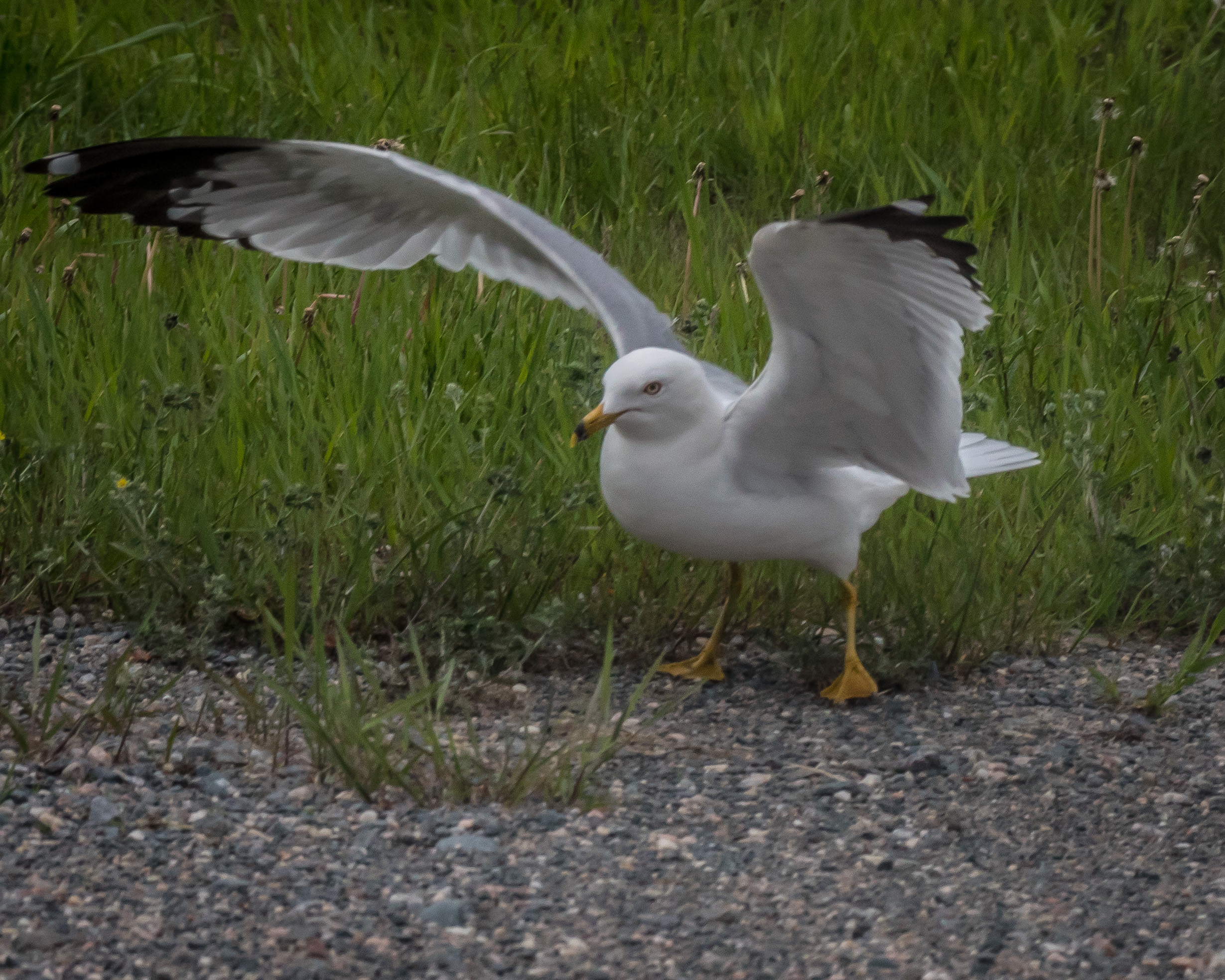
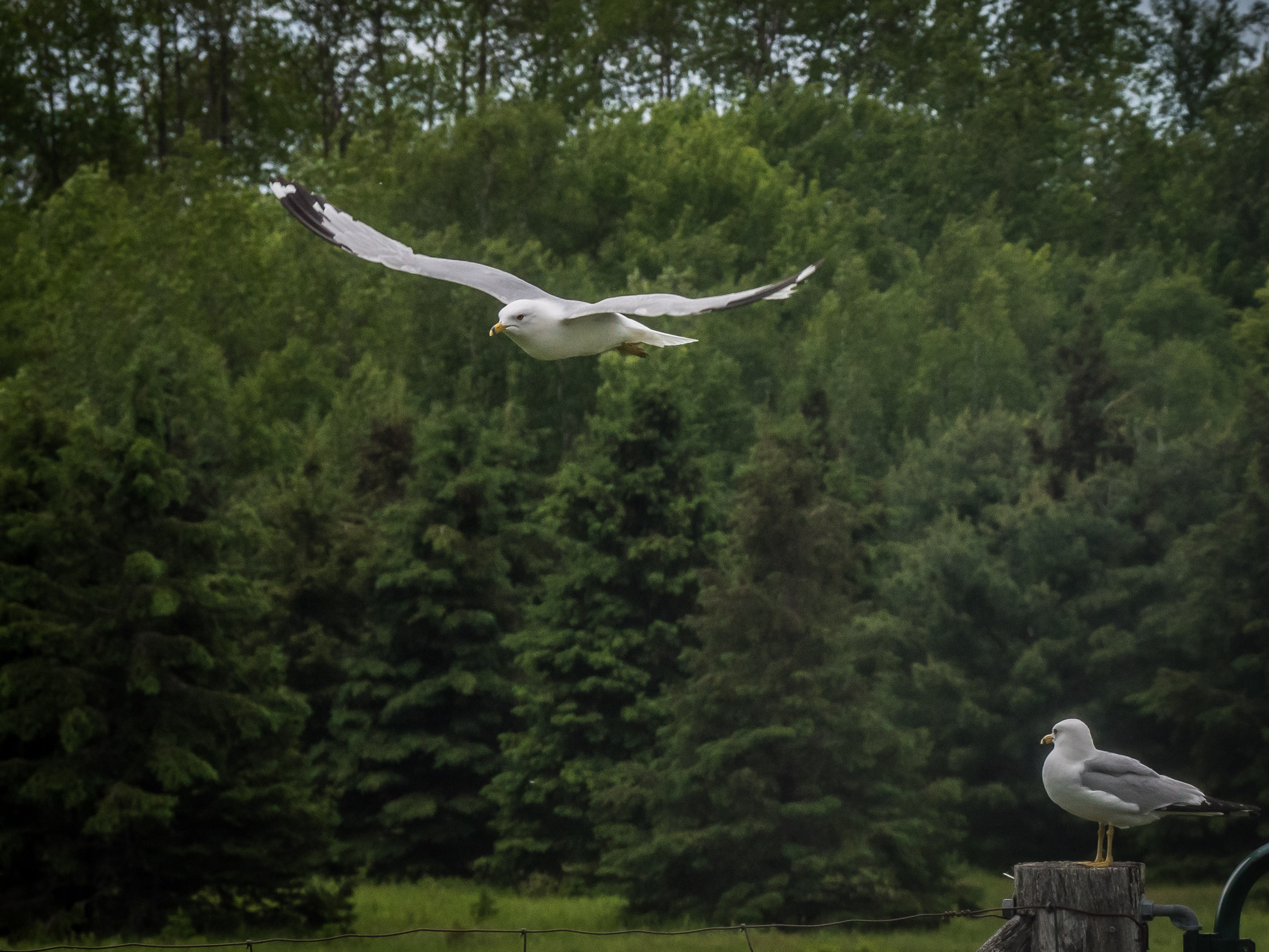
While driving across the fields of Burwash I encountered a flock of Ring-billed Gulls who put on an Airshow for us.  Their ancestors probably put on Airshows for the folks at the landfills at the prison farm half a century ago.

Head-on Pass:

Precision landing next to squadron mate.

Landing sequence ….

Flaring:

Airbraking …

Folding wings.   (Are these Navy types?)

Flyby, demonstrating wing-flapping …

Low level pass with gear up …

Mary Holland has some nice photos of maturing Tamarack cones at Naturally Curious.

20170609 Grackle, Chalk Fronted Dragonfly, Cinnamon Fern, Tamarck, Wild Calla, Common Yarrow, Pitcher Plant, Blanding’s Turtle, Tachinid fly.

Grackle, Chalk Fronted Dragonfly, Cinnamon Fern, Tamarck, Wild Calla, Common Yarrow, Pitcher Plant, Blanding’s Turtle, Tachinid fly.

Common Grackle preening …

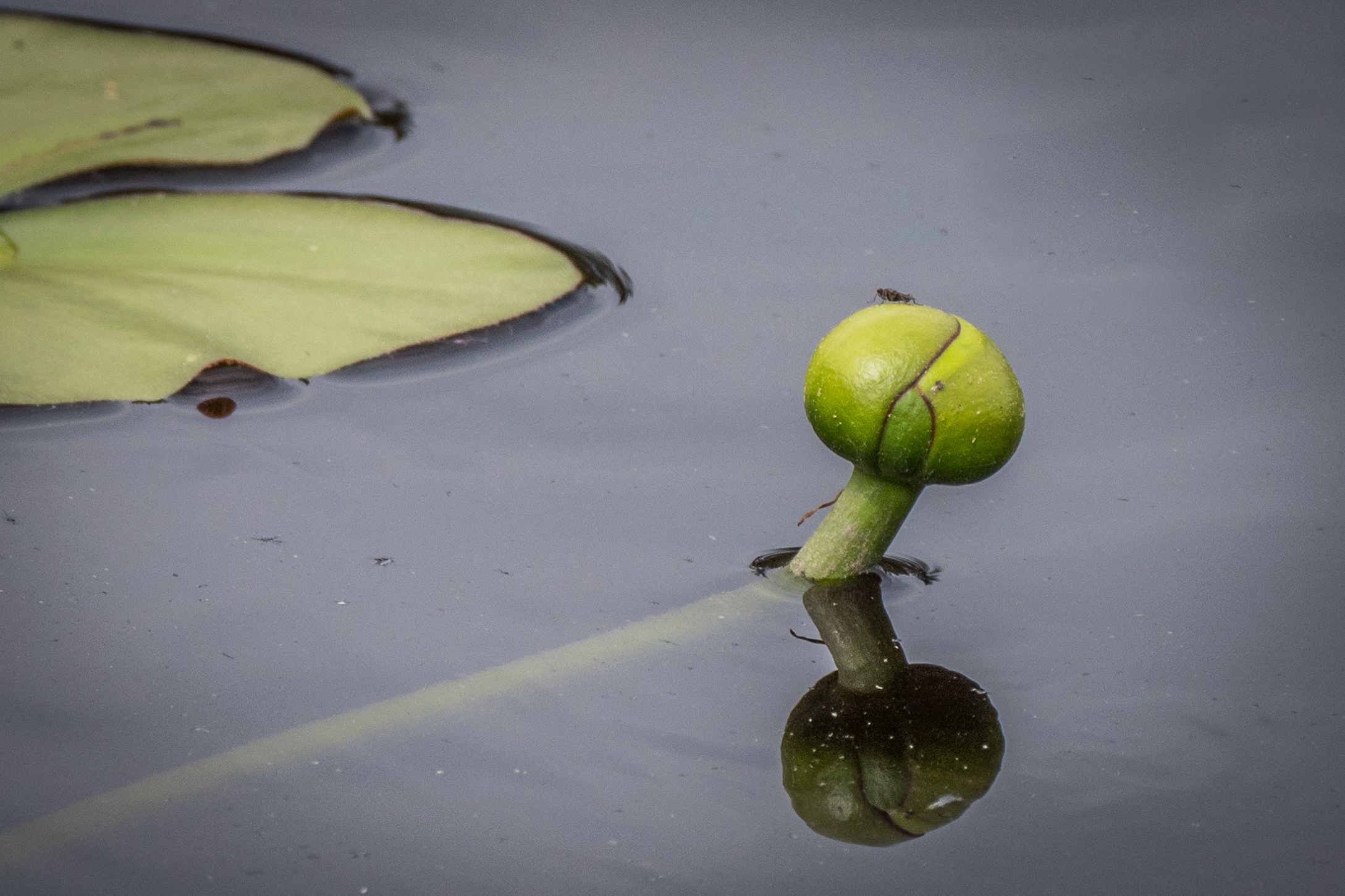
Yellow Pond Lily with visitor …

Male Chalk Fronted Corporal

Unknown Odanate

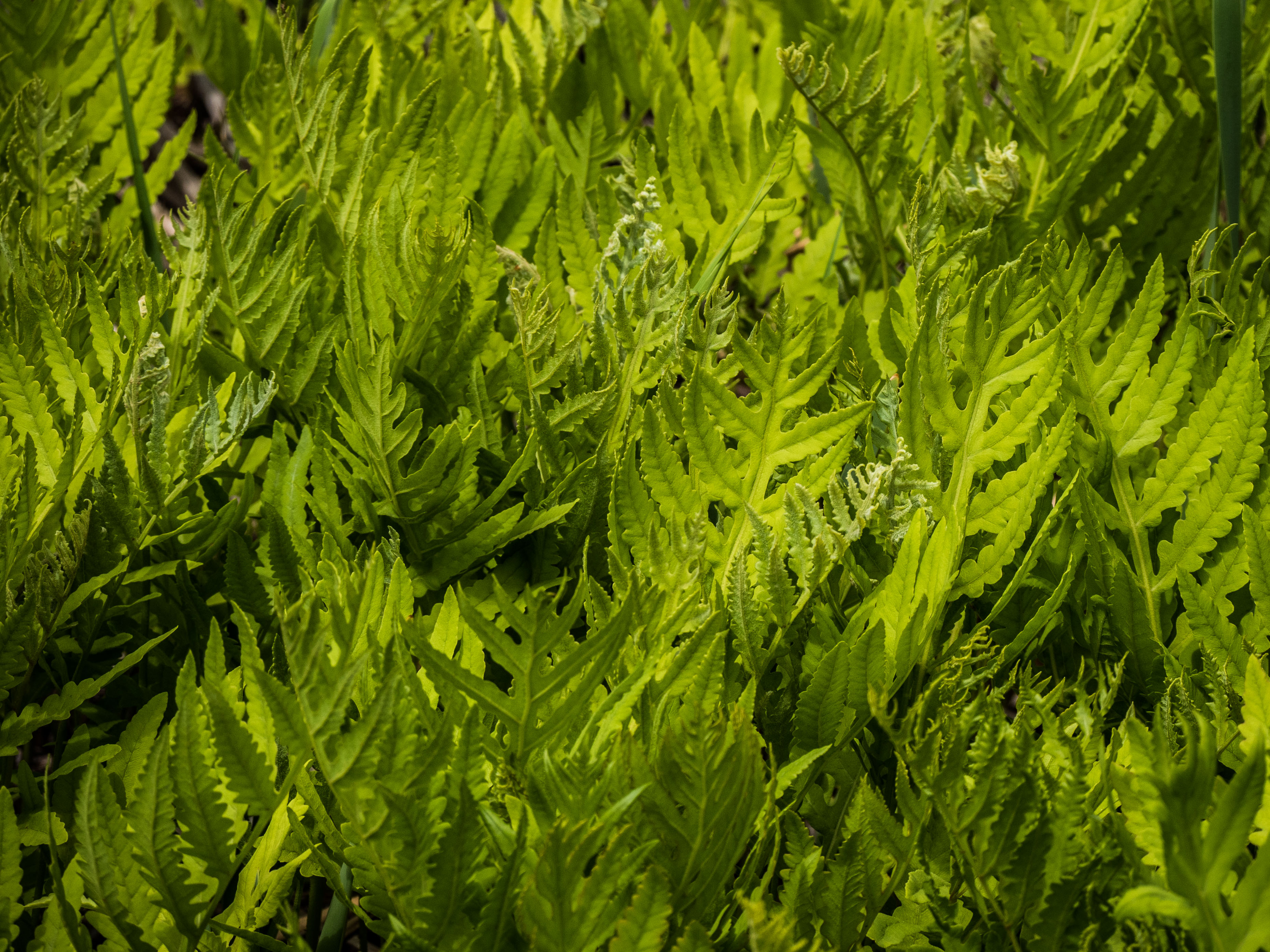
Fern ID exercise

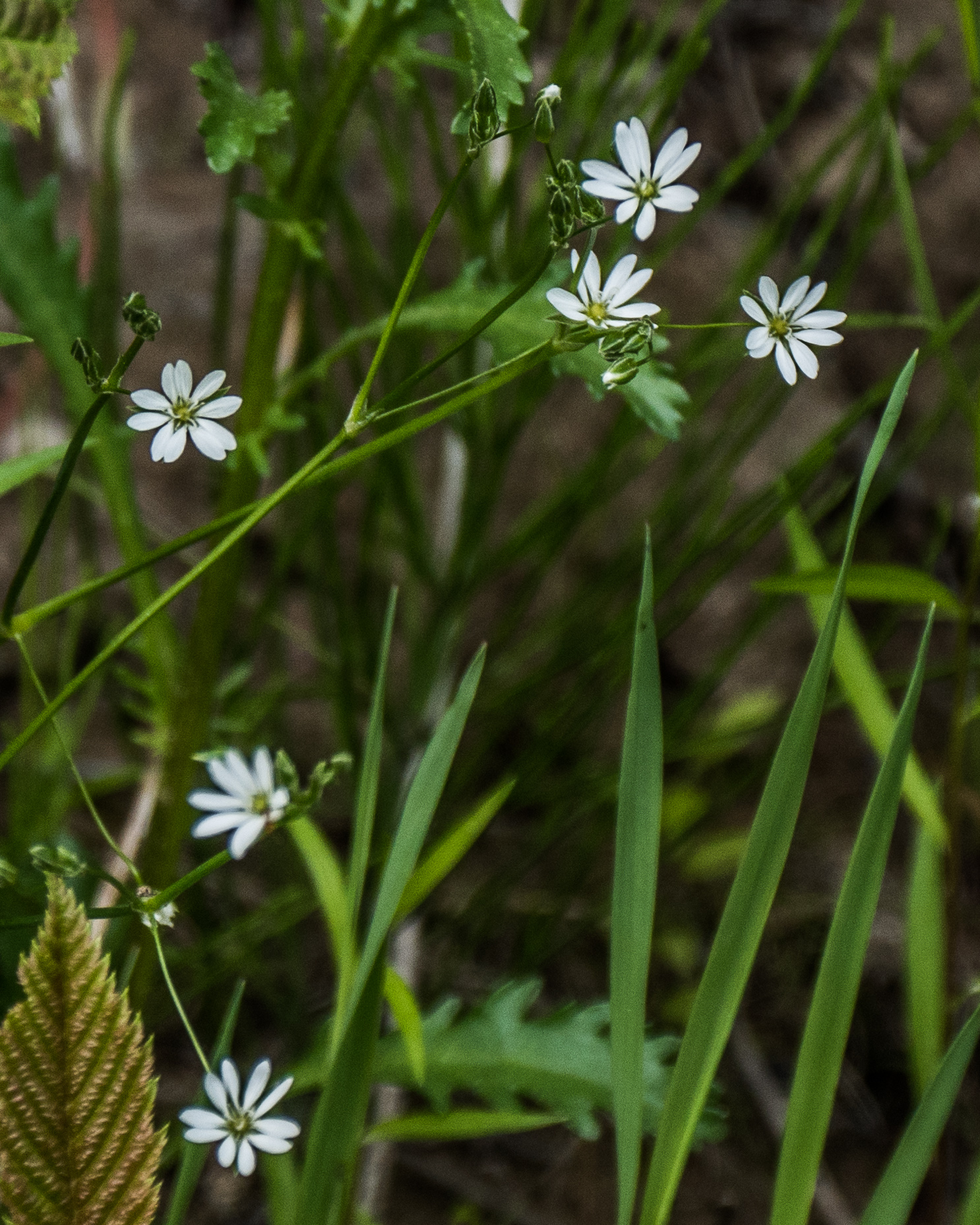
Hmmmm.  Nice little flower about a 2 cm in diameter, occurring in some damp roadside ditches ….

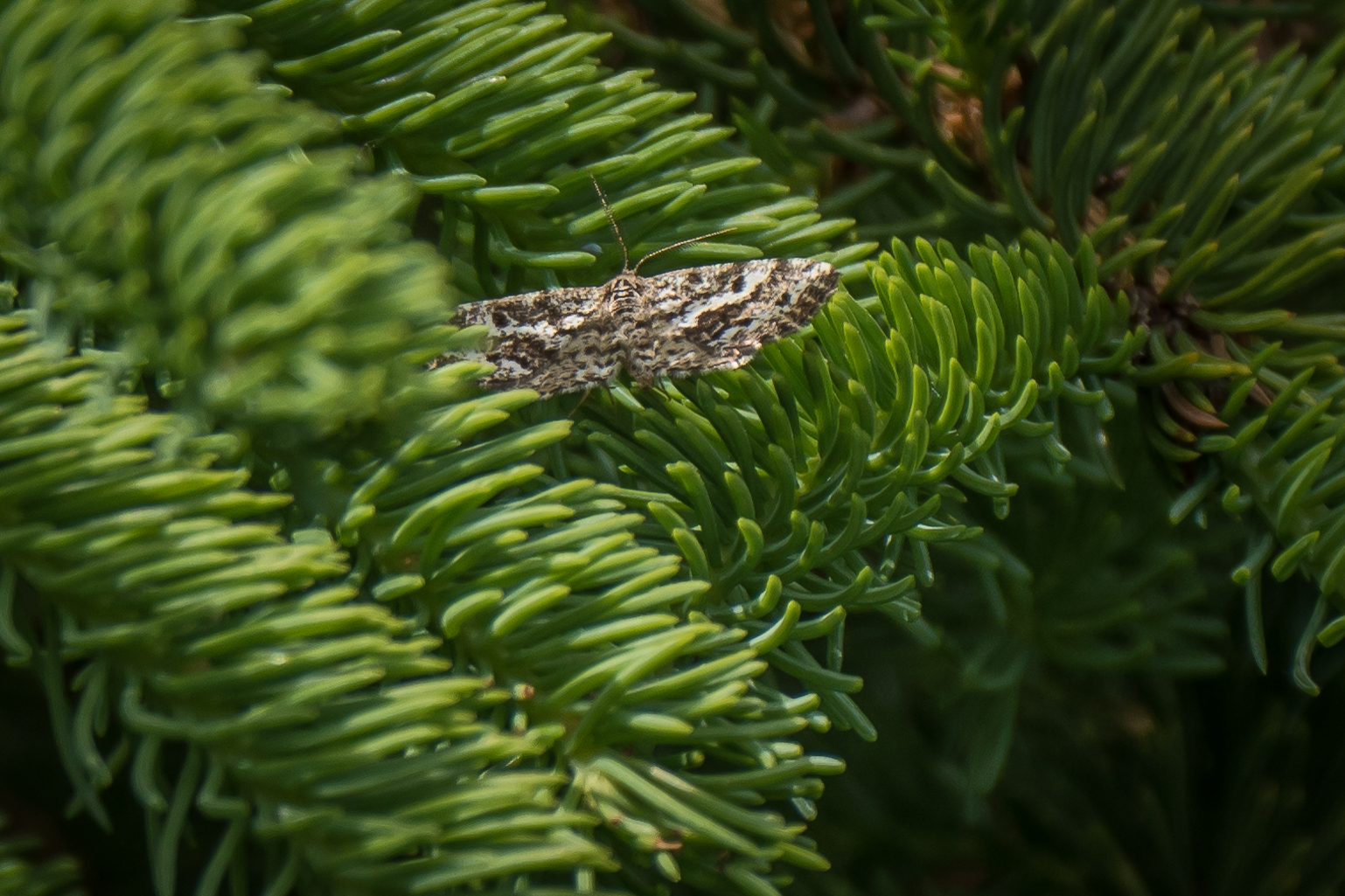
Three unknown Lepidoptera ….  If you can ID any of these unknowns please give us your thoughts by commenting.   Thanks.

EDIT:   I think that the above is not a butterfly but the Common Gray Moth aka Anavitrinella pampinaria.  (I’m still working on the two below!)

Tamarack cones are maturing …

Cinnamon fern

Calla palustris (bog arum, marsh calla, wild calla, and water-arum)

Common Yarrow are starting to blossom, providing nectar for visiting pollinators …

We went back to the site of the Pitcher Plants on Hwy 529 to find some visible “pitchers”.   All were hidden by dense tangles of grass, sedges, and various leaves.  I decided not to disturb any as they provided places for insects to drop into the “pitchers” thereby feeding the plants.   At this time of flowering they need all the nutrient they can get.

Species at Risk:  Blanding’s turtle.

Tachinid fly on first day of a blooming Ox Eye Daisy.

20170608 Crab spider, Iris, Canada Goose, Bracken fern, Solomon’s Plume, Labrador Tea, Purple Ladyslipper, Pitcher Plant

Crab spider, Iris, Canada Goose, Bracken fern, Solomon’s Plume, Labrador Tea, Purple Ladyslipper, Pitcher Plant

We went back to Woods Road to check on the Crab Spider that we had seen and photographed last week.  It was still there, on the same flower, which was starting to look a bit overmature.  Have a look at Misumena vatia in this very nice downloadable .pdf Brochure.

After stopping for a treat at Moose Lake Trading Post, we came back on Hwy 529 and saw our first wild irises of the season, Iris versacolor (blue flag, harlequin blue flag, larger blue flag, northern blue flag, and poison flag) …

This lone Canada Goose was surveying its domain…

Twisted Bracken fern fronds unfurling …

Just North of the turn-off to Bayfield Inlet the Labrador Tea is in full bloom in the Tamarack bog …

And, if you look closely you can see Pink Ladyslippers blooming …

Click on “Pink Ladyslippers”  on Walter Muma’s List of Ontario Orchids.  That list includes Hooded Ladies Tresses, a competitor for Canada’s National Flower. (Voting ends on June 30th.)

(Look in the top left third of the above to see the bunch of Ladyslippers)

Still in the bog, but next to a rock outcrop, this blooming Pitcher Plant cluster is visible from the road.  The traps are hidden in the sedges under the Tamarack twig below.   The Pitcher Plant is a good example of Convergent Evolution.

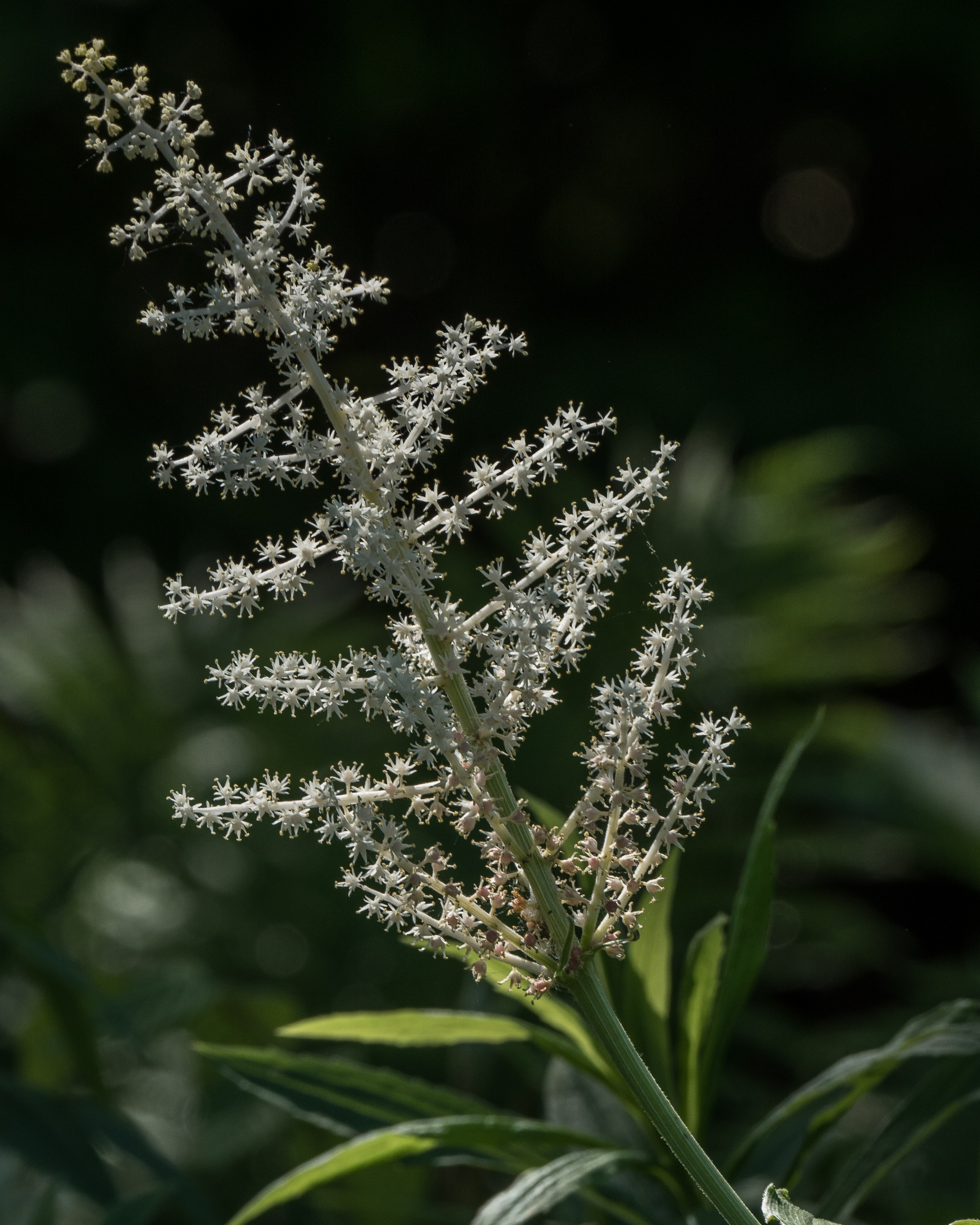
This Solomon’s Plume is showing itself in a ray of sunshine near the Naiscoot River bridge (where the title photo was taken).


Mark Berkery has posted some new “macro” photos at his blog.  Neat stuff!

Save