20170607 Choke cherry, vireo, pearl crescent, puddling swallowtails, orange hawkweed, pussytoes, tamarack, lily of the valley, sandcherry, blueberry, blue-eyed grass

Choke cherry, vireo, pearl crescent, puddling swallowtails, orange hawkweed, pussytoes, tamarack, lily of the valley, sandcherry, blueberry, blue-eyed grass

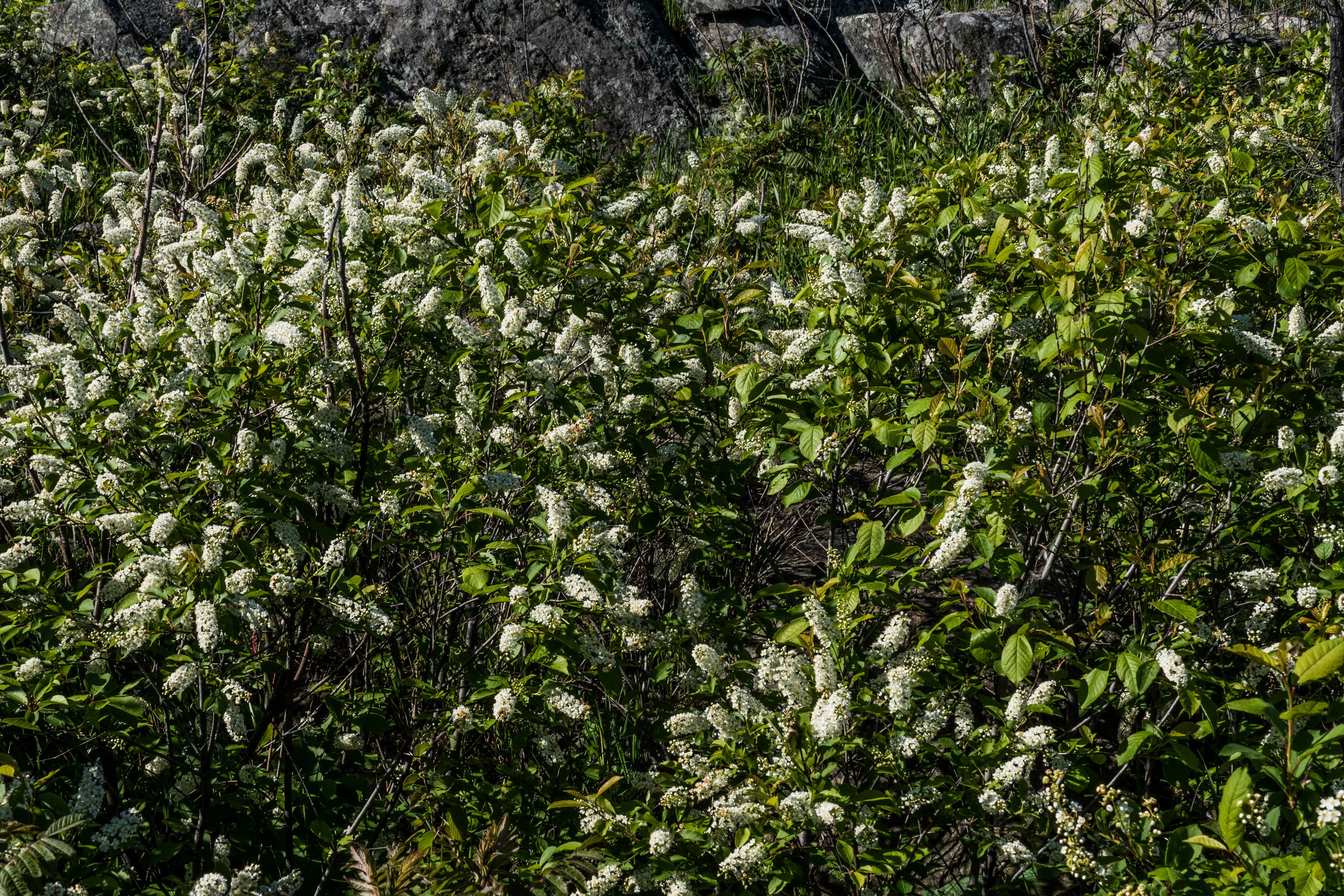
“Loveliest of trees, the cherry now,

Is hung with bloom along the bough,

…..”
When I first saw this flower I thought it was a goatsbeard.  Now, I don’t think so.  We’ll have to watch it on the Old Still Road to see its progress.
This unknown birdie on the Old Still River Road might be a red eyed vireo.  It sang then flitted.

I suspect that this sparrow is bringing a protein lunch to a nearby nest, well hidden in the low thicket.  I was lucky to get a focus on the birdie!

Pearl Crescent in a driveway on Old Still River Road …
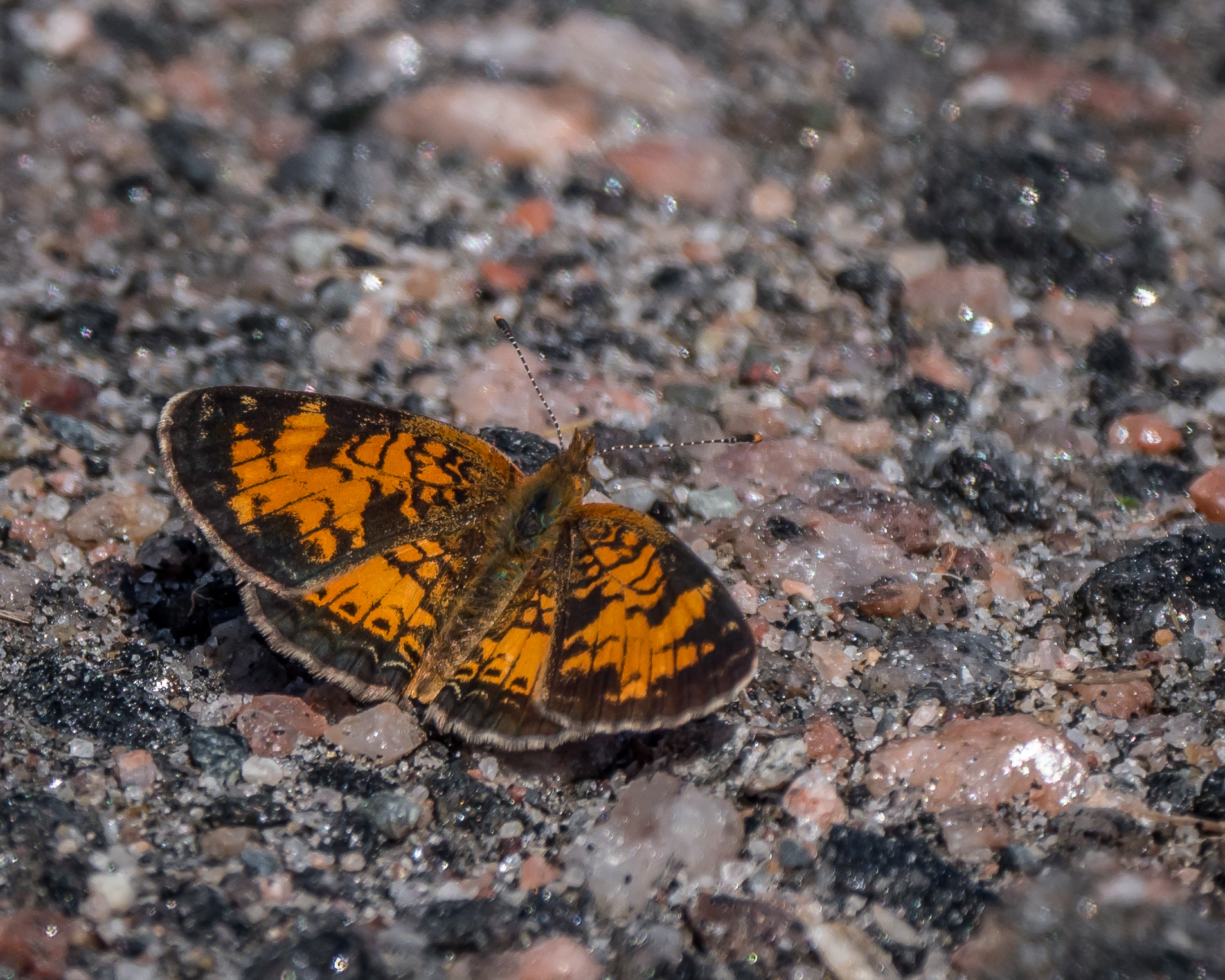
Ah!  Thanks for the profile:

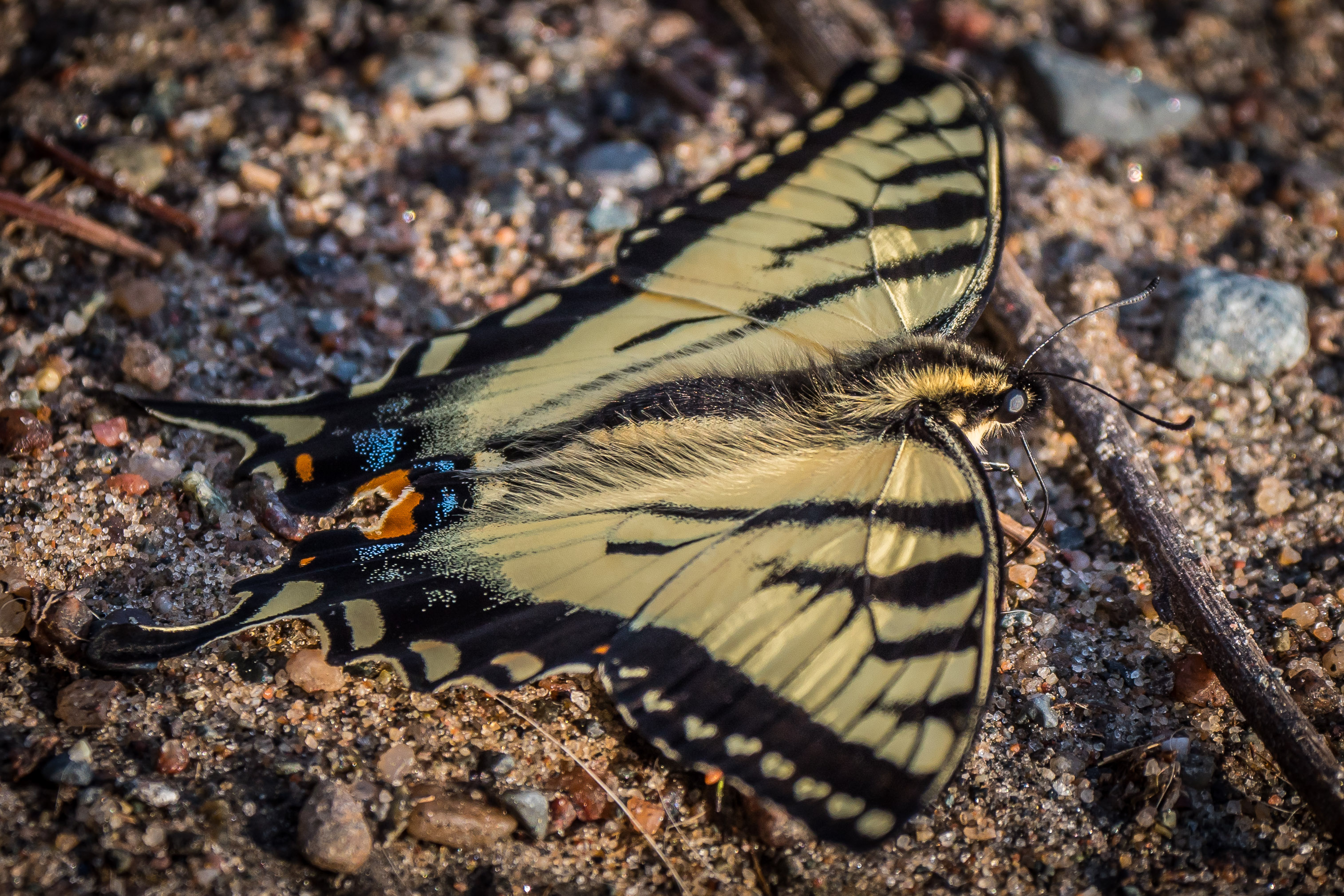
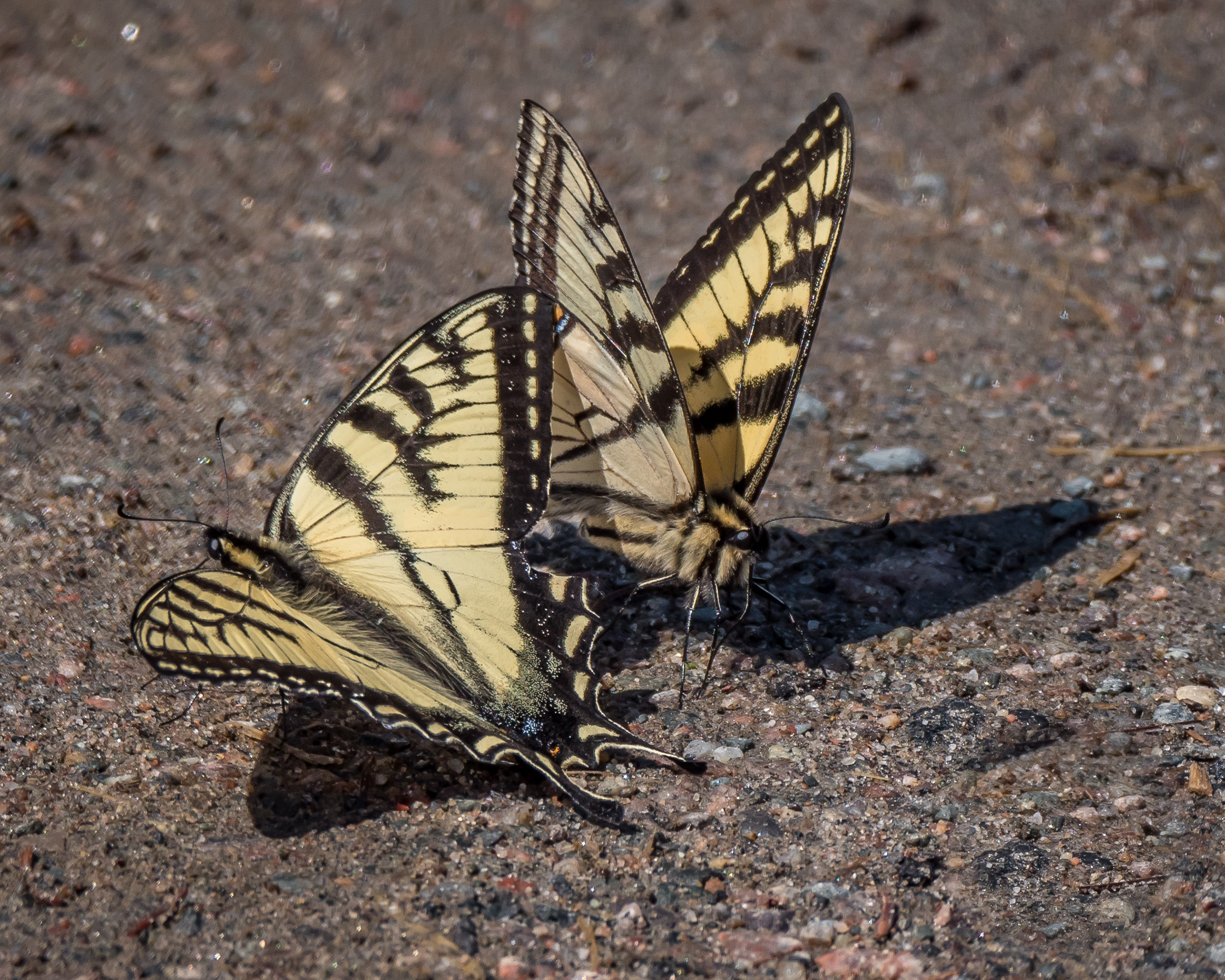
In same driveway, three Eastern Tiger Swallowtails (canadensis) are either puddling or mating.

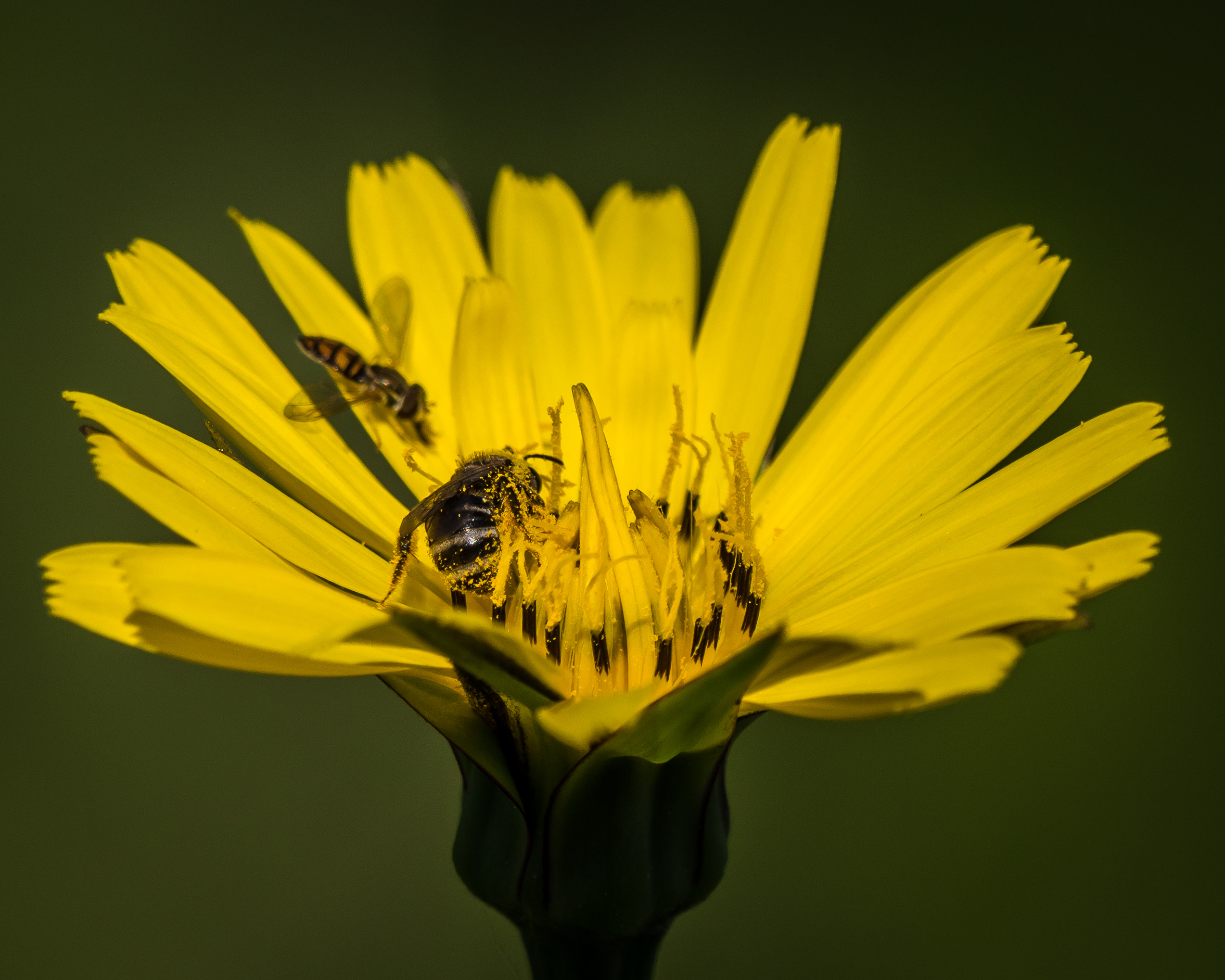
First appearance of Orange Hawkweed.  In spite of its red/orange colour, to which bees are blind, I still see lots of pollinators coming for a visit.  Pilosella aurantiaca (fox-and-cubs, orange hawkweed, tawny hawkweed, devil’s paintbrush, grim-the-collier)

Pussytoes ( Antennaria ) are progressing.   I hope to spot “antennae” sprouting soon.

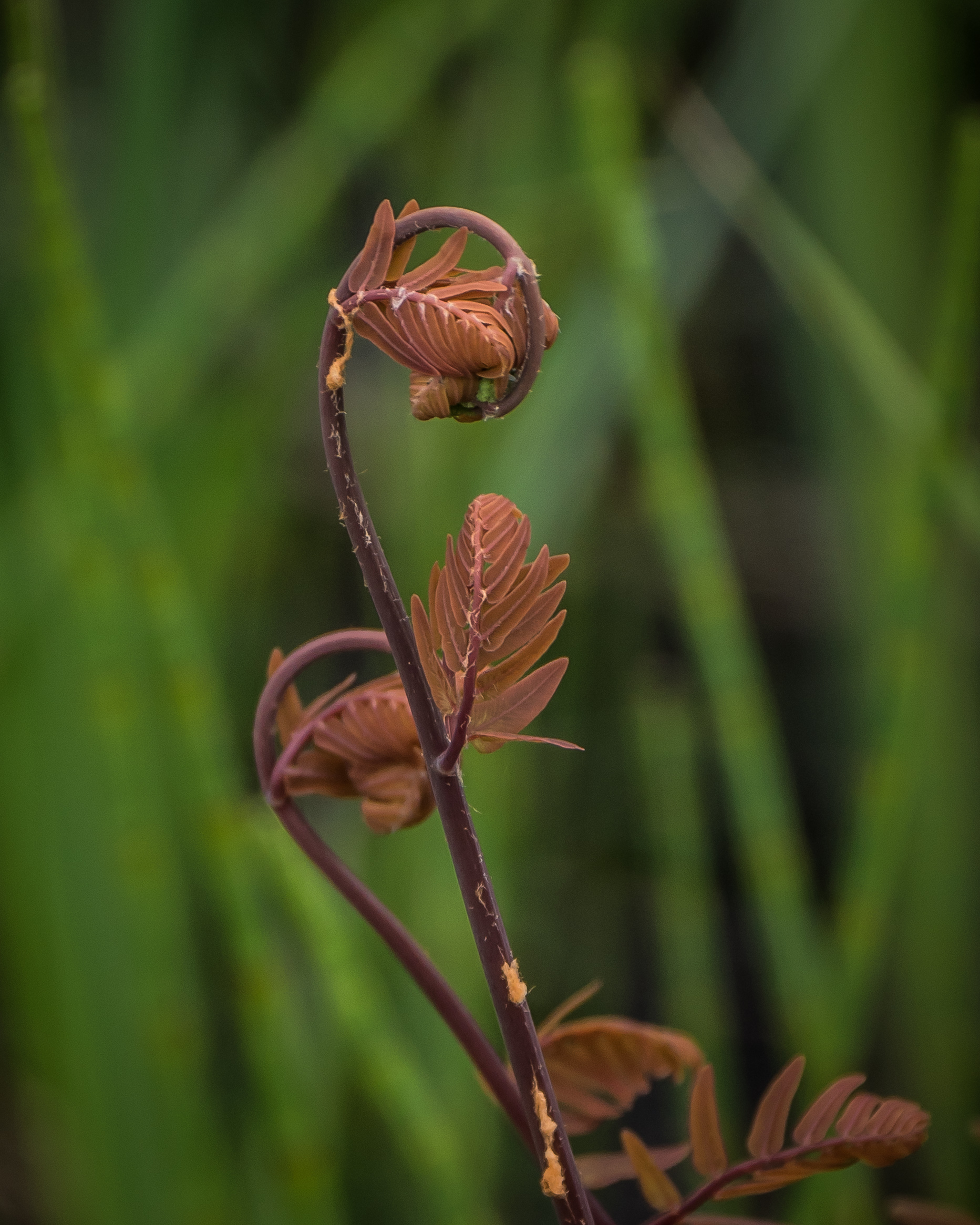
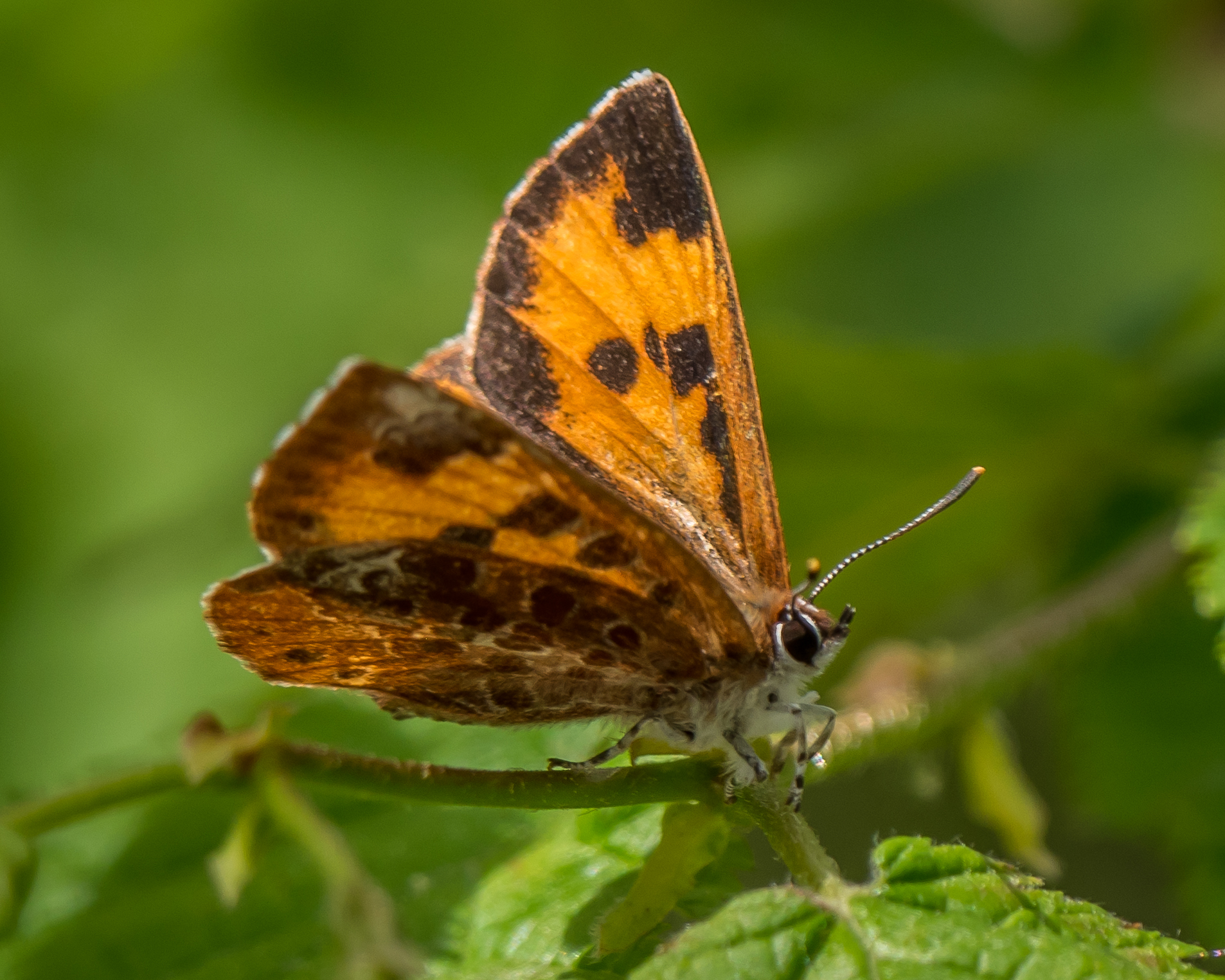
Hmmm.  I don’t have this one identified yet.  Help!!

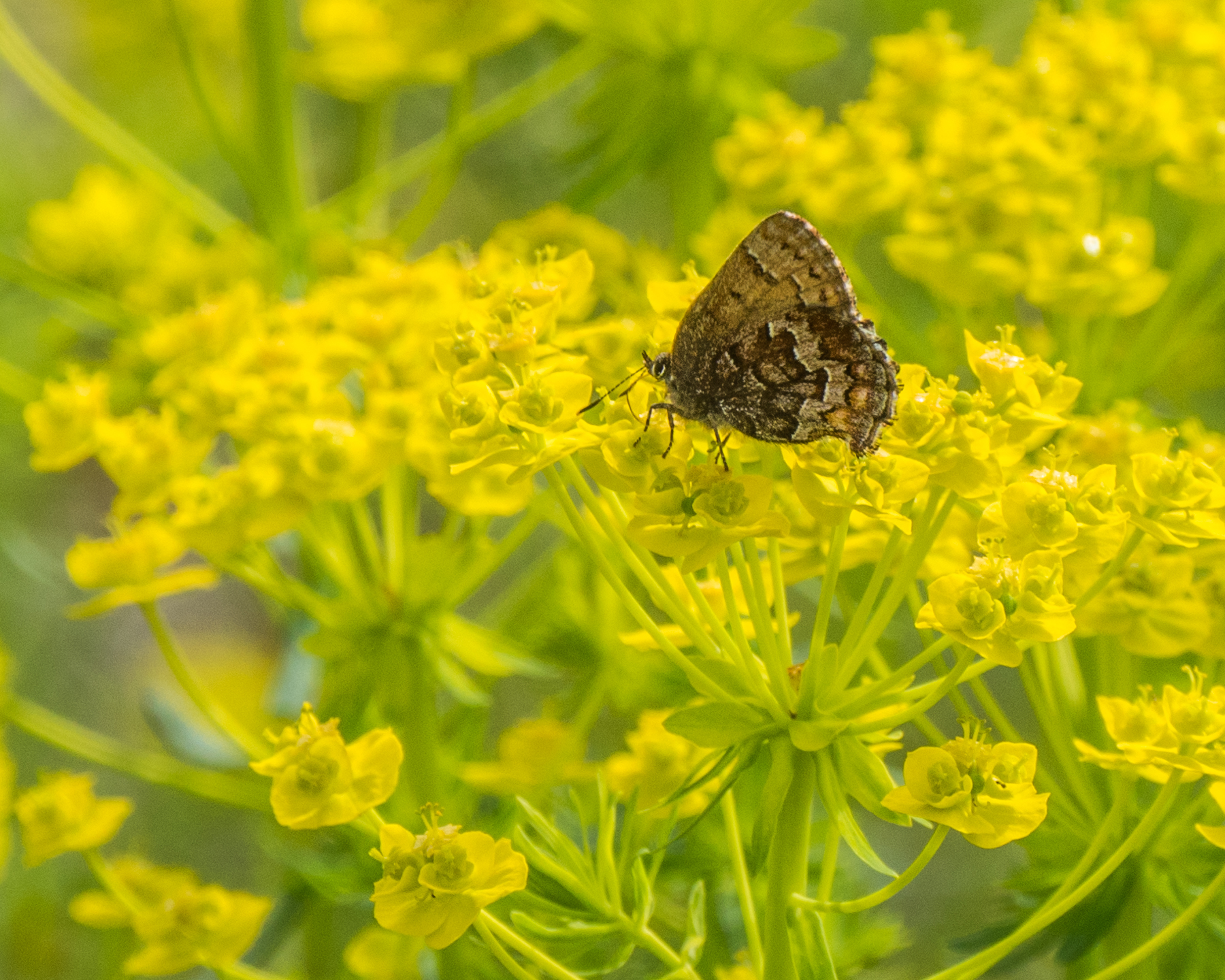
Edit:   It looks like a Harvester.
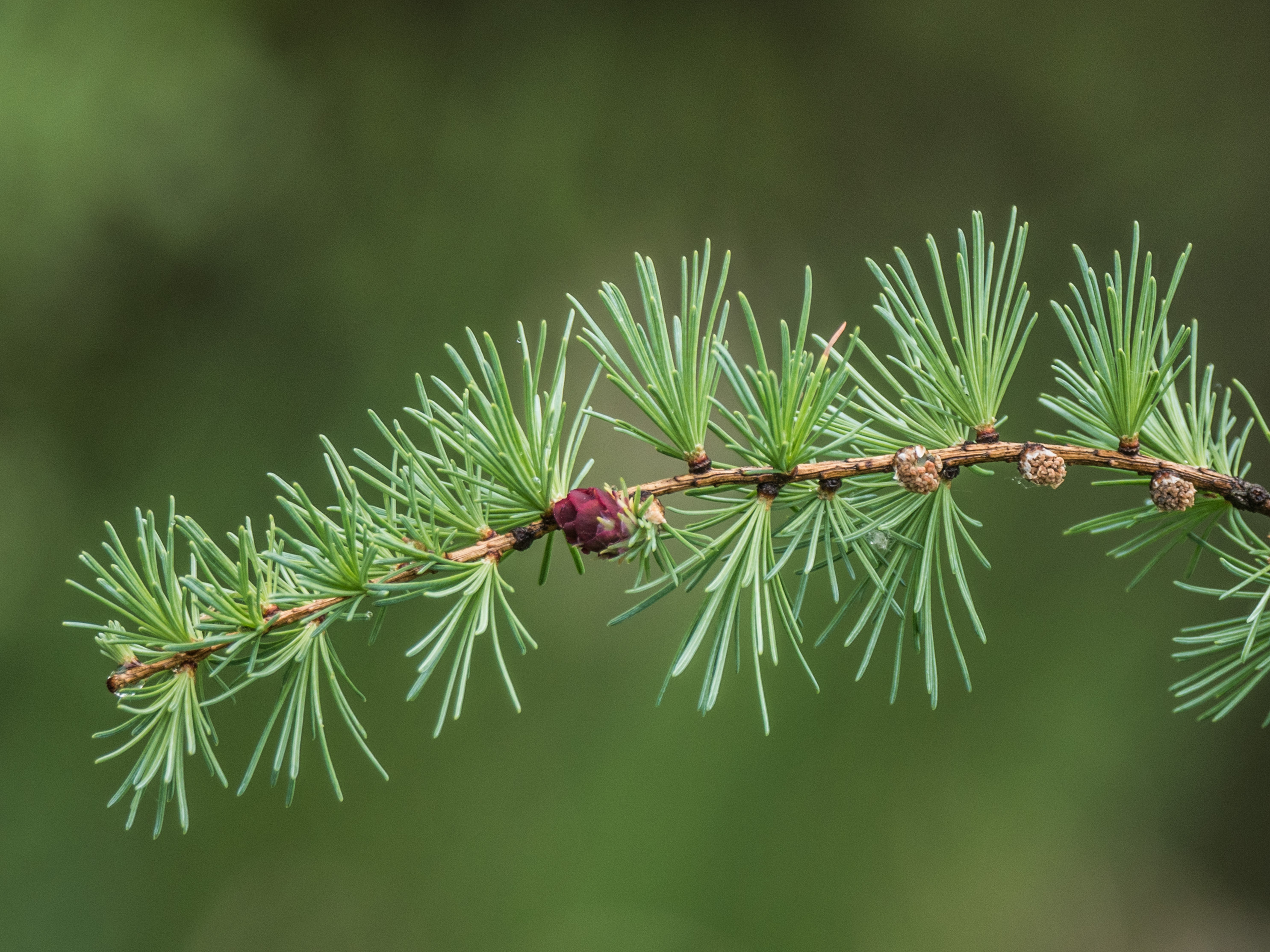
Tamarack cones are maturing … soon to turn brown.  Some pollen pods are still visible and presumably active.

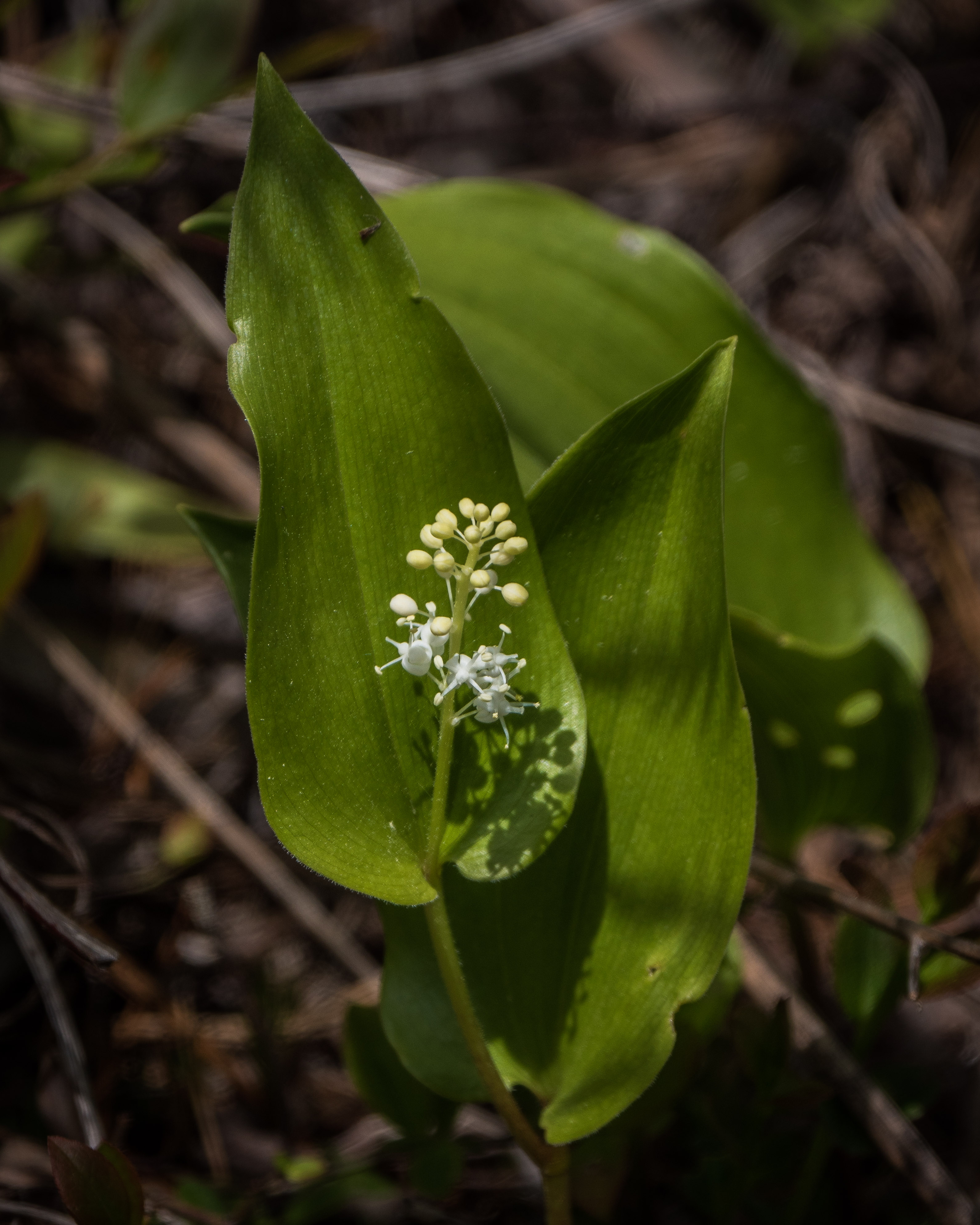
The shadow caught my eye, giving a nice 3D effect…
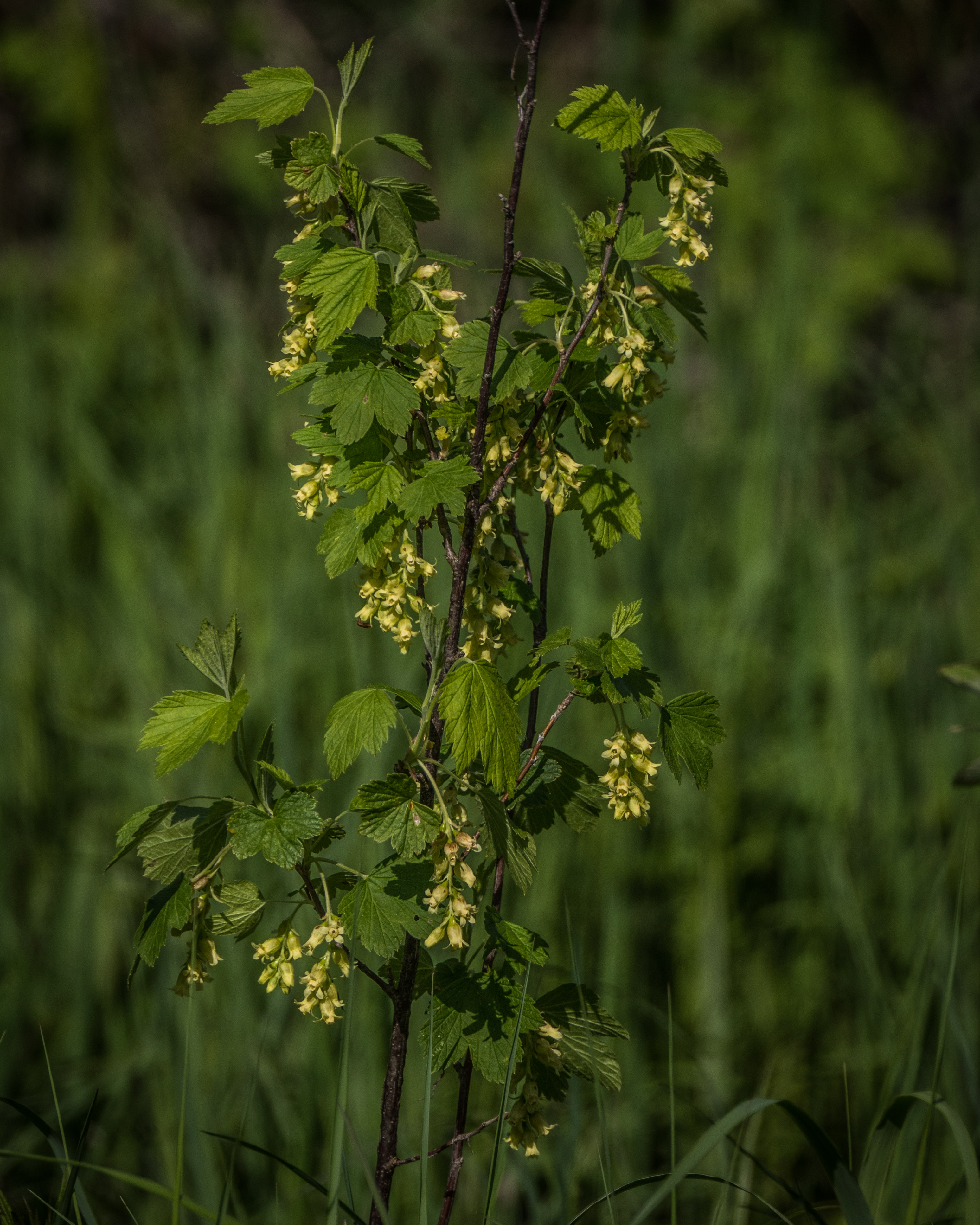
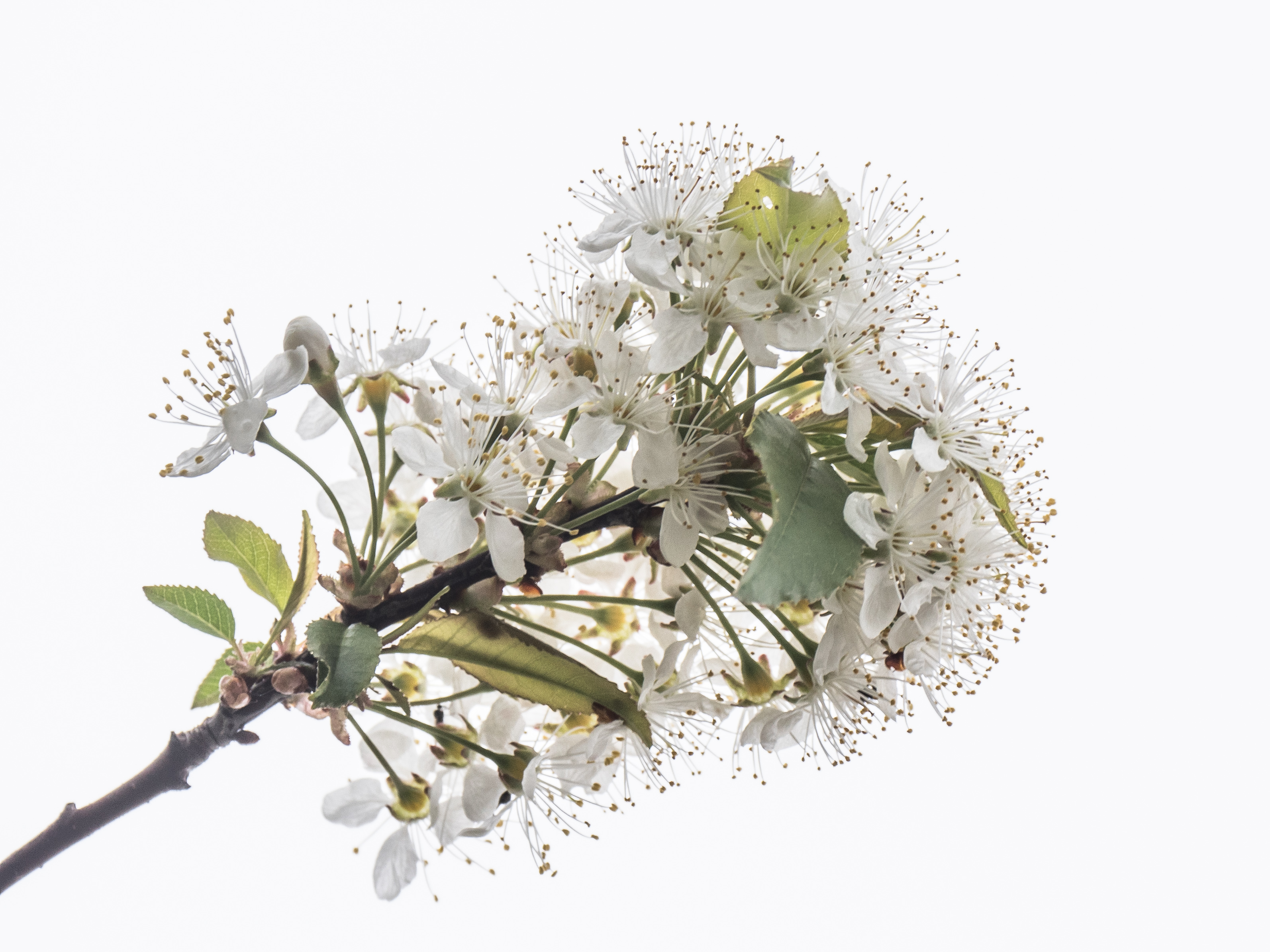
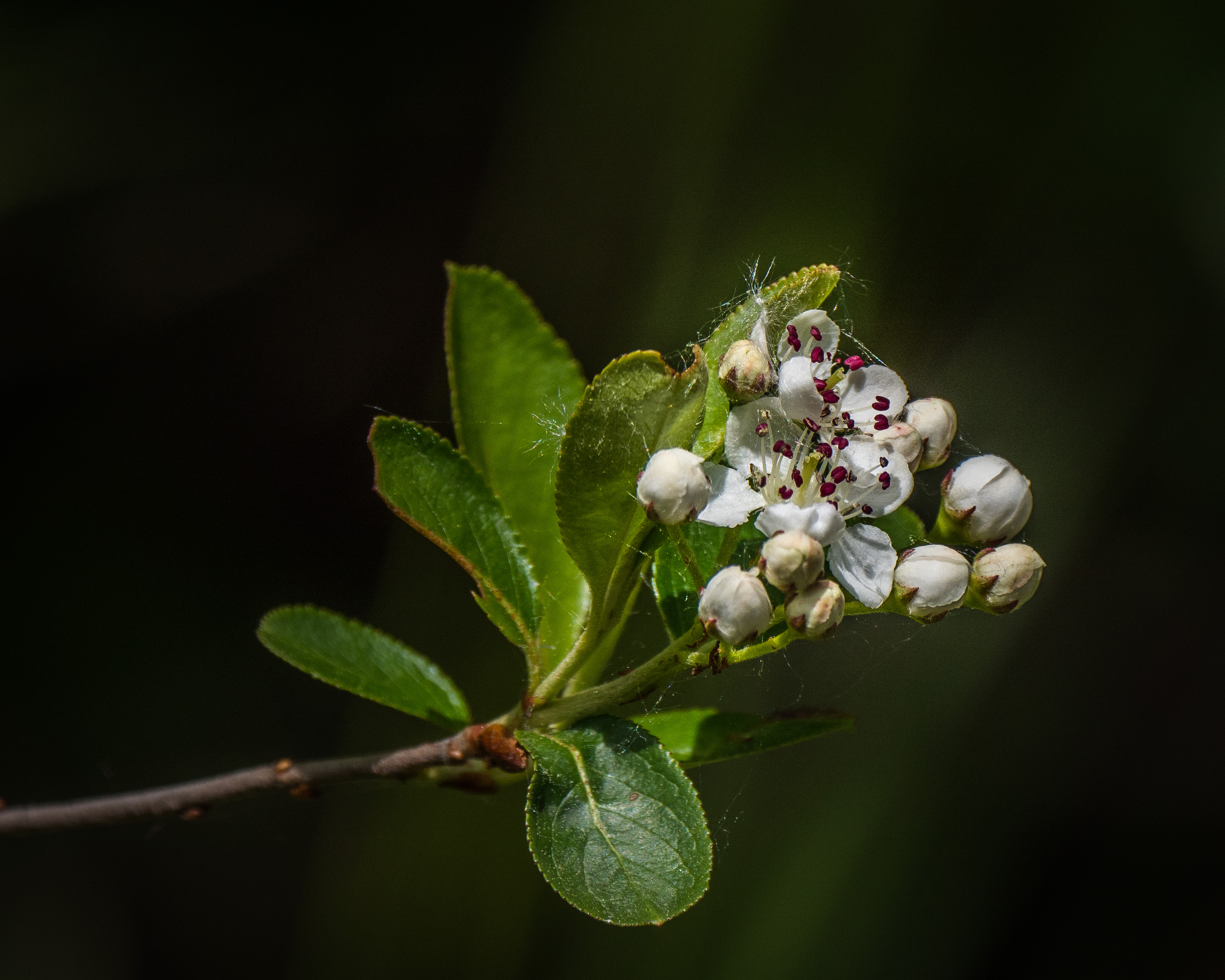
I am pretty well convinced that this is a sandcherry (In spite of the purple stamens).
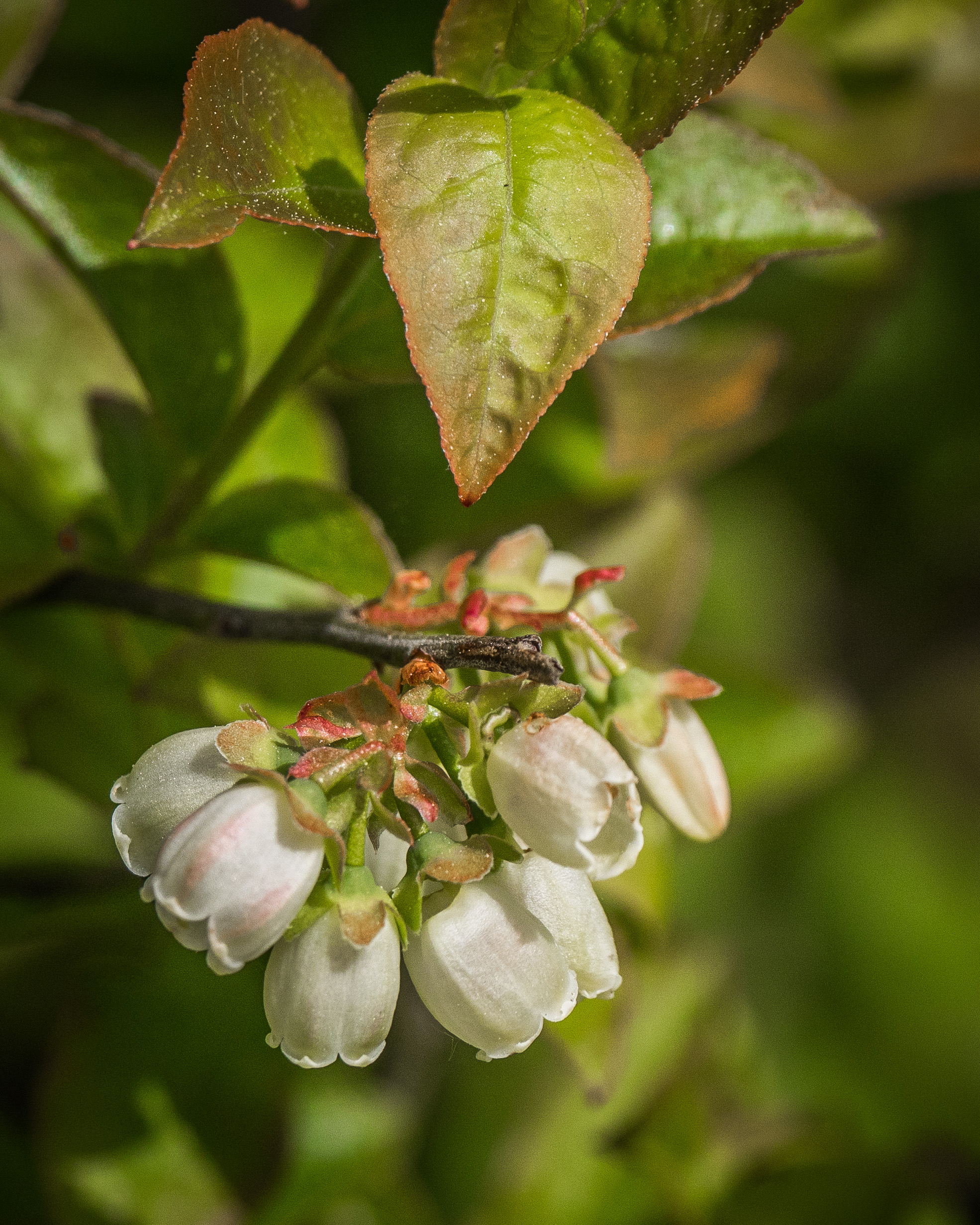
Nice warm weather but no pollinators, yet.
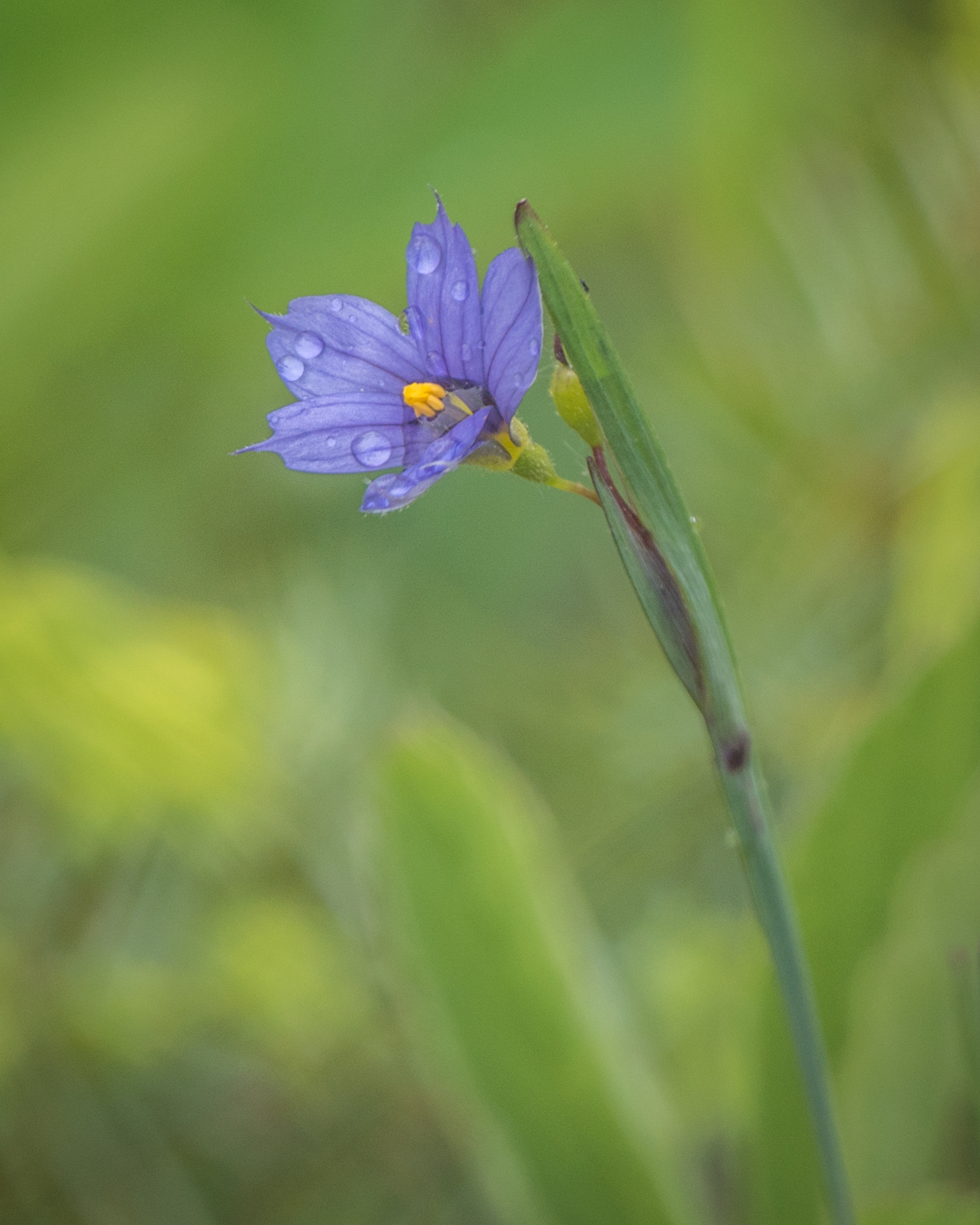
Nice patch of blue-eyed grass in the ditch in front of Steve’s house:

An explanation for those Bare Trees filled with Vultures – Western Movie Style.


20170606 Marsh Marigold, Spring Azure, Tiger Swallowtail, Polypores, Viburnums, Rose, Starling, Goslings, Drakes, Prunus, Solomon’s Seal and others…


Marsh Marigold, Spring Azure, Tiger Swallowtail, Polypores, Viburnums, Rose, Starling, Goslings, Drakes, Prunus, Solomon’s Seal, Star flowers

Here is the Marsh Marigold a few weeks after it was in full yellow bloom..

There are a lot of Spring Azures flitting about these days.  They may be a bit difficult to ID properly according to the very reliable expert, Rick Cavasin.

I had a brief discussion with Damien about these polypores.  He and Vanessa were out searching for Oyster Mushrooms and had only see these.  I think that they are Polyporus squamosus   also known as Dryad’s Saddle.

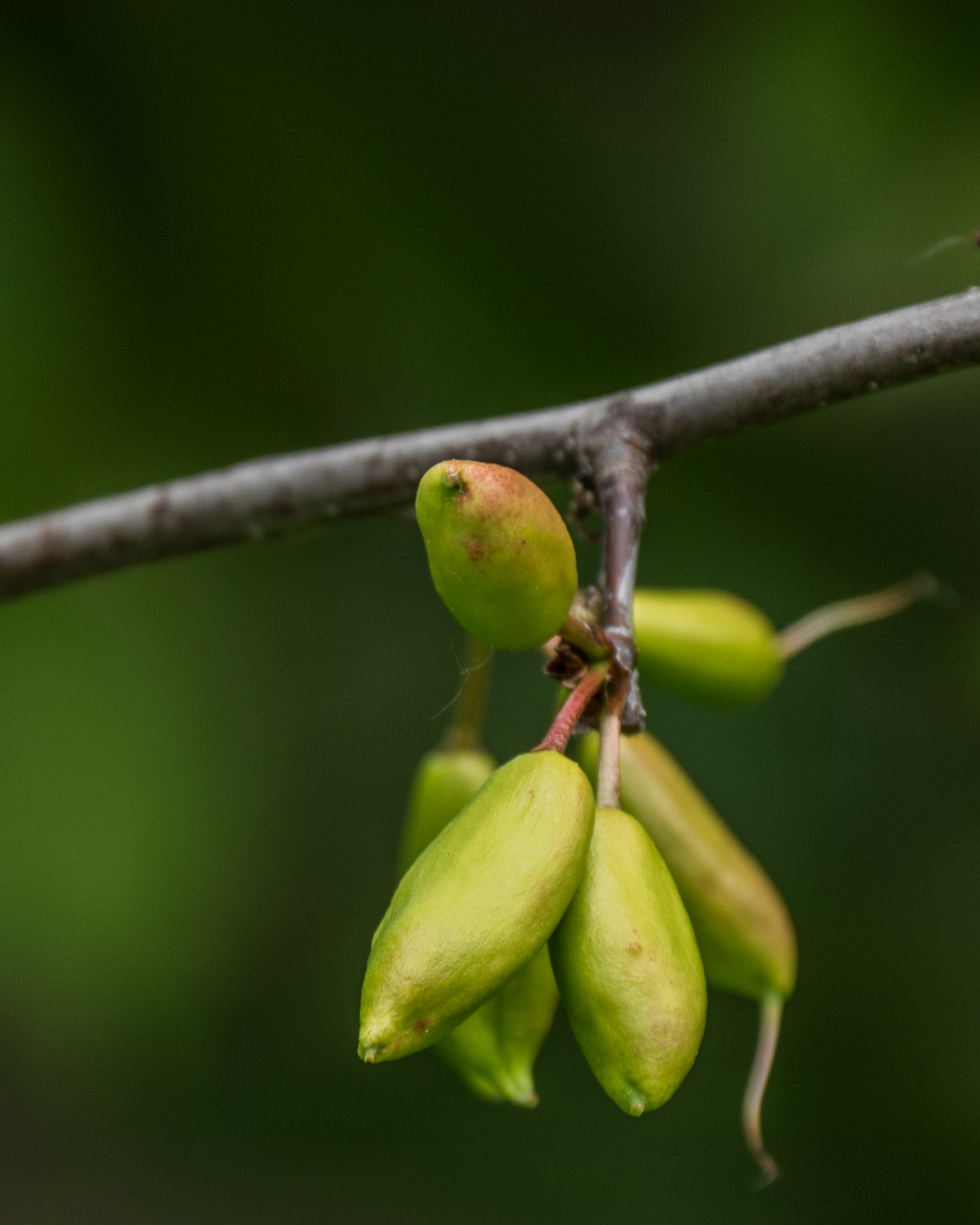
These are the “wild plums” that I photographed about a month ago…

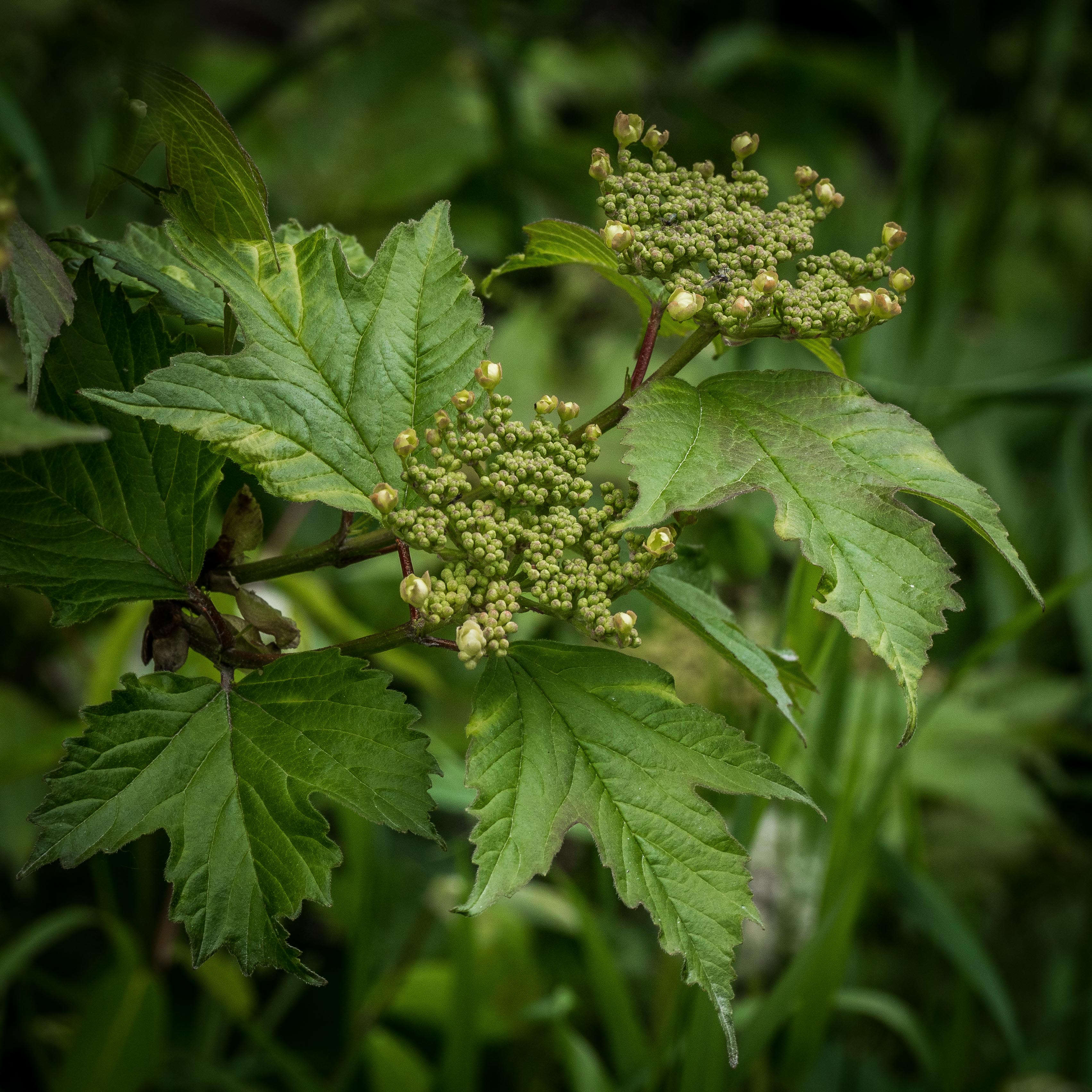
Viburnum trilobum  berries ripen the same time, late fall, as the cranberry and make a similar sauce.  Hence the common name.  Note the similarity of the flower pattern with other viburnums.

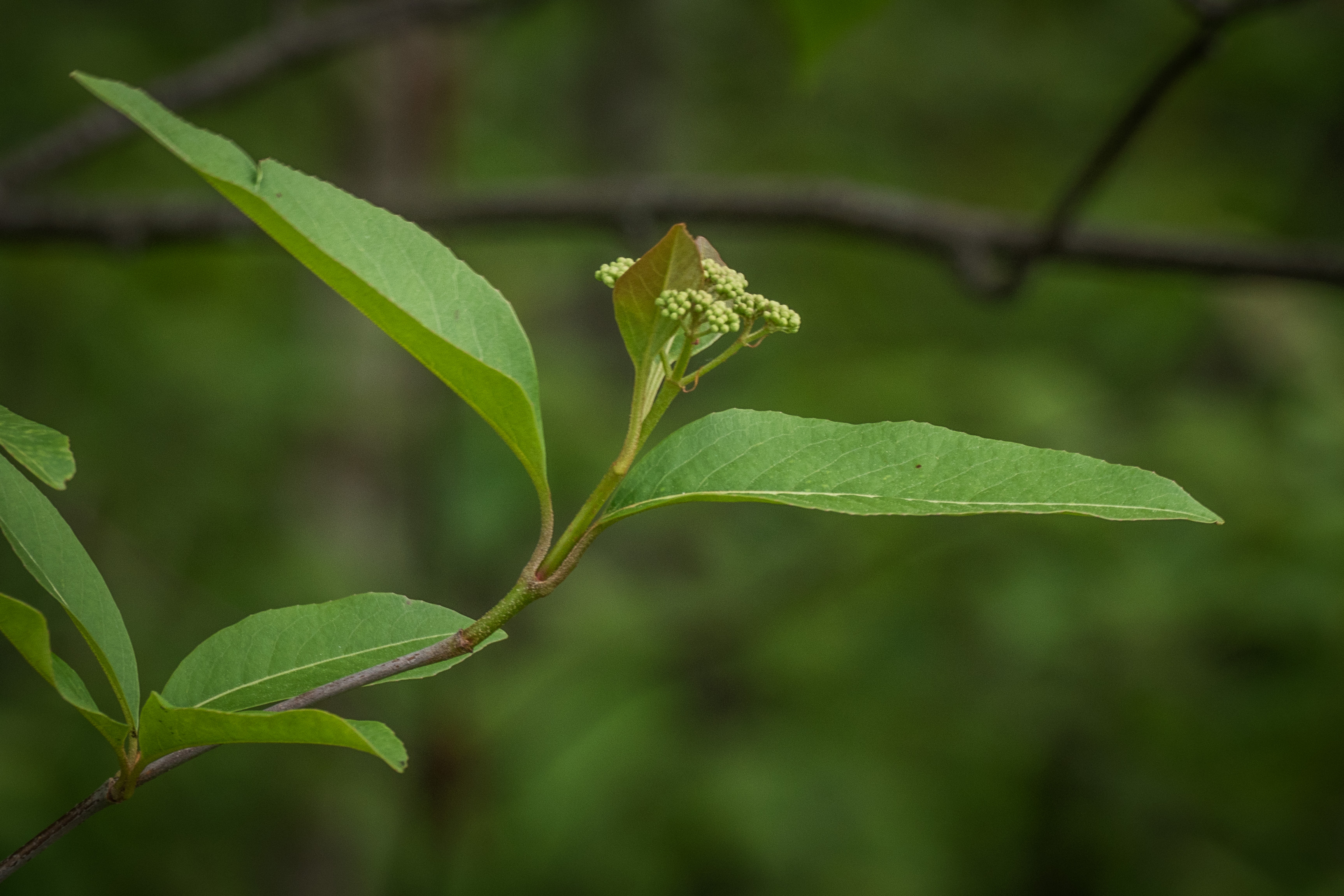
Another Viburnum, Northern Wild Raisin.   Take your pick of specie as Northern Wild Raisin is either a V. nudum, cassinoides, lentago depending on who you read.  The other Viburnum that you saw here is Hobblebush, aka V. lantanoides.  All of the viburnums have sterile attractor blossoms on the perimeter, surrounding a fertile head of flowers.

It seems that this Starling has just had a dip in Byng Inlet…

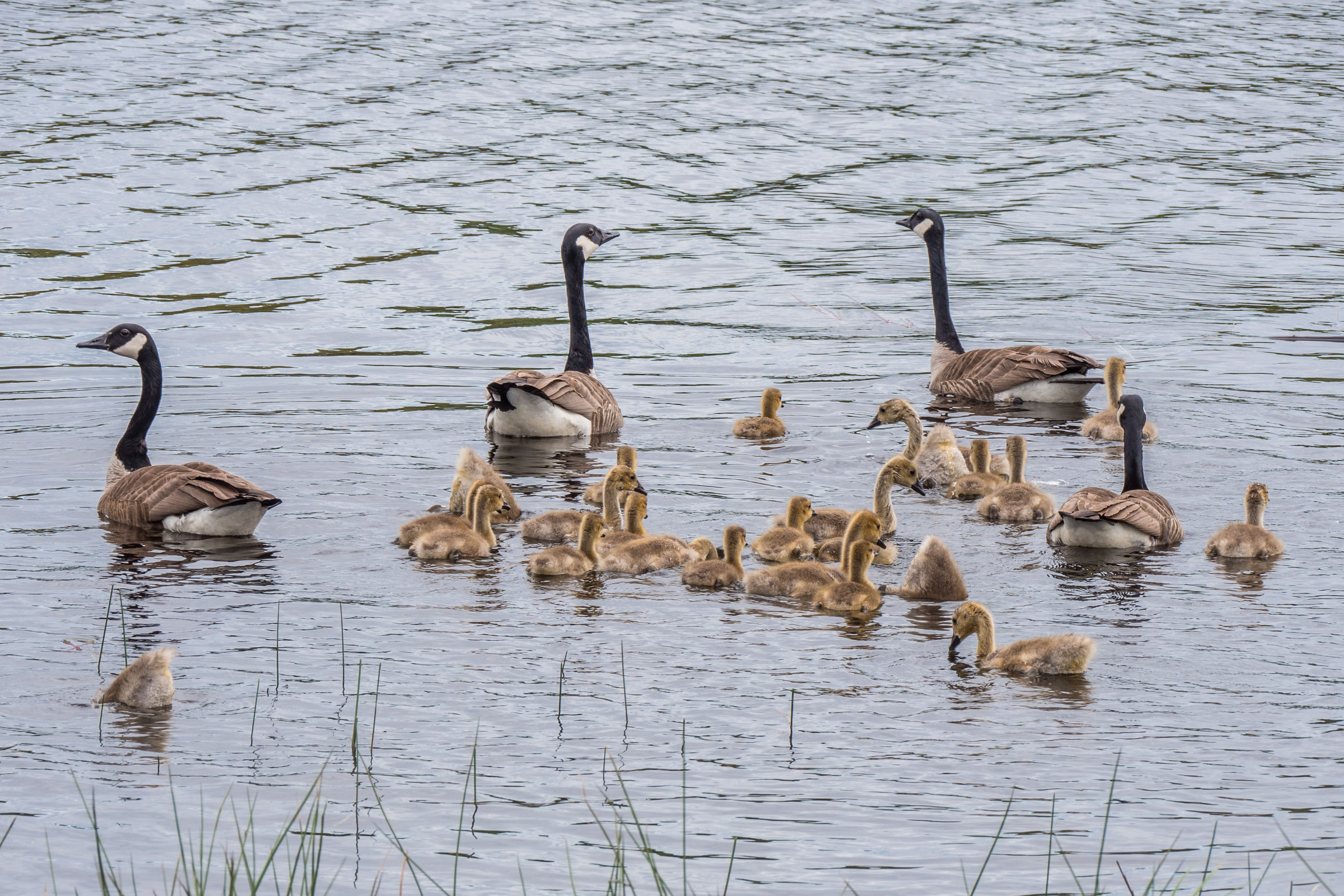
I suspect that these two pairs are baby sitting goslings from other parents.  Some are already dabb(l)ing….

Three drakes parading …

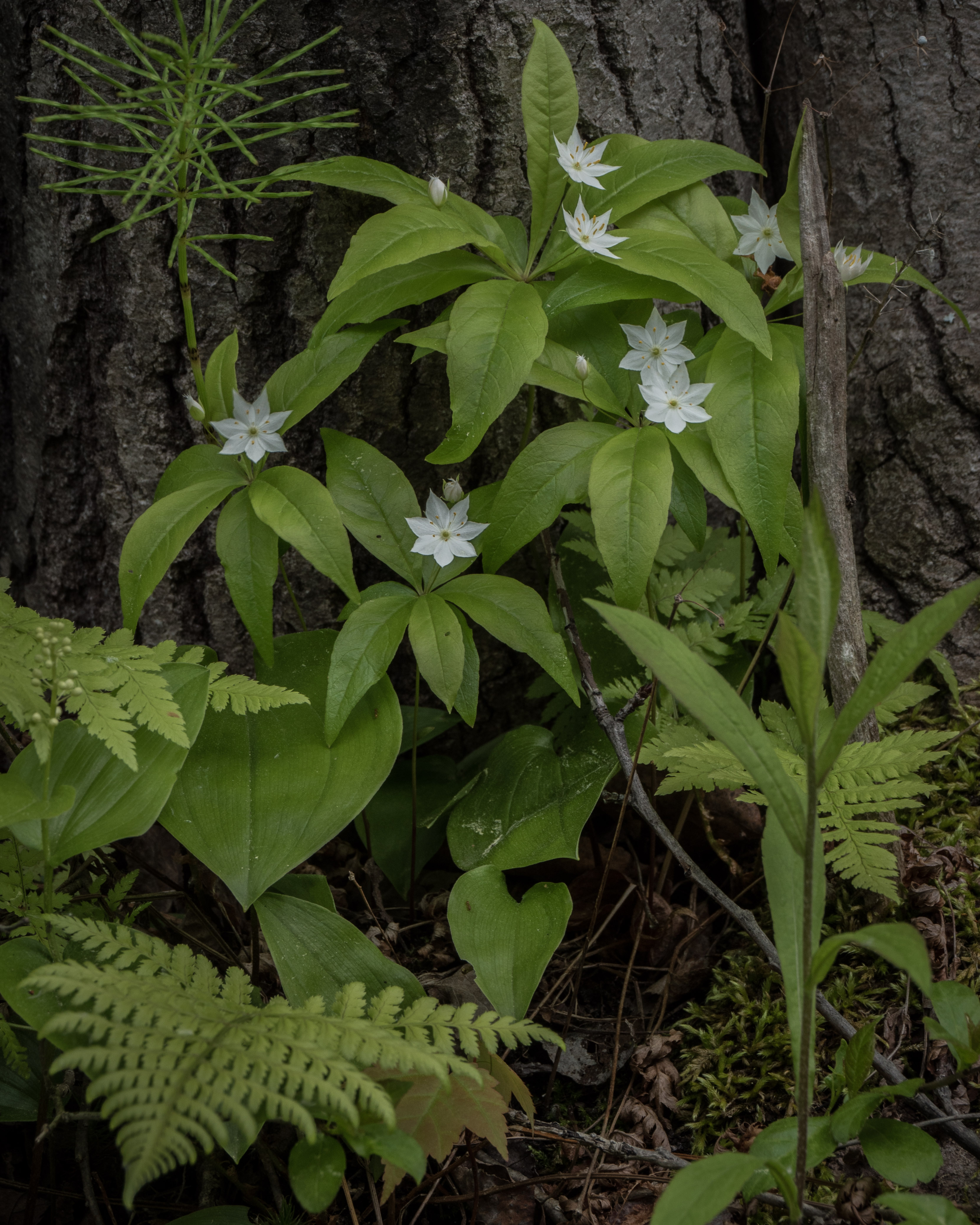
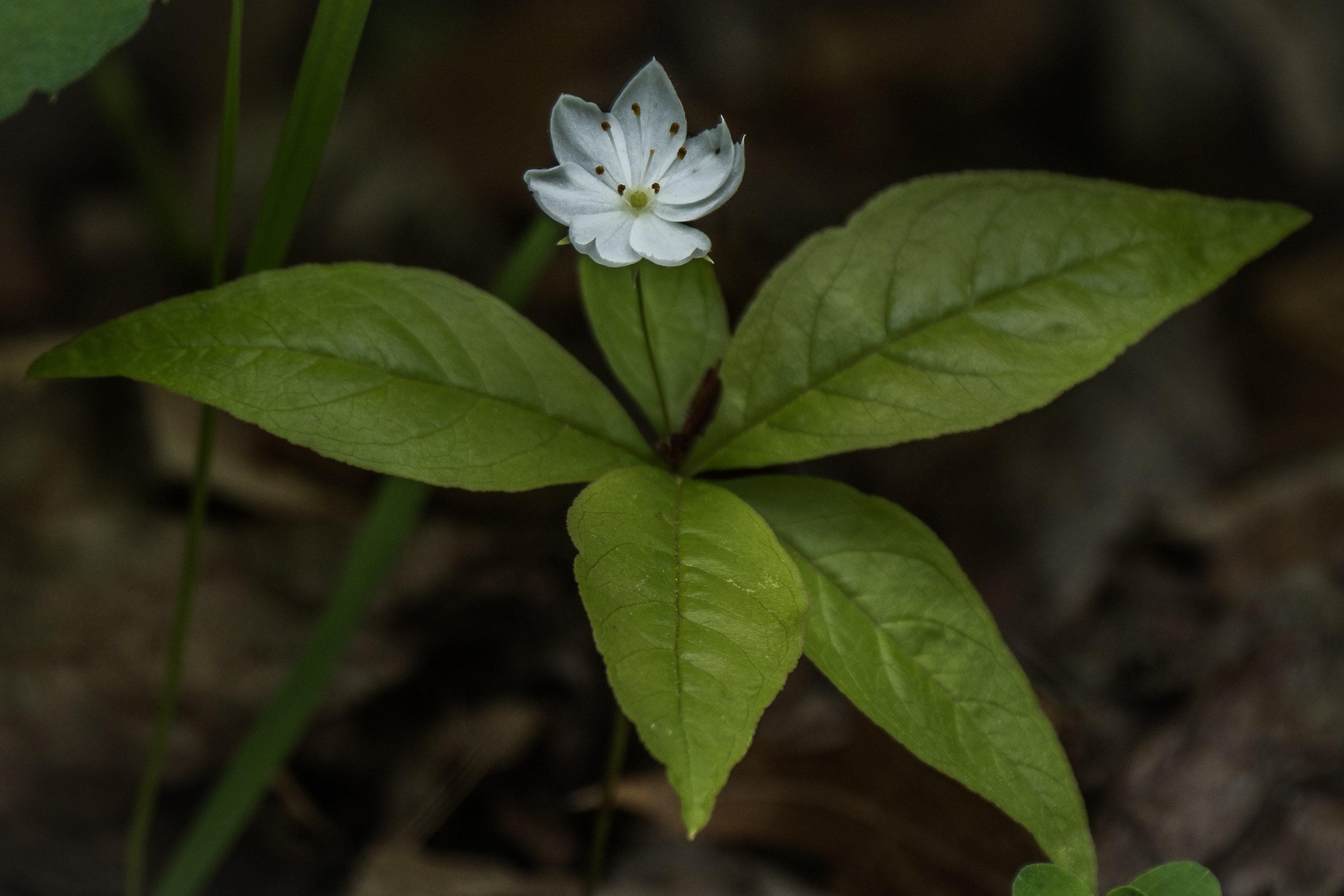
Nice bouquet of starflowers …

View from George’s Driveway out the south channel….

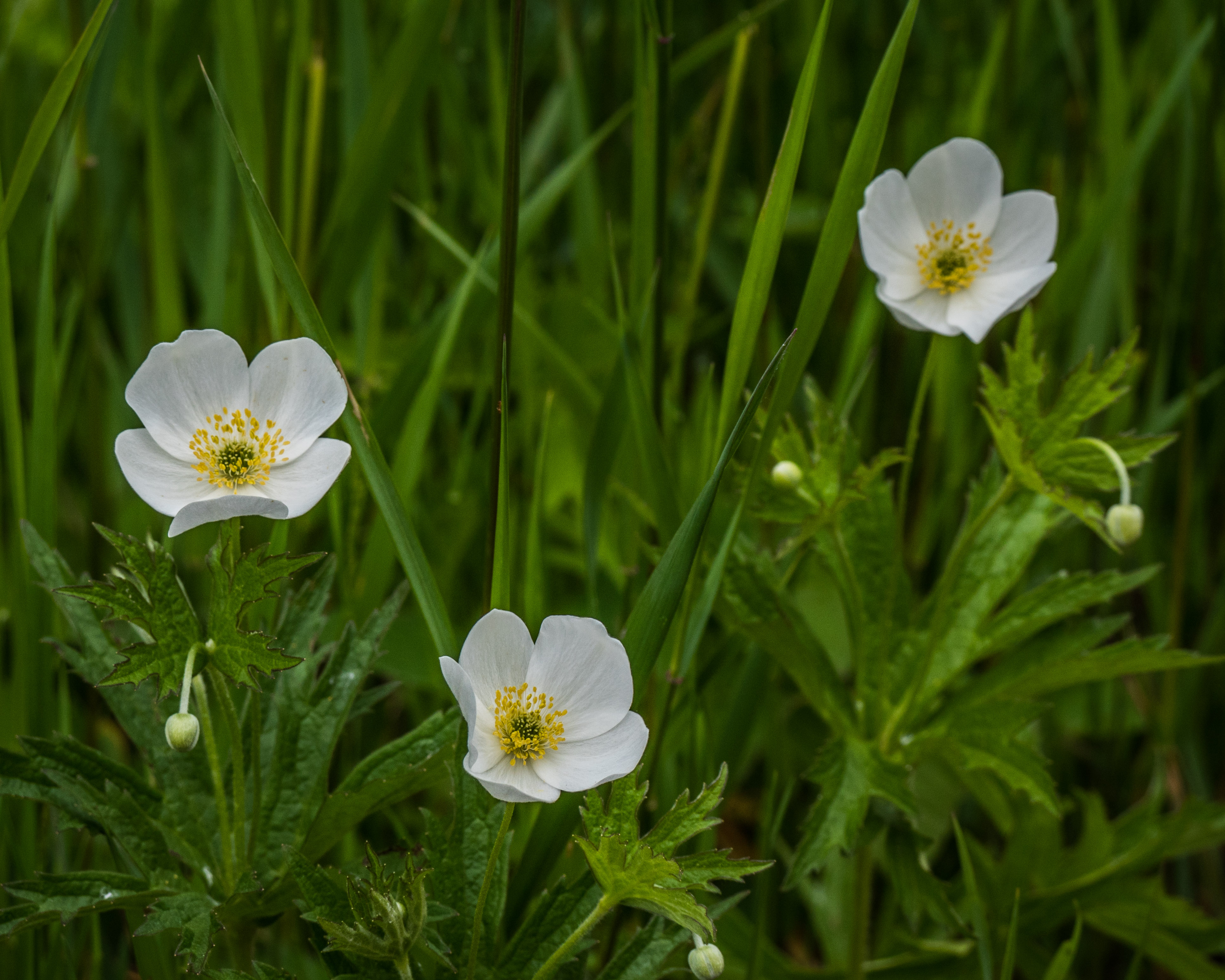
Canada anemone will be in full bloom when we get the next warm spell …

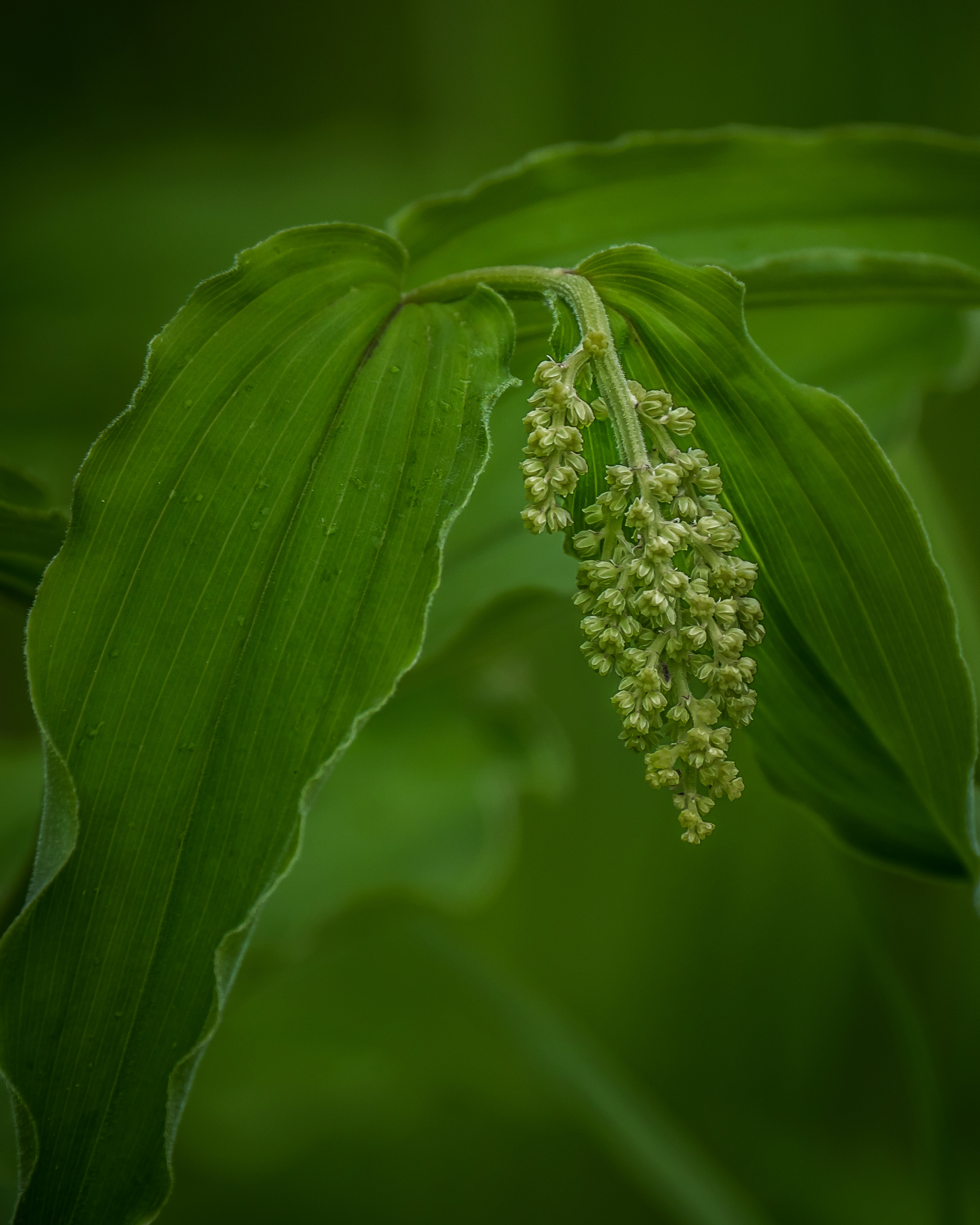
Solomon’s Seal near the end of Riverside on the open lot where the geophysical marker is located …

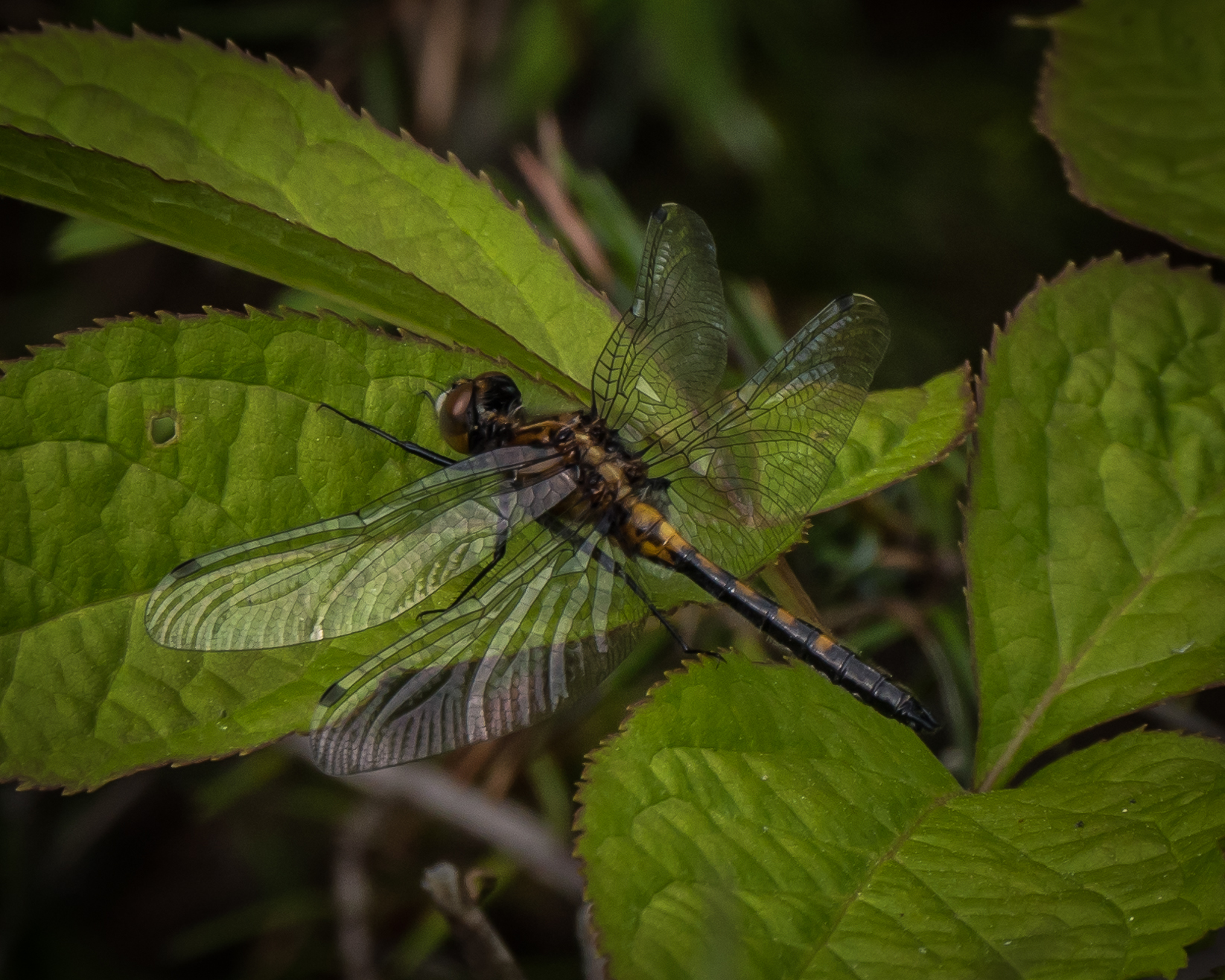
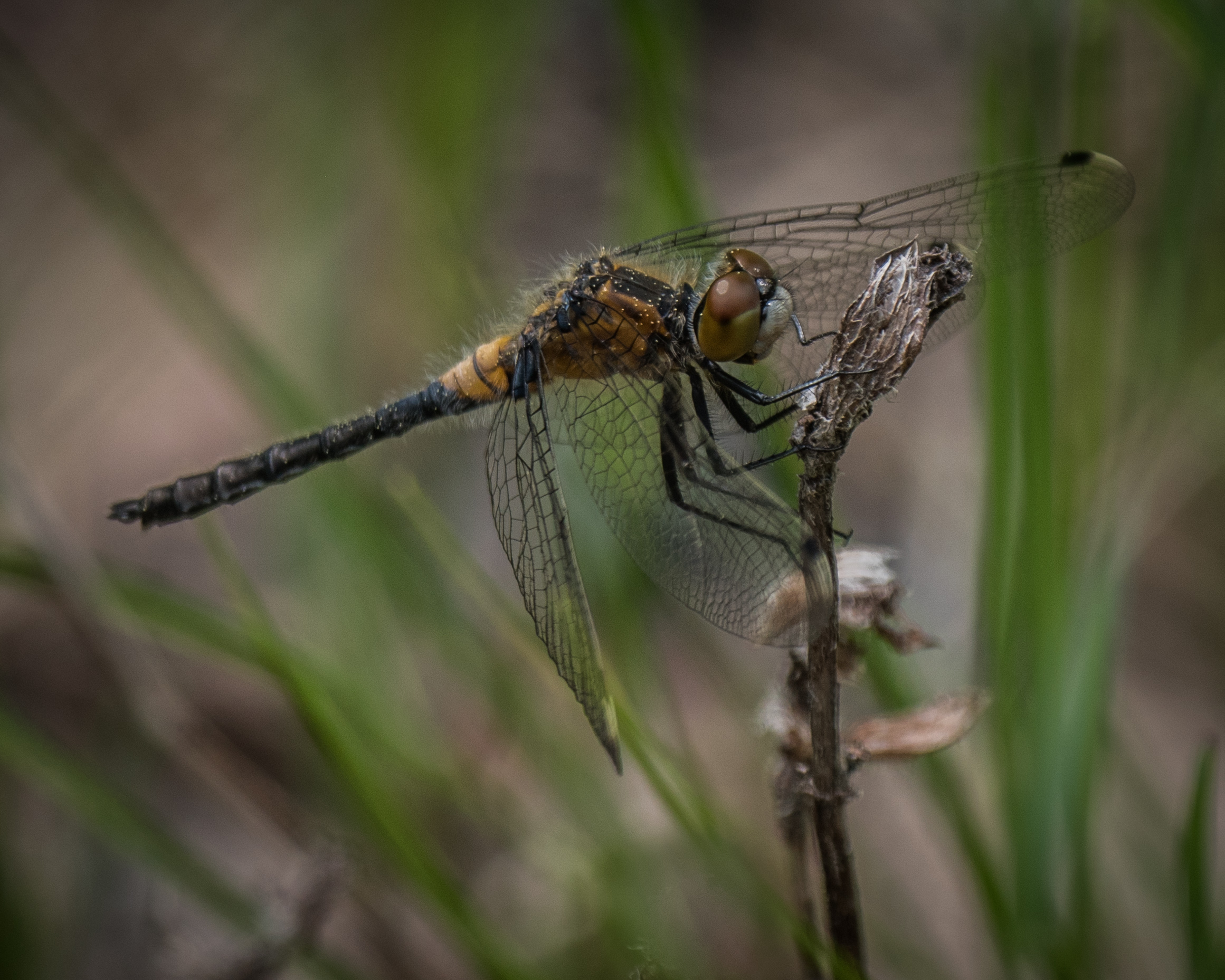
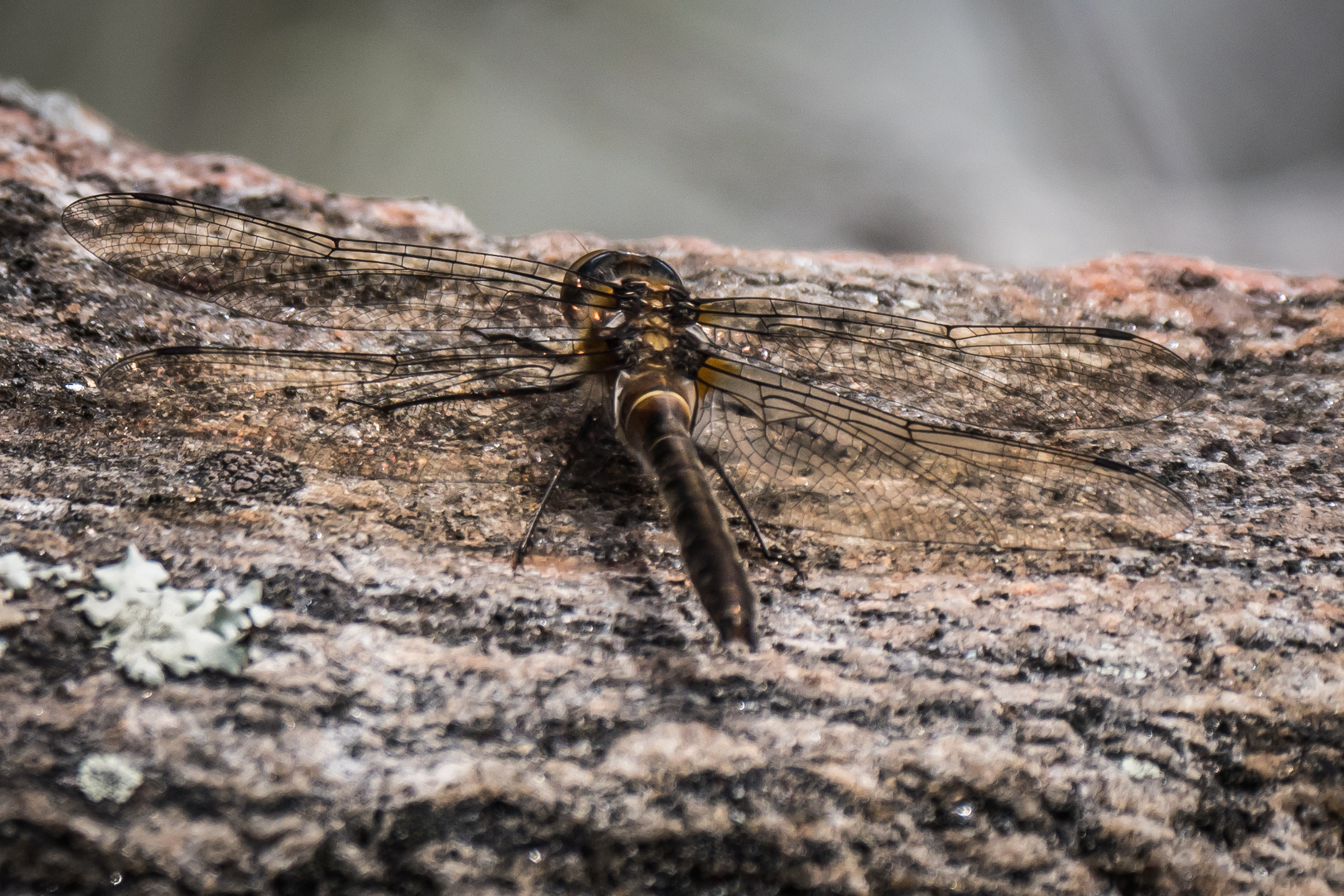
The little patch of white on front might help in identifying this dragonfly …

At first  I thought that this is Prunus pumila, but those dark purple stamens are not typical of the Great Lakes Sandcherry.   Perhaps another hybrid?

If we get some good pollination weather we’ll have a good blueberry crop this year ….

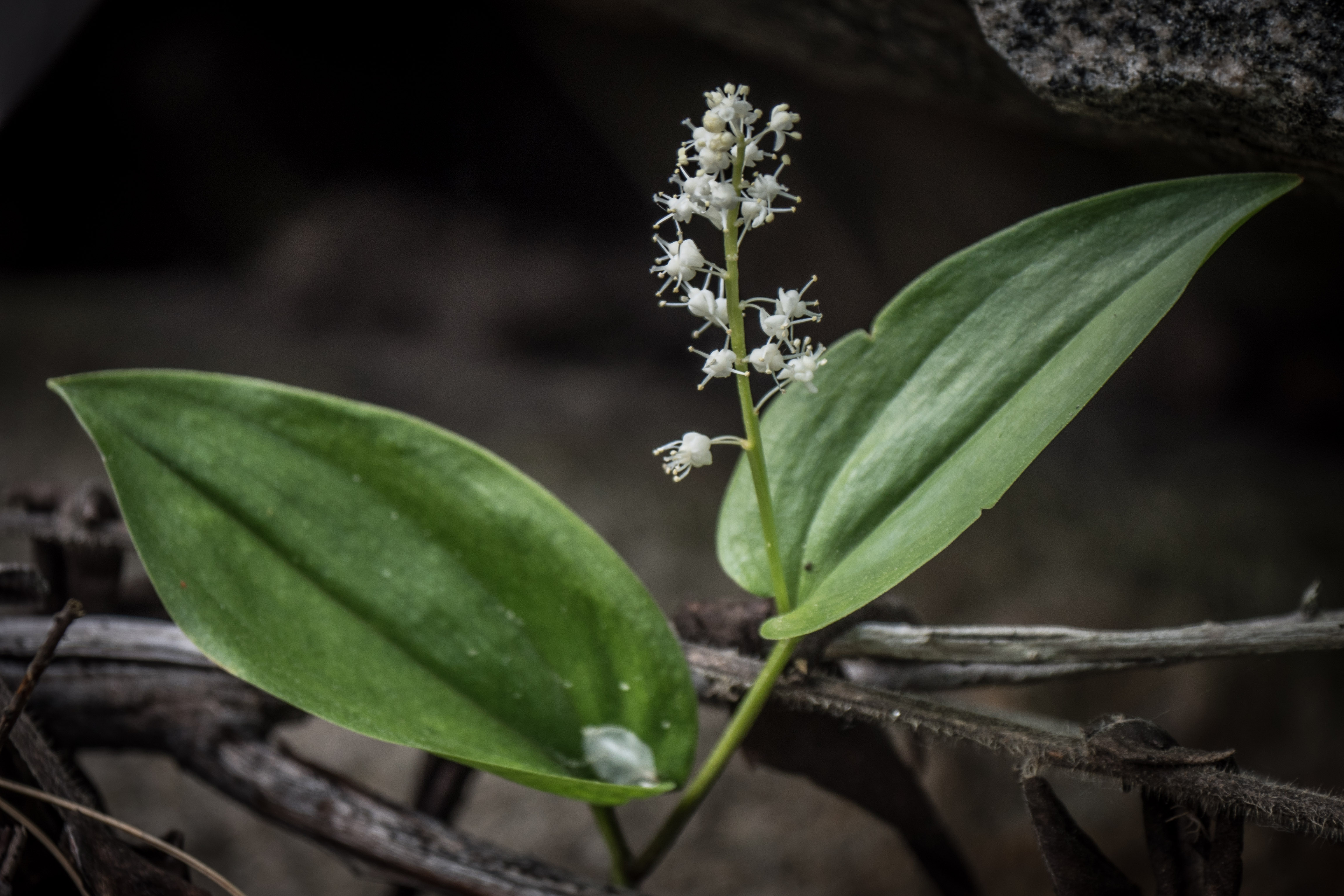
Wild Lily of the Valley …

Pin Cherry showing arrangement of blossoms…. very different than the choke and black species of cherry.

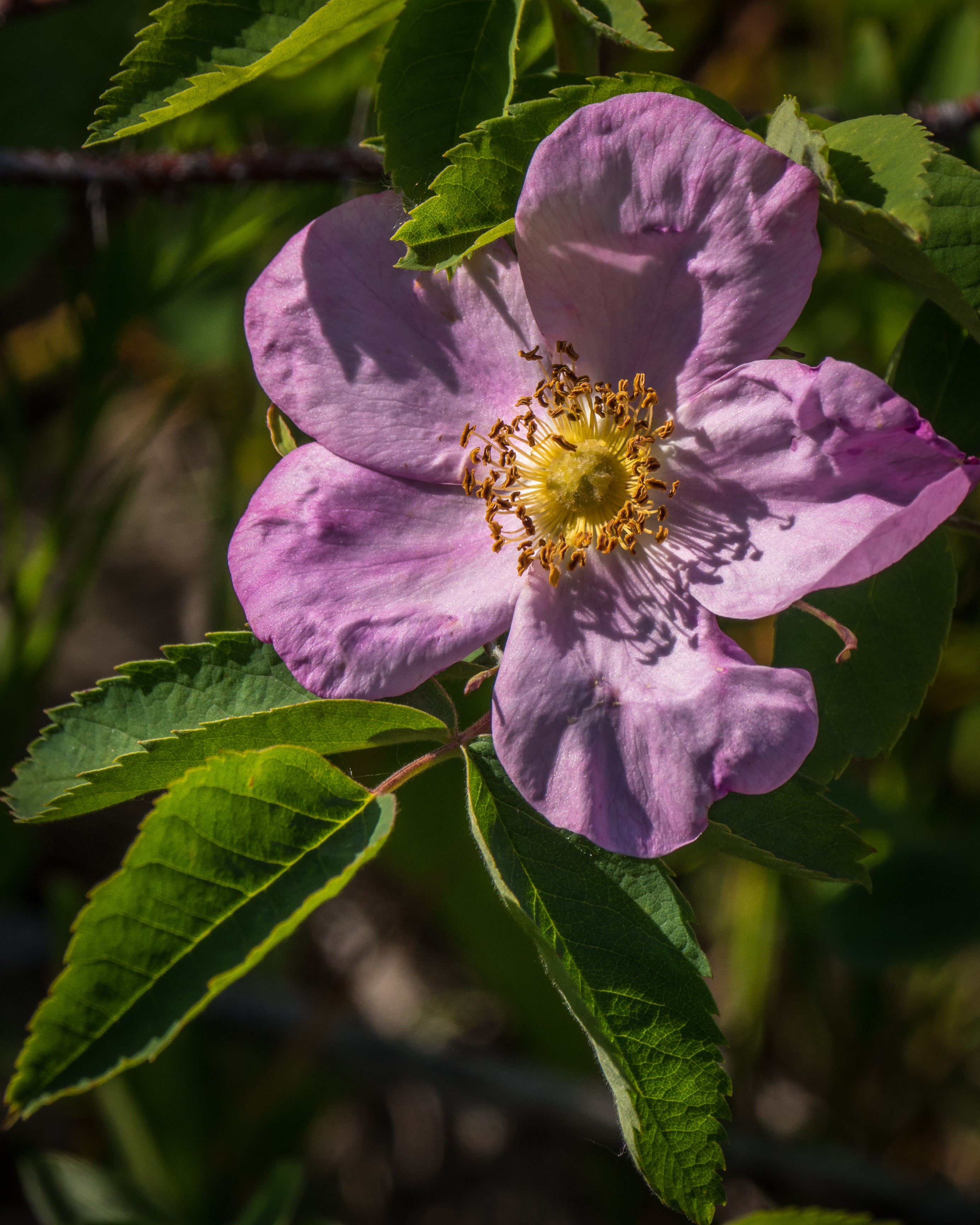
Nice wild rose in Doug and Doreen’s rockery…

Fan leaved Hawthorn in full bloom…

We found this Eastern Tiger Swallowtail in the driveway upon returning home.   TinTin was unimpressed.
 

Mary Holland has a very nice post of Fringed Polygala, aka Gaywings.   I’ve seen them blooming along Hwy 529 south 529A into Bayfield Inlet.

Save

Save

20170603-05 Crab spider, Bleeding Hearts, Ferns, Cherries, Johnny-jump-ups

Crab spider, Bleeding Hearts, Ferns, Cherries, Johnny-jump-ups

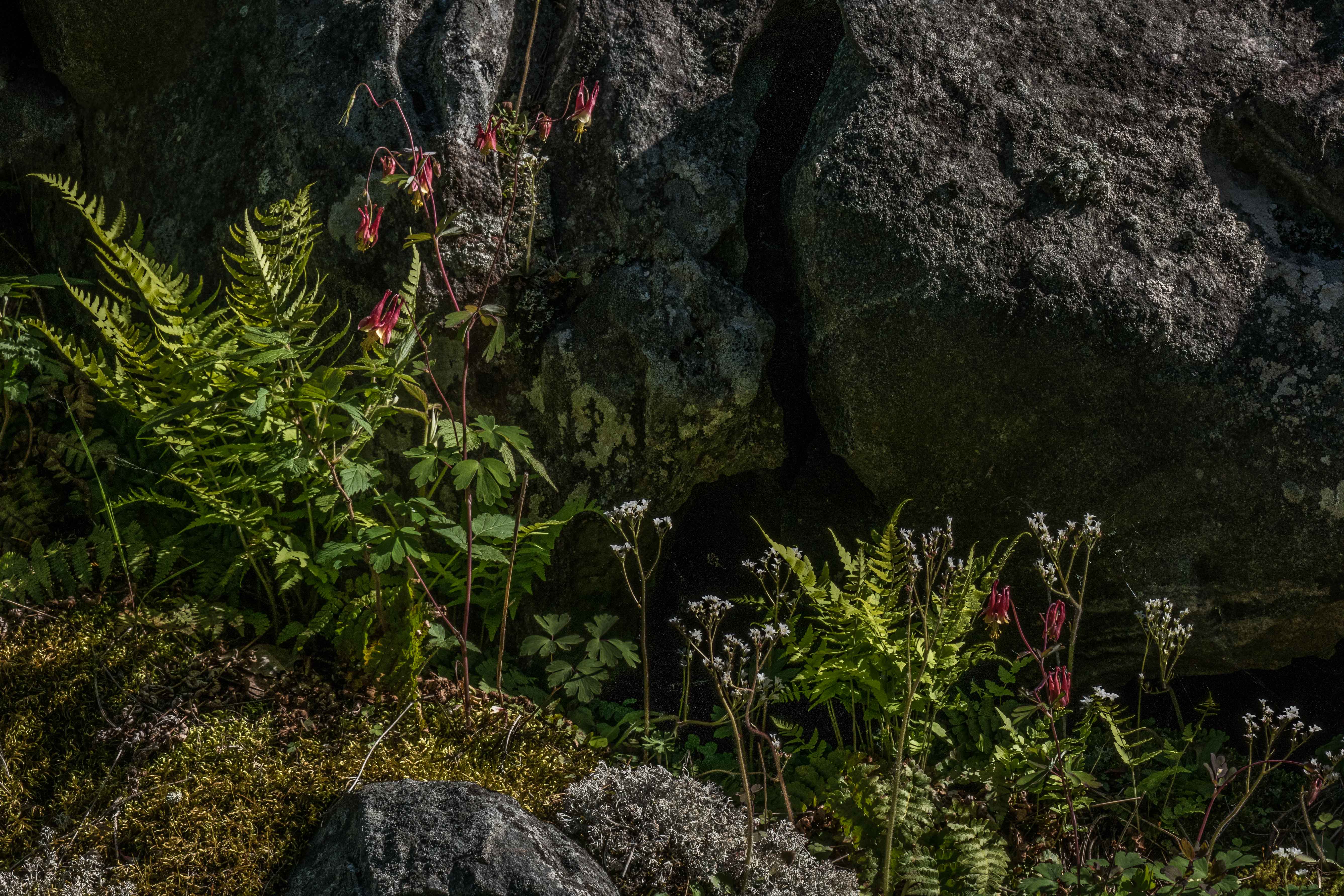
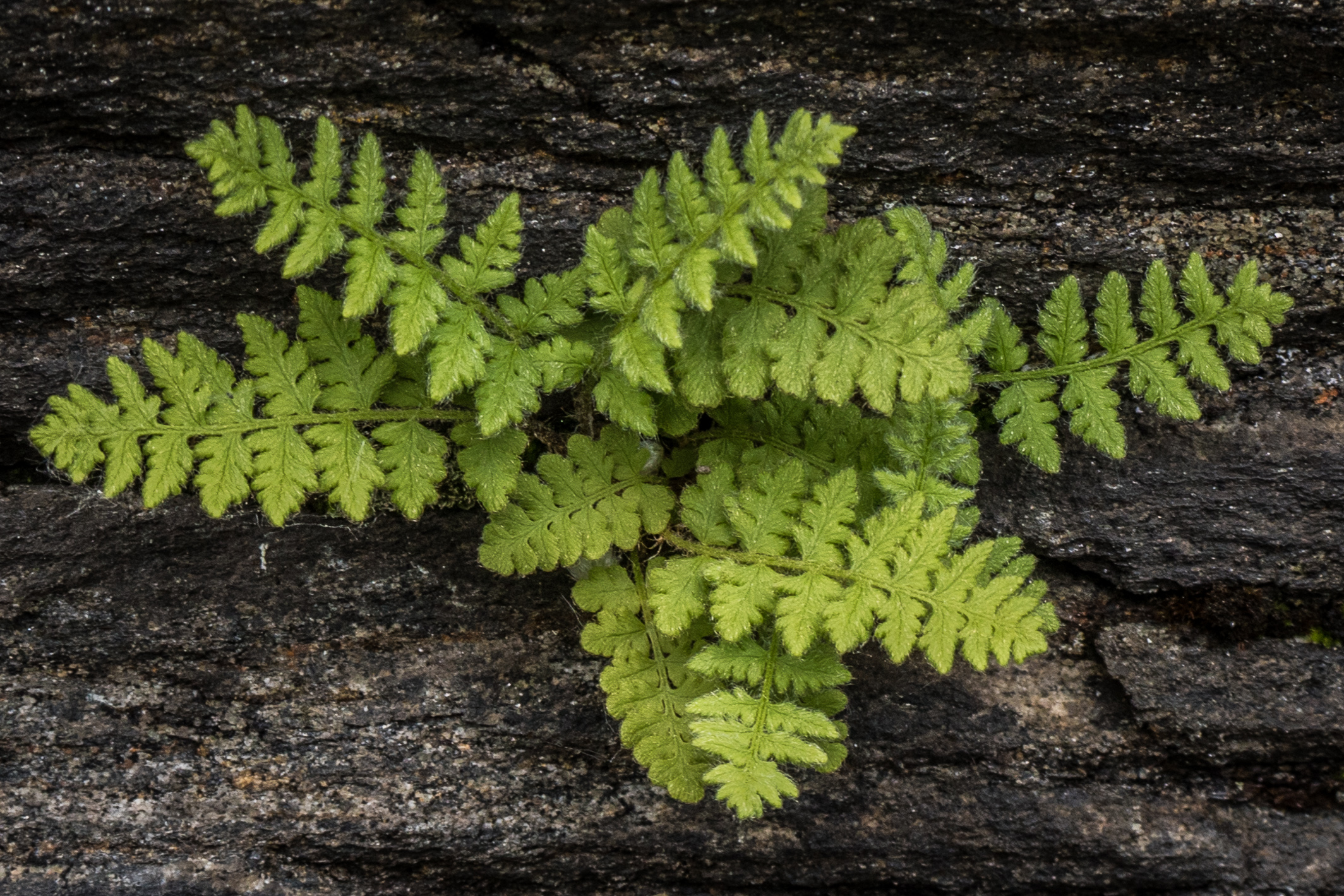
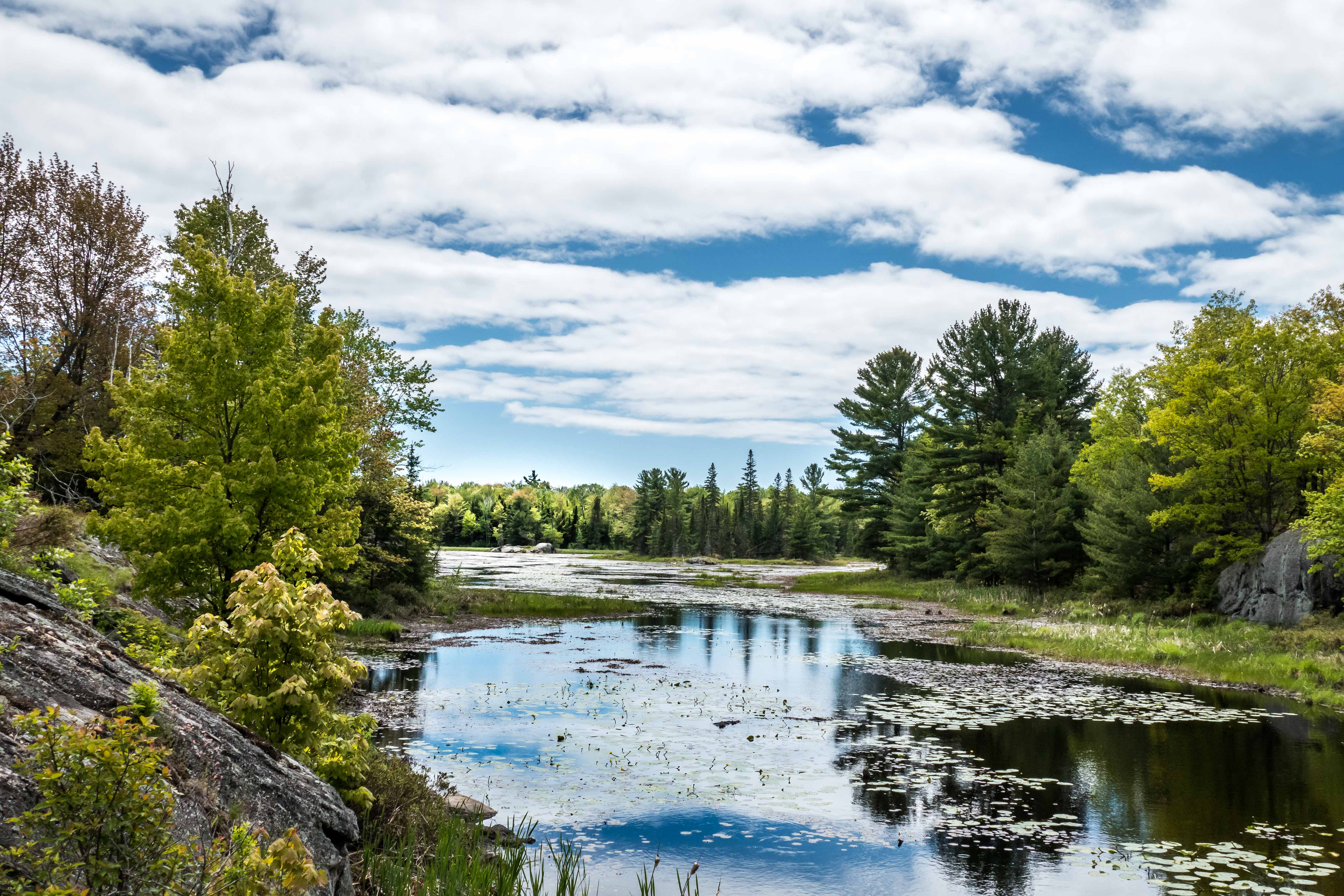
We enjoyed another very bright day on June 3.  The combination of near-solstice sun position, a dry arctic air mass and changing forms of chlorophyll all contributed to high contrast, colourful scenes.  The above “featured image” of patches of ferns is an example of what was seen.  Here it is again, in case you want to click on it:

The rock cuts showed many examples of wild gardens, such of this collection of ferns, columbines, lichens, mosses and saxifrage here:

The insects were out and about, like this “solitary” bee inspecting a yellow pond lily blossom:

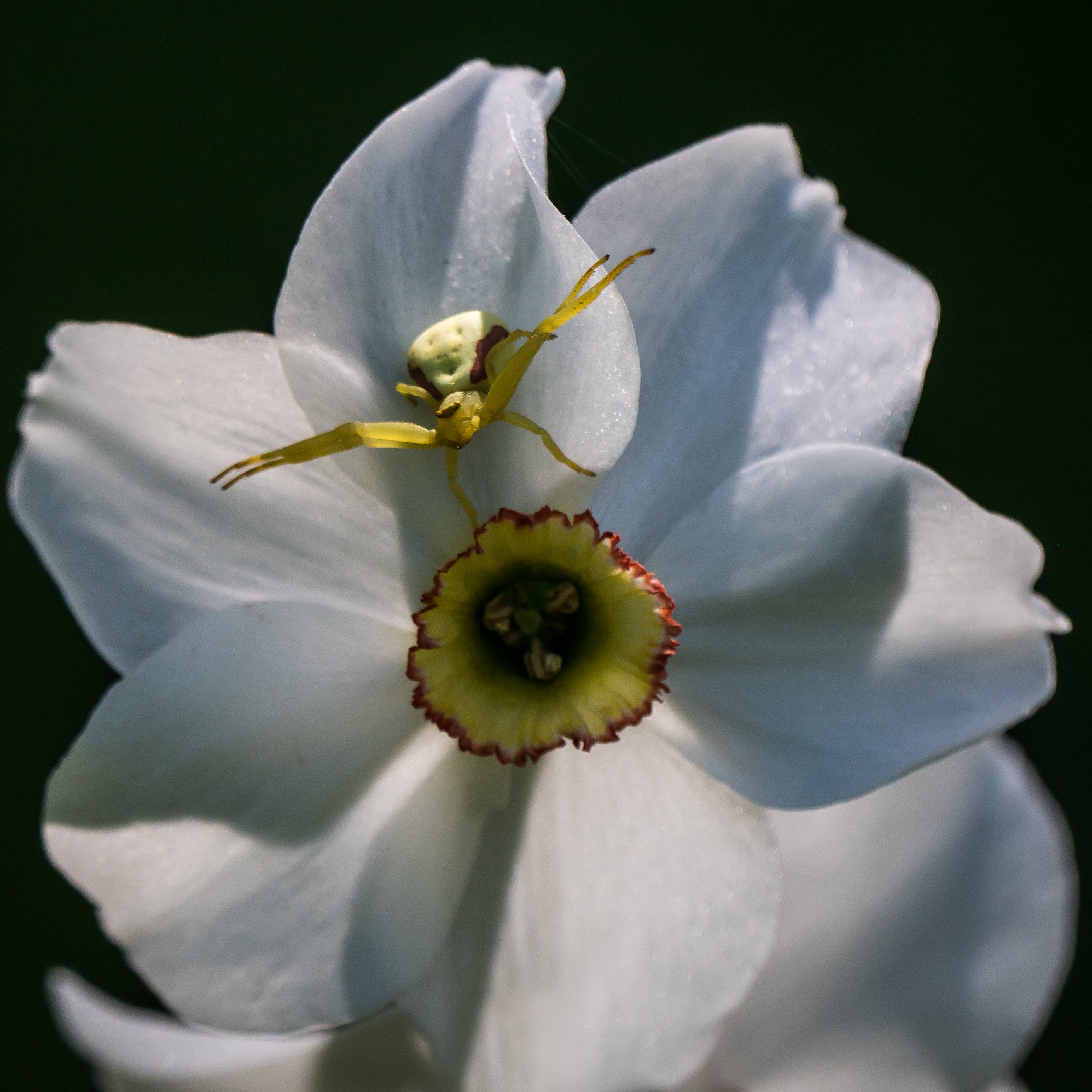
The ambush spider (or crab spider) that I’d seen the day before was still out:

Click on this close-up photo to see its eyes a bit more clearly…. and click on this link to see an interesting discussion of this spider’s eyes:

This unfurling bracken fern has two visitors, a spider and a fly…

This scene reminded me of Monet’s series

Family going for a cruise on Big Lake …

The following few days the weather returned to our cold springtime with lots of rain …

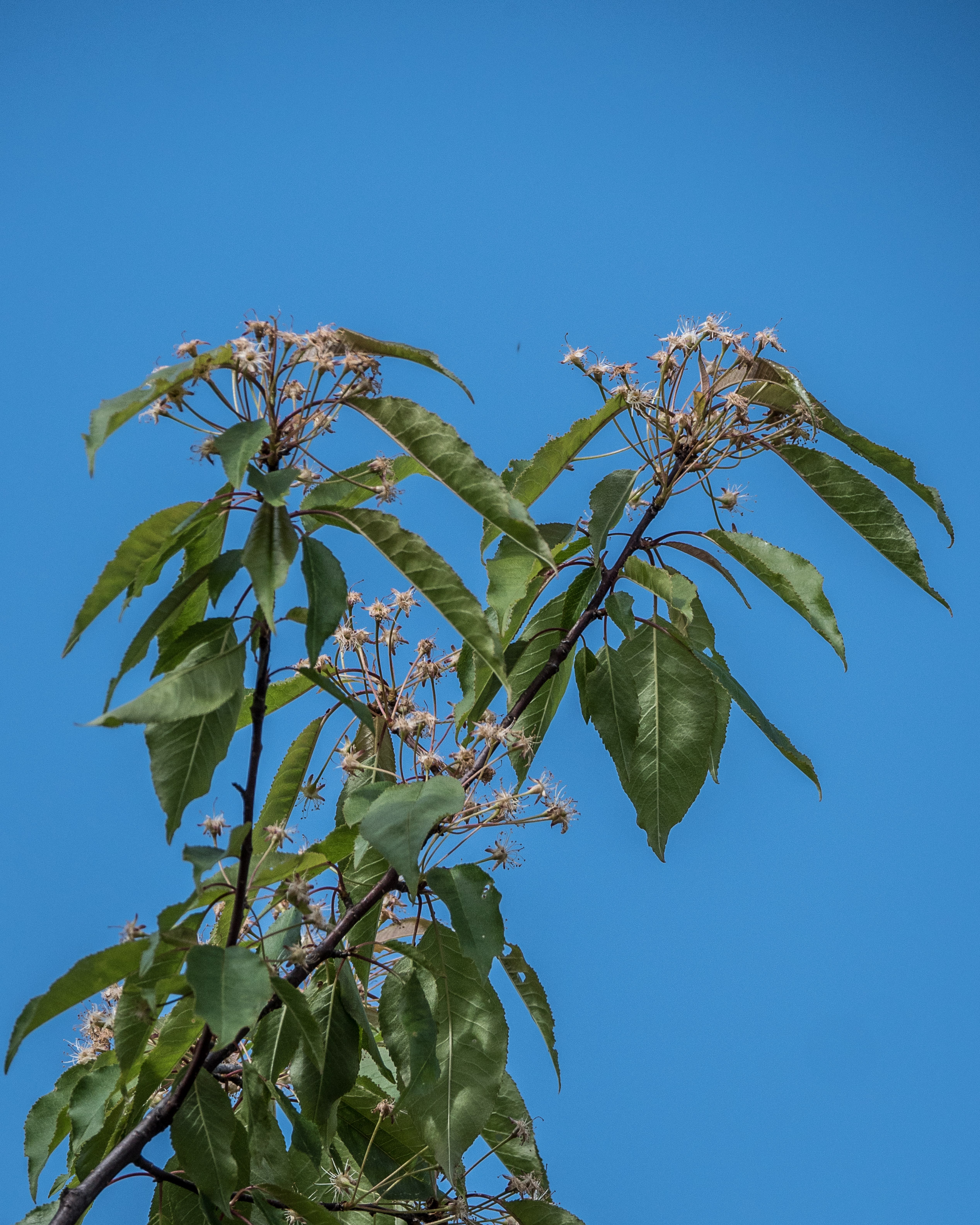
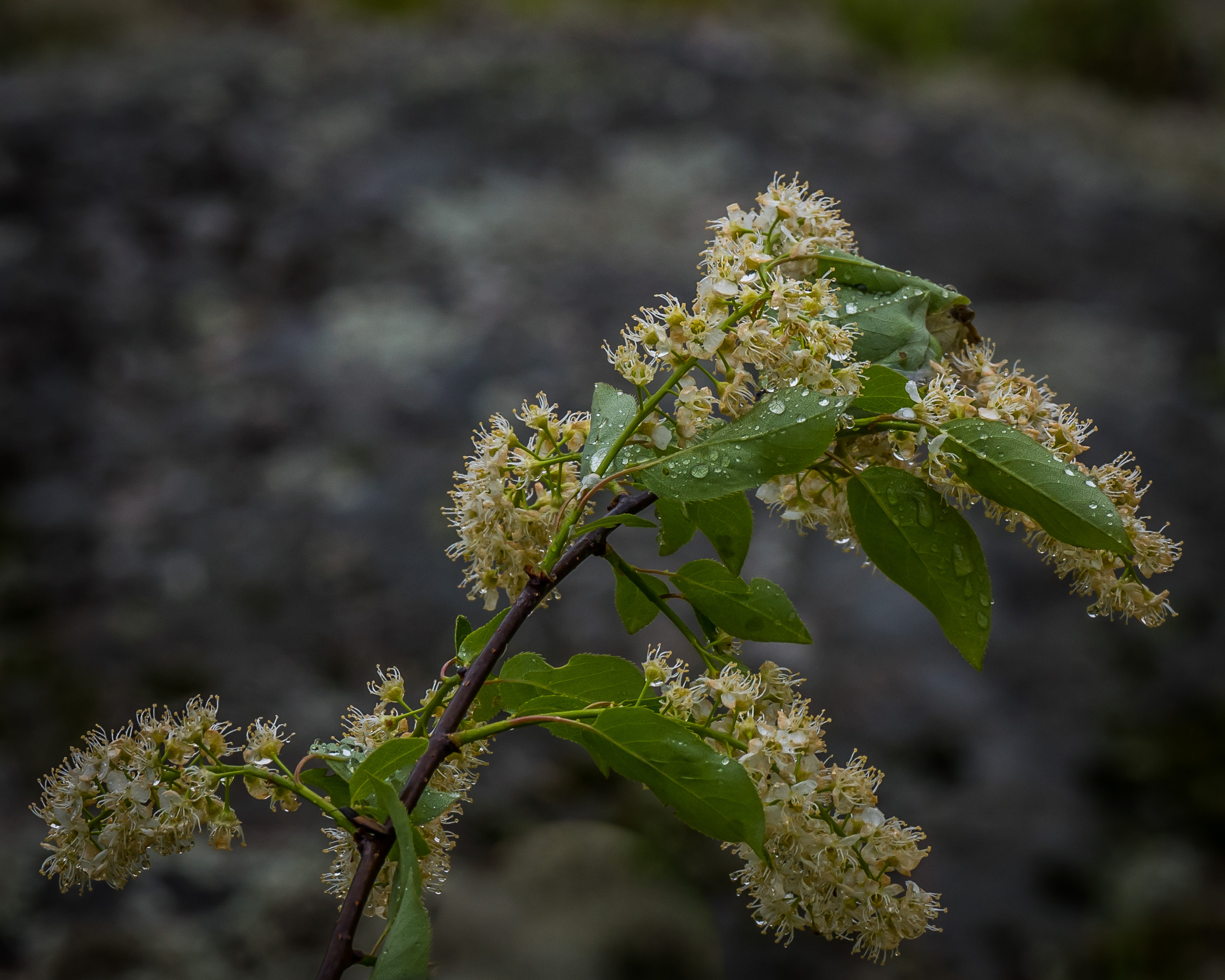
Compare the Choke Cherry above

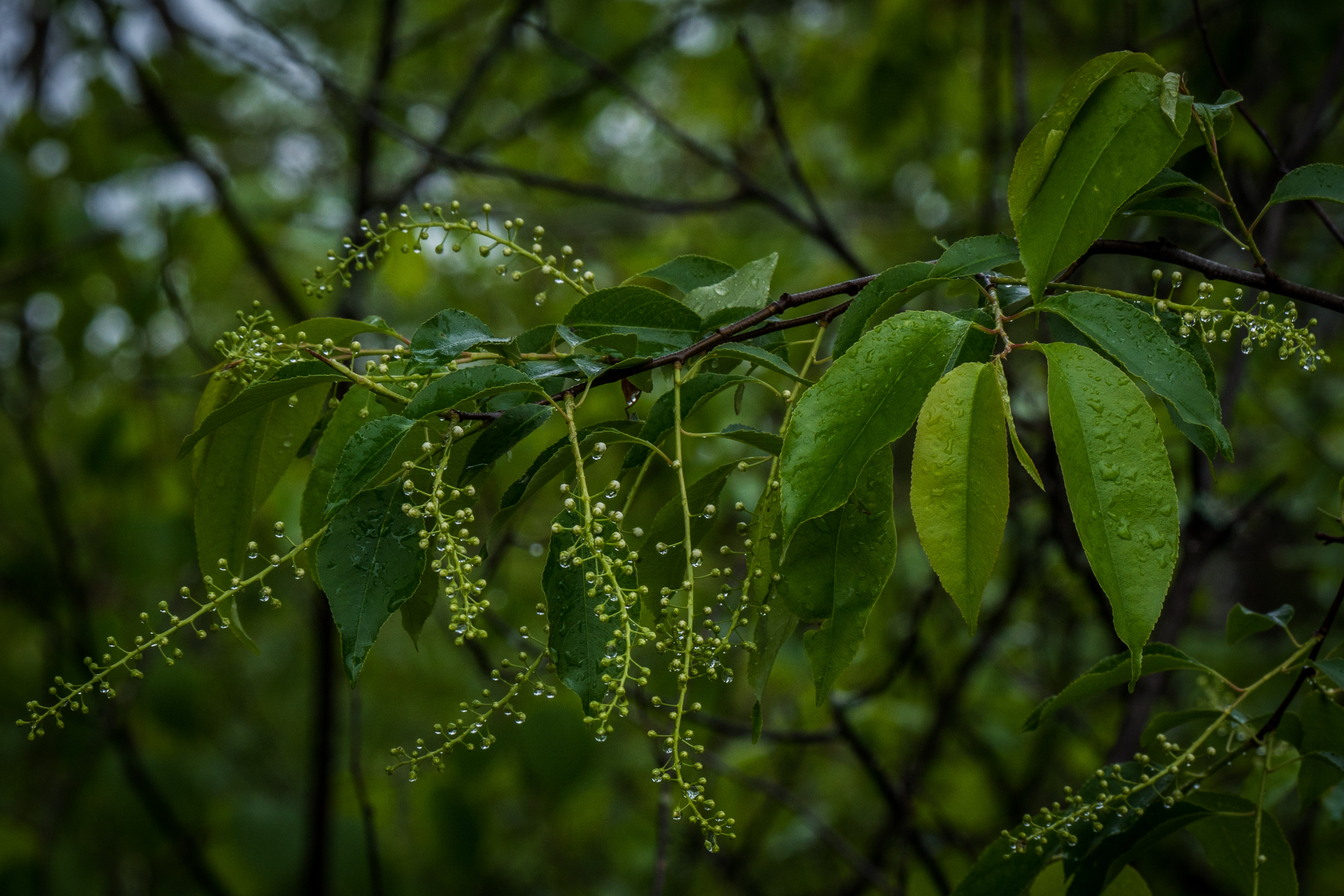
with the Black Cherry below …

The Red Osier Dogwood is also in bloom nowadays …

The water brings out the vivid colours of the Columbine …

This nice fern growing in the rock  along Community Road can be used to test  this exercise

Ah …. Diana’s flowers are starting to display her skill and attention to her gardening!

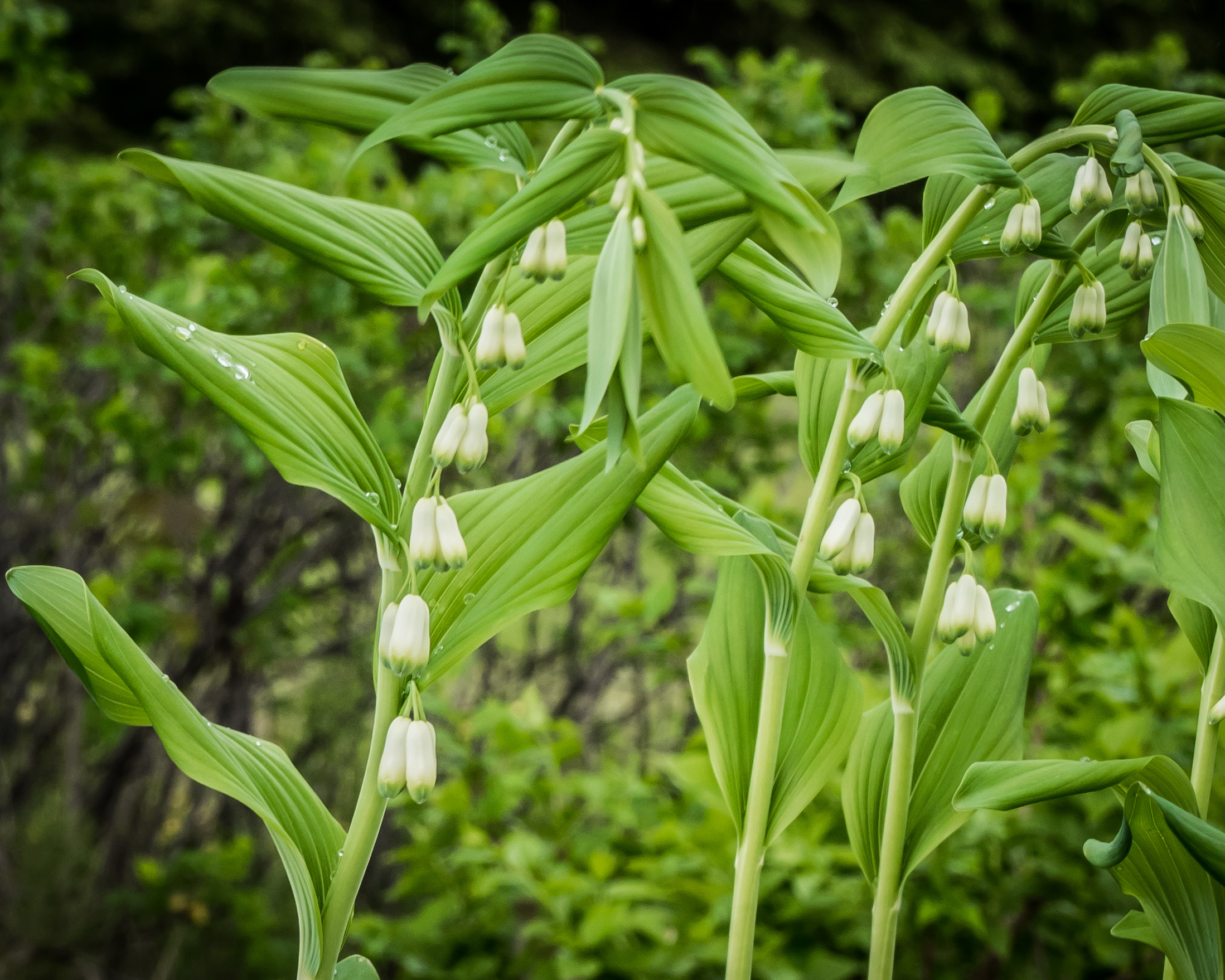
Solomon’s Seal with its little bells hanging down along the main stem…

If you look closely you’ll see the similarity of this Bleeding Heart to the wildflowers, Pale Corydalis,  and Dutchman’s Breeches  that graced this blog a few weeks ago.  They’re all in the same plant (Fumitory) family.

Diana has a lot of Johnny-jump-ups [Viola tricolor, also known as Johnny Jump up, heartsease, heart’s ease, heart’s delight, tickle-my-fancy, Jack-jump-up-and-kiss-me, come-and-cuddle-me, three faces in a hood, or love-in-idleness ]  in her main flower garden with several bunches spreading even into her driveway.  I wonder if she knows of the quaint stories associated with this flower:

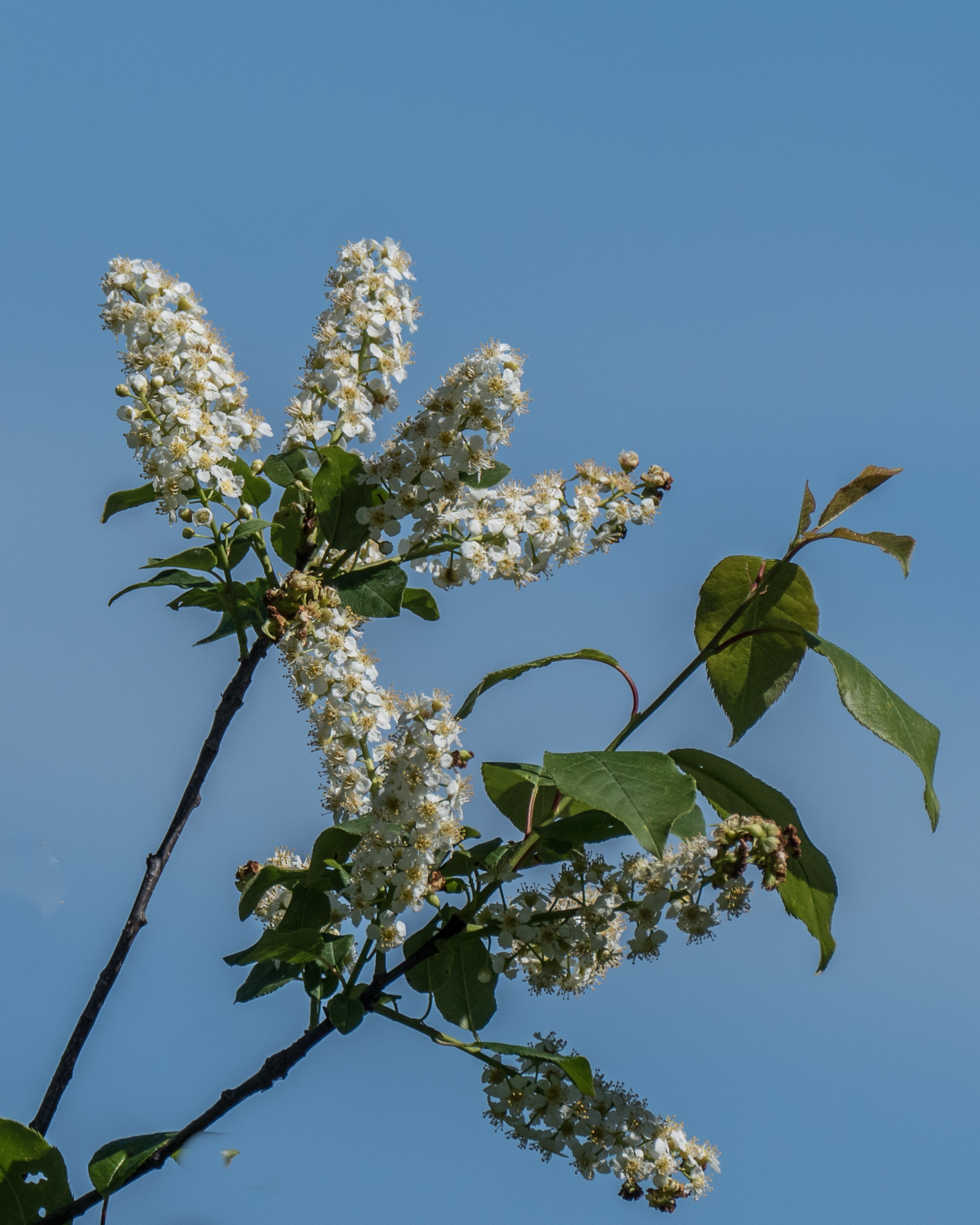
These last two photos are left as an exercise for you.   Which is Black Cherry and which is Choke Cherry?

A….

B….

Mary Holland has given us a heads-up that this beastie will soon be blooming along our roadsides.

Save

20170604 Celebration of Shirley’s Life

Today we gathered at the Britt Legion to celebrate the life of Shirley who passed on May 22nd.

We were reminded of Shirley’s great strength and determination,  her abilities as a storyteller, and of her great care for others.  She not only cared deeply for her friends and kin but for her wild “pets” which included seagulls, crows and ongoing families of red foxes.

Here is a photo I made of her front porch on May 21, the day before she died:

“Waiting for Shirley”

May her spirit fly with the birds that she loved so much.


Save

20170602 Choke cherries, Yellow pond lily, ambush spider, painted turtle, bunchberry, corydalis, geranium, Skerryvore, Landscapes.

Choke cherries, Yellow pond lily, ambush spider, painted turtle, bunchberry, corydalis, geranium, Skerryvore, Landscapes.

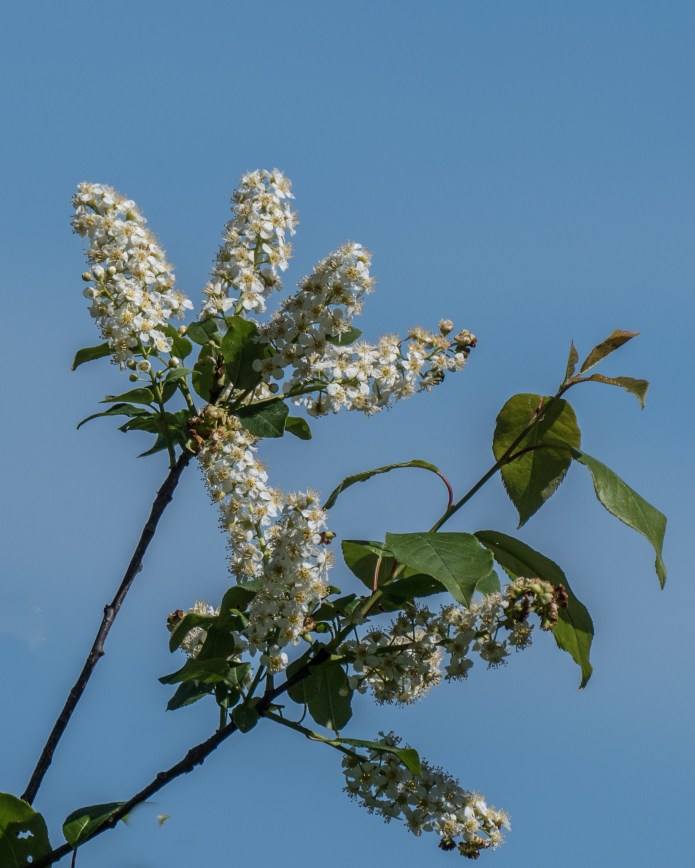
Choke Cherries, blooming later than Pin Cherries, but earlier than Black Cherries

Yellow Pond Lily with visitor …

Roadside flowers with ambush spider awaiting some nourishment …

Very elegant message on the sign at the entrance to the town of Skerryvore.

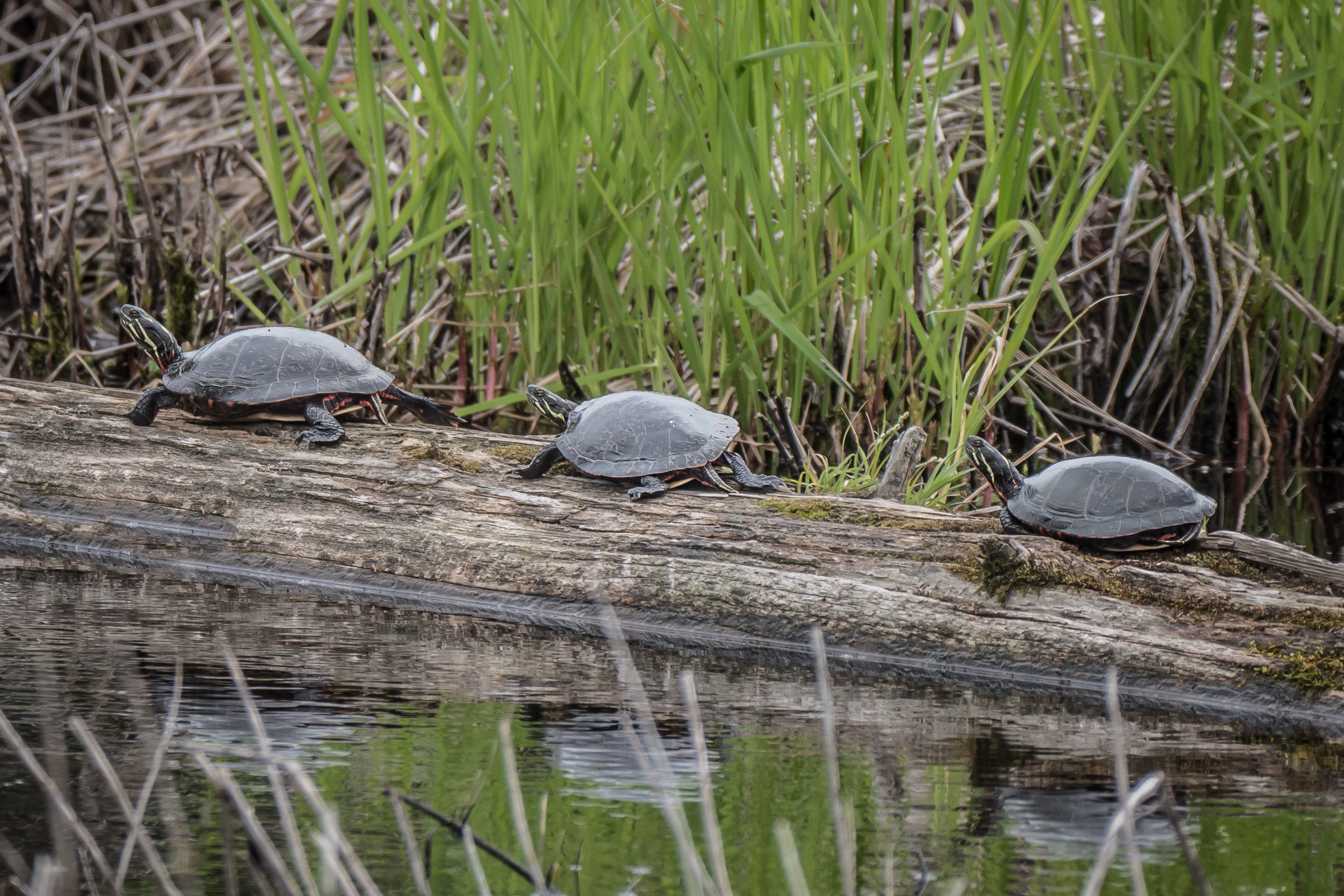
This painted turtle appreciates the calm traffic but seems otherwise unimpressed…

Cornus canadensis, awaiting the results of the June 30th vote in Canada!

Light on this Capnoides sempervirens, the harlequin corydalis, rock harlequin, pale corydalis or pink corydalis, shows a good view of the seedpods.   Soon they will pop with any touch, flinging their seed a metre or so away to find a crevice in the rocks, where they are commonly found.

And as the above Capnoides mature the Geraniums start their blossom period.  Geranium maculatum (wild geranium, spotted geranium, or wood geranium)

These Wild Geraniums are related to the Pelargoniums, (aka “Geraniums”) the source of much enjoyment by gardeners:

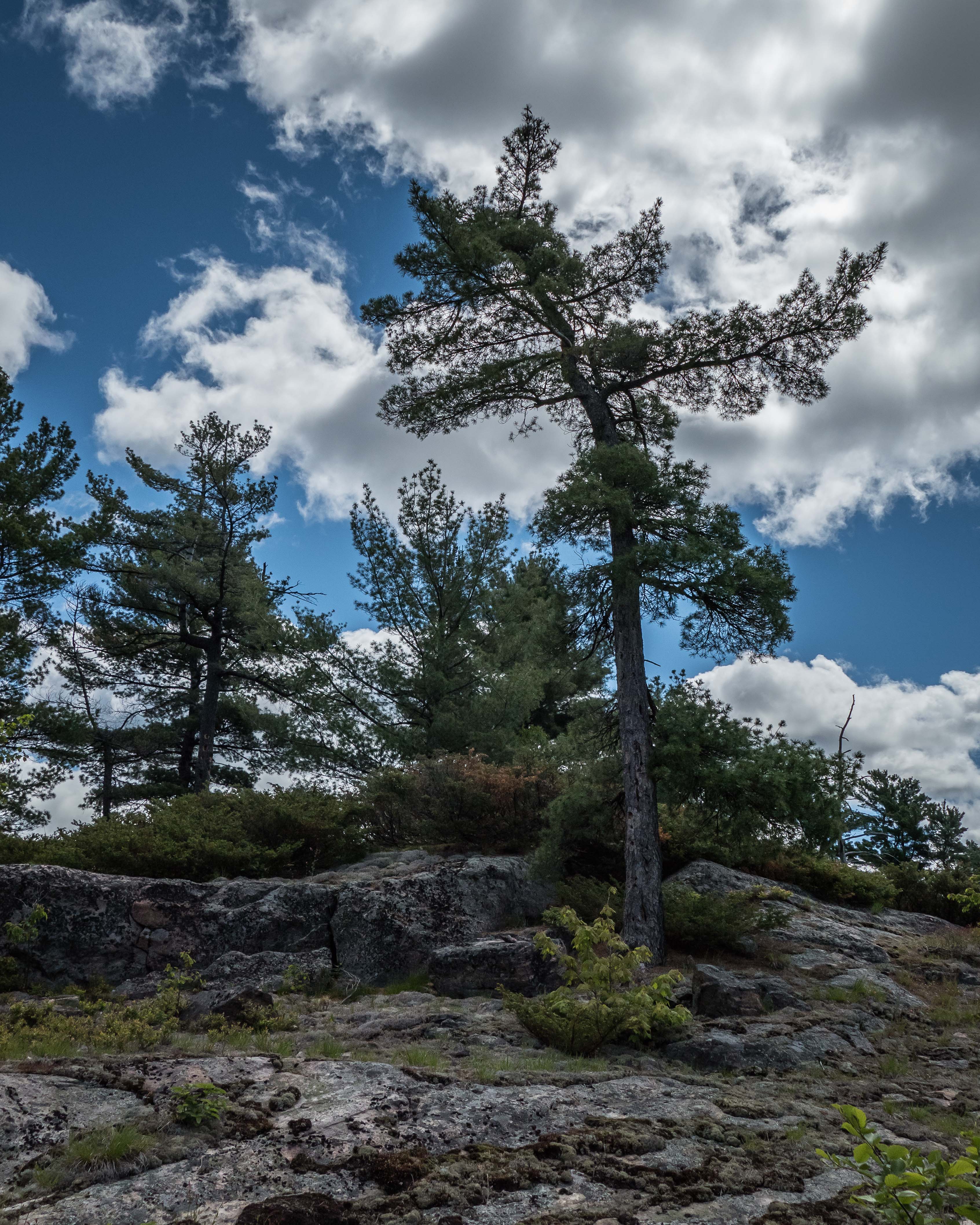
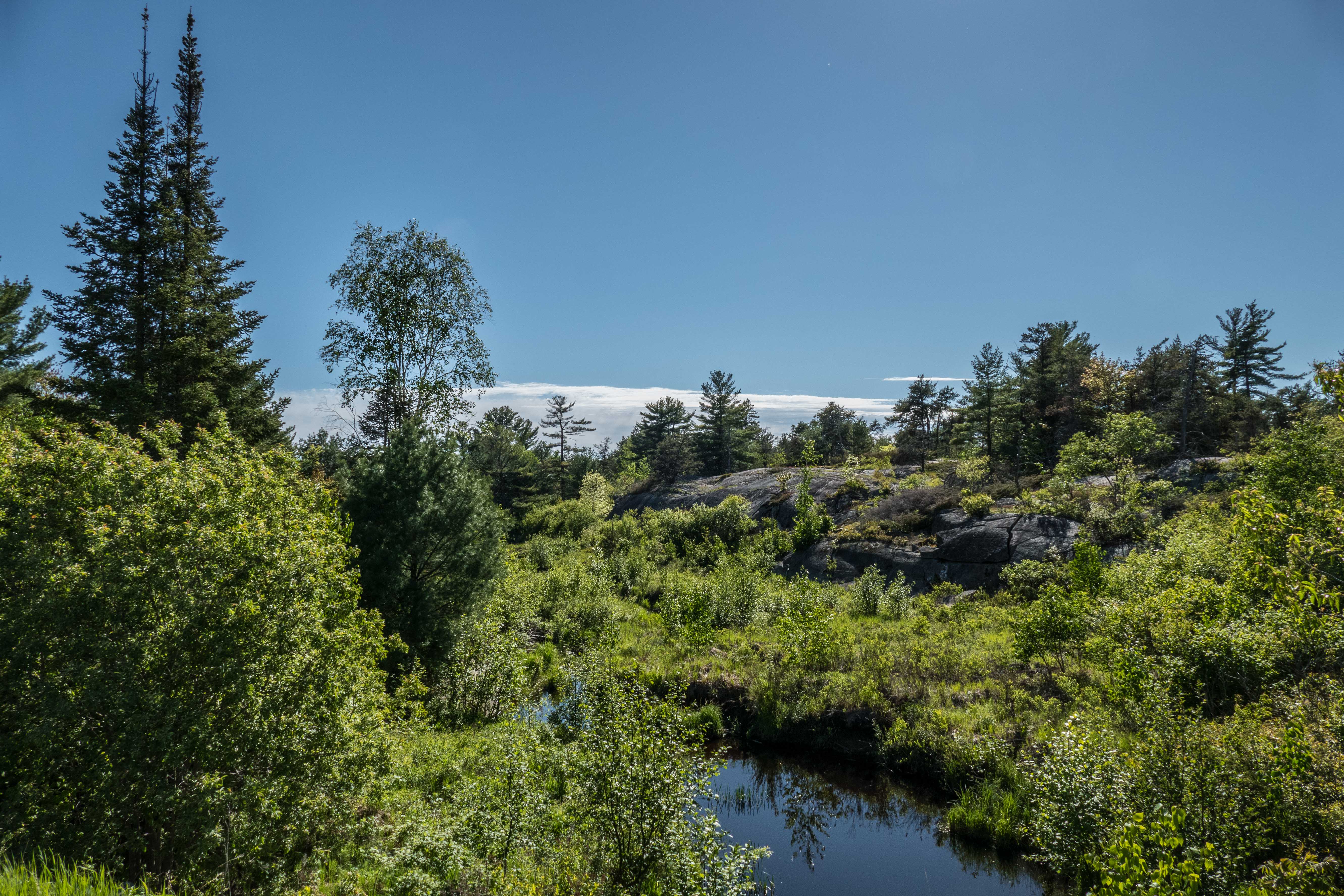
I also used the FZ 1000 to capture the very bright sunlight (3 weeks away from Solstice) shining through Continental Arctic air, illuminating spring colours of the landscape —- giving very bright, high contrast scenes.   Here are a few …

Oft-photographed woodpecked White Pine on Hwy 529.

The different forms of leaf chlorophyll are absorbing different wavelengths (colours) of sunlight, leaving the unabsorbed light to reflect to our eyes.  The forms of chlorophyll vary from plant to plant and seasonally, hence the spring and fall “turning of the leaves”.  More detail here.

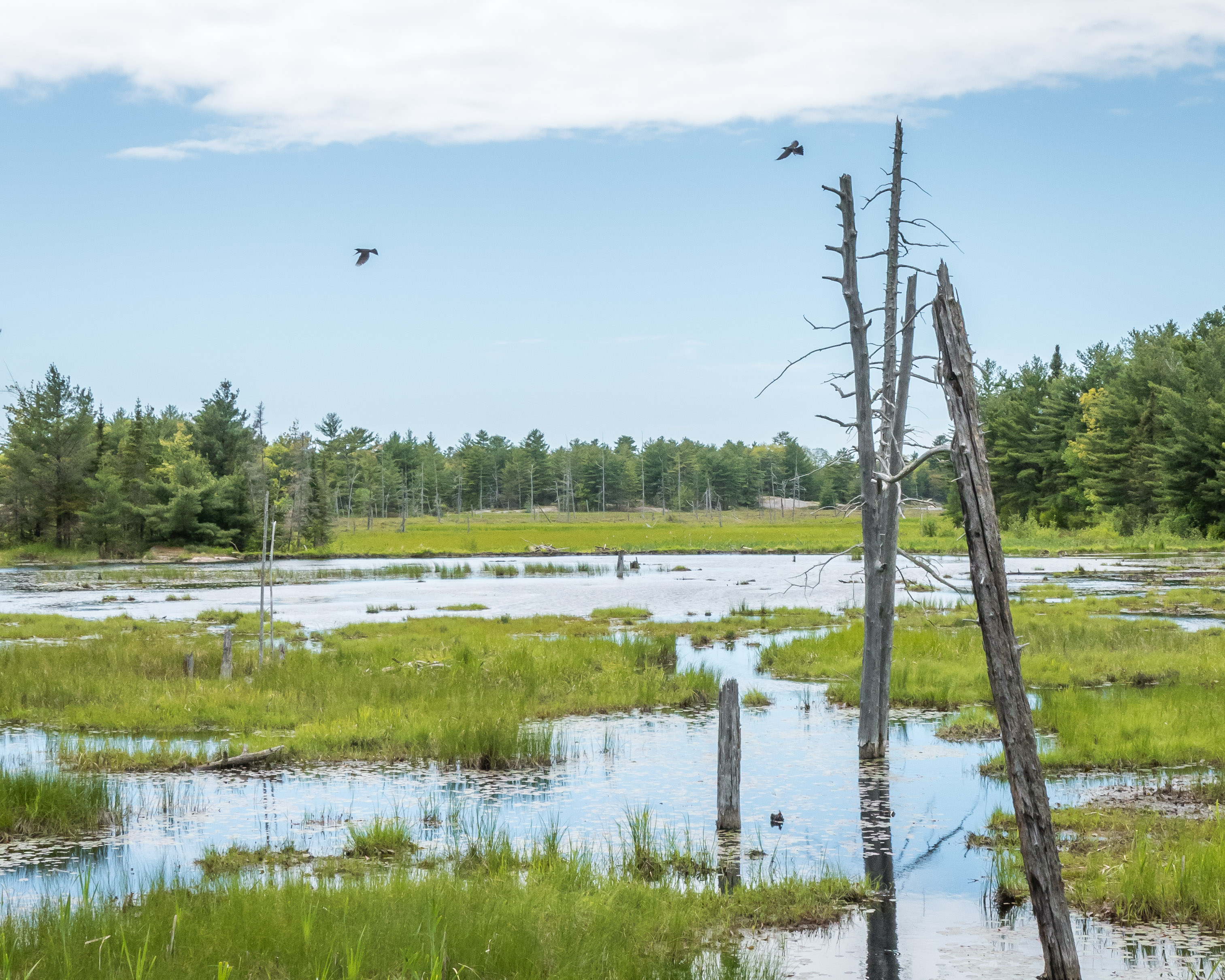
A pair of blackbirds are leaving their perches on top of those snags.

Worth stopping to enjoy?

The angles leading to the disappearing  line of snags made me stop and look and think about perspective.    But I didn’t get as far into the subject as this article does!

The correlation of the catspaws and the upturned pine branches stopped me here … as the little cut in the rock pulled my eyes out into the “moose pasture”.

This little creek flows west from under Hwy 529, usually reflecting something, sometimes sunset clouds.

I am reminded of my first flight instructor who told me.  “Don’t look at the sky, look into the sky.”

Same thing with making pictures by looking through a camera’s viewfinder, looking into the scene.

End of today’s lesson!  (Thank goodness, eh?)

Save

20170531 Trillium, Cinquefoil, Moose, Cotton Grass, Bunchberry, Dragonfly, Starflower, Snapping turtle, Clintonia, Sheepkill, Labrador tea, Blue-eyed grass, Tamarack

Trillium, Cinquefoil, Moose, Cotton Grass, Bunchberry, Dragonfly, Starflower, Snapping turtle, Clintonia, Sheepkill, Labrador tea, Blue-eyed grass, Tamarack

We took some detours on our way to and from Parry Sound on the last day of May and saw some nice sights ….

Including this field of maturing Trillium grandiflorum along the bank of Harris Creek along Hwy 529.

When this marsh plant shows it little purple flowers we’ll be able to positively ID it as Potentilla palustris.

New mom with calf  south of Pte au Baril  ….

Cottongrass, probably this one:

Bunchberry, Cornus canadensis, one of the three flowers competing for Canada’s National Flower. Voting closes on June 30, 2017.

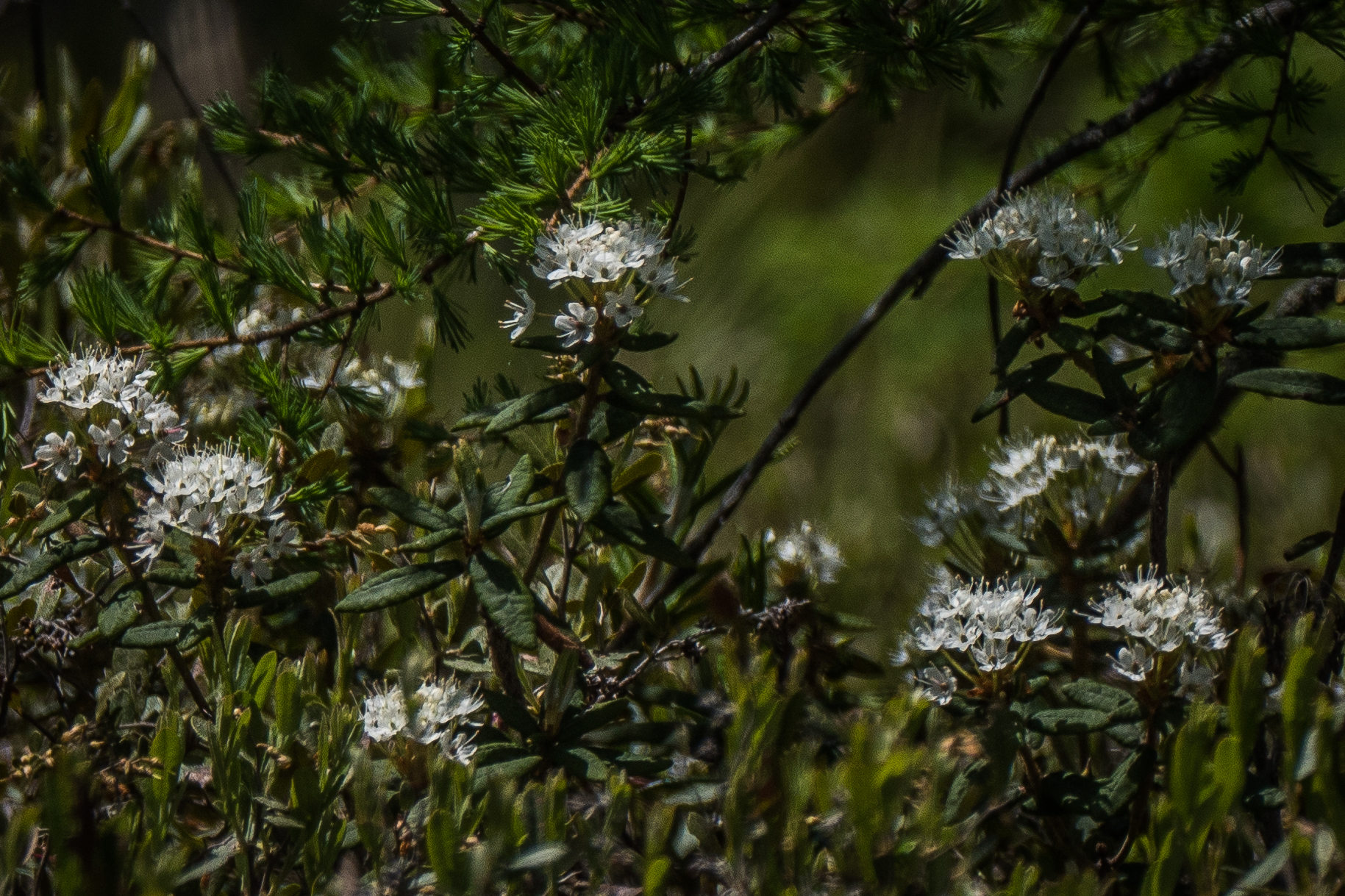
Labrador Tea …  easy to identify by the rust-coloured  wooly underside of its mature leaves.

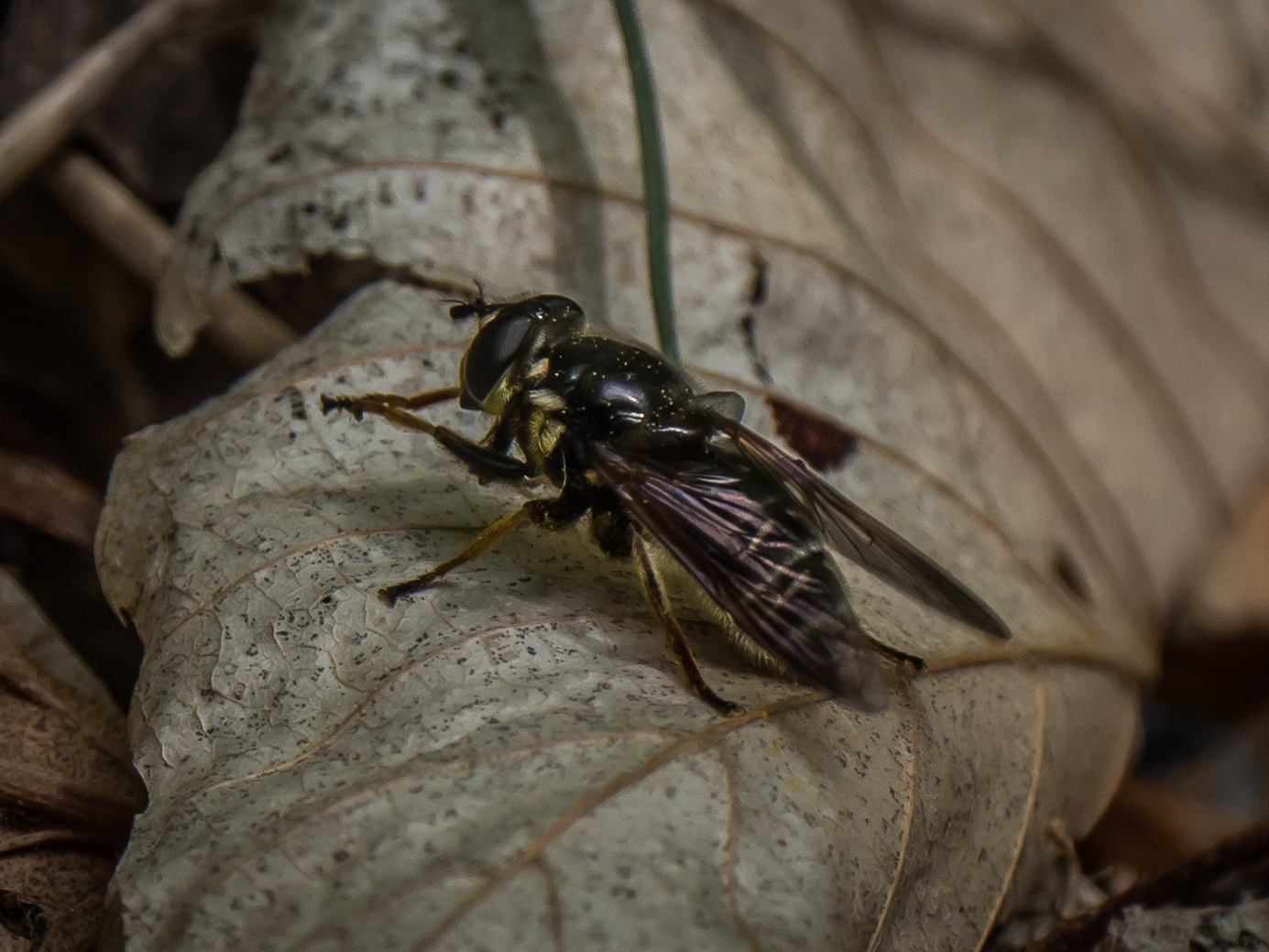
Either a solitary bee or a fly …

Thankfully the Dragonflies have arrived.   Outdoors folks are thankful because of the huge numbers of mosquitoes and black flies they consume.

Starflower:

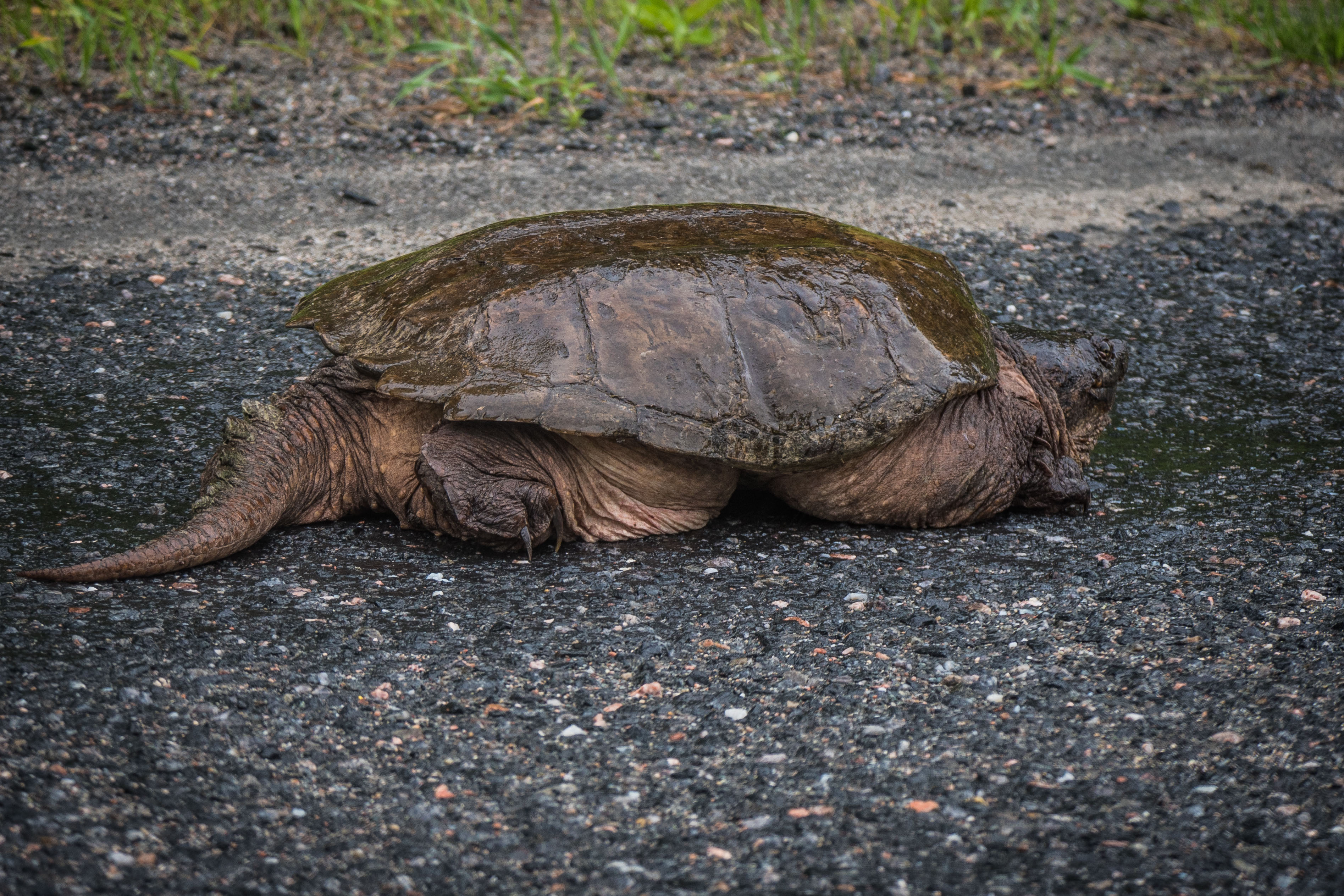
Keeping a beady eye out for the photographer taking a close up.  Click on the photo to see it really close up…..

This article tells how to pick up a Snapping turtle, if you really need to.  I’ll let someone else do it if required.

Clintonia borealis (commonly blue-bead lily or Clintonia, also Clinton’s lily, corn Lily, cow tongue, yellow beadlily, yellow bluebeadlily, snakeberry, dogberry, and straw lily) are just starting to bloom.  It’s blossoming follows the yellow Trout Lily in deciduous forests  by a week or two.

Kalmia angustifolia contains a poison and is known as ‘lamb-kill’, ‘sheep kill’, ‘calf-kill’, ‘pig laurel’, ‘sheep-laurel’ and ‘sheep-poison’.  It is also known as narrow-leaved laurel and dwarf laurel.   It has a pretty flower and is often in association with leatherleaf, labrador tea, cottongrass, bog rosemary and a variety of sedges … often in tamarack bogs.

Blue-eyed grass holding some rainwater …

Female cone along with several male pollen “cones” along a Tamarack twig .

I just looked at Mark Berkery’s latest post Black and White – I fly.    Very interesting subject from a very interesting man who happens to also be a great photographer.


Save

20170530 Water Arum, Blackbird, Canada goose gosling, Northern Spring Azure, Pale corydalis, Taraxacum, Fanleaf Hawthorne, Eastern Tent caterpillar, Star flower, ambush spider, Forget-me-nots, Wild Allium.

Water Arum, Blackbird, Canada goose gosling, Northern Spring Azure, Pale corydalis, Taraxacum, Fanleaf Hawthorne, Eastern Tent caterpillar, Star flower, ambush spider, Forget-me-nots, Wild Allium.


On the way back from Sudbury we detoured to Alban to see a few sights then went for a short drive along Riverside drive…


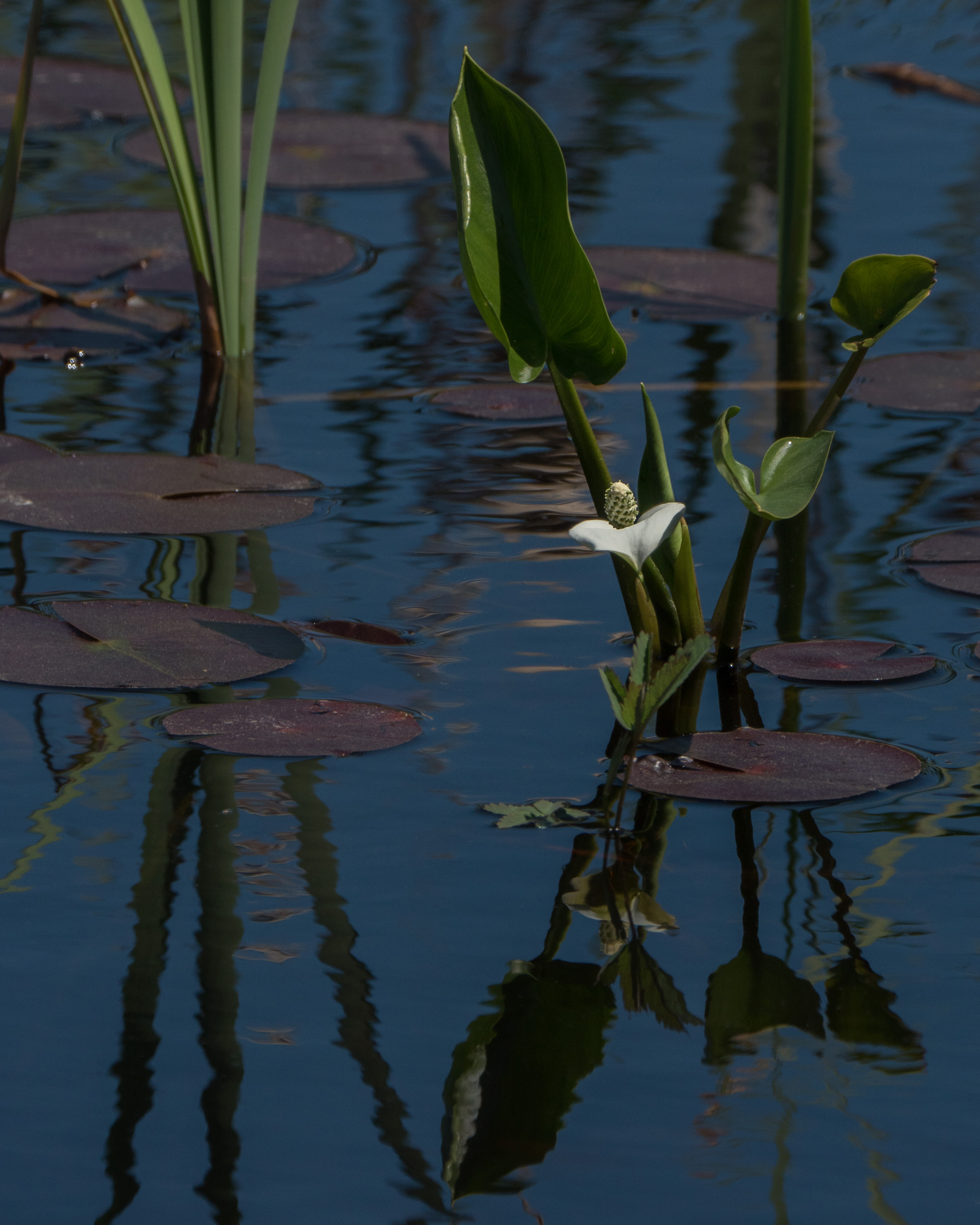
Water arum, Calla palustris,  is starting to bloom along Hwy 607.  The blossom  looks like the Calla Lily:

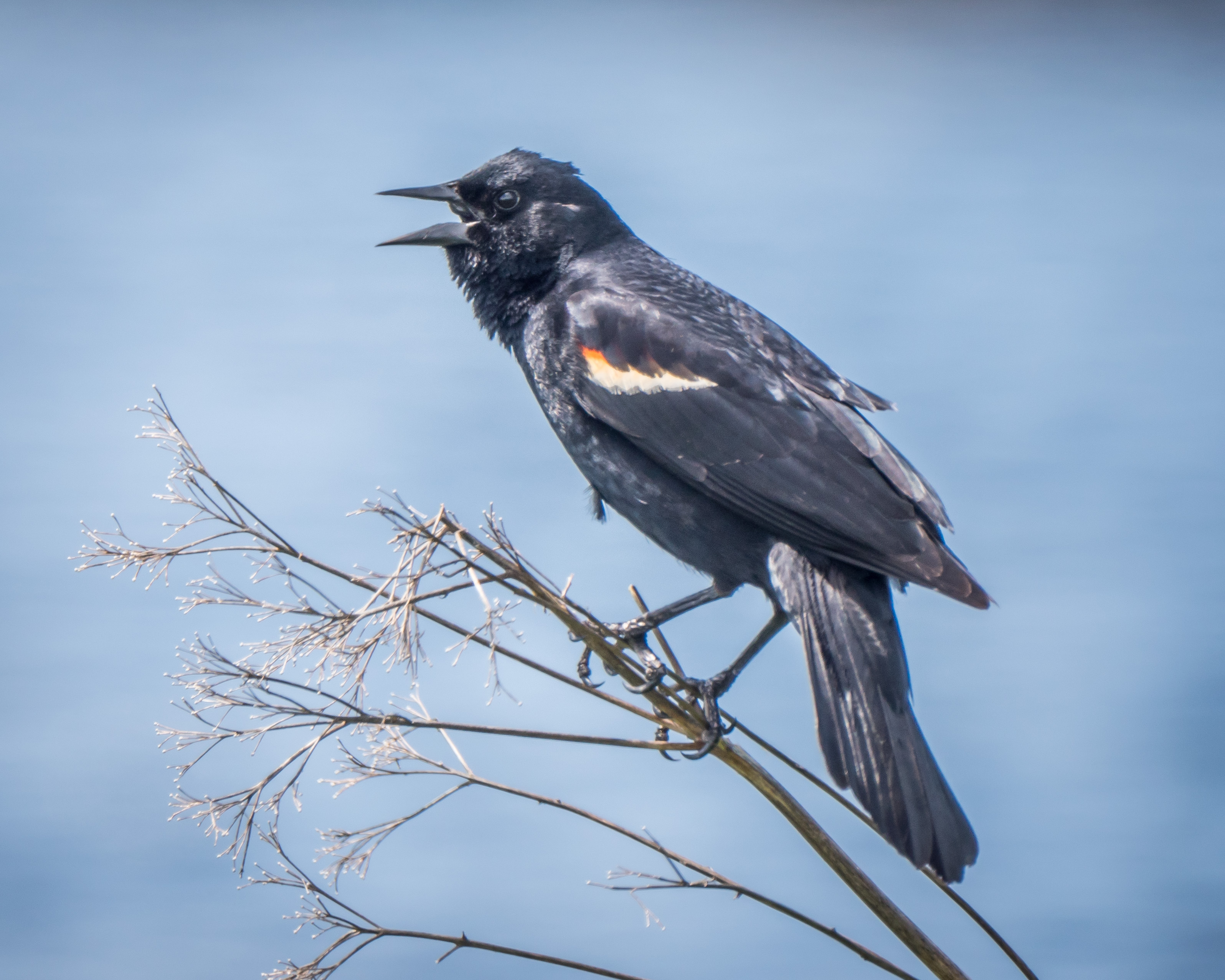
Redwinged Blackbirds often spread they tail feathers when they are calling …

Parent and youngster …


Northern Spring Azure, I think, from a long ways away….

Pale Corydalis collecting fluff …

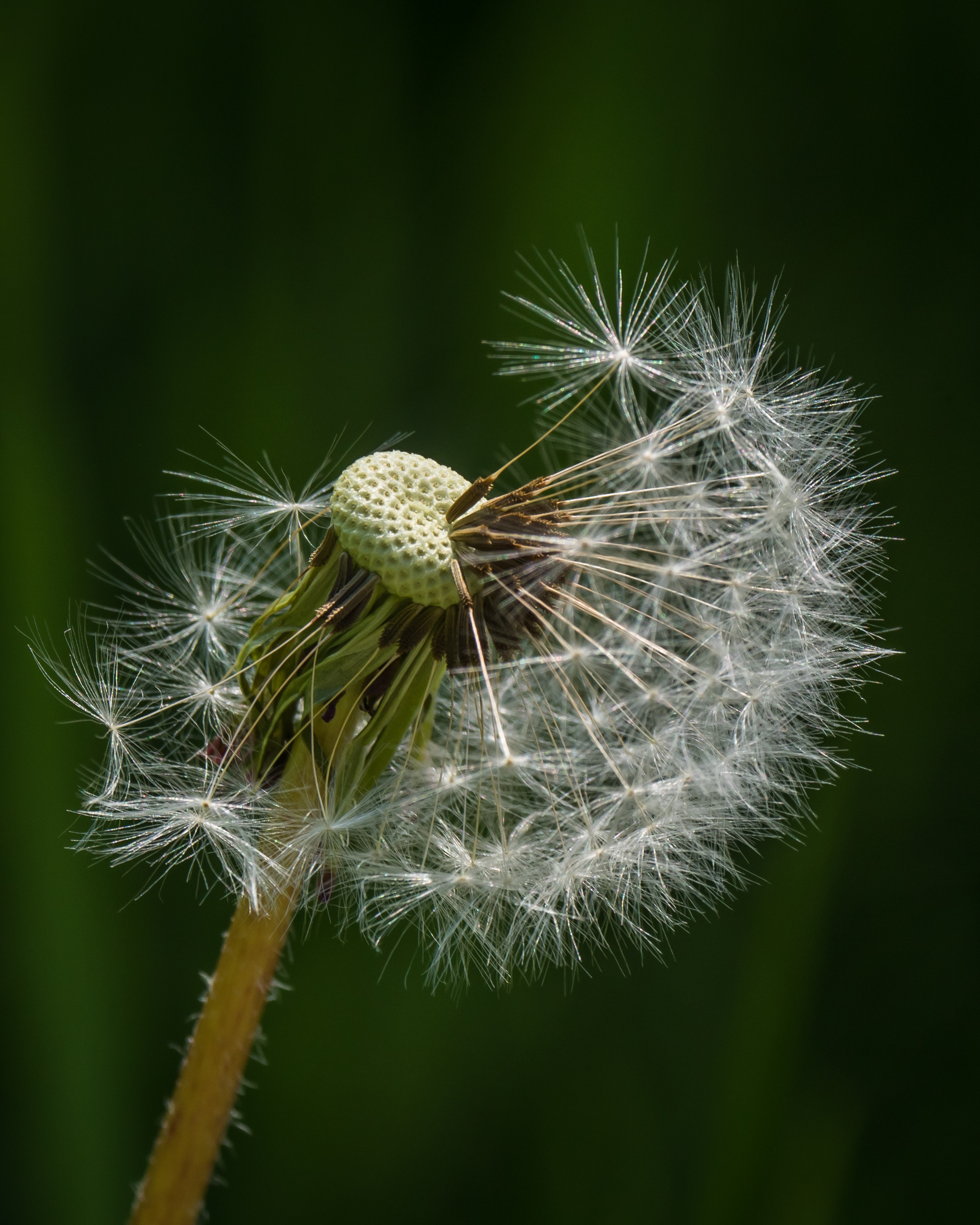
The beneficial weed Taraxacum shedding seeds….

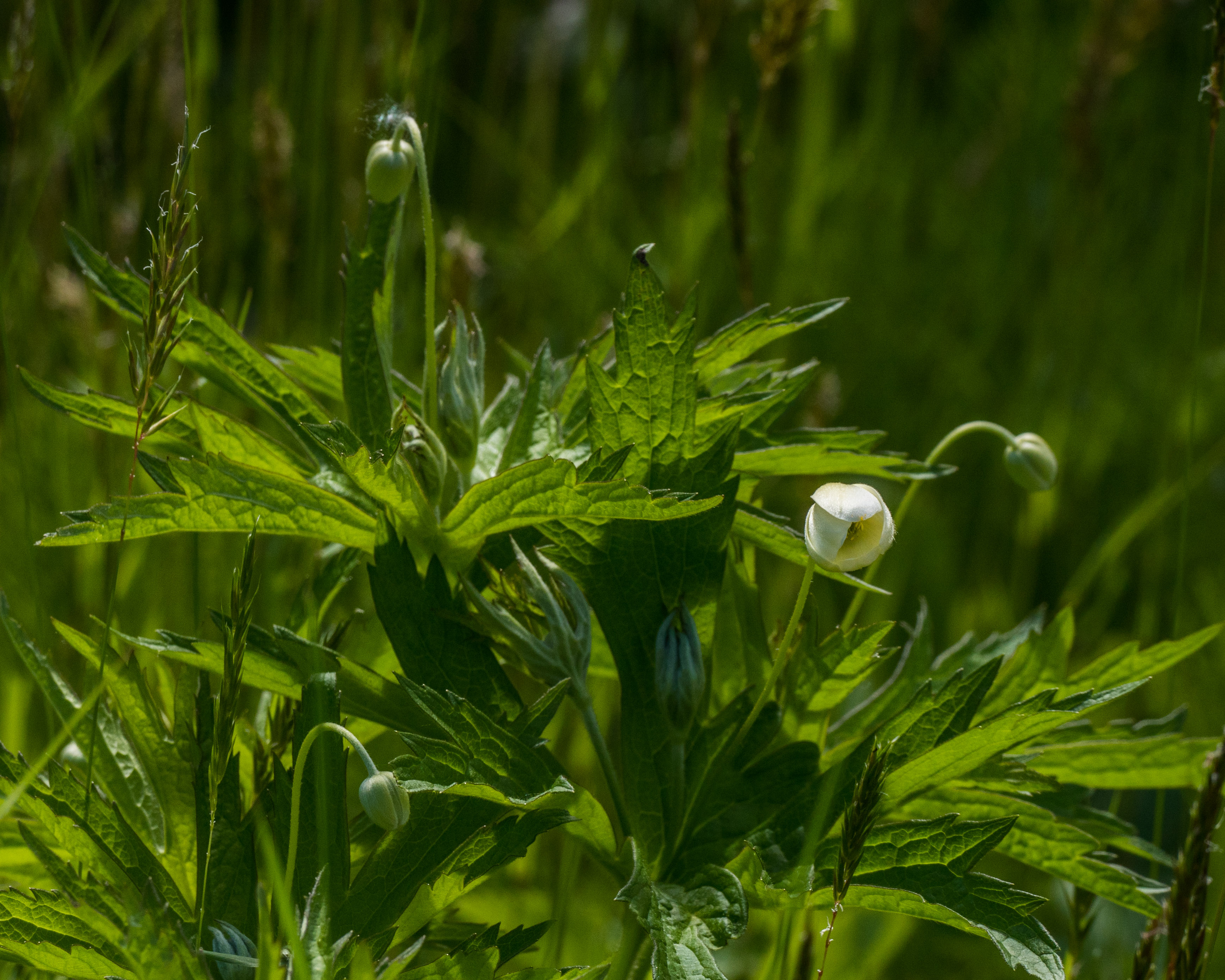
Canada anemone is starting to bloom near George W’s place on Riverside Rd….

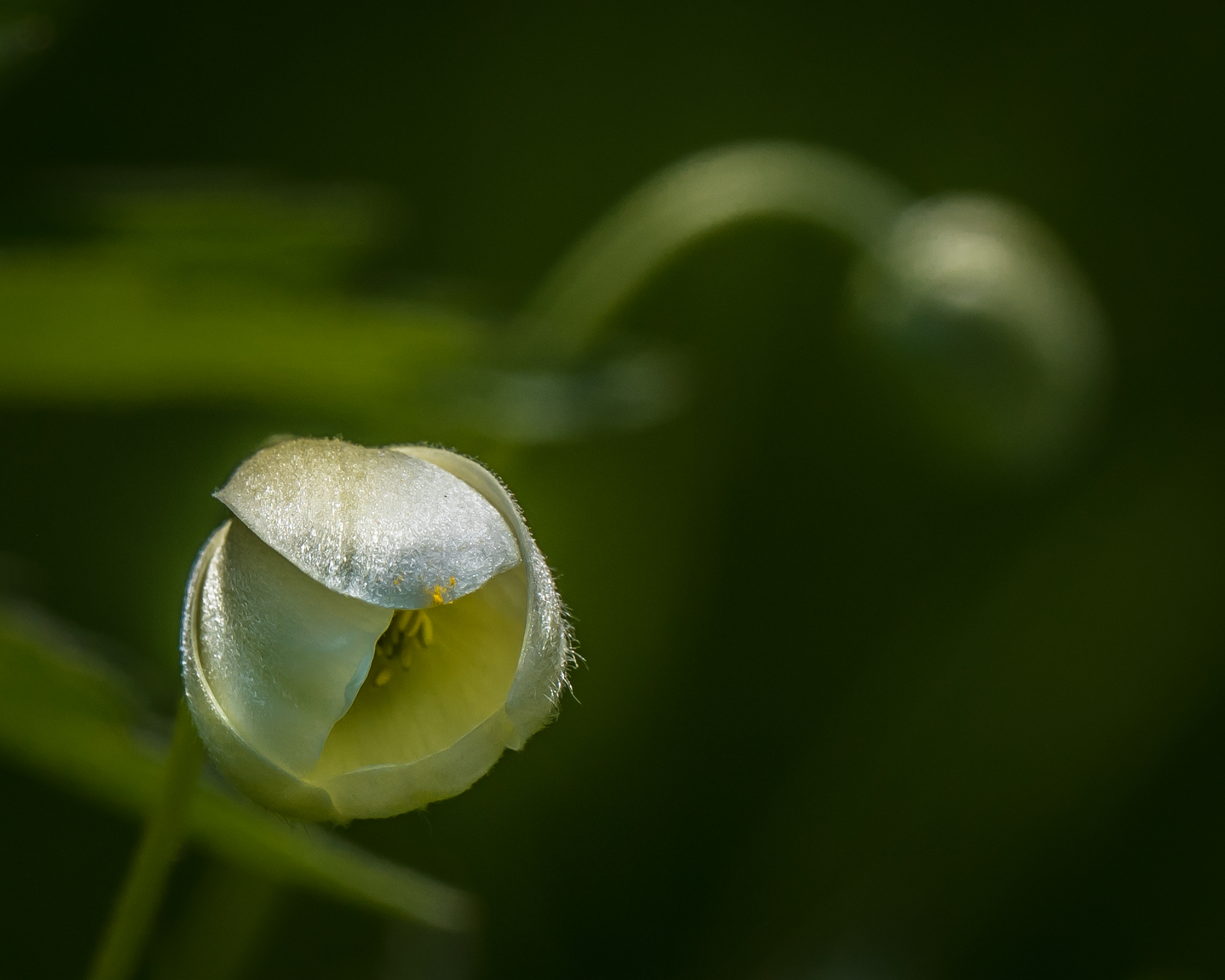
It has a beautiful white flower, emerging here …

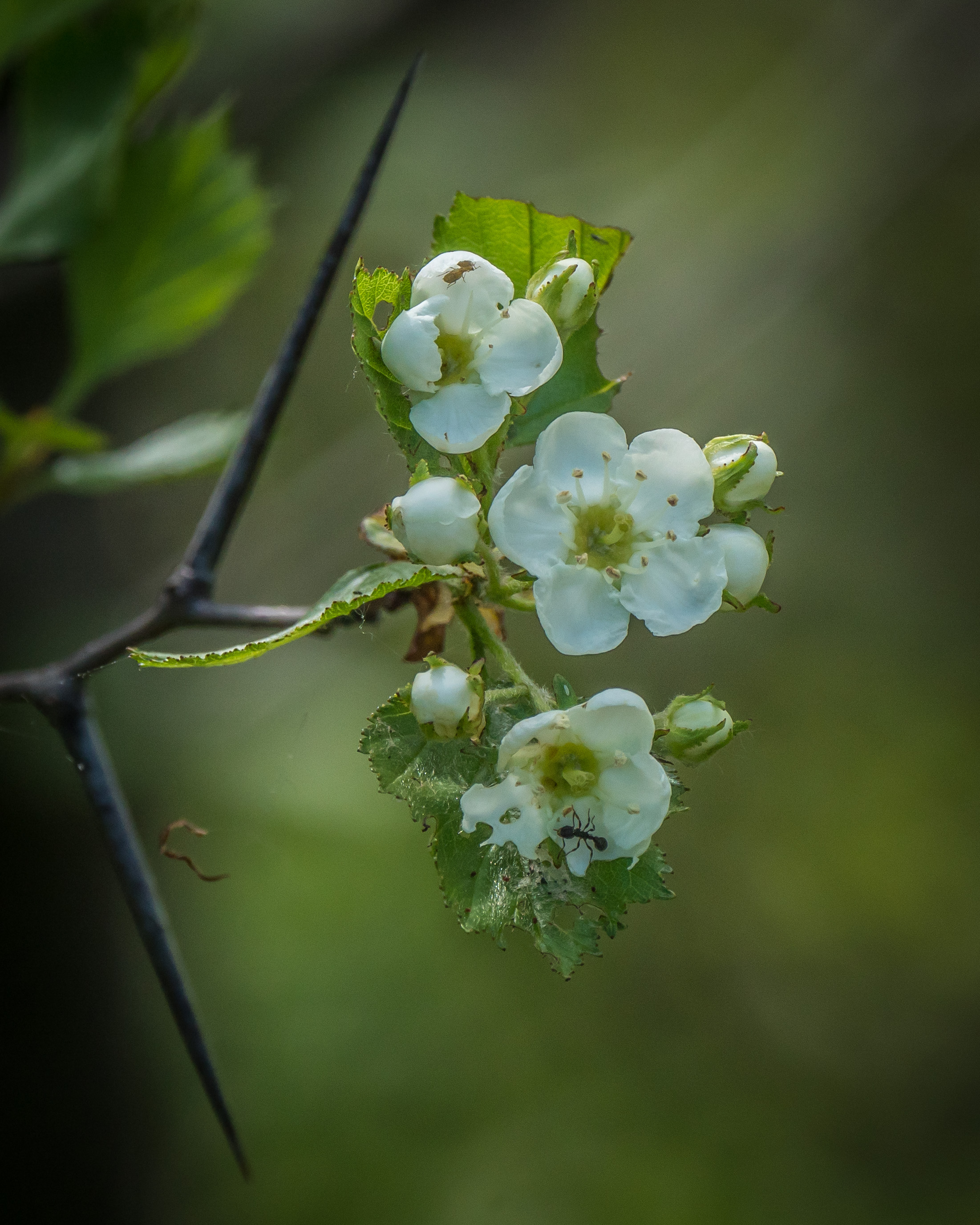
Fanleaf Hawthorn, complete with two thorns, and two visitors … and a half eaten blossom …

I have a whole new respect for them after reading the Wikipedia article about the Eastern Tent Caterpillar.

I need help to identify this shrub… Probably Sandcherry.   Prunus pumila.….

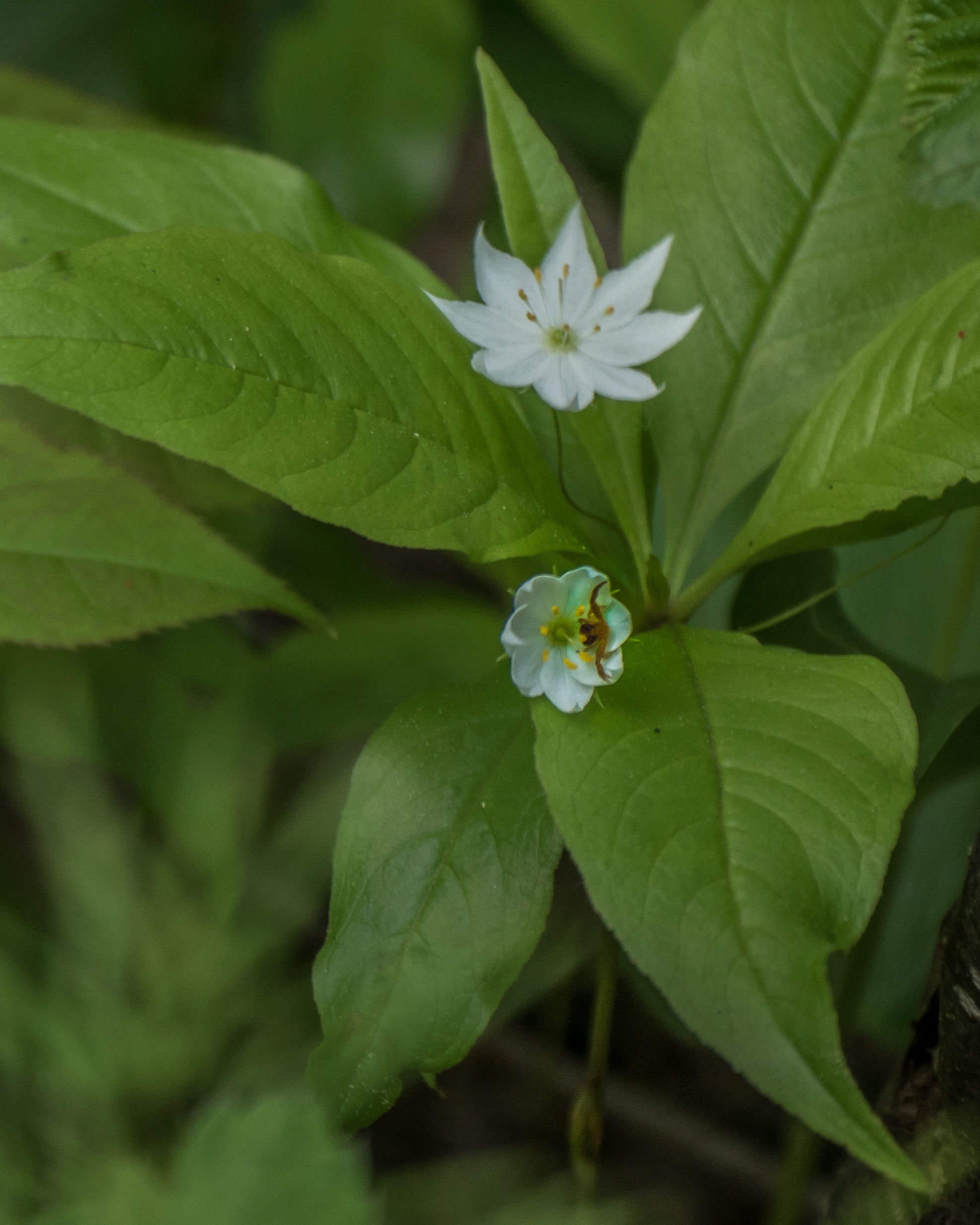
Starflower with a wee spider hiding in ambush.  The blossom is about 1 cm in diameter when fully open.   I guess that the spider’s leg span is about half a centimeter.

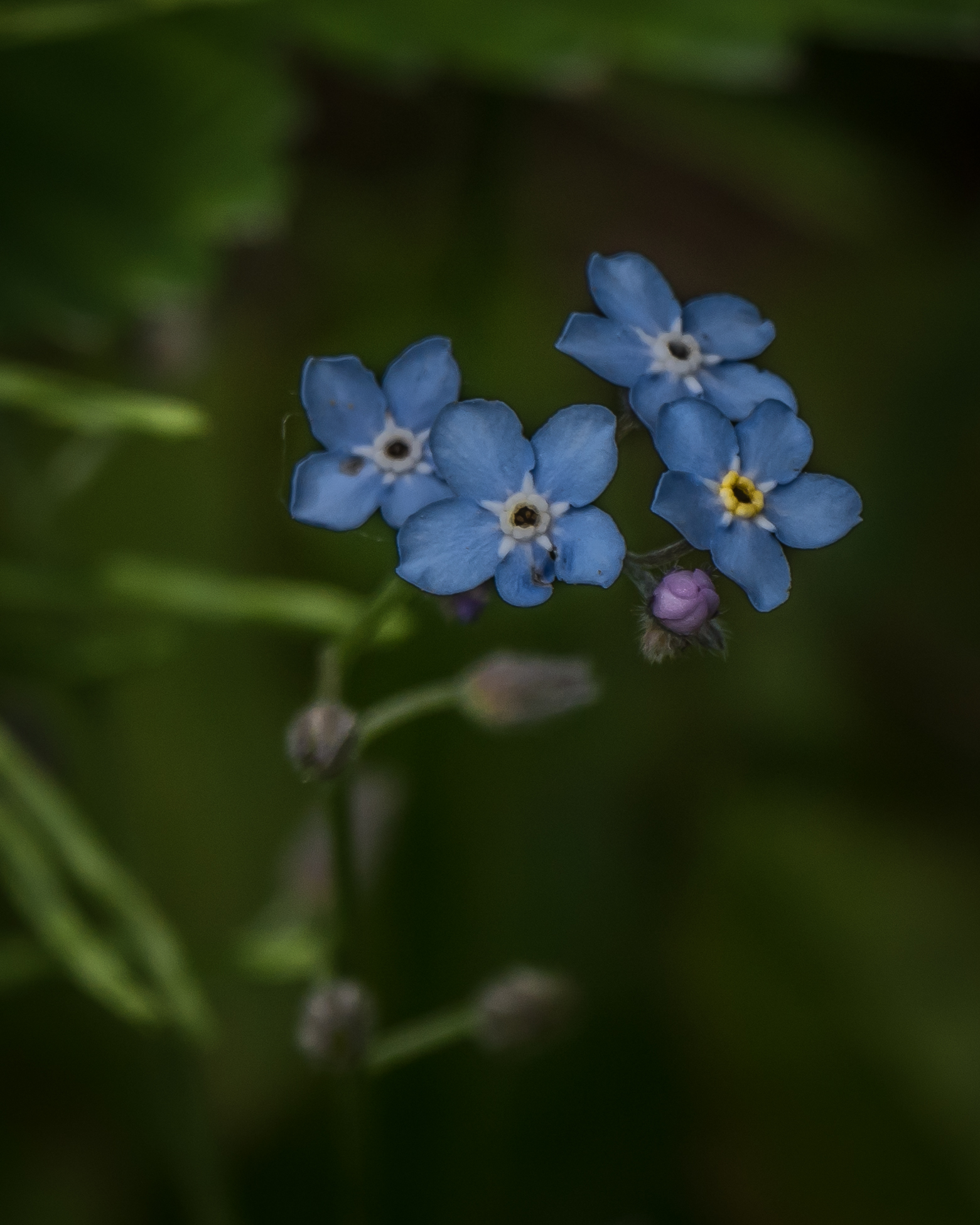
Forget-me-nots, probably escapees from someone’s garden to the roadside wilds:

Wild Allium, also probably escapees , at “Reynold’s Rock”  …

Spring seems to be developing in fits and starts this year.  A day or two of warm sunshine accelerates development interspersed between cold wet days which retard growth and critter activity.  The only constant this year is the voracious activity of blackflies and mosquitoes who are both multiplying rapidly.  They challenge the careful photographer while focusing and composing.   Usually wind is a photographer’s enemy.  Not this spring!

Save

20170528 Burwash, Red winged blackbird, Buttercup, Painted Turtles, Crabapple blossoms, Eastern pine elfin, Wild black currant.

Burwash, Red winged blackbird, Buttercup, Painted Turtles, Crabapple blossoms, Eastern pine elfin, Wild black currant.

Before heading up to Burwash we visited Riverside Drive where we saw this Red Winged Blackbird singing on a flower stalk…

First buttercup of the season.  The waxy surface is  very reflective making it difficult to expose for a photograph.   A dull overcast day would be better for photography, but any bit of sun this spring is precious …

At Neilly Lake, the “featured image” at the top of this page, we have the usual buddies sunning on a log…

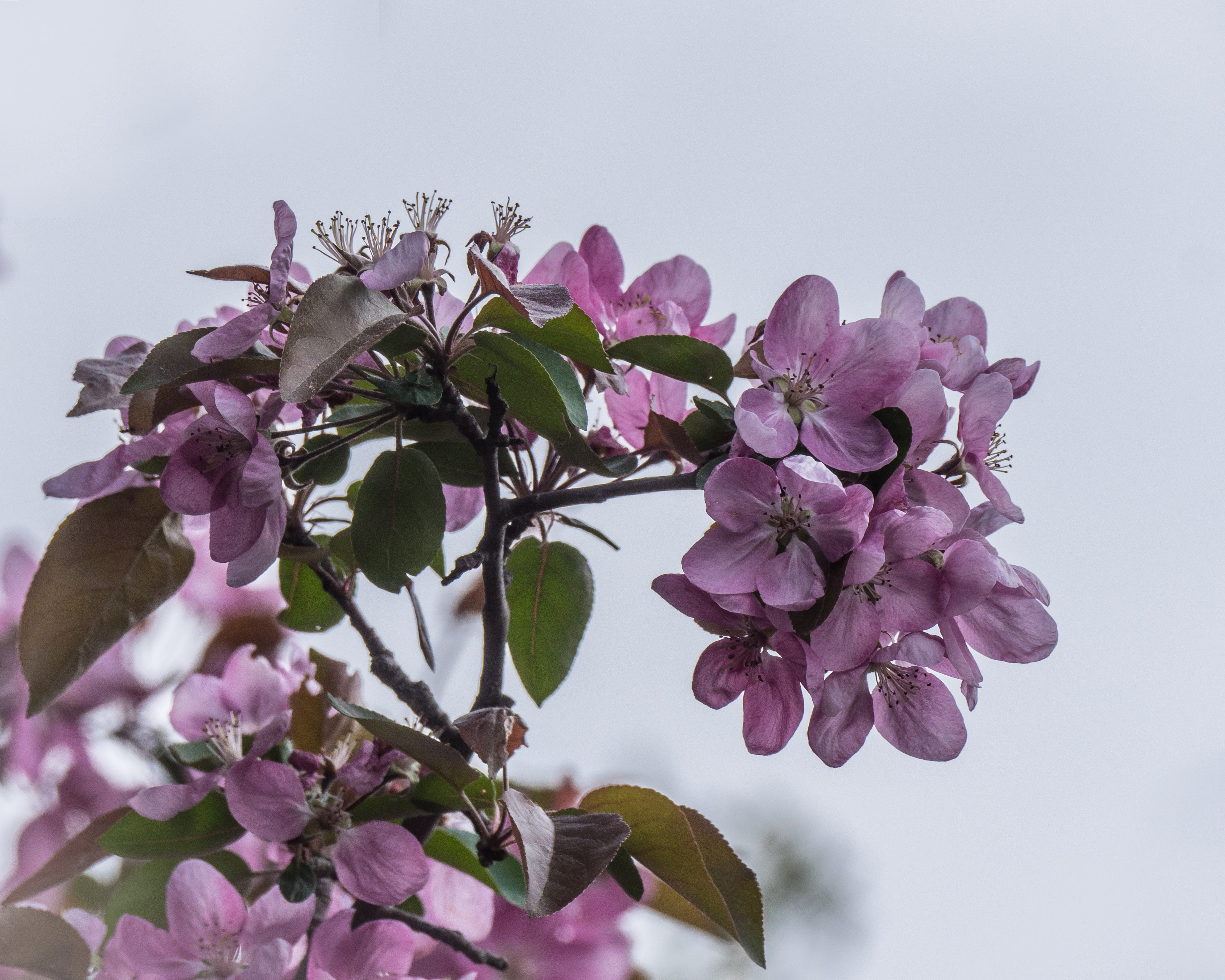
In the former residential section of the prison farm we saw a few flowering crabapples.   They were heavily beaten down by bears last fall —- just like the white one in my yard.


I think that this is an Eastern Pine ElfinRick Cavasin’s excellent site has a link to this map, indicating that they’d be around Burwash (South of Sudbury off Hwy 69/400)

Wild Black Currants  ( Ribes americanum) are spreading into the fields around the old townsite.

Here is that oft-photographed swamp off of Burwash Road, the link to Hwy 637 (Hwy to Killarney).

Sudbury Photographer, Ray Thoms has posted his very nice treatment of a Hobblebush flower that he composed on our trip to Port Loring last week (20170520).  Worth visiting to see the difference between my stuff  and his art.

Save

Save

20170527 Bracket fungus, Nodding Trillium, Yellow Warbler, Blue Jay, Northern Wild Raisin, Blooming Sedge, Brown Dragonfly, Wild Lily of the Valley, Blue eyed grass, Pileated Woodpecker, Family of Geese.

Various fungi are fruiting after the heavy rains we have been having.  This one sprouted on a dead elm tree and is hastening its decomposition…

Nodding Trillium …

One exposure of a Yellow Warbler at Alex’s tree … before it took off!

This Blue Jay was vigorously ruffling its feathers with its beak …

Northern Wild Raisin with visitor …

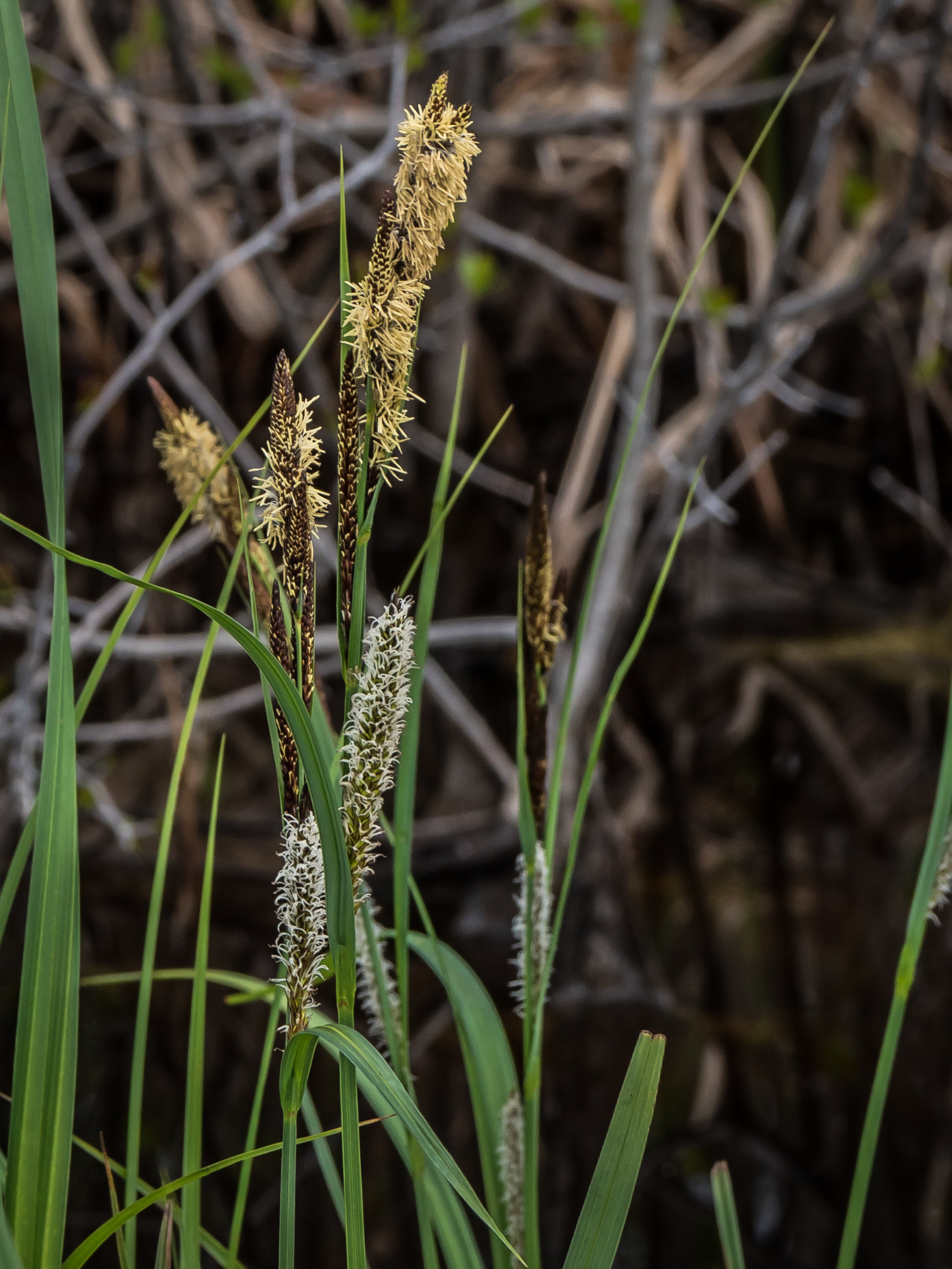
Blooming Sedge, Carex sp(?), showing pollen from upper male portion being distributed by the wind onto the female parts below…..

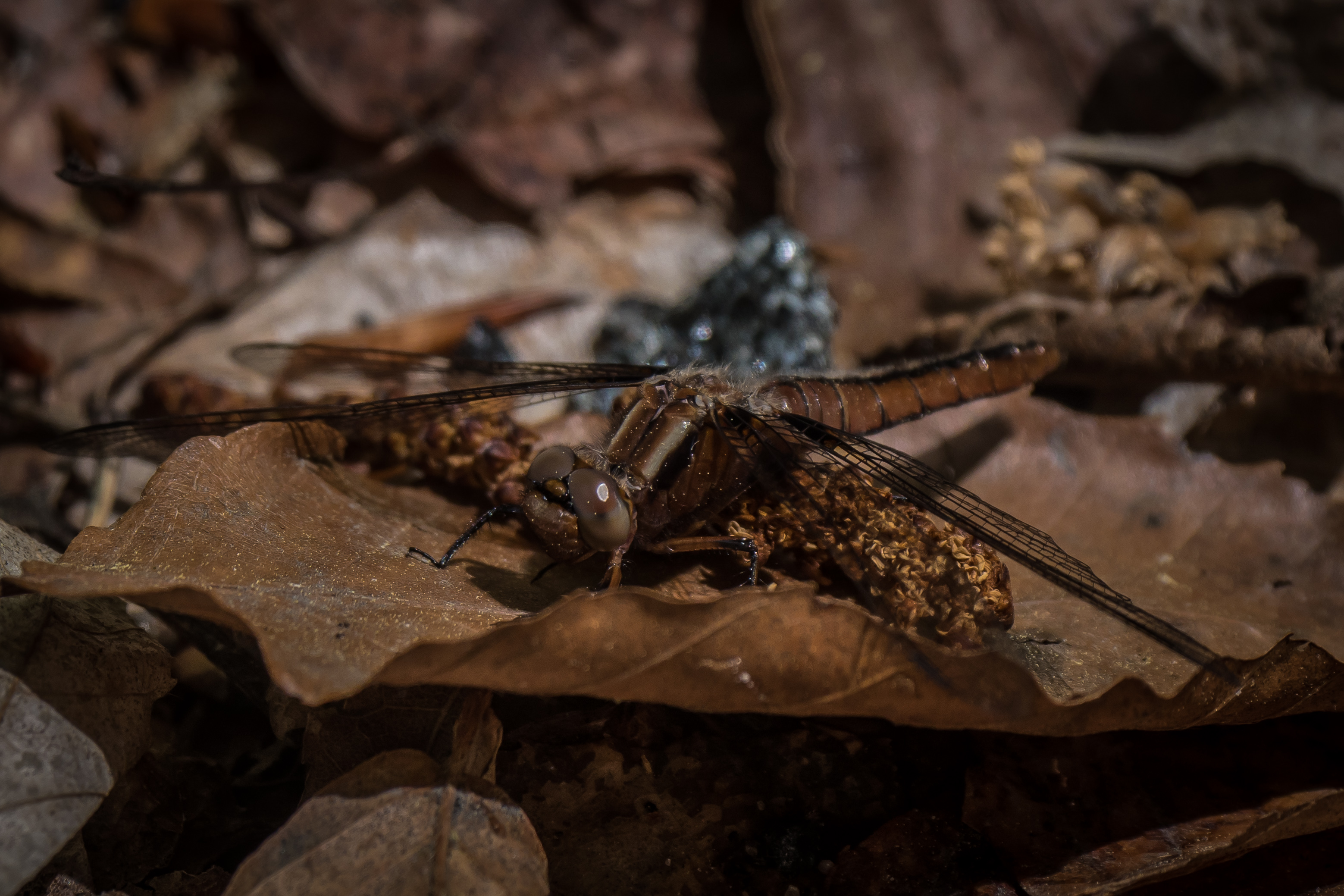
First Dragonfly of the season to be photographed.   We could do with  a few million more to help with the huge crop of black flies and mosquitoes this spring …

This Wild Lily of the Valley is starting to bloom early in this hot micro-climate of a south-facing rock crevice.

This small member of the Iris family, Blue Eyed Grass, is blooming along the gravelly  roadside of Hwy 529.

This Pileated Woodpecker has made at least 5 nesting cavities in brand new hydro poles.   Why so many?   Why new hydro poles?  I suspect that nests in hydro poles are easier to defend than nests in the Aspen trees that they normally use.   I have seen Woodpeckers chasing red squirrels away from nests in forests of Aspen trees.

Family on an outing.   This family is in the pond across the road from Big Lake.  I have seen it crossing the road and exploring the rocks along the shoreline.   All part of growing up, eh?

It looks  like we are going to enjoy some sunshine today.  Nice!!

Save

Save

20170526 Corydalis, cherries, ferns, yellow violet, Solomons Plume and Seal, Grackle

Corydalis, cherries, ferns, yellow violet, Solomons Plume and Seal, Grackle on another wet day …

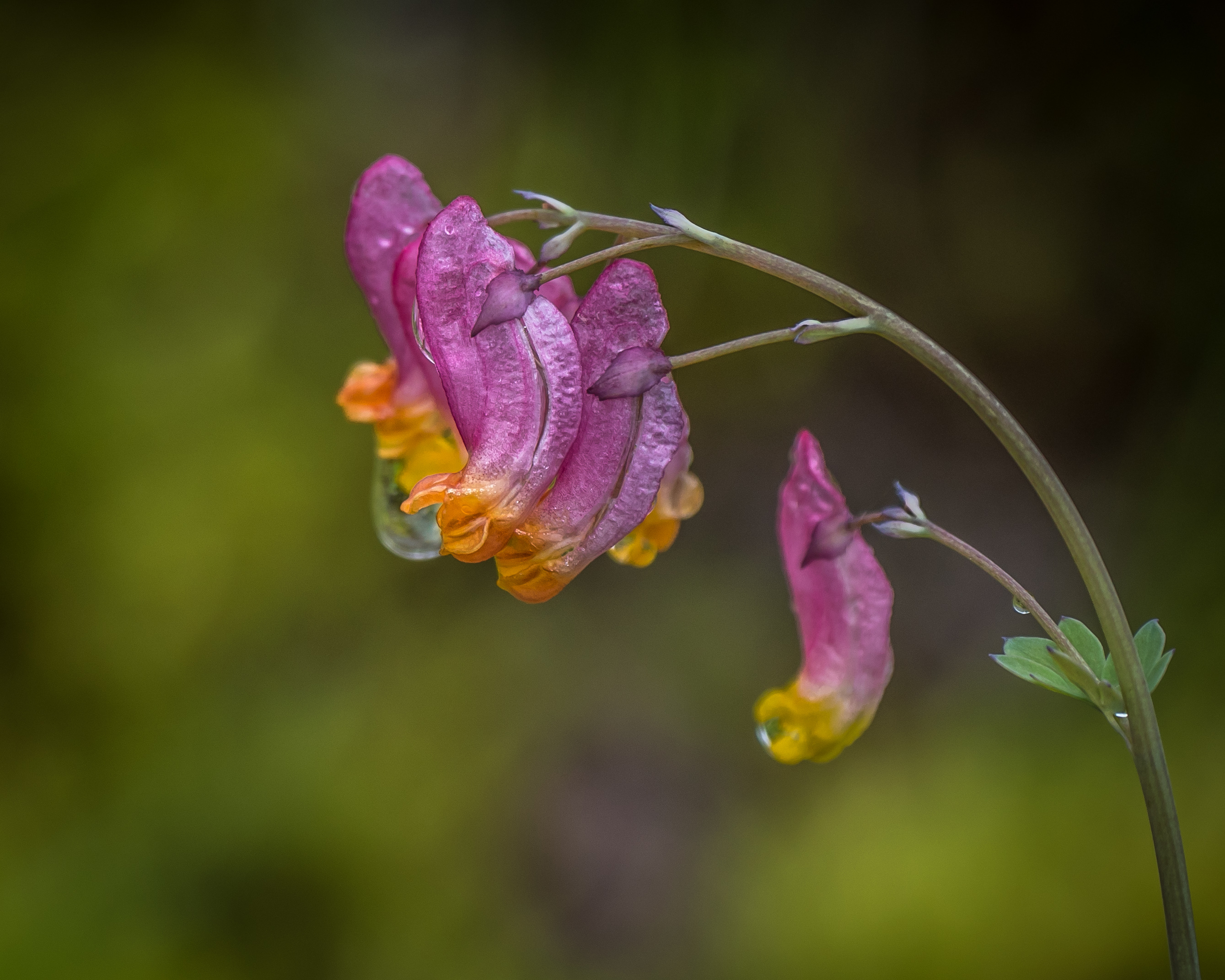
Classic wet Pale Corydalis …

Choke or Black Cherry in the rain …

Compare with these Pin Cherries which have their blossoms spread out along the twig:


I am not yet certain of this fern … its beauty unfurls over a few days …

Very different from this branched Bracken Fern ….

Or from these Interrupted Ferns

This grass was blooming along a little stream.  First time I’ve noticed it. No ID yet.

The Downy Yellow Violets are blooming along Station Road…

And Solomon’s Plume (or False Solomon’s Seal) are about to break into flower.

In Diana’s garden, her Solomon’s Seal is will open its blossoms in a day or two….

Speaking of Diana’s Garden:

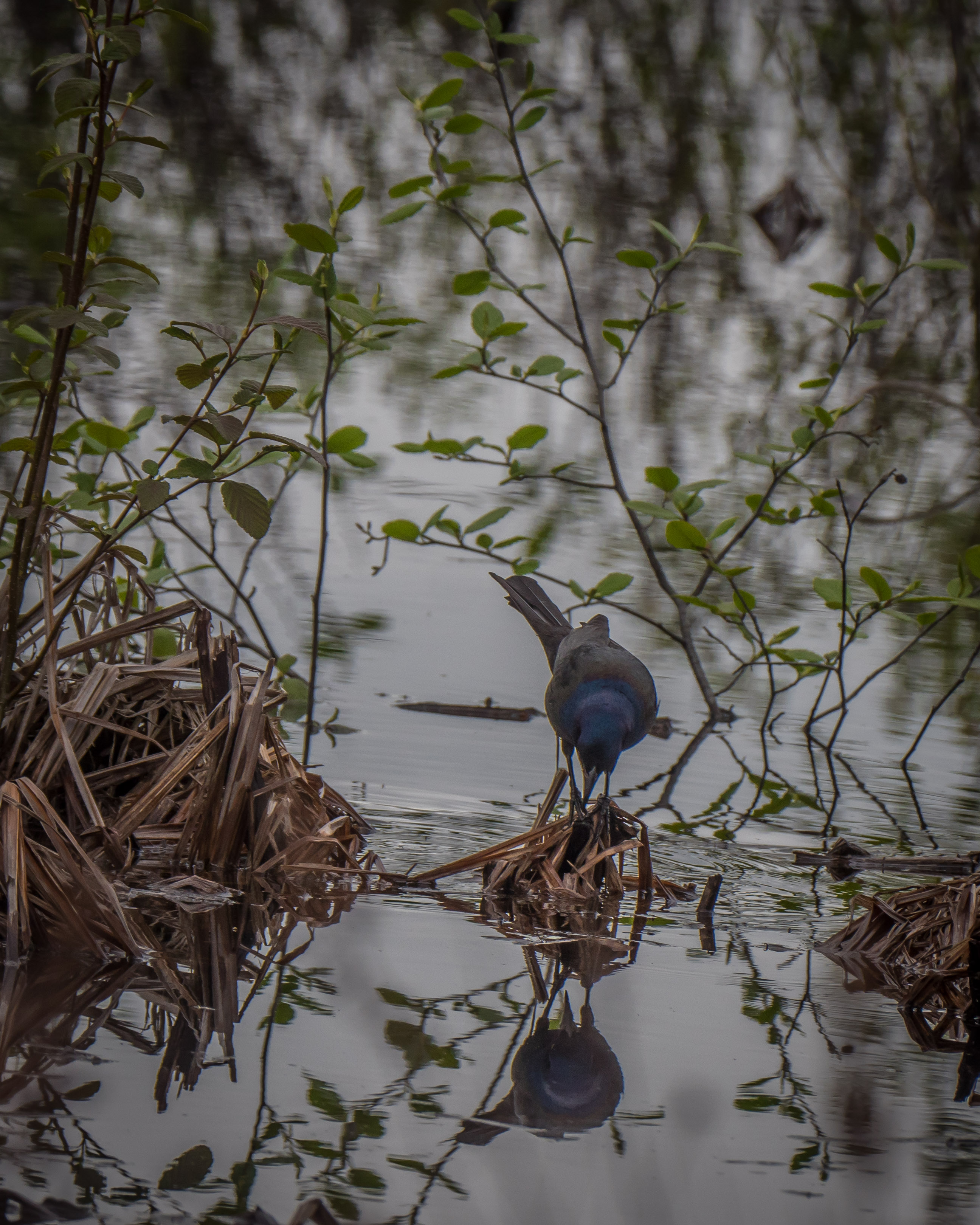
Meanwhile this Grackle is checking out its reflection ….

We are hoping to see some sunshine today.  It would be good for the pollinators and for the birdies who are stocking up on protein for their new broods.