20170504 Honeysuckle, Carolina Spring Beauty, Trout Lily, Trillium, Catkins, Mosses & Lichens, Red Maple, Blue Cohosh

A nice few hours up on Hwy 522 to see spring flowers, some emerging and some at their best  …

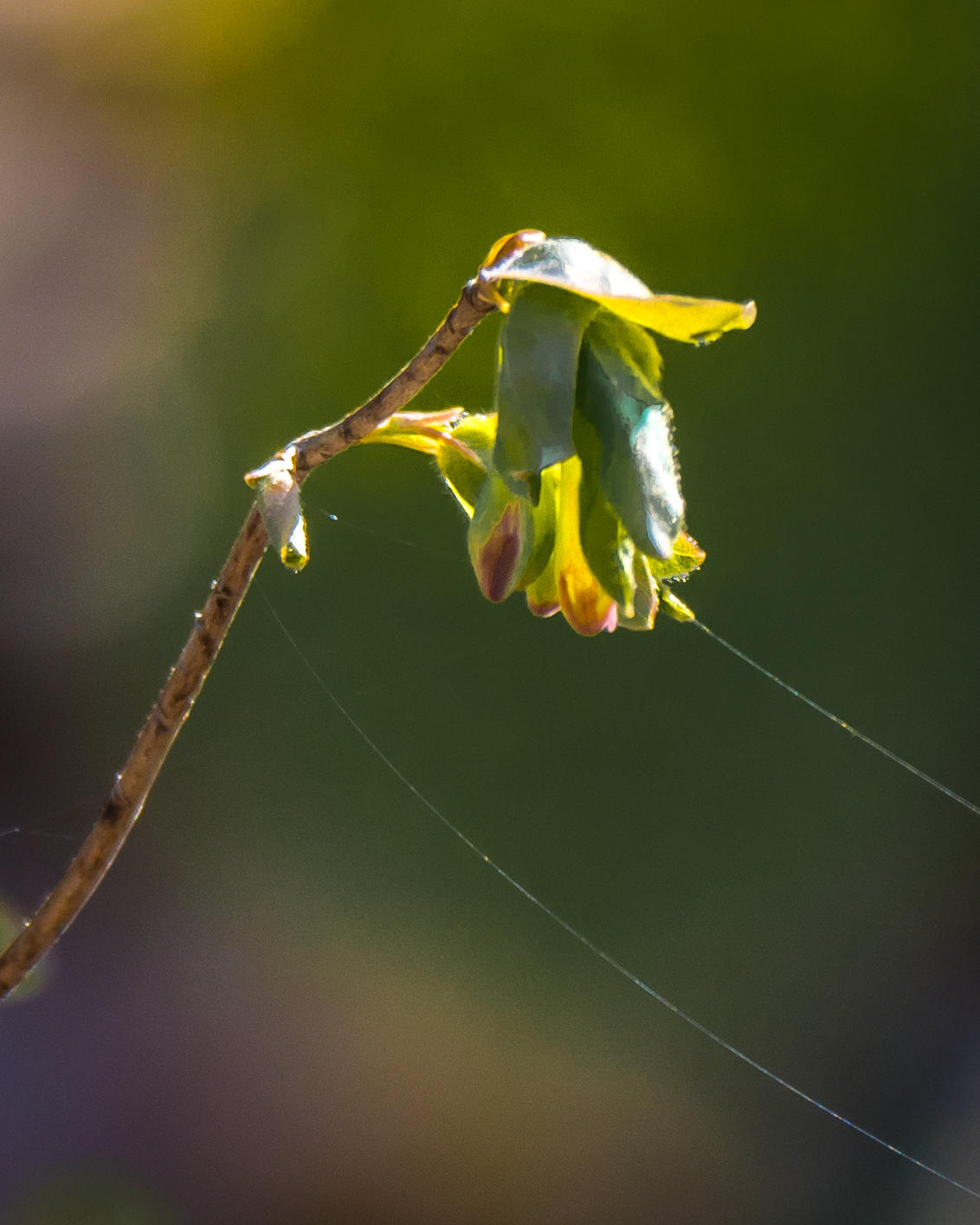
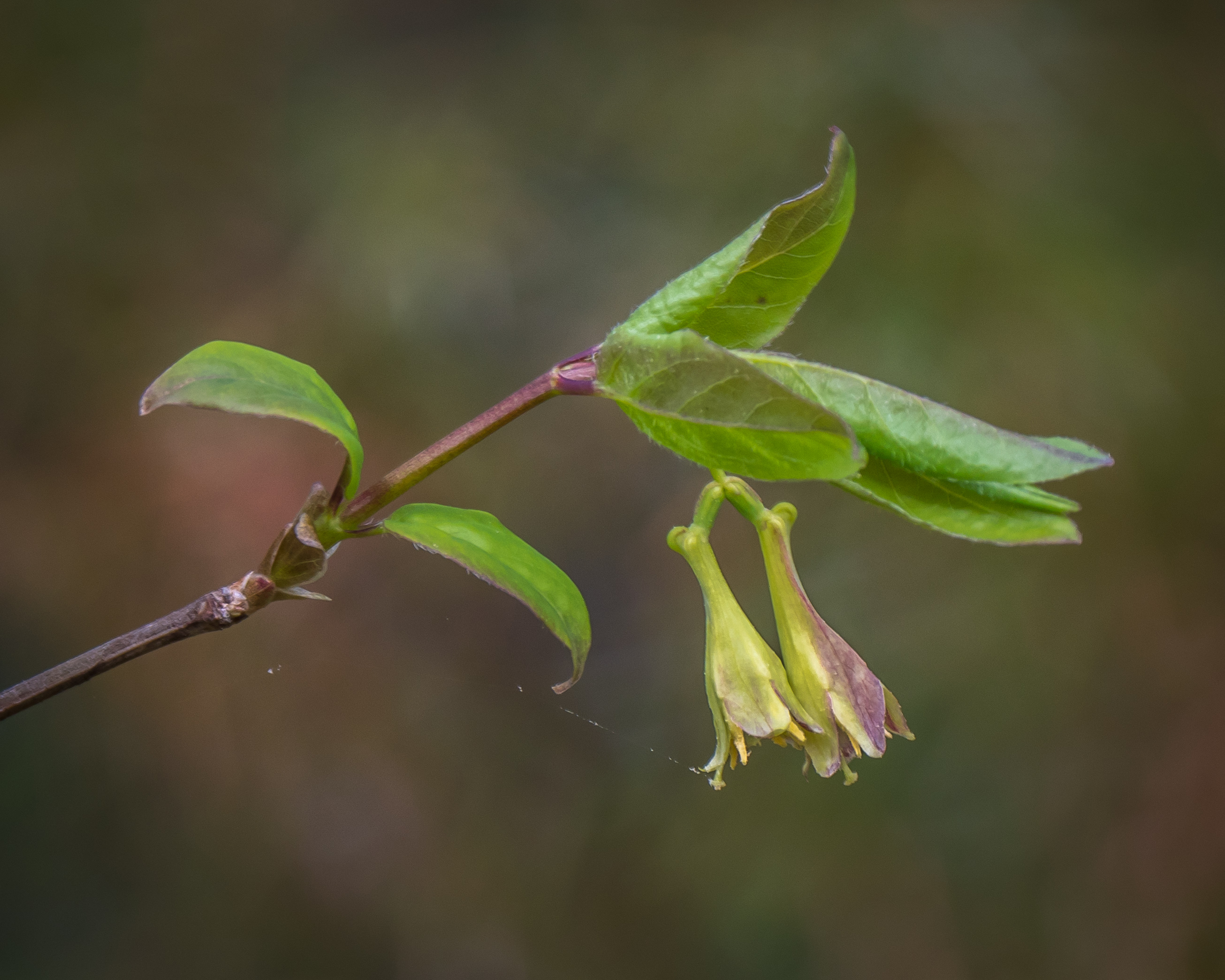
Lonicera canadensis, Fly Honeysuckle are blooming on a shrub about a metre or so tall.

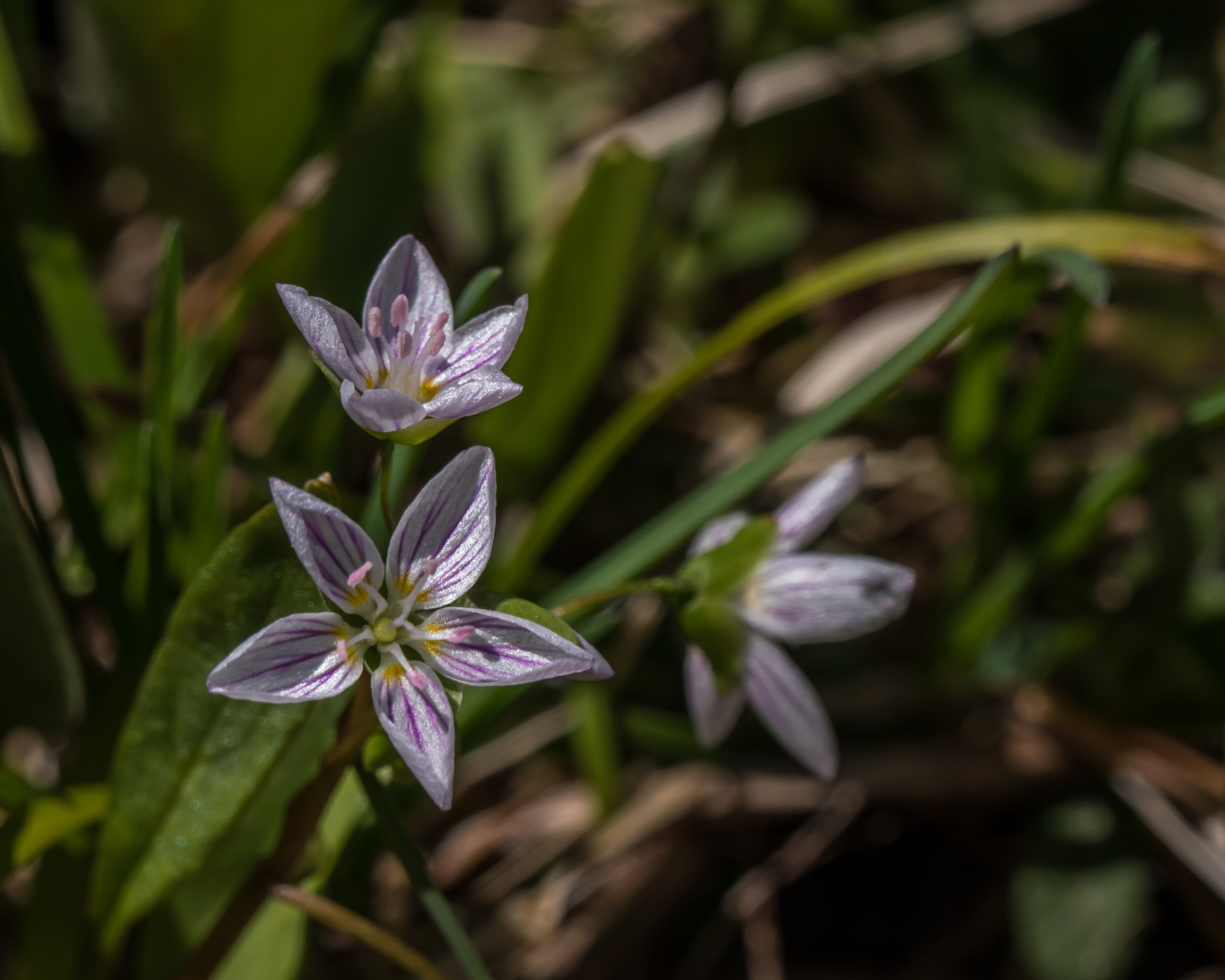
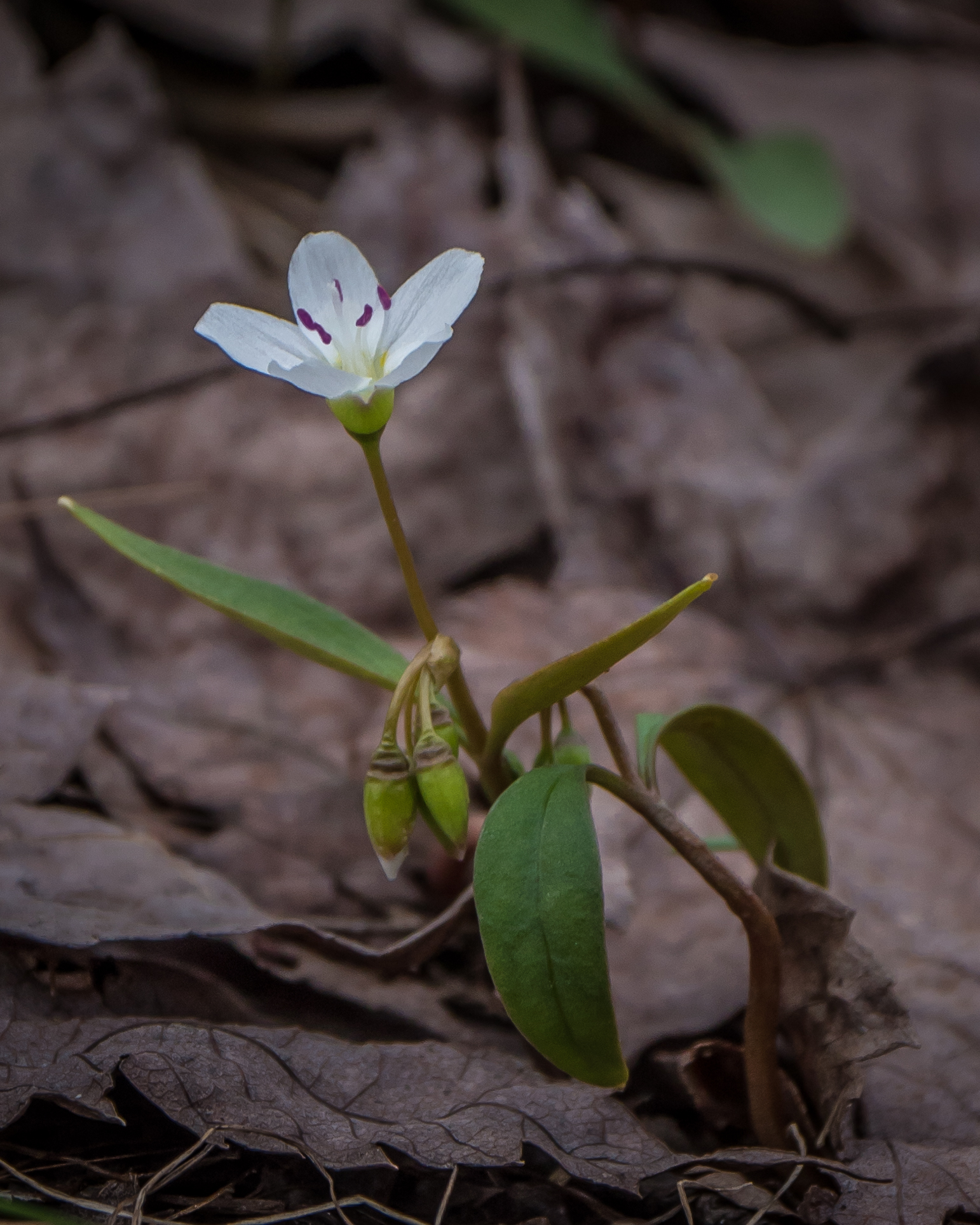
Carolina Spring Beauty in normal habitate.

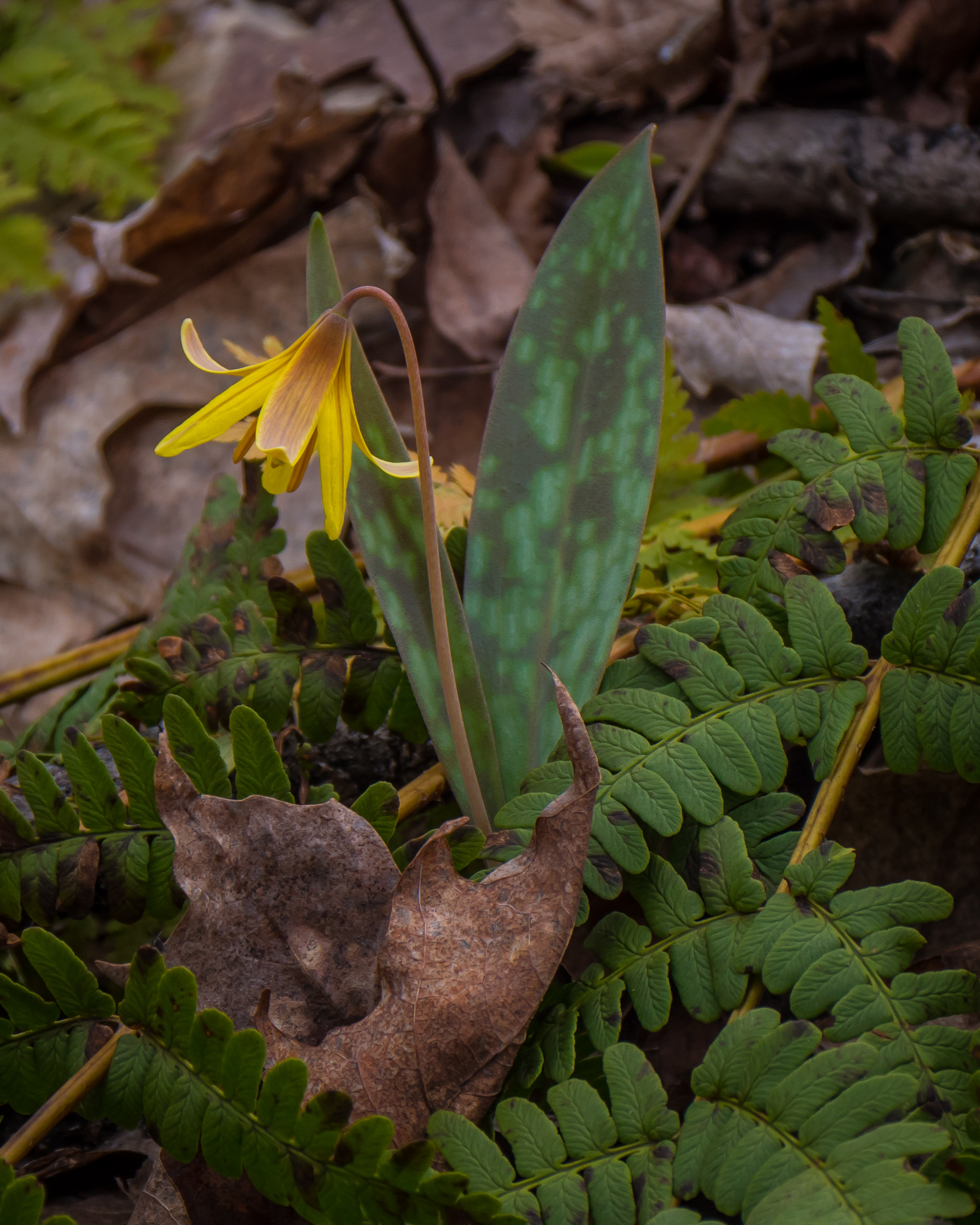
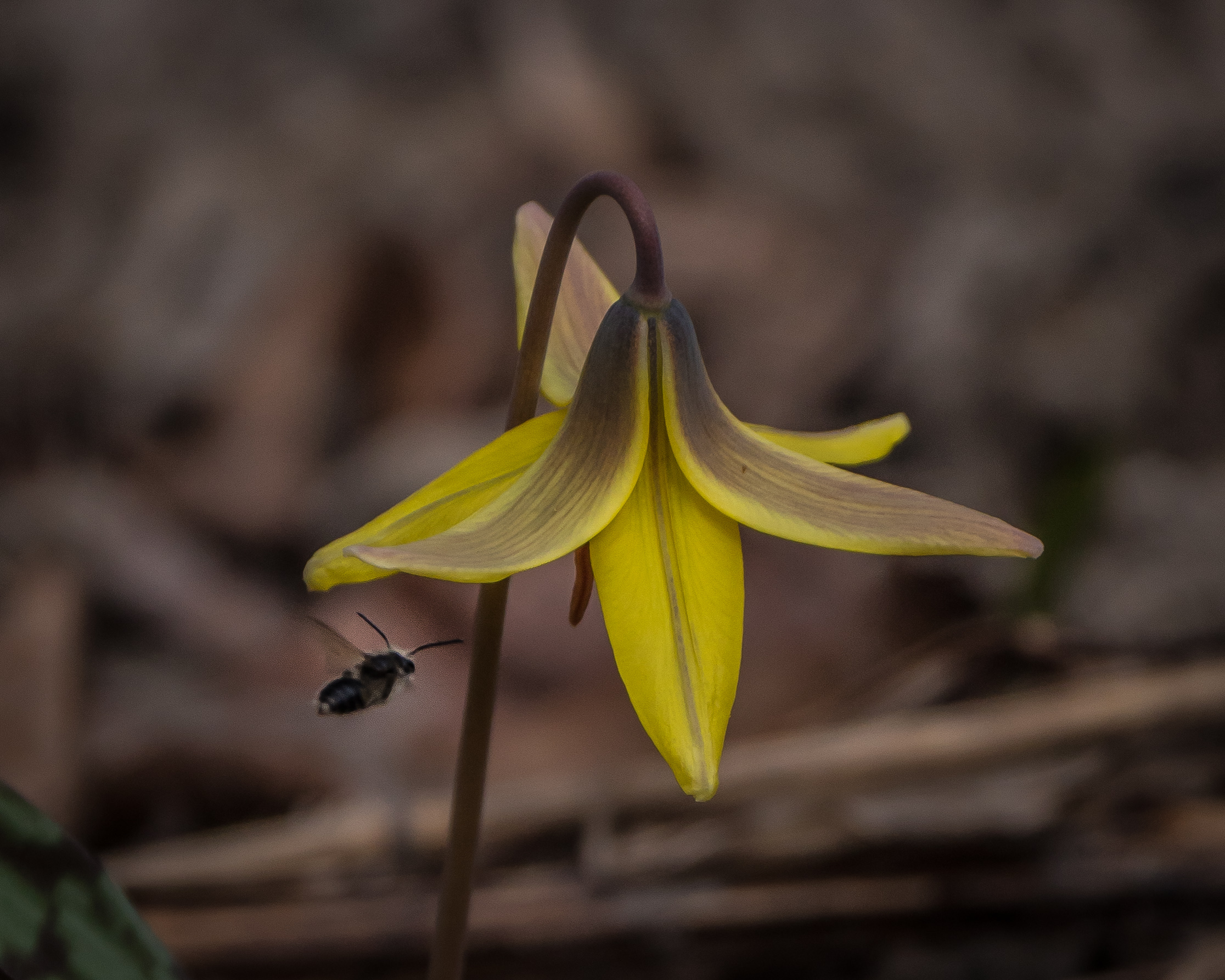
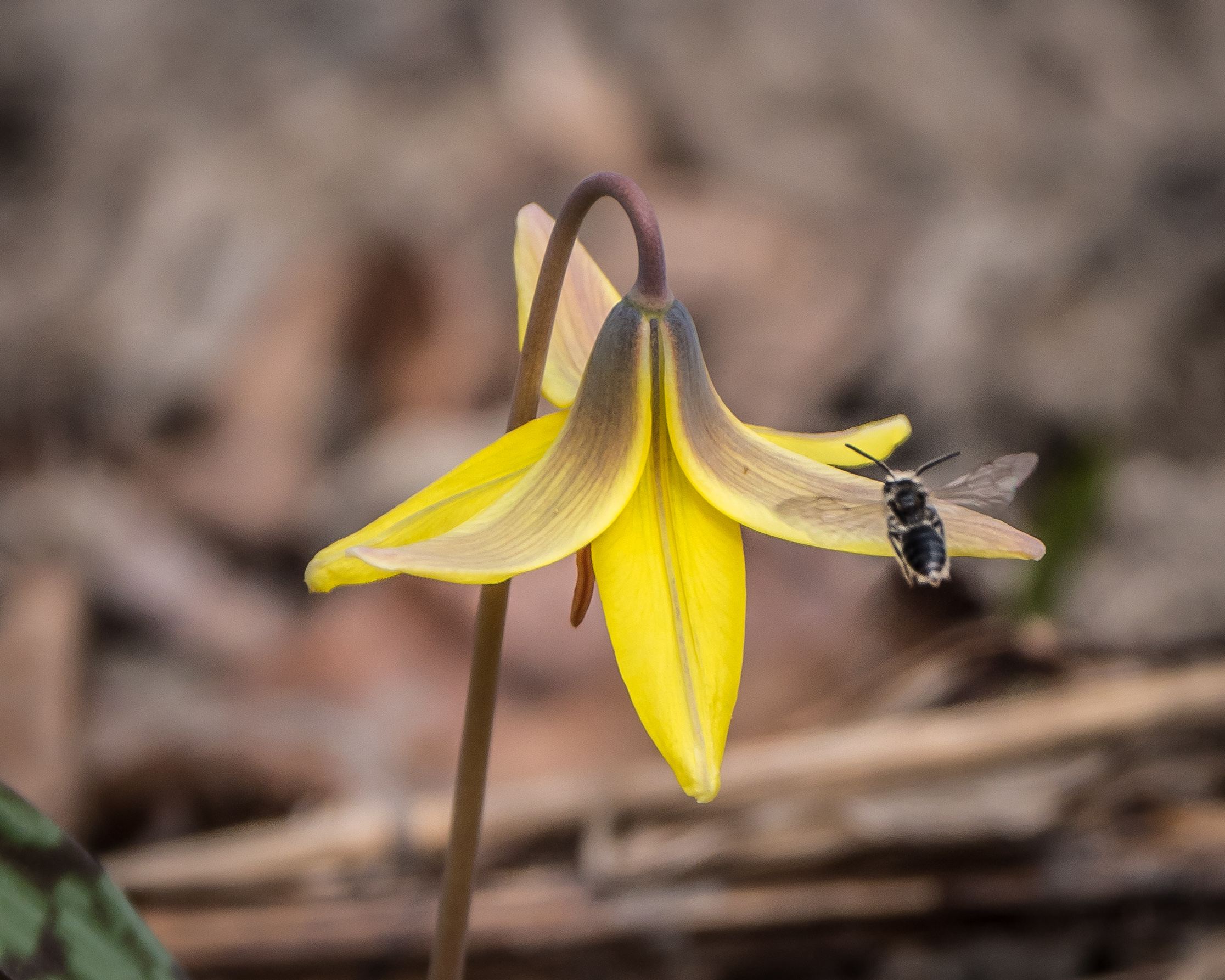
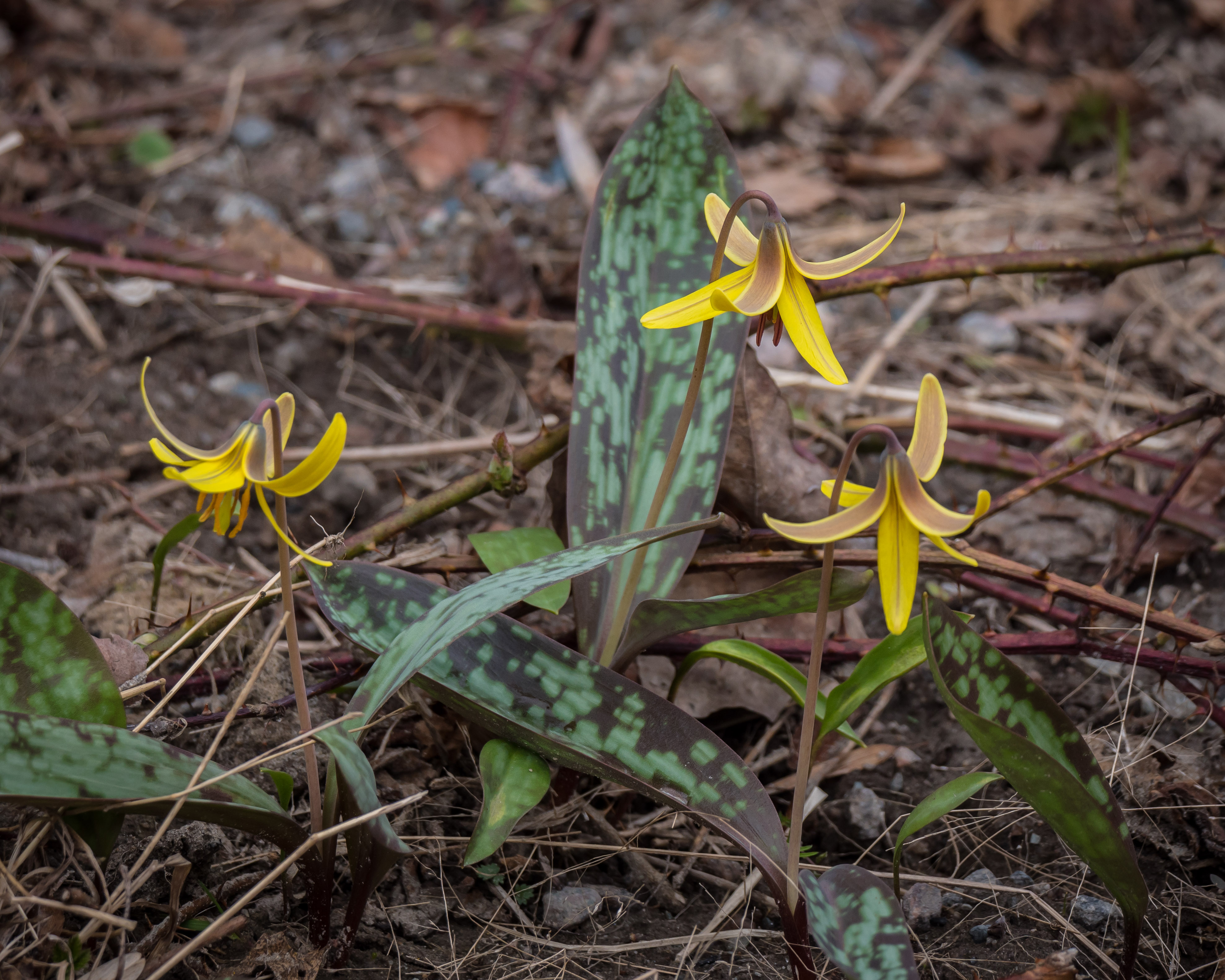
And a trout lily in typical habitat…

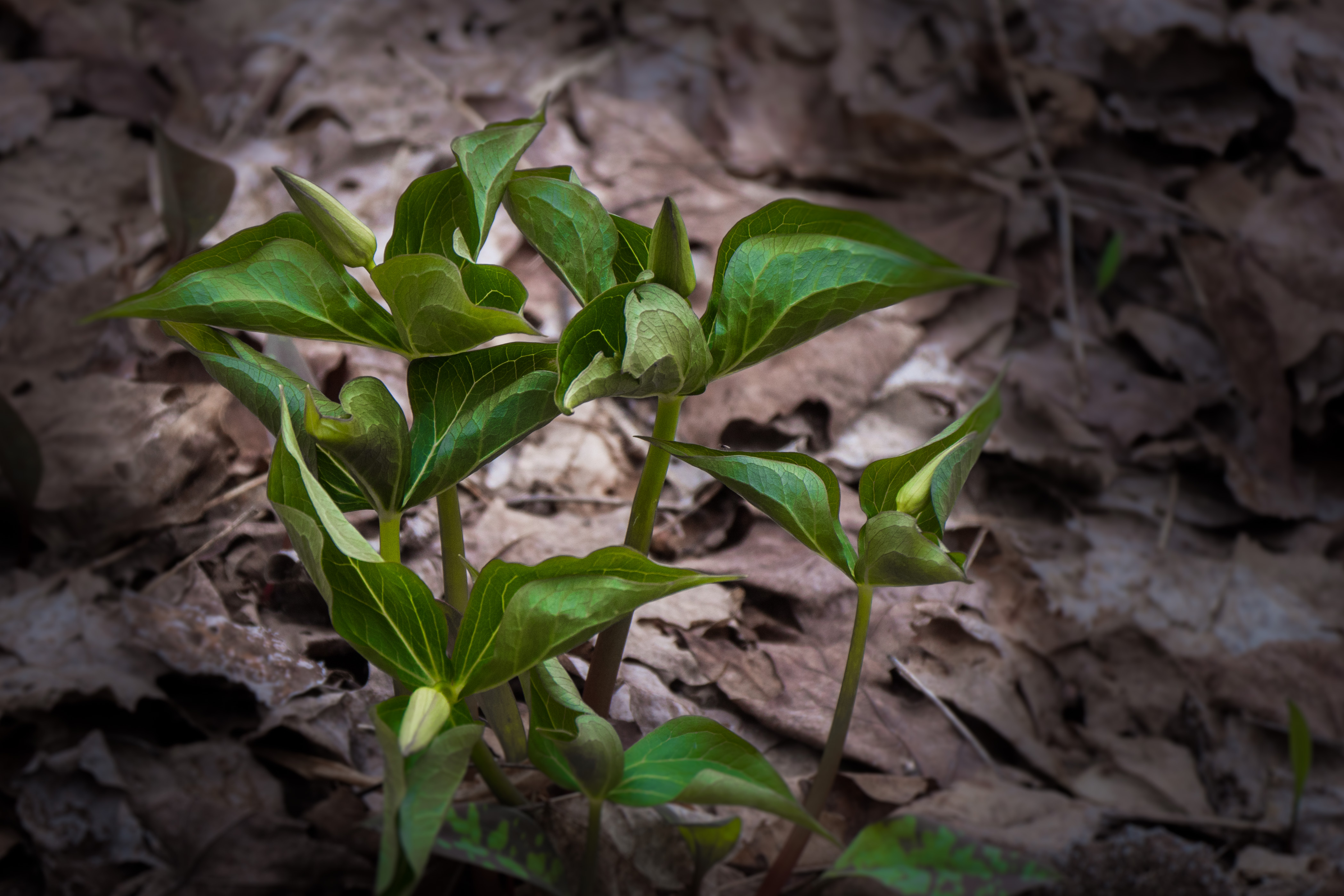
A clump of Trillium grandiflorum, Ontario’s flower, with its petals still furled.

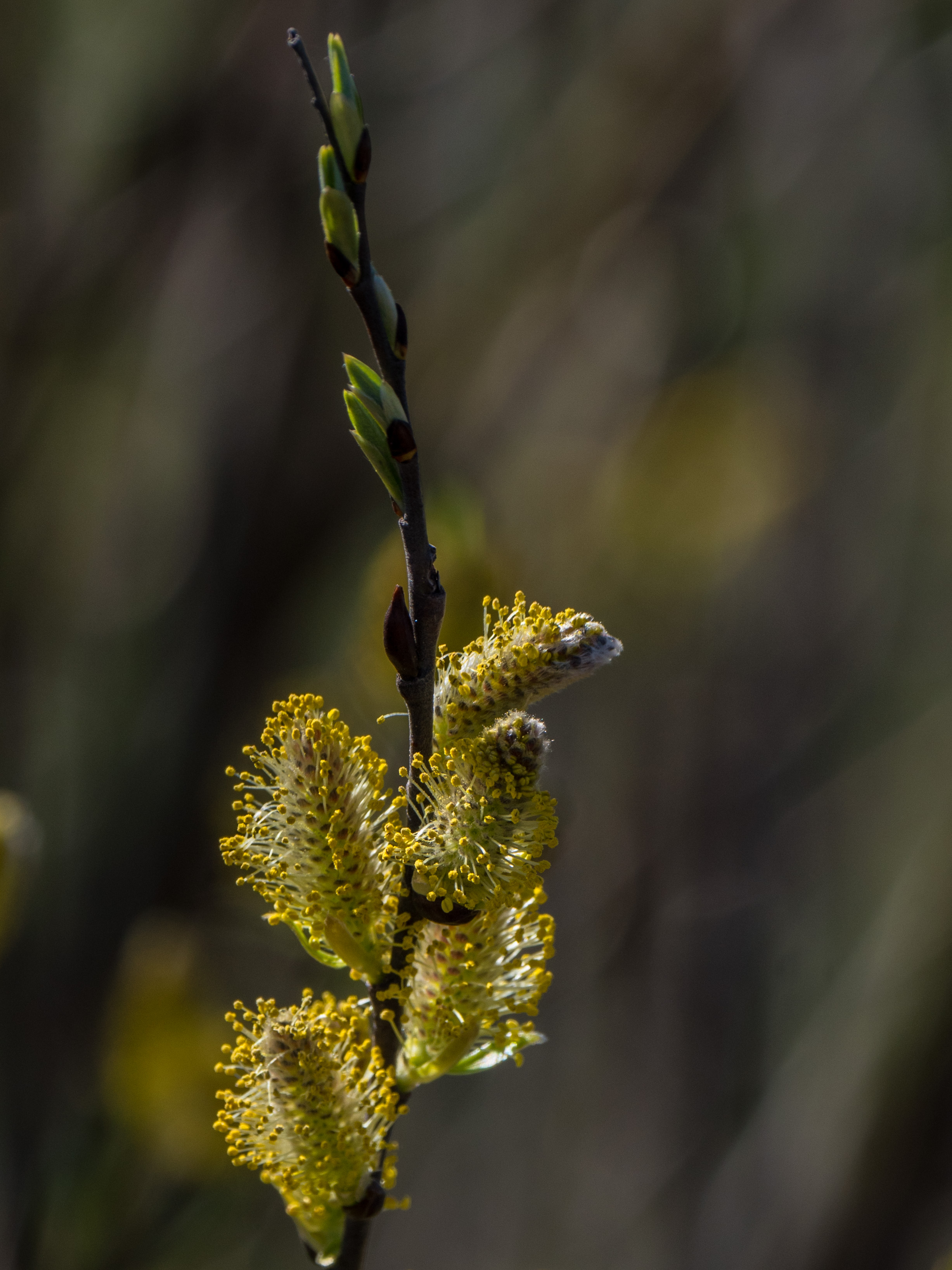
Willow, Salix, showing the difference between this male catkin …

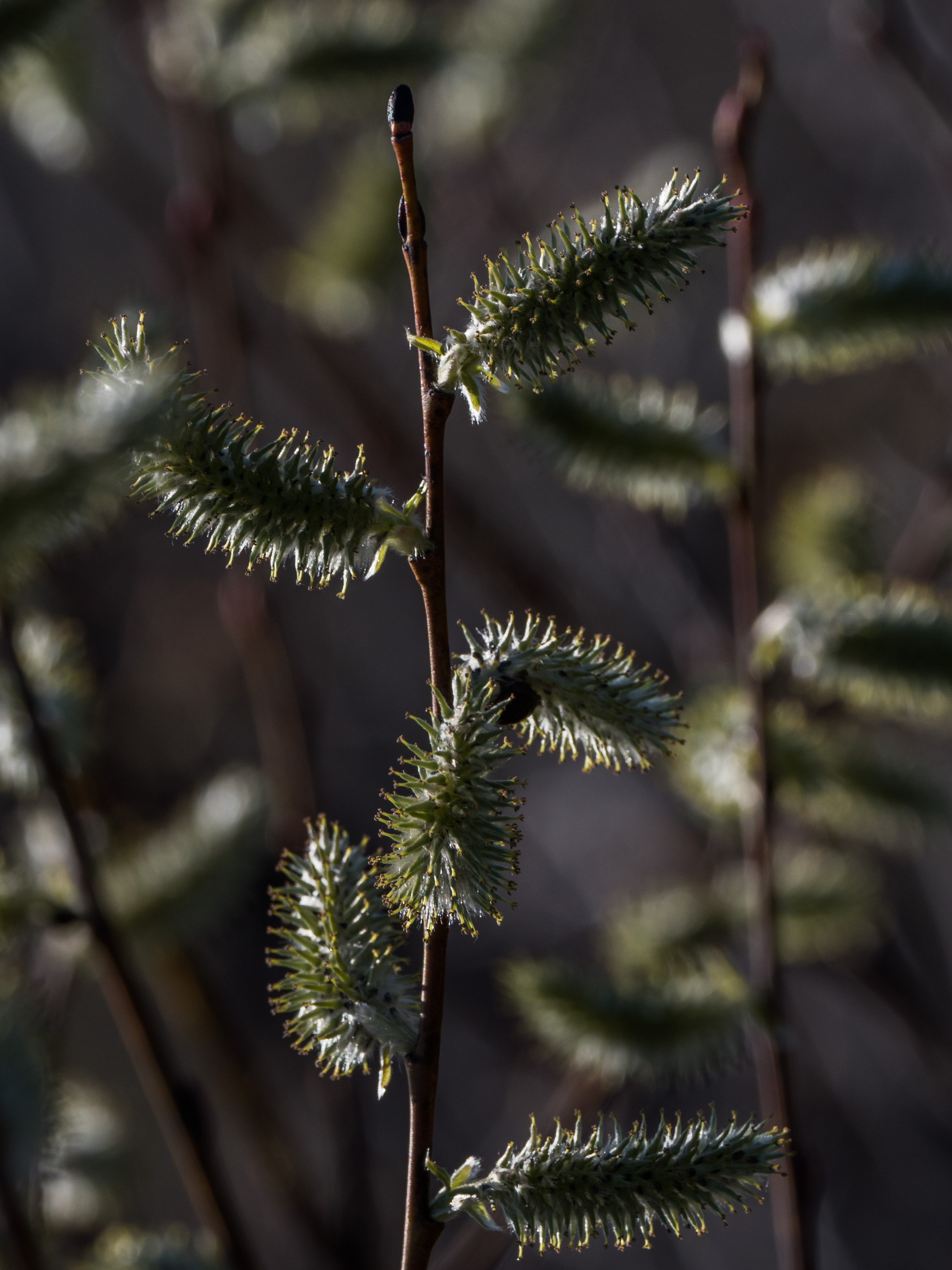
… and this female catkin on an adjoining plant:

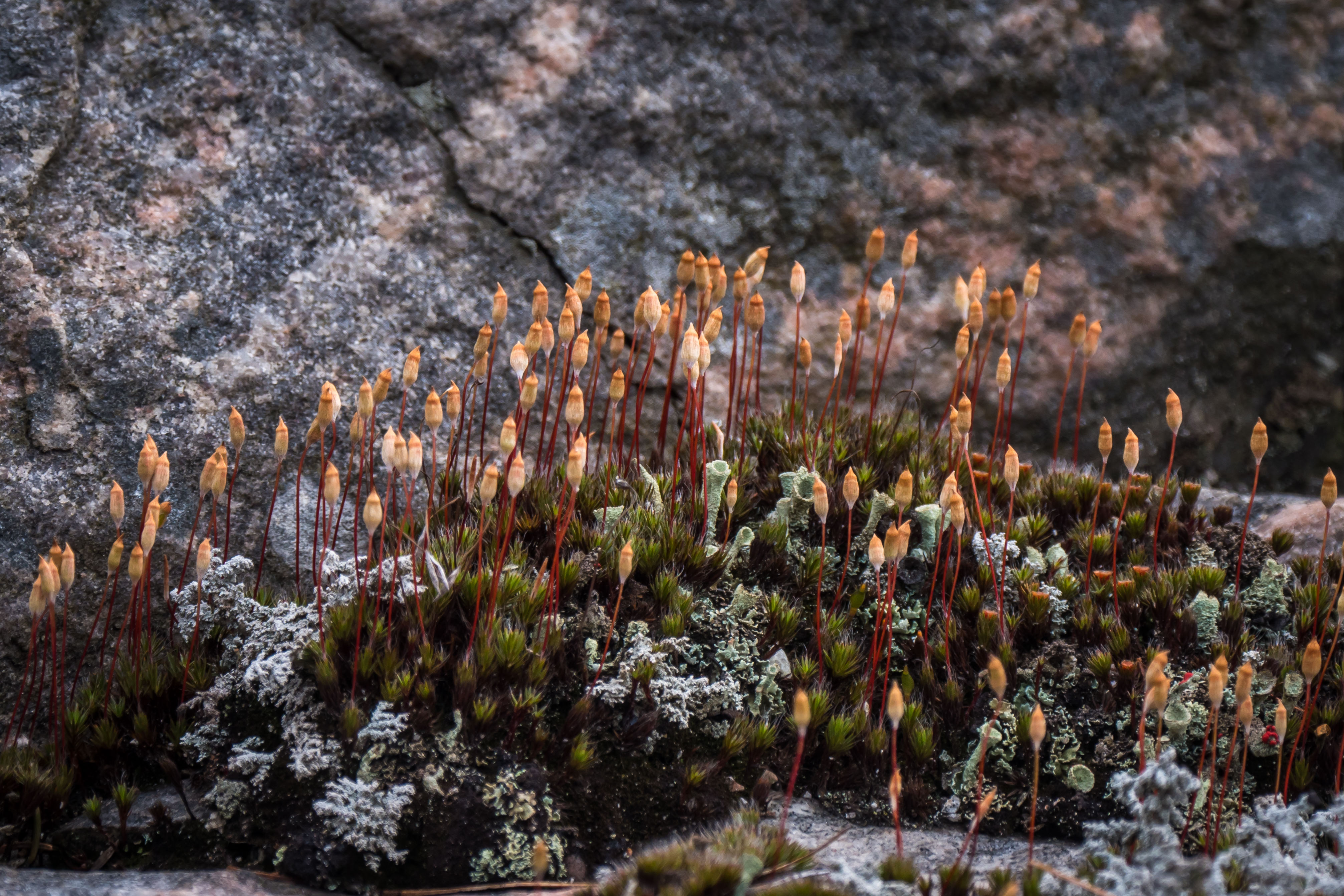
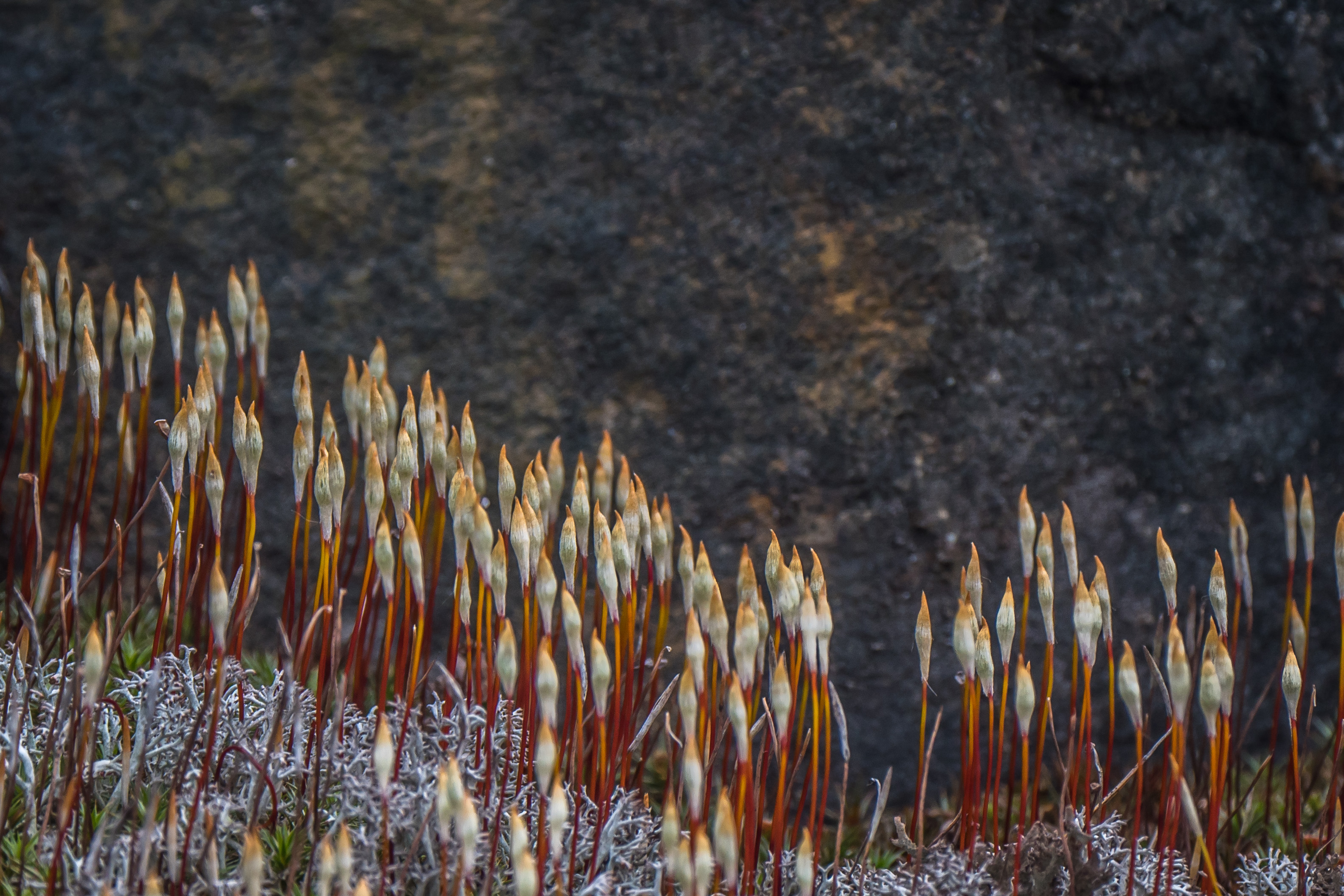
A collection of moss-lichens showing the great diversity of their symbiotic relationships:


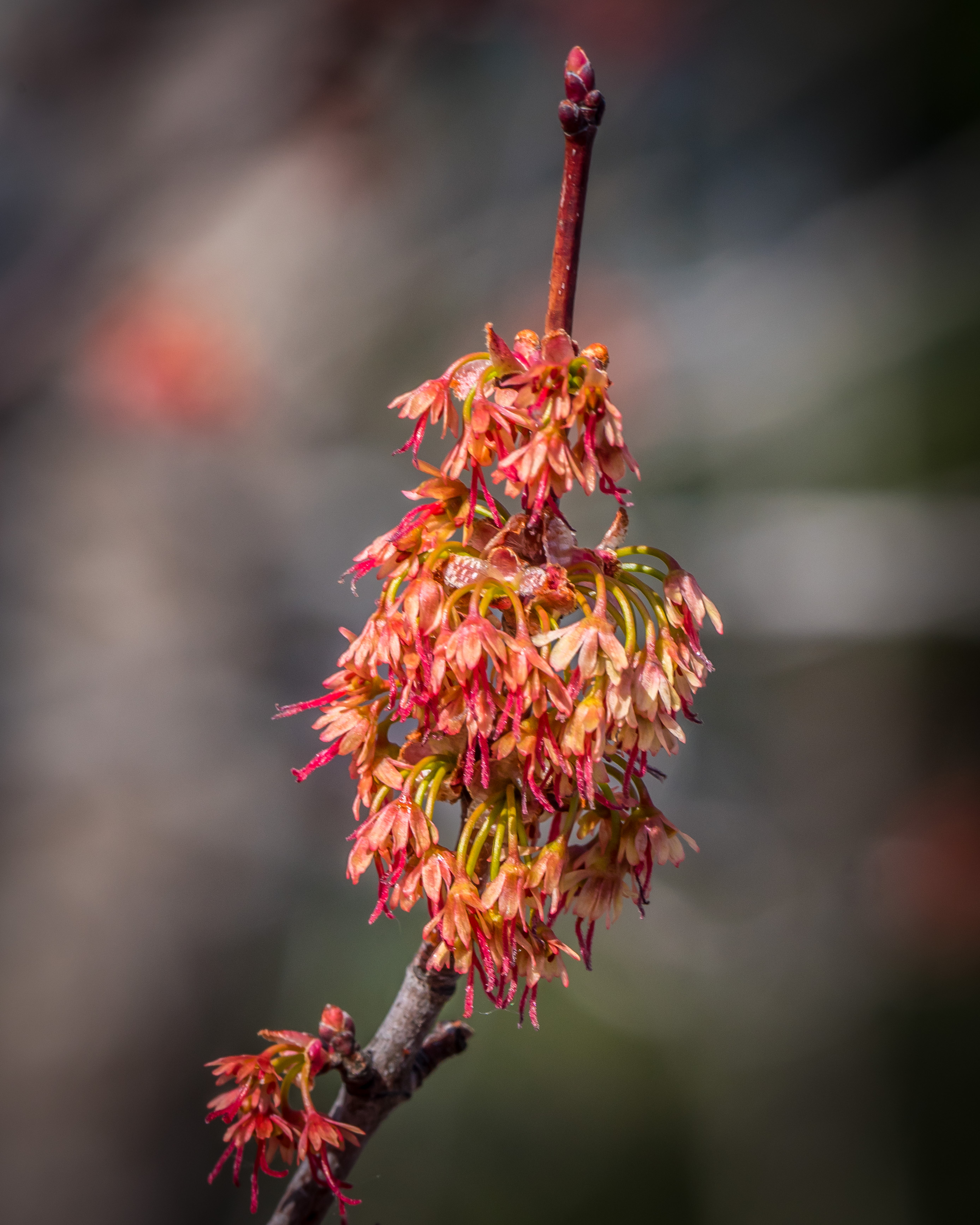
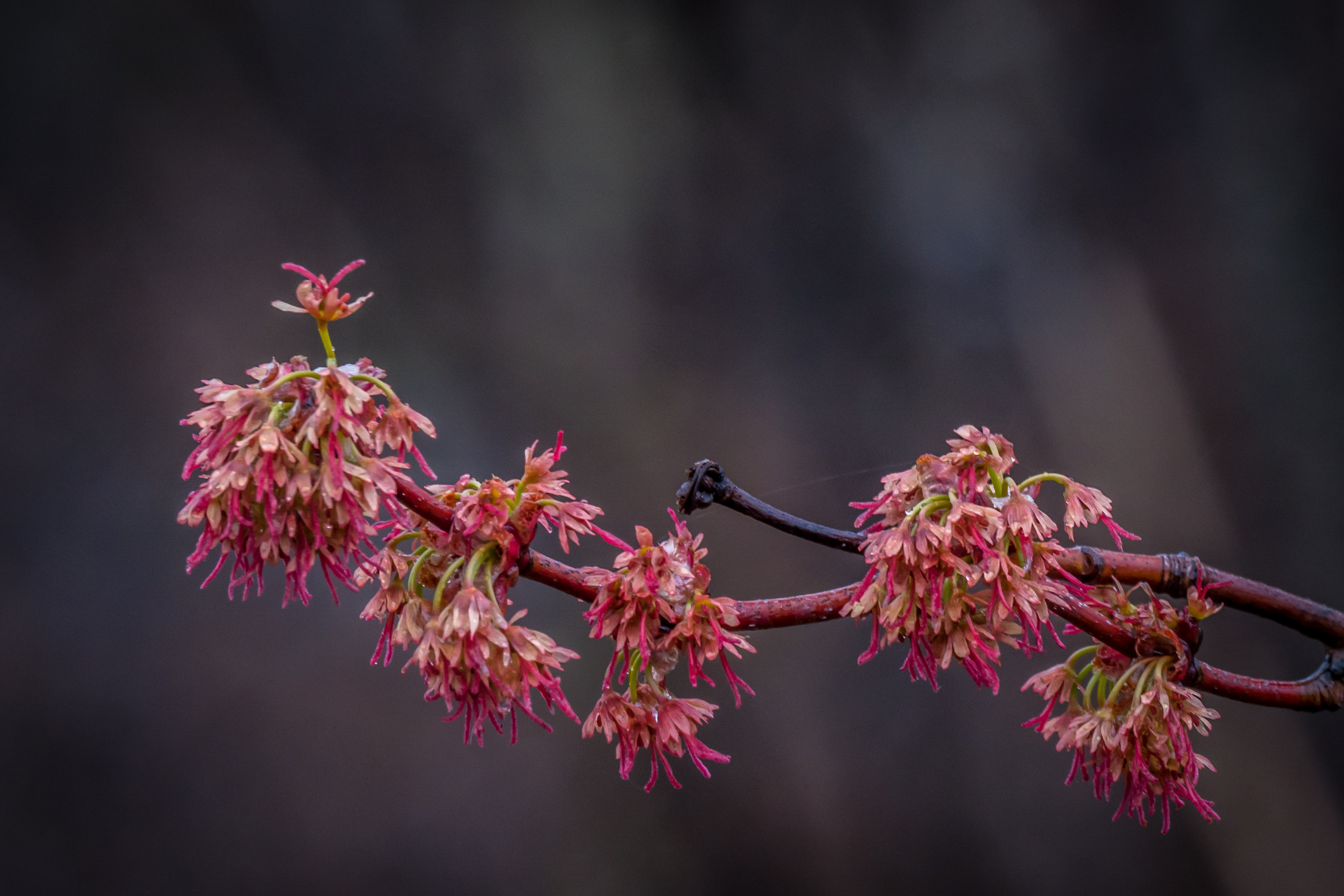
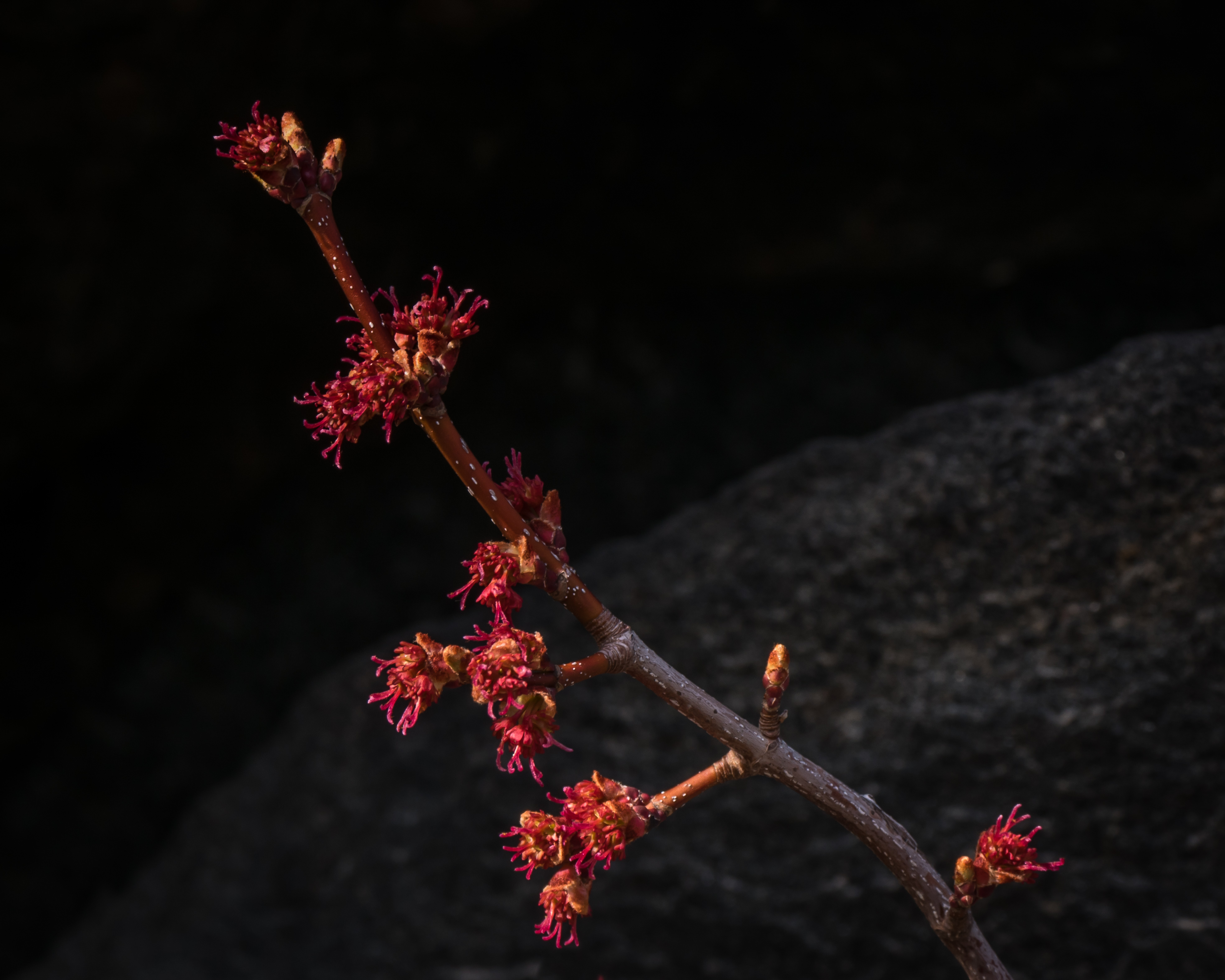
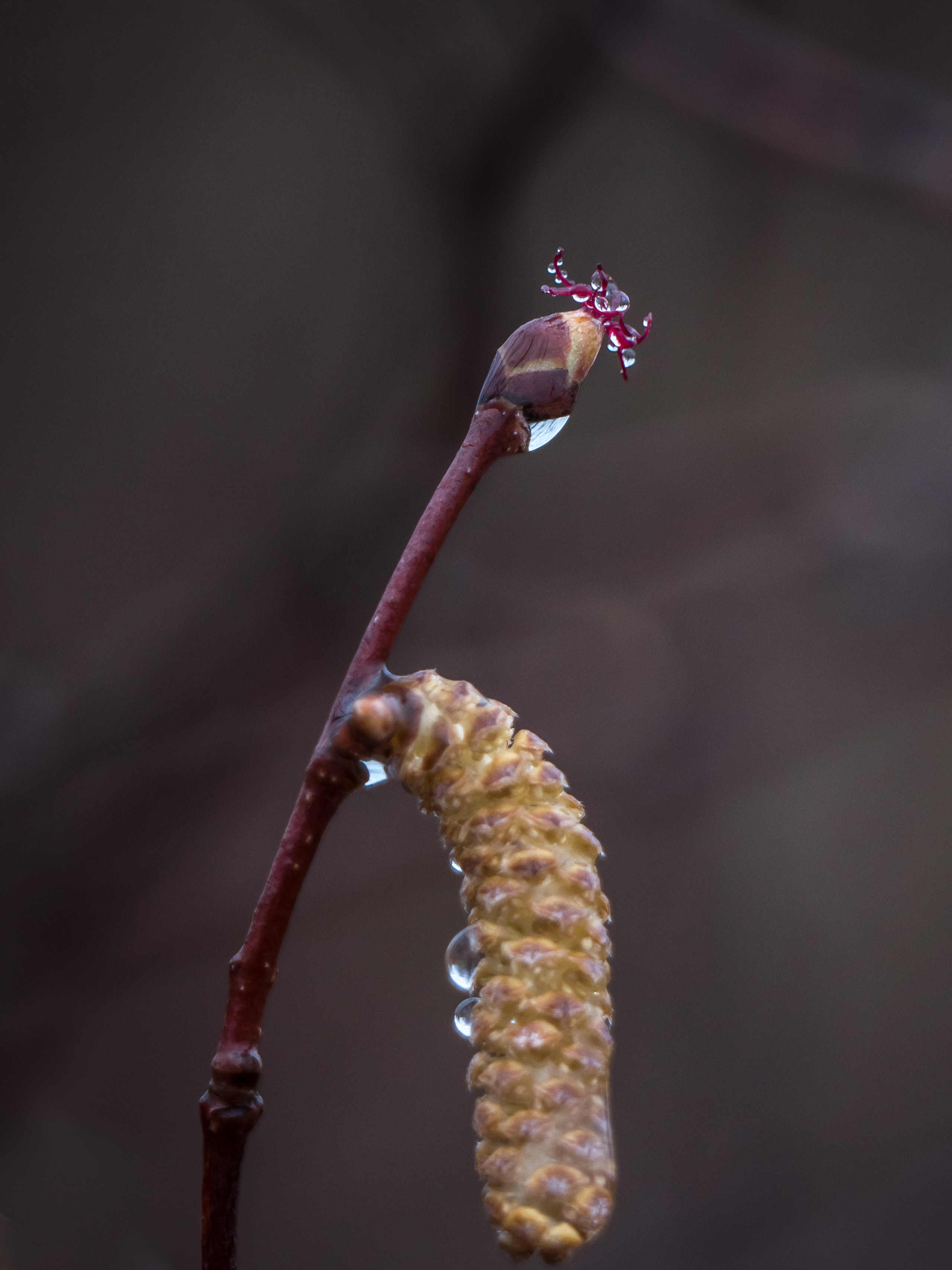
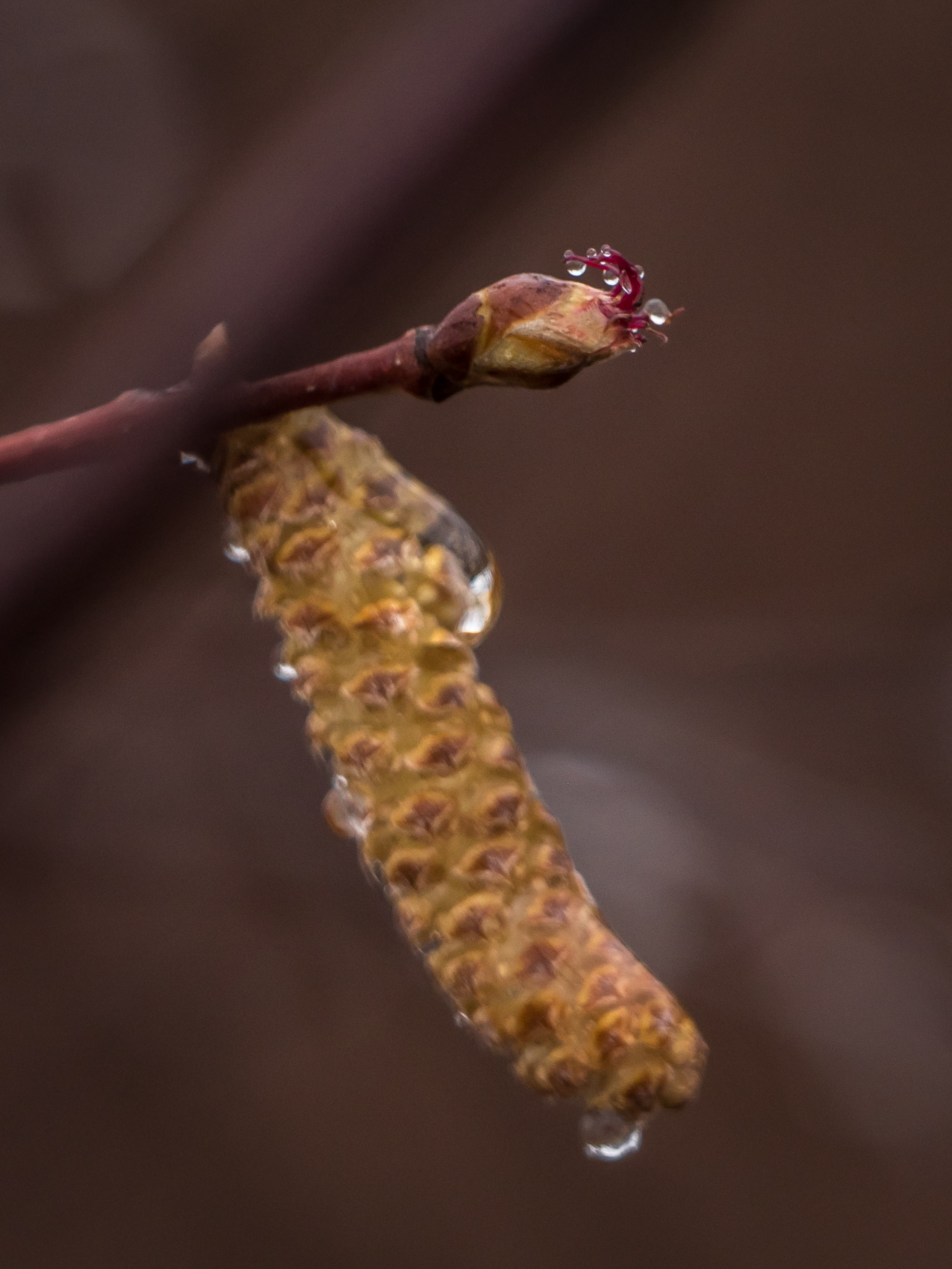
Clear example of clusters of female Acer rubrum flowers:

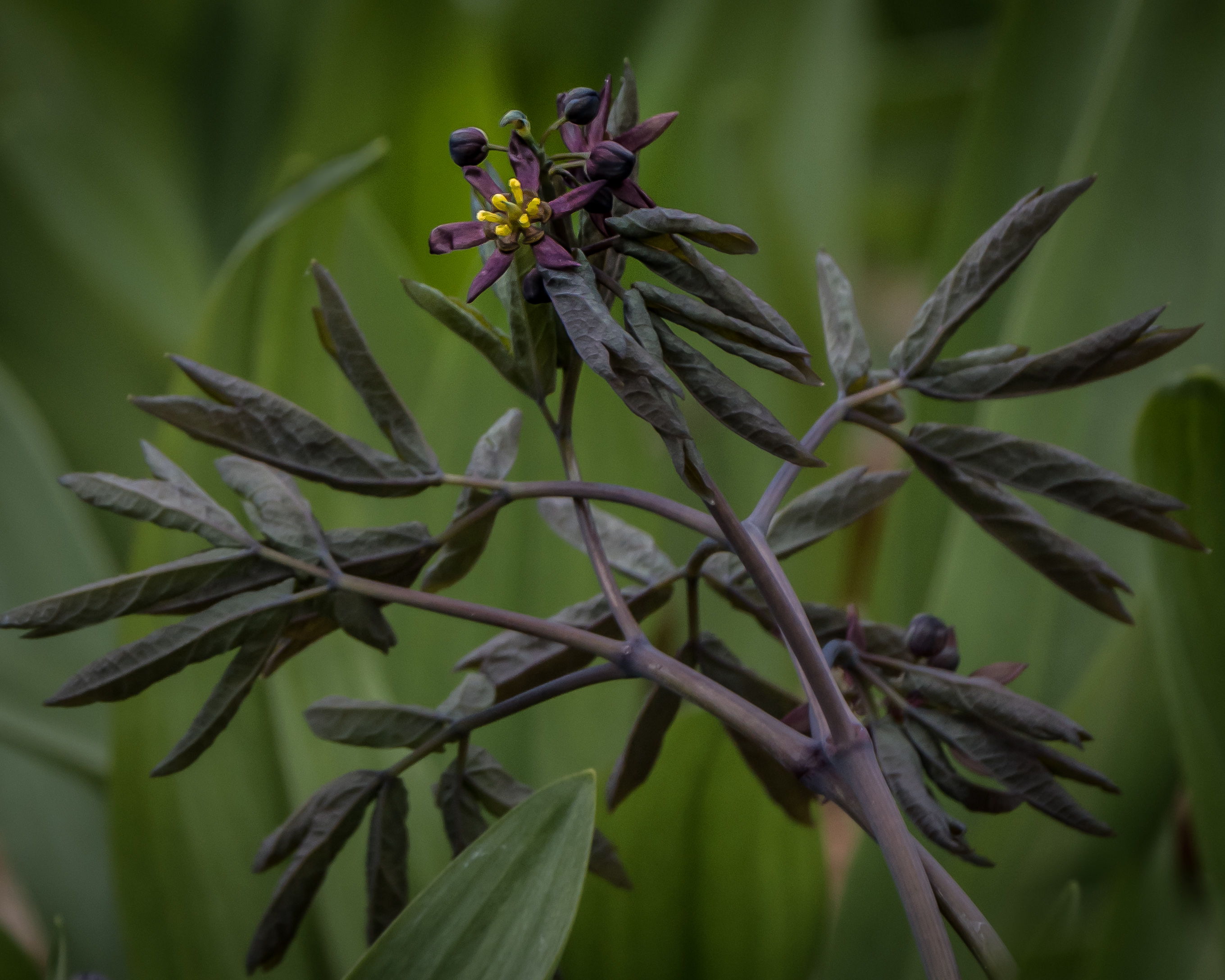
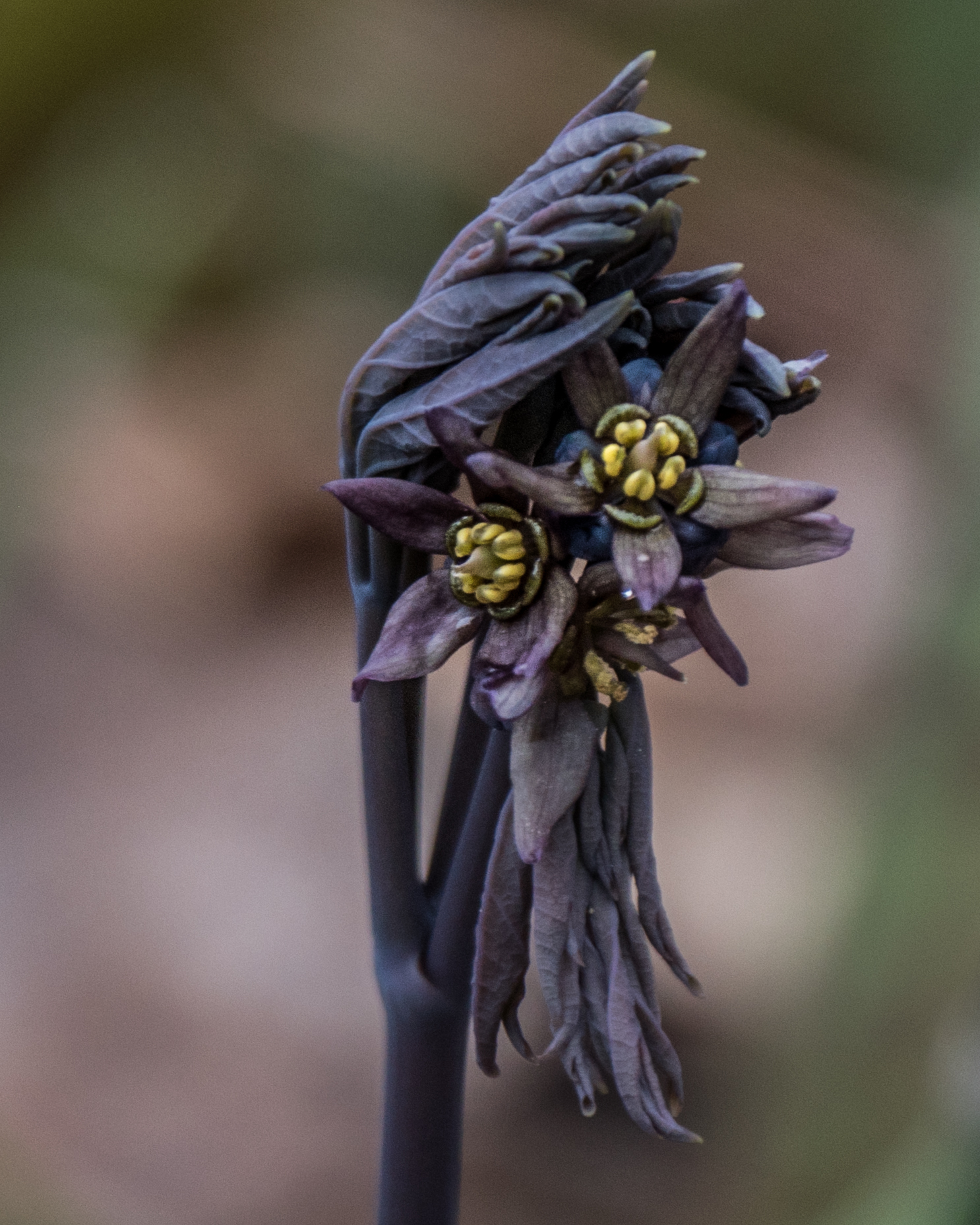
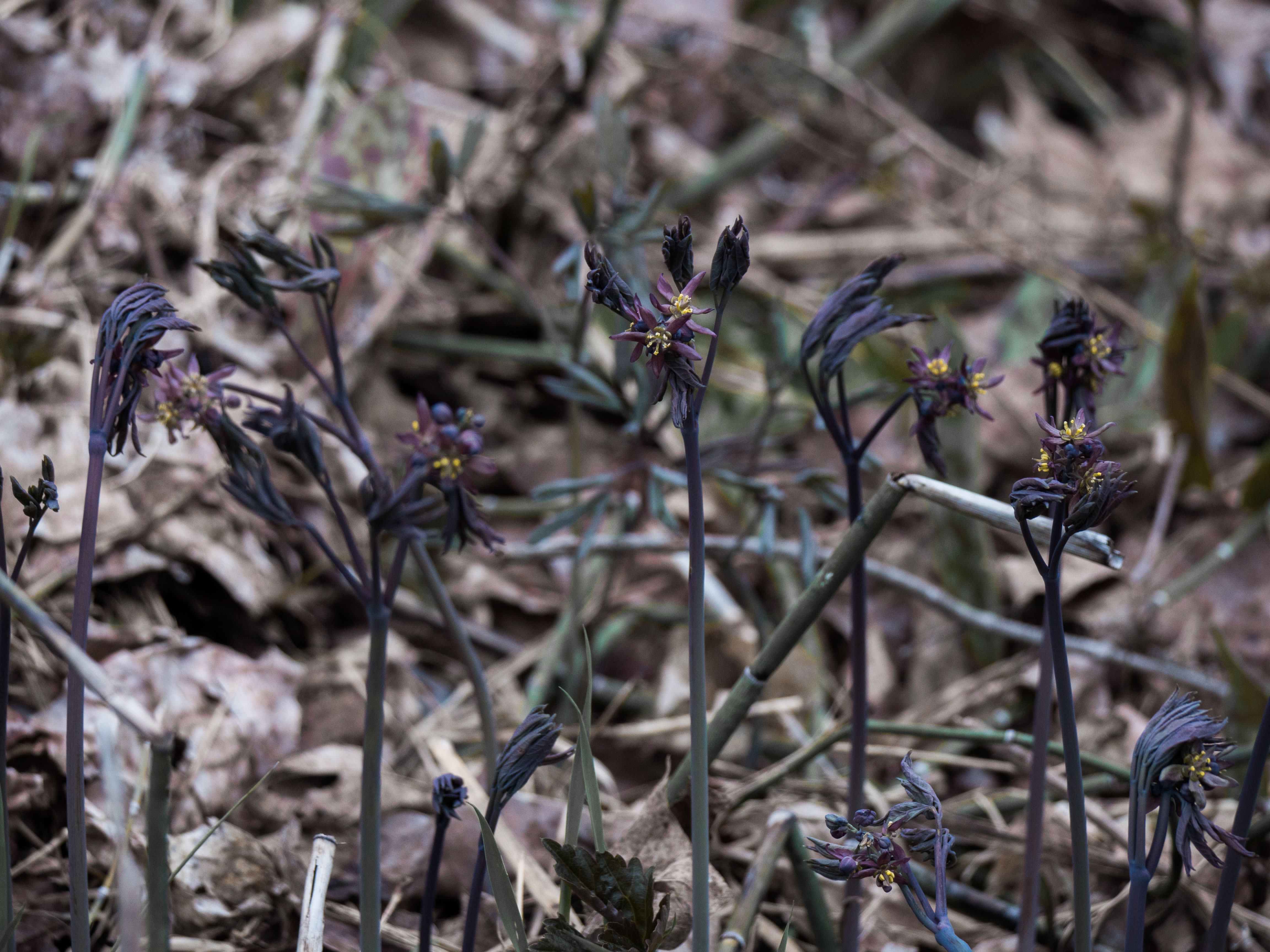
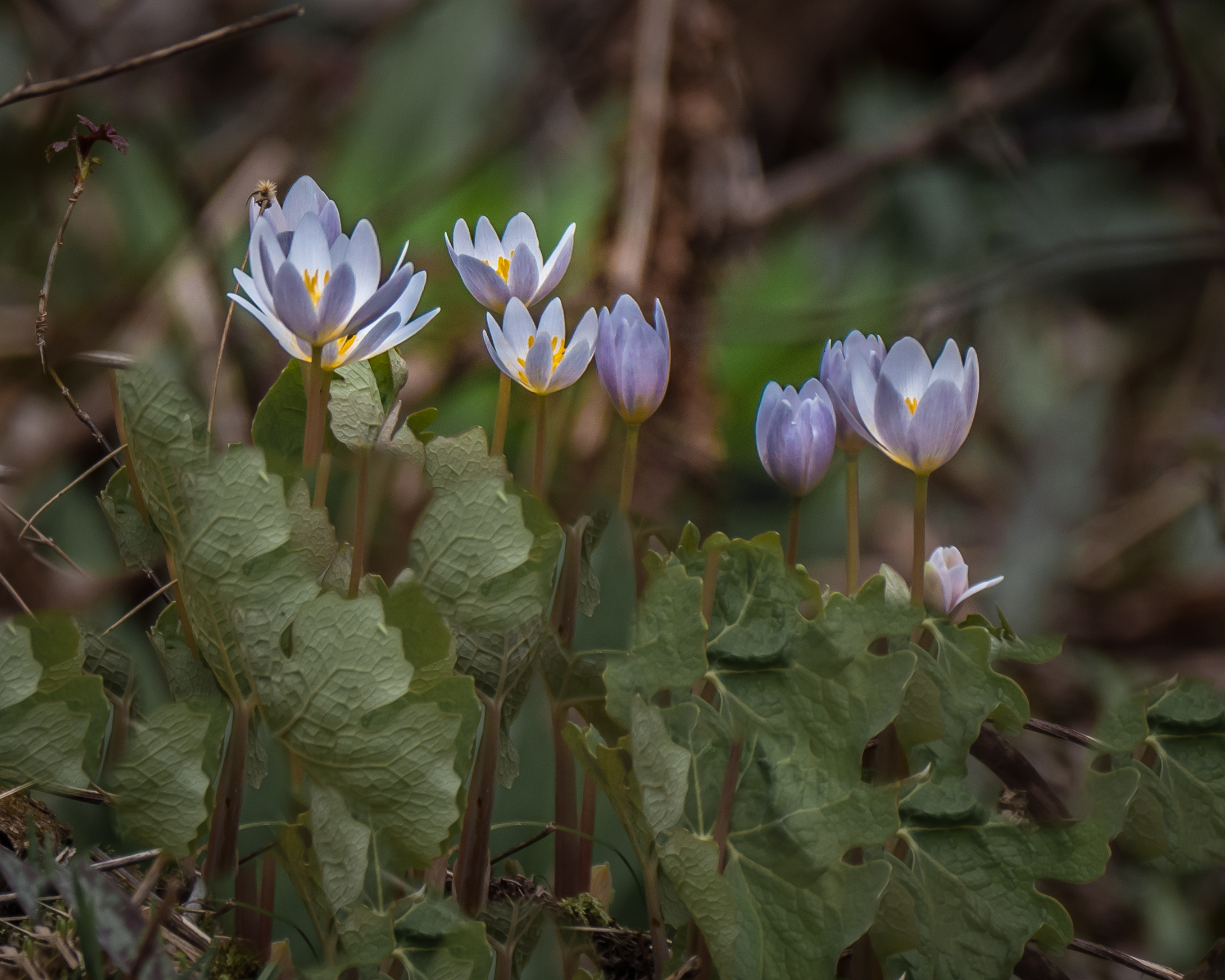
Blue Coshosh bloom very quickly.  One week, even in this cold weather is about the length of the bloom.  A day or so, for each individual floret.

Although I’ve seen one moose this spring, very few deer and no bears have been seen yet.  Perhaps the rainy/snowy cold weather has been a factor.


20170503 Maples, cherries, willows, Carolina Spring Beauties and Bee Flies on Trout Lily and on Coltsfoot

We went for a drive along Harris Lake Road on a warm day to see the progress of the Coltsfoot near the Lake.  Along the way we made a few other photos:

Red Maple is  in an advanced stage of blossoming.   The female flowers are in the stage of pollination here:

Typical grey branch of most native Maples …

This is either a Choke Cherry or  a Black Cherry.   The cluster of blossoms is beginning to show.

Each little bump in the cluster will  become a  cherry blossom, and perhaps, later, a cherry.

Obviously these are male catkins, producing pollen on their anthers.  Several leaf buds are further up this willow branch.

A few feet away  on another willow these female catkins show their pistils, which are easily seen if you click on the photo:


Carolina Spring Beauty at its prime …

Nice Trout Lily …

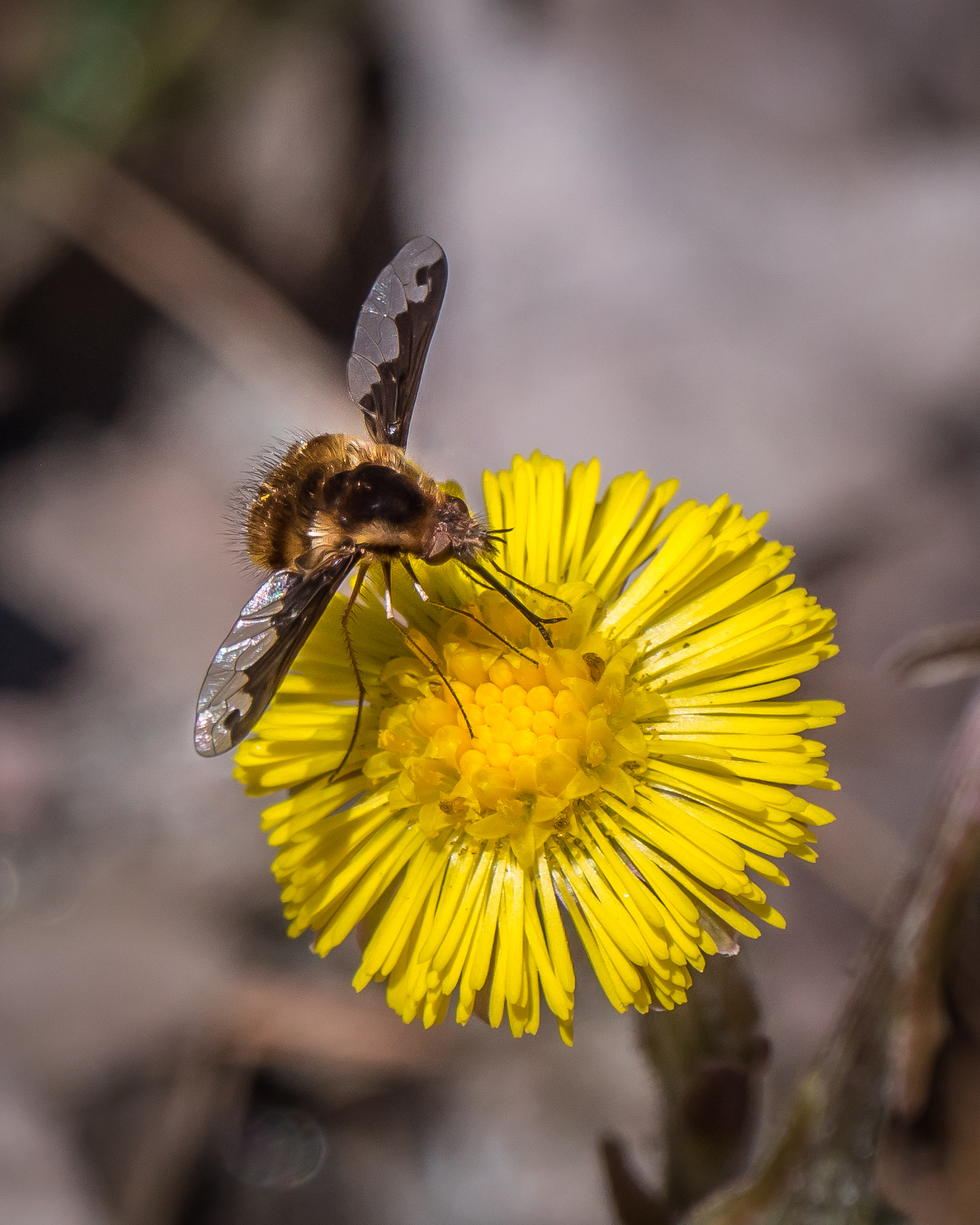
This Trout Lily has a visitor.   See the interesting markings on it single pair of wings…. a fly NOT a bee.

If you click on this photo you can see the fly  looking up along its proboscis towards the base of the lily, where the nectar is.

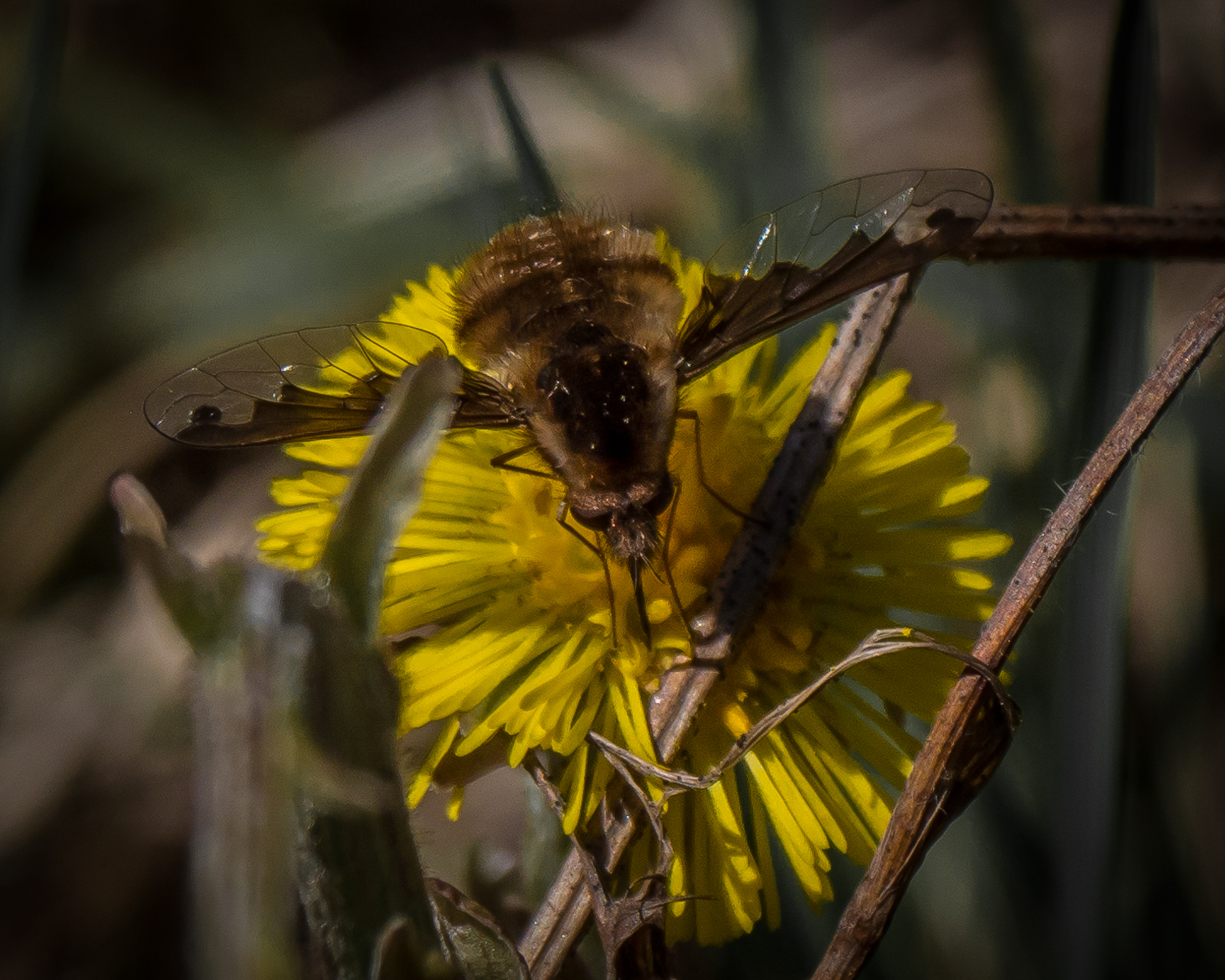
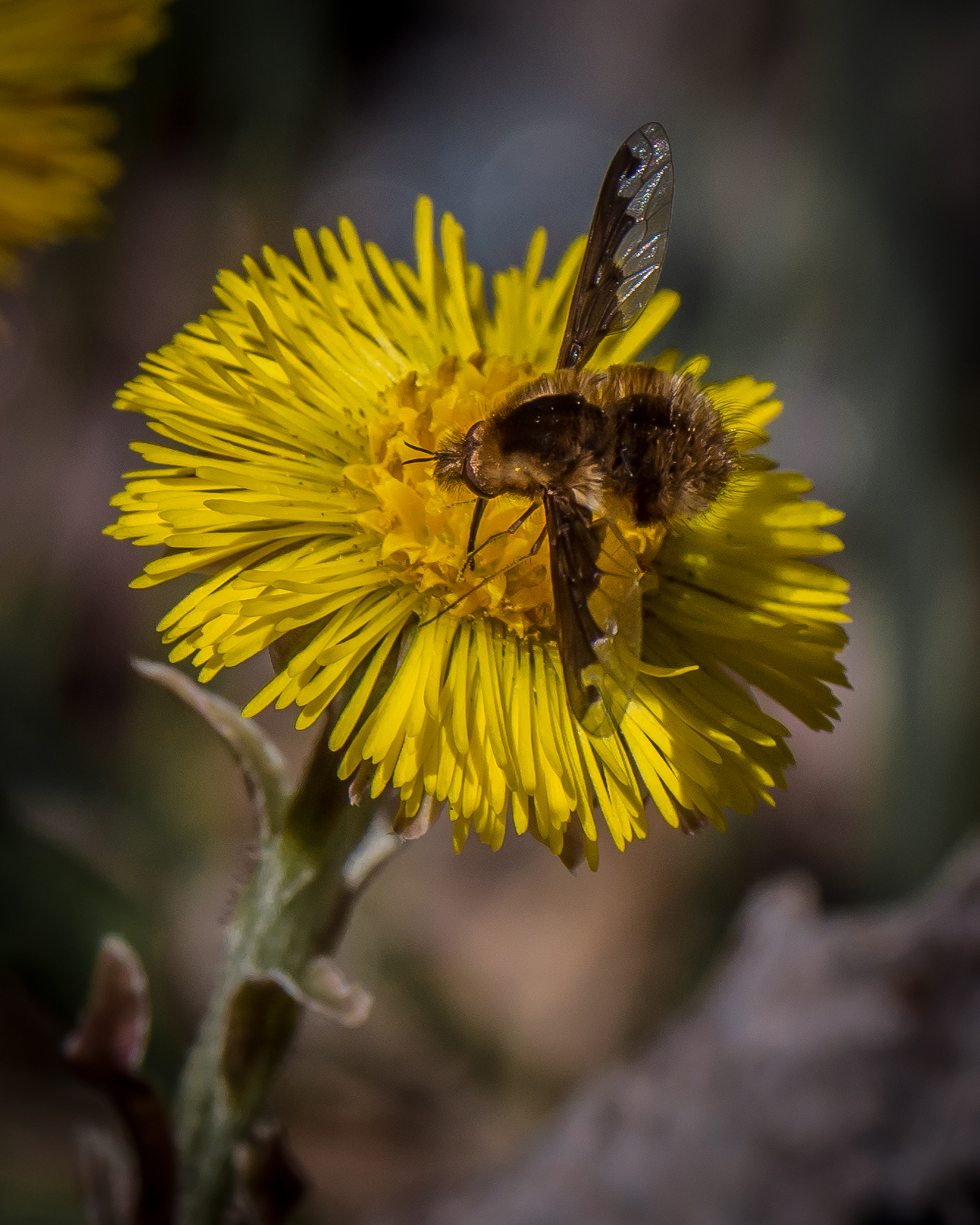
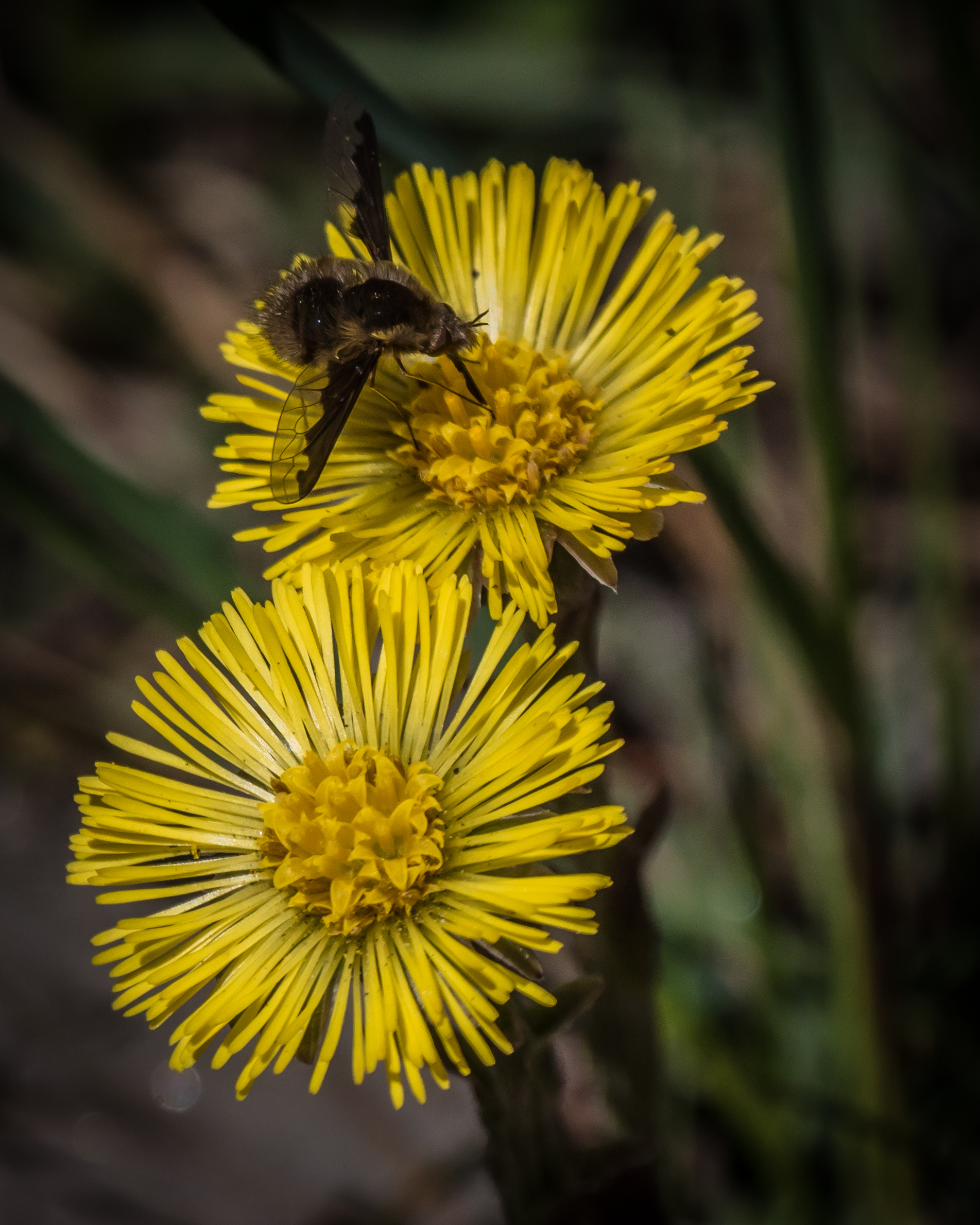
What follows is a lot of images of  “Large Bee Flies” on the very early blooming Coltsfoot.  You’ll get some detail if you click on the images to enlarge them.

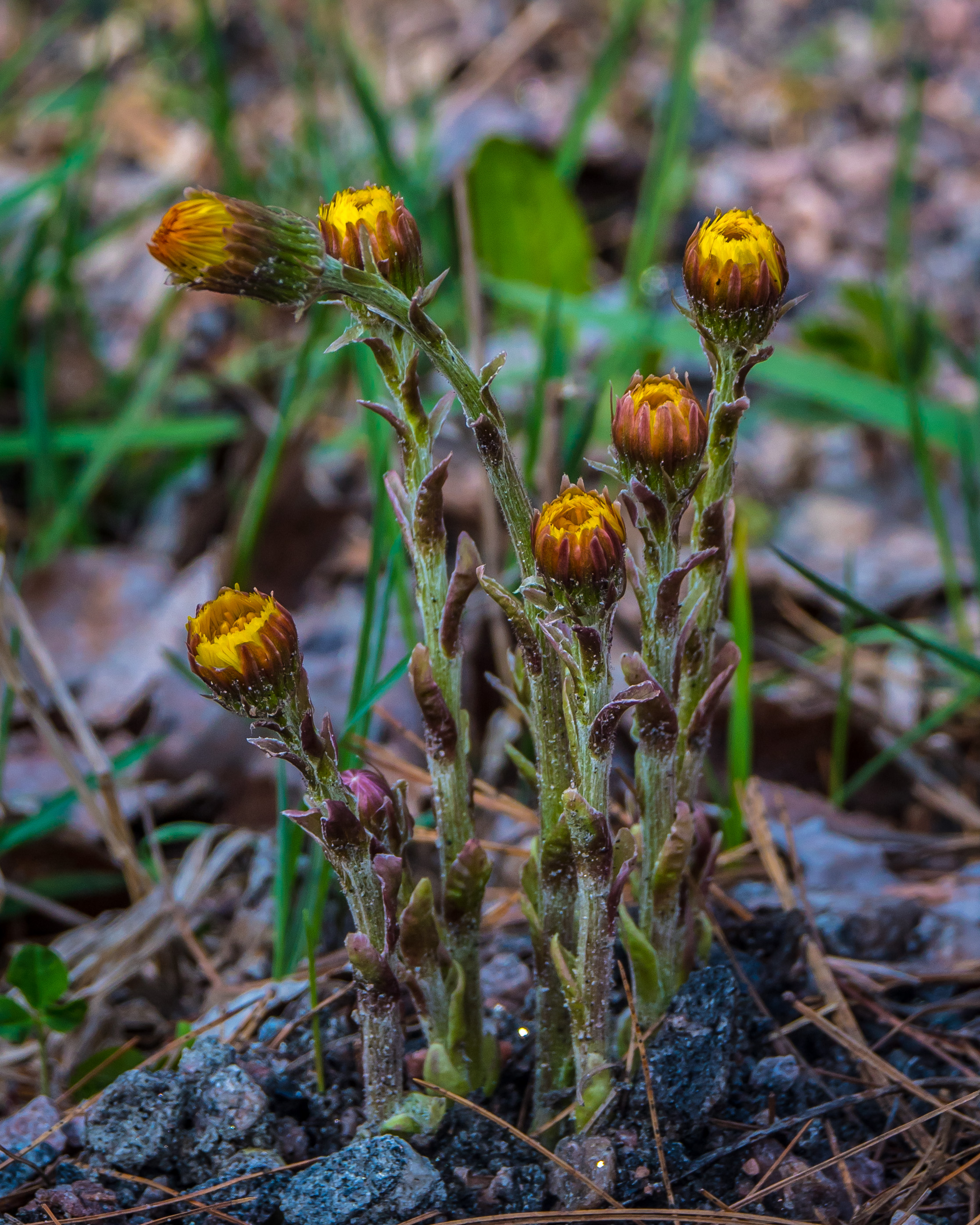
This is a typical cluster of Coltsfoot on disturbed land in a heavily wooded area.  No leaves yet.  They’ll come later, at the base of the plant,  shaped like the print of a colt’s foot.

There is that two winged (single pair) beastie again, nectaring with its long proboscis.

Head on view, with it prominent eyes just ahead of its dark spot.  Its eyes have a spherical shape, very different from the shape of bees eyes.

I stayed about 10 minutes and saw  many flies.  They all stood on the flower when sucking nectar.  None took the nourishment while they were aflight.

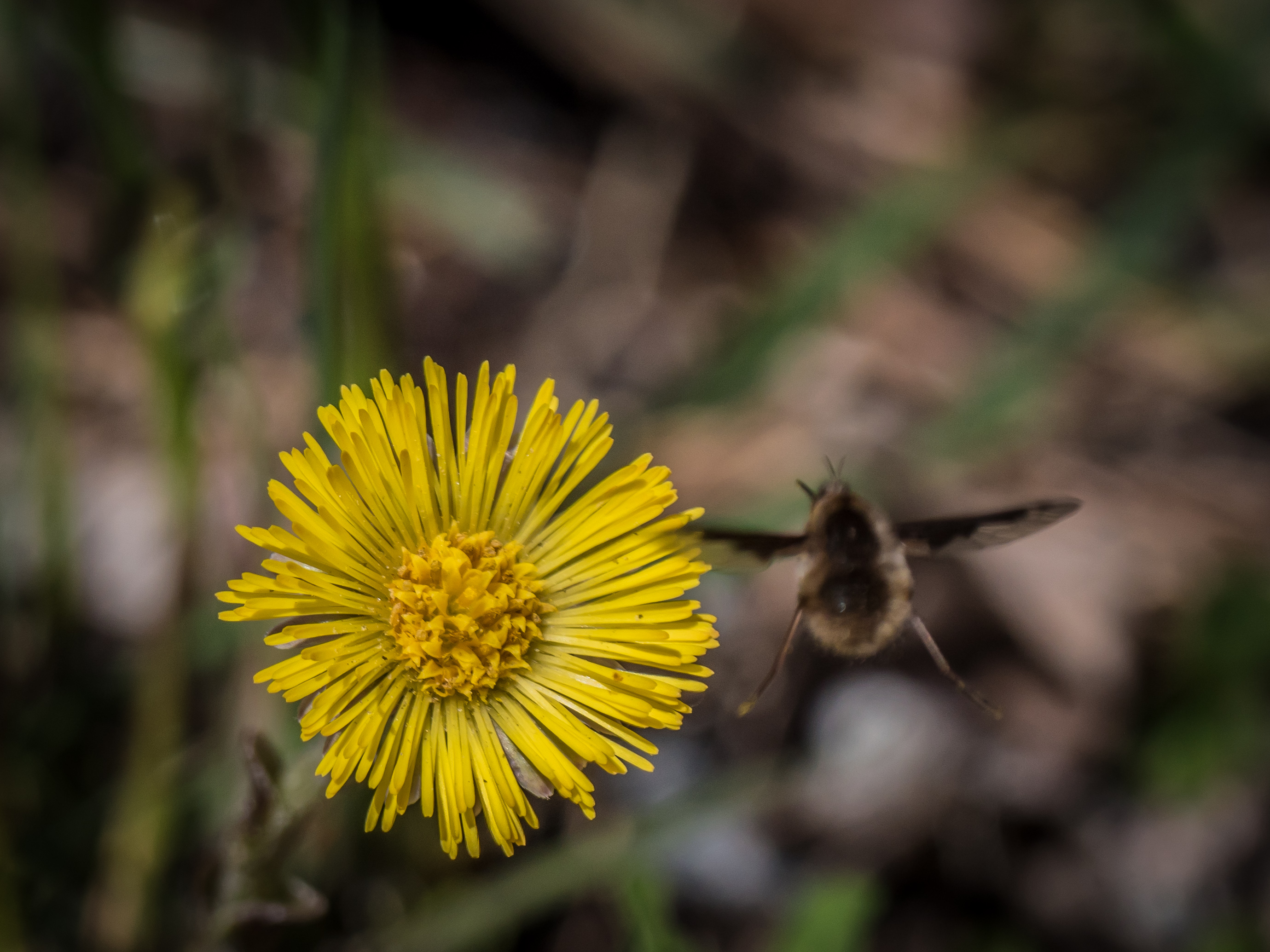
There is another unidentified blurry beast coming in from the left side of the photo …

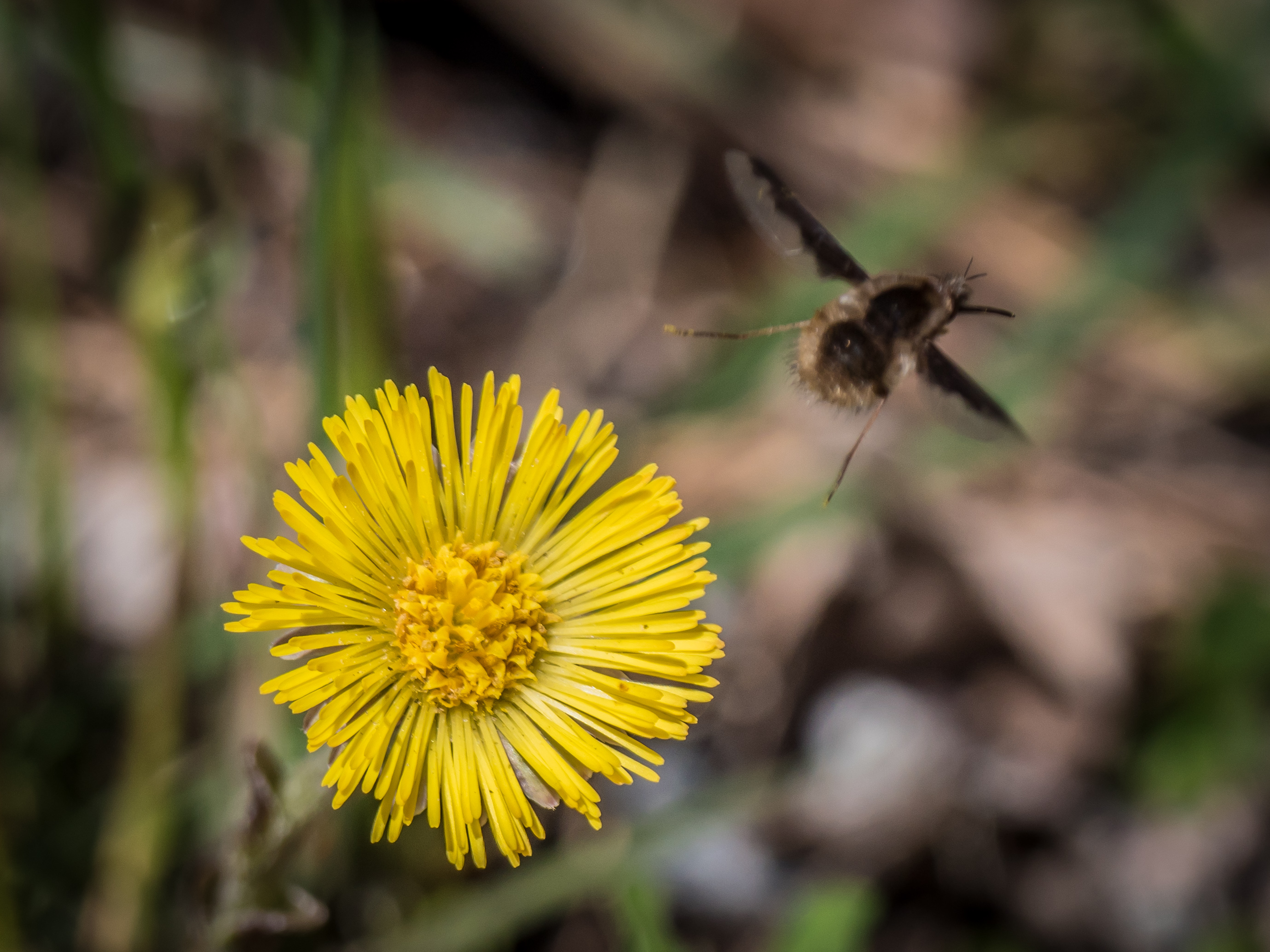
It buzzes the Bee Fly and …

… continues its flight up to the right …

This fly has just removed its proboscis ….

… and flies away.   Leaving it legs dangling is common with these flies apparently.

Here are two flies nectaring on adjacent flower heads.


In deep, searching for nectar …

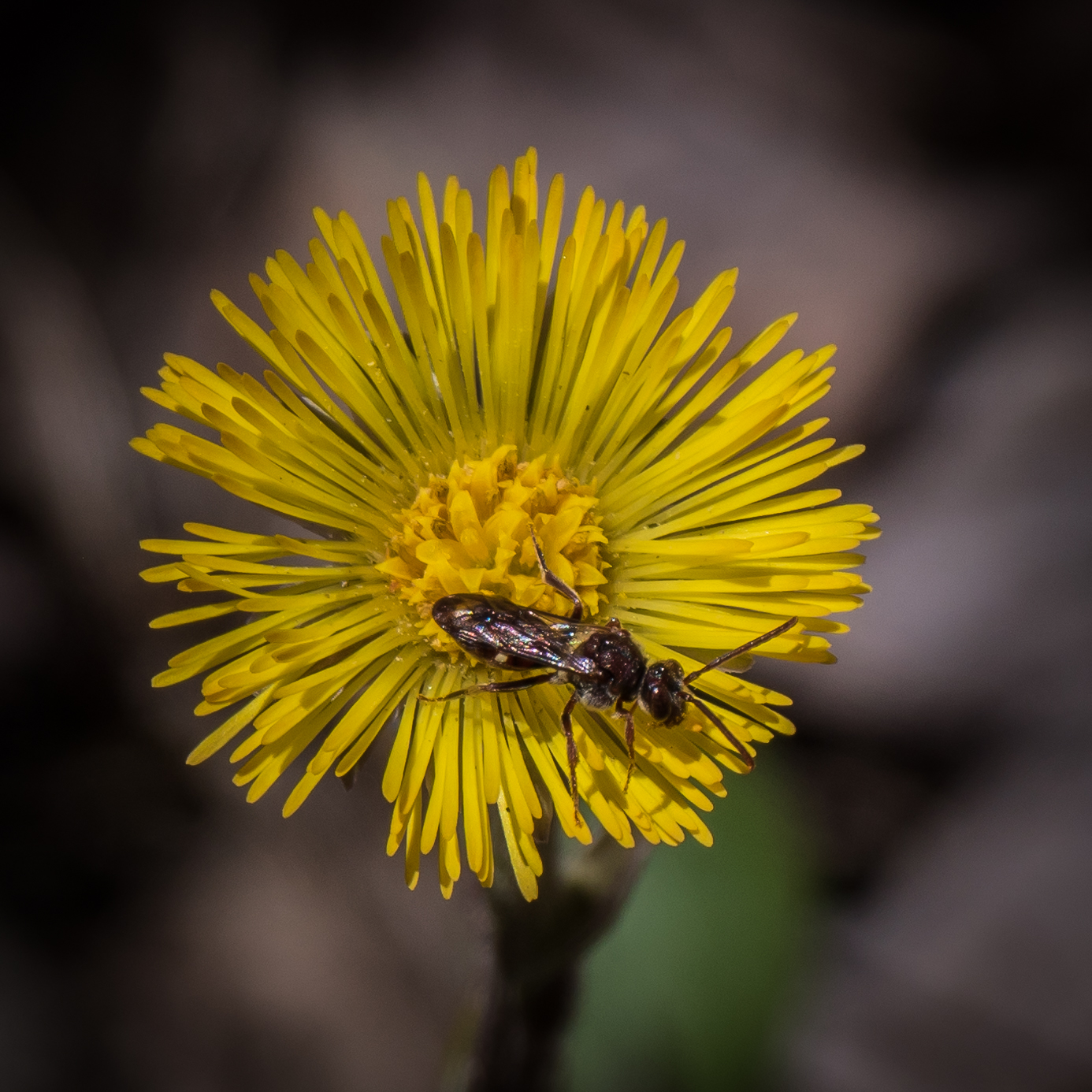
A different insect, not yet identified… (Help!) feasts…

Another one, leaving….


Such a nice little flower, I had to include this photo…

More action…

Putting on a show for the photographer …

It doesn’t retract its landing gear …


This Large Bee-Fly,  Bombylius major has some interesting behaviour some  of which is shown in a video and an animation at this well-written, well illustrated article.  I was lucky to make its acquaintance!

Save

Save

20170502 Rainy: Maple blossoms, Song Sparrow, Early Saxifrage, Viburnum, Sambucus, Moss, Trillium

Another rainy day yielded these photos taken locally.

A red maple: I think displaying flowering buds, at various stages:

These certainly look like female Acer rubrum flowers.

This appears to be an earlier version of the above, with stamens also attached:

Advanced leaf in a microclimate next to a south-facing rock…

Female house sparrow, I think….

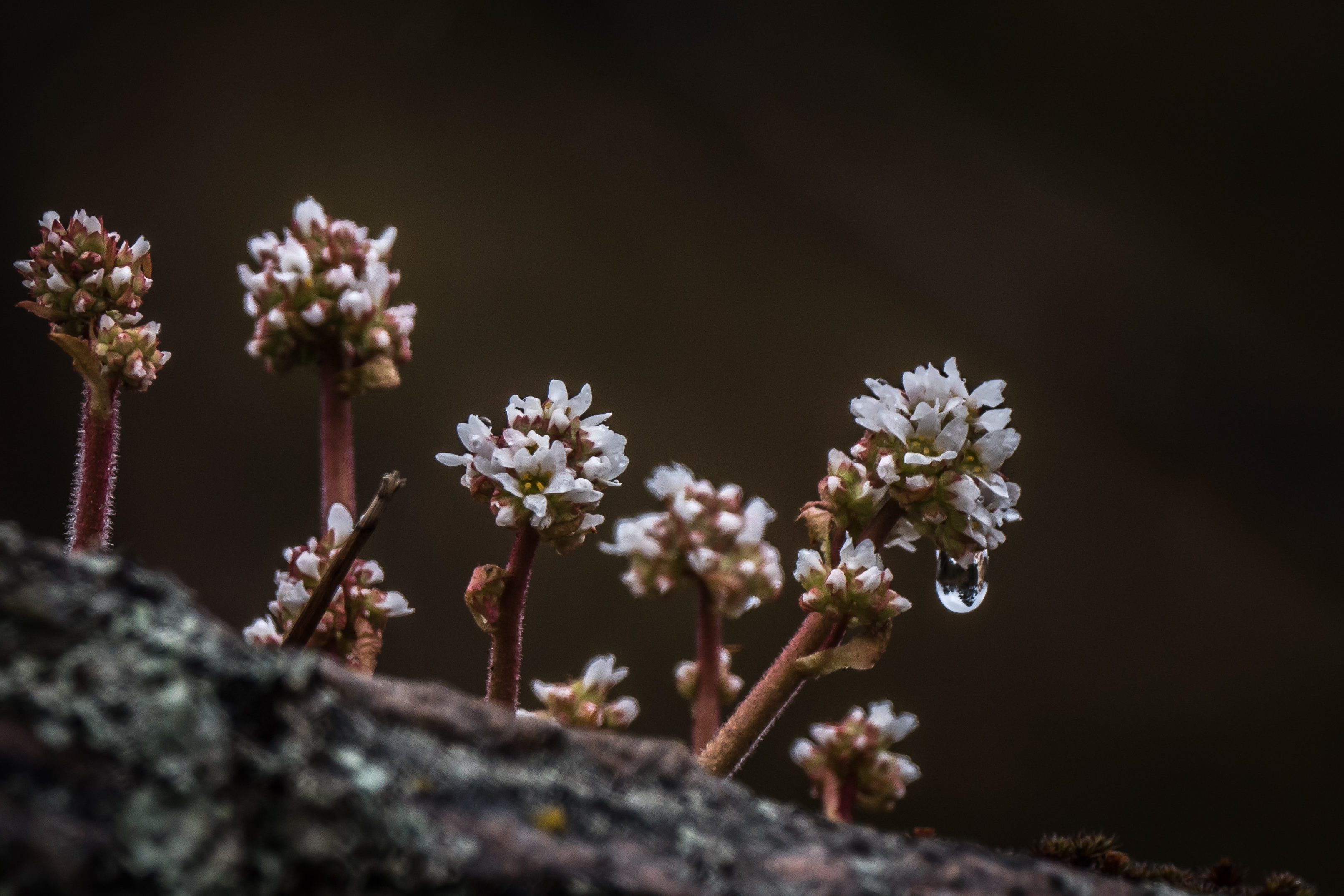
Early Saxifrage peeking over the rock ..

Terminal flower bud of one of the Viburnums:  Probably nudum var. cassinoides .  I think that it is a Northern Wild Raisin because this is within an area where they are plentiful.

Elderberry … Sambucus:

In spite of reading this very technical, well illustrated article I still cannot determine what these structures are:

Above and below: Very different sporangia!

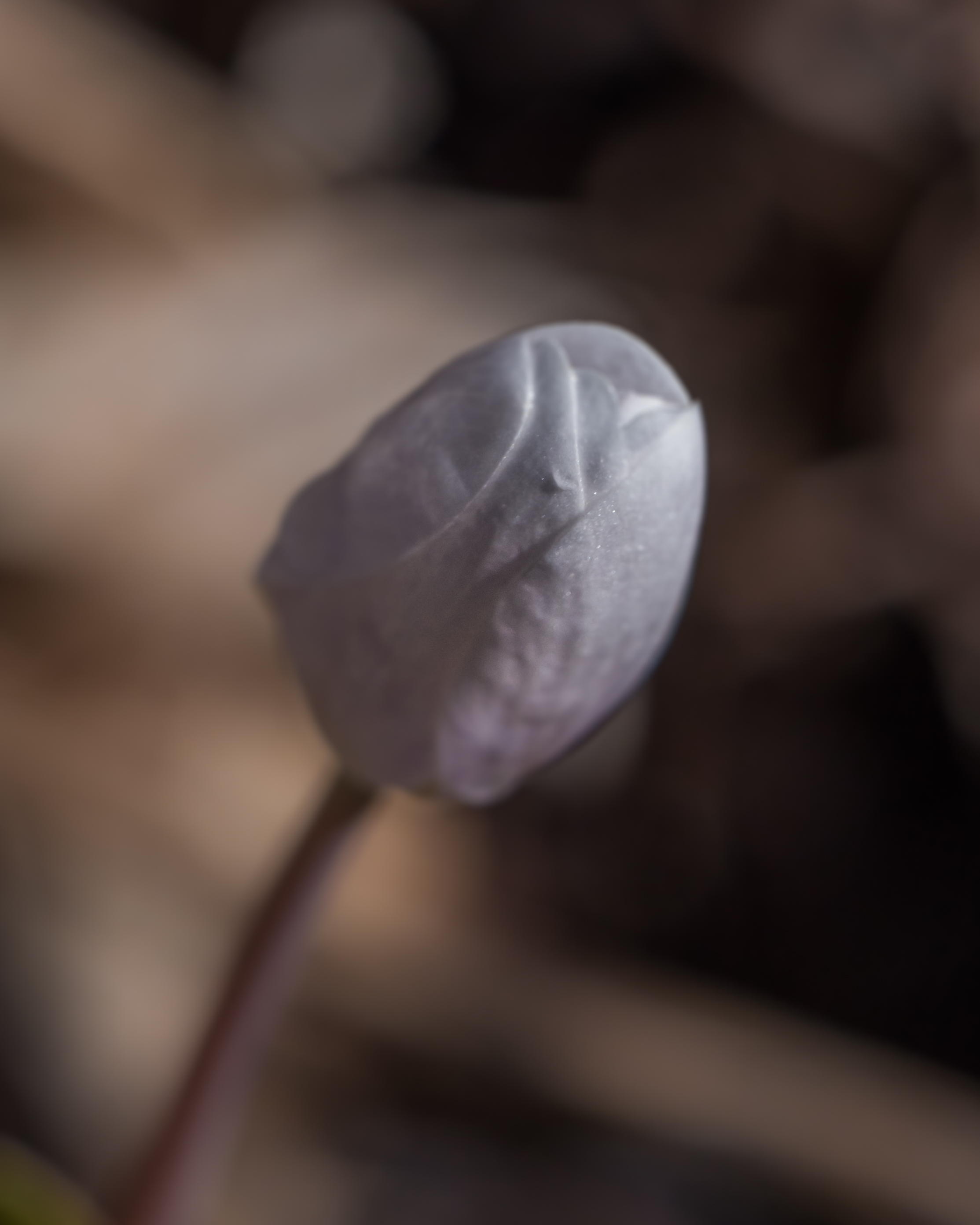
First glimpse of Ontario’s Flower:

I am using a bit of a different publishing method this time.  We’ll see how it works out.

Save

Save

20170430 Early Saxifrage, Dutchman’s Breeches, Blue Cohosh, Hairy Woodpecker, Pale Corydalis, Marsh Marigold, Bryophytes

April ended on a wet day.  Here are some local scenes that we saw from the window of the car.

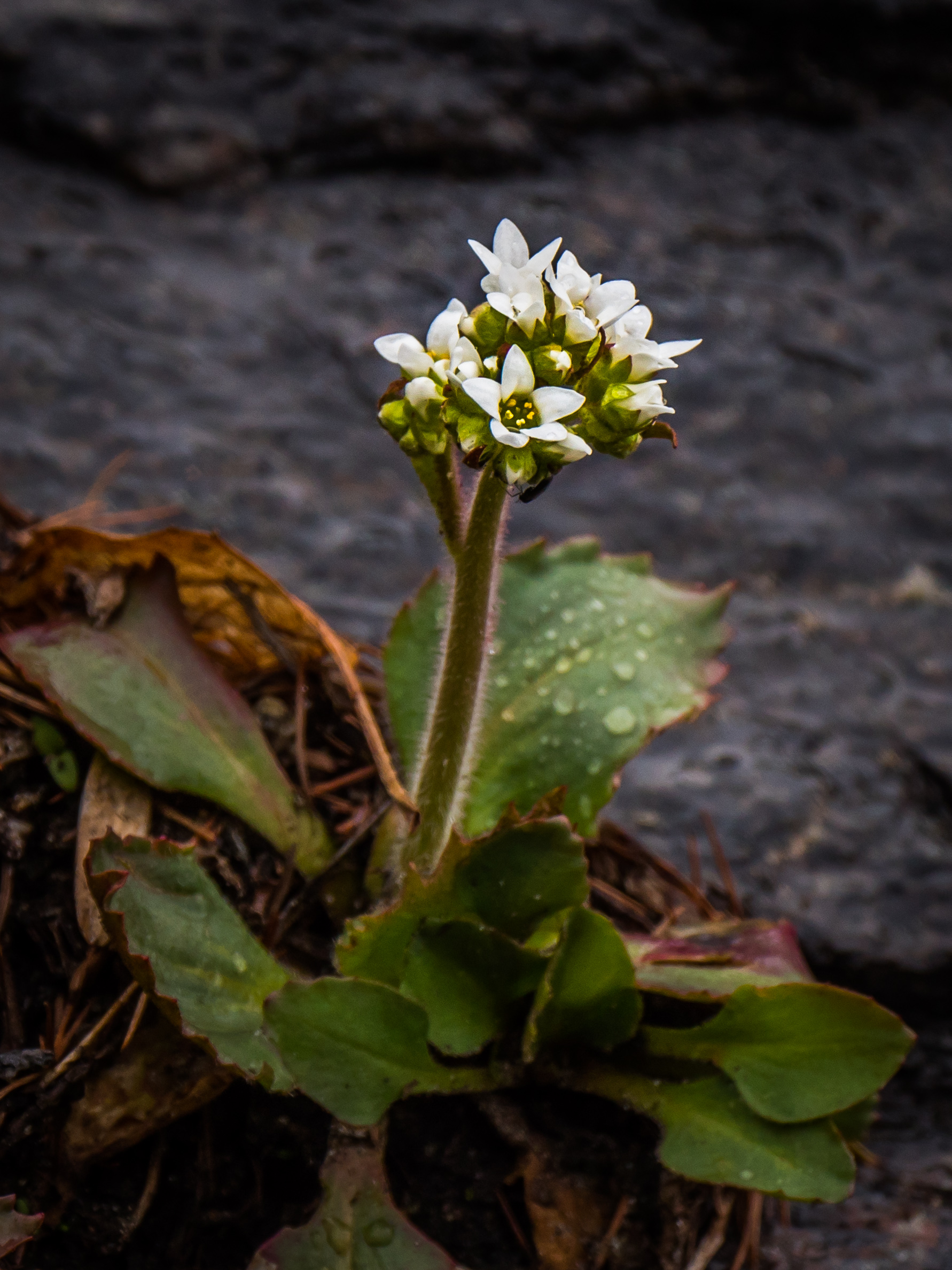
The Micranthes virginiensis are progressing rapidly, in spite of the cold wet weather.   Here are a few along Boucher Pit Road:


Aka Early Saxifrage.  It has a huge range:  North America from the Gulf of Mexico Northern Coast (30ºN) to the northern tip of Ellesmere Island (83º N, about 800 km from the North Pole).  It would be interesting to study the changes in this plant depending on its Latitude.  I know of no other plant that has such a wide range of Latitude.
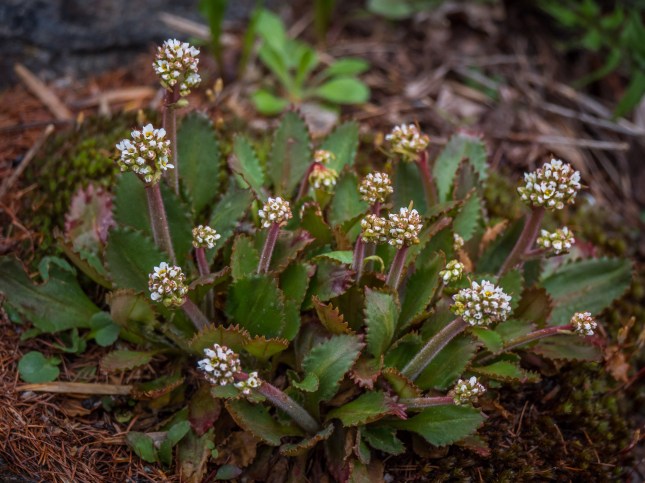
Choke cherry, Prunus virginiana with its clusters of  blossoms starting to emerge …

A maple which I am not sure of.  I will keep track of it across from Dave and Jenny’s.   Beautiful little flowerets.

Dennis and Anja’s daffodils have suddenly emerged…

I wonder what those rust coloured “blossoms” are  below the spore capsules of this moss….

Dutchman’s Breeches can be distinguished from “Squirrel Corn” by the yellow “waist” of the breeches.


These are always found in very rich soil, usually under deciduous trees,  in this case at Key River.

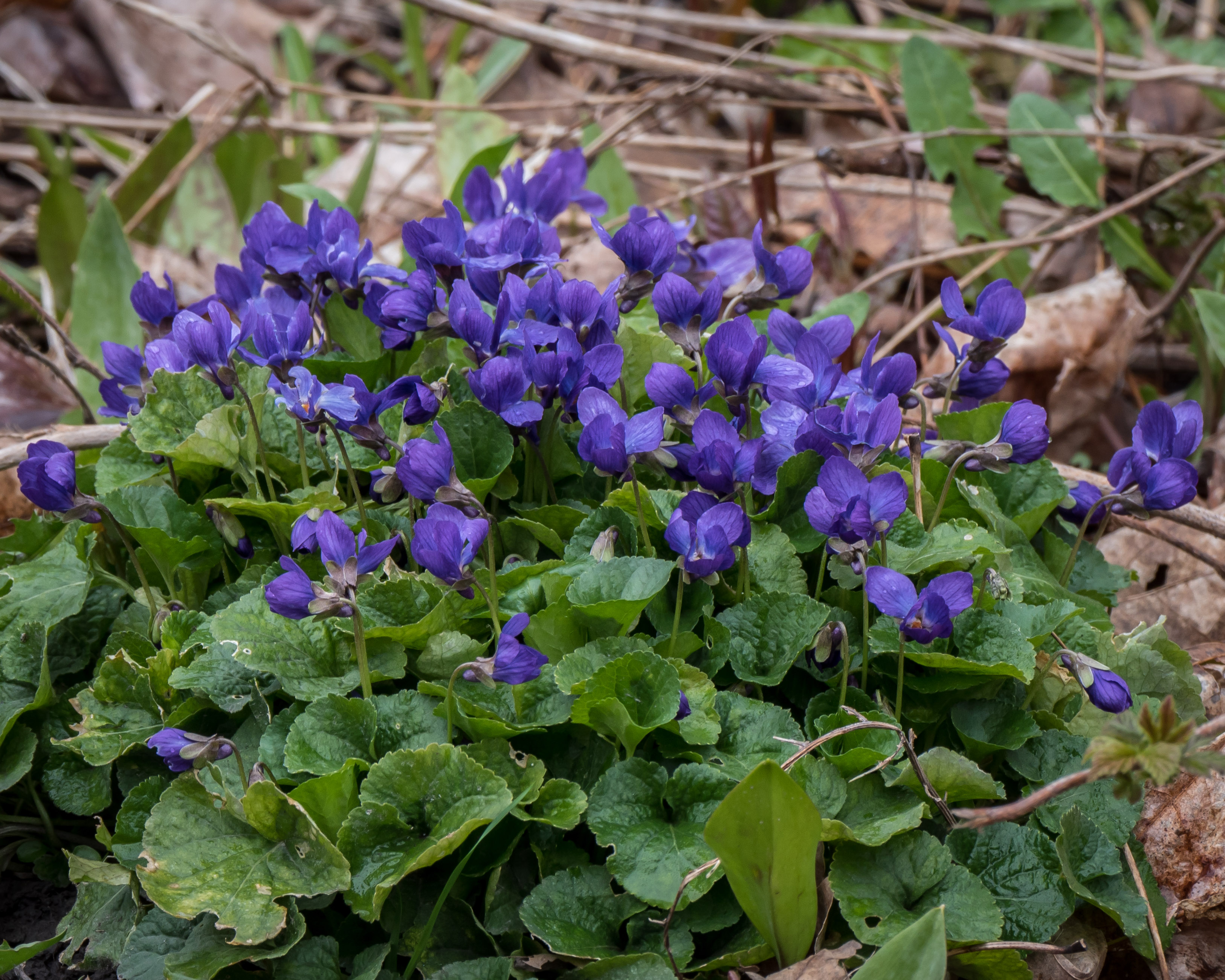
Violets running wild in the forest floor.  Escapees?


Also found in very rich soil, with Breeches, Wild Leeks (Ramp), Ostrich fern, Jack-in-the-Pulpit is this uncommon Blue Cohosh:

Not easy to see against the leaf litter …

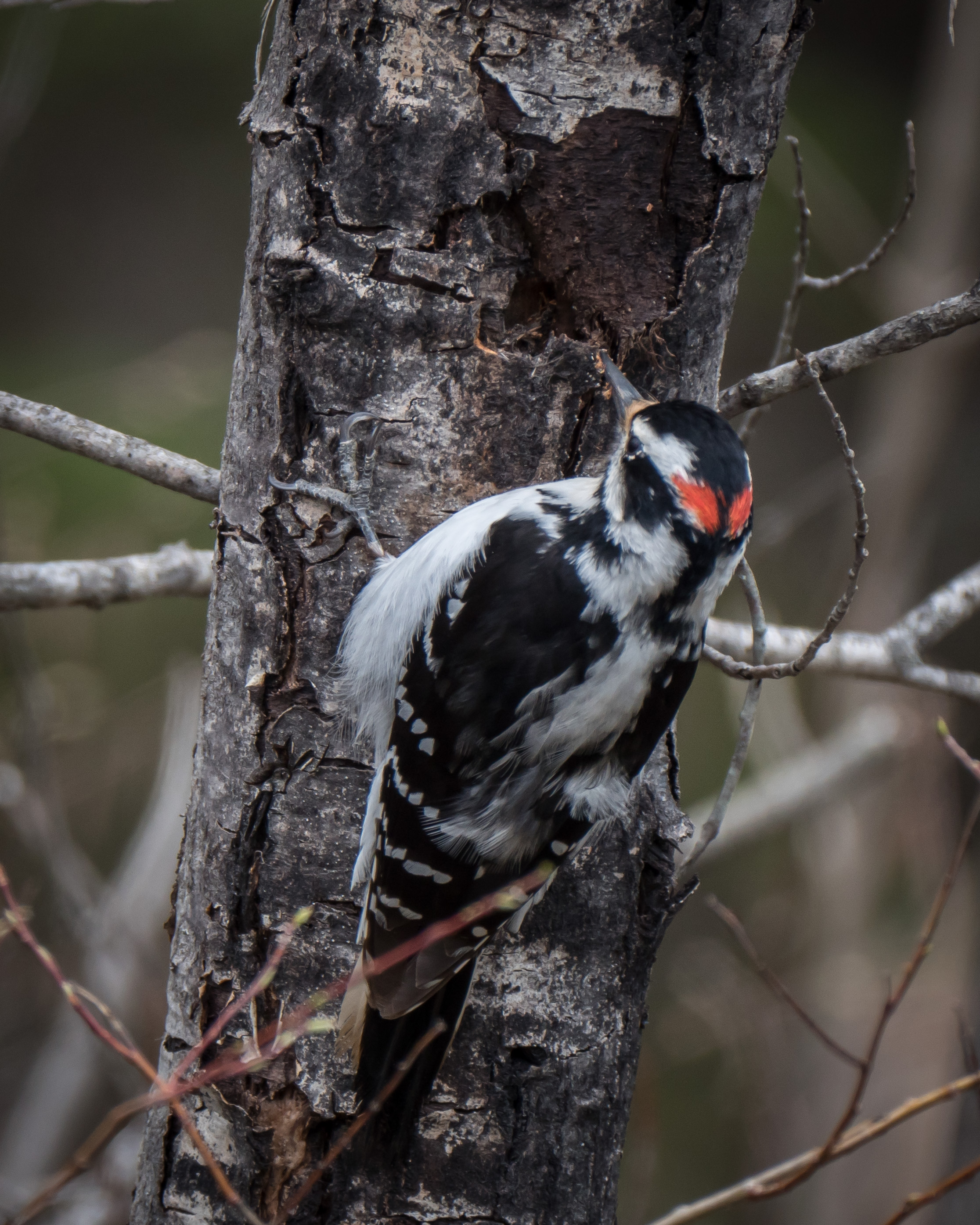
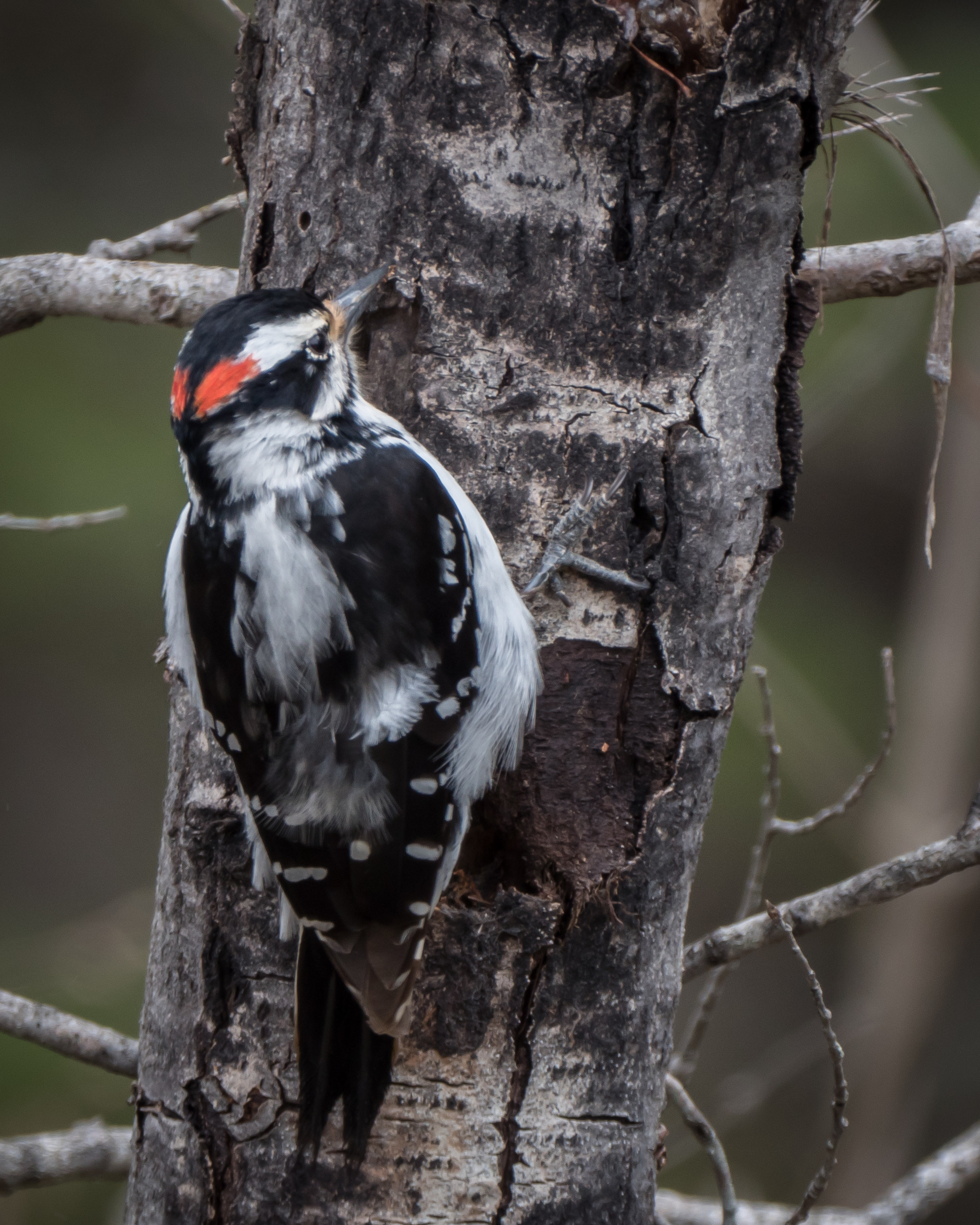
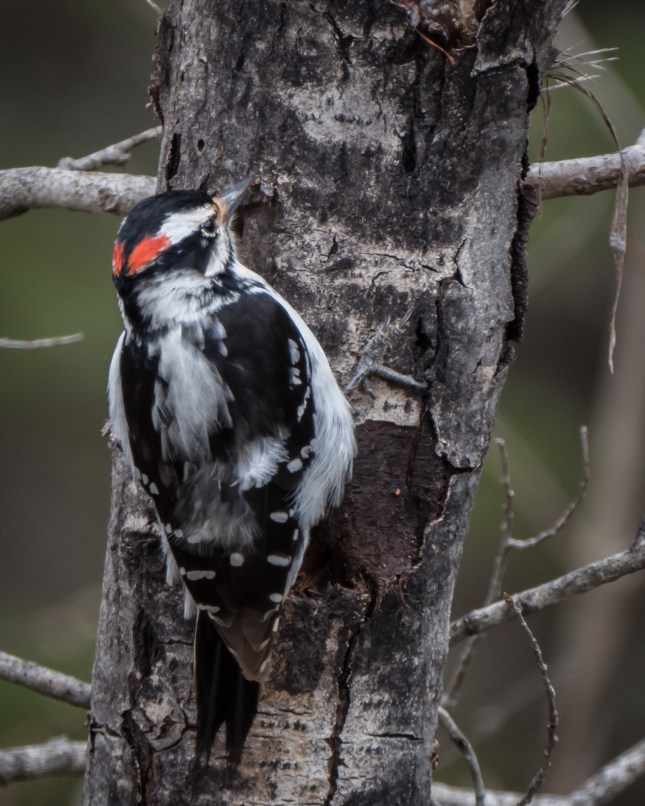
Hairy woodpecker having a good feed on the critters sheltering under the bark of this Aspen.

 

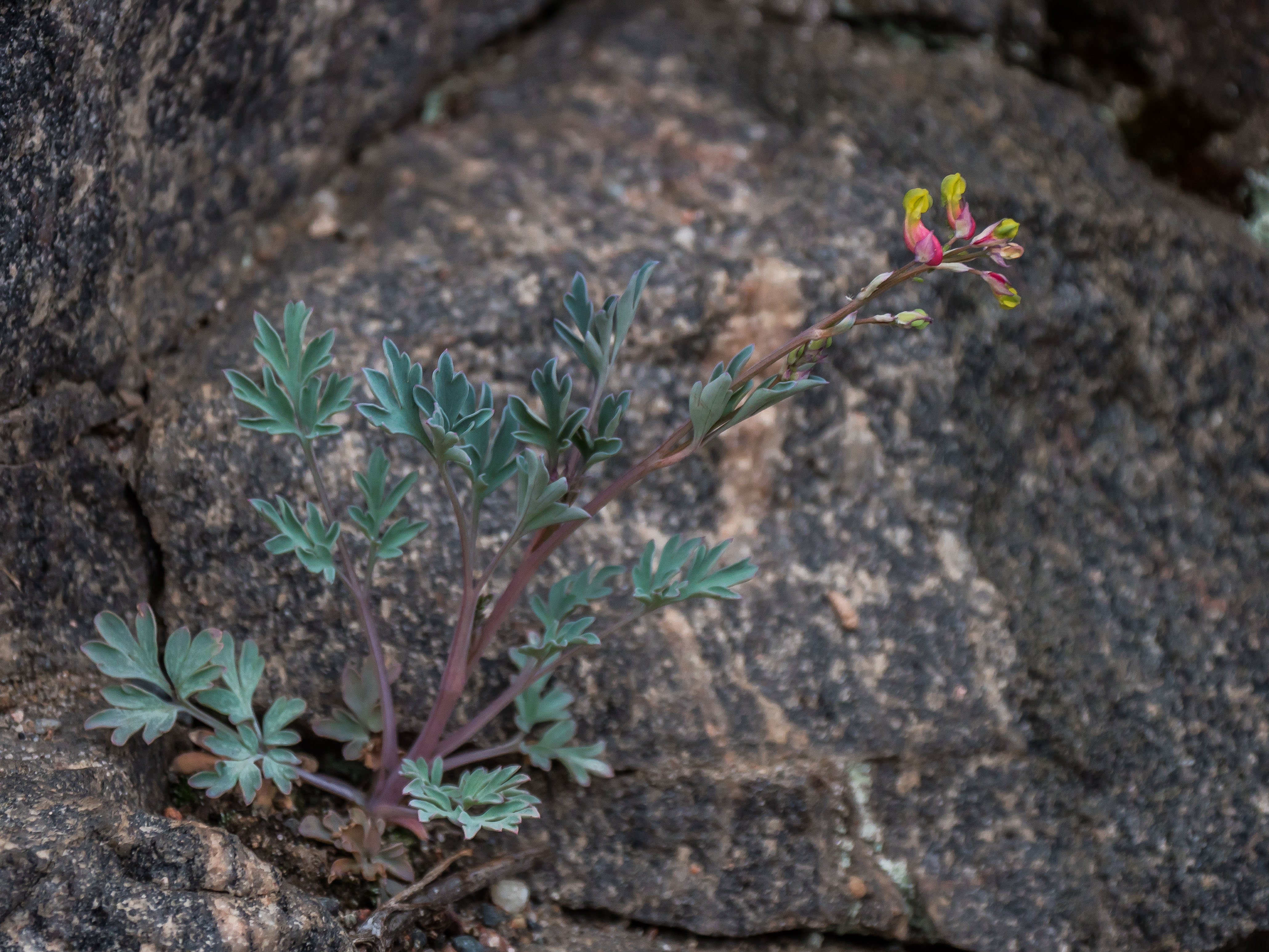
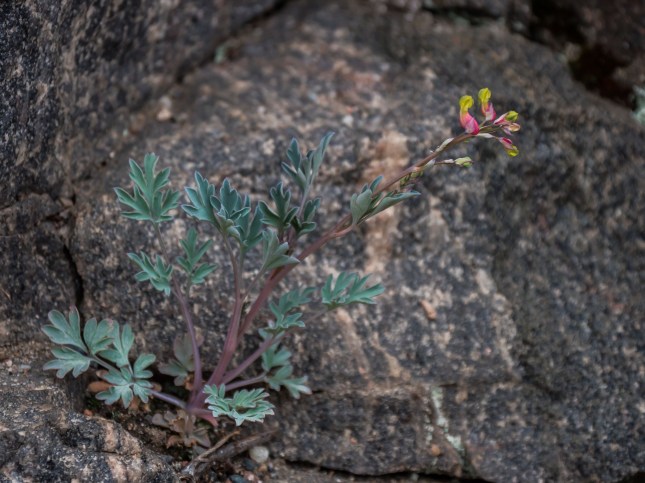
Ah Ha!  First seen blooming Pale Corydalis this year:
As an aid to Identification here is some information about  MOSSES

 NON-VASCULAR plant gardens showing some variety in the nature of the spore capsules (sporangia):

Complex relationships between very primitive plants:  Bryophytes

Two clusters of very different sporangia:

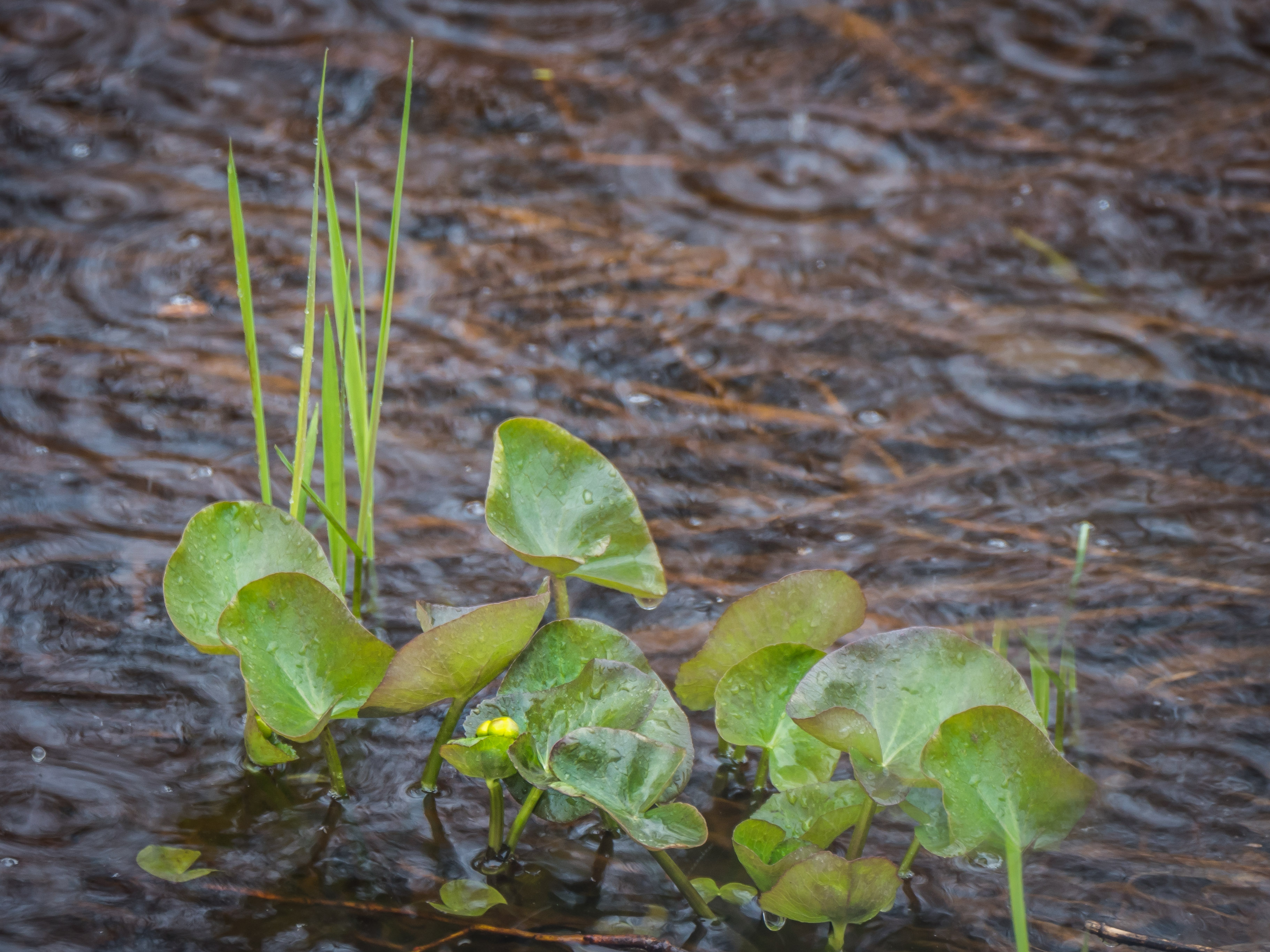
The Caltha palustris near Grundy Lake Provincial Park are ready to bloom in the rain.

“In the UK, Caltha palustris is known by a variety of vernacular names, varying by geographical region. These include in addition to the most common two, marsh marigold and kingcup, also brave bassinets, crazy Beth, horse blob, May blob, mare blob, boots, water boots, meadow-bright, bullflower, meadow buttercup, water buttercup, soldier’s buttons, meadow cowslip, water cowslip, publican’s cloak, crowfoot, water dragon, drunkards, water goggles, meadow gowan, water gowan, yellow gowan, goldes, golds, goldings, gools, cow lily, marybuds, and publicans-and-sinners.  The common name “marigold” refers to its use in medieval churches at Easter as a tribute to the Virgin Mary, as in “Mary gold”. In North America Caltha palustris is sometimes known as cowslip. However, cowslip more often refers to Primula veris, the original plant to go by that name.  Both are herbaceous plants with yellow flowers, but Primula veris is much smaller.”

A good reason to learn the botanical name — if you want to talk about them with your neighbour from a different county.

The day is starting clear and cold, with a week of abnormally cold weather forecast.  That might slow the advance of blossoms and insects, possibly delaying the arrival of  Little Brown Jobs.


Save

Save

Save
20170420-30 Wintergreen, catkins, Red Admiral, Equisetum, fiddleheads, hawk, vernal pools

Some variety to mark the last week of April, 2017:

These Gaultheria procumbens berries are a nice mouth freshener when tramping through the woods.

Nice photo of shelf fungus of some sort…

Red Maple blossoms that we’ll follow:

Male willow catkin, clearly showing the Anthers.

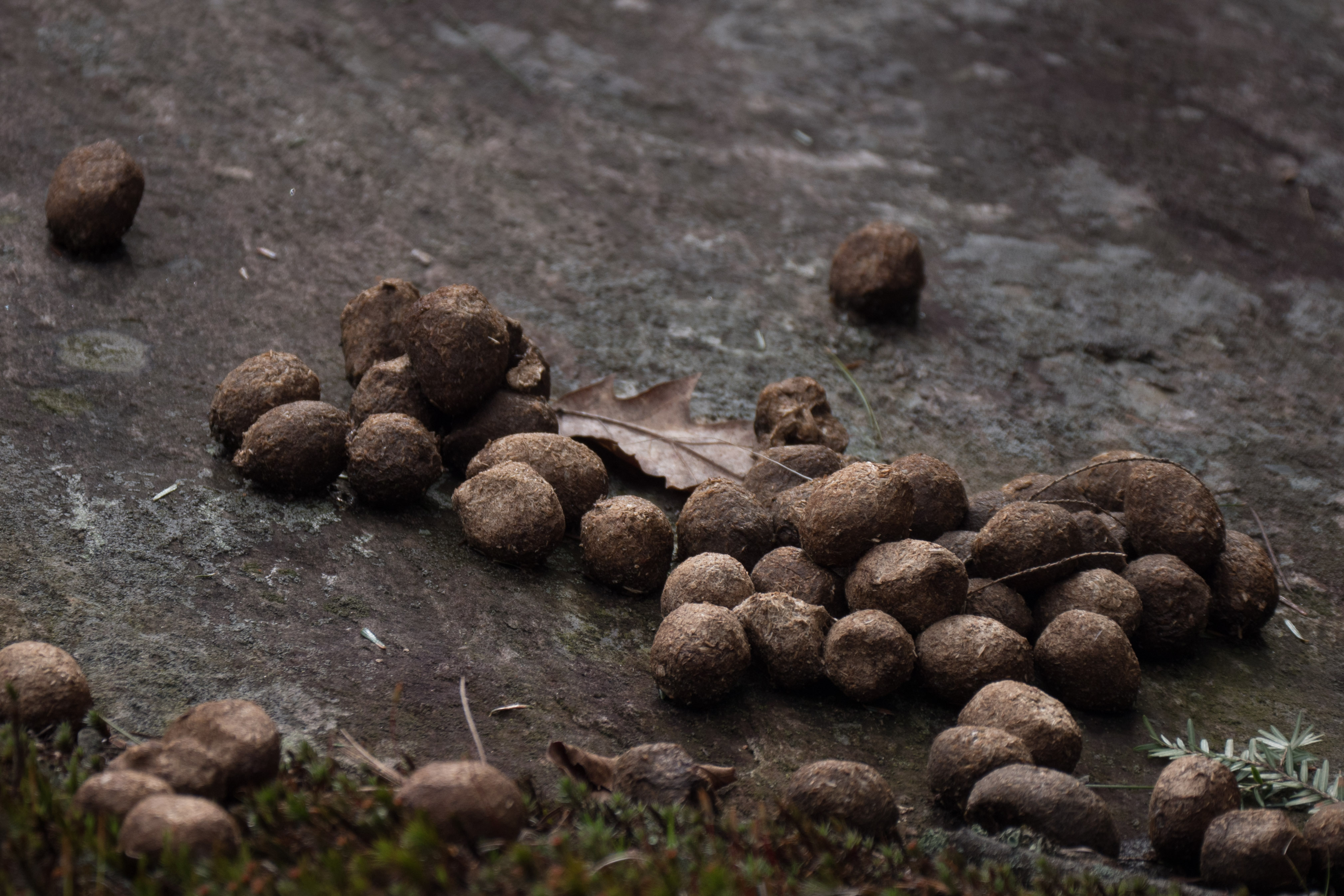
Recyling bark from Alces alces

This Vanessa atalanta was seen moving among the dry leaves in a forest opening near Pakesley on a warm April 26.  It is the first time that I’ve seen one so early in the year.  After flitting around a bit another Red Admiral came by and the two disappeared into the forest.

Acer rubrum  compared to  Acer saccharum:

Pileated Woodpecker action on Harris Lake Road:


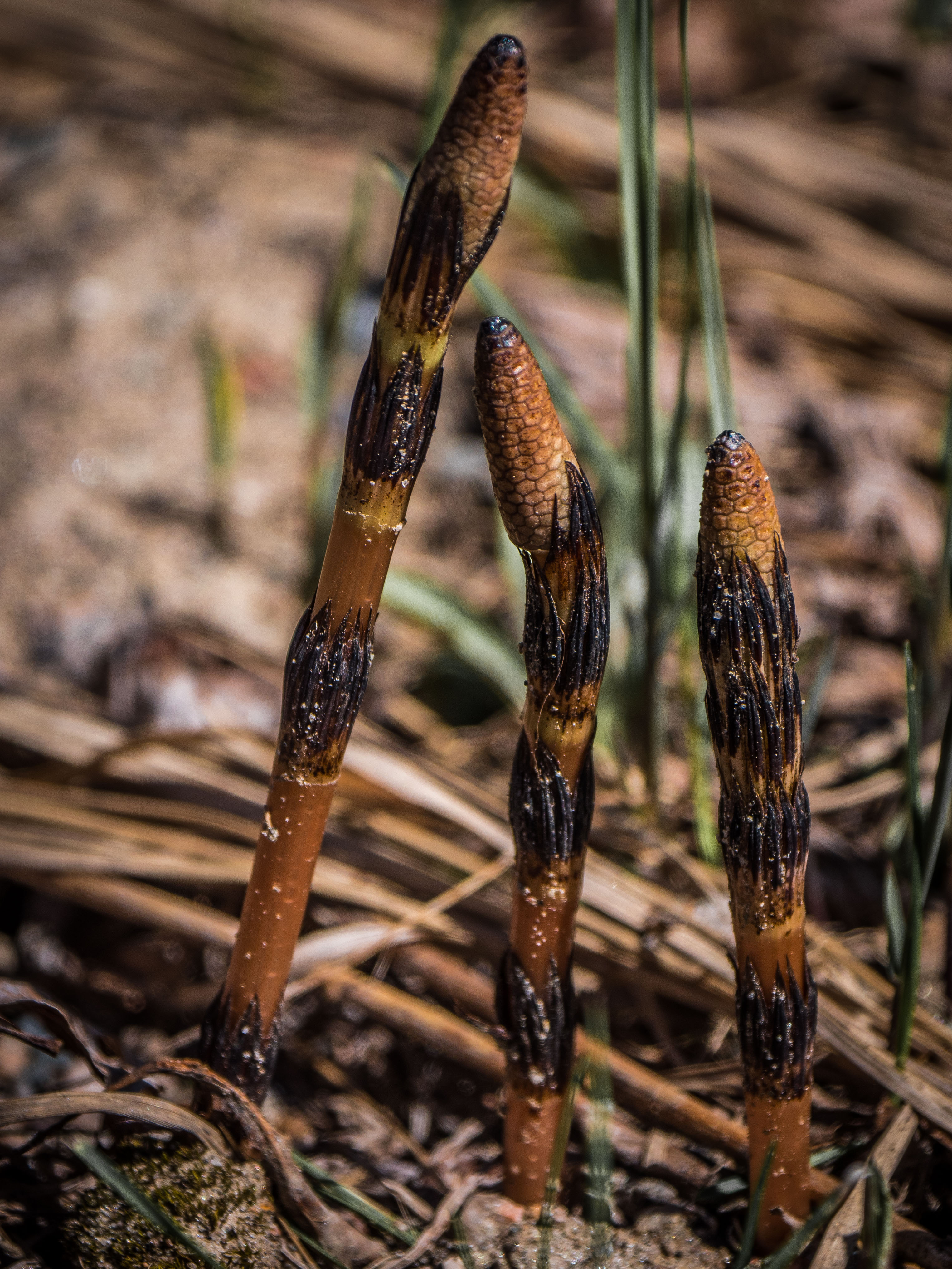
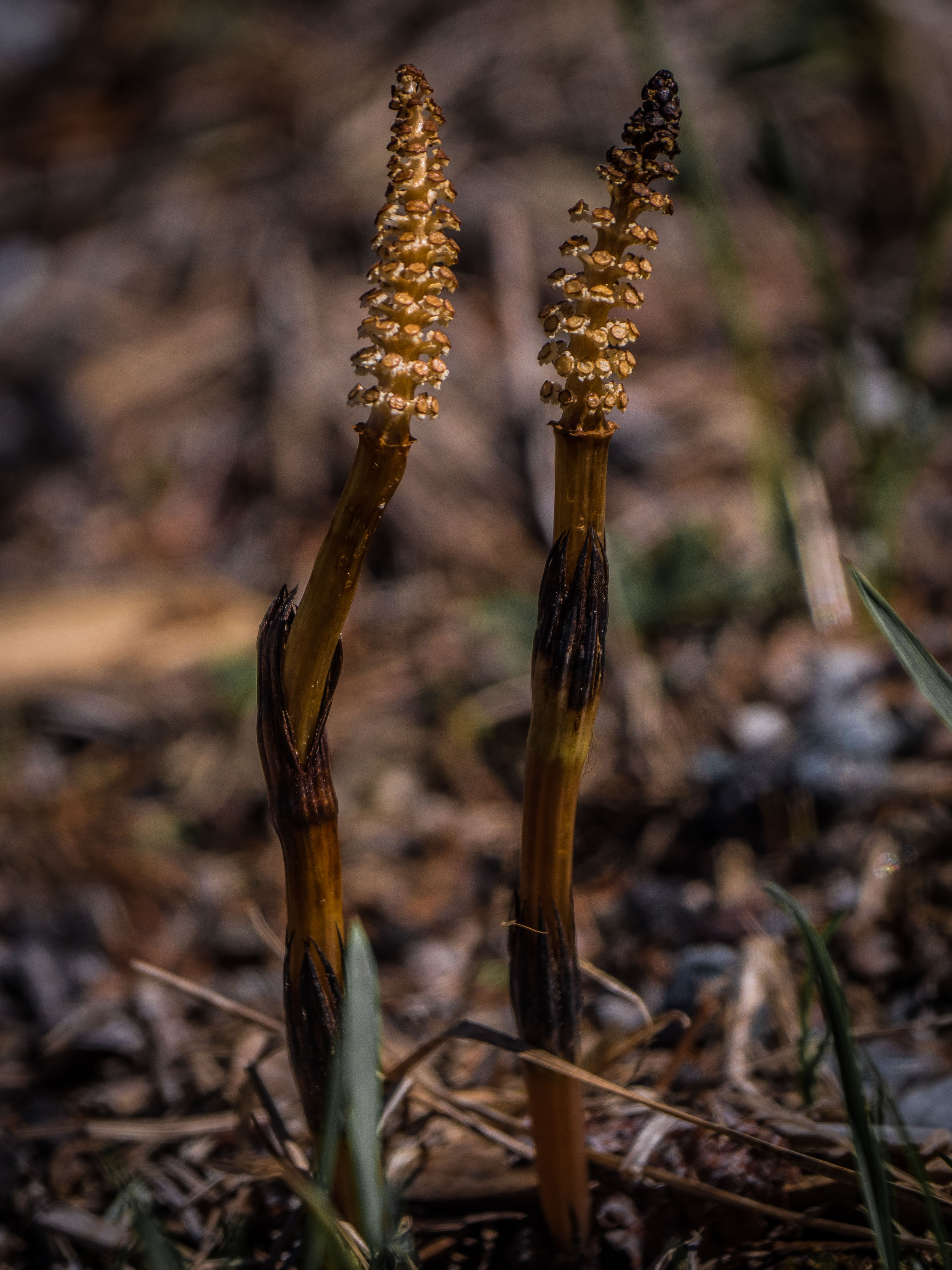
Equisetum arvense prior to the spore cone opening…

Photographed the same day as above but in a warmer spot, as the spore cone starts to open….

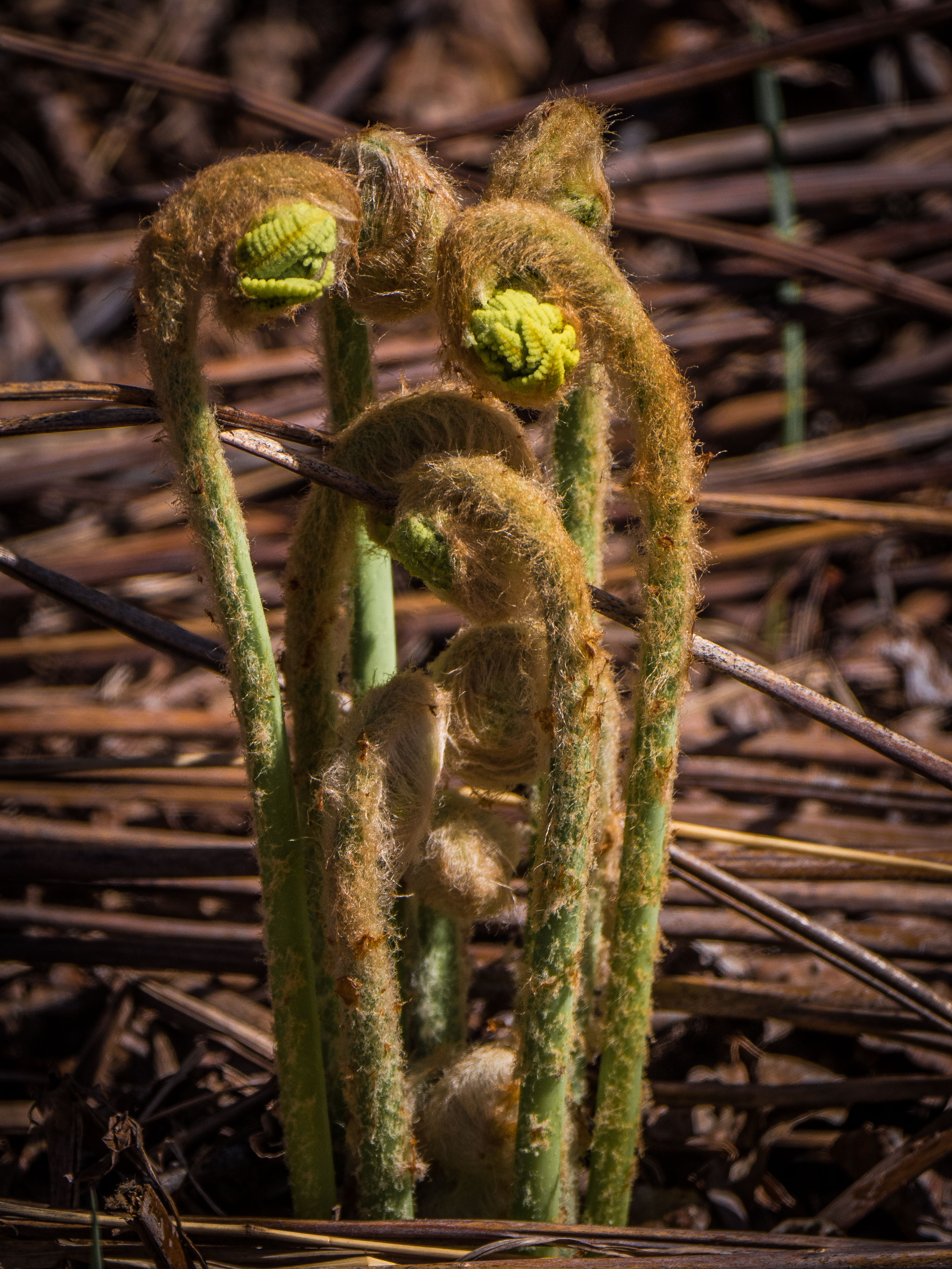
Interrupted ferns huddled in a family meeting….  These are NOT the “fiddleheads” that we eat.  Edible fiddleheads are the Ostrich Fern.  Make sure you know what you’re collecting.  Bracken ferns can be dangerous.

Wild cherry twig, before the emergence of the blossom head…

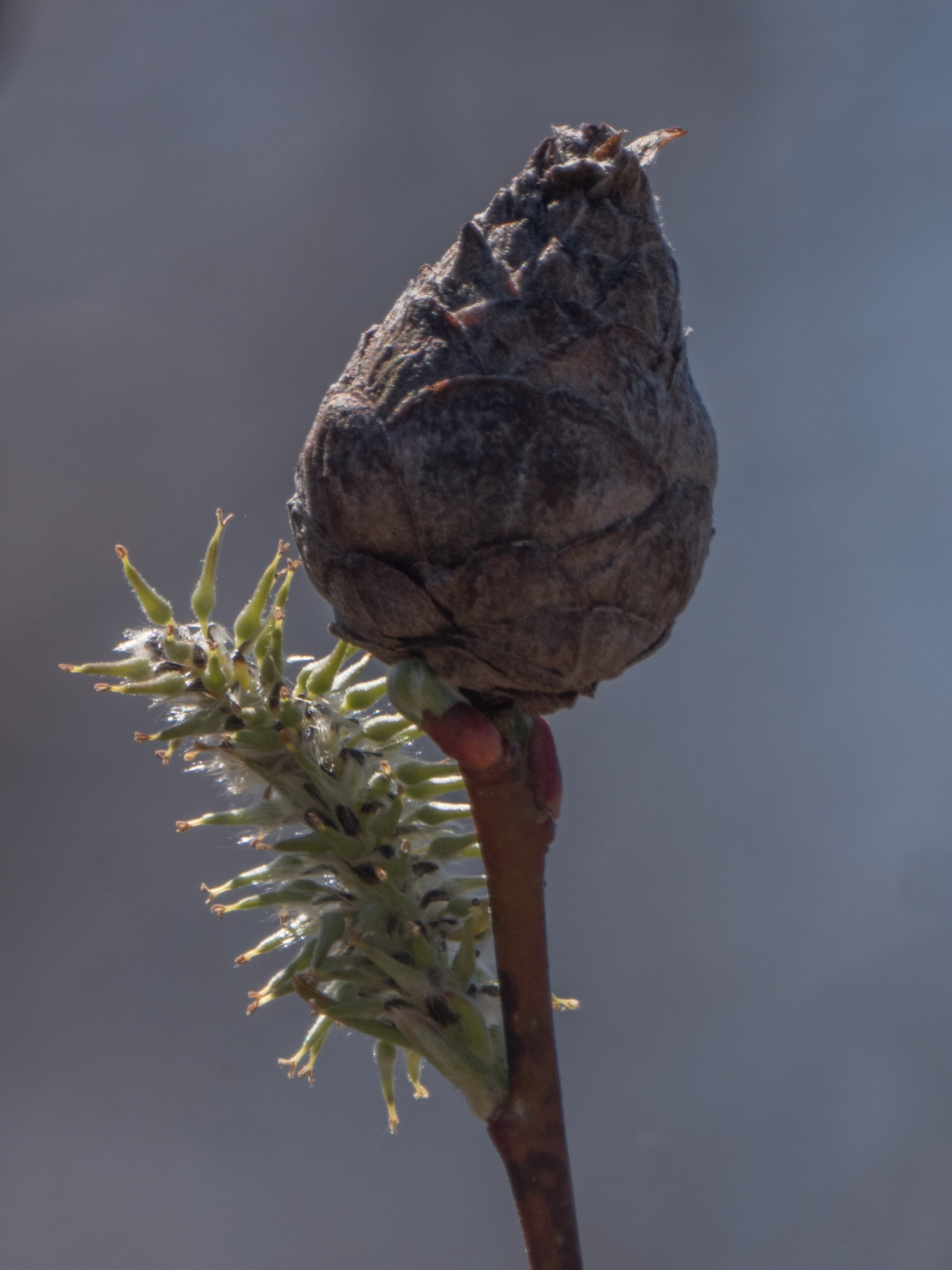
Female catkin and “cone” of willow.  Note the shape of the pistils in the catkin.


This hazelnut flower has been fertilized, the stigmata have gone and the male catkin has dropped its load of pollen.  A cluster of nuts will probably form there and be ready for harvesting in 100 days.

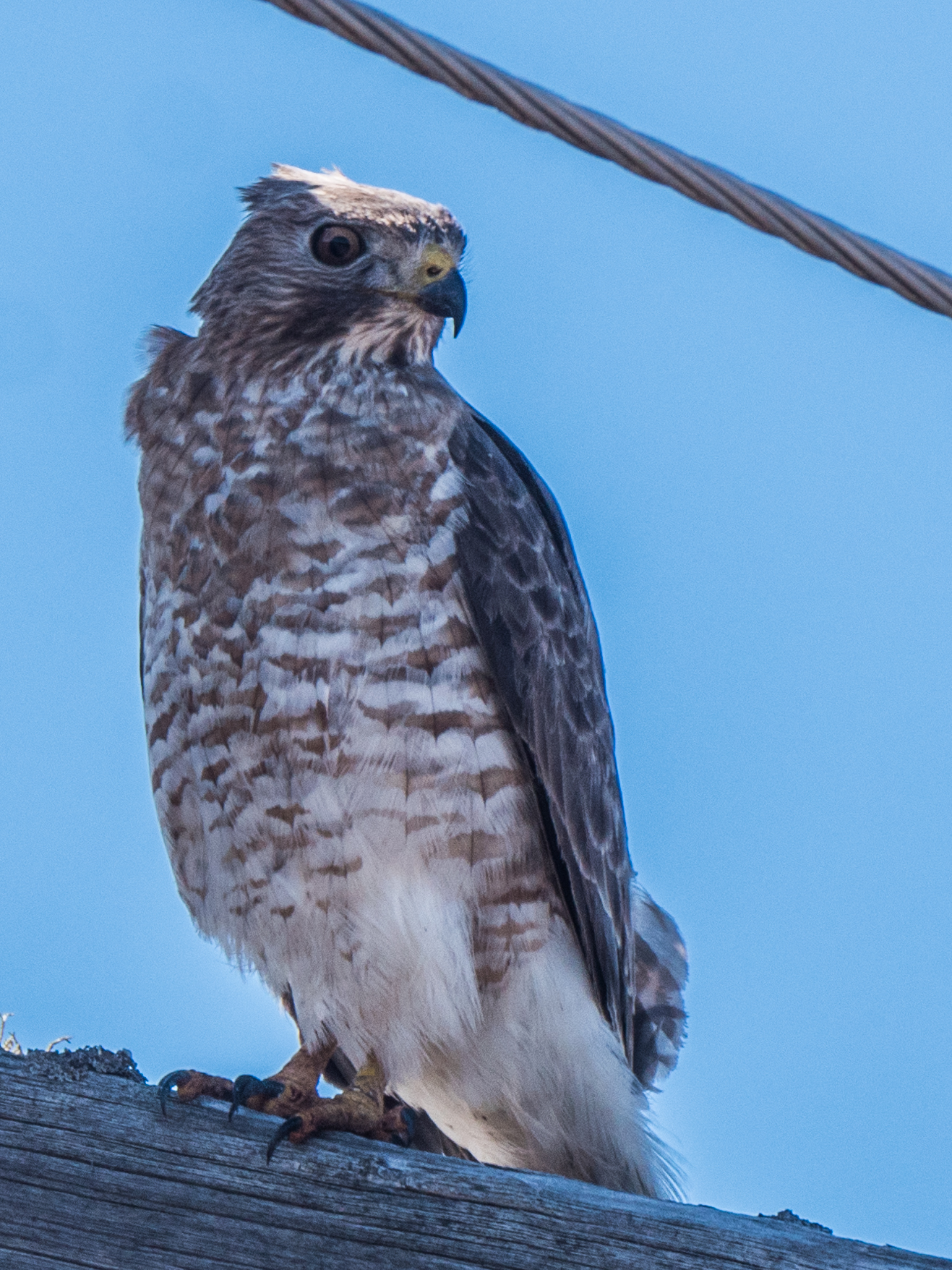
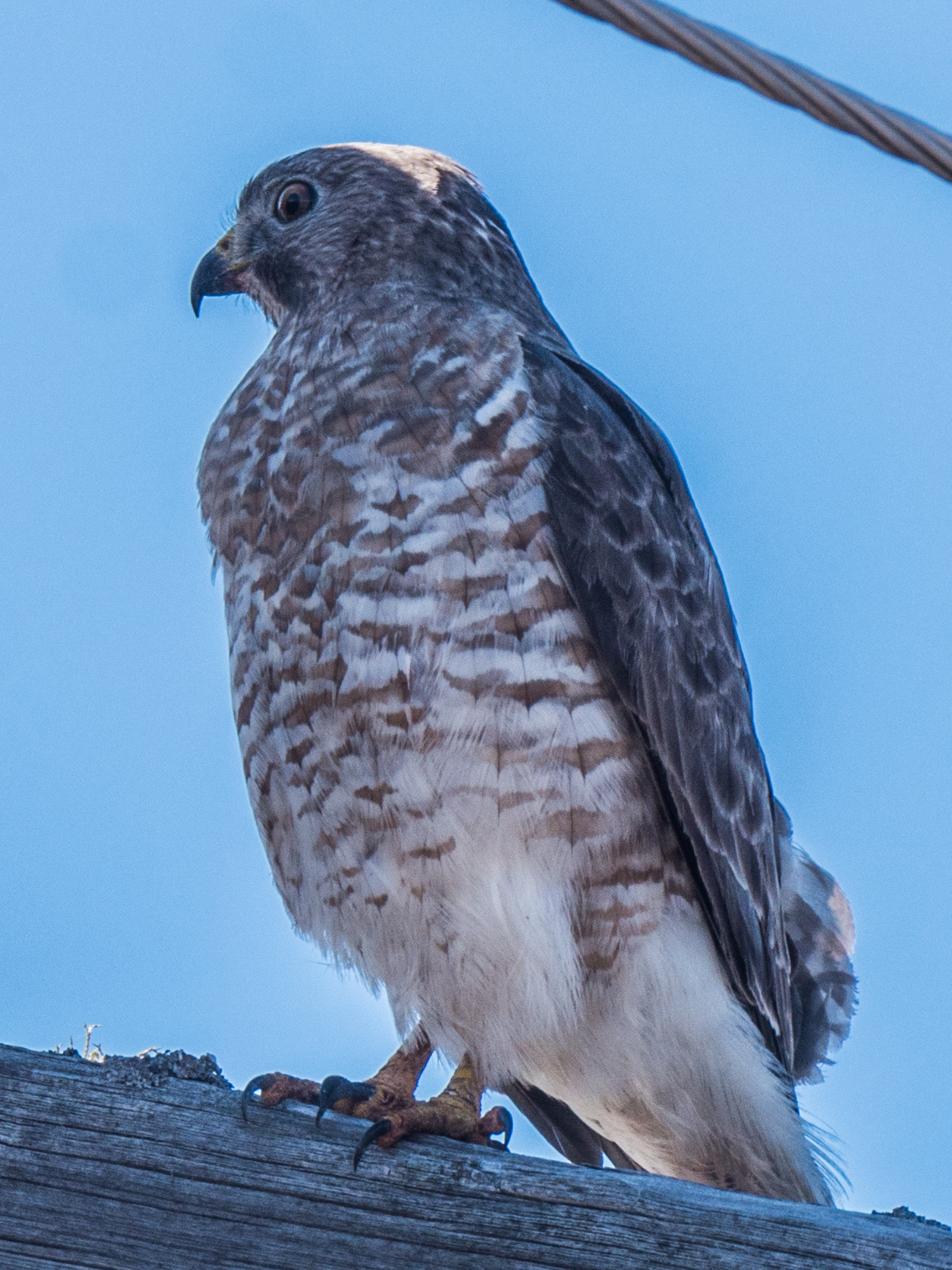
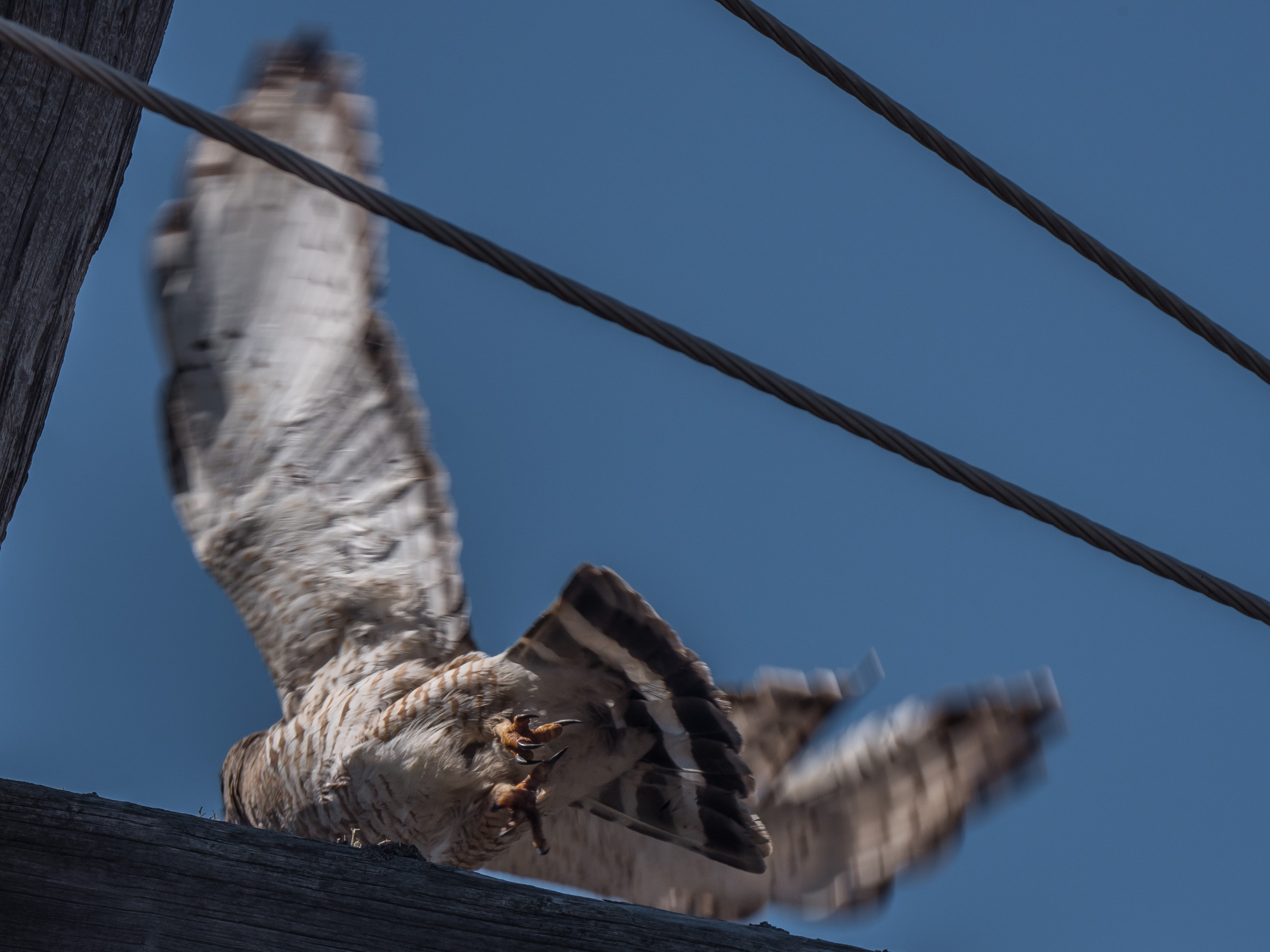
I am having some difficulty ID ing this hawk.   If you know it please leave a comment or email me with a link.  brtthome at gmail.com  Many thanks.

Vernal pool.  Source of lots of spring activity.

See https://naturallycuriouswithmaryholland.wordpress.com/2017/04/13/vernal-pool-obligate-species/

We are having an abnormal amount of rain now.  The peeping froggies will be serenading us over the next few weeks.


20170429 “A Short History of Porch Bingo”

This morning I got a notification that Jessica Outram had added “A Short History of Porch Bingo at our Annual Girls Week at the Cottage”  to her wonderful Blog, Sunshine in a Jar.

Over the past few years I’ve been privileged to meet Jessica and her wonderful family.  During the summer her parents, Dave and Maureen, stay at the family cottage on the Britt side of  Byng Inlet, in the family compound just downstream from the last range markers before entering the narrow part of the Inlet.

As you read “A Short History of Porch Bingo” you will see some of Jessica’s talent which she shares with the world as a school principal, a songstress, a photographer, a playwright, and as a good person.  Her staff and students are fortunate to have her running the show.  So are the rest of us who read her works, listen to her music and view her photography.

In my summer photography trips I often meet Dave, usually on my return trip from the end of Riverside Drive.  He often has a treat fresh from Maureen’s bake oven for me.  We exchange pleasantries and opinions on the state of the Universe.  Always an uplifting experience.

I have attended two “Summit Meetings” with Jessica and her cousin, the high-impact Chantelle Tunney.   Chantelle’s mother is Maureen’s sister, Pat Skene, who entertains and stimulates us with her blogs, especially with her storytelling.

A Short History…  captures some of the entertainment in our hamlet of Britt, where Bingos, Bazaars, Ball Tournaments, and (Seniors’) Breakfasts are Big Deals.

And it captures Jessica’s love for her Aunt Estelle who passed on  Sunday, April 23.

This  photo of  The Beach was taken two days before her passing.  Perhaps a sad portent.  But look how peaceful it is.

My condolences to the family.

Tom Semadeni

Save

20170420-29 Trailing Arbutus, Early Saxifrage, Bloodroot, Trout Lily, Carolina Spring Beauties

Spring ephemerals started to blossom in the third week of April, a few days later than their bloom start last year.  Andy Fyon has put together a very well illustrated brochure of Spring Flowers in the Sudbury-Killarney area.

The following photos are in chronological order but some plants are more advanced than others because of their location.  The micro-climate of the plants is significant.

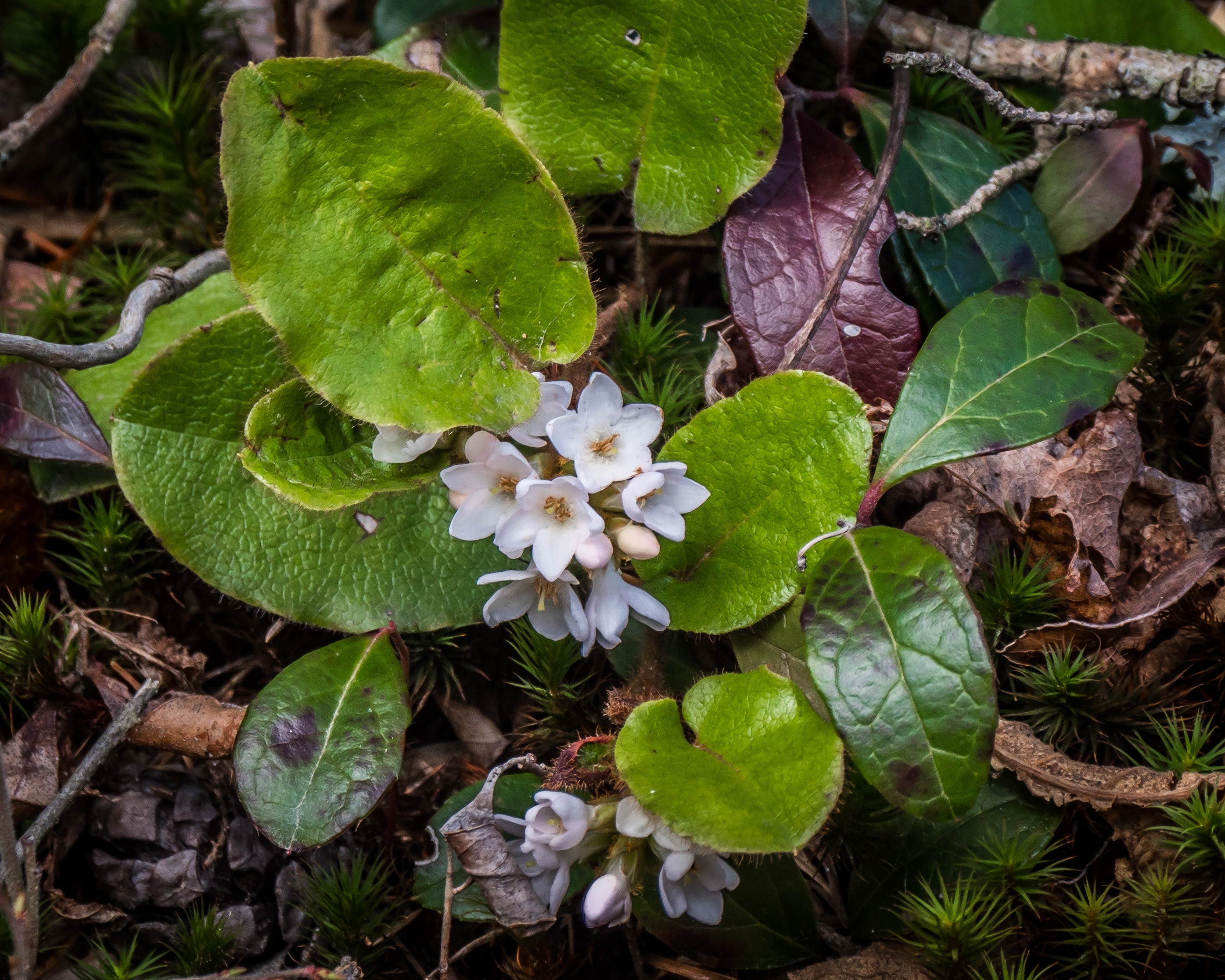
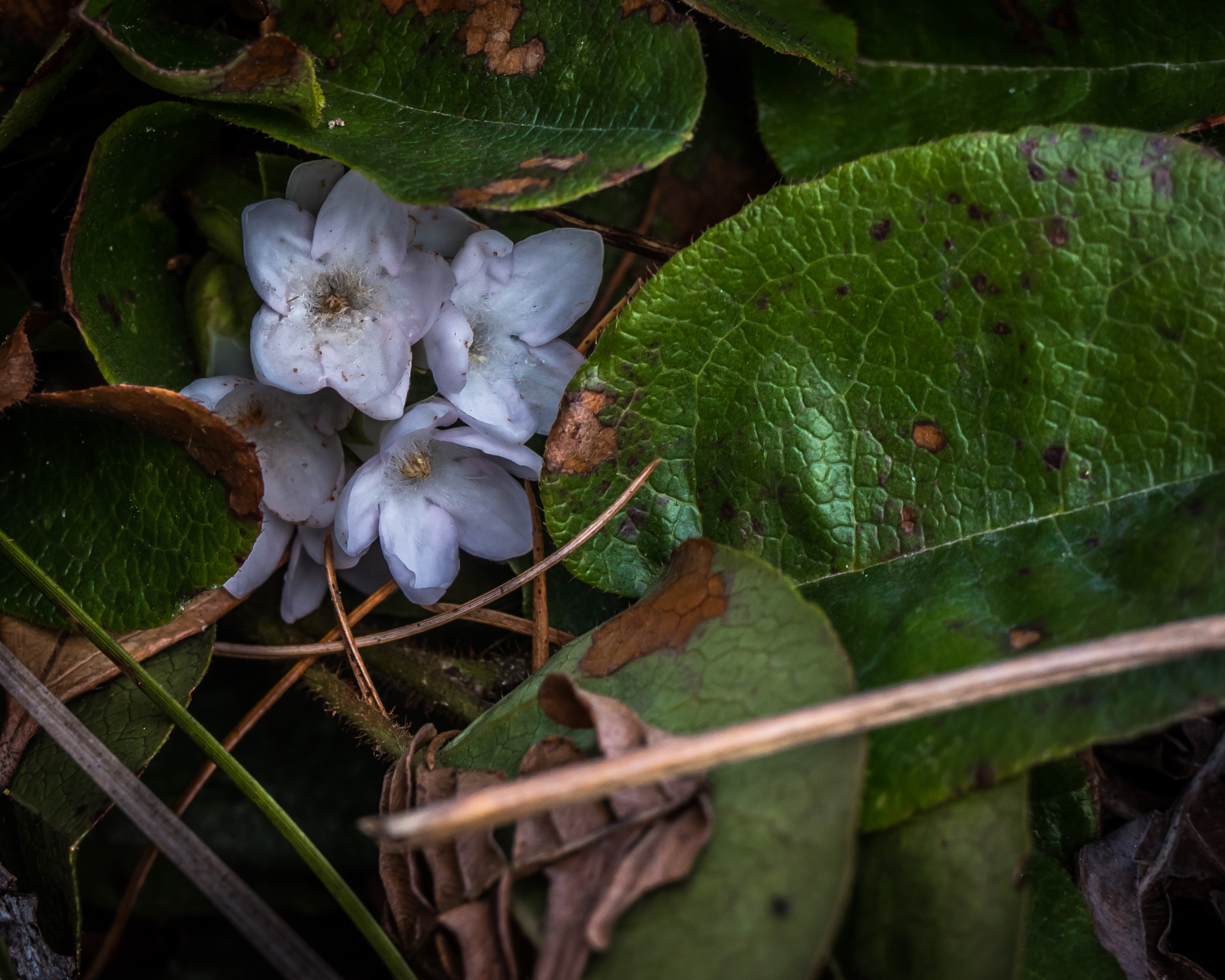
I love the Botanical name for this elusive flower … Epigaea repens  (epi = upon; gaea = Mother earth; repens= creeping, crawling)  It appears as soon as the snow melts and usually flowers  within a few days of being exposed to sunlight.  That gaea (gaia) is the same spirit used in the Gaia Hypothesis.

Emergent blossoms

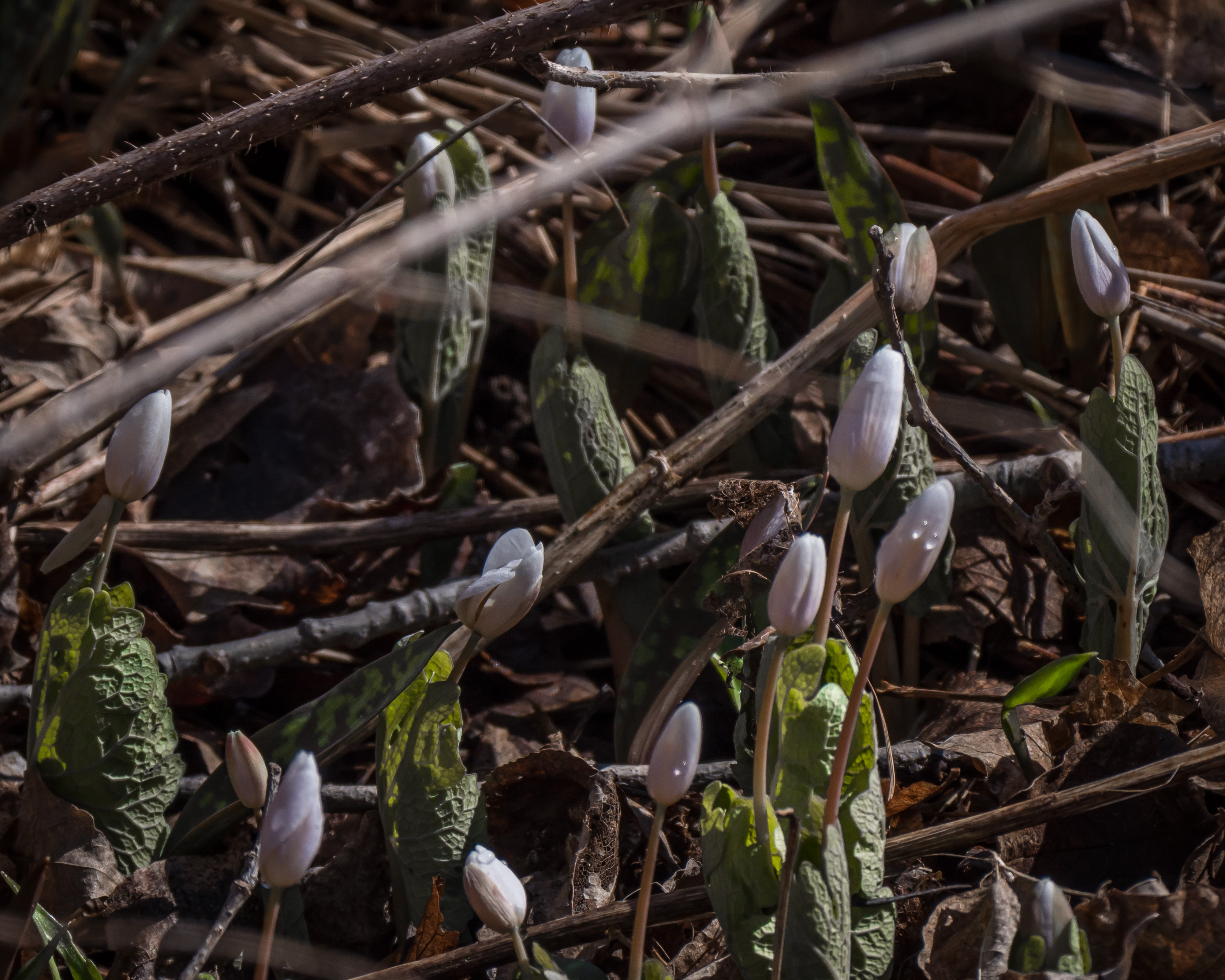
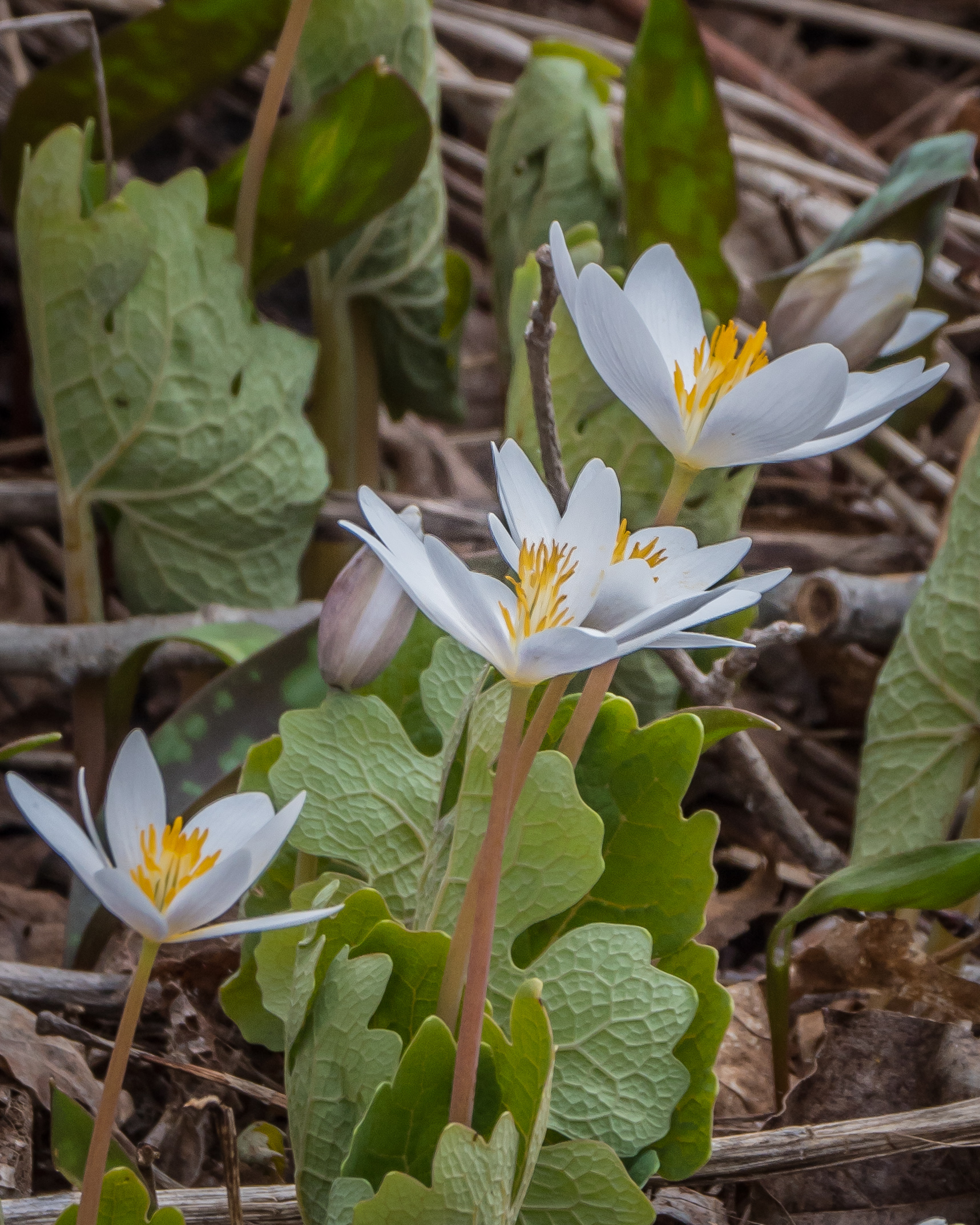
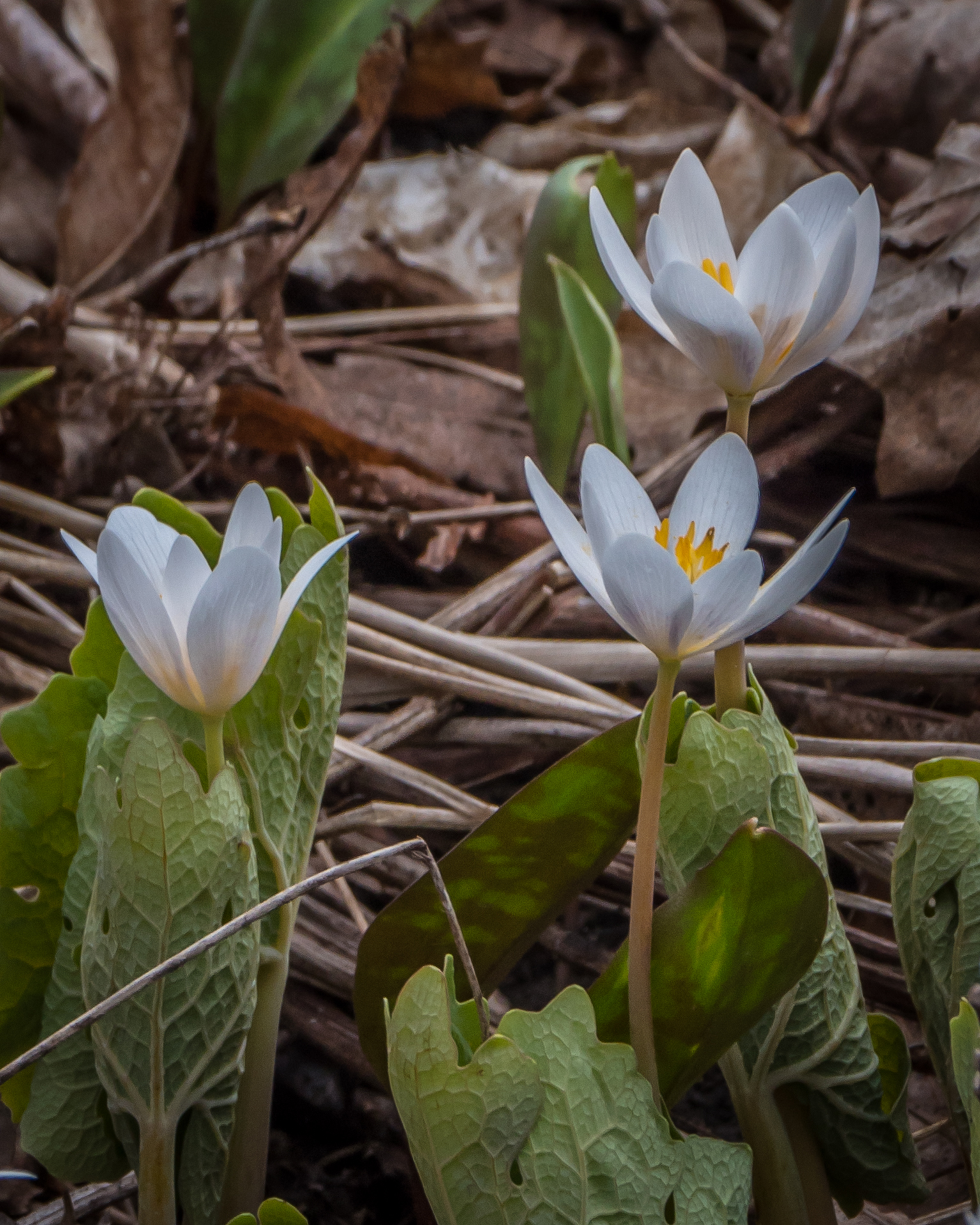
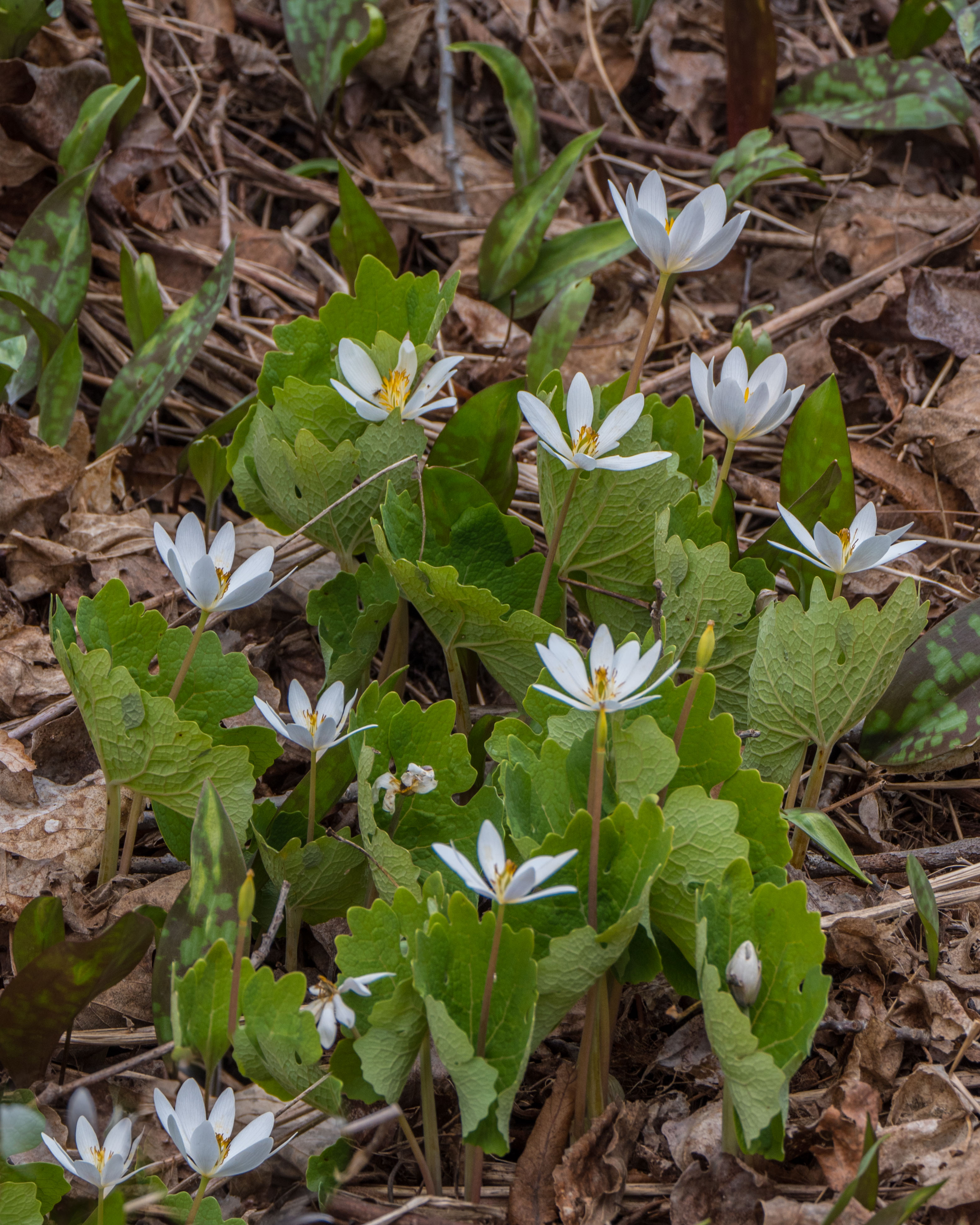
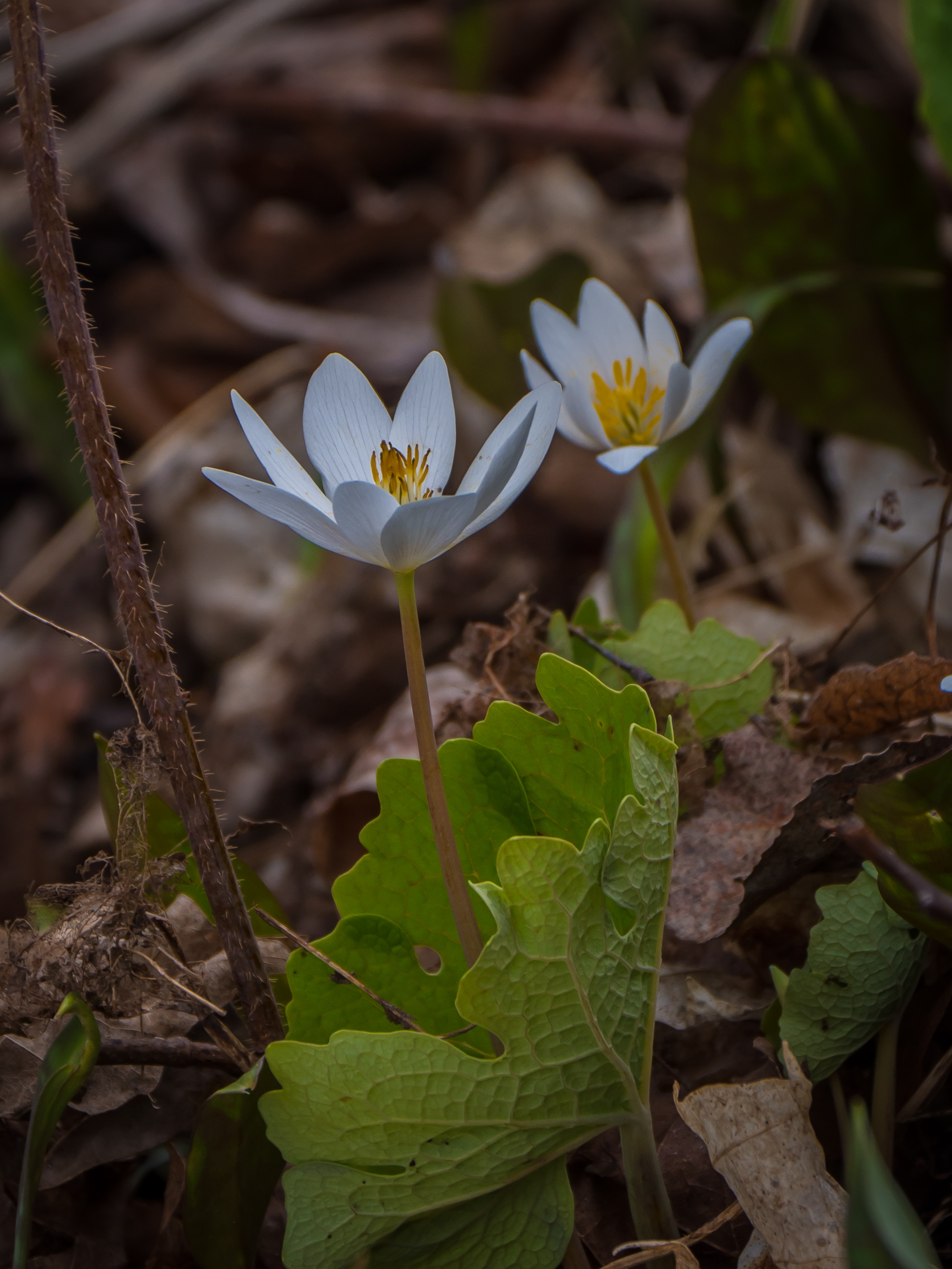
Bloodroot, with their leaves still furled around the flower.

furled flower:

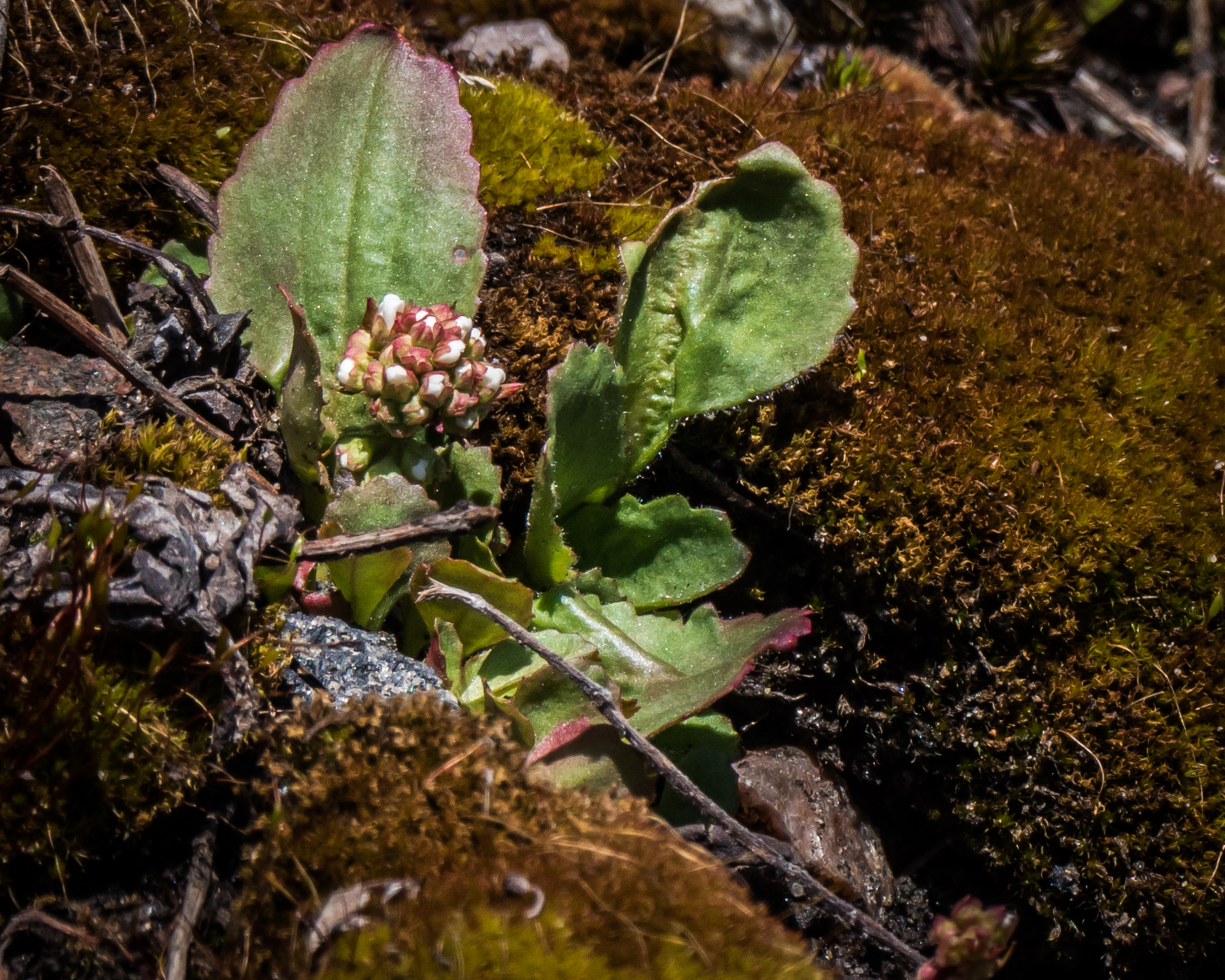
Early Saxifrage about to blossom…

Trailing Arbutus mixed in with sphagnum moss and wintergreen (with the dark shiny leaf)

Typical habitat  … and friends.

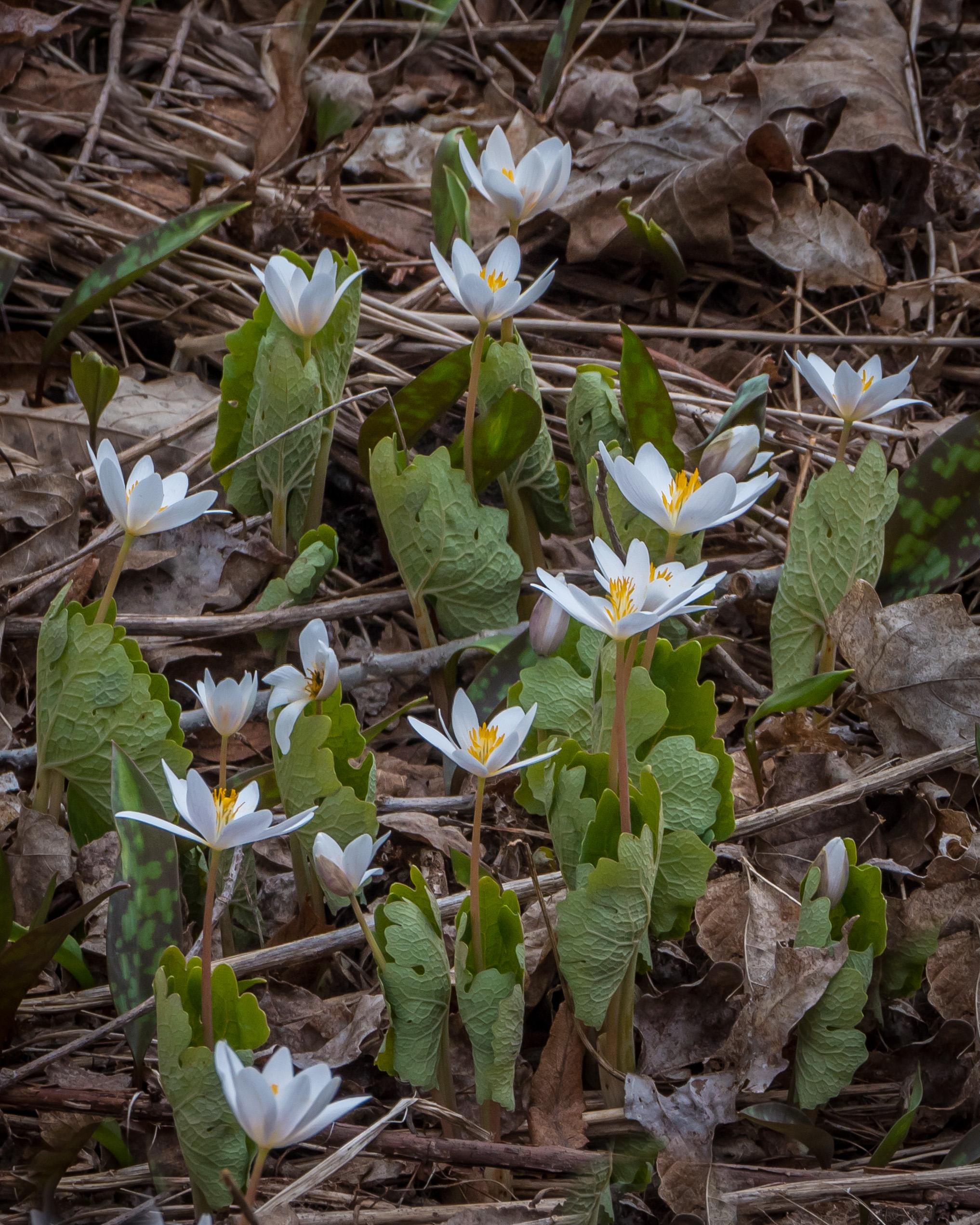
Bloodroot a couple days later than the photo above.

Marsh Marigold just after emerging in this little stream.

Dutchman’s breeches.

This Blue Cohosh is adjacent to a clump of Ramp, Dutchman’s Breeches, Wake Robin, and Jack in a Pulpit underneath a grove of old Sugar Maples in deep soil.  It is not common around here.

More Trailing Arbutus in it usual setting …

First Trout Lilies along Jamot Lumber Road …

Carolina Spring Beauties ….

Note the wide leaves:

Bloodroot a few days later …

Pollinators doing their thing …

Another pollinator on the approach path.

More bloodroot maturing each day…

In a few days this Coltsfoot cluster on Harris Lake Road will be  in full flower…

…. as  will the blossoms on this  Fly Honeysuckle

And in a week or two we’ll be busy keeping up with other spring wildflowers.  An exciting time as the insectivores will also  begin arriving in large numbers to glean the deciduous trees of their critters that emerge as the leaves open from their buds.

Save

20170421-22 Buds again, wet this time

A couple of calm days with misty soft rain, as a warm front slowly passed through, providing great opportunities to capture some usually unseen sights.   Here are a few:


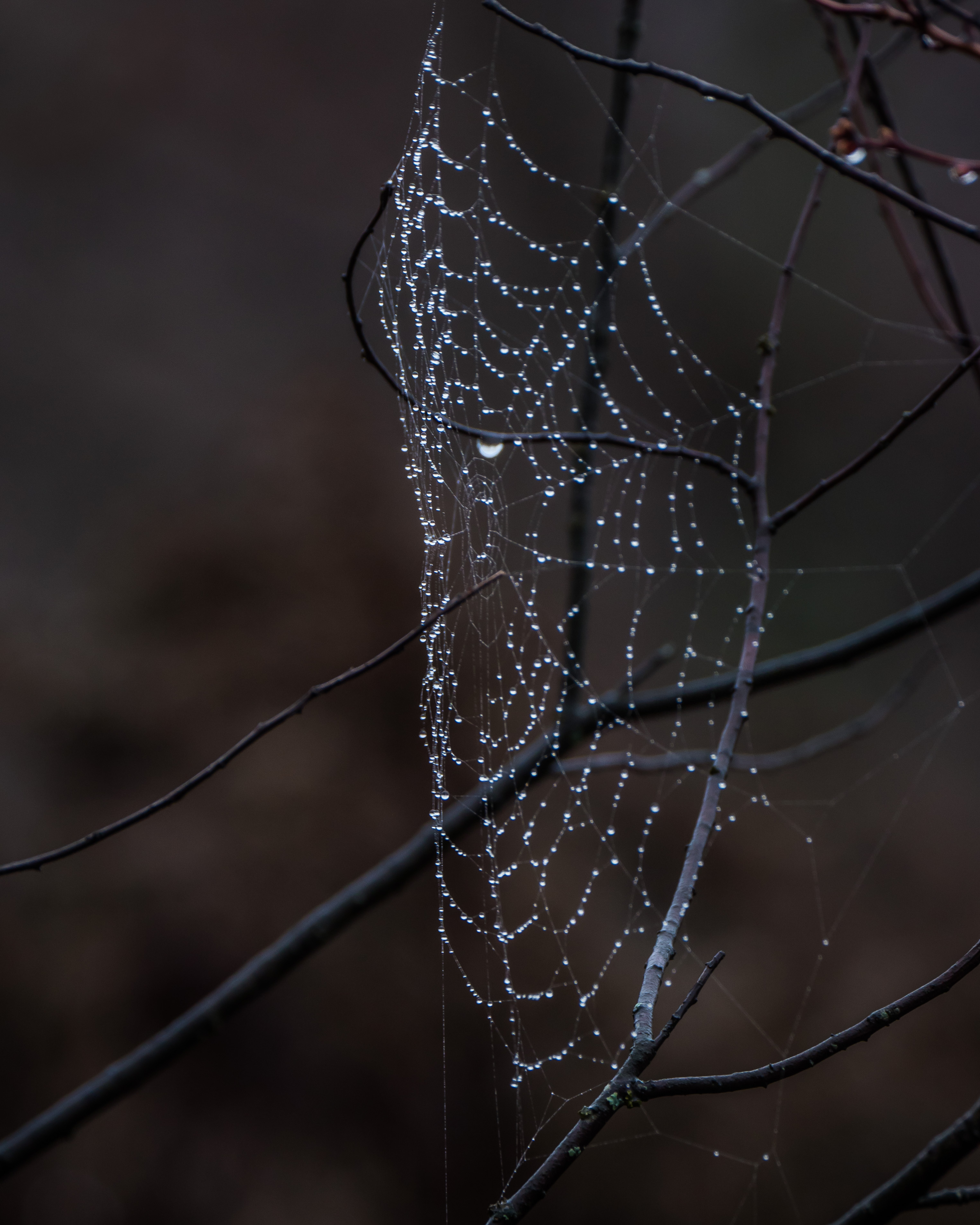
First web of the season …


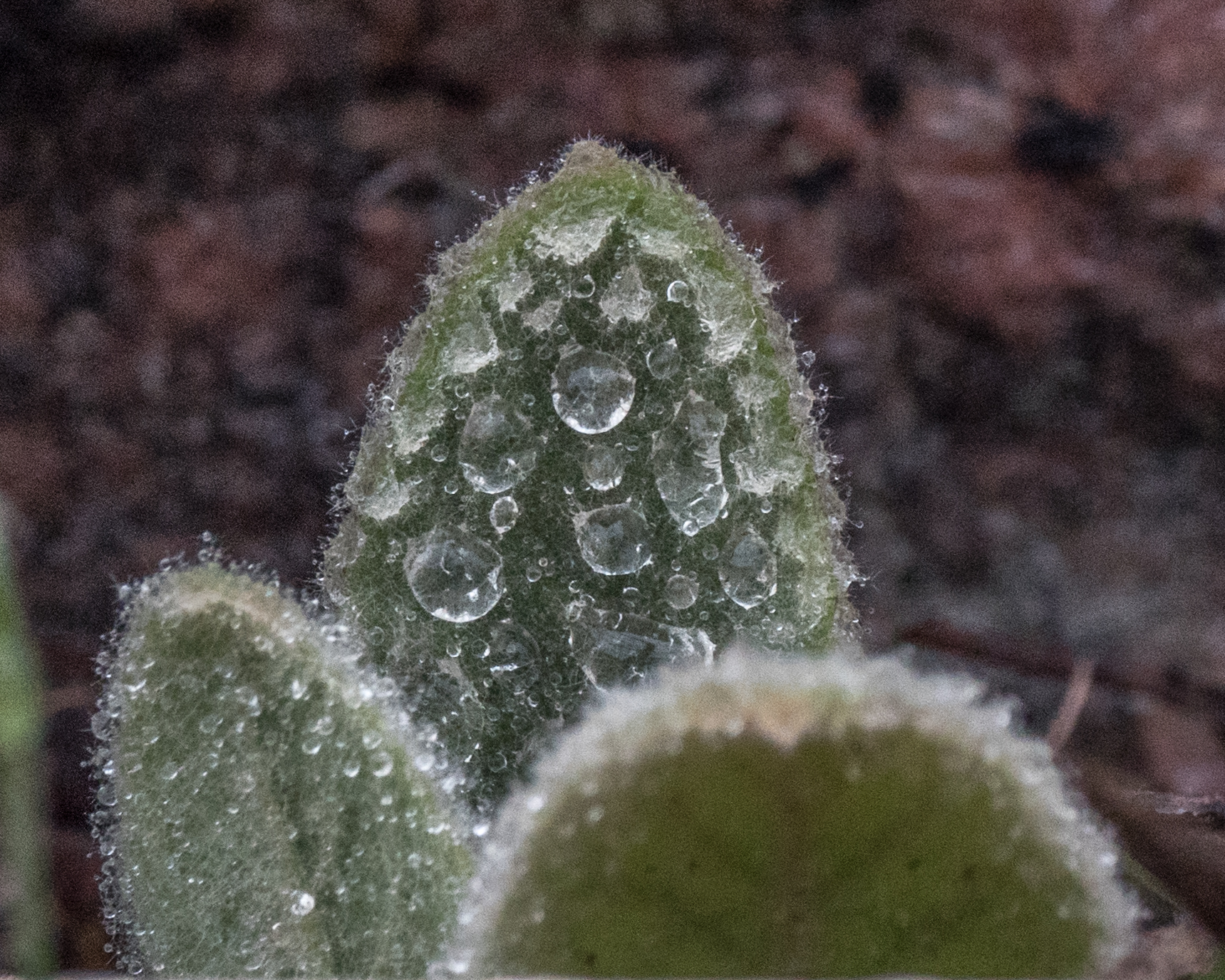
Candelaria concolor?

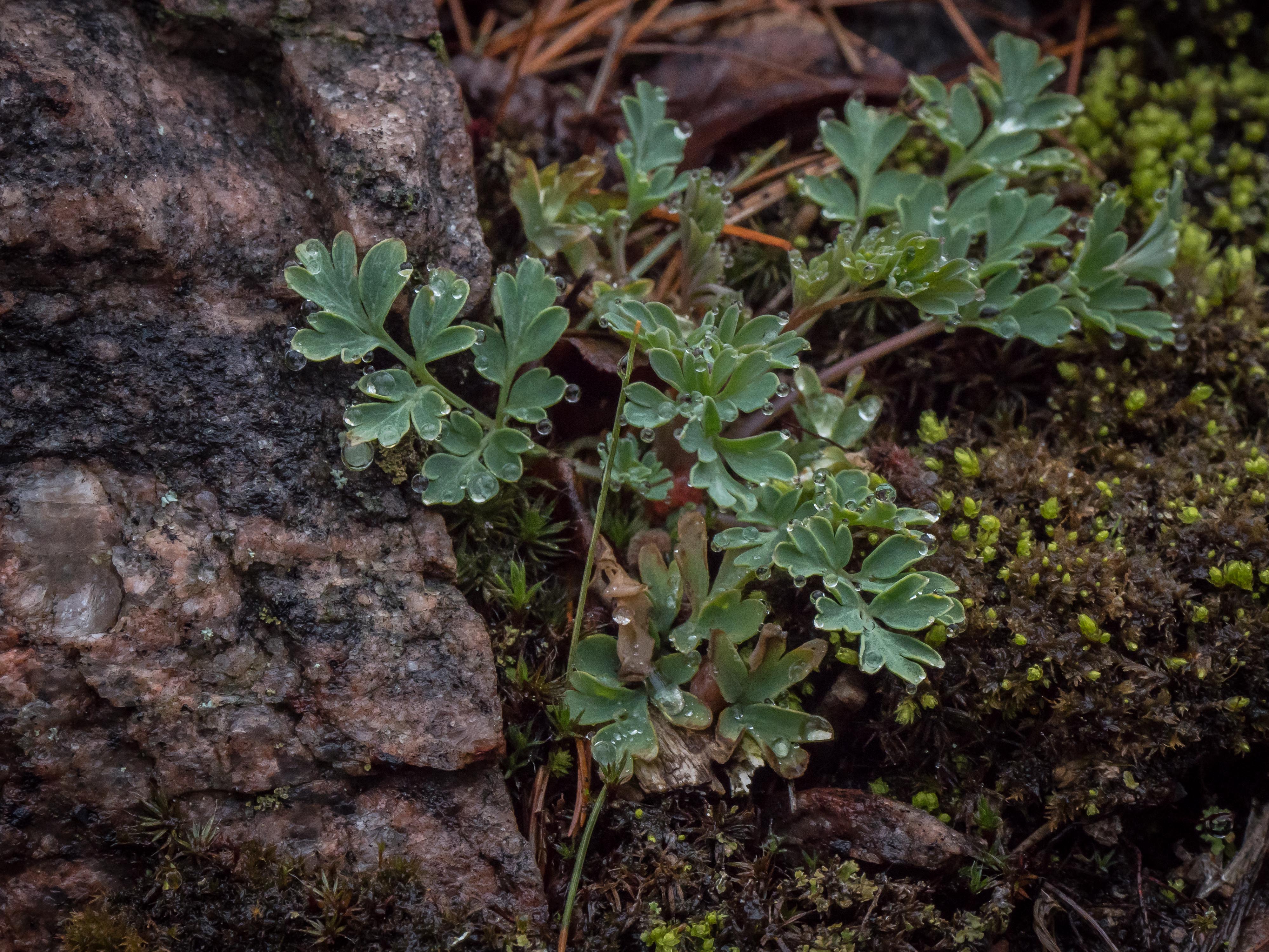
Capnoides youngster…

Descendant of immigrants that came to North America 300 years ago…

Cladonia asahinae fruiting?

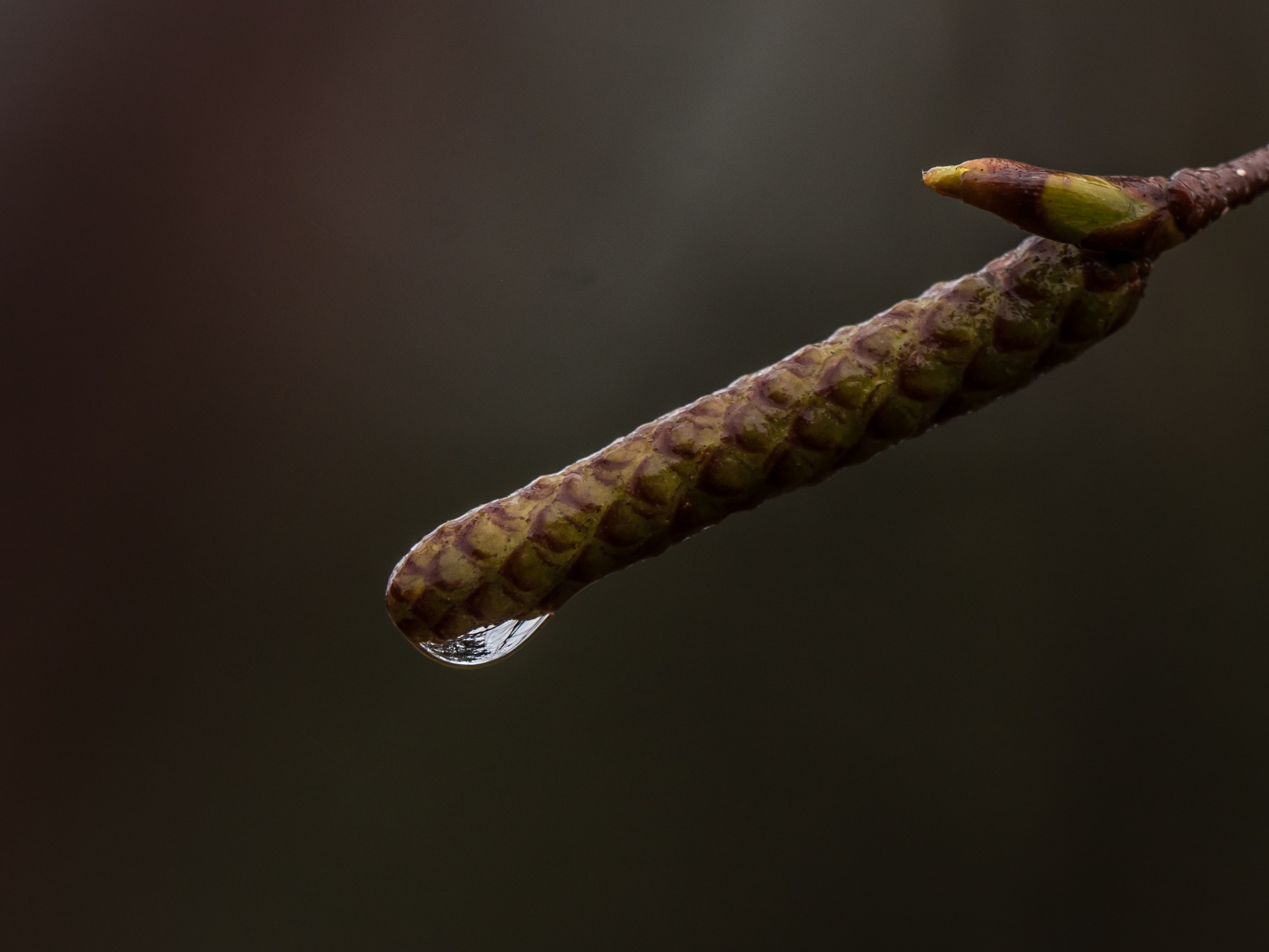
And finally, one of my favorites taken with the Olympus 60mm Macro lens on the Panasonic GX7:

I gently pulled the branch into the car as I had to get very close for this, about 10″ away:

Left hand holding the branch, with the right holding the camera as I bobbed my head forward and back in Manual Focus to get a sharp one.

I really like shooting in the rain as the colours emerge, just like they used to when, as kids, we would lick rocks to bring out their colours.

When I compare April 2017, with April 2016, it seems that we are a bit behind this year.  But it seems quite variable for some unknown reason.

Save

Save

20170427 Severe Storm at Burwash

I thought that I’d interrupt my recent thematic approach (eg birdies — bugs —-buds — blossoms— wildlife ,etc over a week or so) to this blog to show a dozen photos of my experience at Burwash this afternoon.

I went up to Burwash to see if last night’s and today’s warm southerly winds would bring some new migrants to the abandoned Prison Farm.

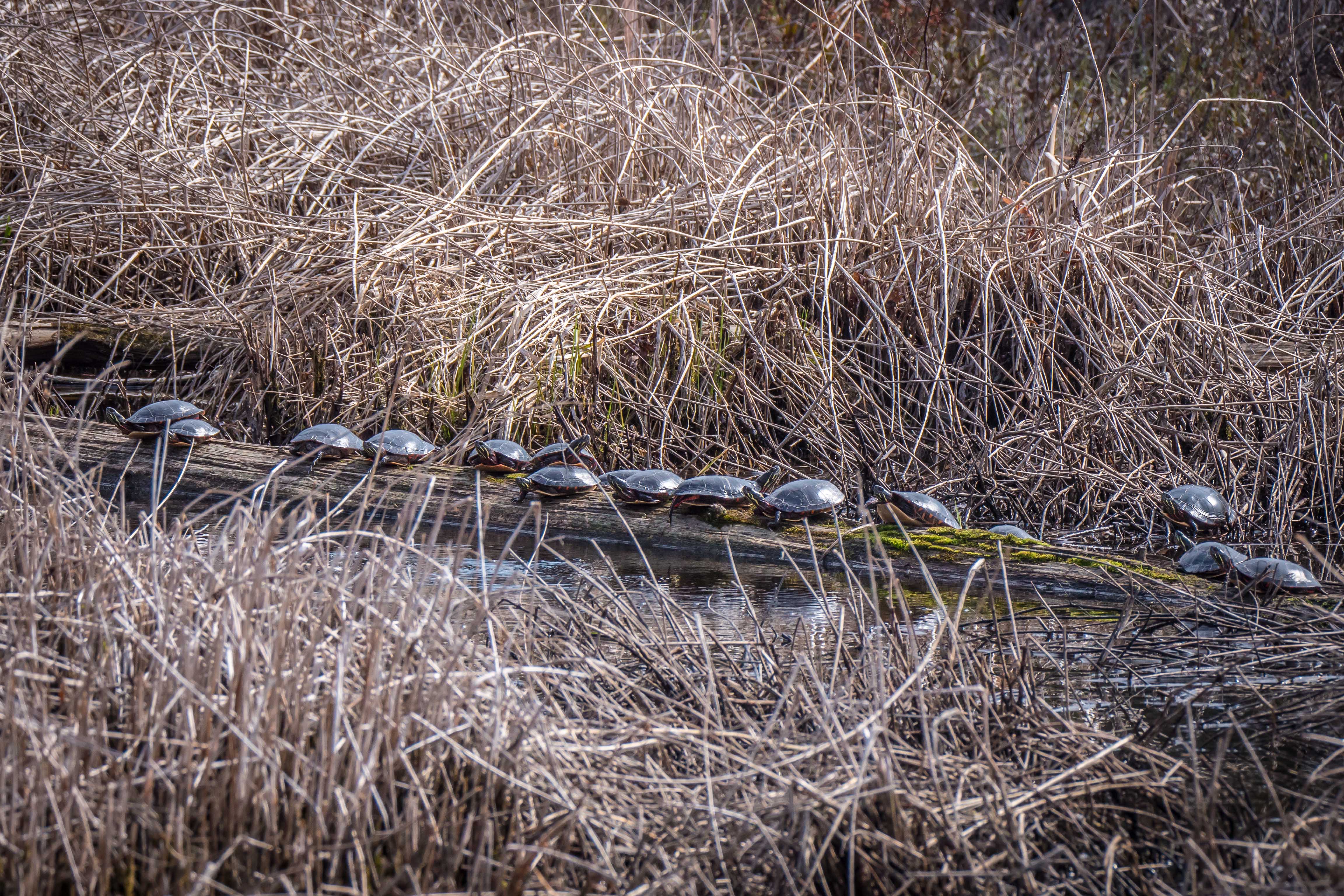
Just before 4:00 PM I can across these (16) Painted Turtles sunning themselves under a clear sky.

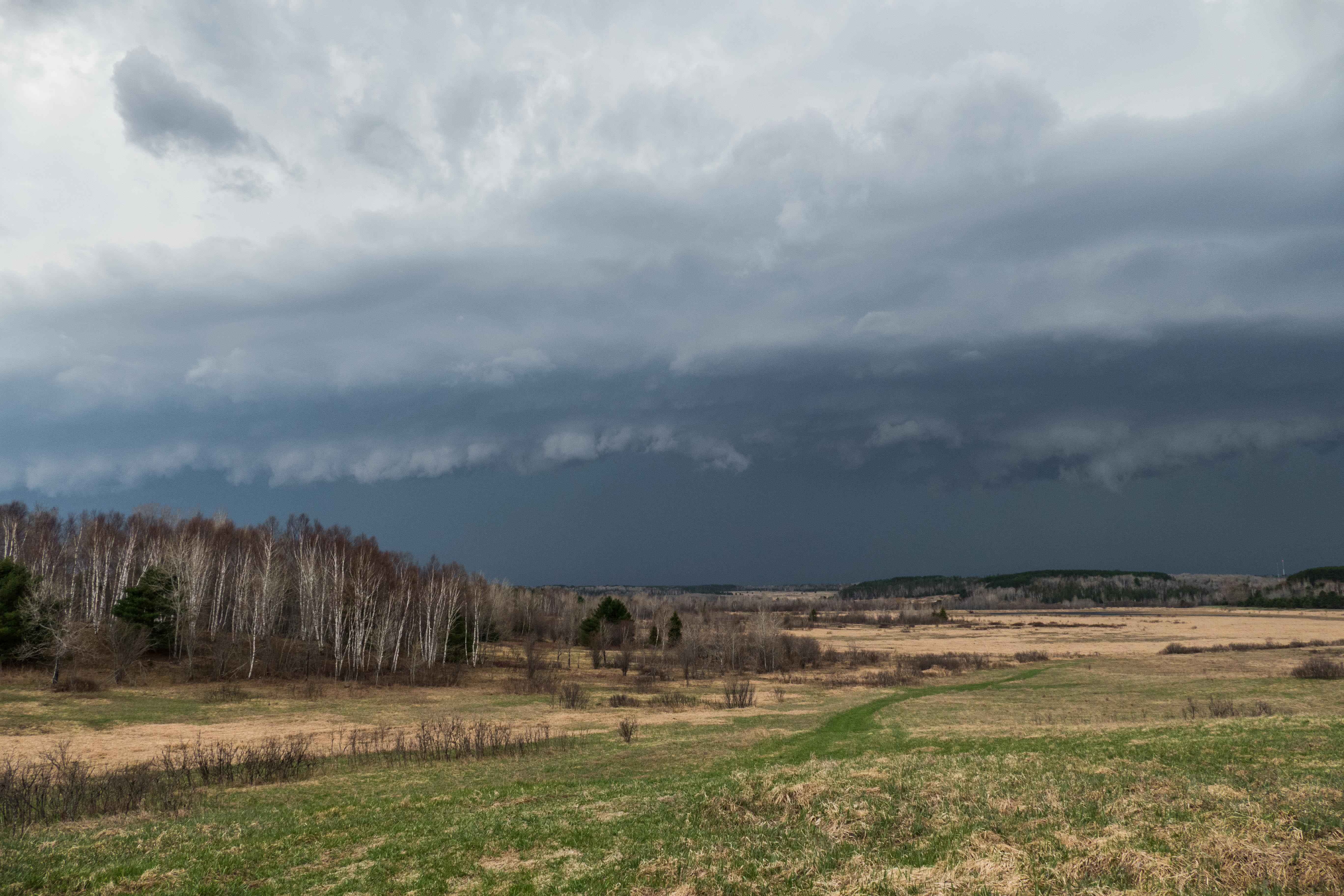
The sky was clouding up to the NW so I went up to the hill on which the old main prison was located and took this photo of the sky towards the West at 4:17:29 PM EDT……..


Looking NW  at 4:19:09 ……..

Looking SW at 4:21:24……….  a roll cloud ahead of precipitation …

4:22:04………

4:22:47………

4:23:27……..

Strong gusty wind was buffeting the car,  lightning was striking close by and heavy rain started so I decided that discretion was the better part of valor and moved the car off of the hill towards the lee side where I could face the camera downwind, to the East.

4:25:09…….

4:25:31……

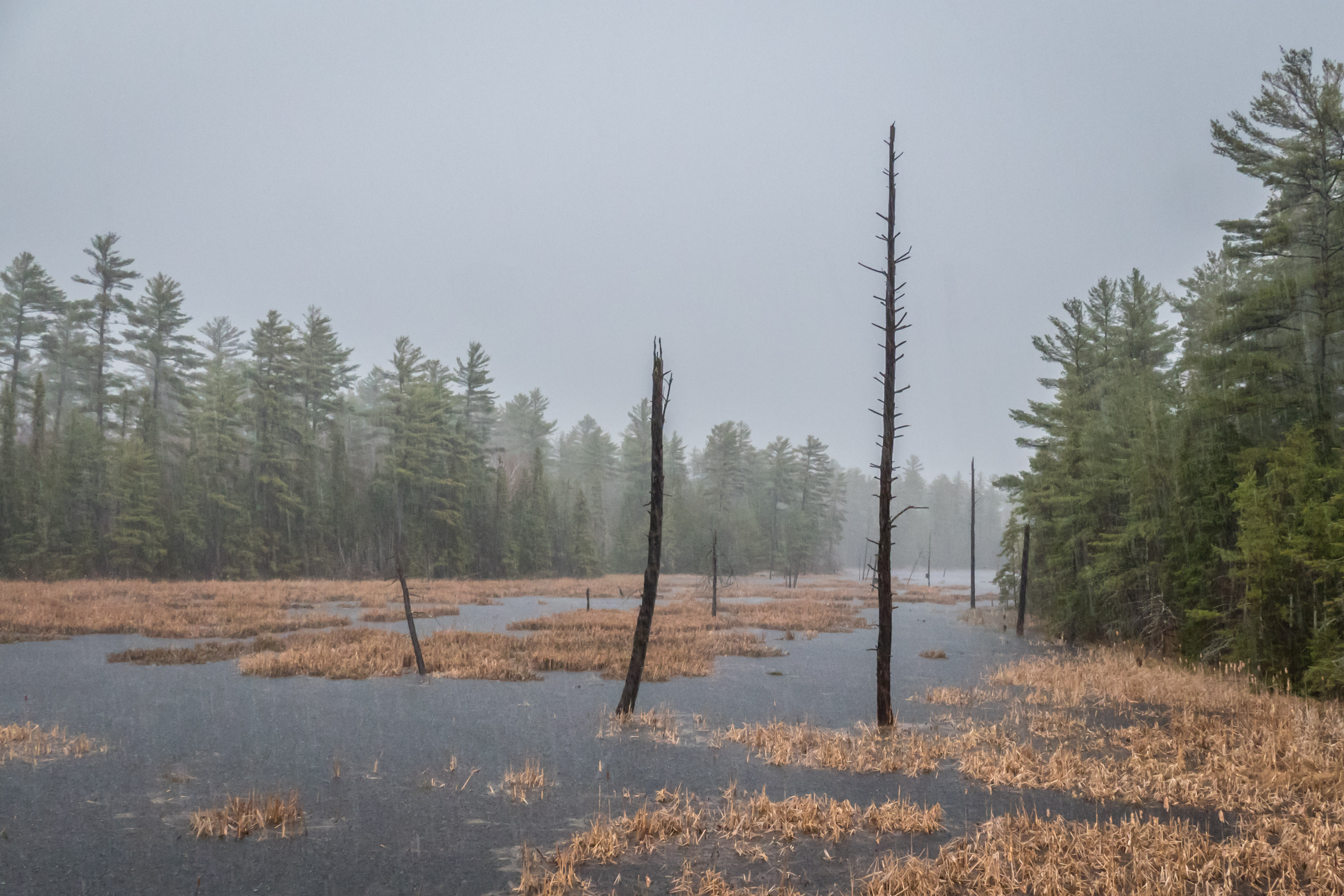
As the rain let up a bit I decided leave before being flooded out but got caught up in this hailstorm a few hundred feet away…

4:28:13

Which became a rainstorm again by 4:29:05 ….

The photo sequence above took about 12 minutes with the extreme precipitation taking about 5 minutes.

This is a nice peaceful scene taken on the way out at 4:30:52….

And, finally, this scene was photographed at 4:49:36 on the Burwash Road before getting to the Killarney Highway.

This is what Britt Radar showed at 4:40.  Burwash is just to the West of Hwy 69, about 25 SSE of Sudbury.

A  long string of heavy precipitation usually indicates a significant cold front where the cold air drives under the warm wet air causing heavy precip and donner and blitzen.

This is the weather map showing conditions about 2 1/2 hours after my event.

The cold front has rotated counter clockwise about the low centered up by Timmins.  So we’ll have cooler temperatures tonight and for the next few days as we’ll be in a much cooler air mass.

The warmth was nice while it lasted.

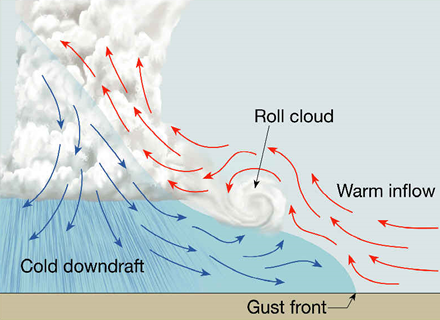
The Midwestern Regional Climate Center had a very good page on Thunderstorms   which has this diagram showing the formation of the roll cloud shown in the first few photographs above:

Save
20170418-26 Birdies are getting active

The local birdies are busy searching for mates and the migrants are passing through on their way north …  (  I hope that they are all legal and have their papers in order!)
 

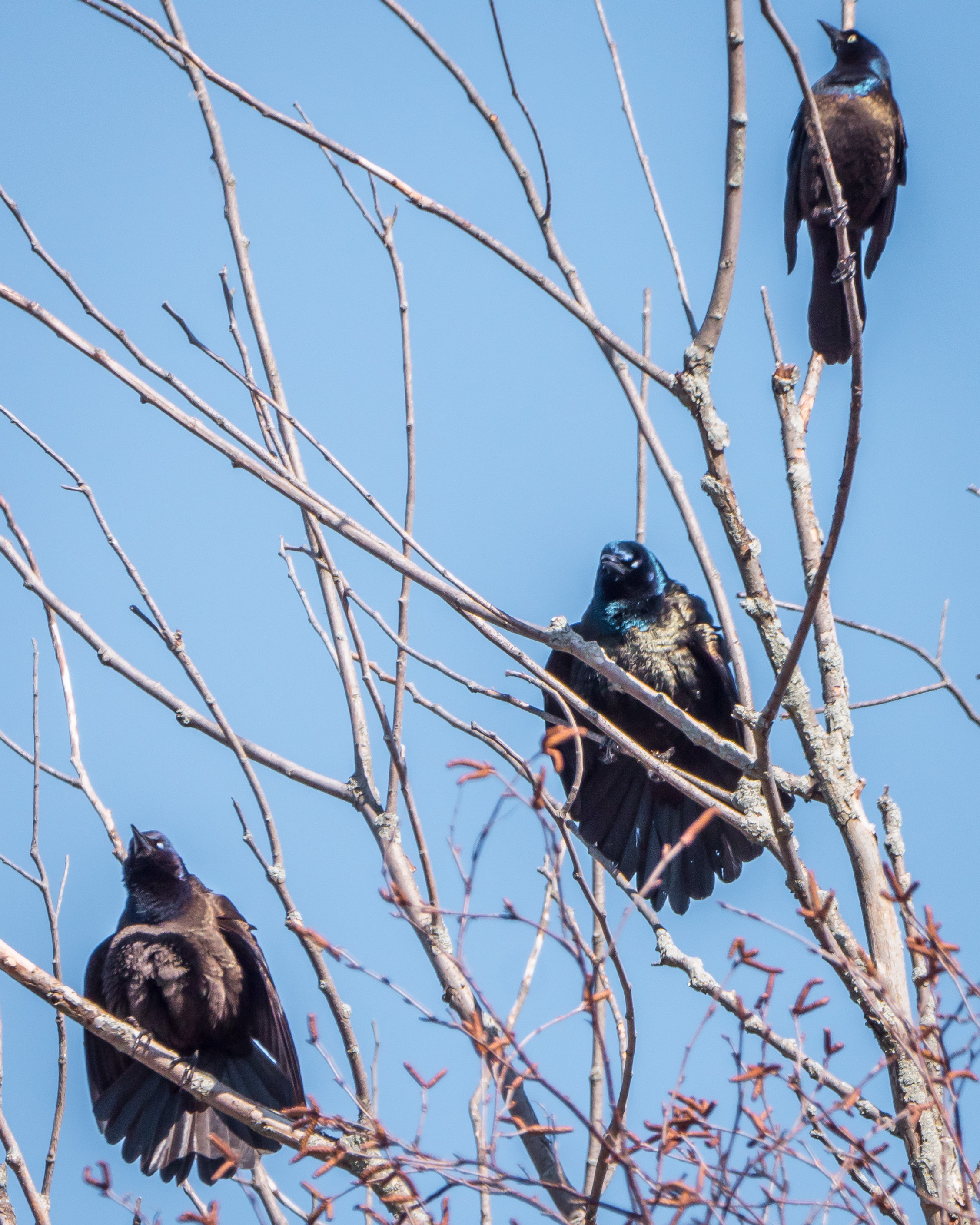
This group of Common Grackles were talking and ruffling their feathers at each other.

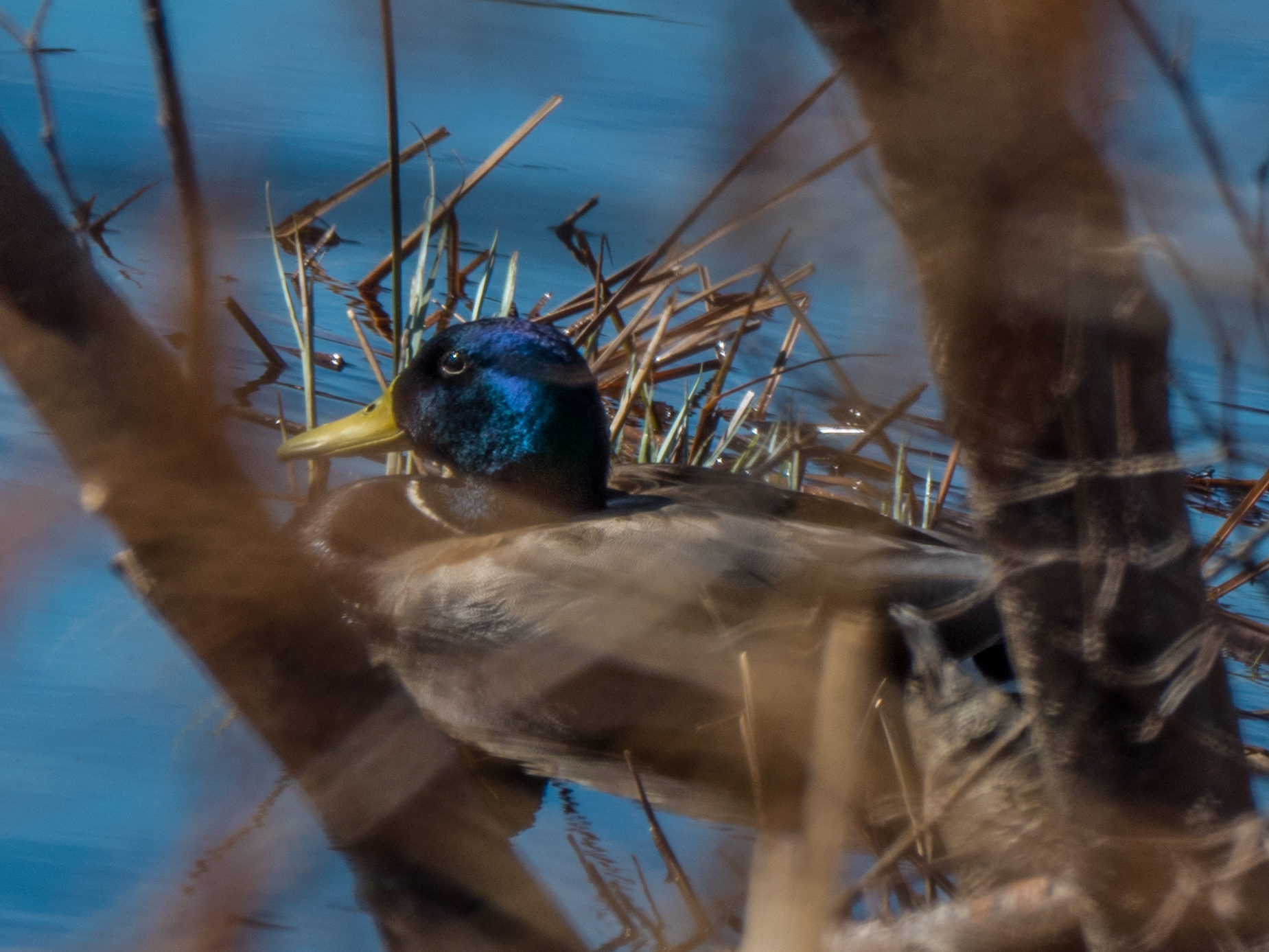
This lone Mallard played peek-a-boo with me …

Wary Bufflehead a long ways away.


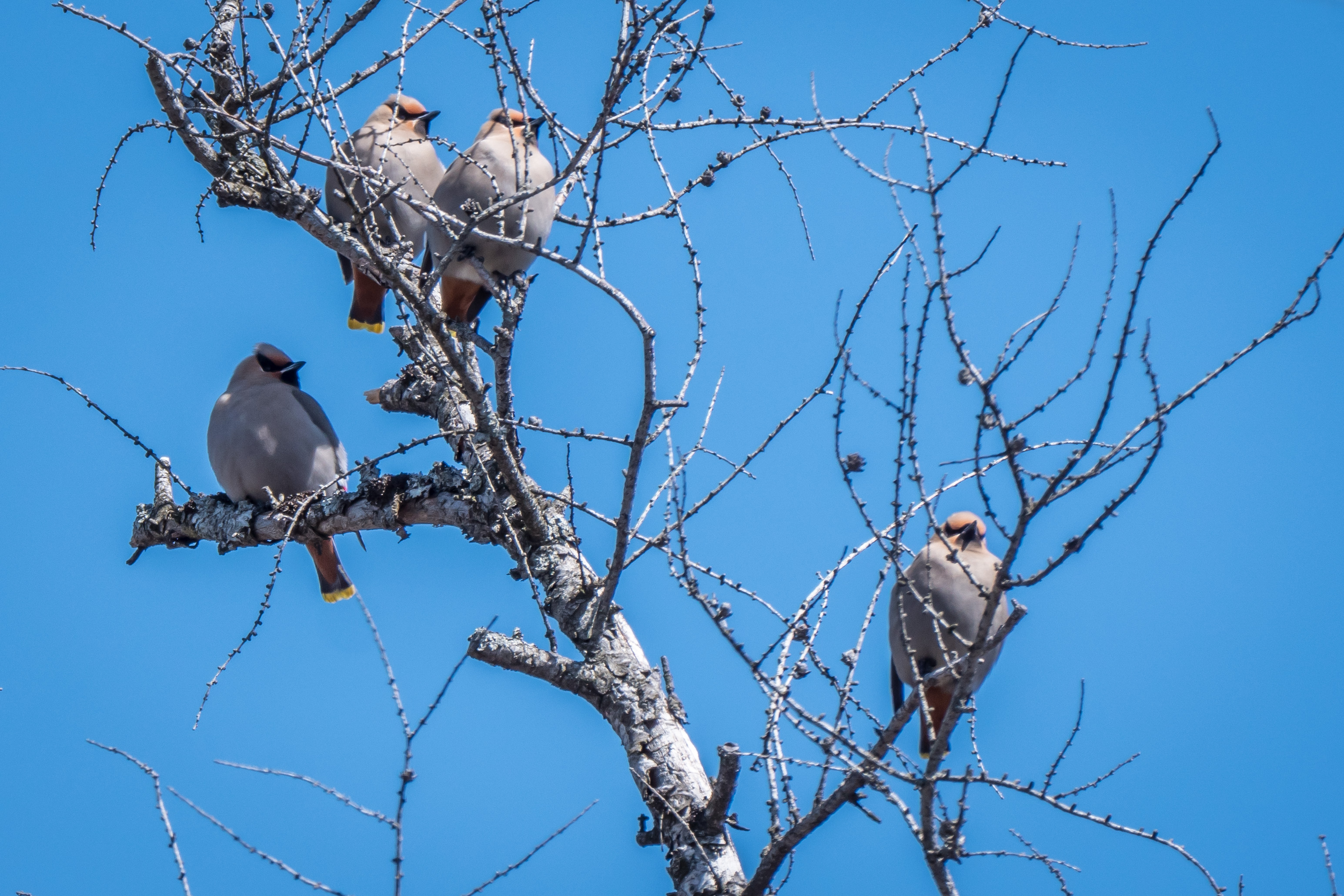
A huge ( >50 birds) flock of these migrants were chattering away in the tops of the Tamarack trees in a swamp along Hwy 529.


They were constantly chattering and moving.

This is what they sounded like: https://www.allaboutbirds.org/guide/Cedar_Waxwing/sounds

This old guy was watching me from above a deer carcass.

This  Northern Flicker was searching for grubs at the very elegant Moose Lake Trading Post, just north of Pte au Baril.
So was this Robin…

This lone Sandhill Crane was in Dave and Irene’s hayfield, turning over the remnants of cut hay.
A lone Killdeer in the distance:

Ruffed Grouse is filling its crop with poplar buds:

OK, which sparrow has the bi-colored beak?   Yes!  This one.

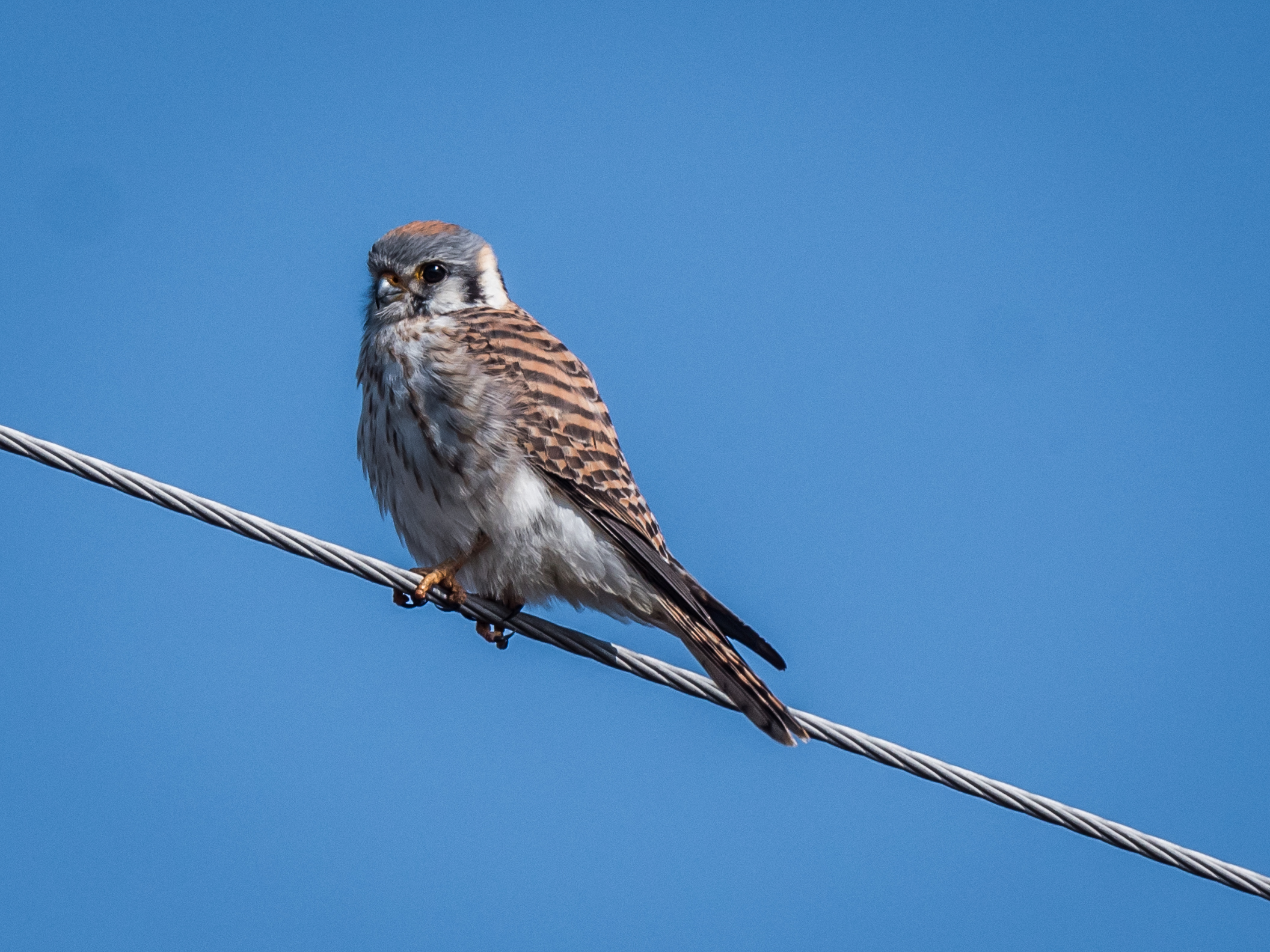
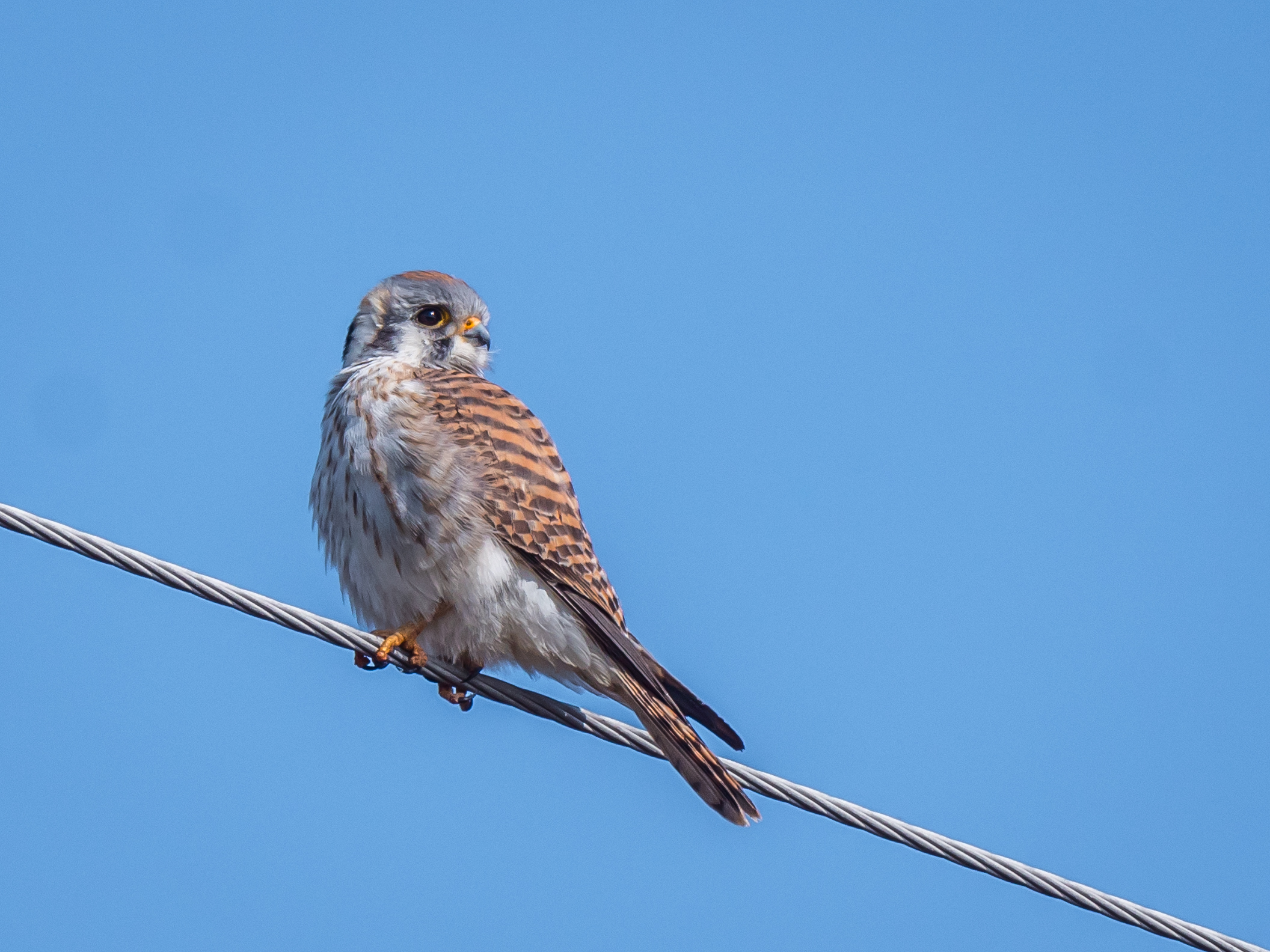
An example of our smallest falcon, this female migrant just penetrated our southern border seeking to find a mate in Canada.

Obviously coy, she shows me both profiles and a full frontal.

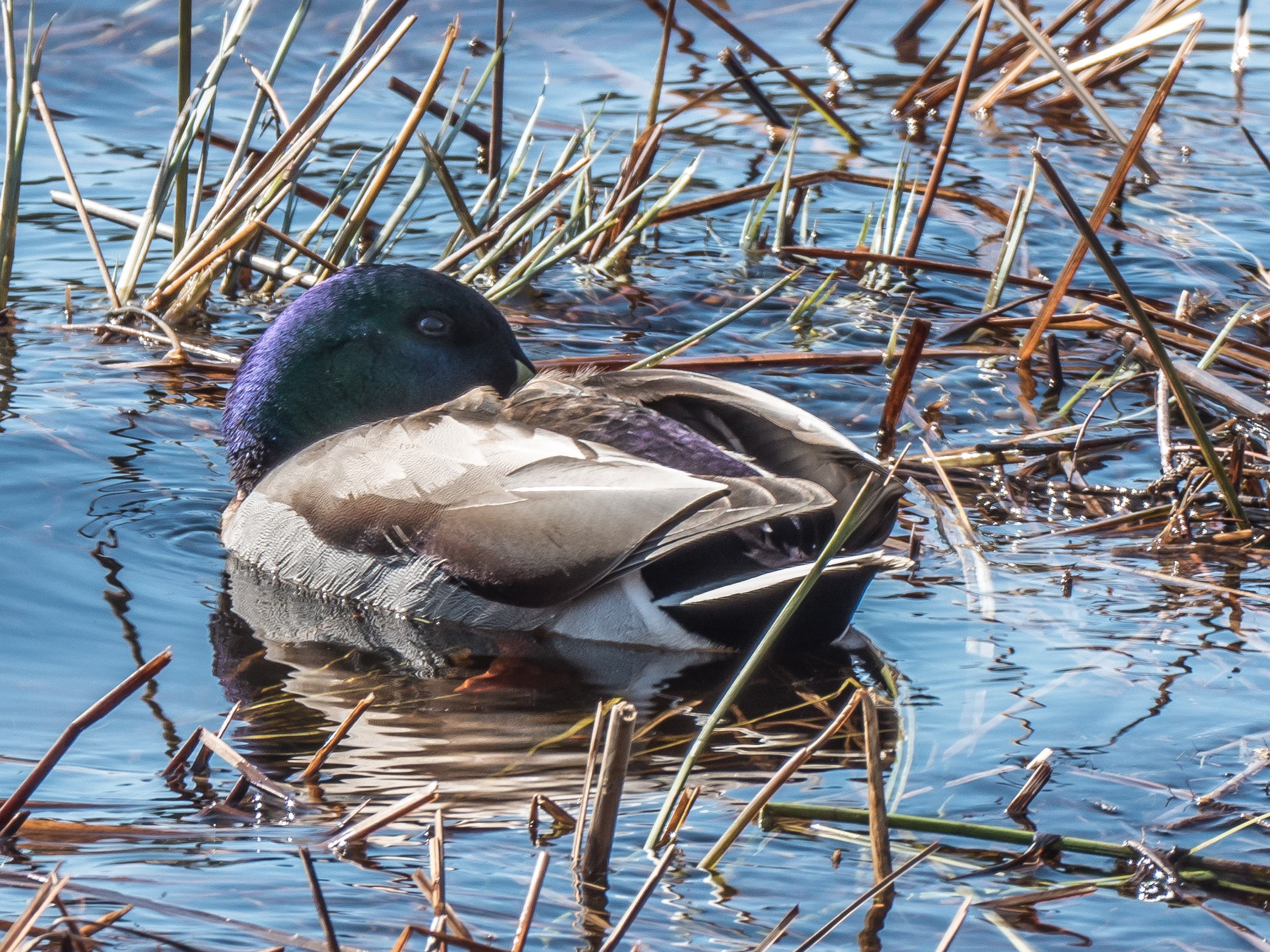
On the same day I saw these two drakes avoiding me at the Naiscoot River landing.

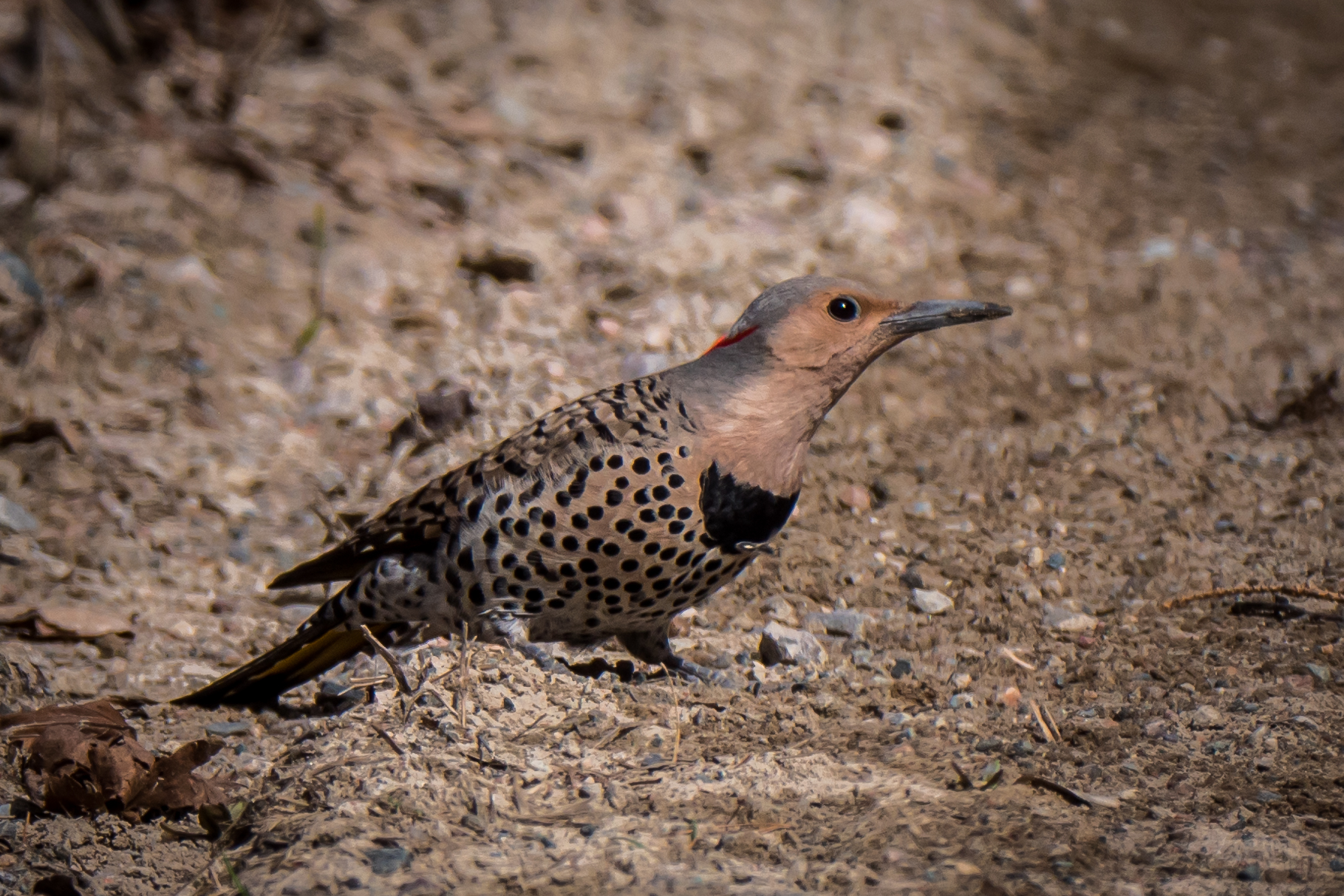
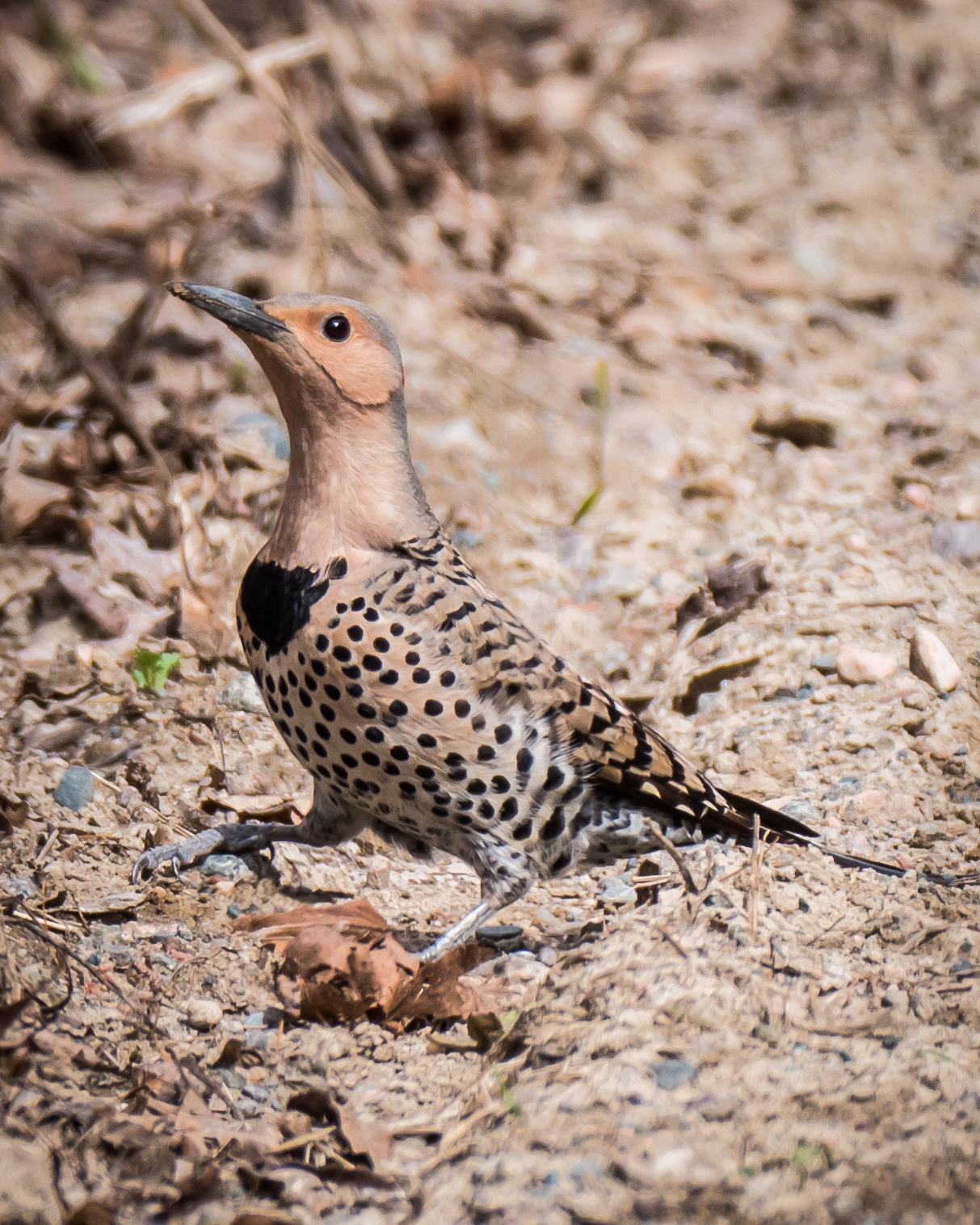
And finally, yesterday, I saw this Northern Flicker pulling grubs out of the Jamot Lumber Road.

Yesterday I saw this event for the first time this year.  First pollinator on first Trout Lily:

That means that the warblers and other insectivores will soon be here.

In the meantime with a lot of practice and perseverance I would like to be able to do this sort of work.