20160519 Trip to Loring — Part II

I finally worked through all the photos I took on that trip last week and saved a few that you might find interesting:

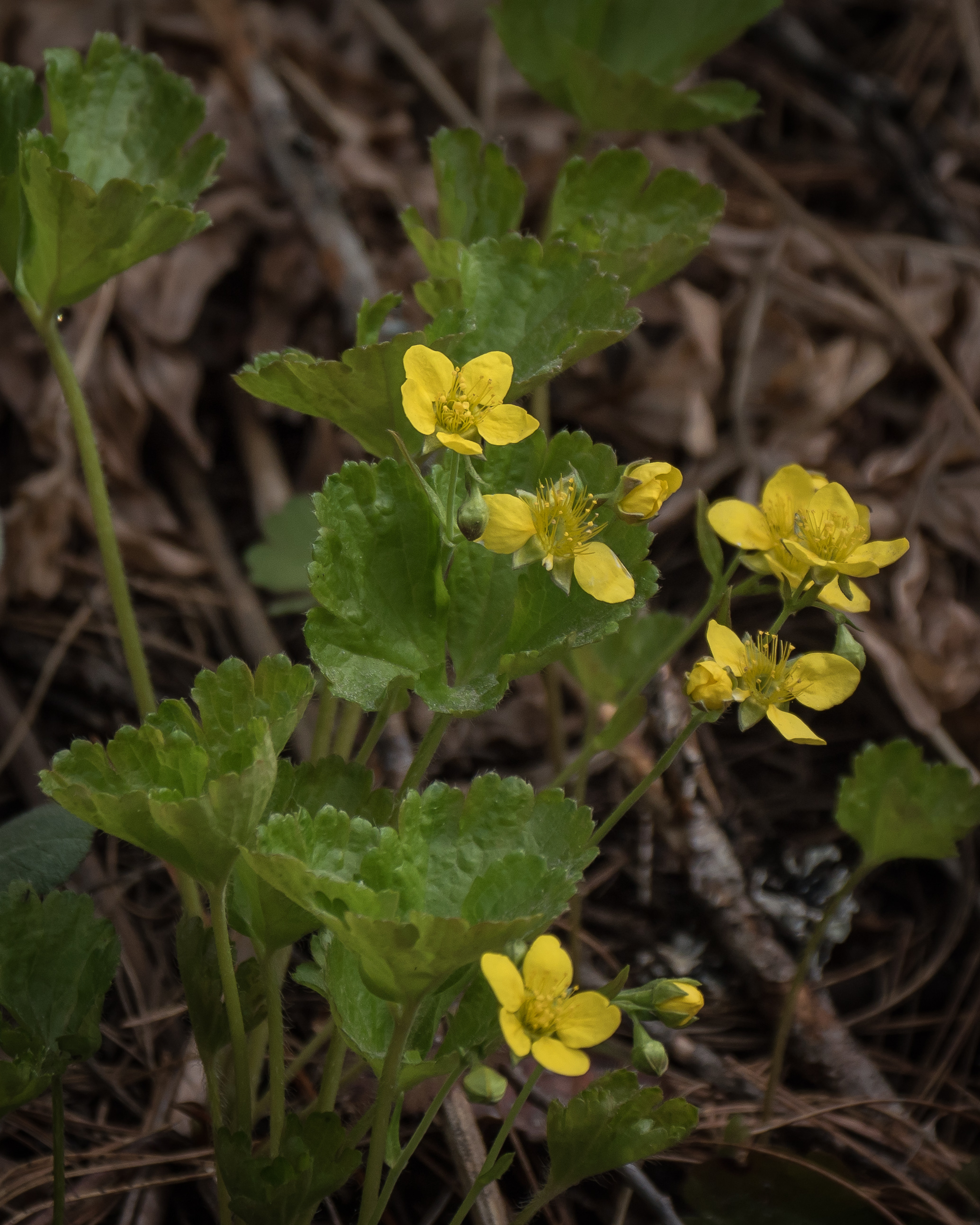
Nice Hobblebush …

P1240022-1

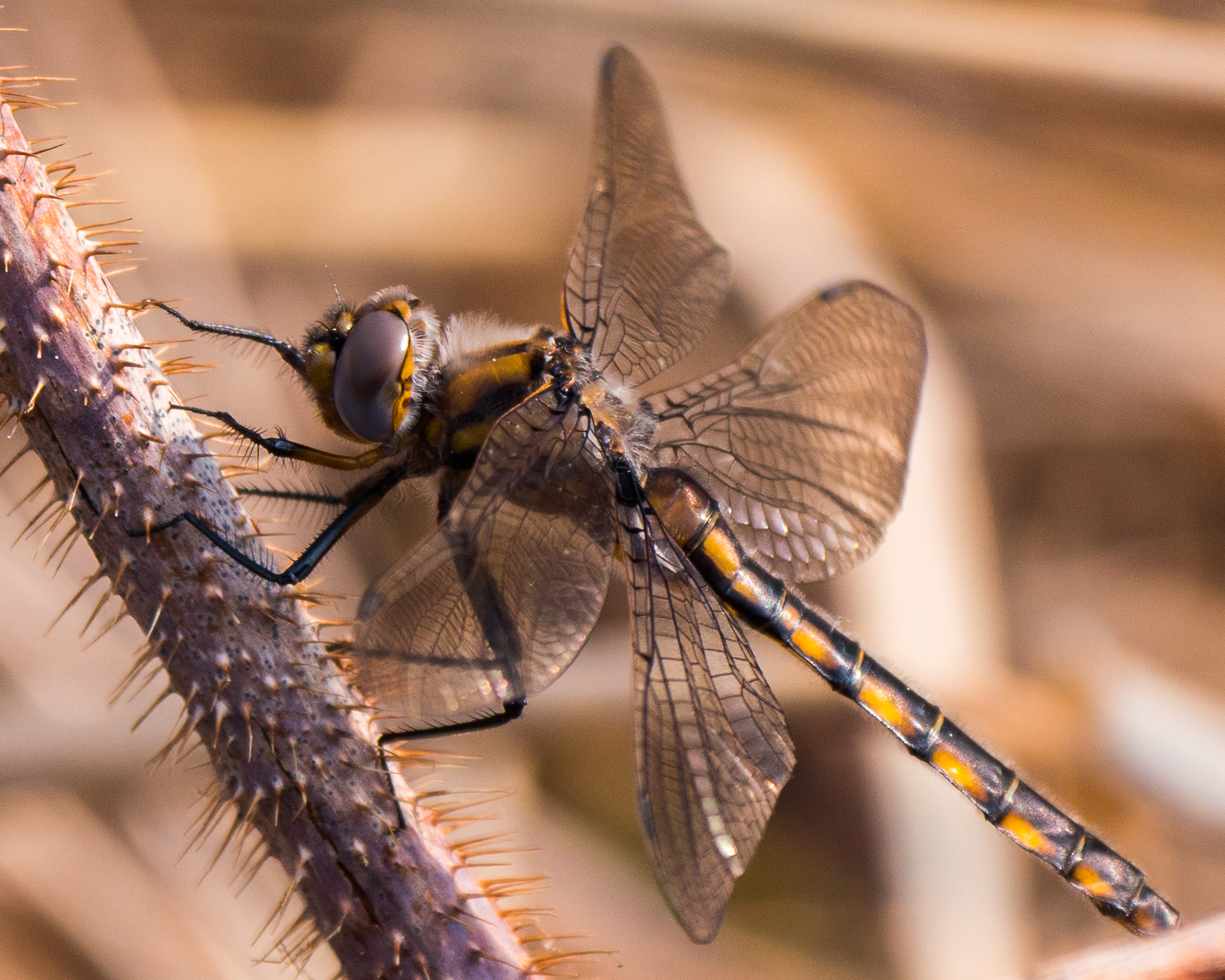
Dragonfly on a prickly raspberry cane.  Click for intimate details …

P1240082-1

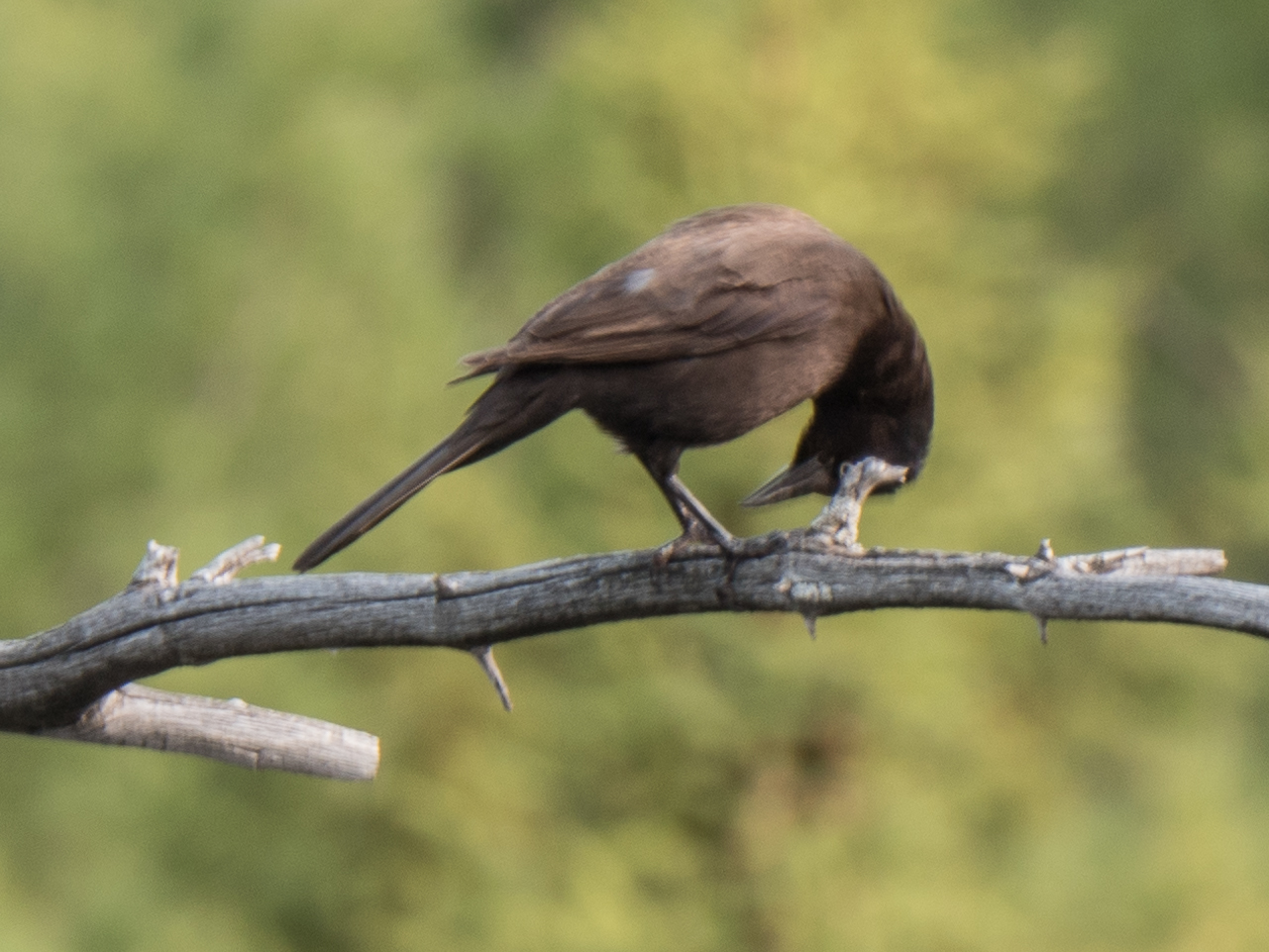
Grackle checking out the traffic on the underpass …

P1240171-1

Another Grackle showing of … verbally and pictorially.

P1240183-1

Turkey vulture taking off, showing its feathers….

P1240222-1

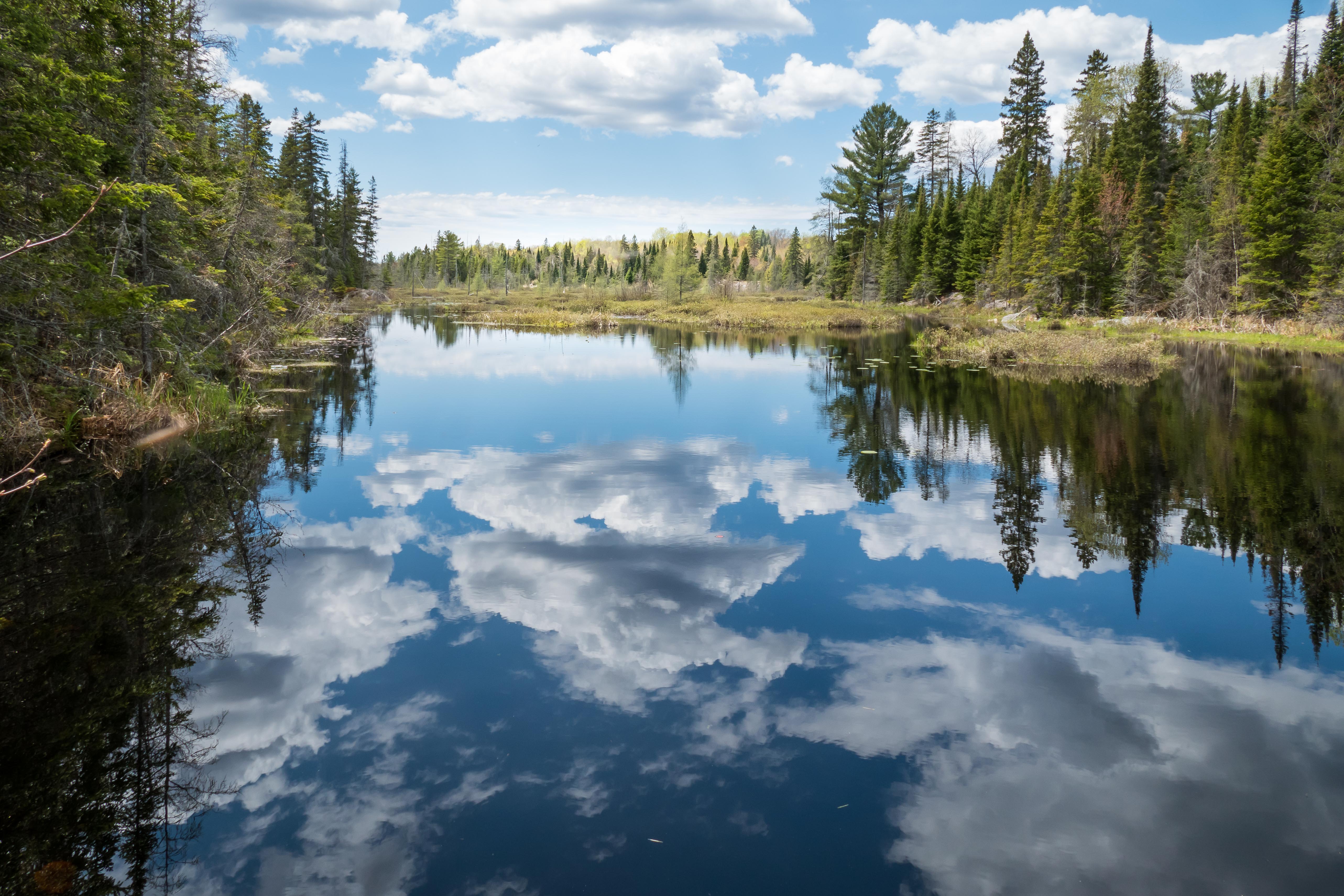
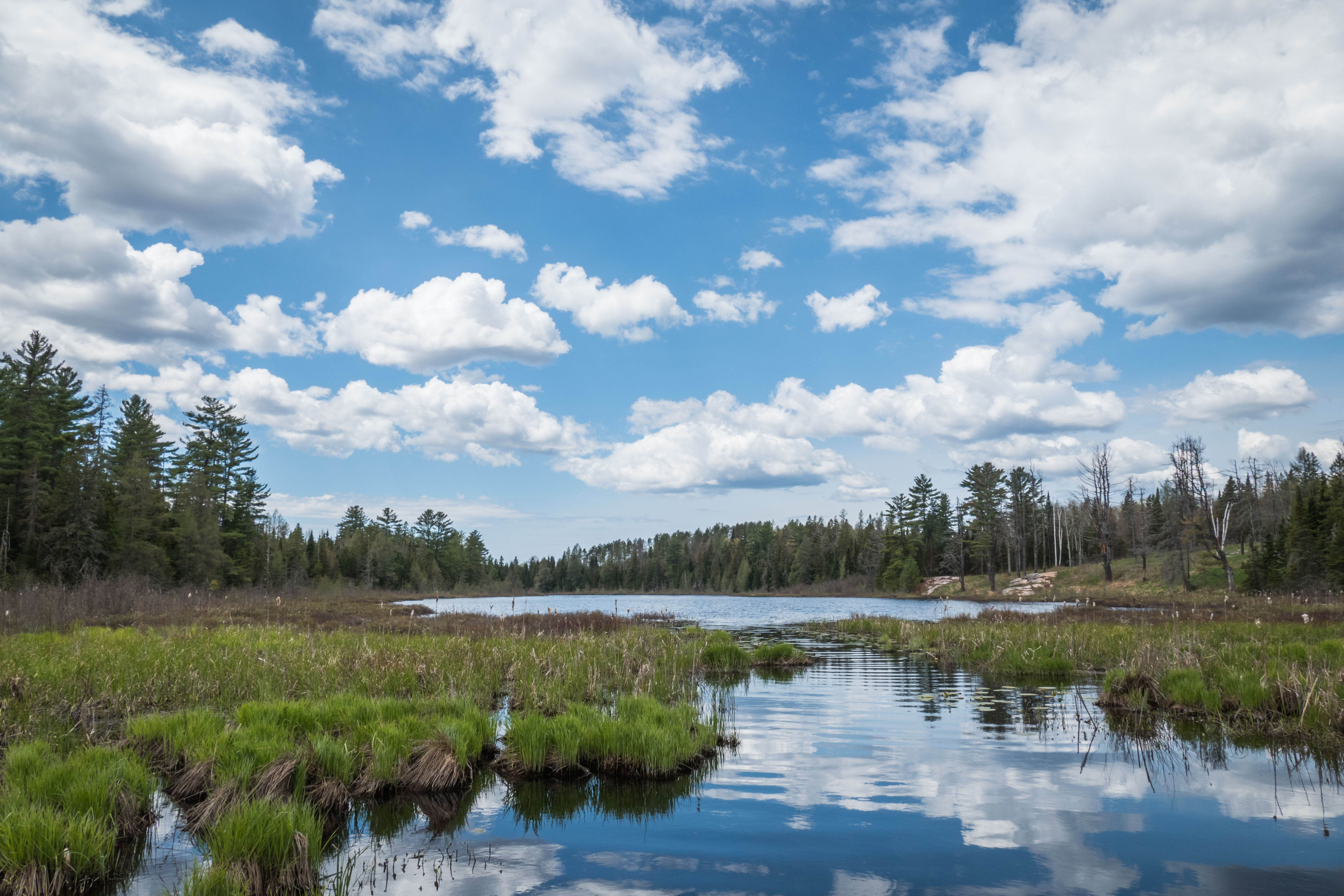
North Road pond ..

P1780170-1

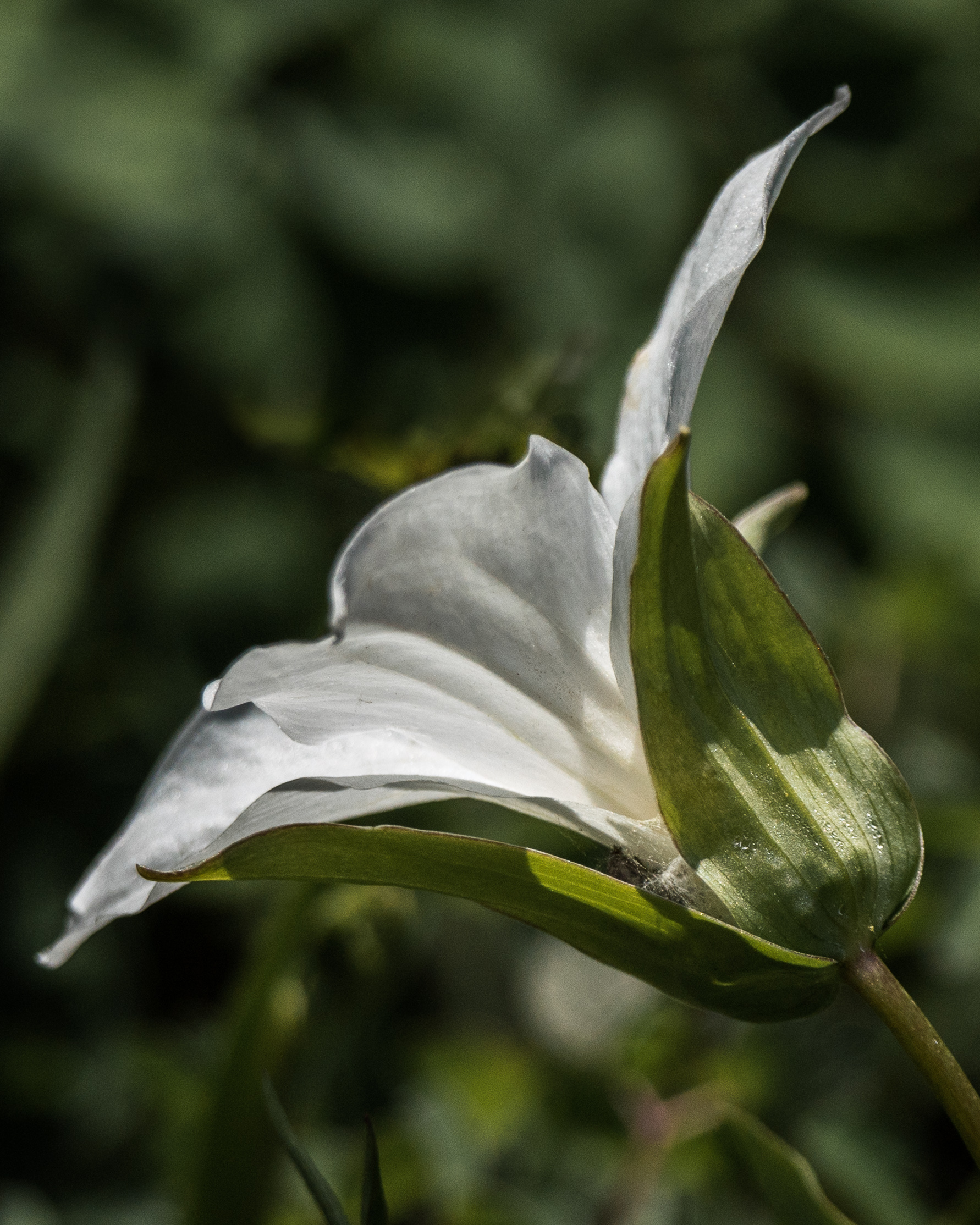
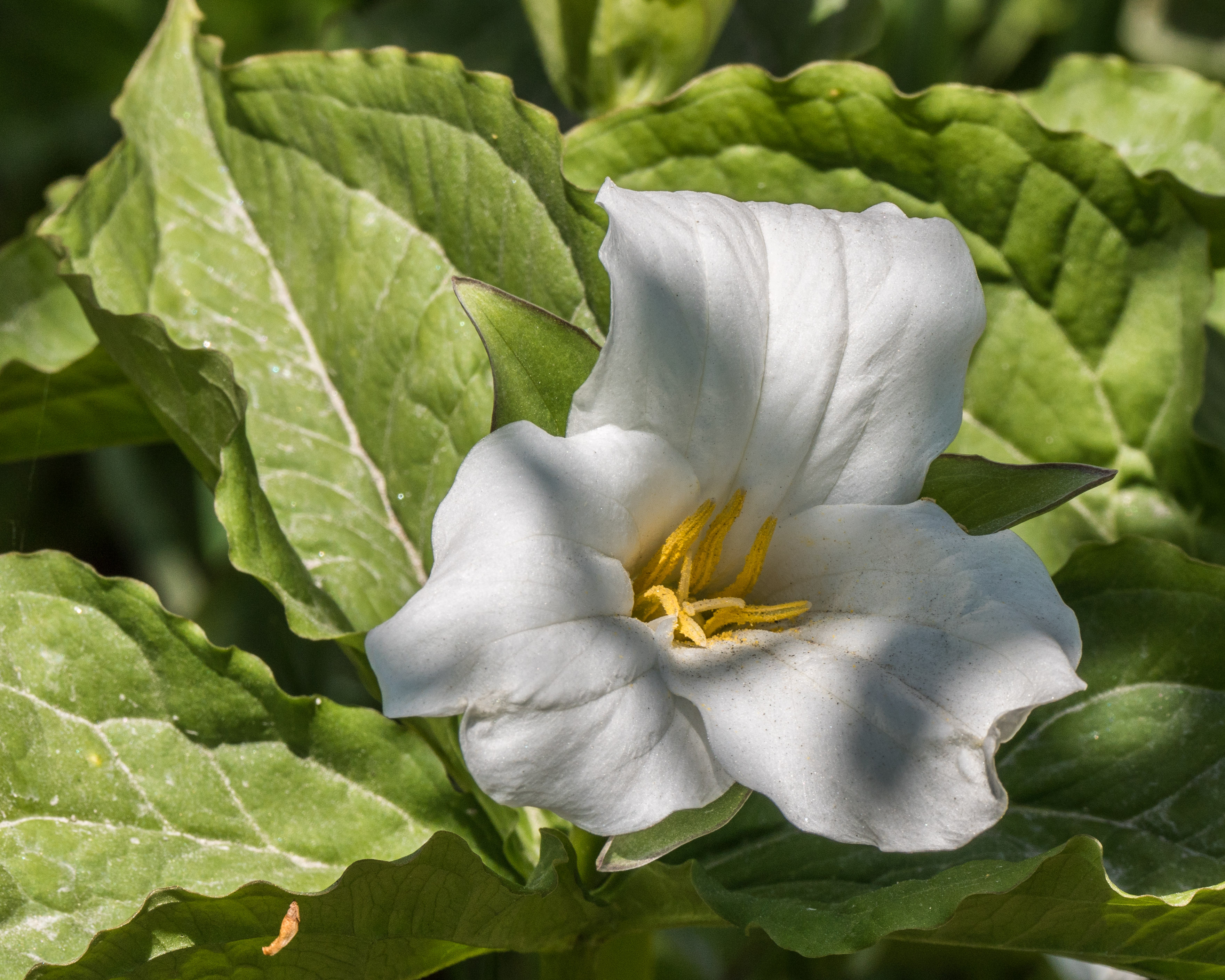
Field of trilliums …

P1780188-1

Hallie’s barn …

P1780218-1

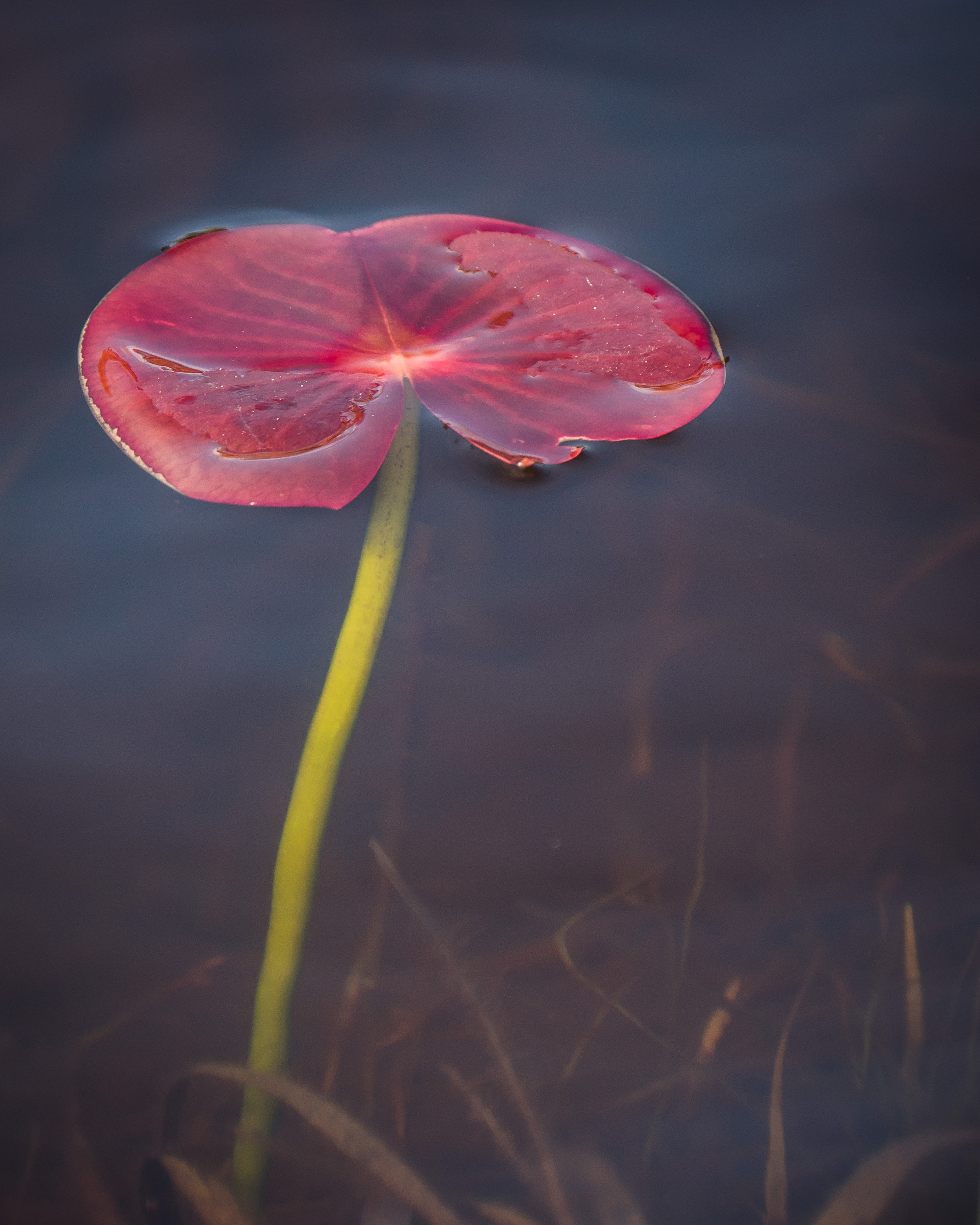
Lily pads on elevated pond on Forest Access Road…

P1780245-1

The Hobblebush will have advanced in the last 4 days.  I’ll have to check!

20160523 Spring things

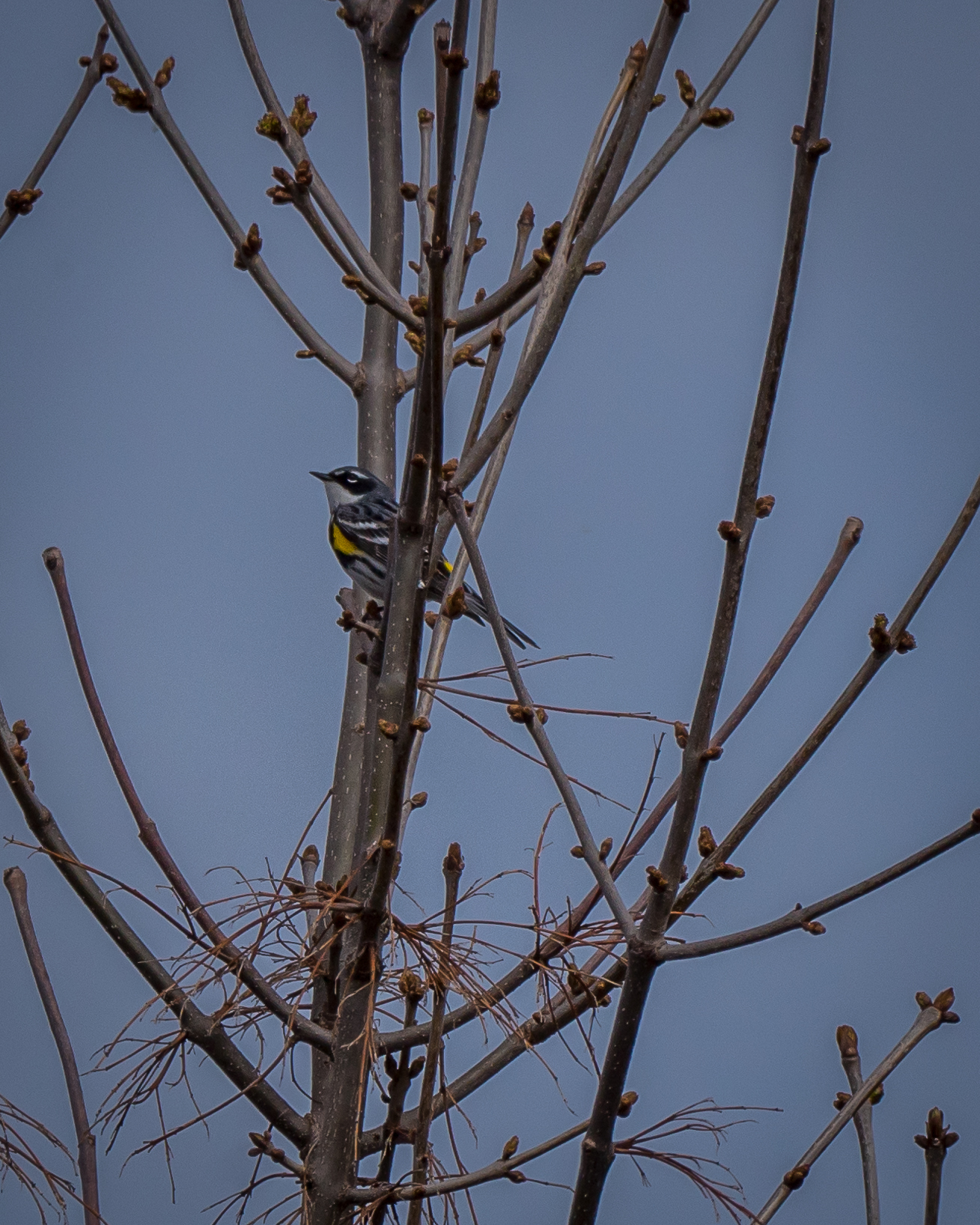
Checked out a local ditch and found this bird … for a few seconds.  It was working the bank moving a metre or two each time.  This fuzzy photo is sufficient to ID the bird as a Common  Yellowthroat Warbler.  First time seen this year.  I will keep my eyes pealed for them near stream banks with good cover.

P1250047-1

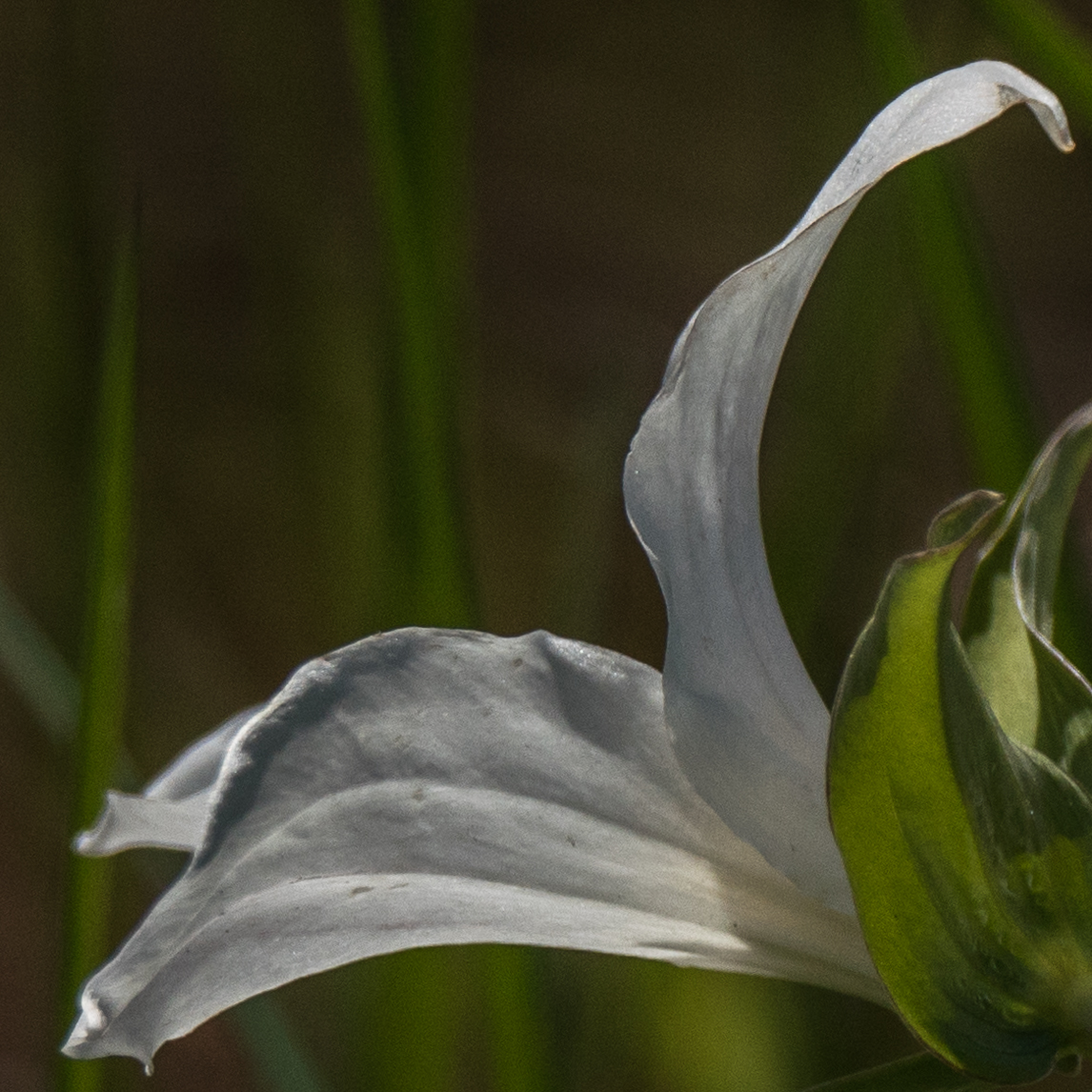
This Trillium was blooming on the stream bank.

P1250098-1

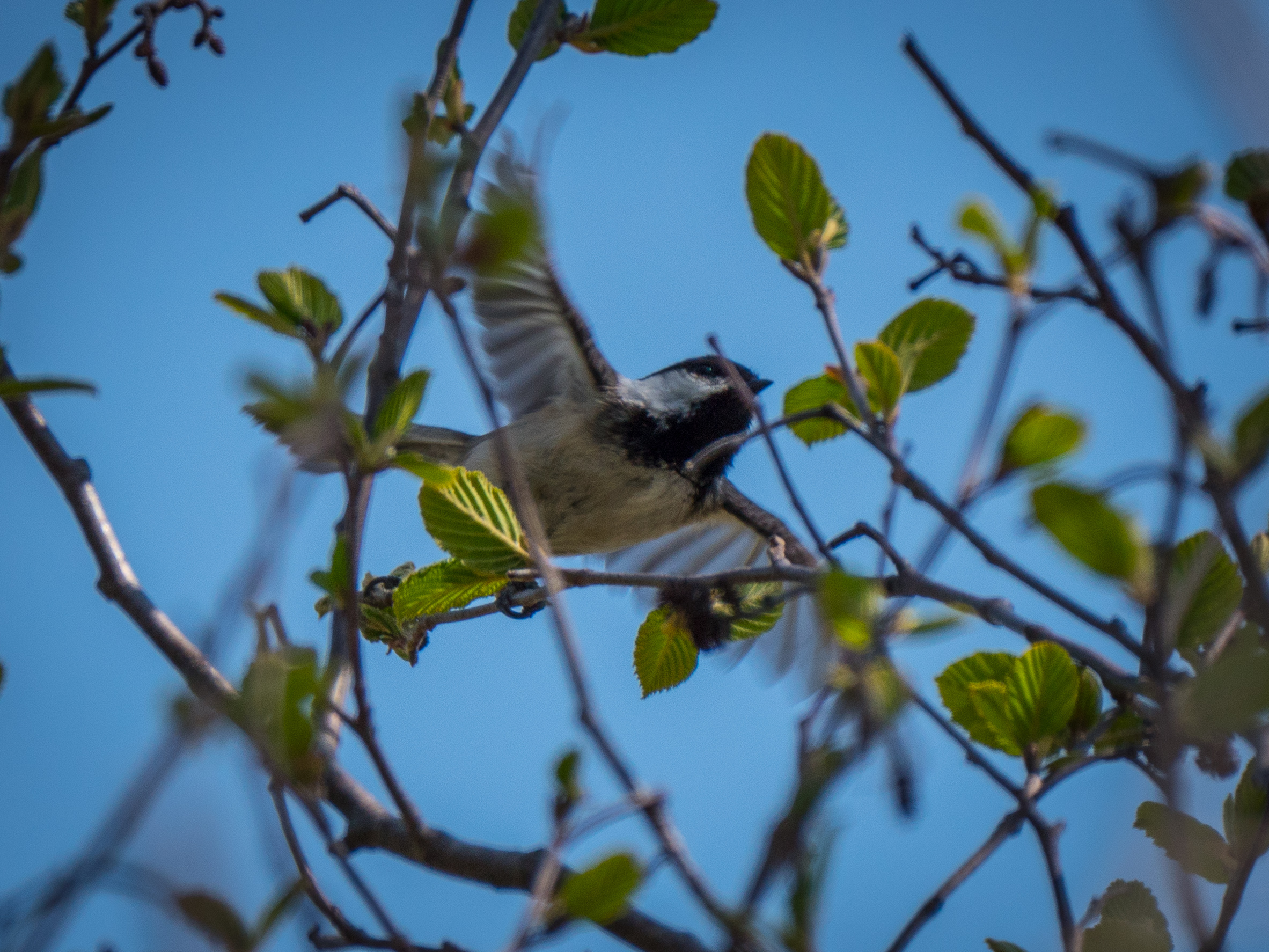
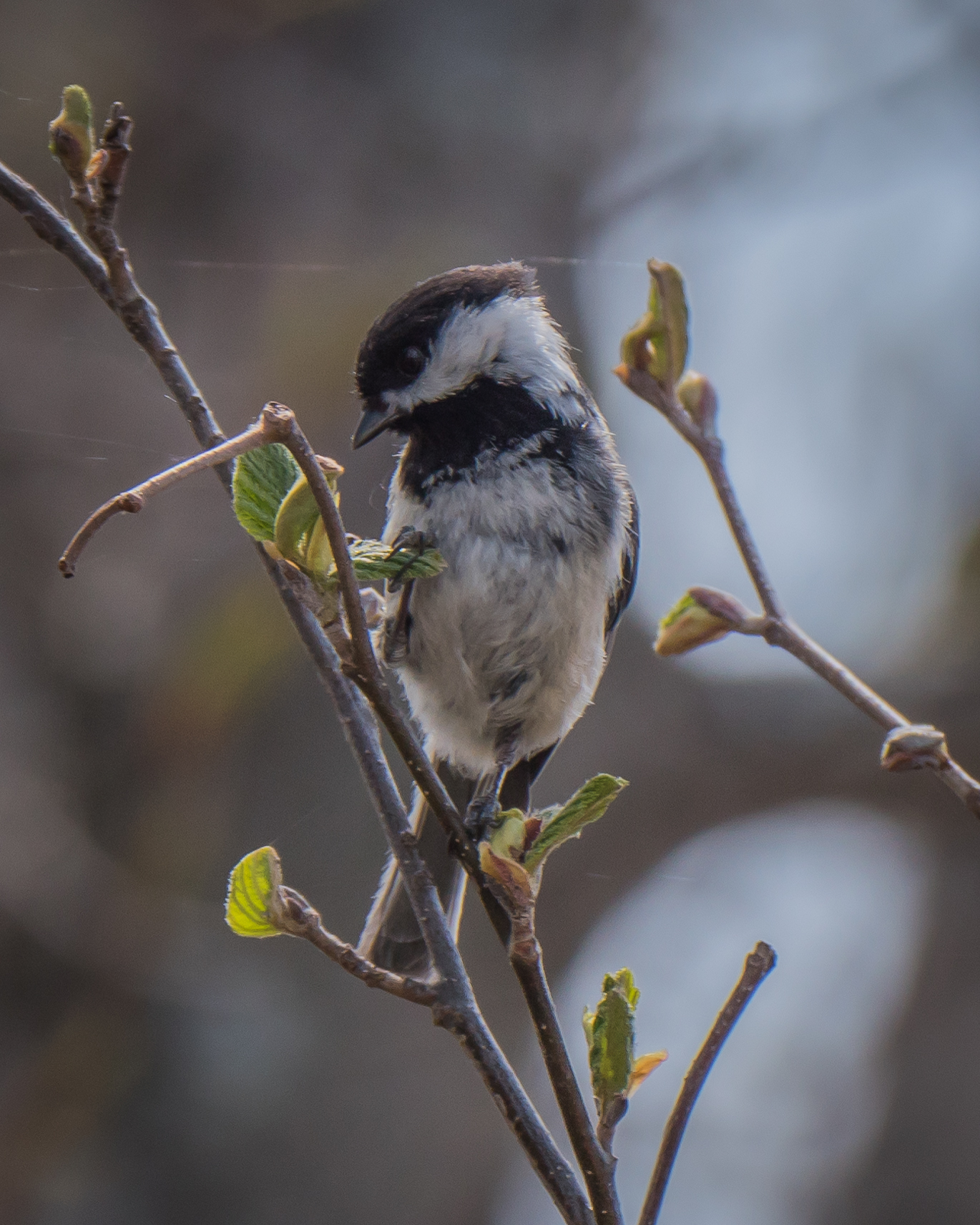
Although this birdie was behaving like a Blackpoll Warbler, it is a Black Capped Chickadee with well worn feathers.  Blackpolls have orange feet.

P1250138-1

Here it is flitting to another branch…

P1250183-1

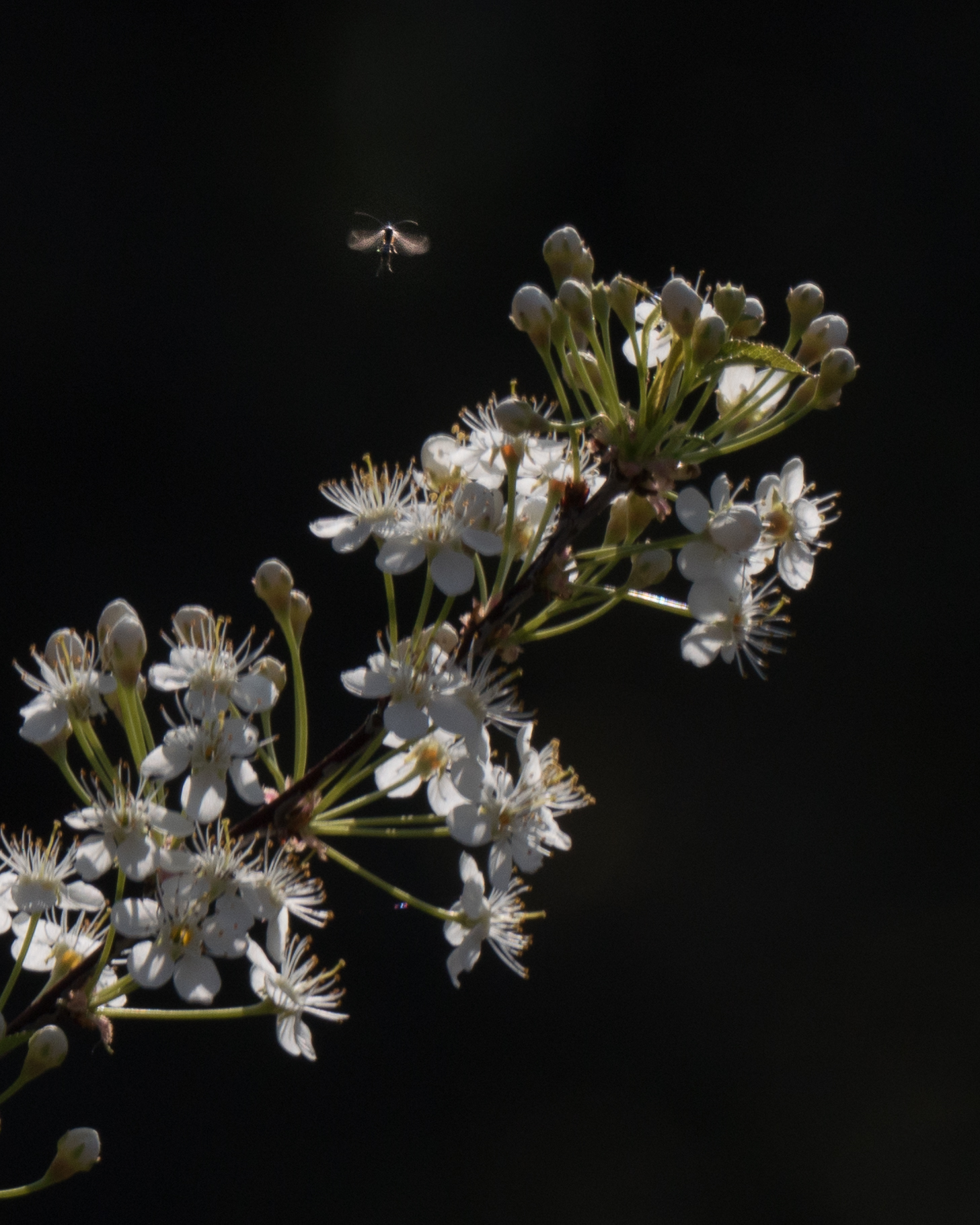
The Pin Cherries are bursting now, attracting pollinators.

P1250211-1

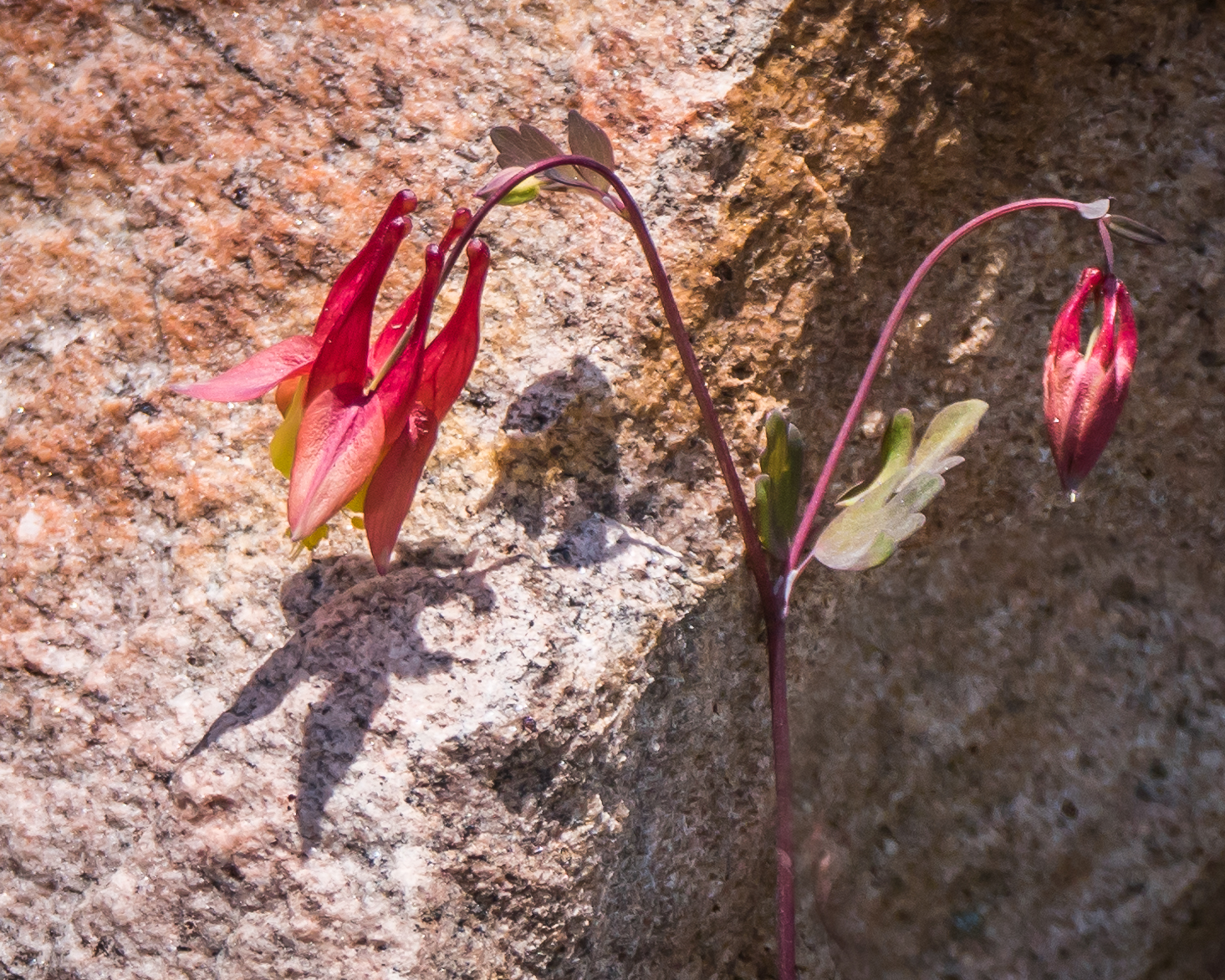
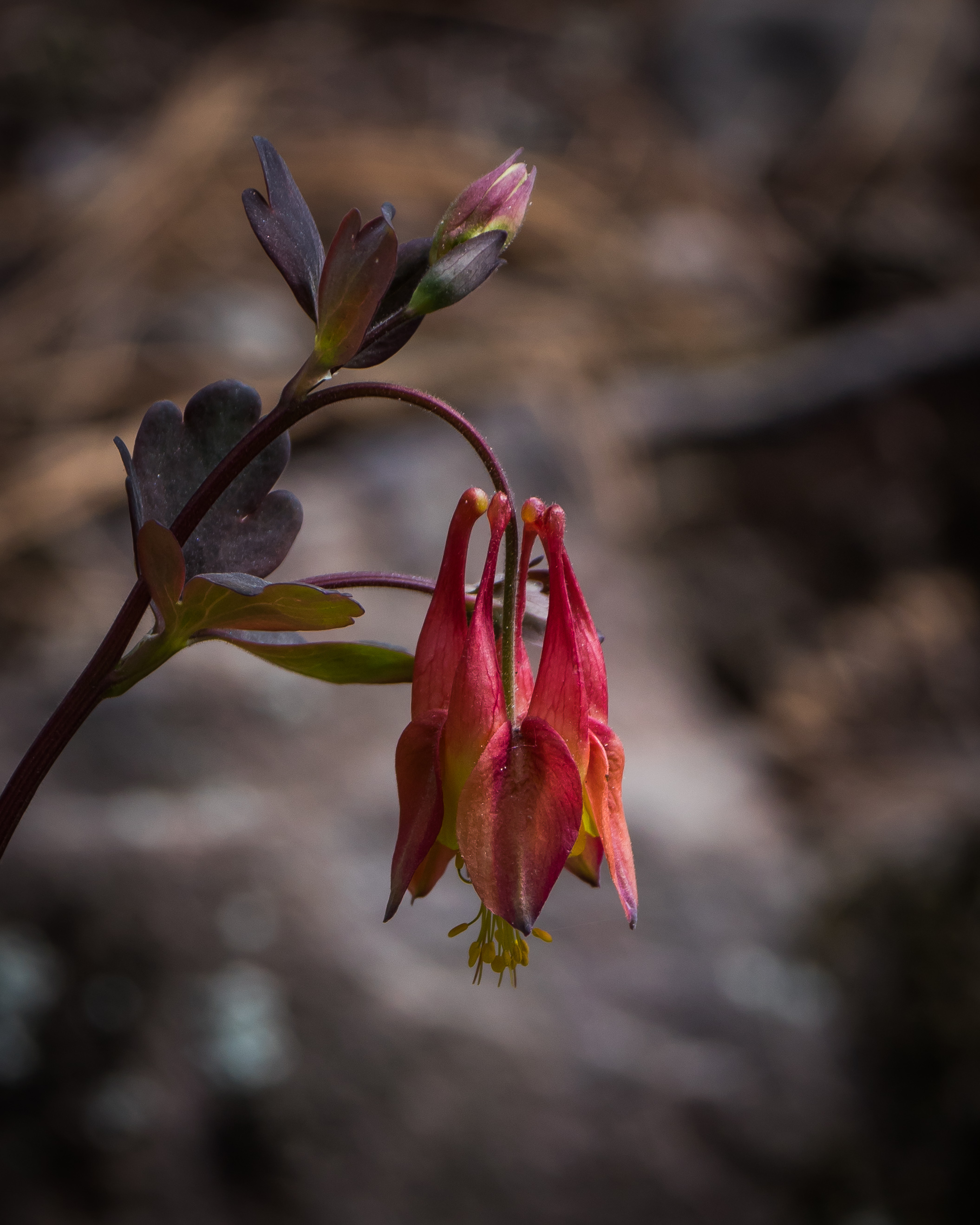
Nice Columbine

P1250247-1

I suspect that hatching time is  approaching for this pair nesting on a beaver lodge in the pond across the road from Big (Gereaux) Lake.

P1250269-1


Busy time of the year!

20160522 Blossoms, Bugs and Birdies

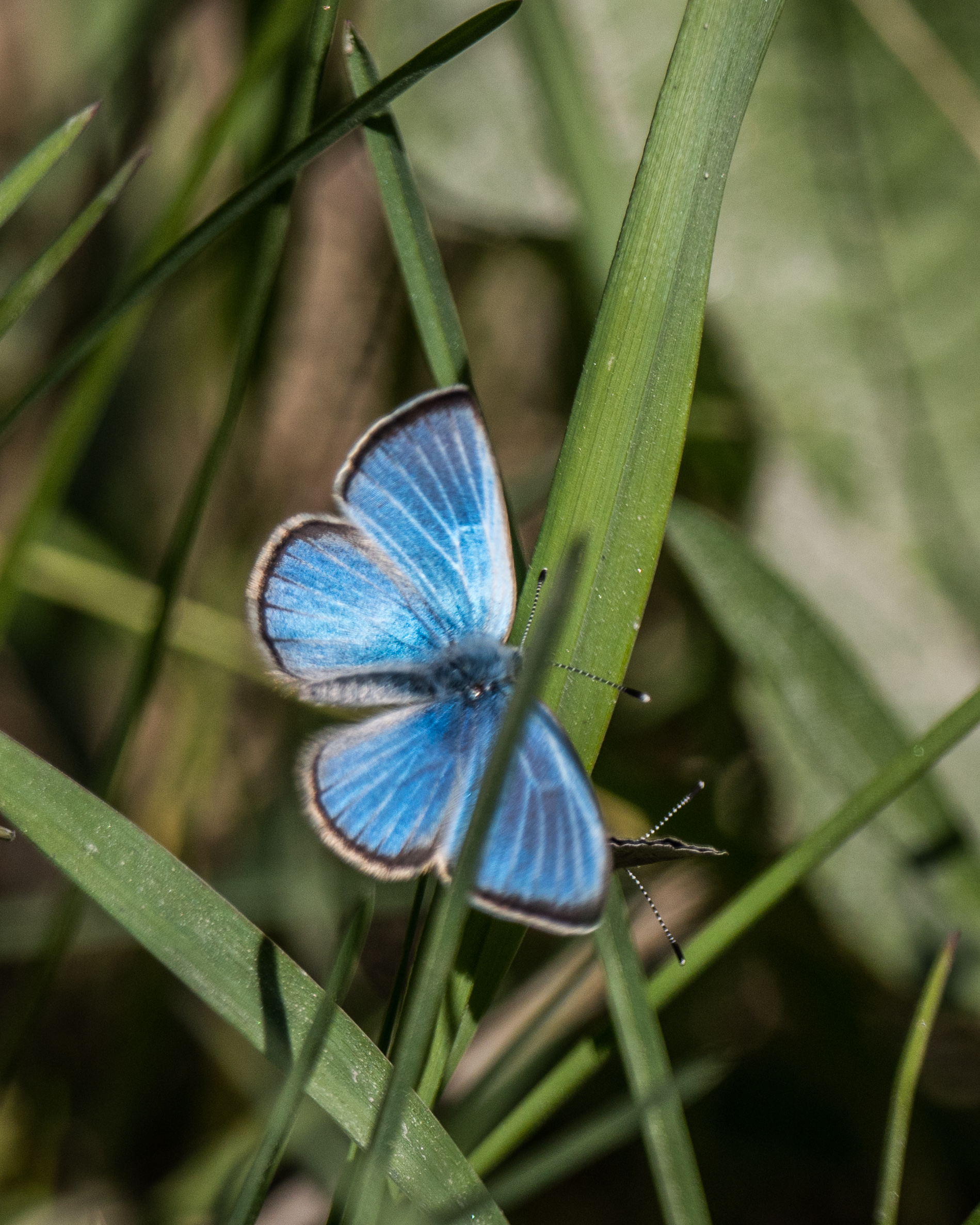
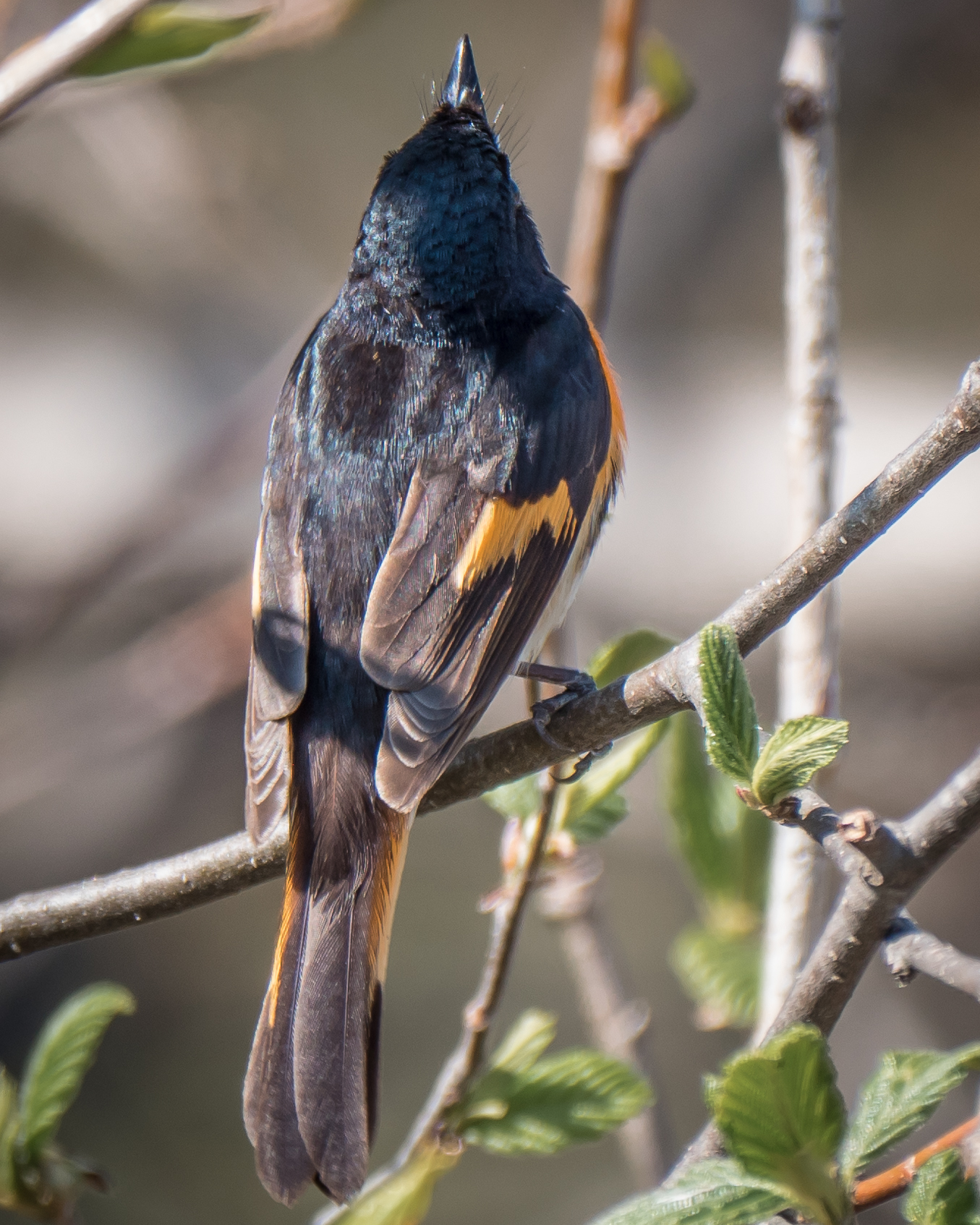
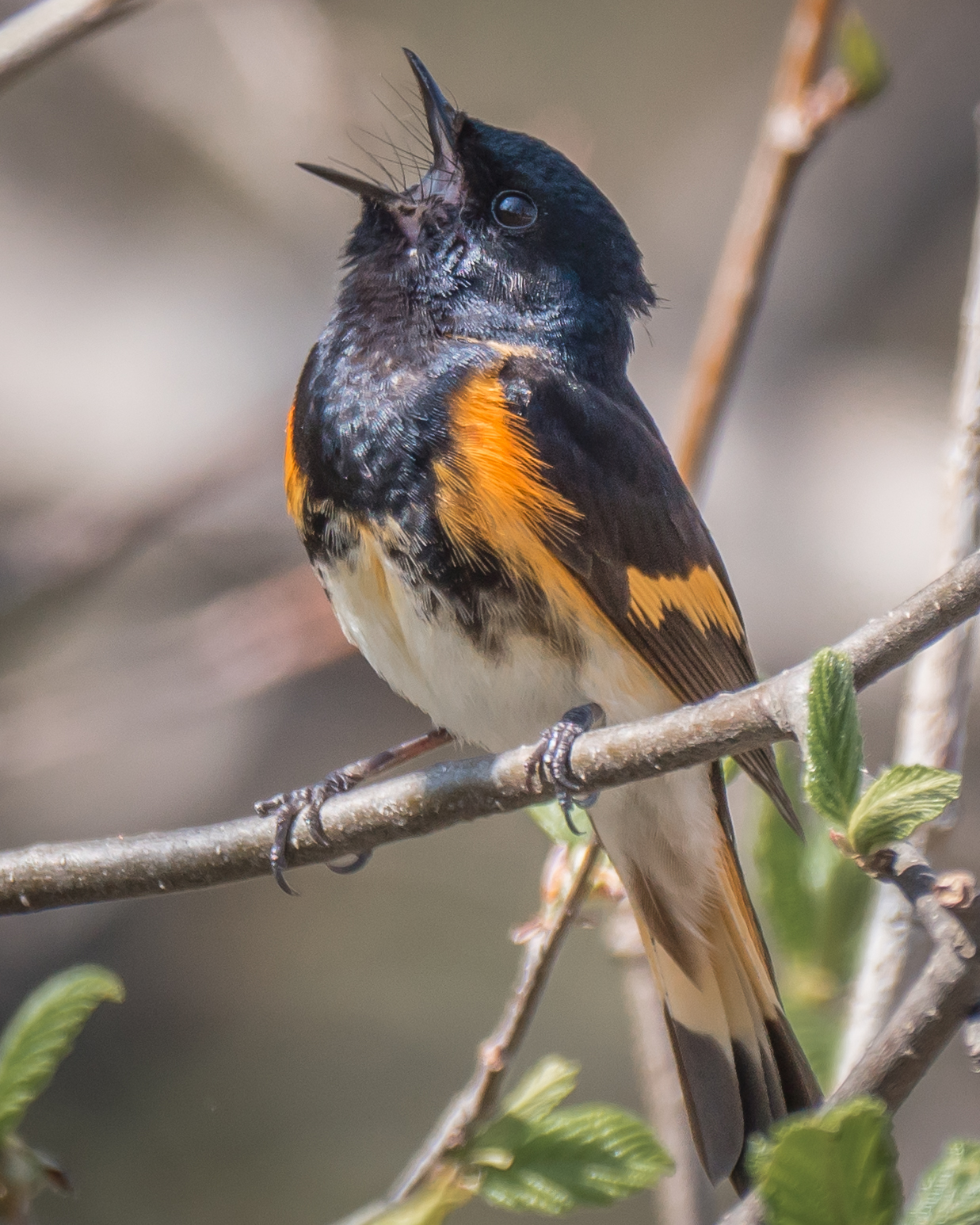
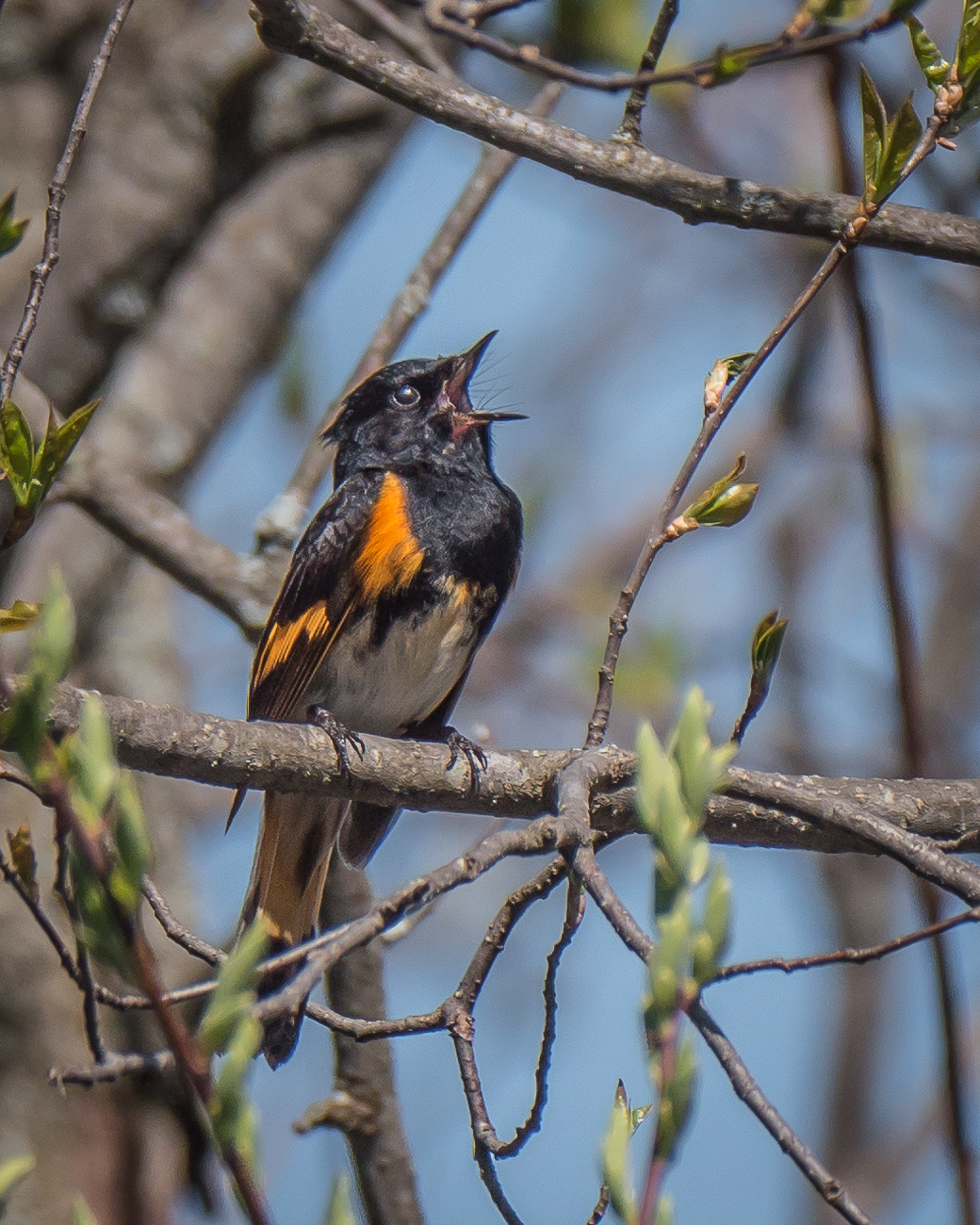
The warm sunshine is pushing the spring ephemerals right along so we spent some time enjoying some of our favourites yesterdays.  Along the way we saw a pair of Spring Azures and other pollinators.  We were lucky to see a singing American Redstart who did his stuff in front of us.  Rictal hairs, remember?

First, sans comment, the blossoms:

P1240683-1-2

P1240790-1-2

P1240796-1

P1240804-1

P1240813-1

P1240867-1

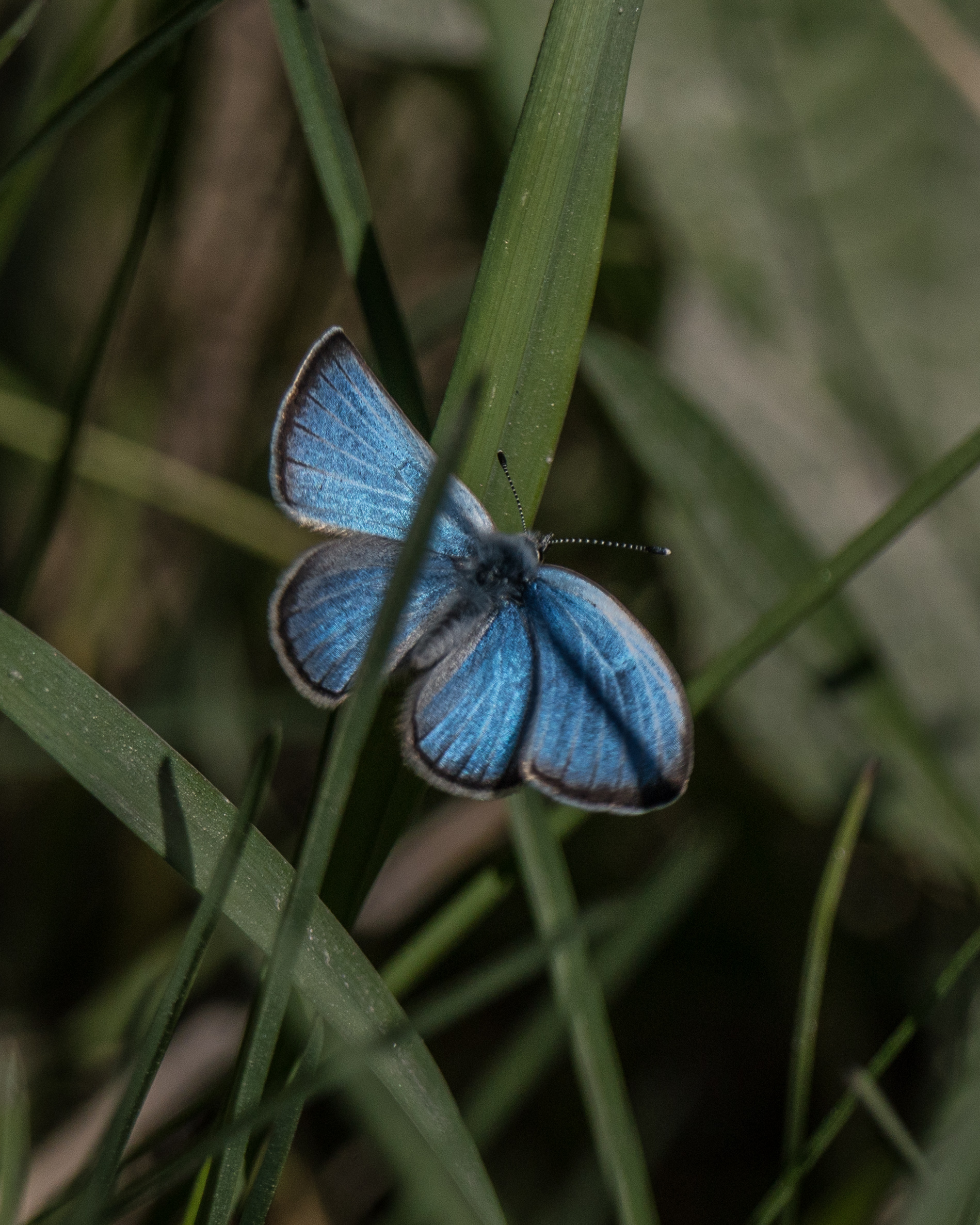
A Spring Azure was alit and then another kept circling until they both flew off … for a date? dance? dinner? honeymoon?  Ah, Nature in the spring!

P1240969-1

This suitor came along demonstrating his aerobatic flying skills …

P1240900-1


P1240910-1


P1240928-1

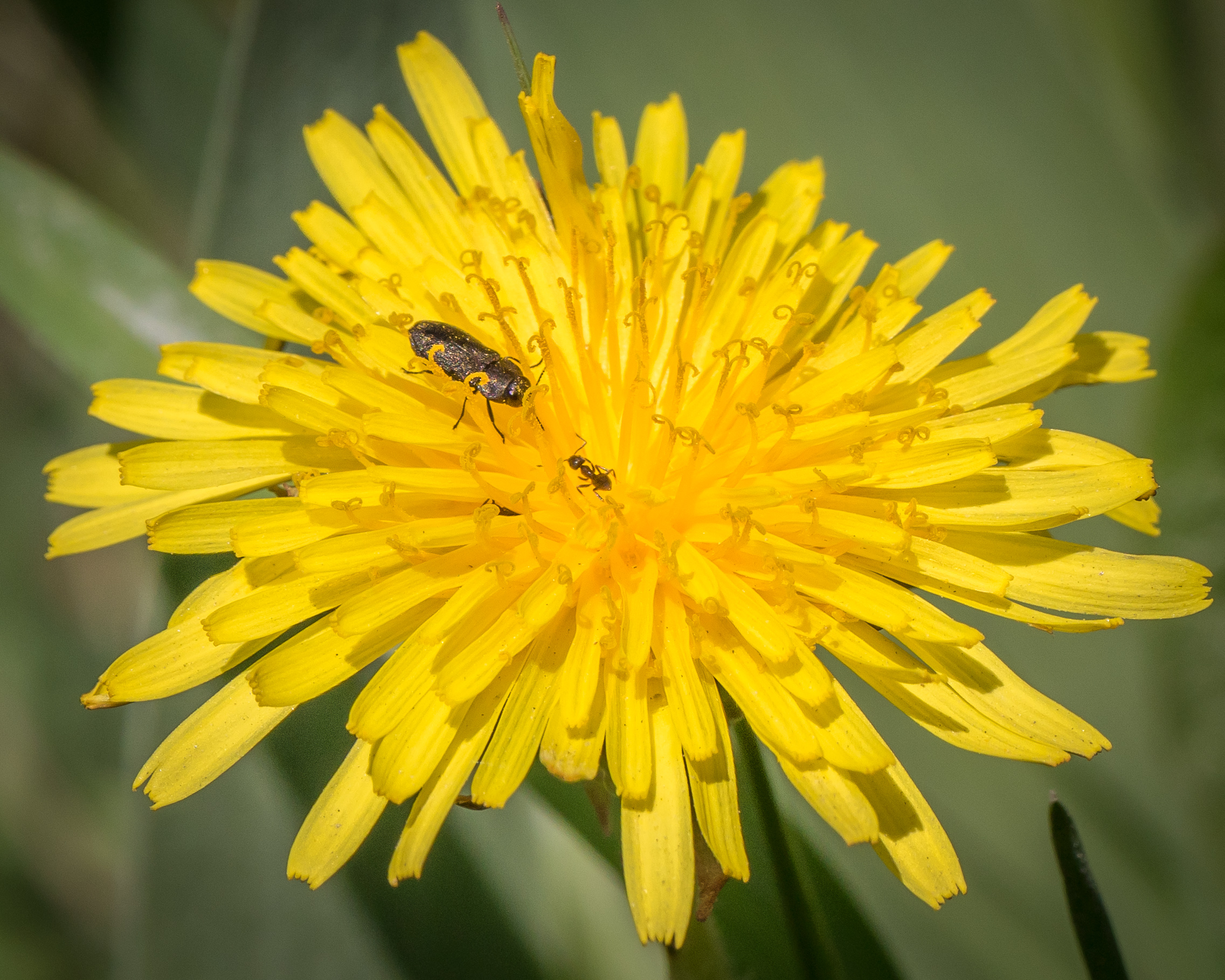
A little further on this beautiful, and much misunderstood yellow blossom, was pollinated by a couple of beasties …

P1240996-1

So was this one …

P1250033-1

Overhead this fellow was flitting, gleaning and serenading.  I think that he is fathering a nestfull of little ones for the trip to Central America starting in August.

P1240611-1

P1240619-1

P1240666-1

P1240622-1

A few days ago I posted a photo of a “Tennessee Warbler”  [20160518 More migrants arrive].

It wasn’t.  Click on the third photo in this Photo Gallery to see what it really was.  The photo of the “Tennessee Warbler”  was made about 50 metres away so I will keep my eyes peeled for further developments.

Today I am going to wander a little further afield in search of other migrants.


20160521 Gleaning

I did a little thinking today and recalled Lovelock’s  Gaia Hypothesis that was popular with young life scientists about 40 years ago.  Some parts of Gaia are still well regarded, except in the group that deny AGW.  Gleaning by birds is what stimulated my recall.  [Not the other form of gleaning.]

My strategy for finding and photographing Warblers is to:

Listen for them.  When I hear them, I ….

Stop and watch for them …

Gleaning.

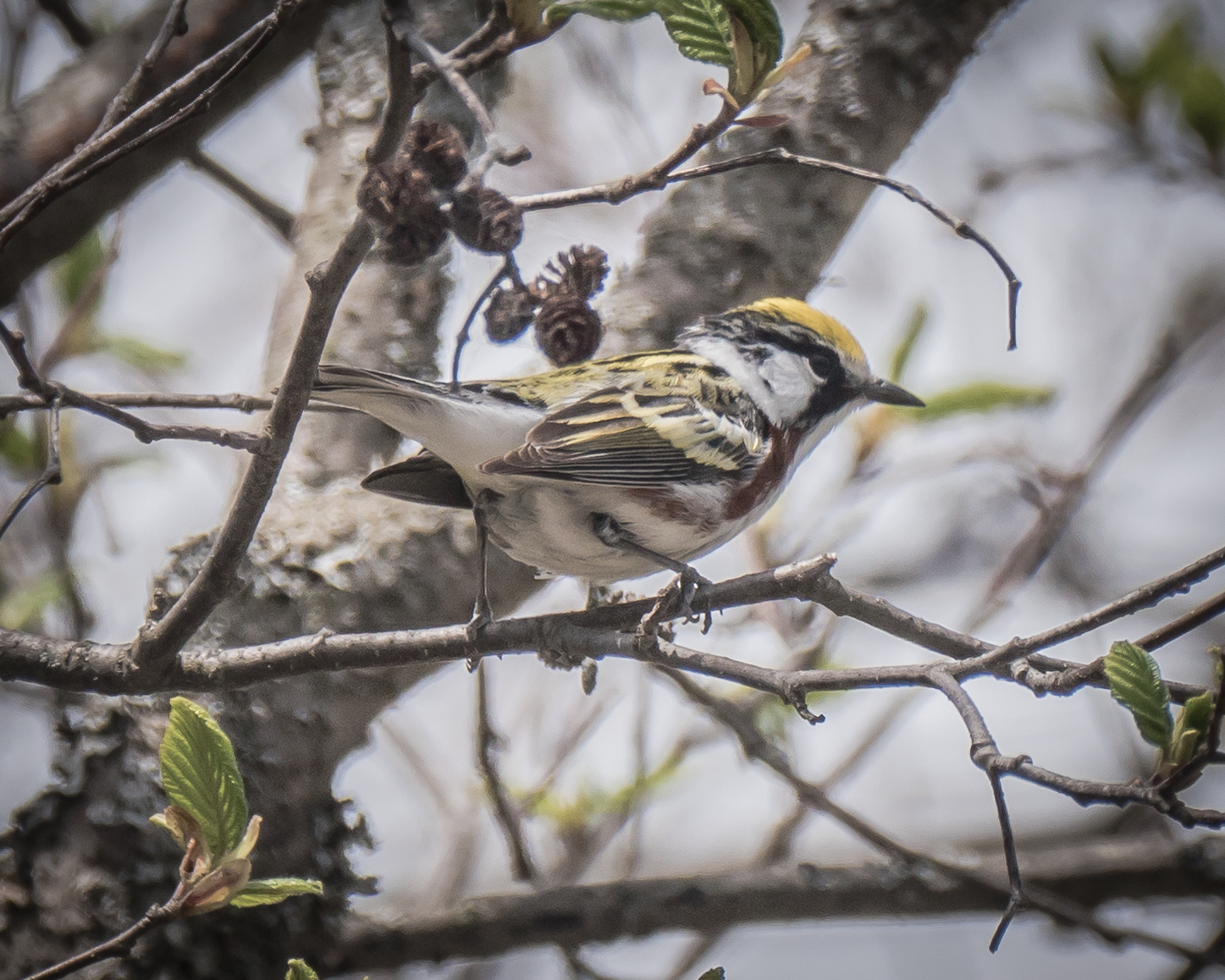
I saw a Chestnut-sided Warbler gleaning an Aspen tree, then move to an Alder Clump:

P1240482-1

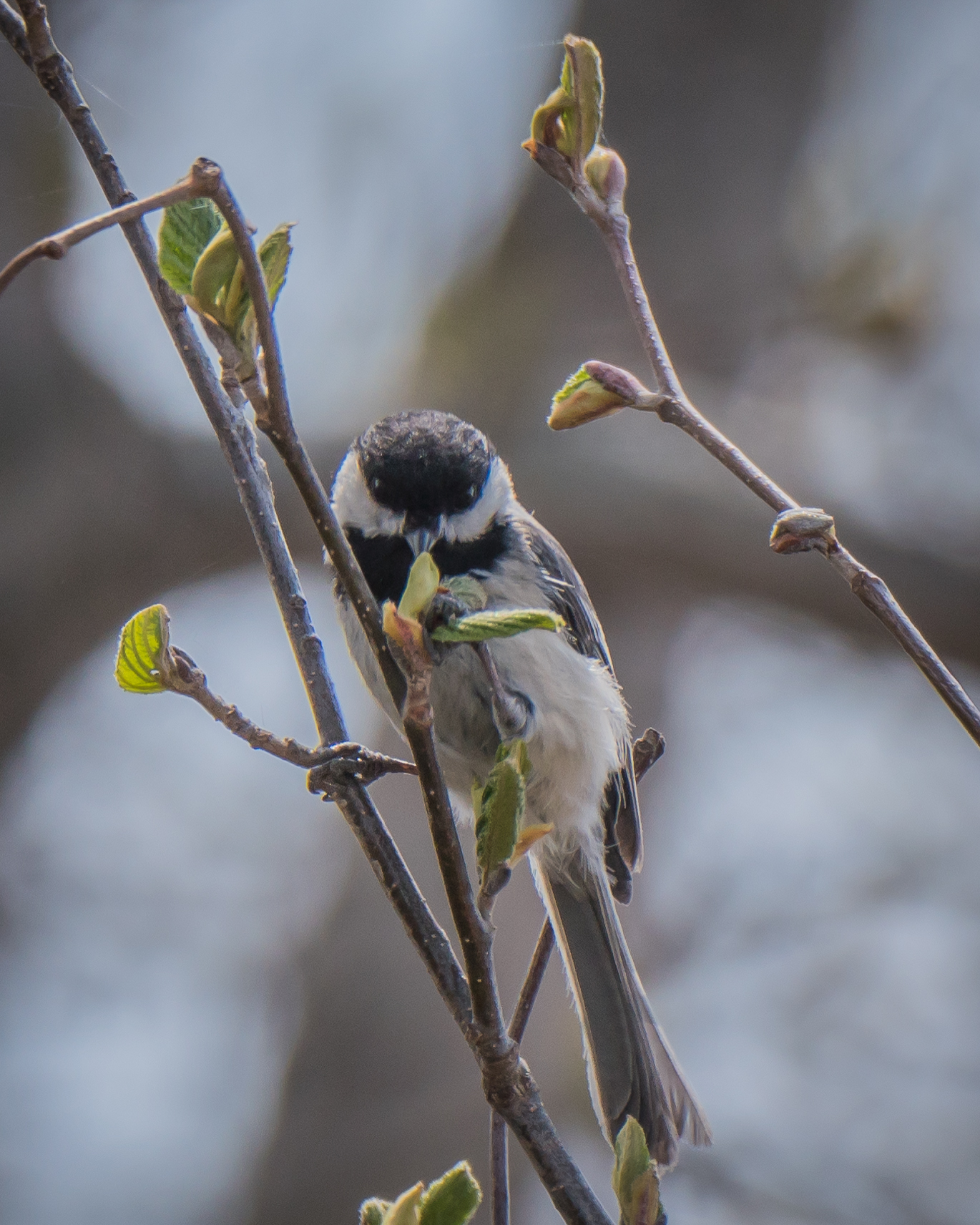
Where it was joined by a Black-capped chickadee, gleaning…

Notice the foot spreading the cluster of buds to reveal what is hidden there …

P1240492-1

Inspecting another bud cluster …

P1240535-1

The birdie quickly grabs morsel as it takes off … (which is a factor in making this type of photography difficult … (like picking fly specks out of ground black pepper)

P1240537-1

Another spot, another inspection …

P1240538-1

Aha!  A morsel!….

P1240544-1


“Let’s see if there are any more in there.  I’ll just hold this leaf bud down with my foot.”

P1240547-1

Breeding time requires lots of protein for birdies.  So springtime is a perfect time to glean trees, shrubs etc for newly hatched insects (from eggs that over-winter in bud clusters.)  Chickadees are omnivorous and stay around all winter, eating seeds (especially sunflower seeds at birdfeeders).  Warblers are primarily,  insectivores   giving them a good reason to migrate, annually removing “pests” from vegetation all the way from South and Central America to Northern Ontario.

I think that we can thank  Rachel Carson  for alerting us to the effects of DDT and other pesticides on these natural predators of insects.  Thank goodness we have alert scientists who think beyond the profits of their organizations and who take action.

Lots to be gleaned by watching birdies rid vegetation of pesky insects.

Insect pollination of spring ephemerals is another interesting story.

20160520 Three warblers and a haw (?)

We spent some time in the sun listening to, watching and photographing three species of warblers that frequent Britt.  They are all songbirds and it is worth the effort to click on the “Typical Voice” and/or the SOUND and/or VIDEO of the All About Birds links below:

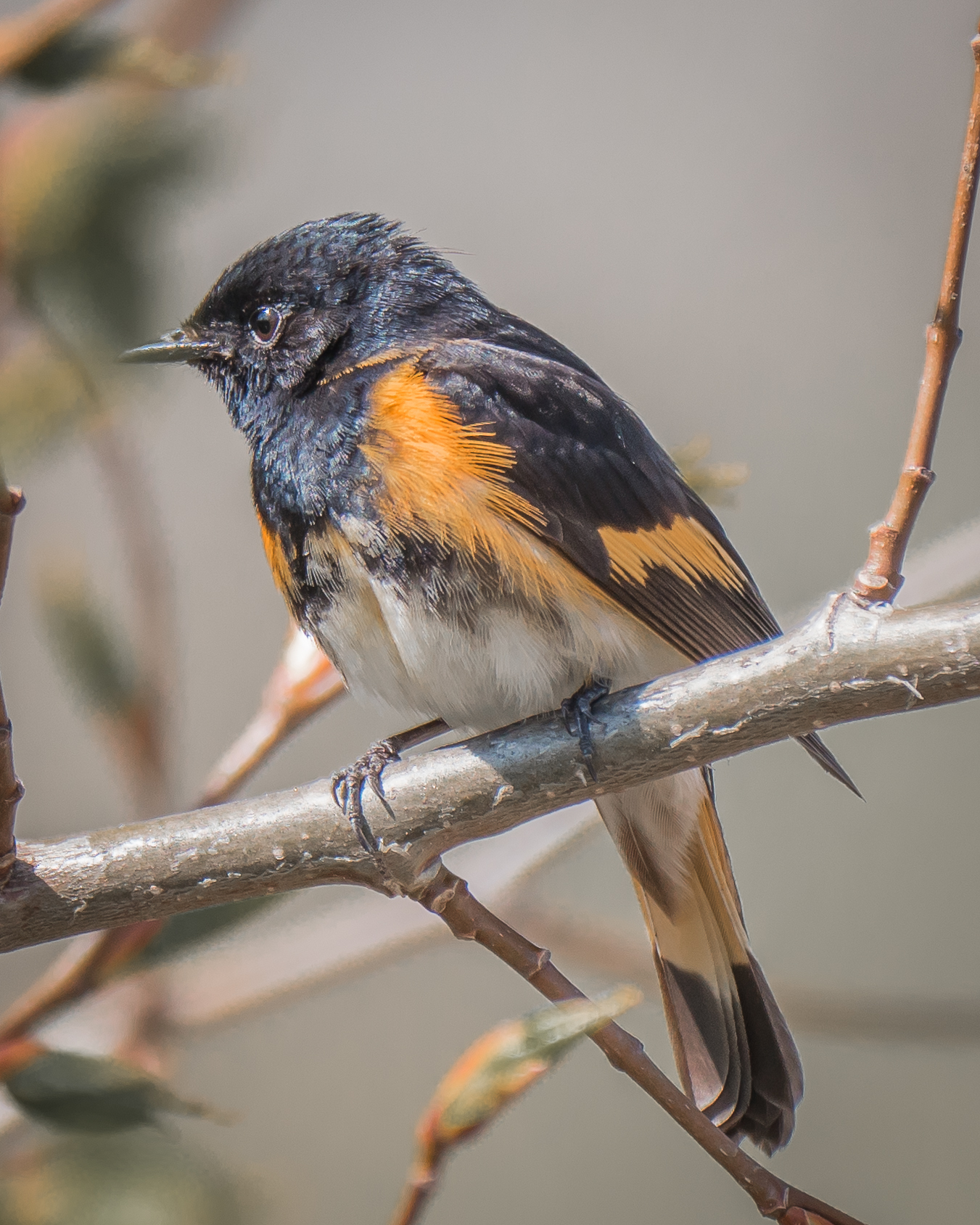
American Redstart.  Please note those mouth hairs (Rictal Bristles).  This is the first time that I got a good photo of this birdie showing the mouth hairs characteristic of insectivores that catch their prey in flight.

P1240298-1

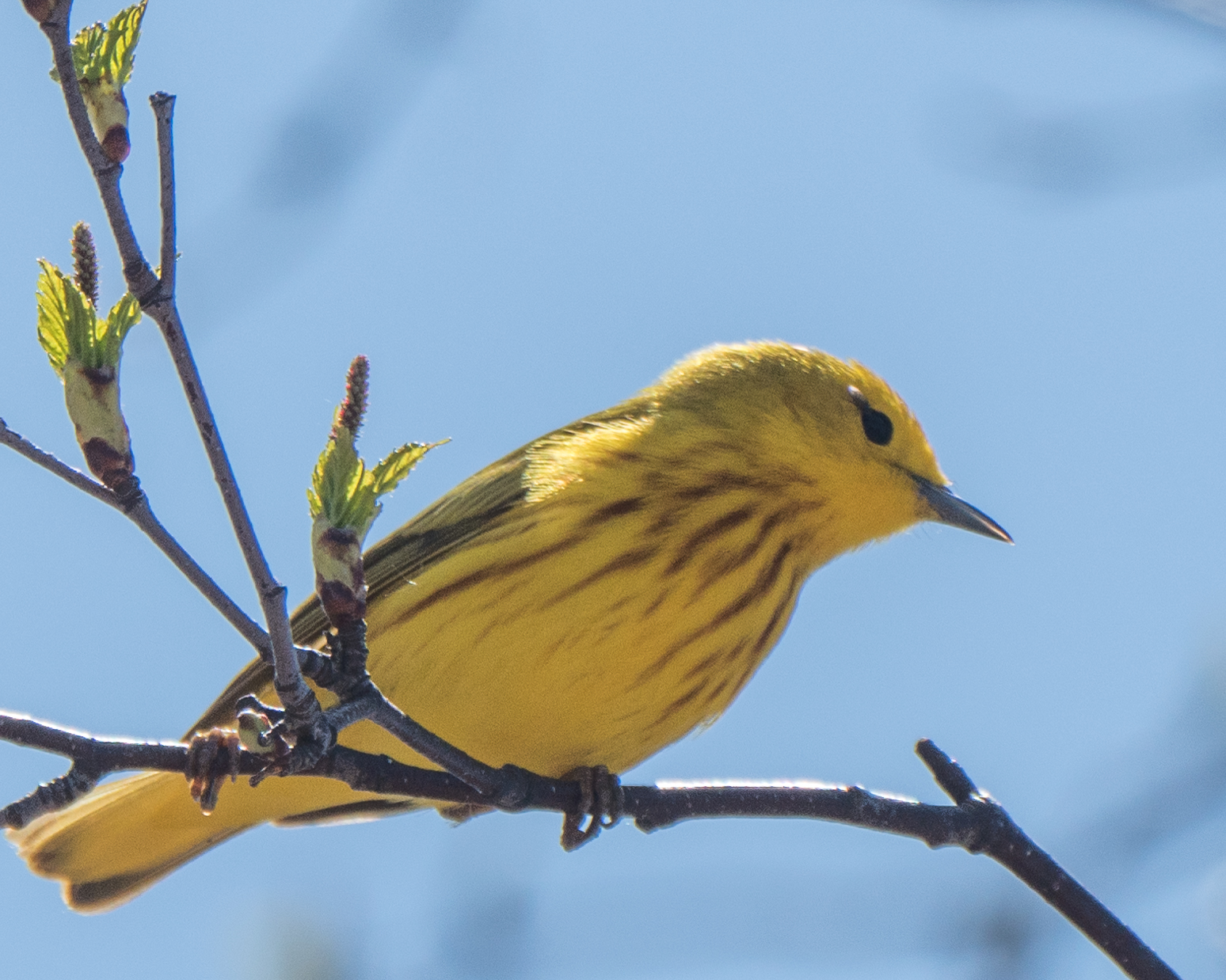
Yellow Warbler:

P1240375-1

Chestnut-sided Warbler:

P1240426-1

While the main focus (!) of my attention was Warblers, I was distracted by this resplendent bloom.   I thought it was a hawthorn.   But when I wanted to know which one I learned that Hawthorns bloom along with their leaves.   I shall have to check this shrub for other characteristics to properly identify it.

P1240371-1

If you are wandering around in a bookstore, have a look at Birds of Eastern Canada – A regional guide to over 350 species, edited by David M. Bird at McGill.  Excellent photography, drawings, descriptions and background.  My best birdbook.

PS:  Please be careful with your spelling and pronunciation to avoid strange looks.

20160519 Trip to Loring

We drove along Hwy 522 to Loring with Sudbury Photographer/Author Ray T  to see what we could photograph.  Ray opted not to try to “search for fly specks in a bowl of black pepper” so we didn’t look for migrant Warblers.  We took the easy way out and shot hundreds of flower, wildlife and landscape images.  I haven’t worked through all of them yet, but here are a few samples:

First, wildflowers along the Hwy 522 north roadside from the vehicle (since the blackflies were bad):

Some “weeds”:

P1230819-1

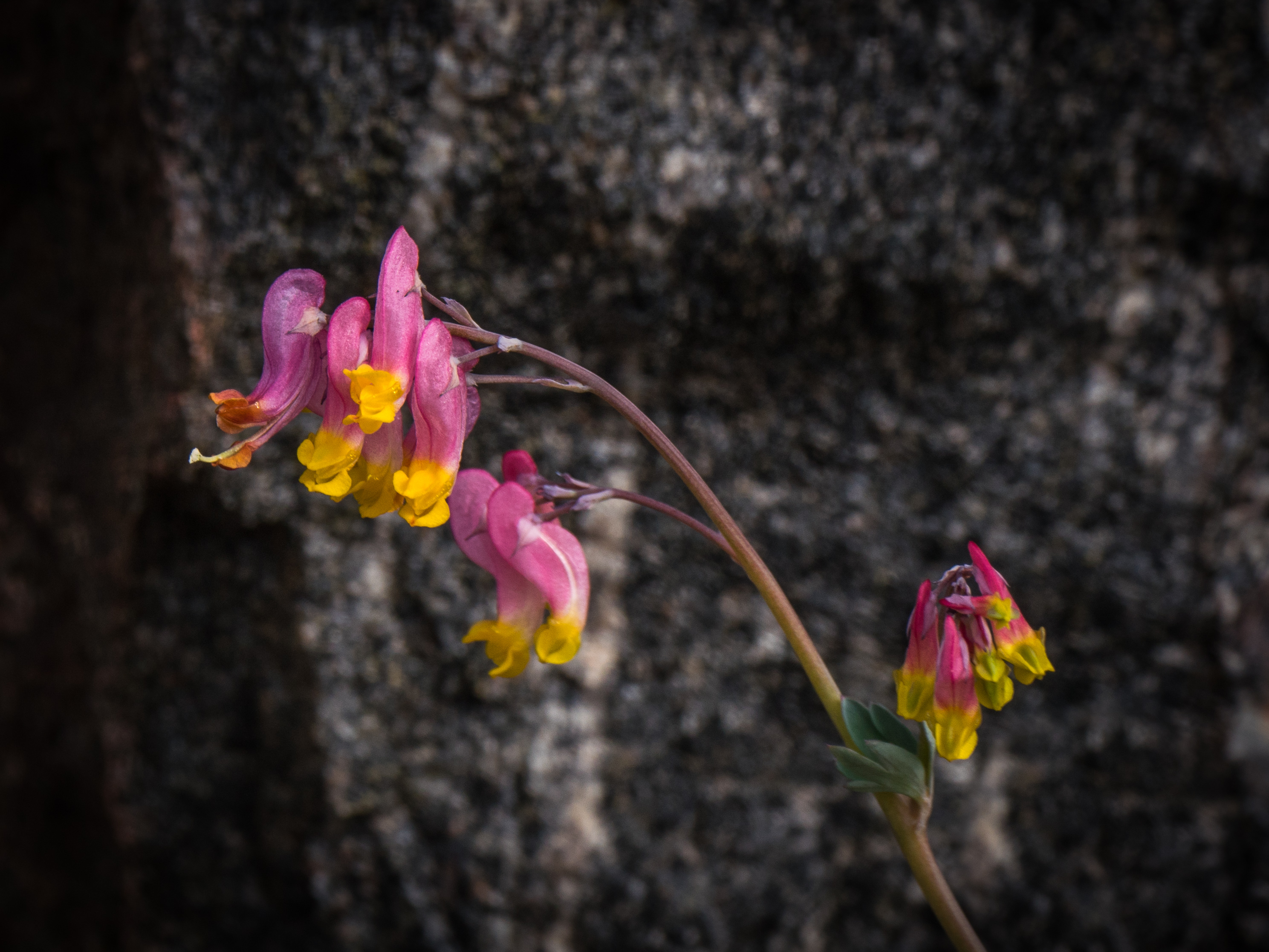
Pale corydalis:

P1230843-1

Mini garden:

P1230849-1

Monet’s subjects:

P1230880-1

Uncommon (around here) Barren strawberries at the Lost Channel turn-off and on Lost Channel Road.  Lost Channel Inn served us delicious pie with ice cream and coffee for morning sustenance.  Learned some local history etc from a couple of locals setting out on a canoe trip.

P1230895-1

Wild columbine:

P1230909-1

Now the wildlife:

Unknown beetle with orange thorax (Rhagonycha mollis ??) on one of my favorite ephemerals:

P1230930-1

An unknown wasp on Ontario’s flower:

P1230942-1

Broadwinged Hawk inspecting photographer before taking its leave:

P1240049-1


Landscapes:

First picture of the day:  Interesting light over creek flowing into Portage Lake from Grundy Lake PP.  Taken from snowmobile bridge:

P1780119-1

First pond when heading north on North Road, Argyle TWP:

P1780155-1

There are a few hundred more pix that I haven’t yet looked at … which will spare you.   I will have a look later to see if any are worth posting.

This morning Mary Holland talks about and illustrates Horsetails.

It is already 12ºC so it is time to look for some fly specks in black pepper!

20160518 More migrants arrive

We spent some time watching the Warblers gleaning the Aspens with great speed and alacrity … usually much faster than I can move the long camera lens to find them, focus on them and release the shutter.

I need more practice!

Here are some of the photos:

This Nashville Warbler sang the whole time it picked up morsels, flitting from branch to branch:

P1230190-1

This Yellow Warbler preferred to glean in the tag alders and willows along the shores of Gereaux (Big) Lake:

P1230302-1

Yellow Rumped Warbler resting in a black Ash tree before returning to gleaning an Aspen.

P1230304-1

American Redstart gleaning in Tag Alders:

P1230317-1

Female Red Winged Blackbird surveys the scene from her usual Cattail perch:

P1230488-1

Along the way we stopped to enjoy some spring flowers:

Hobblebush  [good folklore but misleading drawing in the link] in dappled shade is progressing again after the frost we’ve been having.

P1230445-1

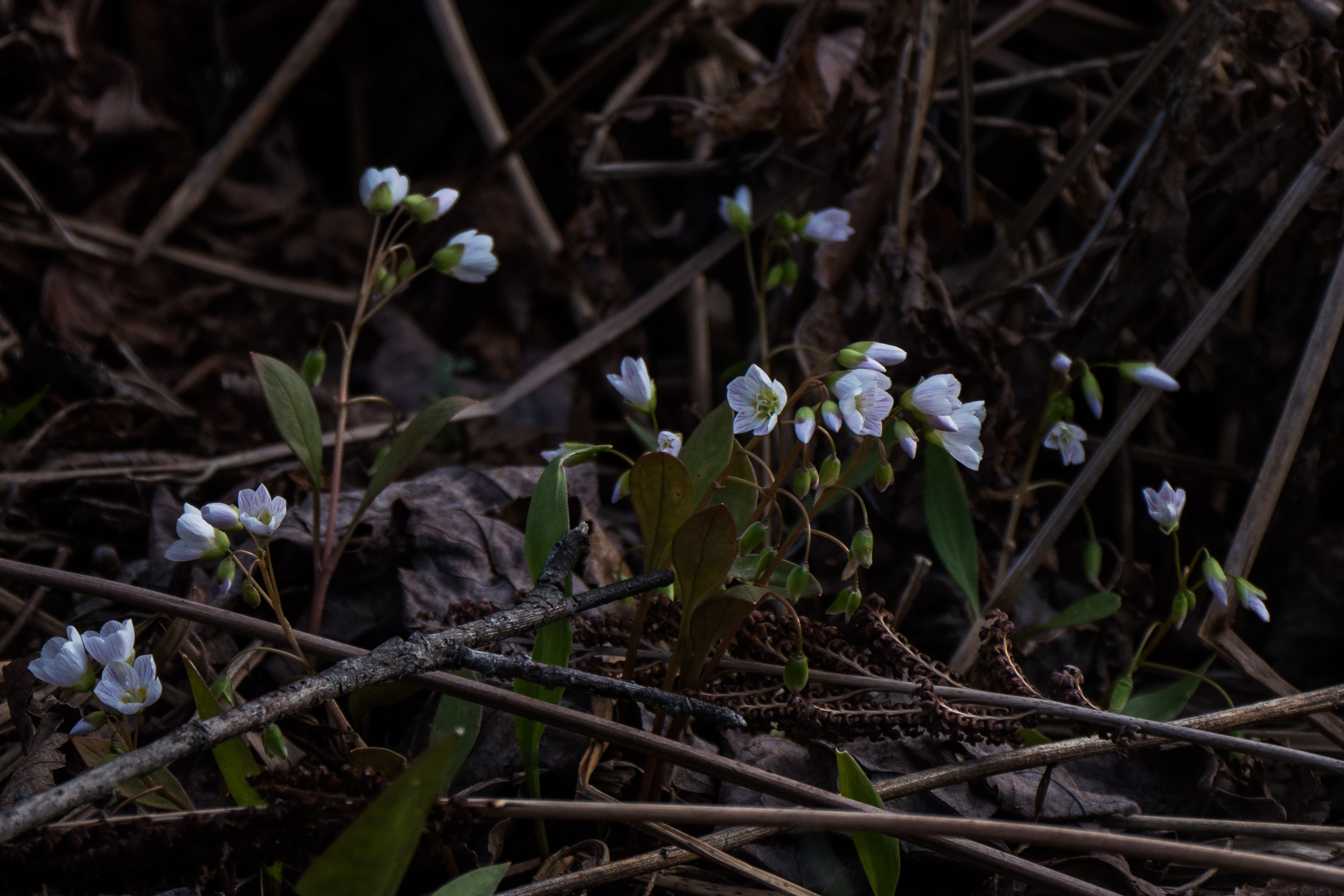
And the Spring Beauties are still abundant:

P1230406-1

In some of the Tamarack bogs the buds of the Sheep Sorrel are about to open amongst the  Cottongrass.

P1230502-1

I am going to have to find a good resource to ID these dragonflies:

P1230427-1

Oft-photographed swamp in springtime:

P1780102-1

Some of the Warblers are passing through.  Others will remain here (to fledge a few youngsters) until August then begin their migration southward to Central and South America.  Being insectivores they have no choice but to migrate  back to a winter food supply.  In the meantime now is the best time to see them …. before the deciduous leaves come fully out.  Once that happens they are very very difficult to see (and photograph).

Obviously gleaning is Nature’s way to control woodland “pests”.  Better than neonicotinoids!  [The Link has a good synergy diagram.]

Although 30 months old, this article is a good reminder for all of us:  http://www.birdlife.org/americas/news/canadian-scientists-publish-human-related-bird-mortality-estimates

PS If you are clicking on the above links to the All about Birds website, try clicking on the “Typical voice” buttons for the Warblers.  Amazing songbirds!


20160517 The migrants are here!

Yesterday, after a heavy morning frost, it warmed up to about 12ºC in late afternoon.  I noticed that some bugs were flying and heard some different birdsongs.   So we set out on the pursuit of the elusive migrant (Central and South America) spring warblers that either nest here or stop over on their way up to the boreal forests.

This is what we photographed:

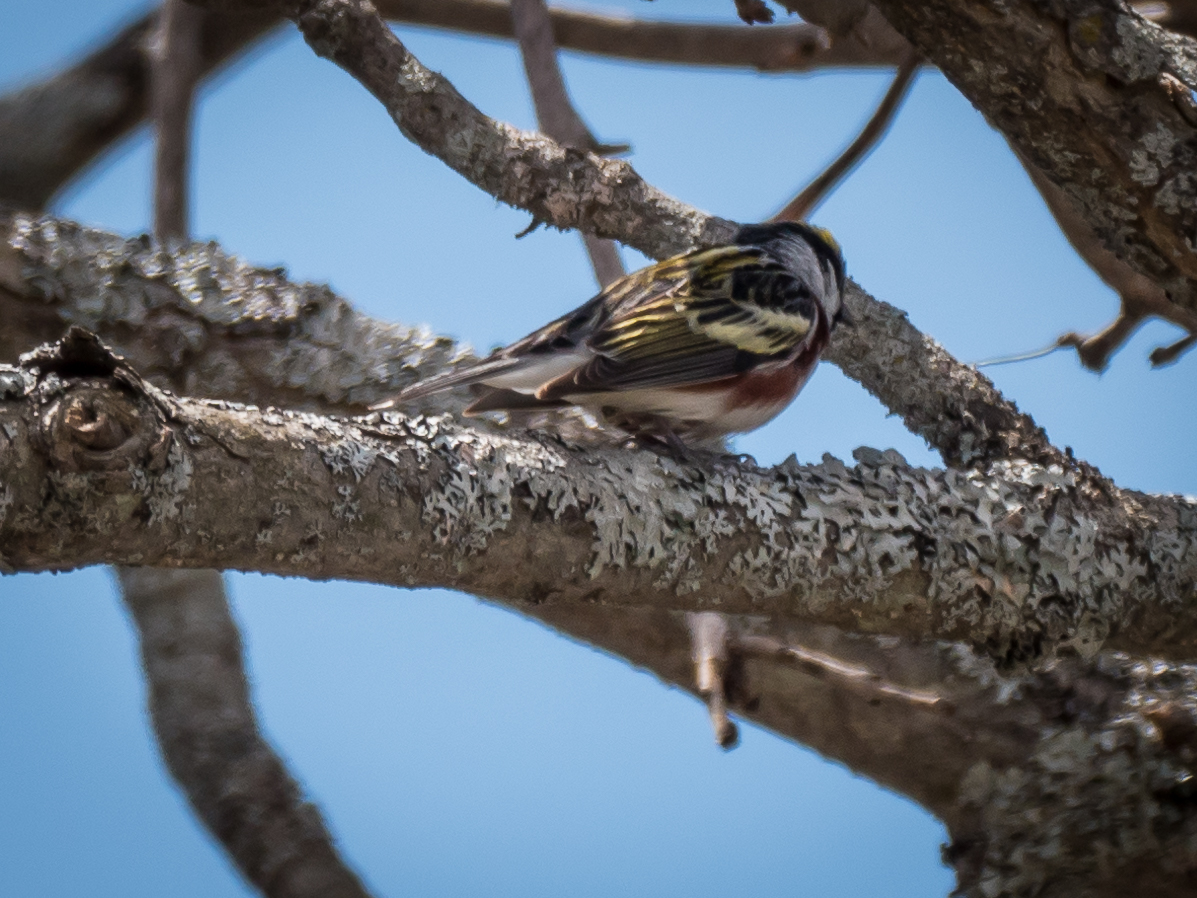
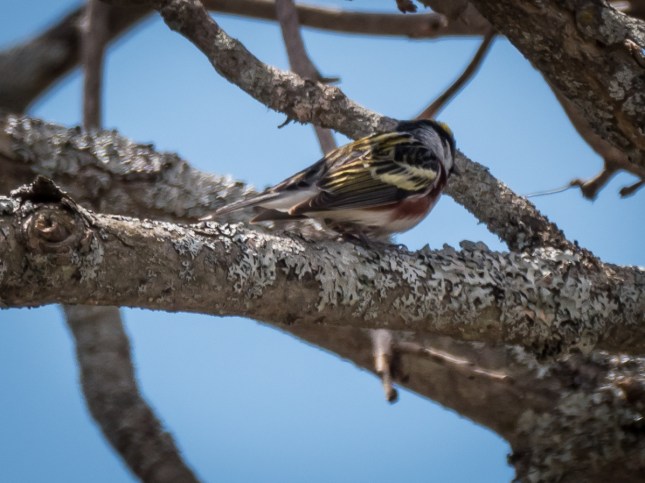
Yes!   A chestnut sided Warbler flitting from branch to branch, searching for bugs in the Aspens.
P1220905-1

Then I briefly saw an American Redstart.   No snapshot though, just a blurry mess of branches locating where it had been!

Then this fellow landed briefly

P1220934-1

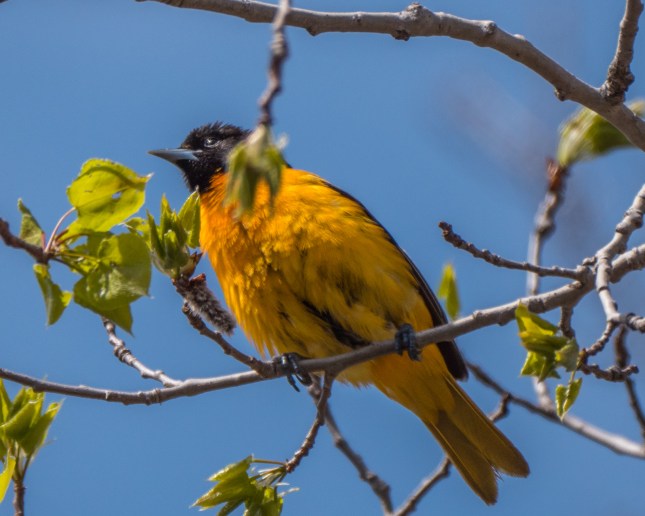
Then along Riverside Drive I saw this bird.  I could hardly believe it!  First time in 20 years of retirement living in Britt!  It was flitting quickly from branch to branch, maybe gleaning bugs in the emerging buds of the Aspens.
P1220991-1

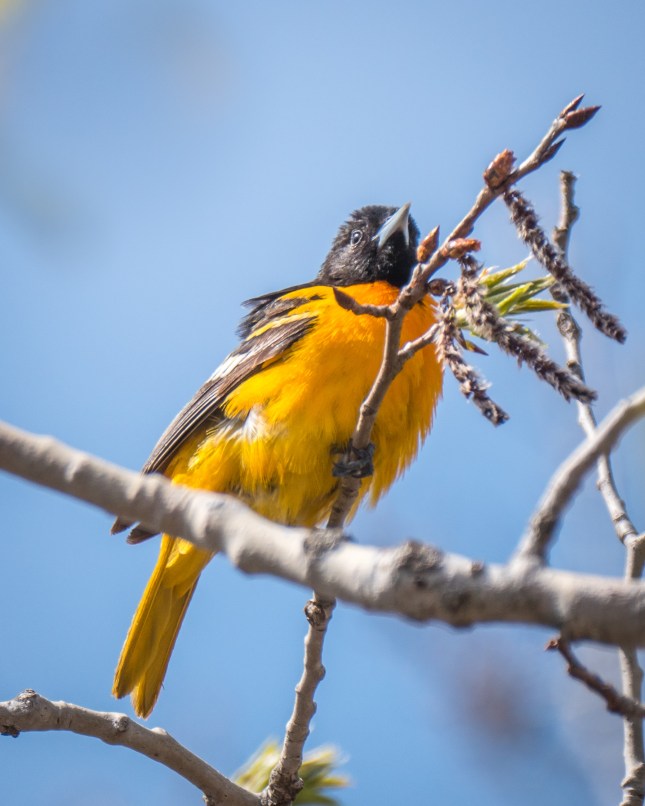
black head and wing striping are give aways:
P1220999-1

Although the white eyebrows are suppressed I think that this is a female version of the RBG seen in the same location a day earlier.

P1230026-1

Tree swallow on a wire over Ken B’s lawn:

P1230114-1

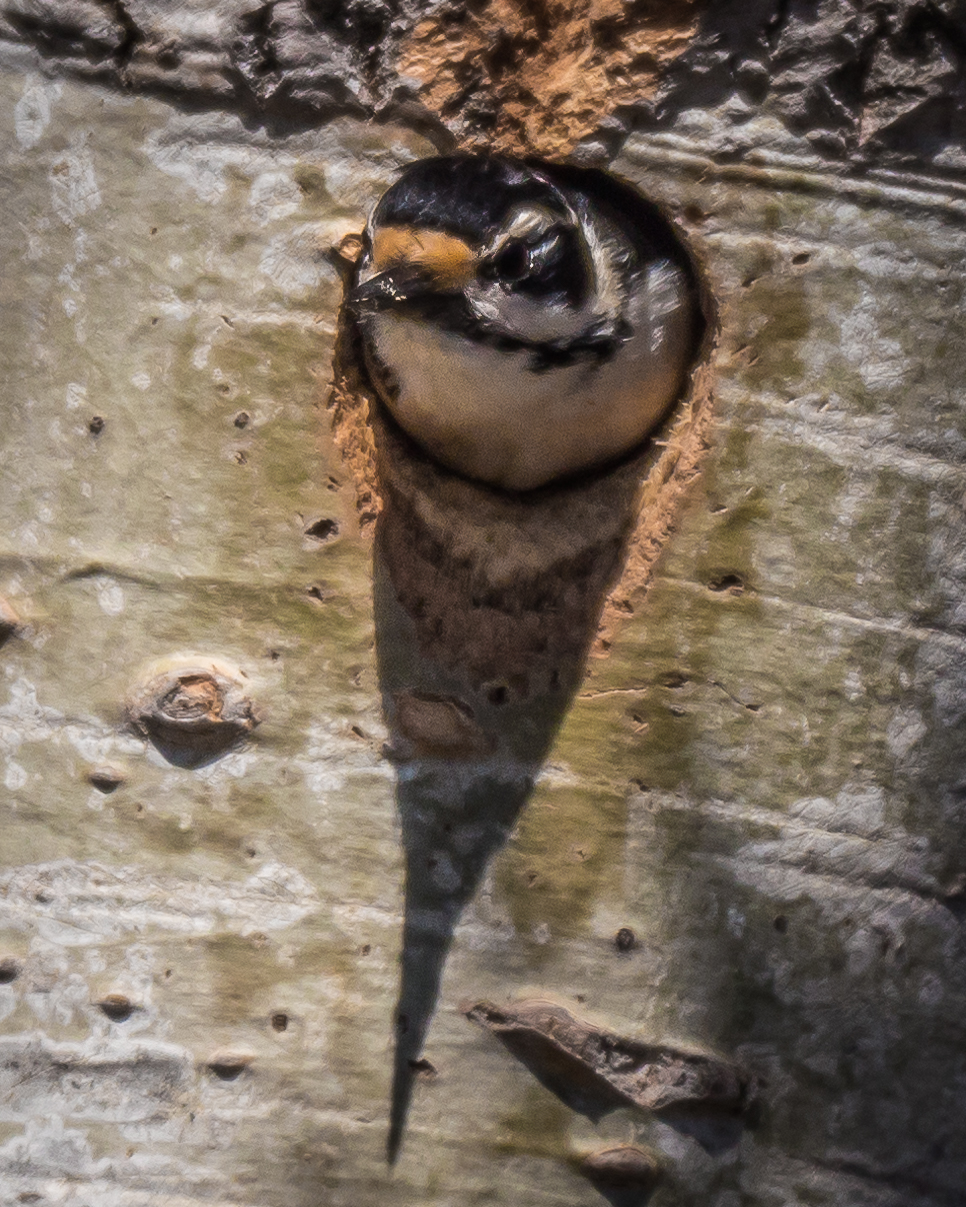
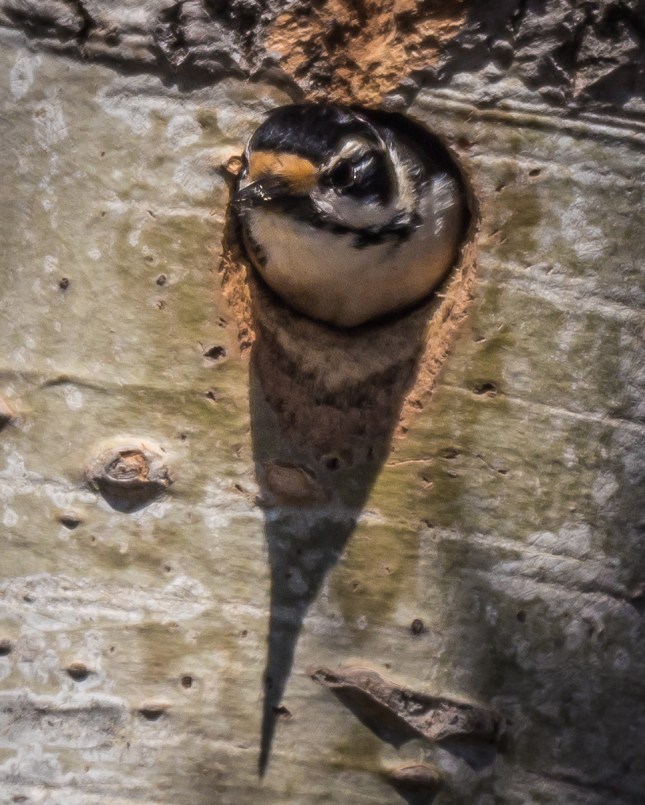
Remember that Hairy Woodpecker’s nest … a few weeks ago?   I saw the male flitting around it and then saw this female emerging to fly away.   I don’t know why the “moustache” is so orange coloured.
P1230124-1

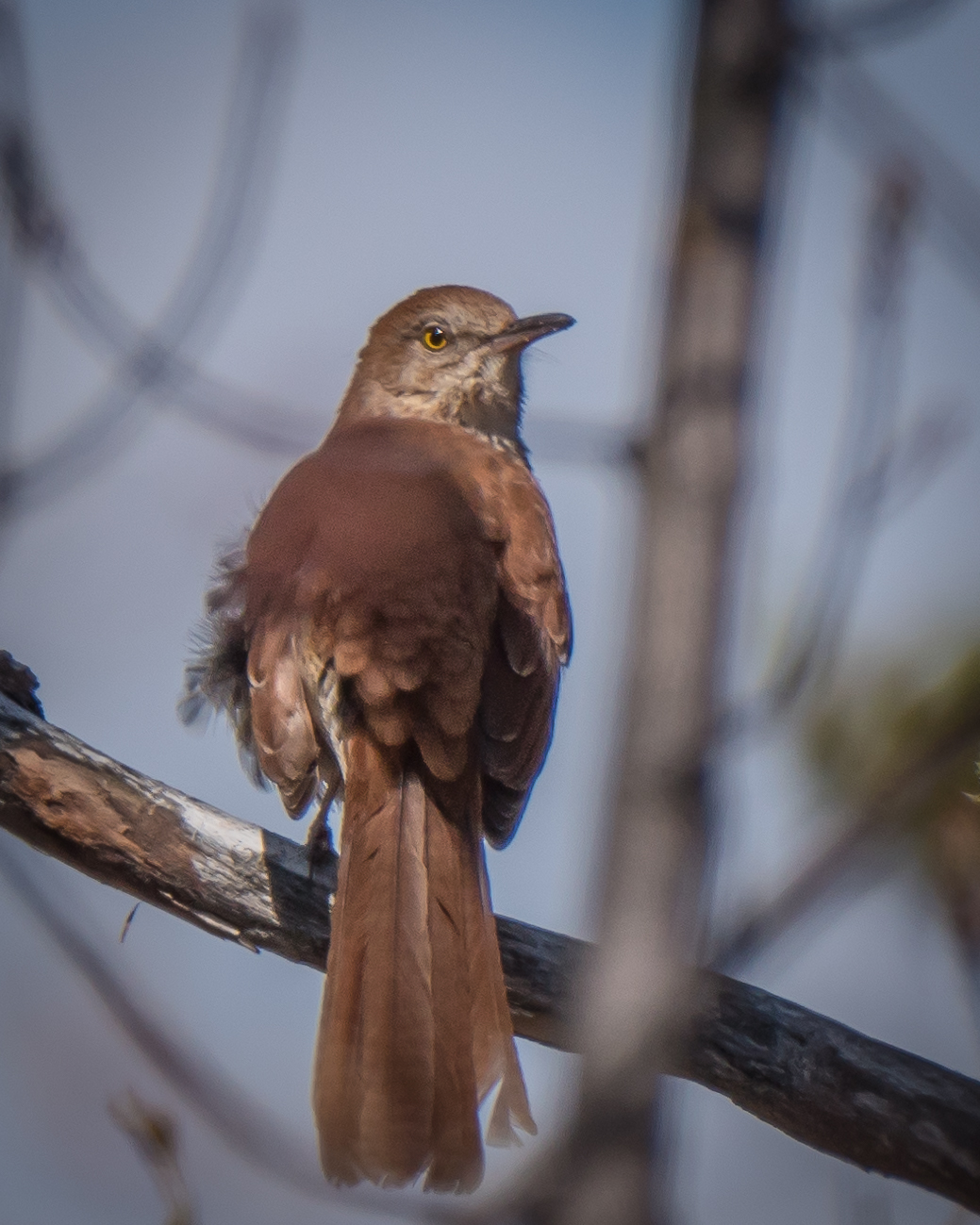
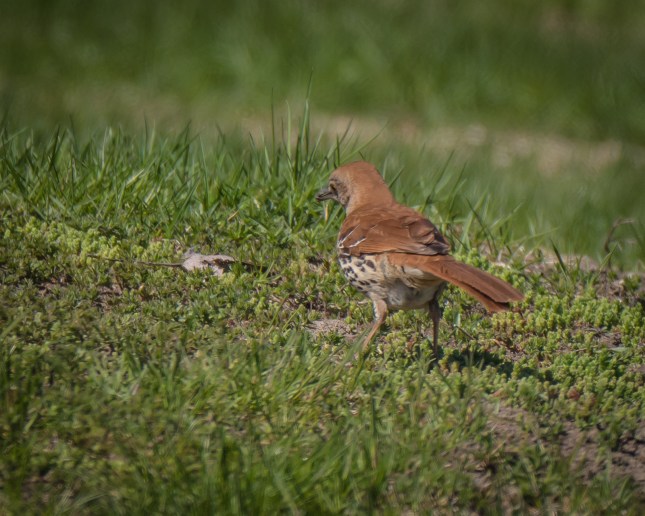
On our way home we saw this Brown Thrasher lounging around in this Aspen tree.  Click on the Typical Voice on the above link to hear the variety of voices that this bird has.

P1230159-1

On a nearby lawn searching for morsels:
P1230164-1

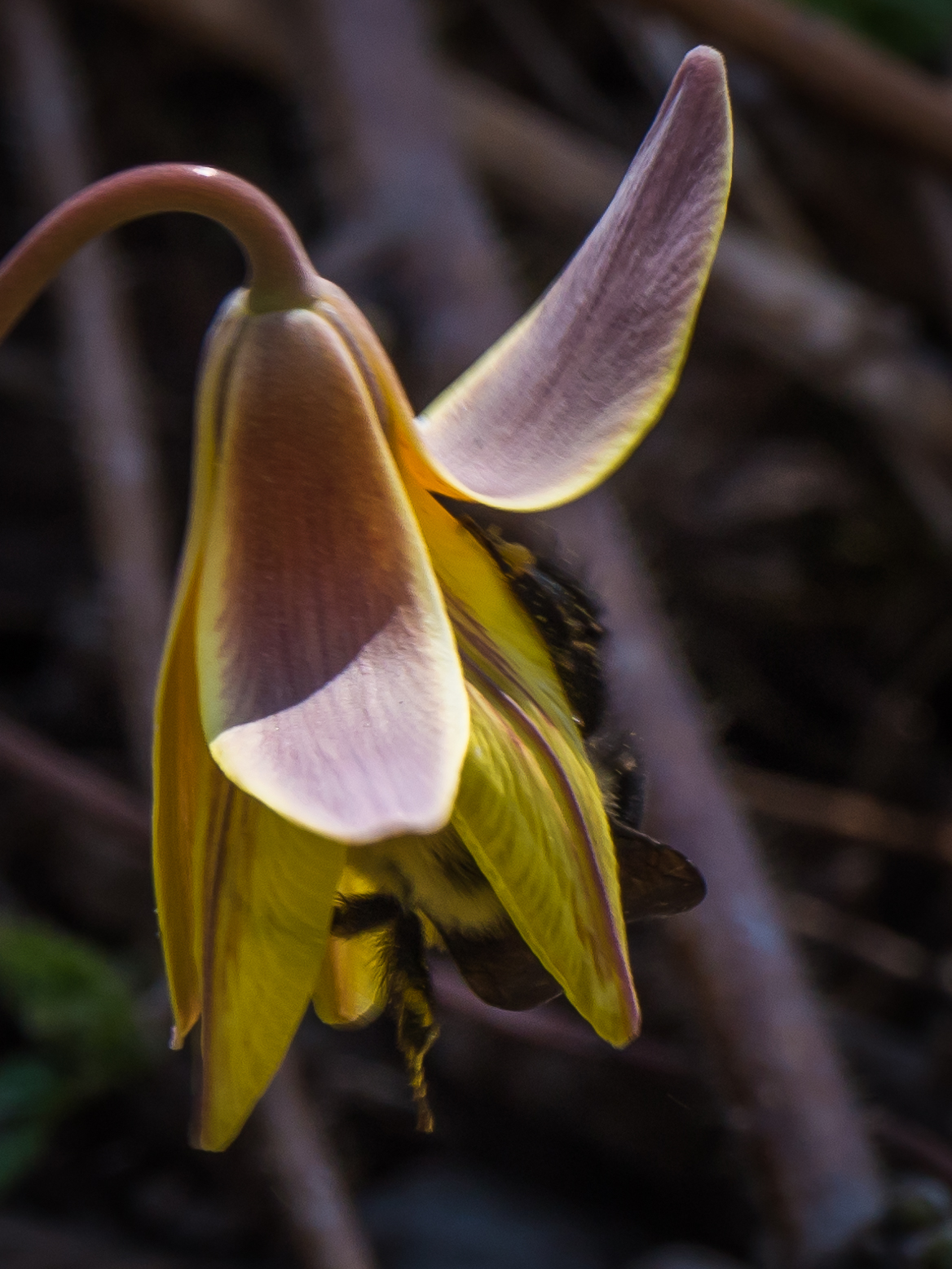
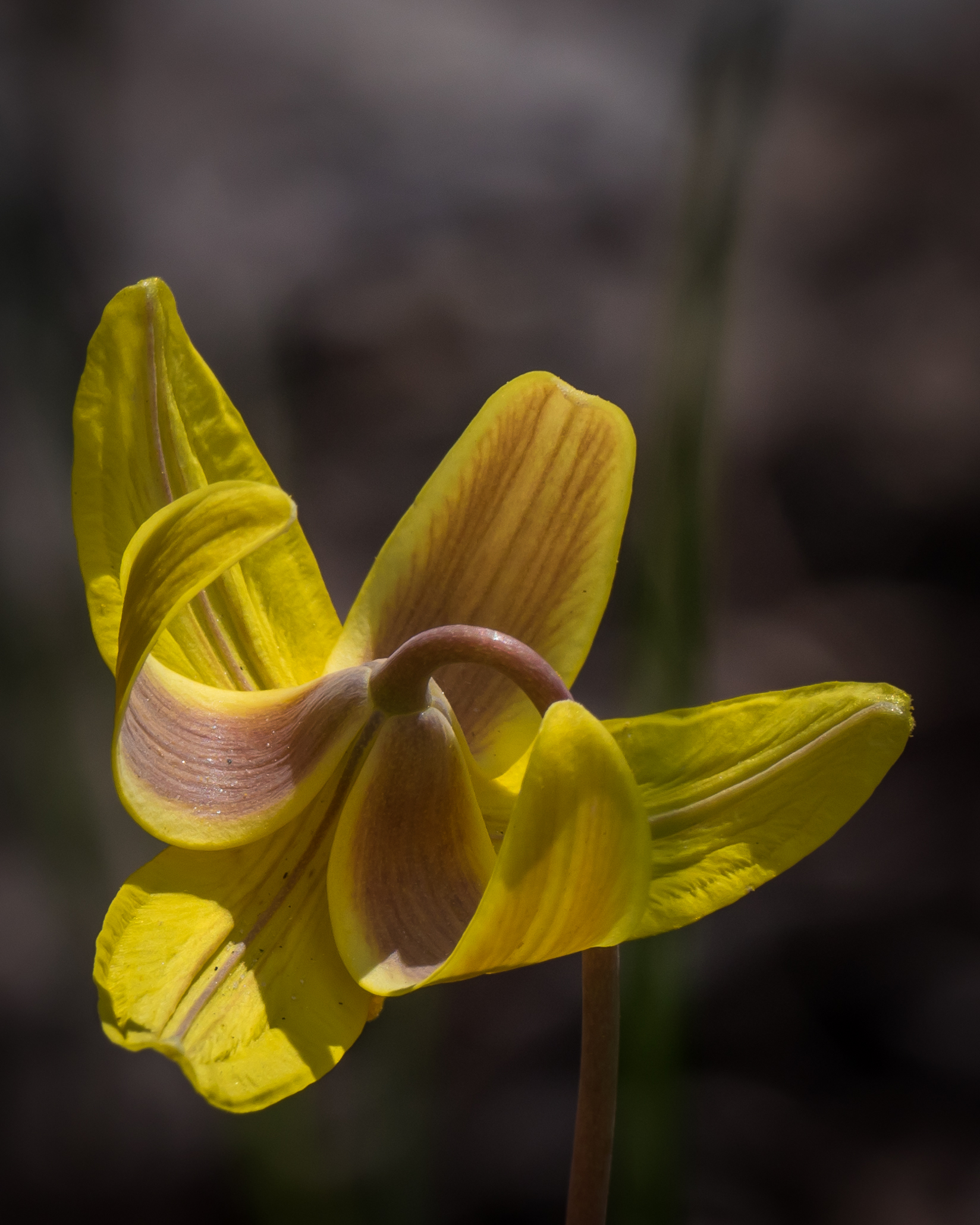
Earlier I had noticed that some of the Trout Lilies had well developed seed heads and wondered about pollination.  Yesterday we (finally) saw this bumblebee quickly visiting Trout Lilies in clumps.

P1230177-1

And, speaking of trout lilies:

P1230180-1

I am thinking of putting the red dot sight on the big lens to help find elusive birdies flitting in and out of sight  in the branches.  Worth a try.

I will have about a week to photograph warblers as they are almost impossible to find once the leaves are fully out.


Lotsa fun!
20160516 The water lilies are rising

We took a little detour on Hwy 522 to see the water lilies rising.    There were some distant birdies at the pond so I tried to photograph them too.

First the birdies (from a long ways away):

Red Winged Blackbird watches me warily in between (warning?) sounds:

P1220770-1-2

Kingfisher from about 100 m.  Another wary bird!

P1220784-1

Grackle is in a bit closer …

P1220817-1

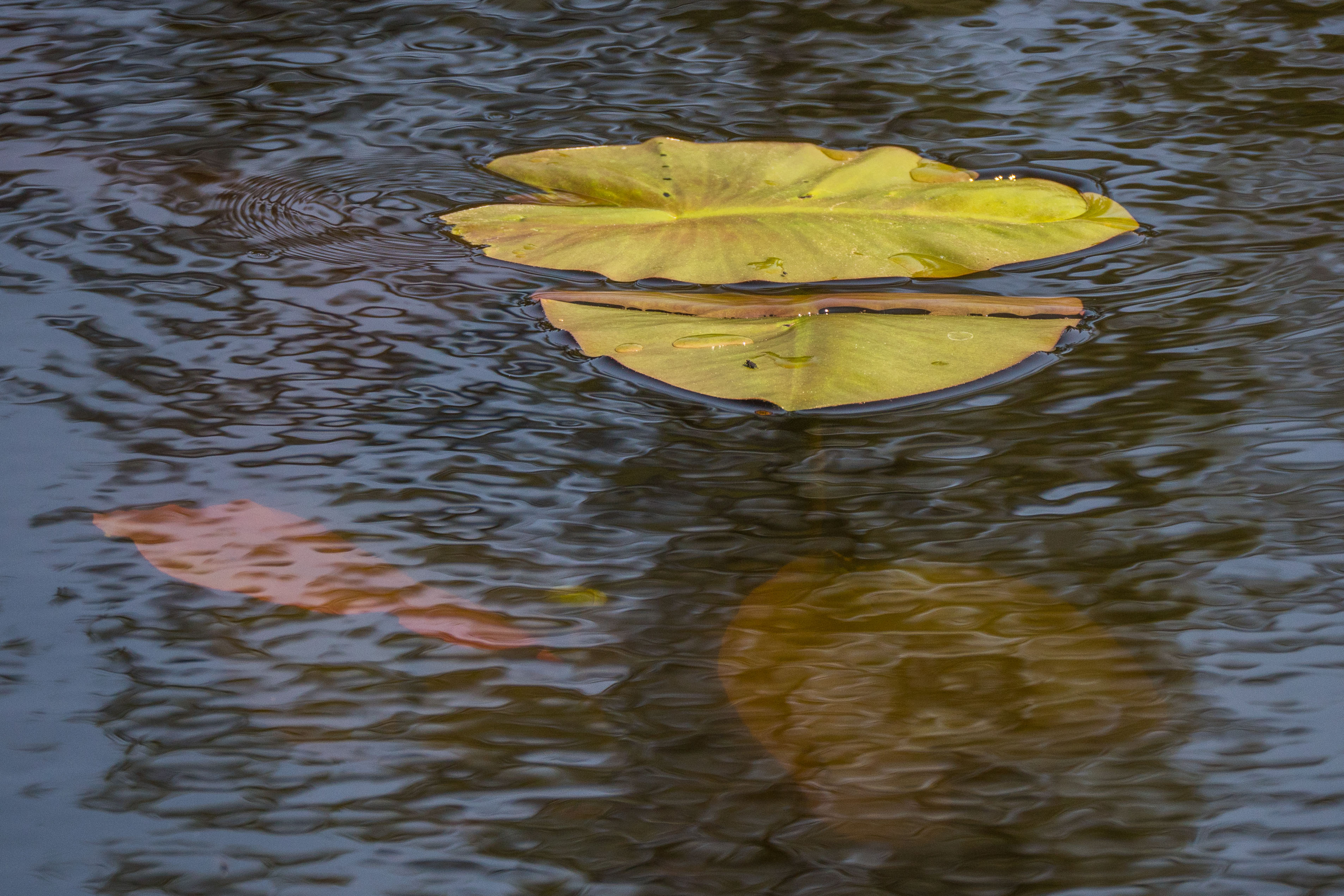
Lilies:

These are what I found very interesting.  I’m still wondering about the red chlorophyll as my previous comments seem to be consistent as the spring progresses.

P1220826-1-2

P1220842-1

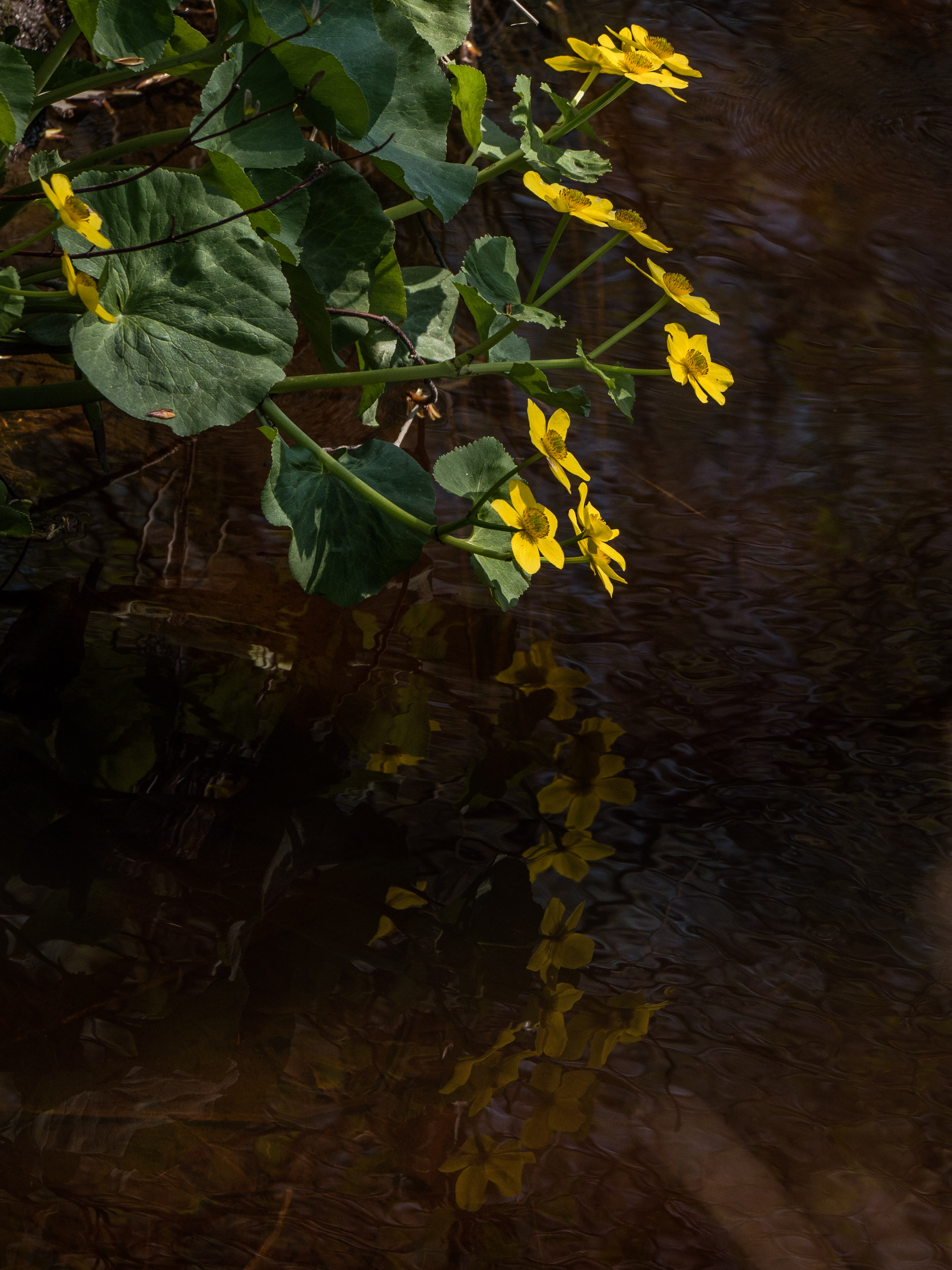
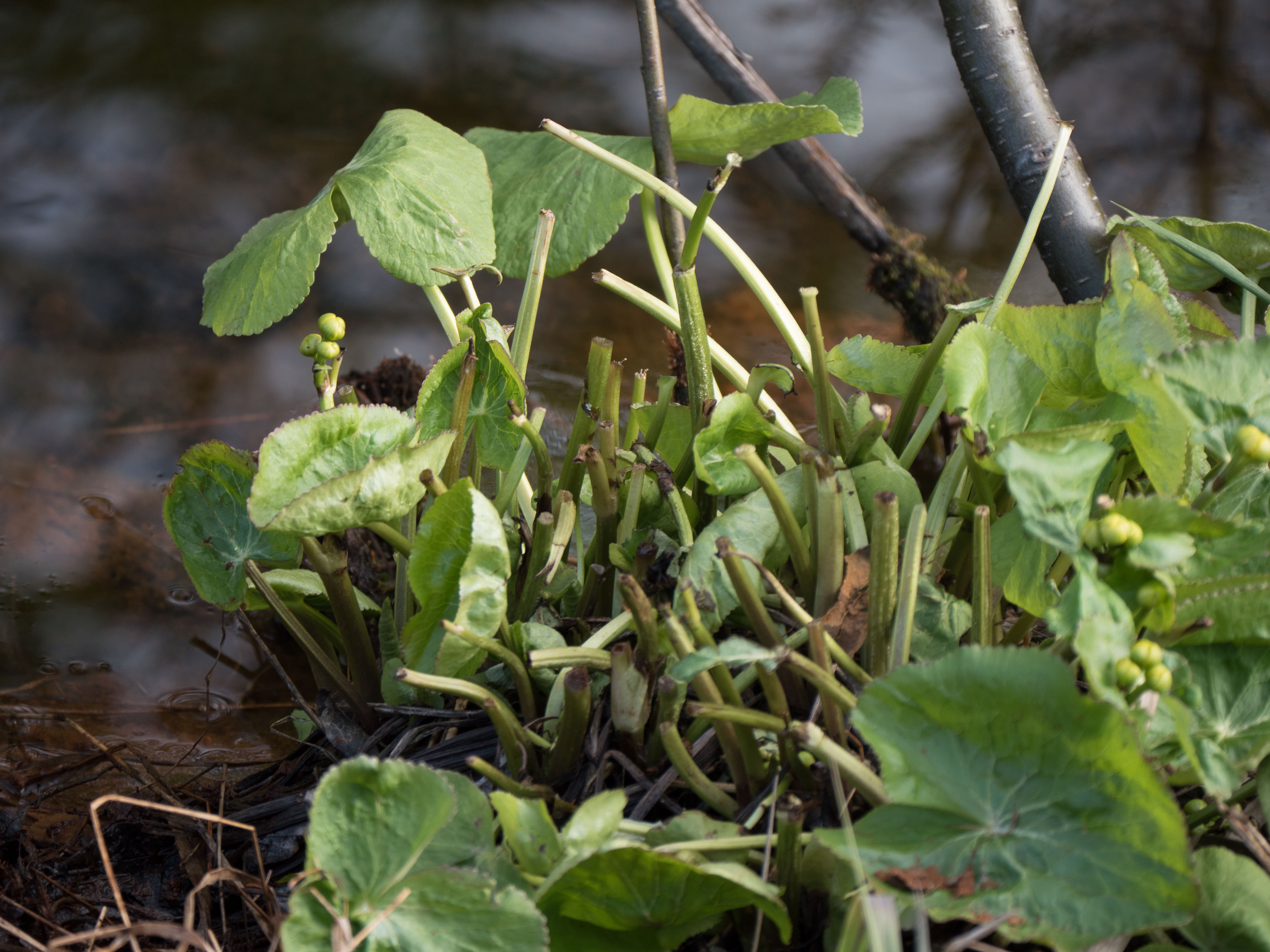
There were some heavy tracks in the grasses along this stream, so I suspect the Marsh Marigolds are Moose food.

P1220851-1

Spring Beauties are still abundant:

P1220877-1

Very advanced stage of a hazelnut bud.   I think that, as those leaves emerge, the pistils will disappear leaving the fuzzy husk behind.

P1340561-1-2

Colleen told me about this wonderful film today.  Here is the link to the trailer. Mandatory viewing by gardeners and children.

And Ray McN. sent this link to a portion of another beautiful film by Louie Schwartzberg.  Awesome stuff!