20170811-13 Local Great Blue Heron, bugs, berries and blooms

This Great Blue Heron was seen on the bank of the stream that crosses the intersection of Hwy 529 and Hwy 645.   It was very skittish and took off while I was adjusting my camera to capture its take-off.   Next time ……

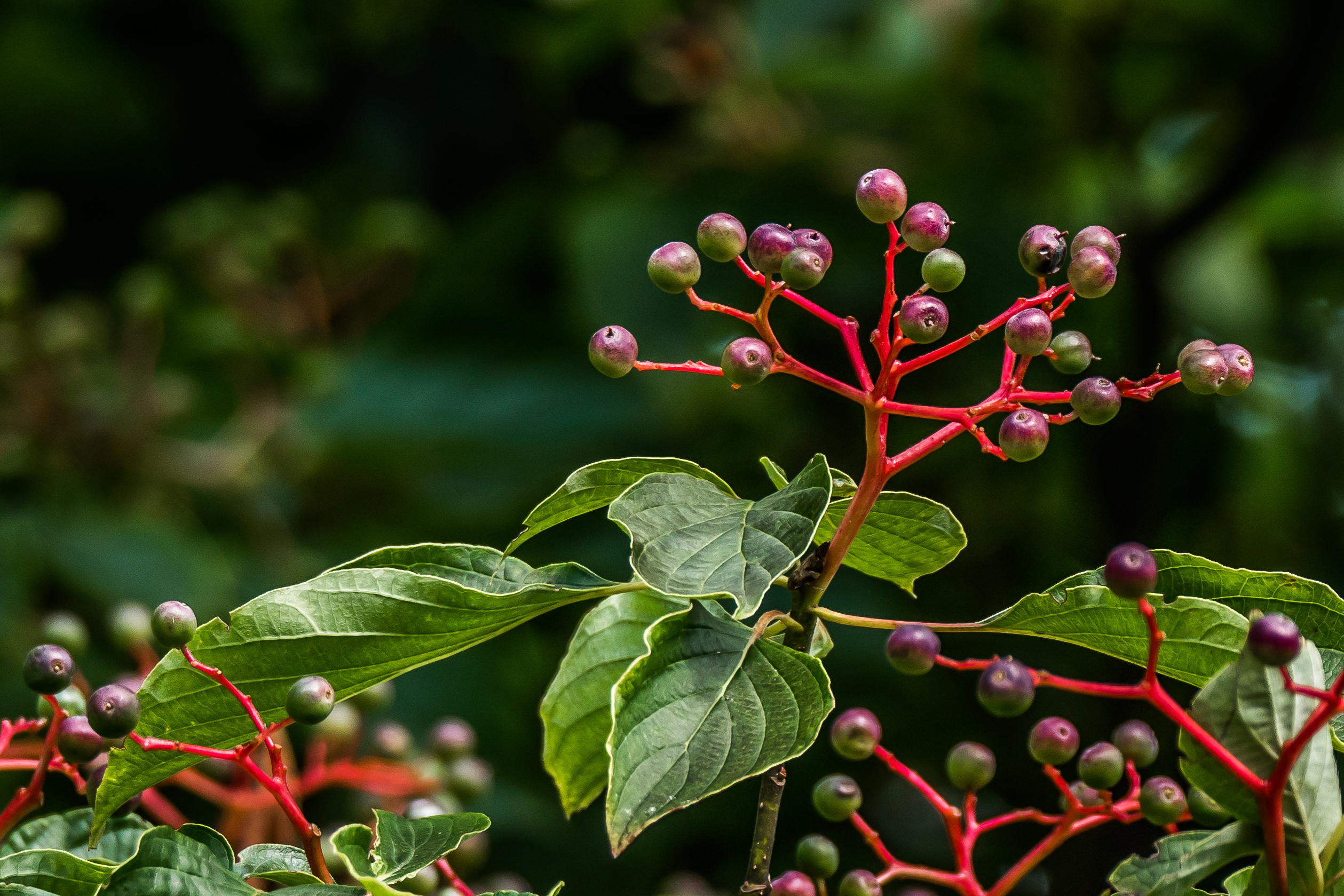
The Highbush Cranberries are ripening, soon to be raided by many birds and mammals…

Very dense seedhead of Sow Thistle

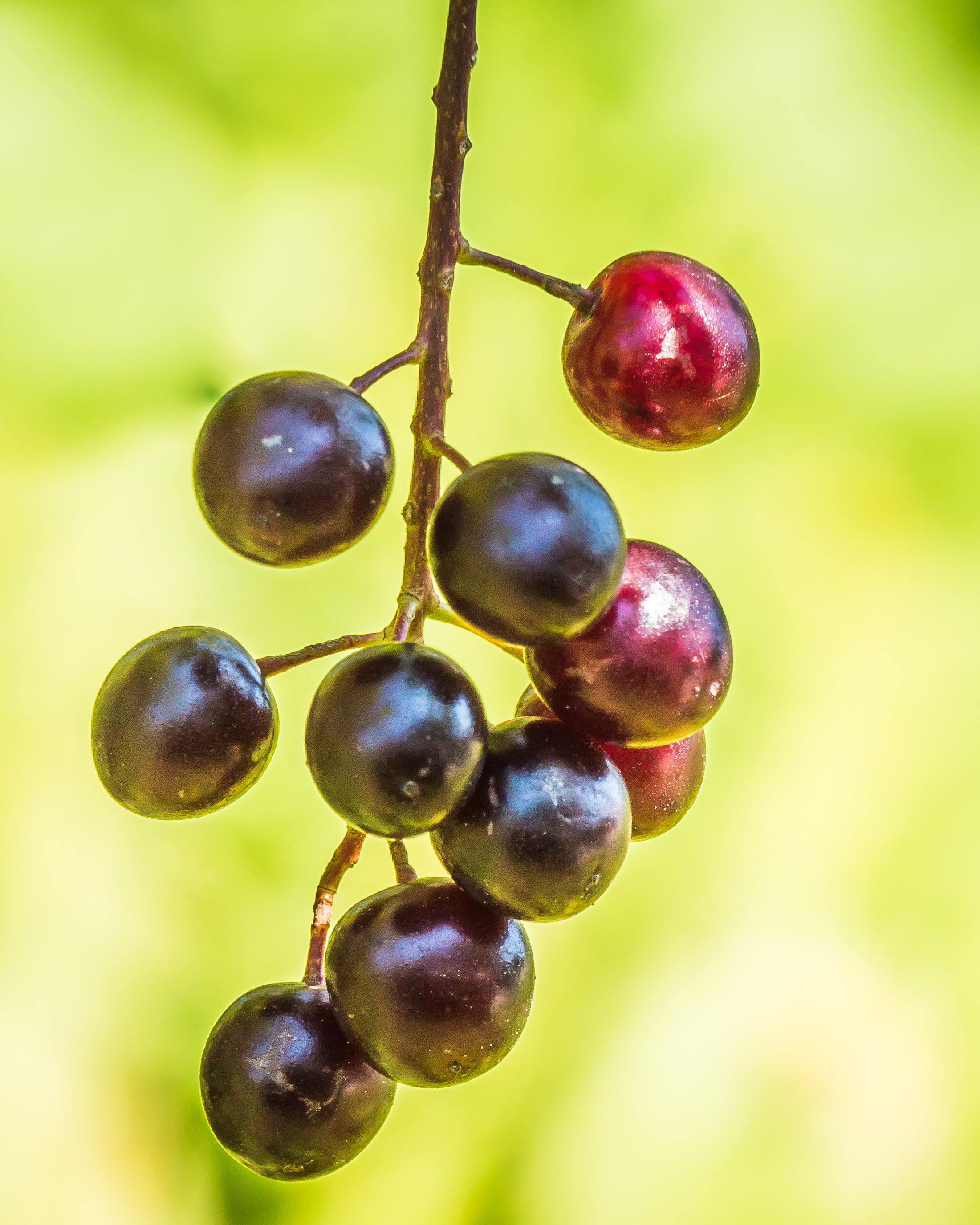
Ripening Chokecherries …

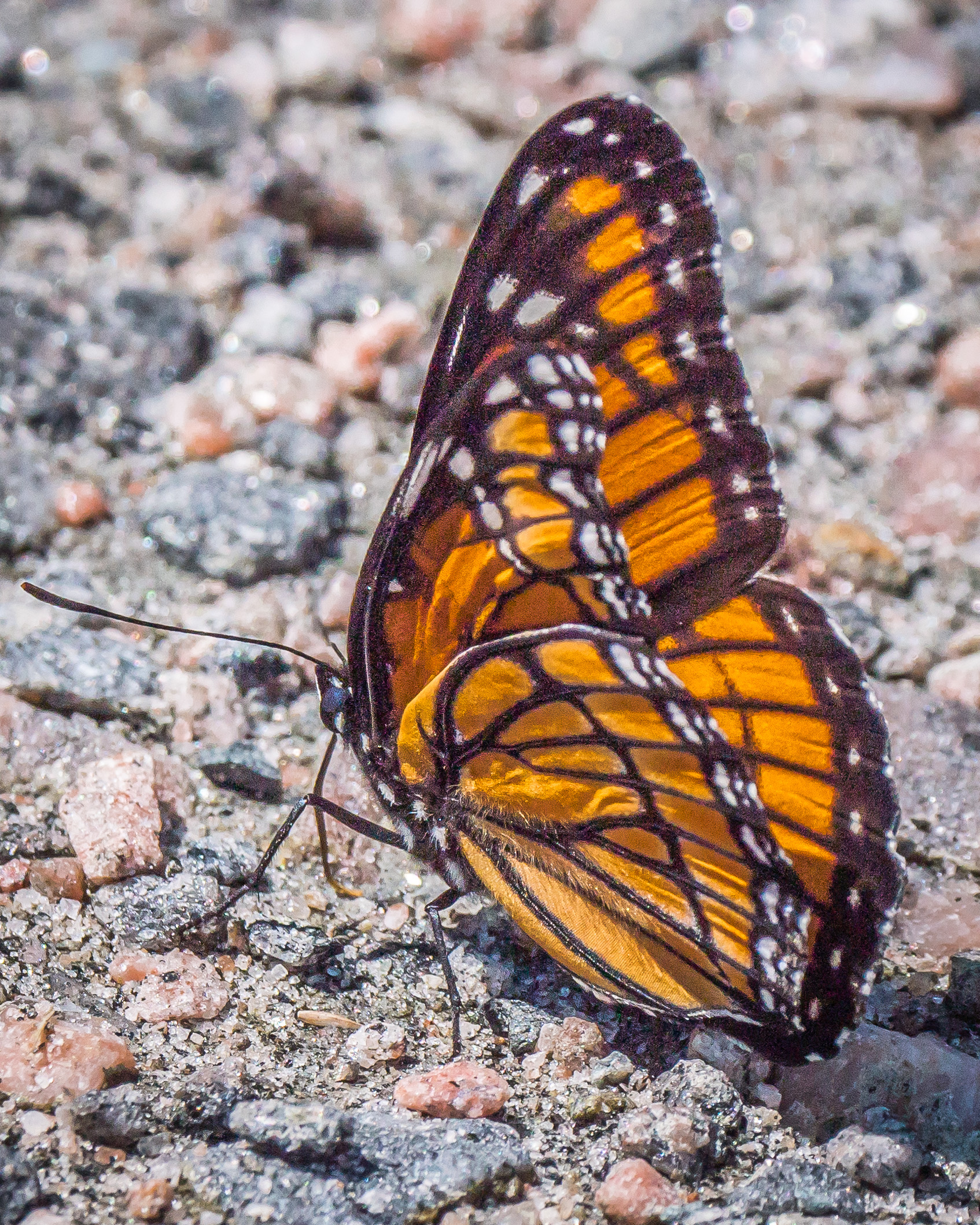
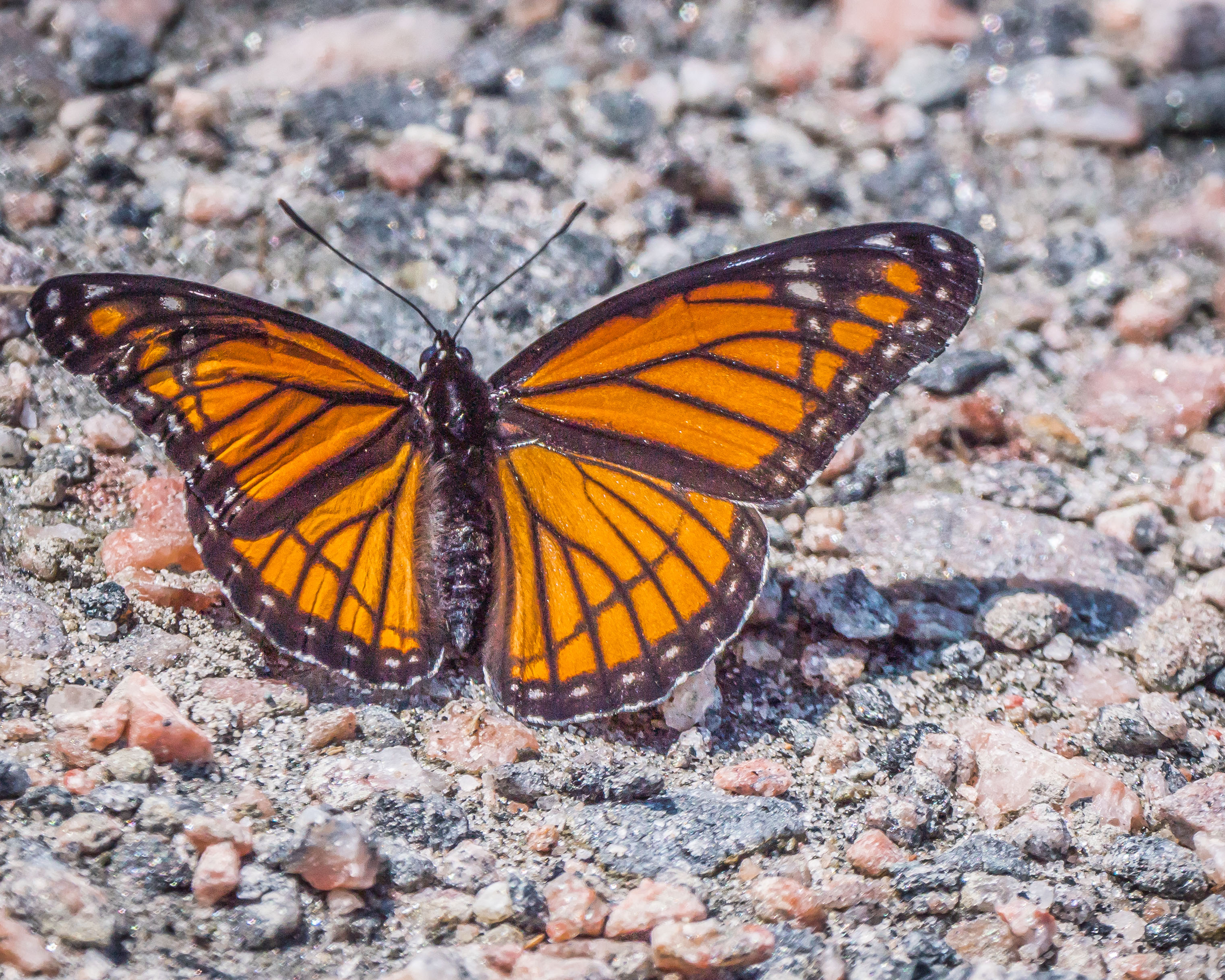
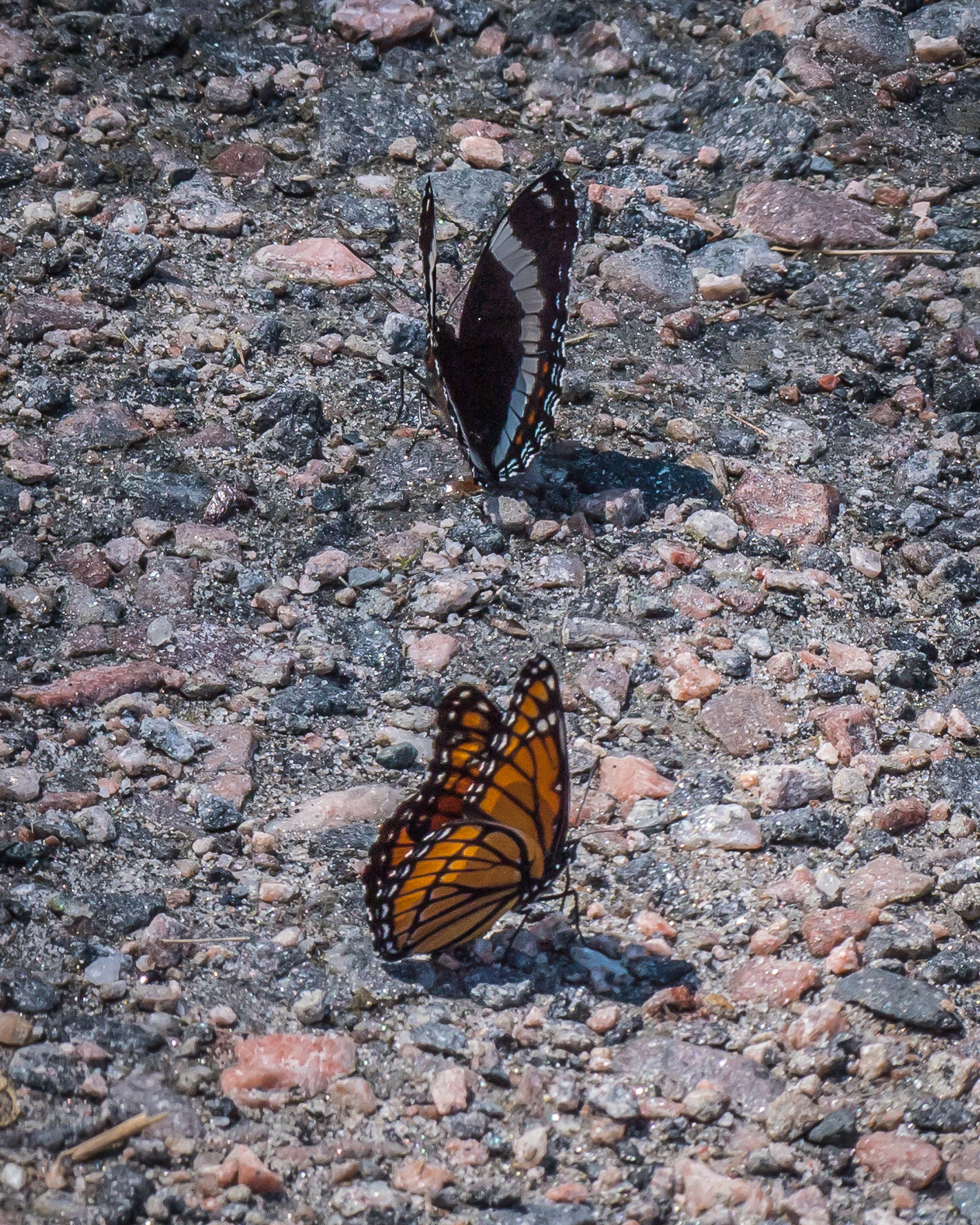
A White Admiral and a Viceroy are gathering some moisture from a driveway on Old Still River Road….

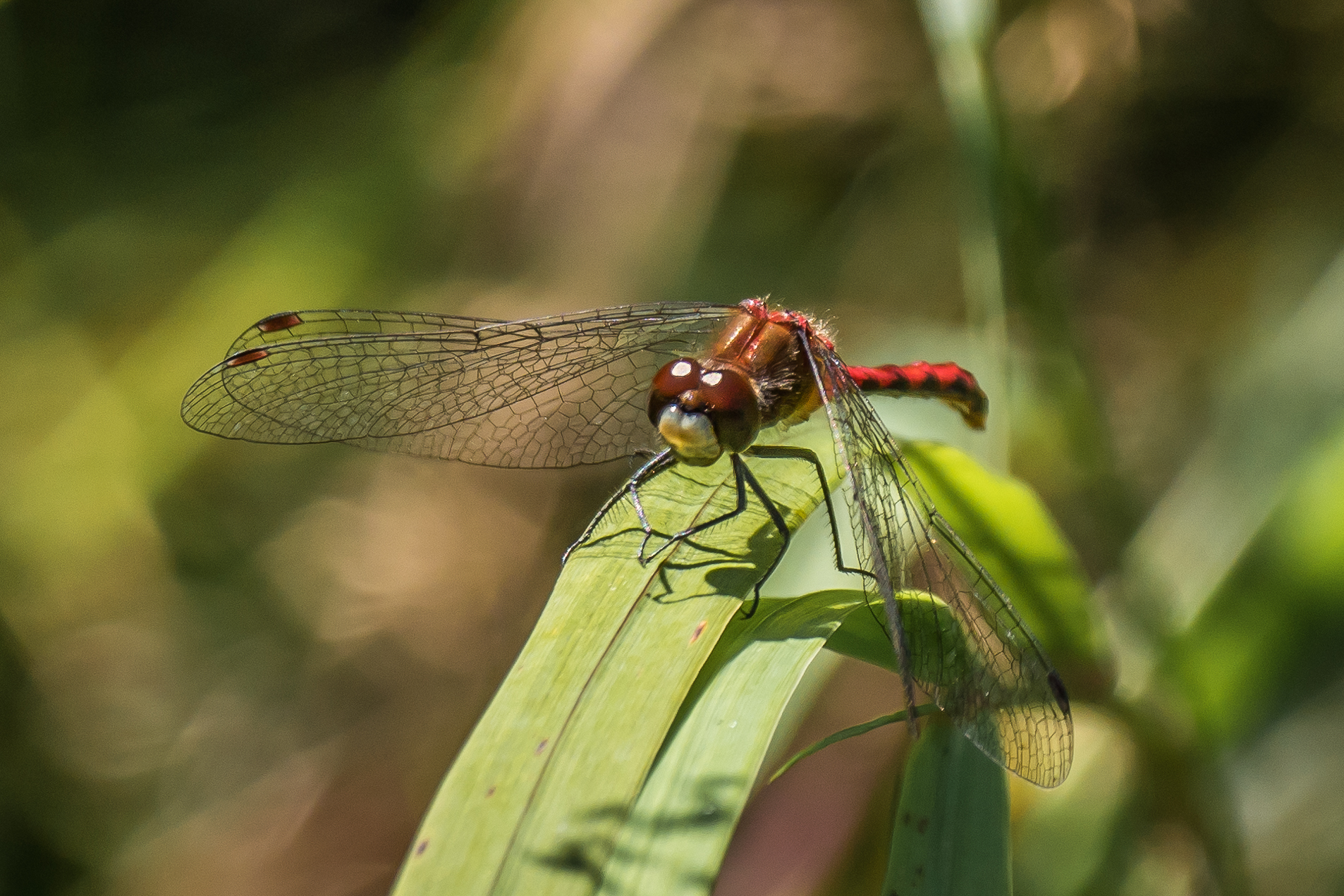
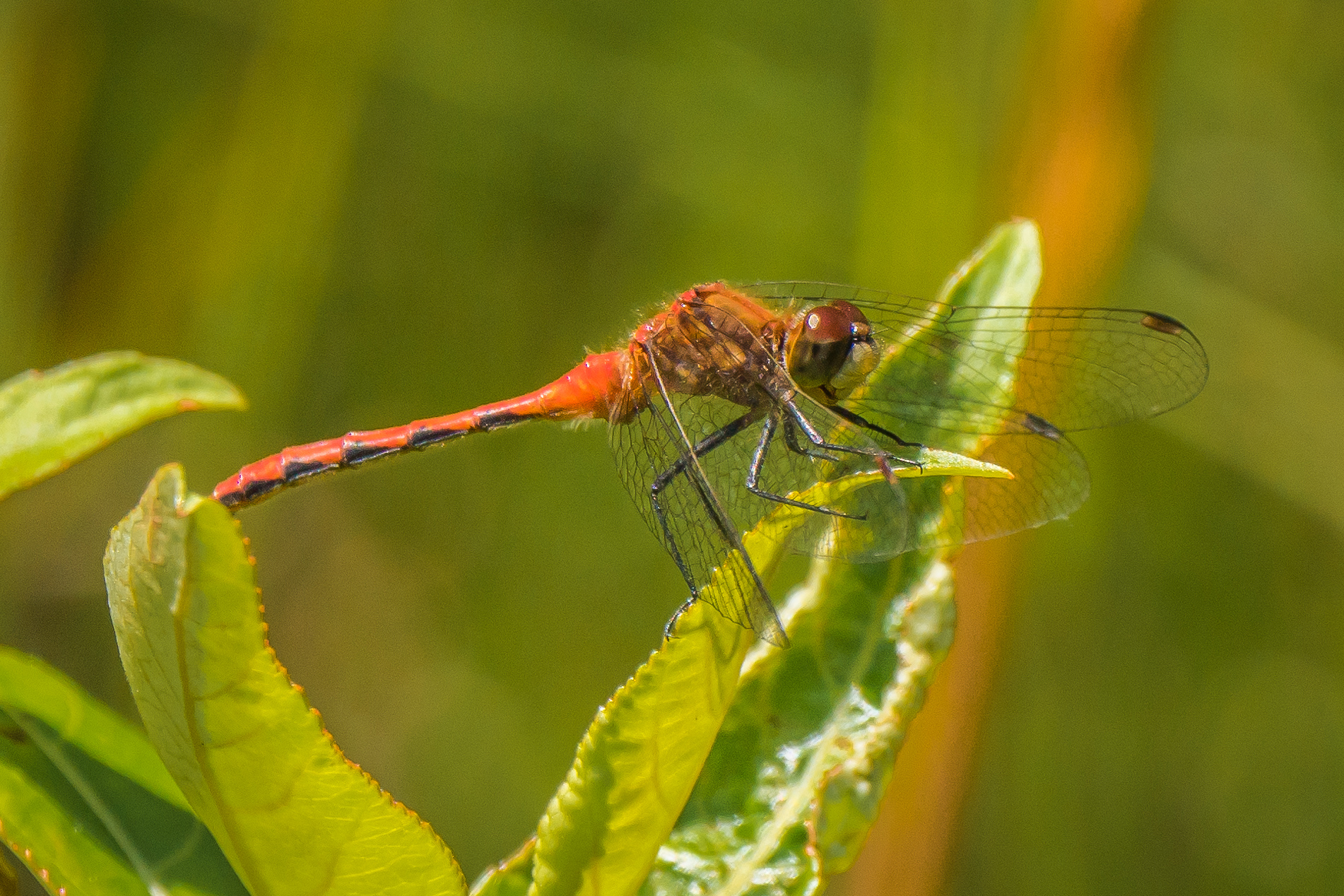
Male Whitefaced Meadowhawk

Female contemplating approach of a meal …

Another male…

Yet to be  identified pretty little flower …

Although I read that some longhorn beetles consume nectar I couldn’t see any evidence that this one was getting any.

Syrphid fly on a blossom of a Black Eyed Susan ..

Very strange but colourful changes  in the chlorophyll of these emergent Red Maple shoot…

Yum Yum: Prunus Virginiana

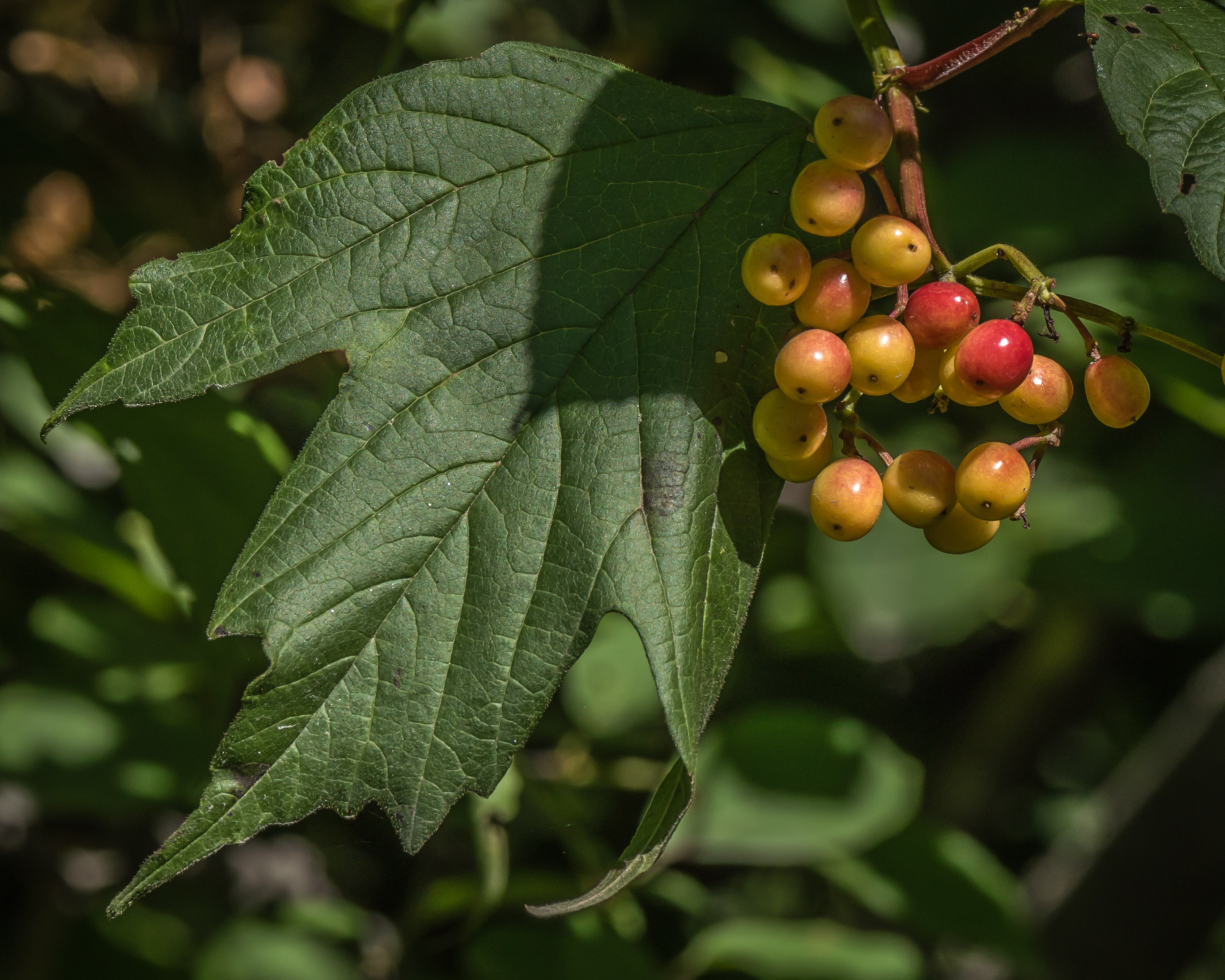
This shows why the specie name of this Viburnum is trilobum

Another Viburnum with a very different leaf.

Late season Leonard’s Skipper nectaring on Joe Pye Weed…

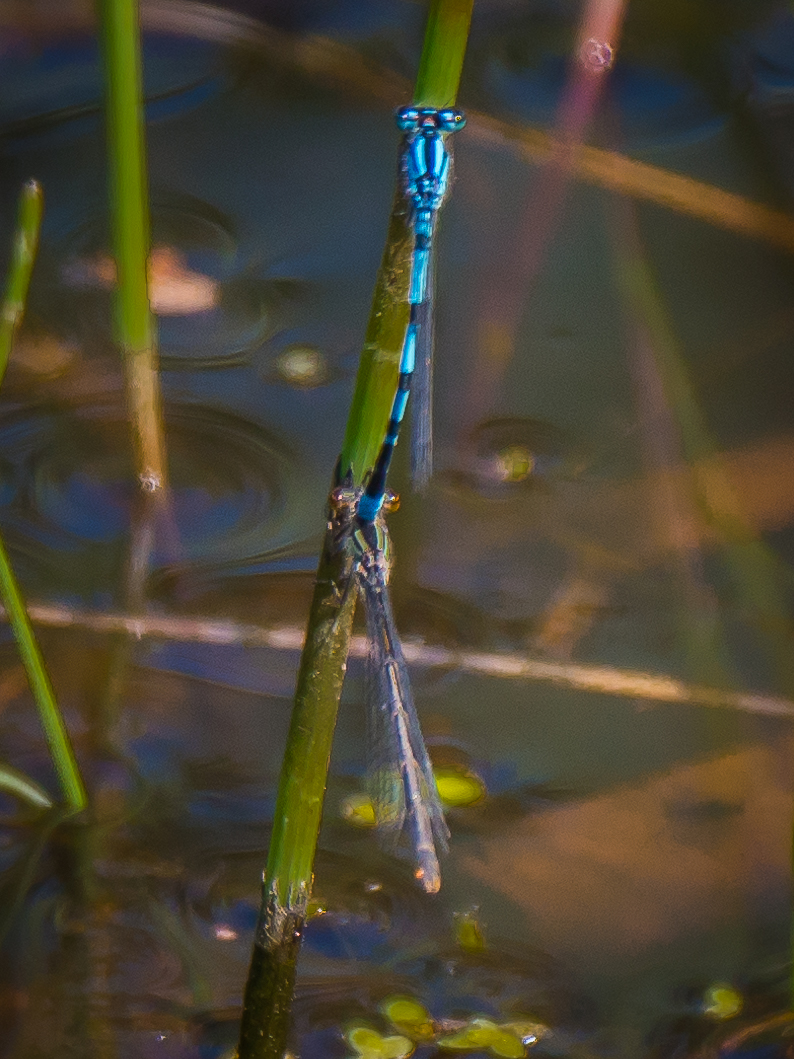
A pair of Bluets mating …

This might be a female immature bobolink on the railway track ballast …

Mary Holland tells about your competition when harvesting beaked hazelnuts.

20170807-09 Local Ducks, bugs and blossoms

We enjoyed a few days of warm sunshine, which brought out some pleasant summer activity.

Mom and ducklings enjoy some rays …

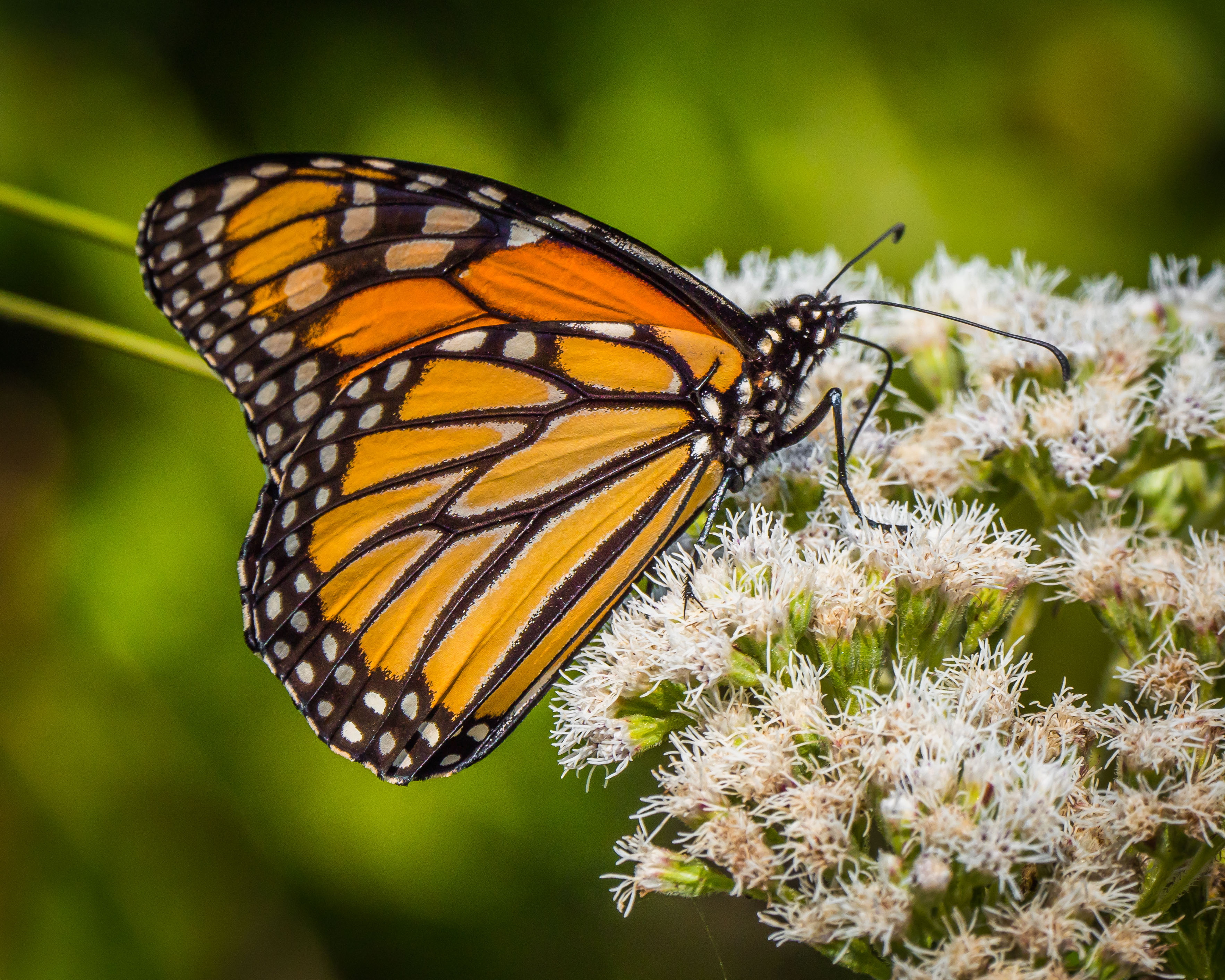
Nectaring at a Boneset blossom…

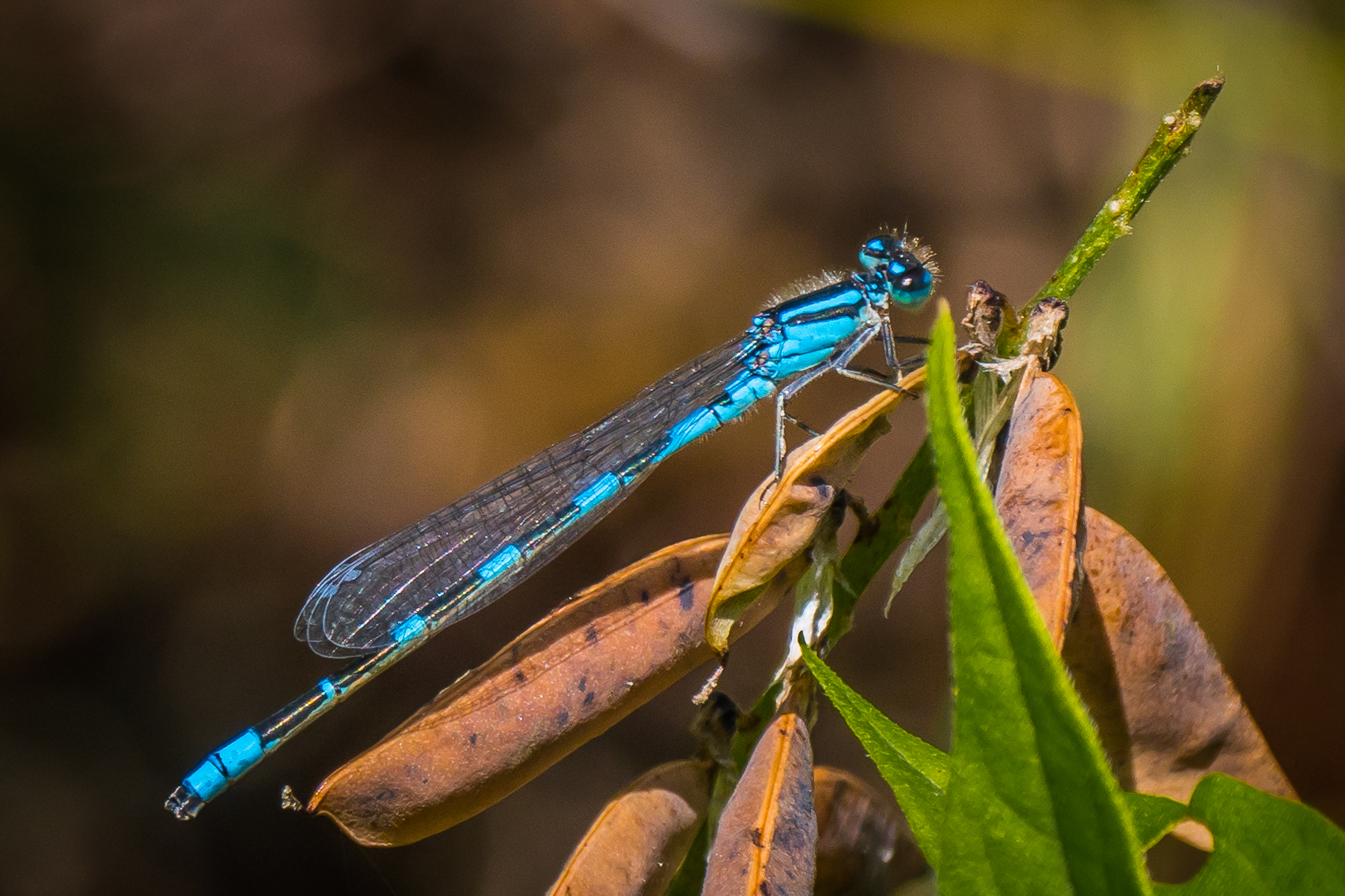
Boreal Bluet pausing …

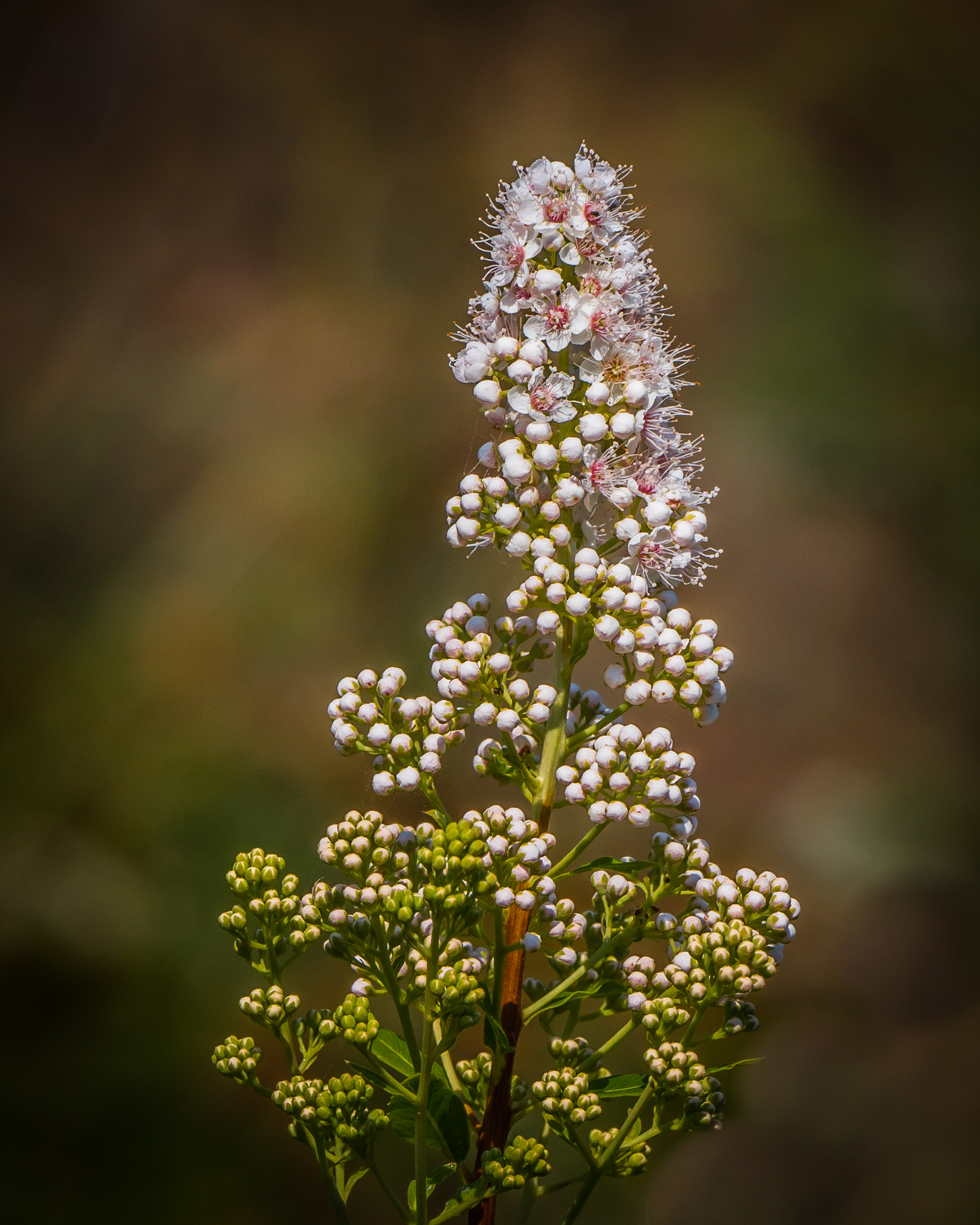
White Wild Spirea in mid bloom …

Twelve Spotted Skimmer poised on a stick …

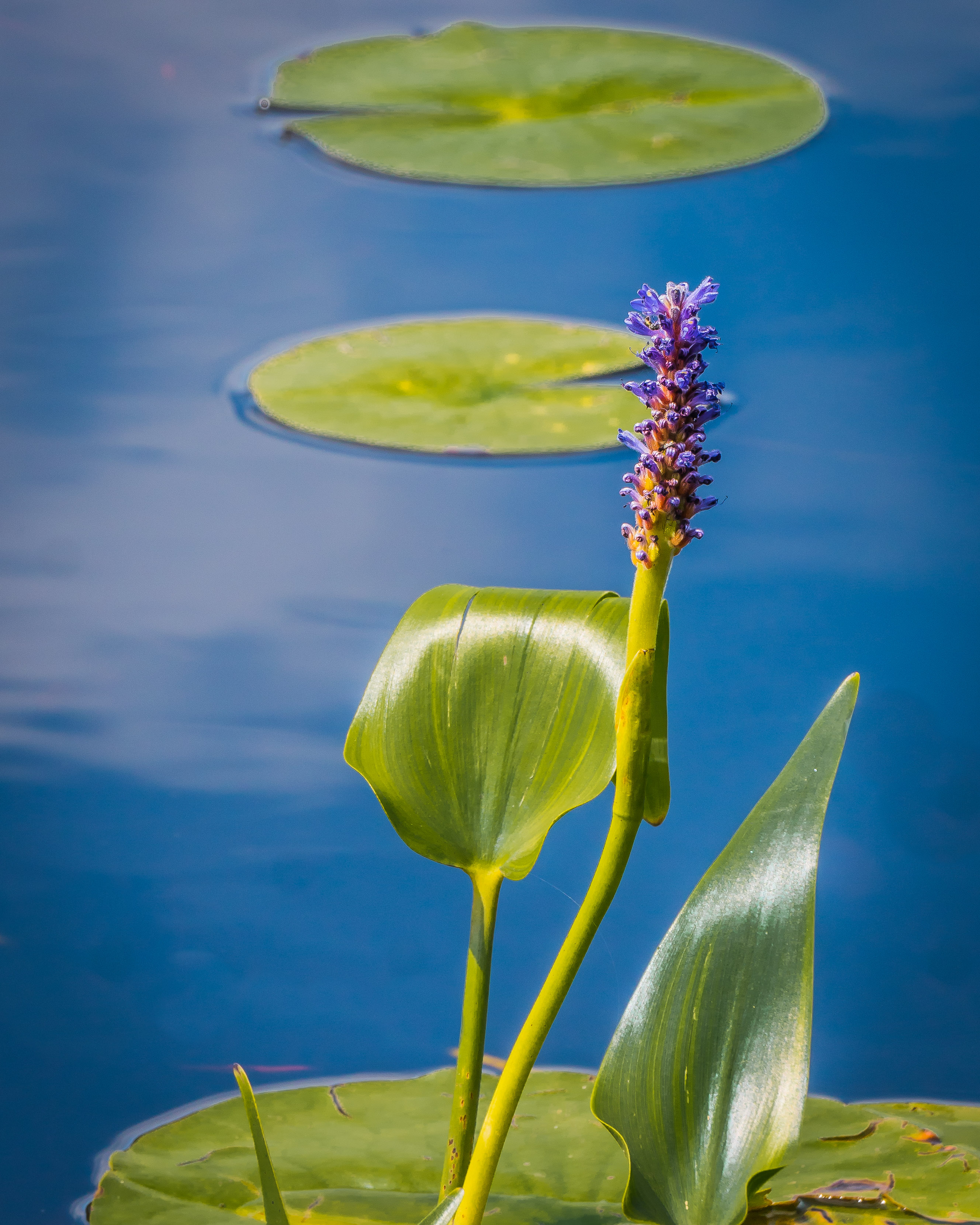
Pickerel Weed nearing the end of its bloom period.

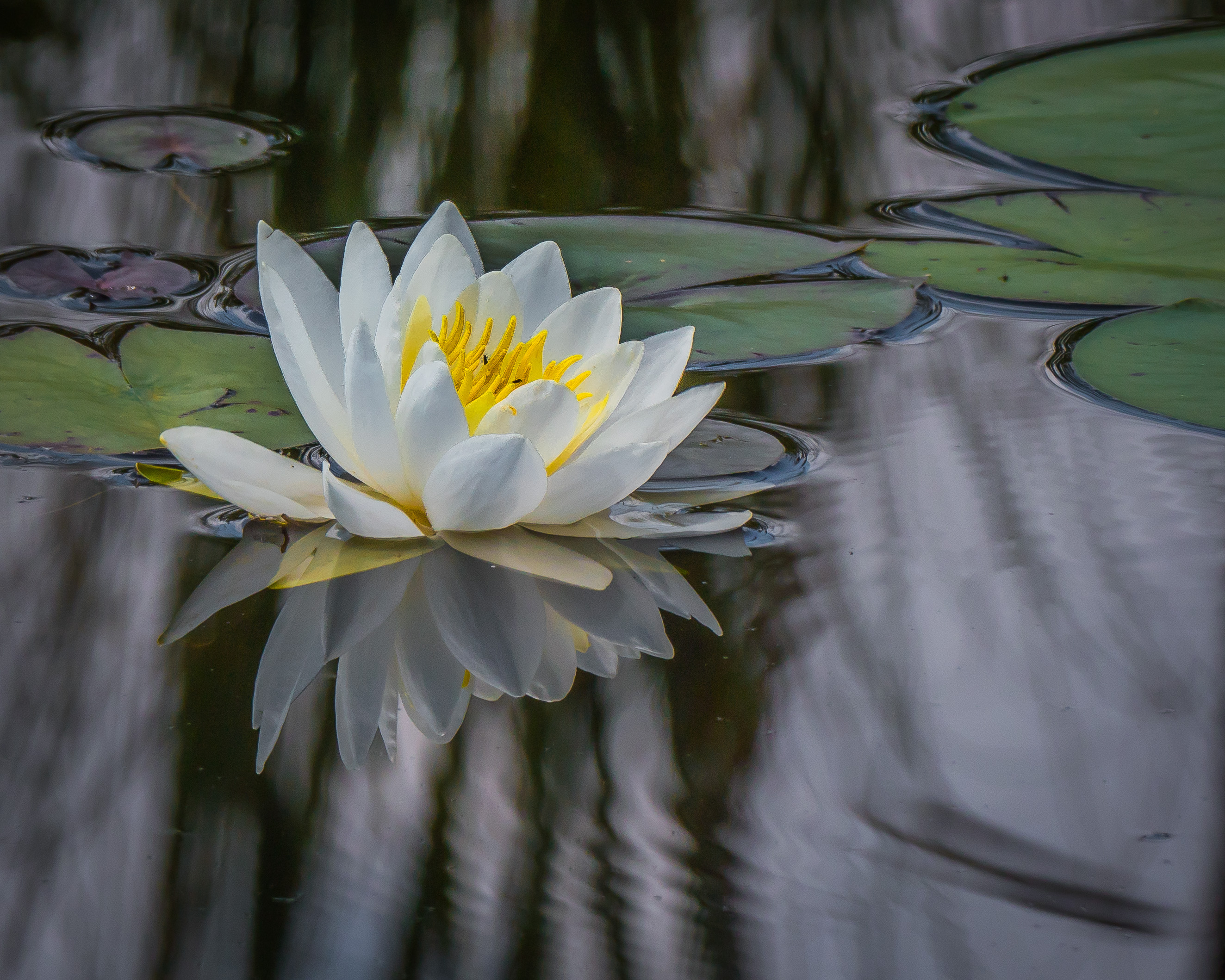
Nice Fragrant White Water Lilies  c/w their reflections …

This chlorophyll has not yet changed to the version that absorbs red  colours.

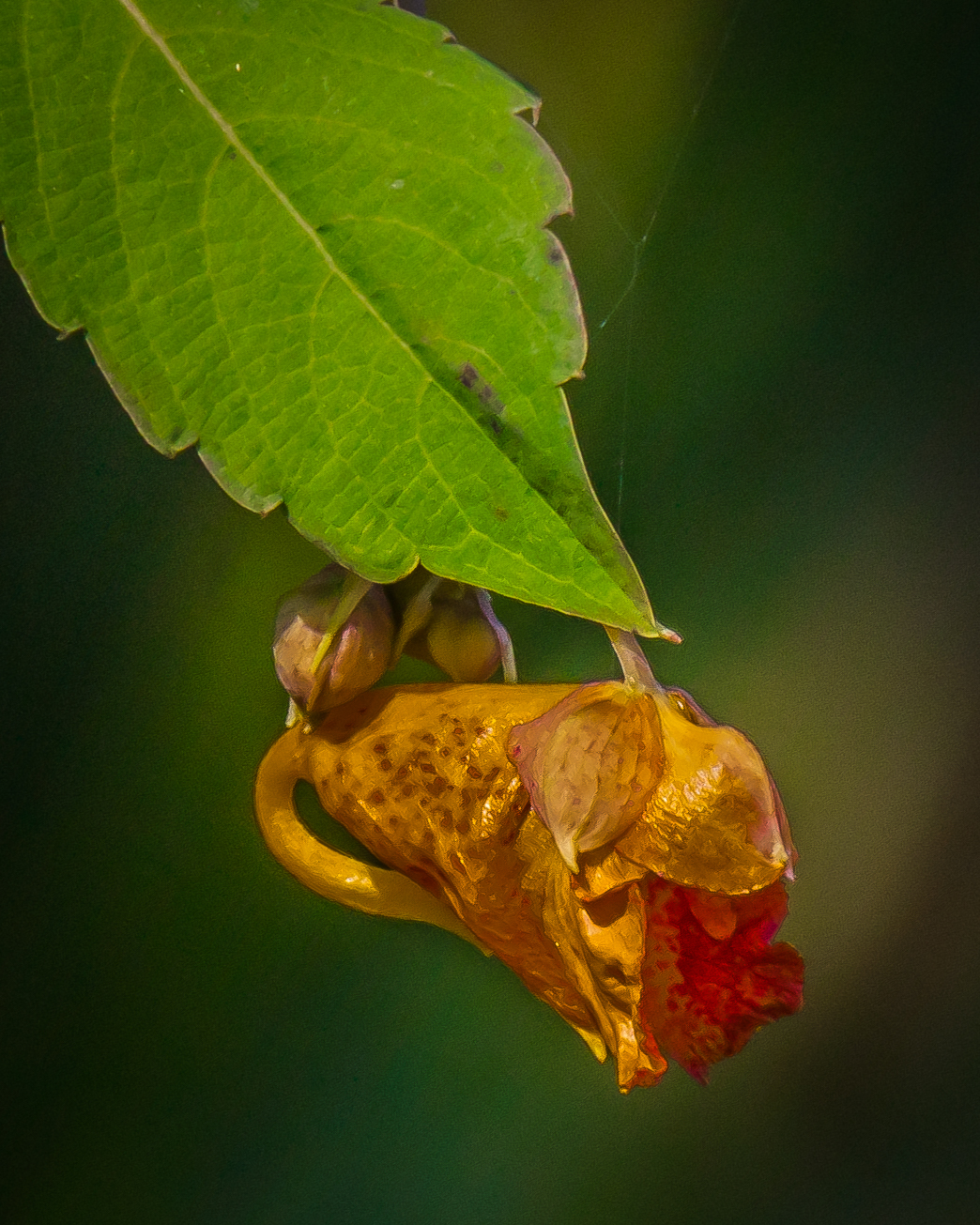
Spotted Jewelweed or Spotted Touch-me-not is at its peak bloom now ..

Complicated tubular blossom …

Tamarack cones have changed colour and are letting their seeds mature.

The white berries of Red Osier Dogwood are ripening …  Mcphail Woods:

“Berries are a preferred food of ruffed grouse, northern flicker, downy woodpecker, eastern kingbird, common crow, gray catbird, American robin, Swainson’s thrush, evening grosbeak, cedar waxwing and purple finch. They are well utilised by dozens of other species of songbirds, particularly during fall migration. The branches and foliage form dense summer cover, offering protection and nesting sites for species such as the American goldfinch. Flowers are an important source of pollen for honey bees. Red squirrels, chipmunks and raccoons include red osier dogwood in their diets, while snowshoe hare and beaver browse the twigs in winter.”

Unfortunately we are now experiencing very overcast skies.   So we can’t get in on this fake new story!!

Too bad!

20170806 Local pollinators, Virgin’s Bower, Cherries, Charles Robertson

All of these pictures, except for the birdie, were made along the Old Still River Road, a stone’s throw from home.  The birdie was nibbling on some roadside sand (or salt) along Hwy 607.  It was a warm windless day, nice for picture-making of wee critters at lunch …

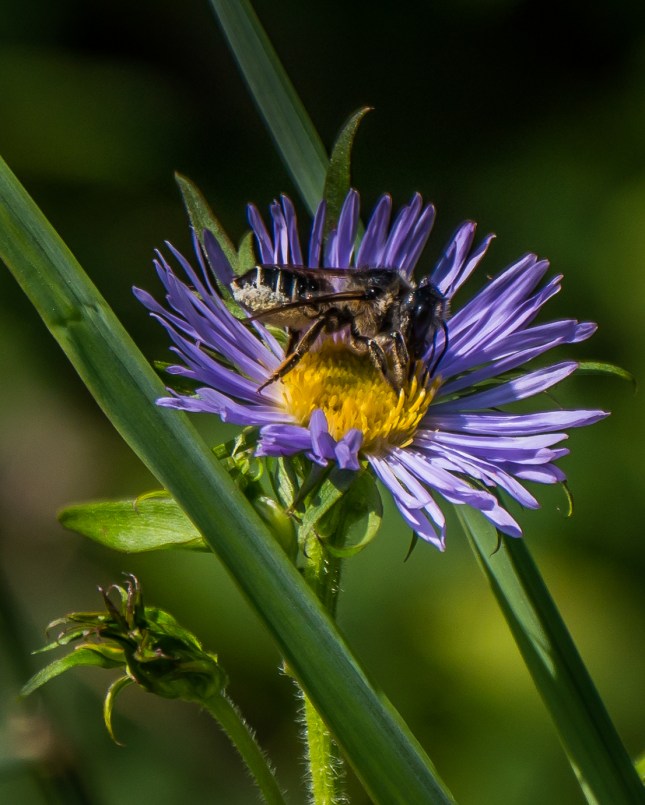
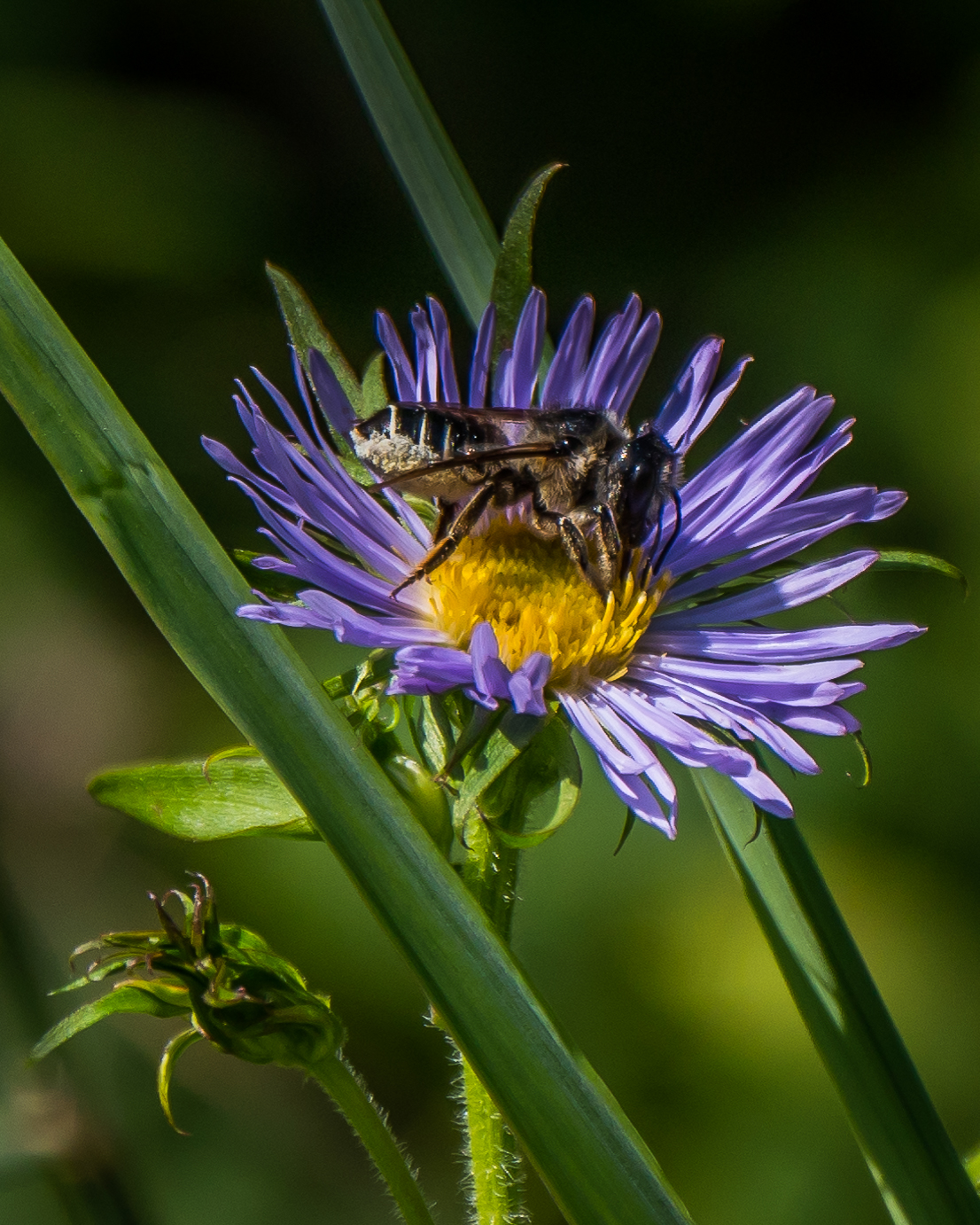
The oval eye suggests that this is a solitary bee of some sort.  The big load of pollen indicates that it might be a female preparing its “nest” to lay its eggs.  I have corresponded with Brits who are now providing nesting tubes for many of these native bees.  This is a good article about solitary bees.
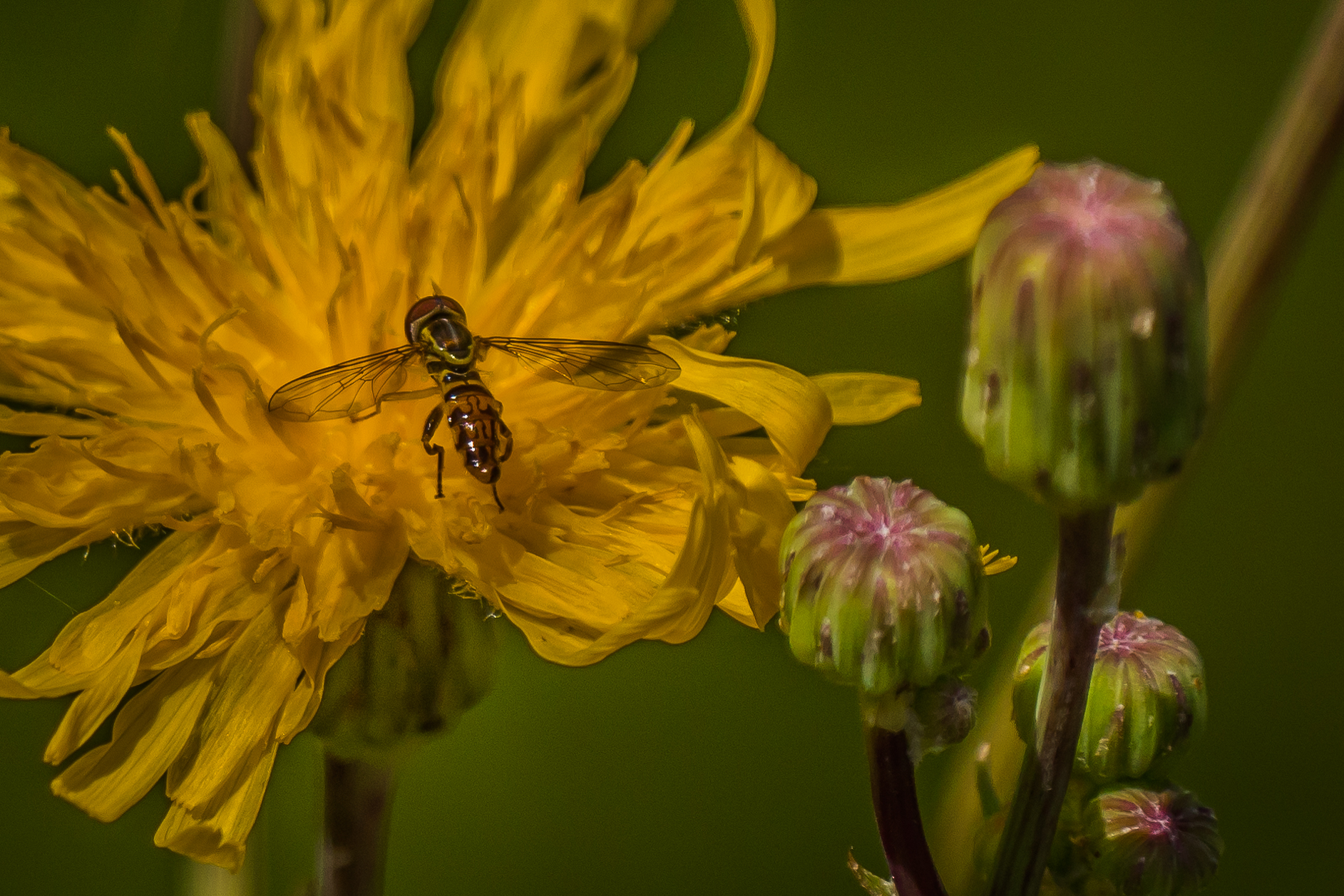
Here are various hoverflies nectaring off of hawkweeds along Old Still River Road …

Wasp??

Two hoverflies…
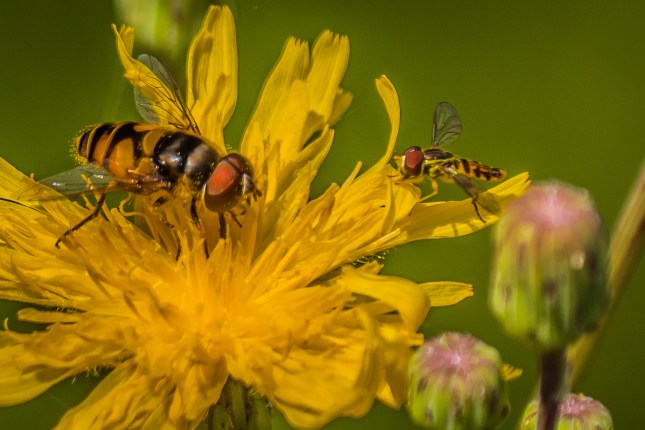
Another hoverfly.
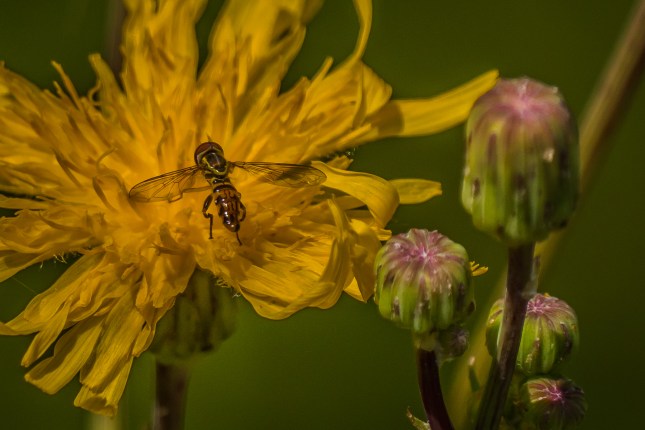
A sharp-eyed observer will notice that the three above photos are at the same flowerhead.

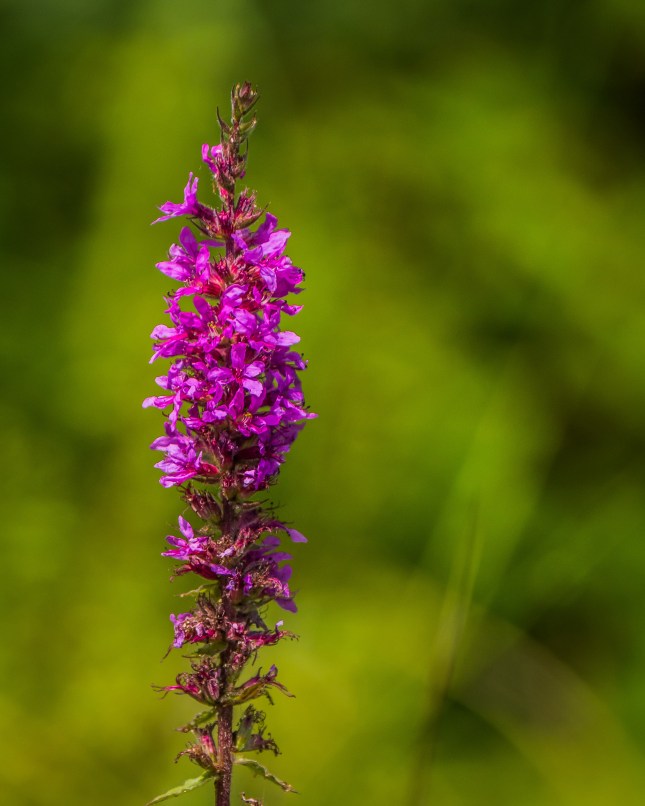
Pretty but fiercely invasive Purple Loosestrife has been gradually spreading northward over the last 20 years.
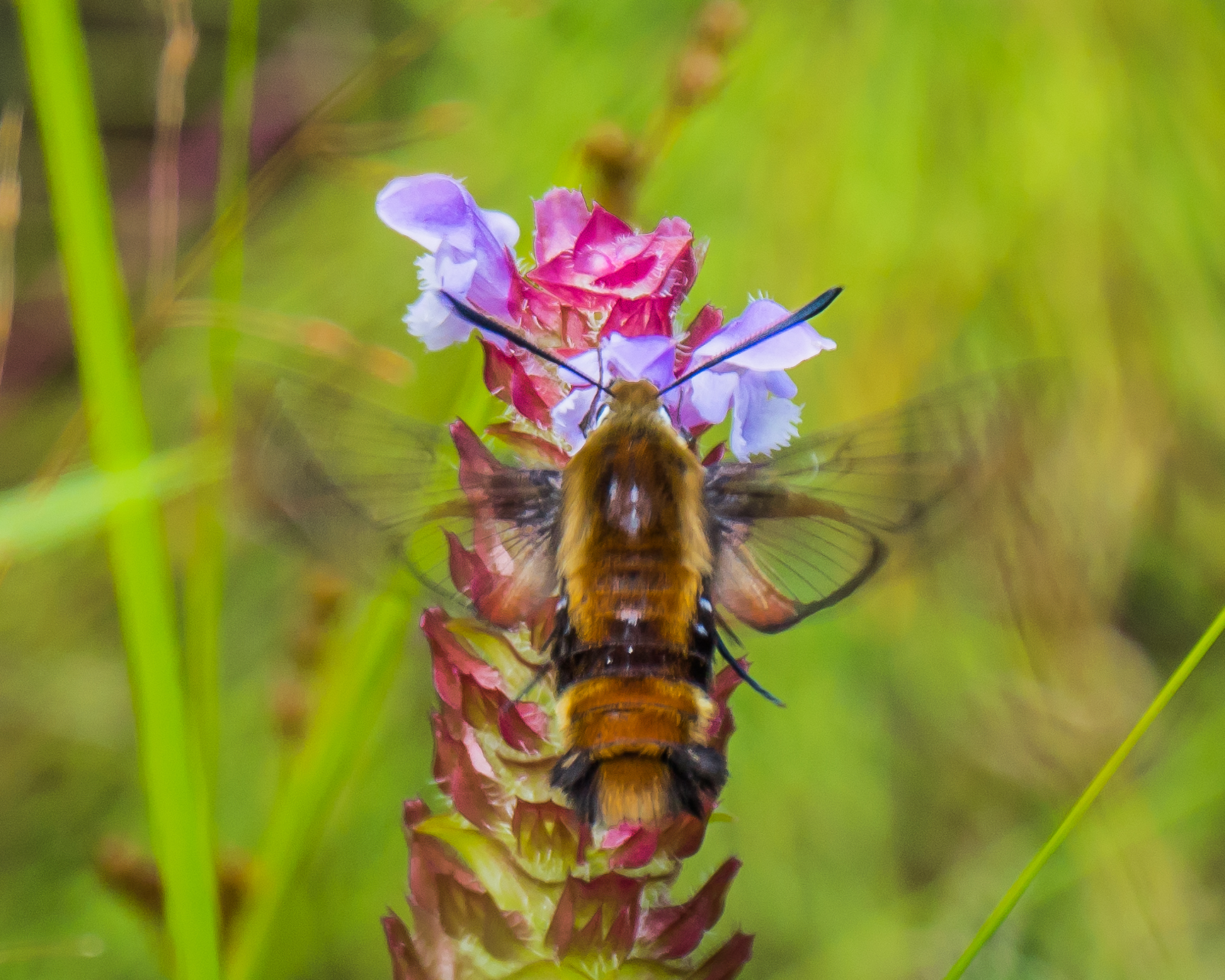
I have a very fuzzy photograph that plainly shows the black legs and black thorax streak which identifies this Clearwing as a Snowberry Clearwing Moth nectaring in a patch of Heal-all.

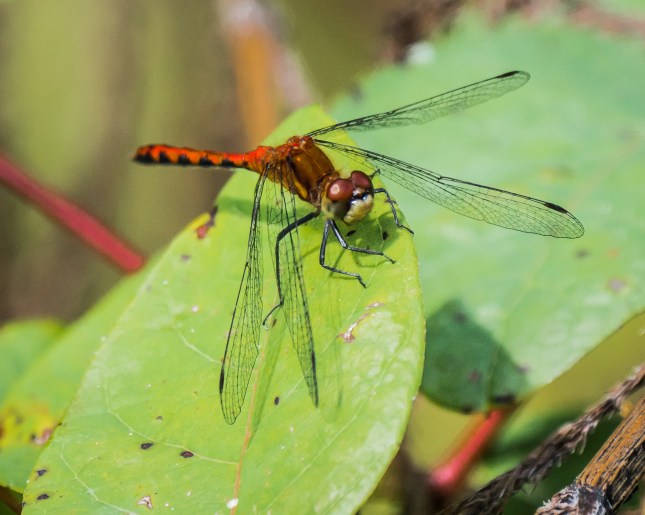
White-faced Meadowhawk on a Spreading Dogbane leaf…
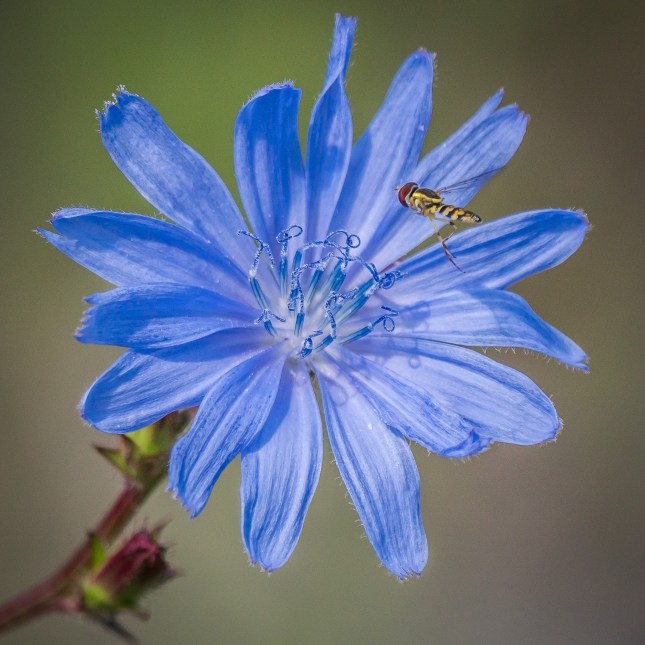
Syrphid approaching Chicory blossom for some nectar …
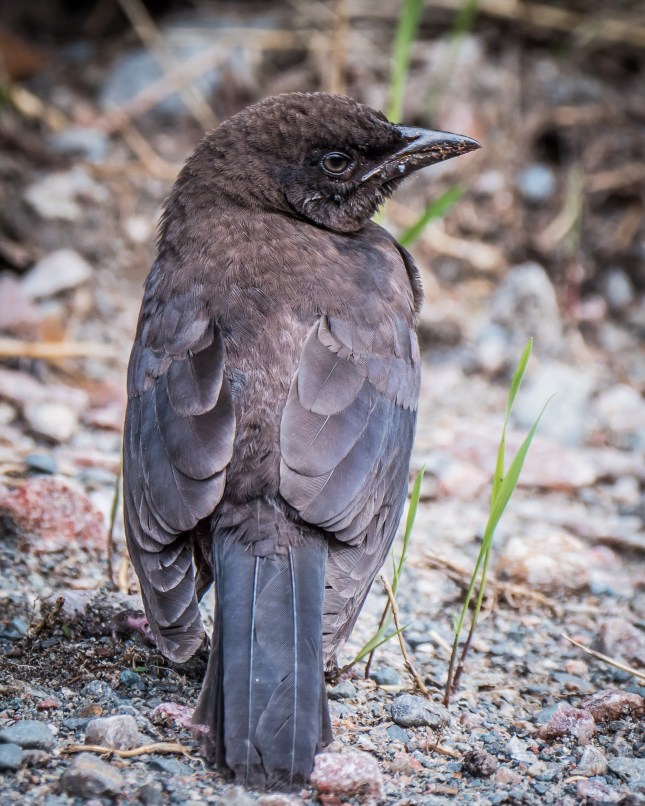
After much humming and hawing I’ve concluded that this must be a Brown-headed Cowbird.

“Cowbirds are smaller and shorter-tailed than other members of the blackbird family, with a shorter, thicker bill. The brown head of male Brown-headed Cowbirds can be difficult to see in poor light, so body shape and bill shape are the best clues.”
Clematis virginiana (also known as devil’s darning needles, devil’s hair, love vine, traveller’s joy, virgin’s bower, Virginia virgin’s bower, wild hops, and woodbine) is blooming up on tree trunks, on tag alders and prone, along the ground:

Red Osier Dogwood fruit is ripening …

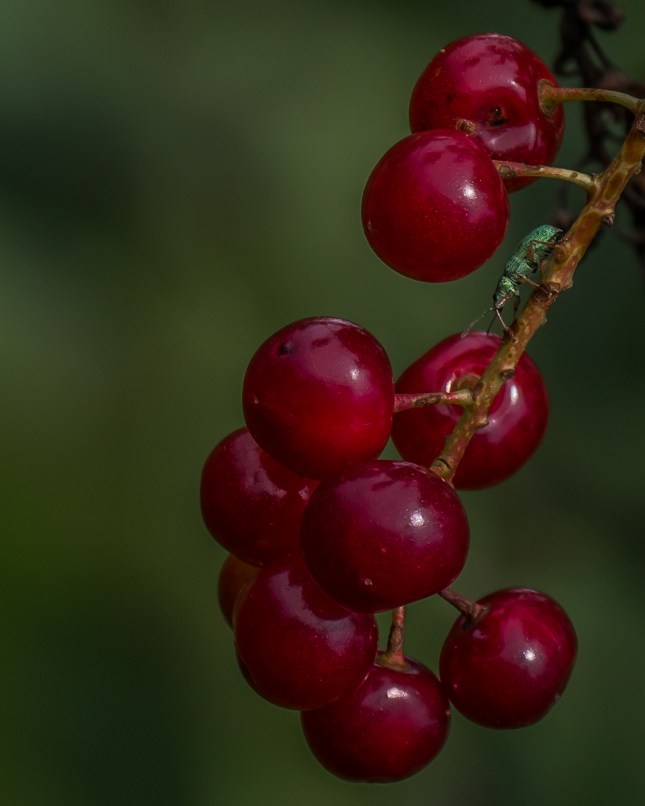
Prunus serotina, commonly called black cherry, wild black cherry, rum cherry, or mountain black cherry, is ripening.   The little clasps where the stem attached to the fruit distinguishes this specie of Prunus from the shrub-like Prunus virginiana, commonly called bitter-berry, chokecherry,Virginia bird cherry and western chokecherry.  Chokecherries have similar blossoms to black cherries and similar fruit.  Black cherries are nicer to eat and make a nice wine.  This clump of black cherries has a visitor ….

Choke cherries …

Black cherries with a little green visitor

Yesterday I had a very good discussion with a very knowledgeable and forthright Chief Naturalist at Grundy Lake Provincial Park.  I hope that she will help me learn about the flora and fauna in this neck of the woods.  I am especially interested in the effects of a changing climate on the relationships among various flora and fauna especially during the spring.  This primer on the subject was written 10 years ago when climate change was more of a scientific debate than a political debate.  It appears that the answer to Will Plants and (their) Pollinators Get Out of Sync?  is, unfortunately, becoming YES.

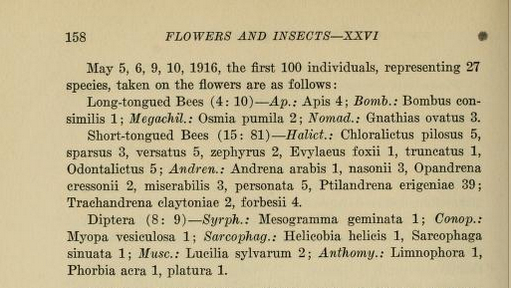
It is not surprising that Illinois Wildflowers ,  a wonderful website that relates plants with their fauna associations (See this example.), is authored in the same State where John Robertson did his landmark work over a century ago.  His Flowers and insects; lists of visitors of four hundred and fifty-three flowers    is now a foundation to the study of plant/insect relationships.  What a wonderful little site that last link takes us to!

I just HAD to take screenshots of the entry for one of my favorite spring ephemerals: Spring Beauty … the specie that is prevalent up here is Carolina Spring Beauty … Claytonia caroliniana

Can you imagine the patience and knowledge required to observe and record all of these visits?!

Can you imagine what Robertson would have done with a modern digital camera?   Born a century too soon!

One of these days, I might go back through my photographs and see if the blooming times for Spring Beauties is changing.

20170804-5 Burwash and Hwy 529

Quick trip to Burwash to visit with the Burwashians who had their annual reunion on the long weekend.  Nice re-visits.

On the way in we saw this American Kestrel looking for prey from the top of a fence post…

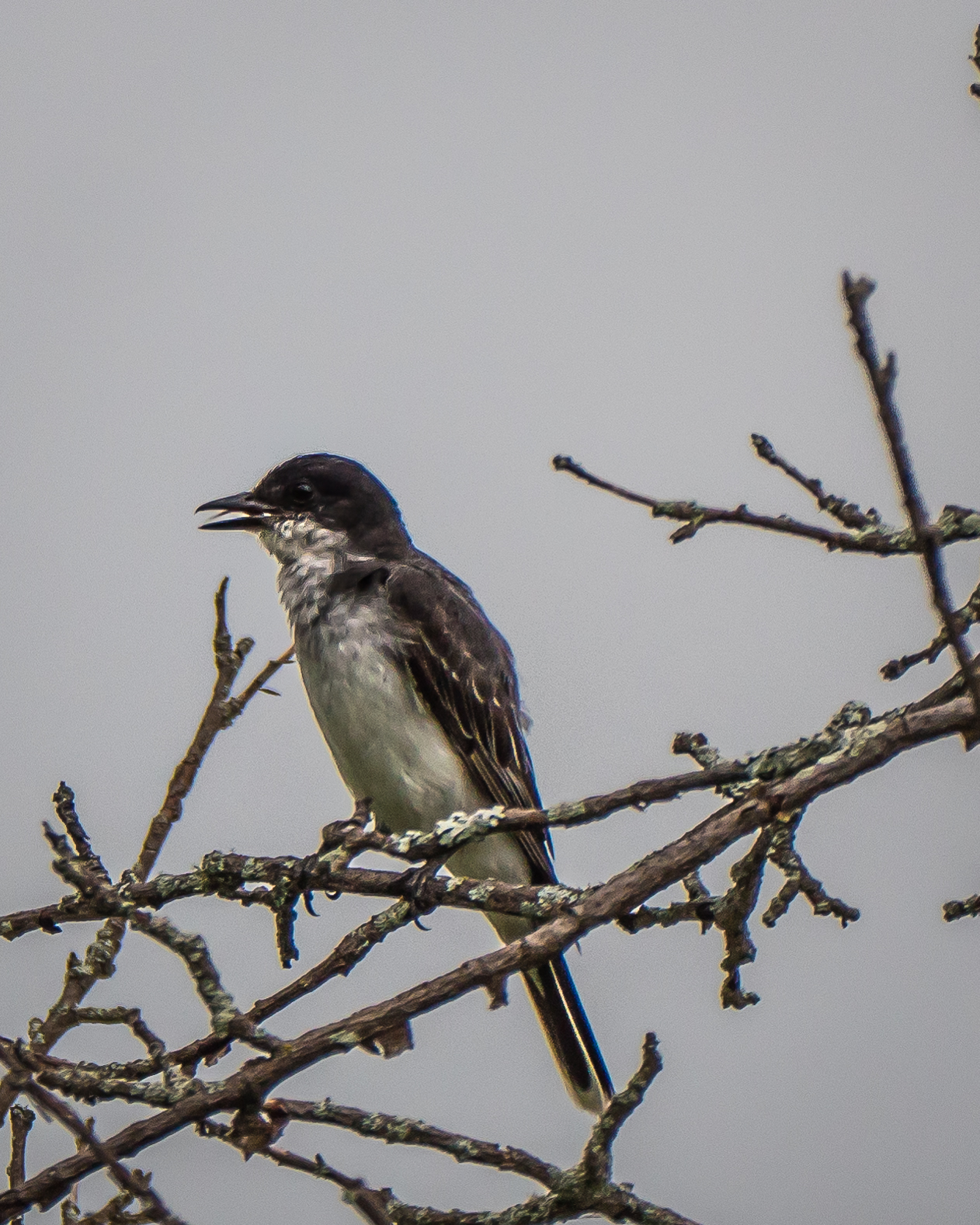
On the way back we saw this Eastern Kingbird from the Old Still River Road …

Then down to Hwy 529 to get this pair of Spiraea spp side by side  …. tomentosa and alba ….

Yellow Goatsbeard plume is always interesting to photograph.

Changing chlorophyll …

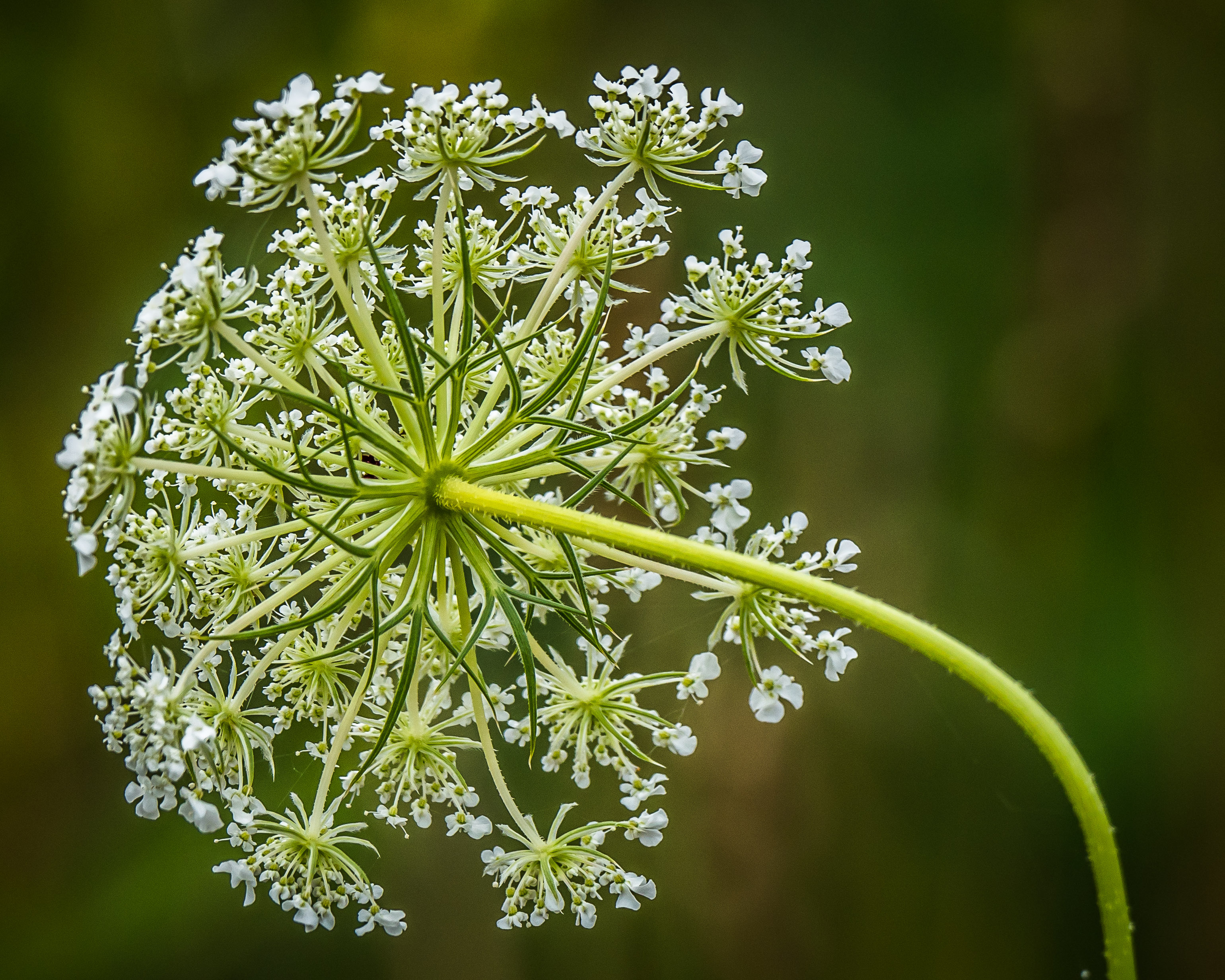
Queen Anne’s Lace seen from a different point of view …

Common milkweed pods are forming quickly …

I made the above picture because I was wondering about the pollination processes of the Common Milkweed.

In my research I came across The Nature Institute (  “The question is not what you look at — but how you look and whether you see.” – Thoreau )     Craig Holdrege is its Director and has written this fascinating Story of an Organism: Common Milkweed.   It is downloadable and is becoming a valuable reference for me.   He begins and ends his Story with this quotation from Aldo Leopold:

All I am saying is that there is also drama in every bush, if you can see it. When enough men know this, we need fear no indifference to the welfare of bushes, or birds, or soil, or trees. We shall then have no need of the word “conservation,” for we shall have the thing itself. Aldo Leopold (1999, p. 172)
I am beginning to realized that the Common Milkweed is much more instructive than only being a bountiful source of nectar for a legion of pollinators and the host of Monarch Butterfly Larvae.

20170801 Camp Eley Telephotos

We used the Panasonic-Leica 100-400 mm (200-800 mm EFL for 35mm format) on the GH4 to compose scenes in front of (North Channel) and behind the residence at Camp Eley.   Here are some images of what we saw …

North Channel looking southerly towards the north shore of the west end of Manitoulin Island.

Gulls coming and going …

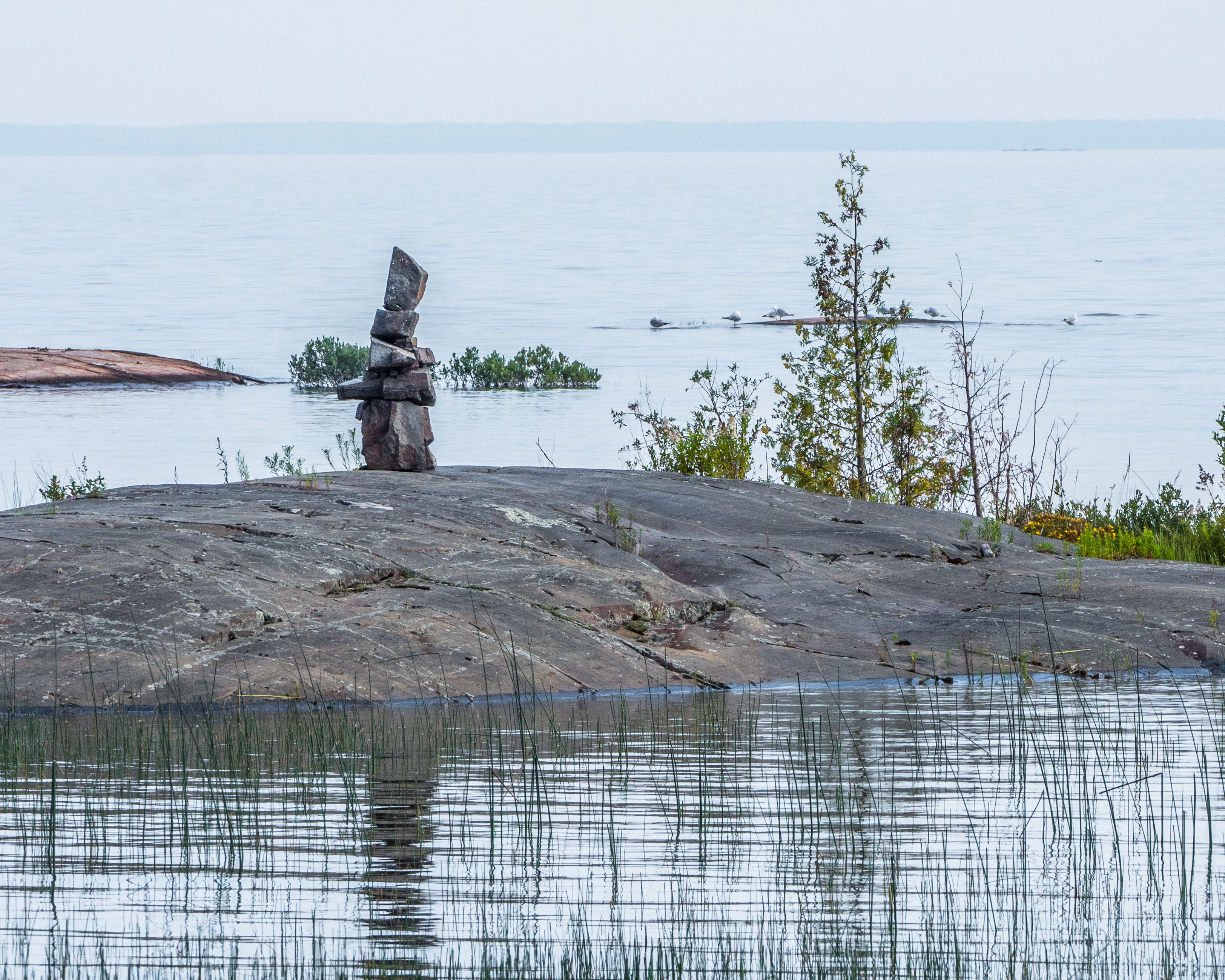
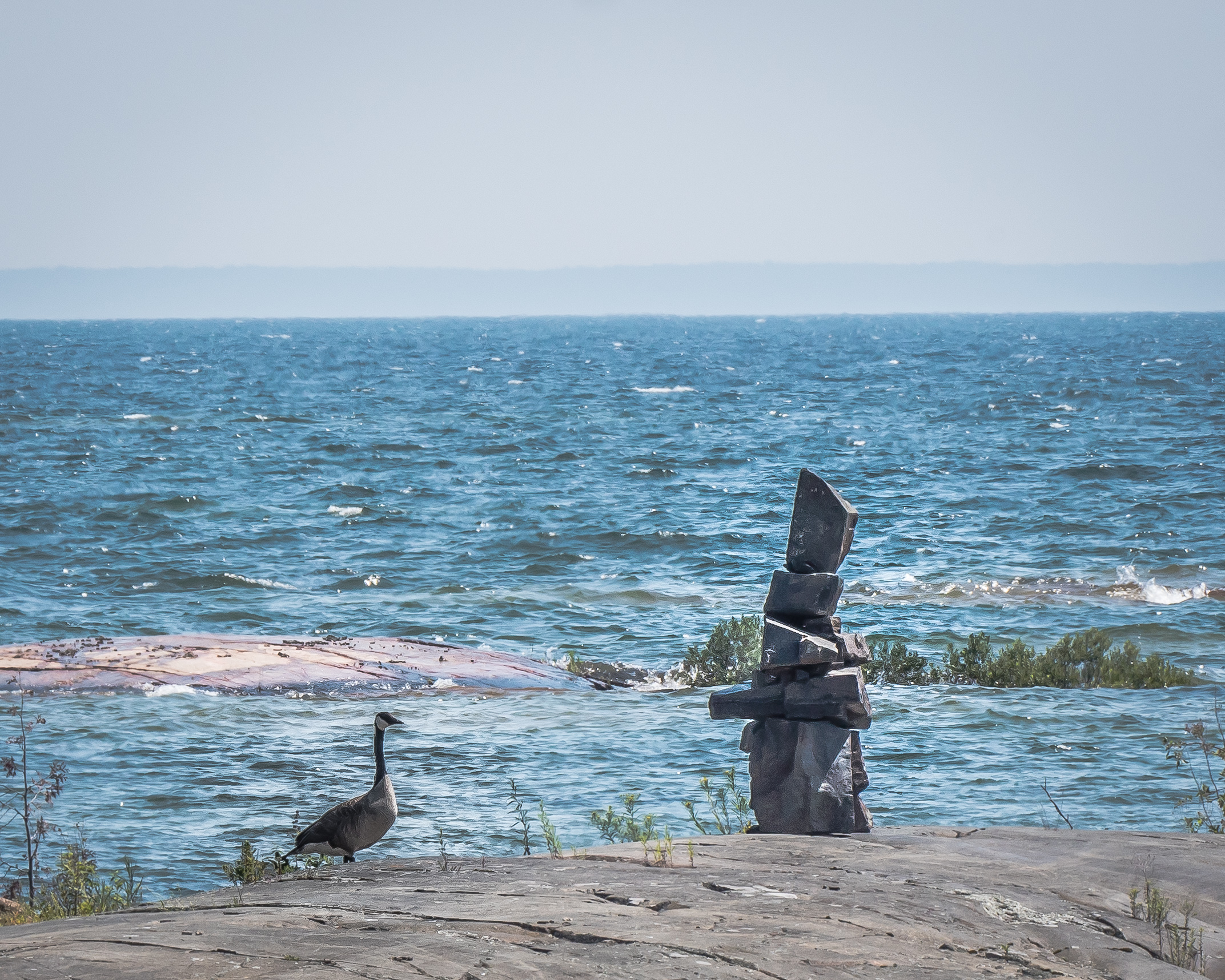
Paul’s Inuksuk..

30+ footer sailing eastward in North Channel.

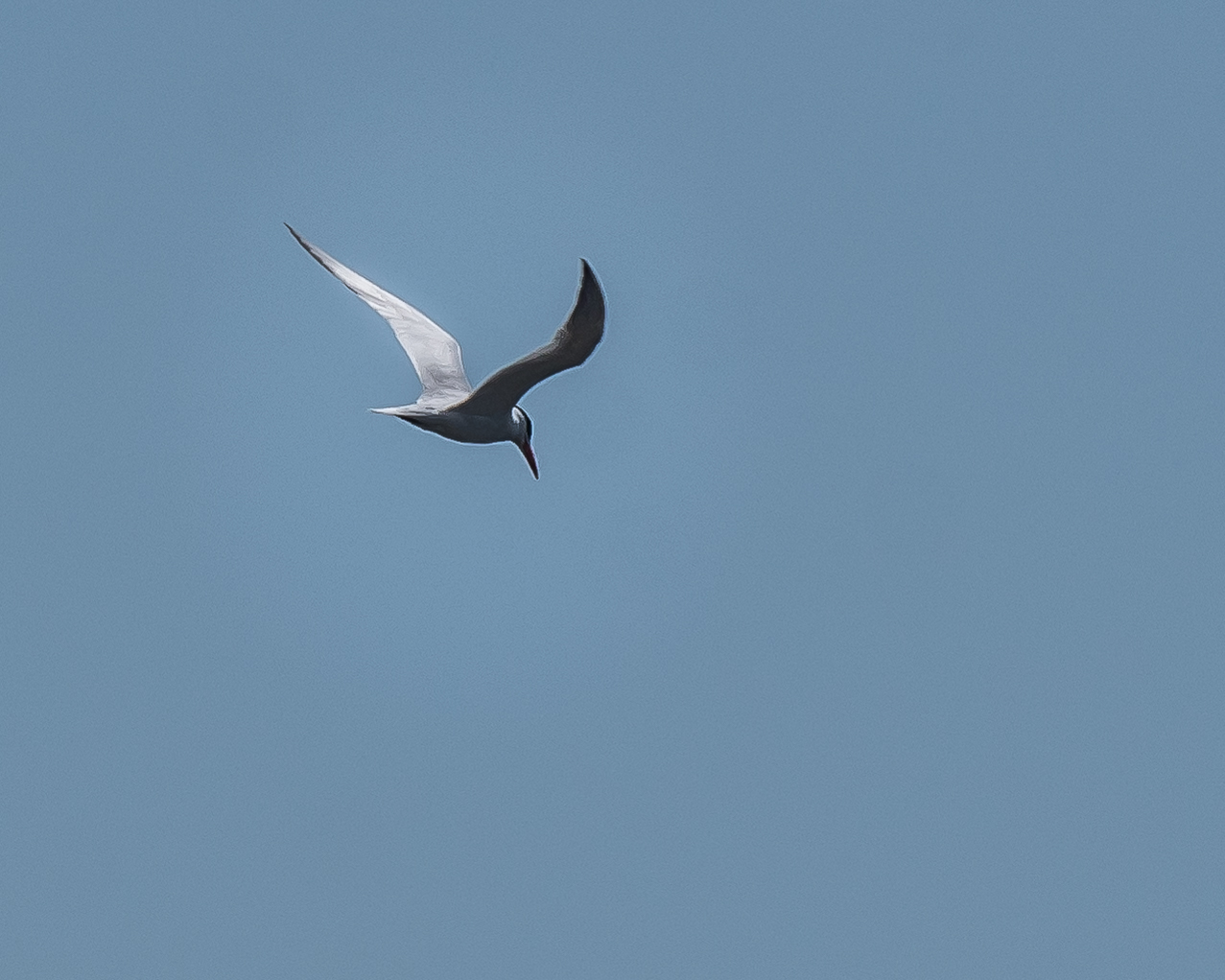
Graceful lines of a Tern, probably a Common Tern ,  as it cruises the shoreline for minnows.

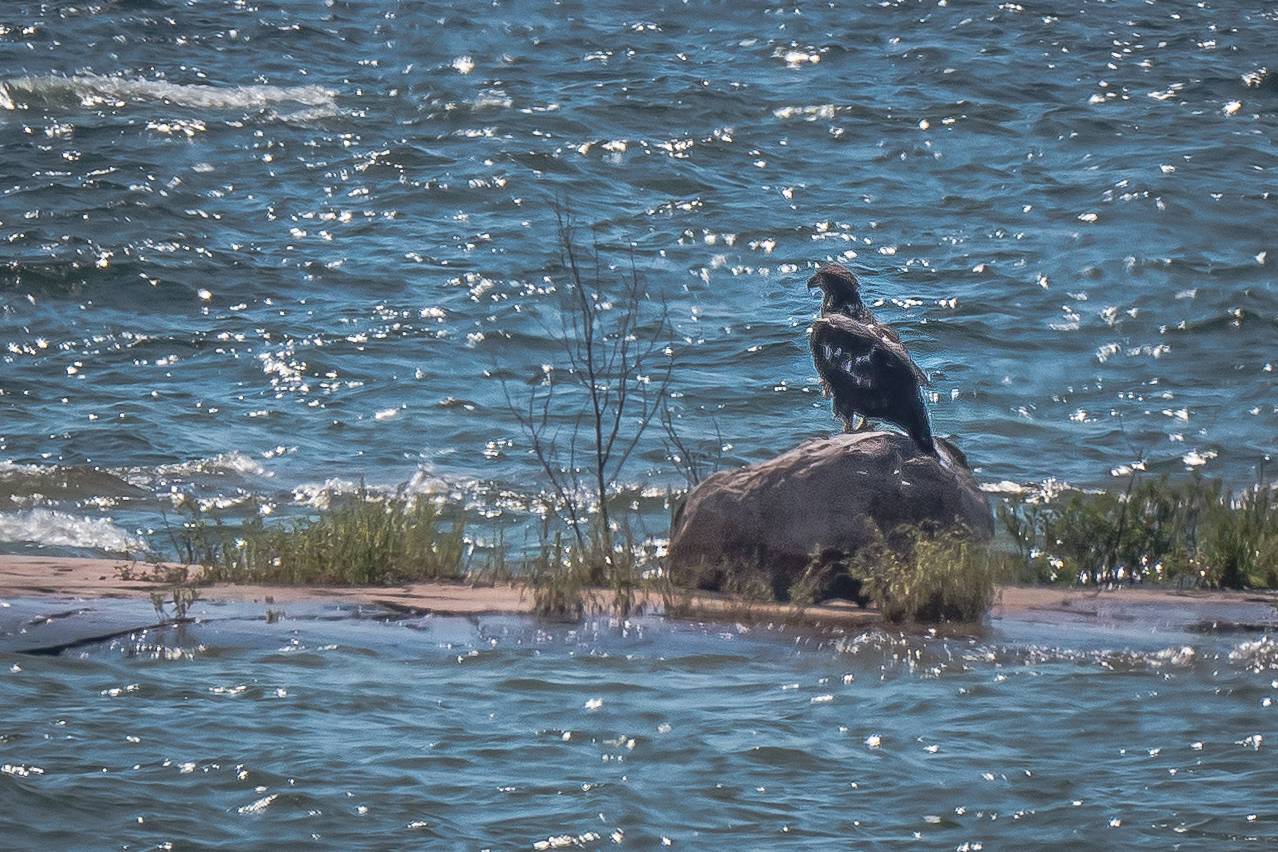
Dax ID’d this is an Osprey.  An alternative is an immature American Bald Eagle…

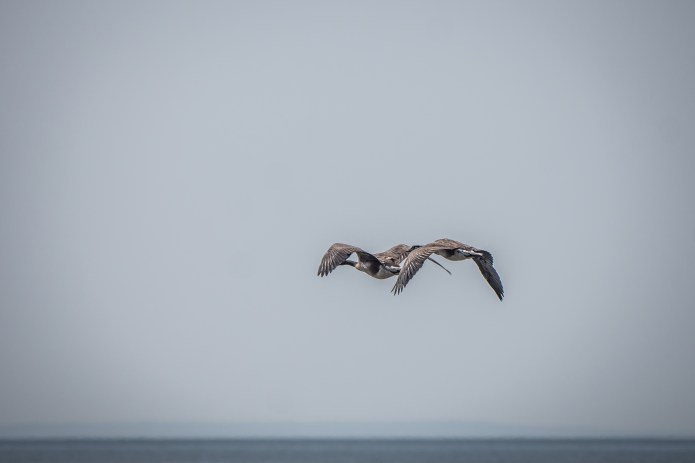
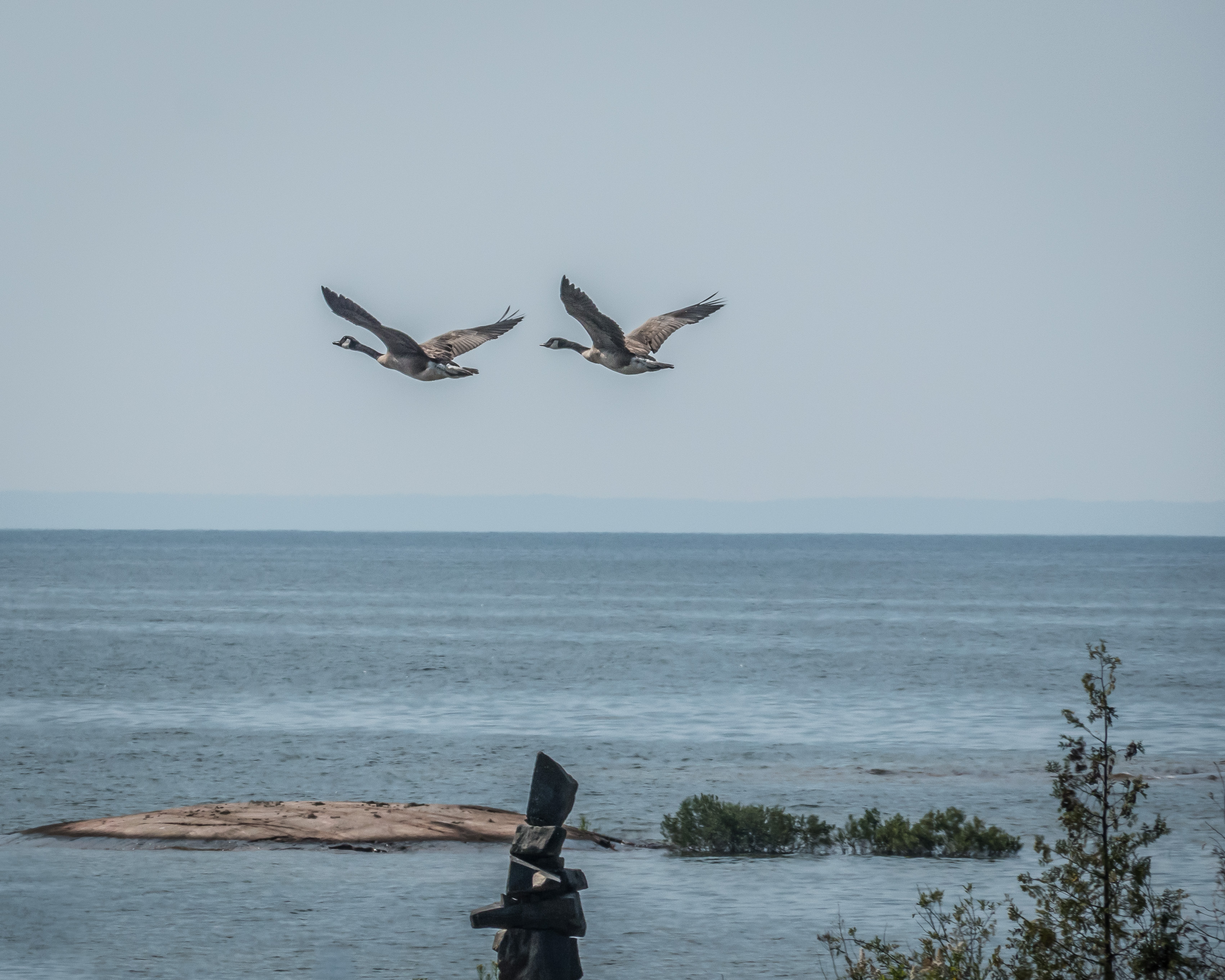
Canada Goose inspects Paul’s Way Marker ….

Mink scrambling along the slippery rock …

Fishing?

Stormy weather to the East …

In the “back yard” we saw lots of critters, including this Ctenucha virginica , with coiled proboscis, having lunch with a hoverfly or a wasp.

Yum, Yum.  Feasting time….

Perfect location for this Killdeer …

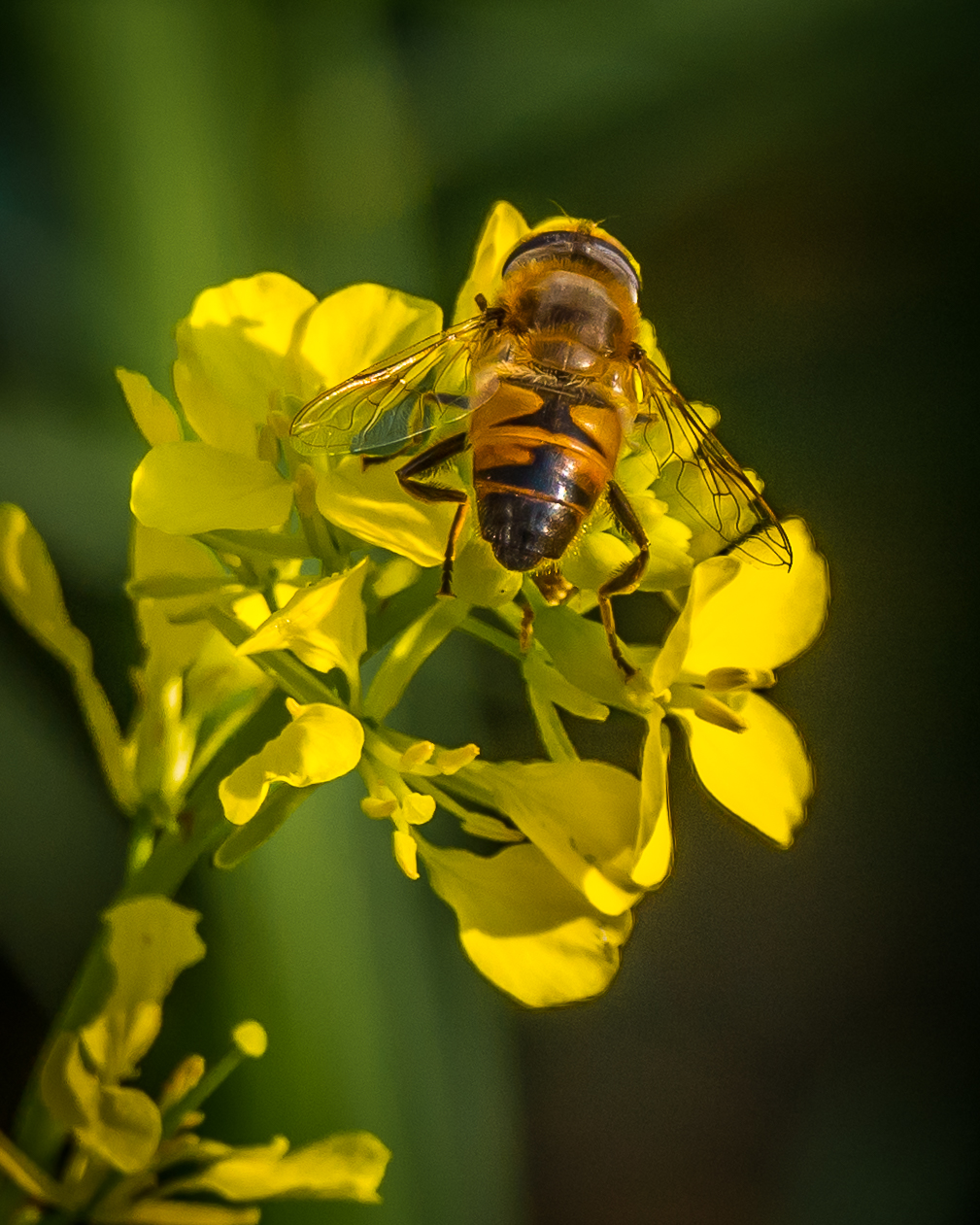
Hoverfly on mustard …

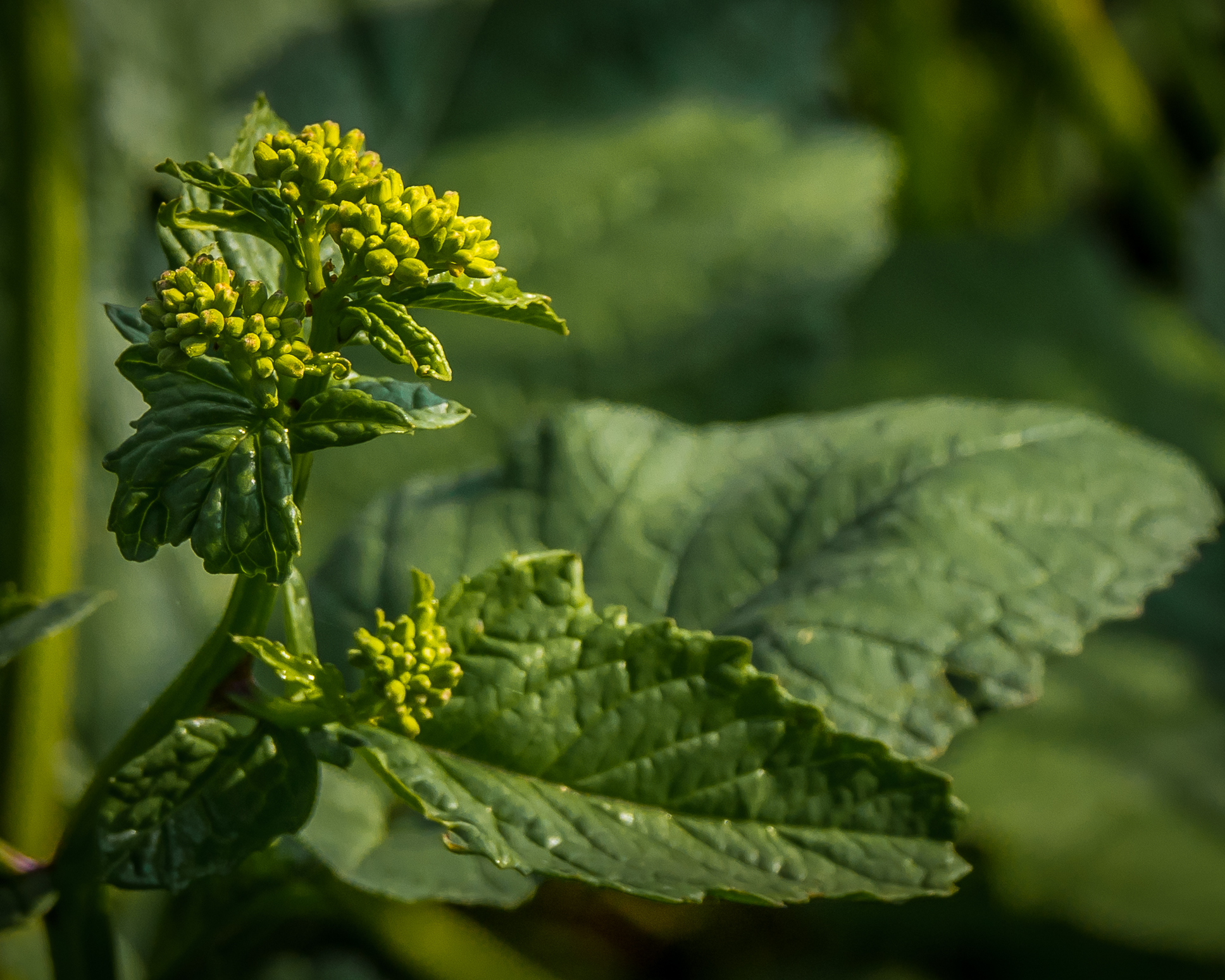
Mustard at a perfect stage for steaming  .. like Rapini.

A first for me….Blackburnian Warbler.  It showed for a very brief visit so I didn’t hear its voice.

This Song Sparrow was silent, no songs….

Mustard Blossom is home for many little critters.

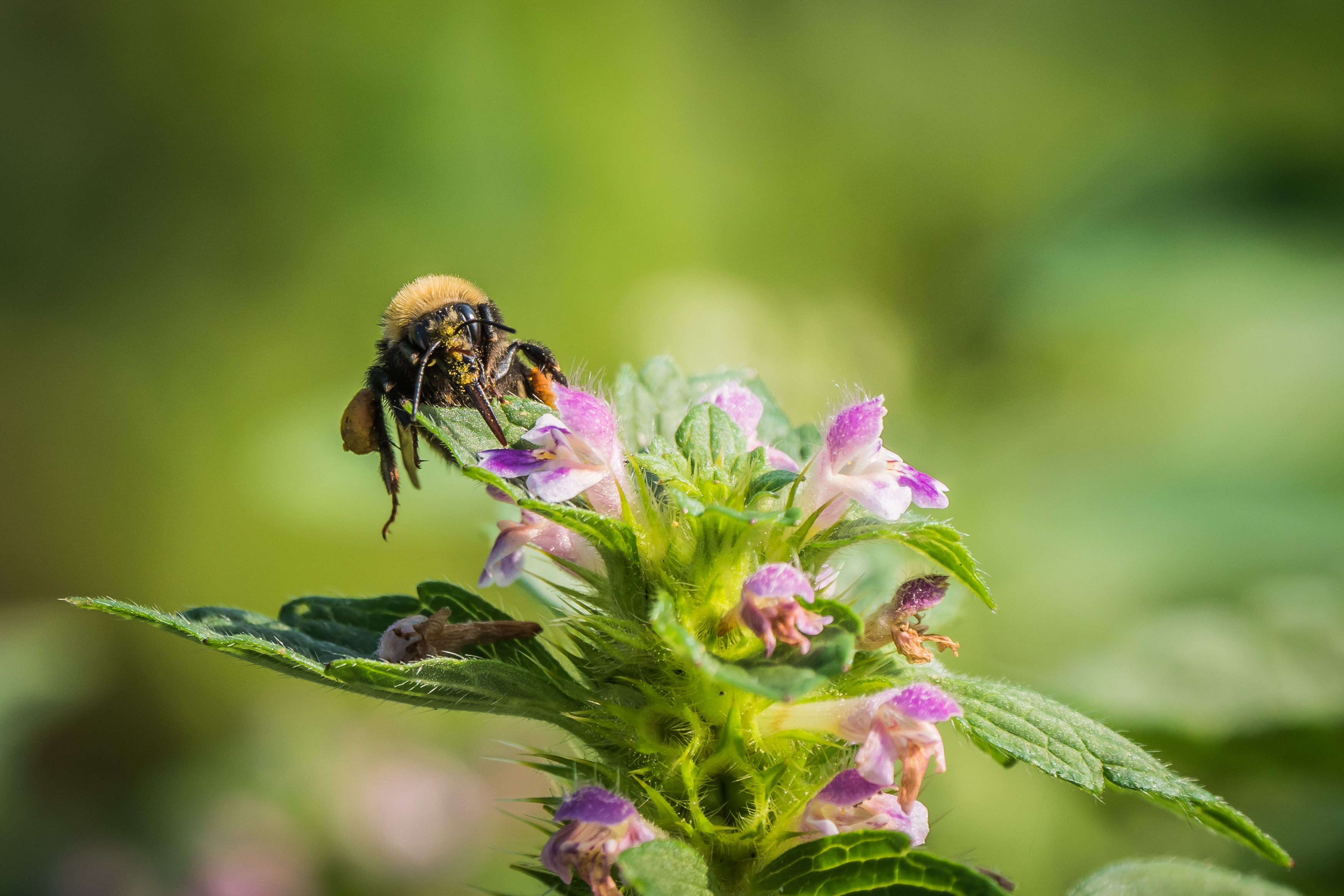
Bumble Bee loading up on nectar while carrying a big load of pollen on its legs …

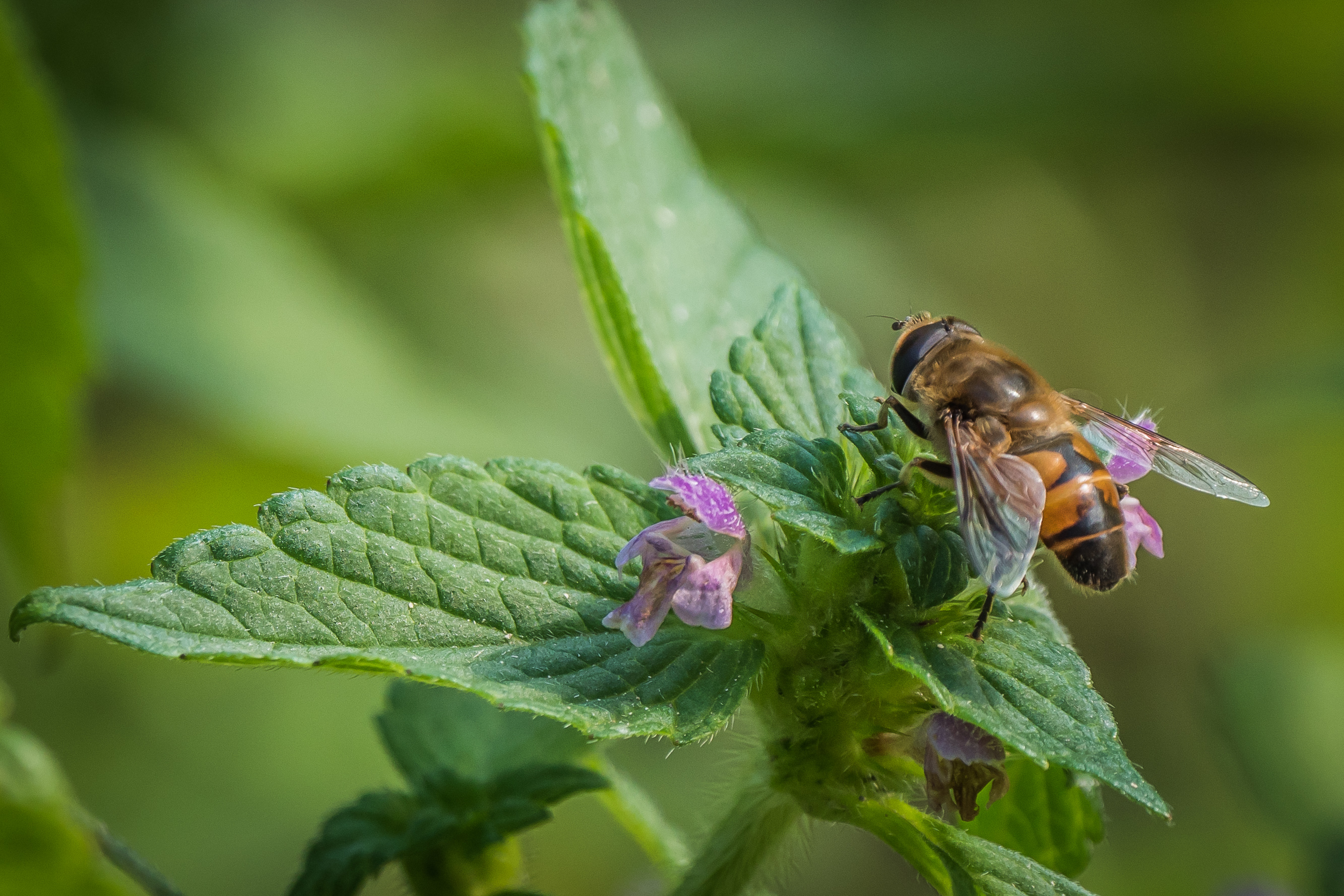
This Hoverfly is also positioning for some nectar from the tubular Mint blossoms …

Northern Flicker is visited by a friend …

Looks like my friend isn’t stopping to say hello!….

Cornus canadensis (Canadian dwarf cornel, Canadian bunchberry, quatre-temps, crackerberry, creeping dogwood) are forming ripe fruit with seeds within.   Said to be edible, with an apple-like flavour.   I haven’t tried them.

Little Wood Satyr on a spruce twig …

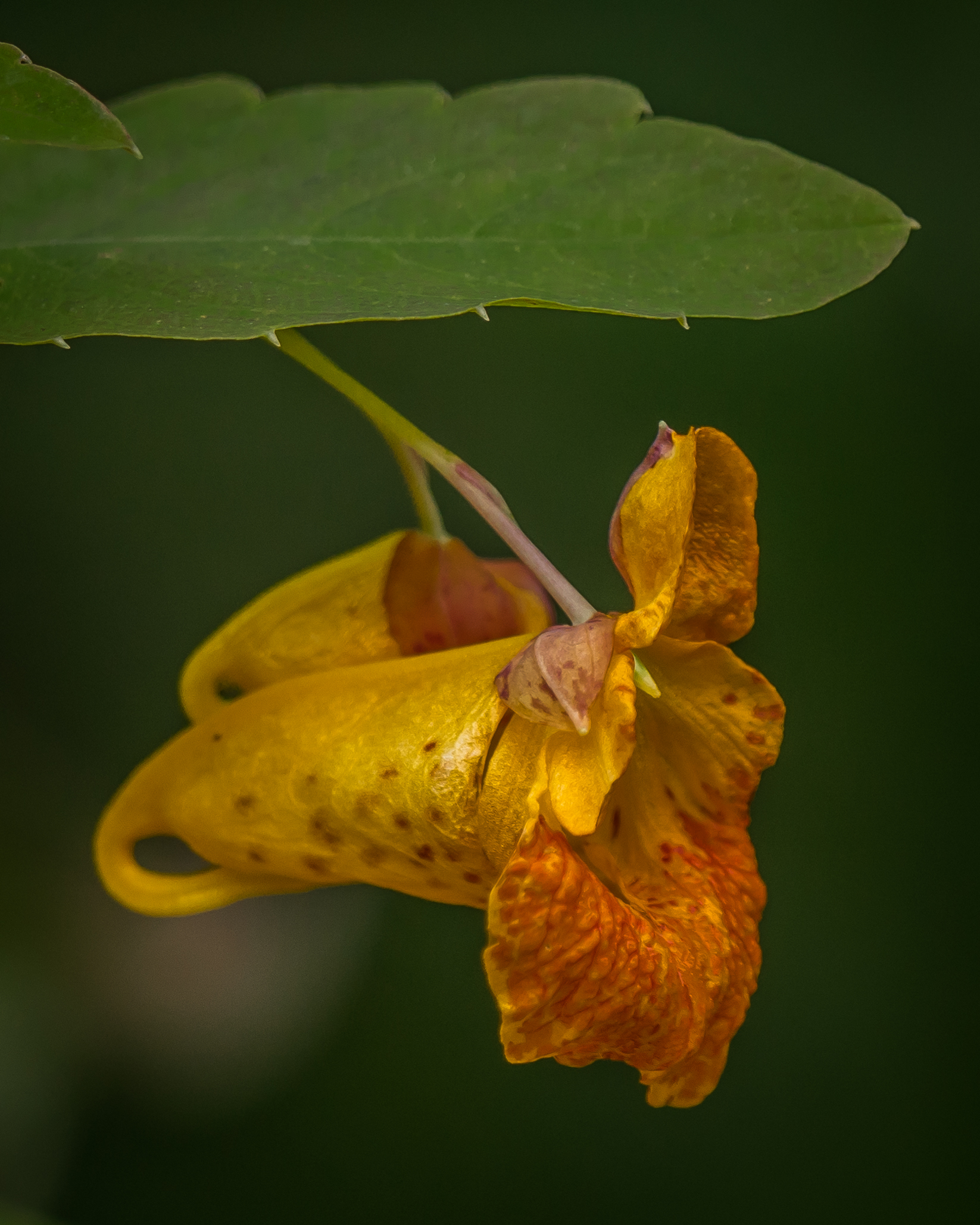
Impatiens capensis, the orange jewelweed, common jewelweed, spotted jewelweed, spotted touch-me-not, or orange balsam is blooming, identifying the plant as one of the useful ones for treating poison ivy.

Ripening Wild Hazelnut on the Camp Eley Road north of the Railway Crossing.
We had a great time at Camp Eley and hope to get back this fall to see the fall migration and the Bald Eagles fishing for salmon spawning in nearby streams.  Great hosts make it a very pleasant spot.


20170801 Camp Eley FZ1000 photos

We enjoyed a wonderful visit at a little paradise on the North Channel near Iron Bridge.  The quality of the hospitality was only exceeded by the charm and grace of the hostess.

I shared the use of the FZ1000 with Perry and Dax.   Here are some of the photos we came up with..

Perry’s first B.I.F. (Birds in Flight) Photography …

Great Blue Heron does a fly-by for Perry …

Dax captures an uncommon  Yellow Throated Vireo, lurking in the Fringed Brome, confirmed by Colleen’s knowledge of bird songs.

Dax captures a Bald Eagle harrassing a bird that he identifies as an Osprey…

Dax captures a Bumble Bee with an extended proboscis …

Dax’s Little Wood Satyr

Obviously both of the above photographers know to look into the scene instead of looking at the scene!

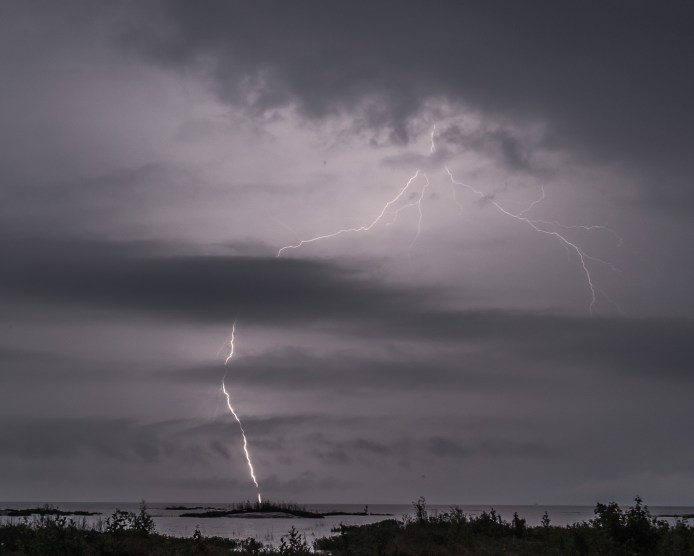
These two photos were taken around 5:00 am with the camera propped on a bench, using a shutter delay and a shutter interval of 60 seconds. (EXIFs are intact for photographers.)

The above are worth enlarging (by clicking on the image and using your browser’s back button to return) to see the structure of the strikes.   The mood  of the scene as seen from the covered porch is quite well captured, I think.   The only part that is missing is the swarm of mosquitoes that arrived at daybreak after the rain.

Save

Save

20170729 Hwy 529 Bugs and Butterflies

A quick trip down Hwy 529 showed these images through the 100-400 mm lens:

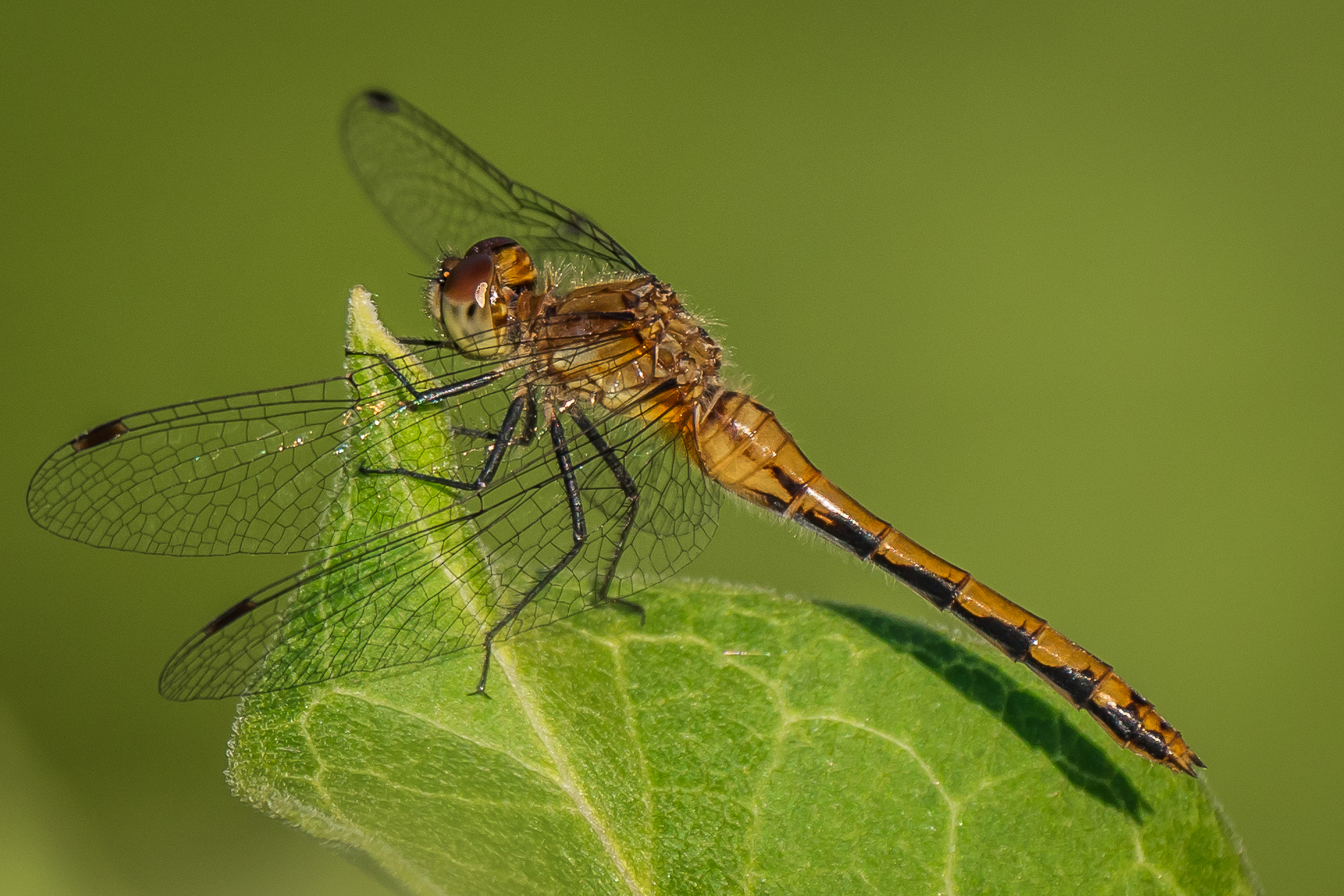
This might be a female  White-faced Meadowhawk(?) resting on a milkweed leaf…

If you are interested in learning more about Eastern Canada “Odes”  (Dragonflies are members of the Order Odonata)  have a look at  Mark Dennis’s website:  https://quebecodes.wordpress.com/         There you can follow links to his books and other sites of interest to naturalists.  He’s a very assertive, direct and engaging  writer.

The lack of “the spot” identifies this Vanessa as a Painted  Lady…..

I suspect that this is a Generation 3 Monarch loading up with nectar to produce a 4th (Diapause)Generation that will migrate south during the end of August and September.  See:  https://monarchlab.org/biology-and-research/biology-and-natural-history/breeding-life-cycle/annual-life-cycle/

Monarchs in Generations 3 and 4 are the great- and great-great grandchildren of the overwintering monarchs. They are laid throughout the northern part of the range of eastern migratory monarchs from late May through July (Generation 3), and late June through August (Generation 4). Some generation 3 individuals emerge early enough to reproduce in the northern part of their breeding range or after moving south (see immature distribution map). However, Generation 3 individuals that emerge late in August will undergo diapause and migrate to Mexico, as will most Generation 4 individuals.

In the meantime I am keeping an eye on these rolled-up Staghorn Sumac leaves to see what emerges.  Illinois Wildflowers suggests some possibilities.

Notice the huge blob of pollen on the leg of this Bombus:


Mary Anne Borg has  great advice to attract and sustain these Great Spangled Fritillaries….

Most of the Spreading Dogbane has matured to the “bean” stage now.  Some patches still have some blooms to attract pollinators, though.  This pollinator attractor  would make a good groundcover for open spaces.

Mark Berkery has some nice macro photography here: https://beingmark.com/2017/08/04/picture-perfect/


Save

20170728 Killarney and Burwash

Above Photo:  Chikanishing Creek as seen from Hwy 637 about 1.5 km SW of the Main Entrance to Killarney PP.

We made a quick trip to Killarney to visit the “Friends of Killarney” bookstore at the park entrance.  I was looking for this Dragonfly Field Guide.  Alas, out of stock in Killarney so now we have an excuse to make a trip to Huntsville.  On the way back from Killarney we made a quick detour to Burwash.  This is some of what we saw:

Great Spangled Fritillary nectaring on Daisy Fleabane at Chikanishing Creek …

Spiraea alba, commonly known as meadowsweet, white meadowsweet, narrowleaf meadowsweet, pale bridewort, or pipestem

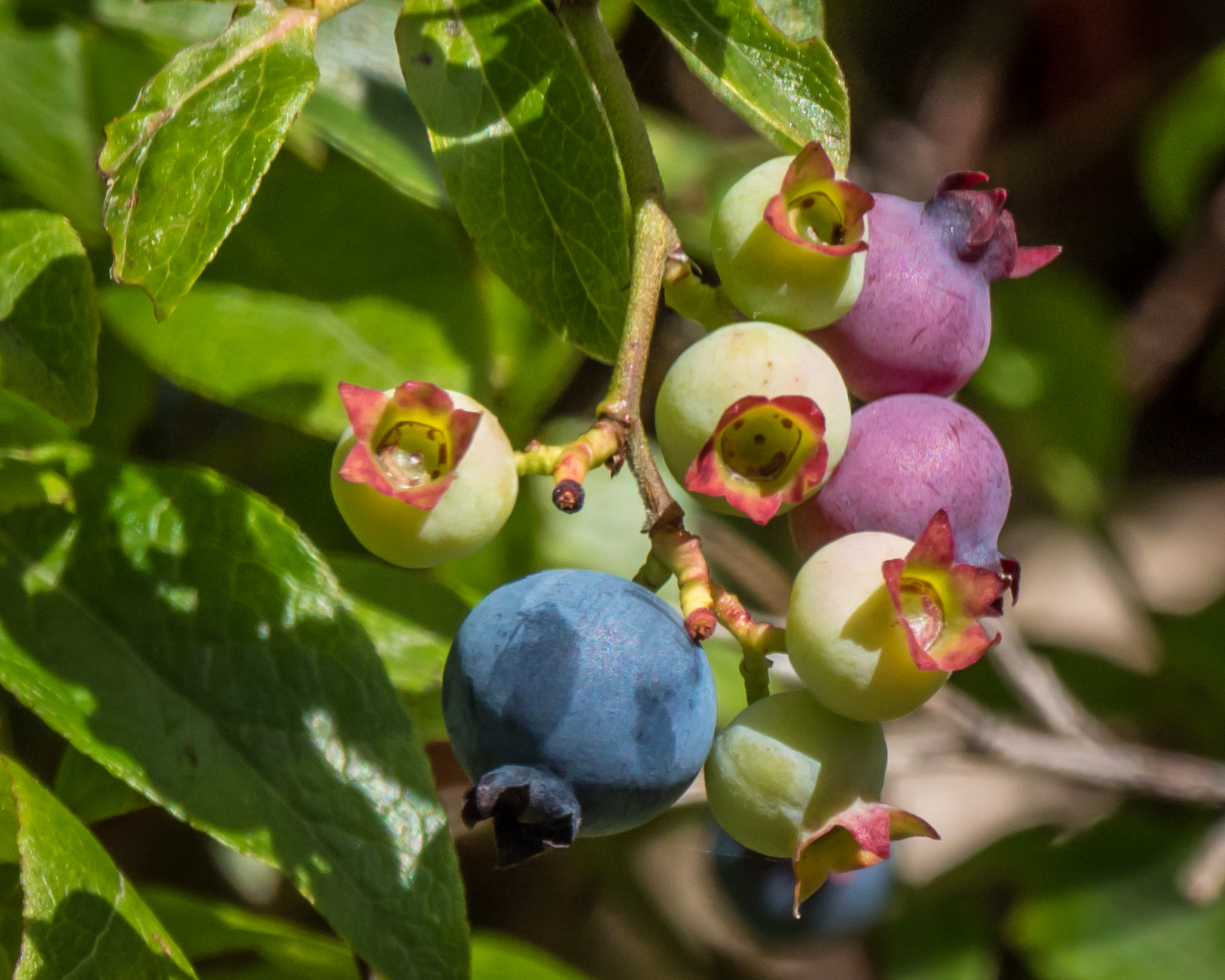
Blueberries are ripening …

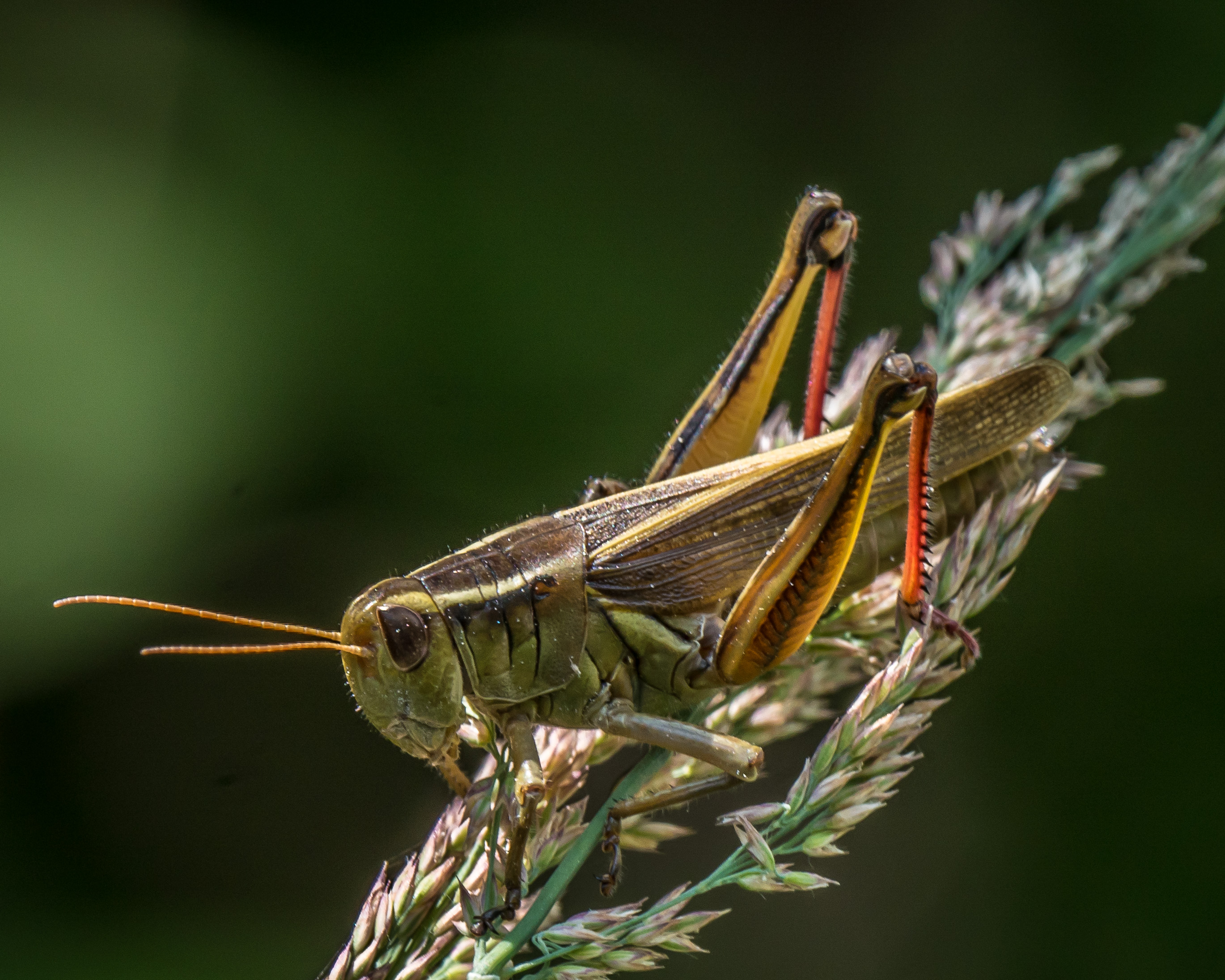
Pretty green Grasshopper…

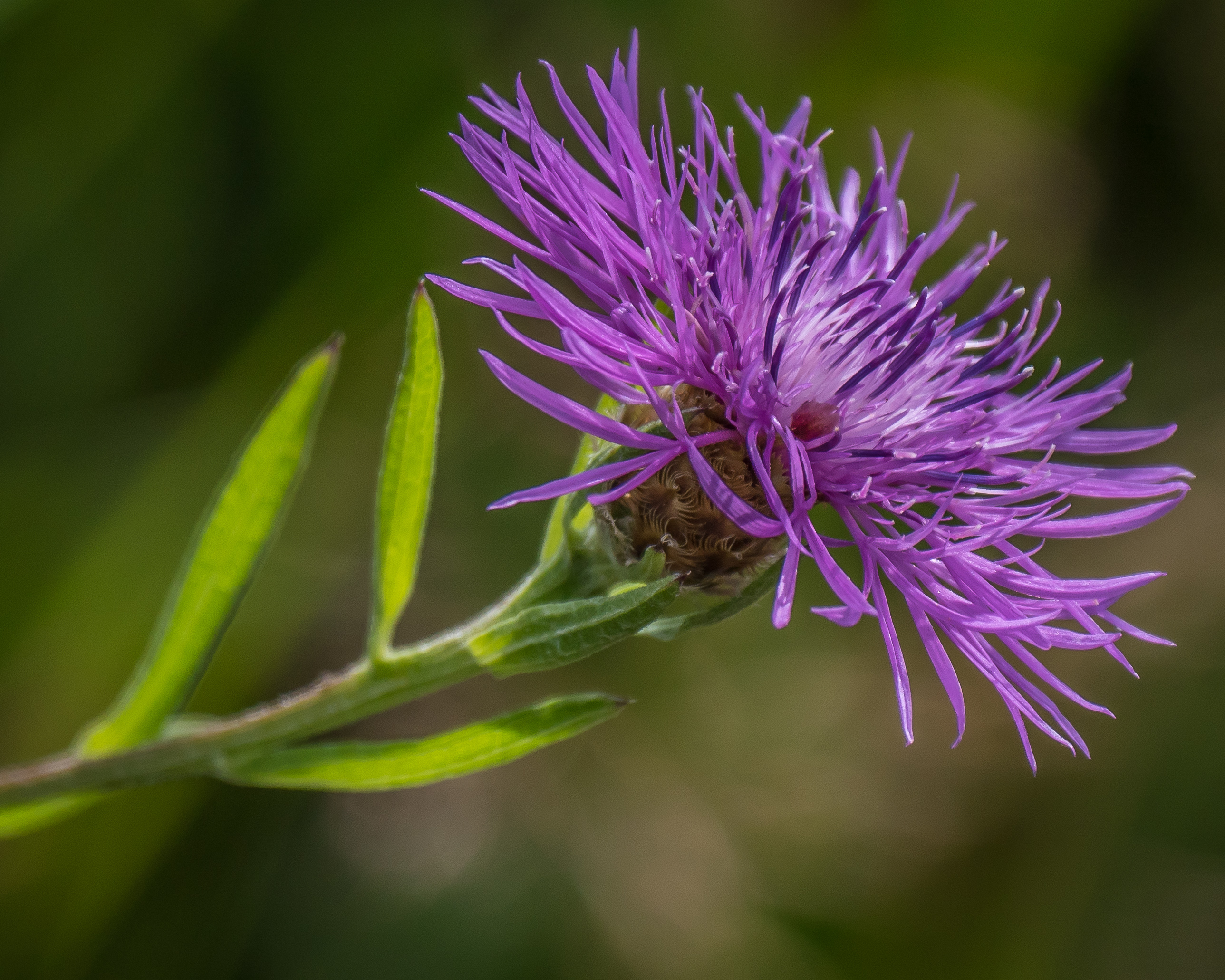
Ranchers despise the various species of Knapweeds, some of which are known as “Hardheads”.

The Large Leaved Asters are starting to bloom already  …. signalling the approach of the end of summer!

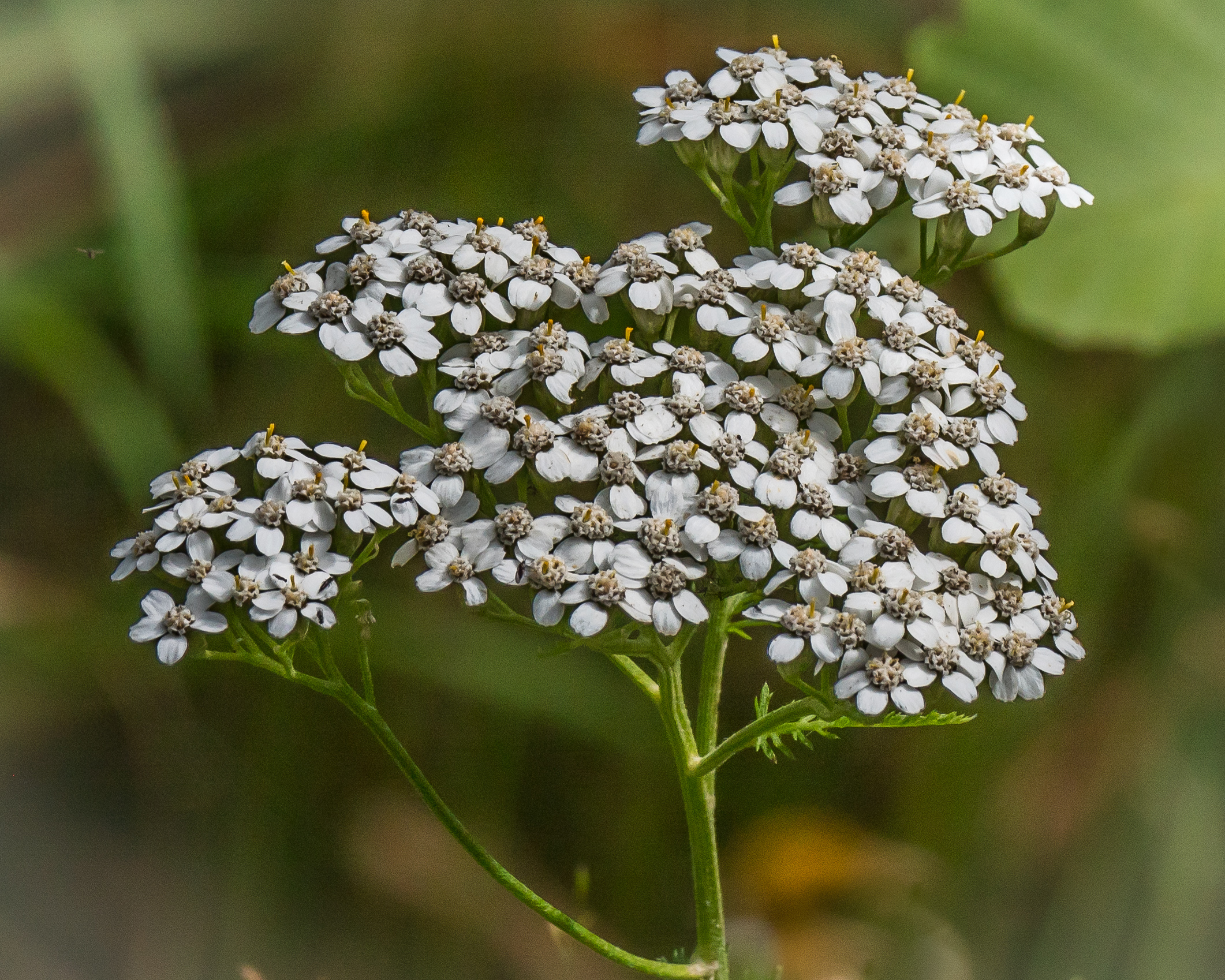
Common Yarrow plants are still blooming…

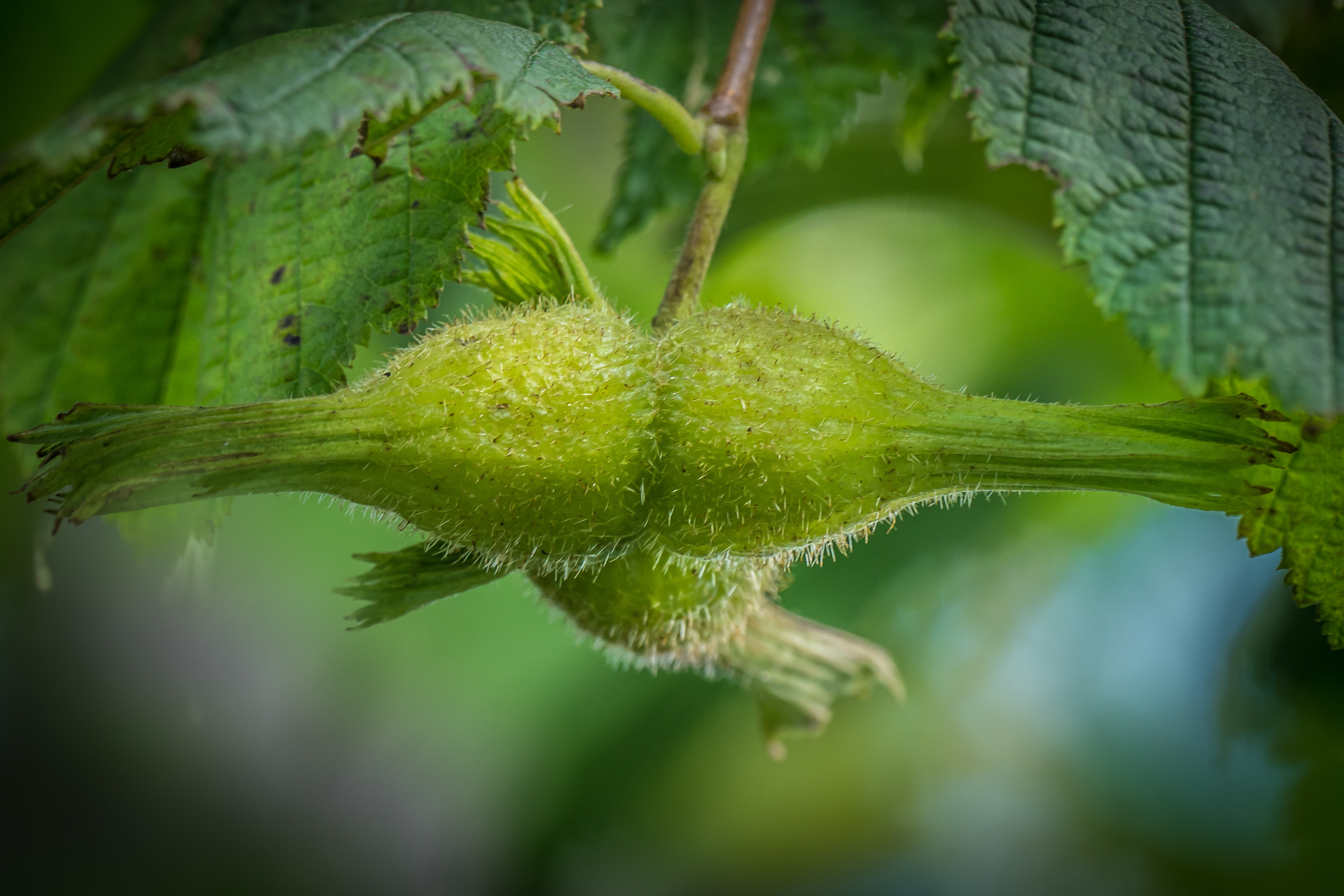
Some wild hazelnuts that have not yet been harvested by squirrels, Blue Jays and humans….

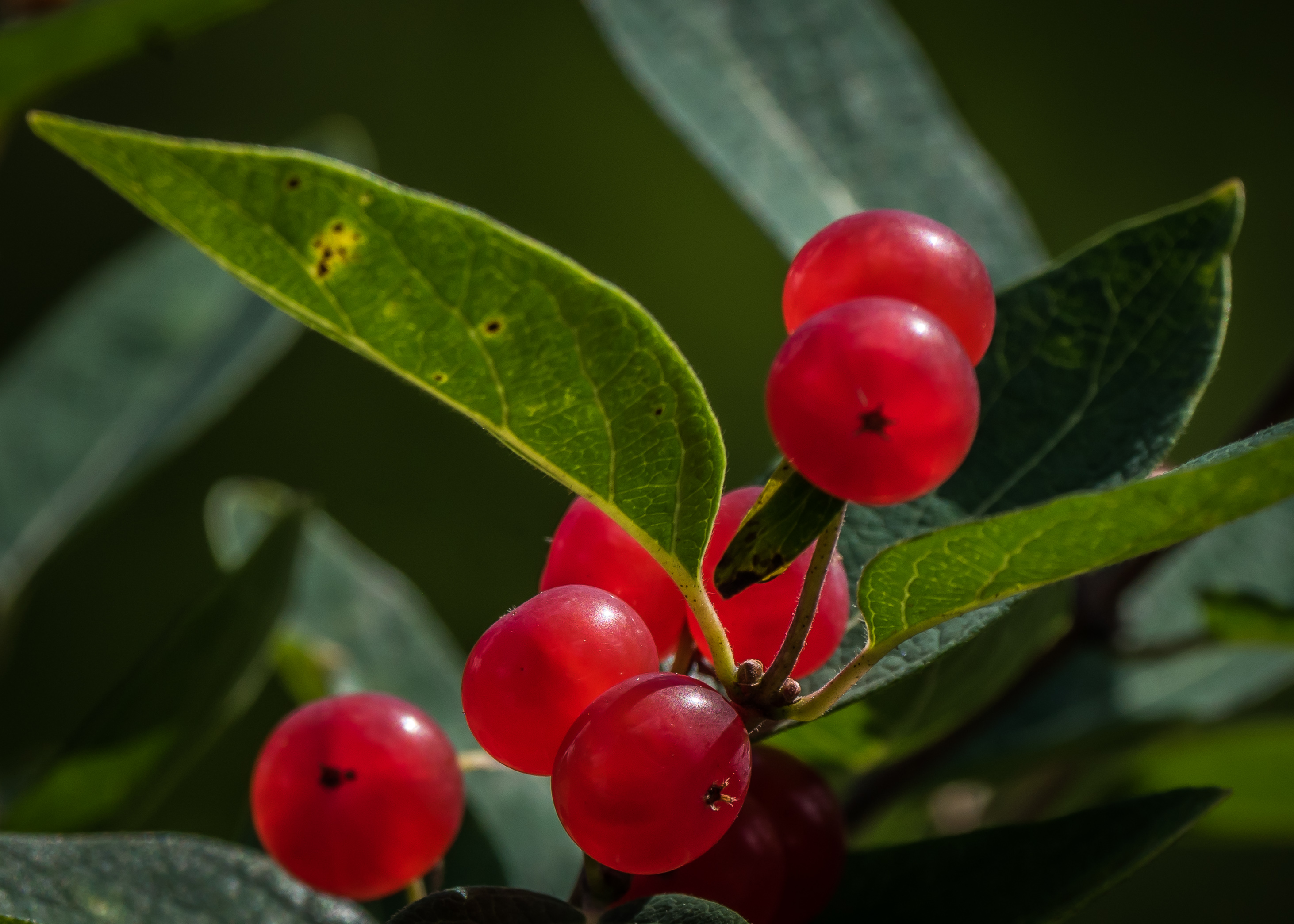
Big crops of cultivar Honeysuckle berries  at Burwash….

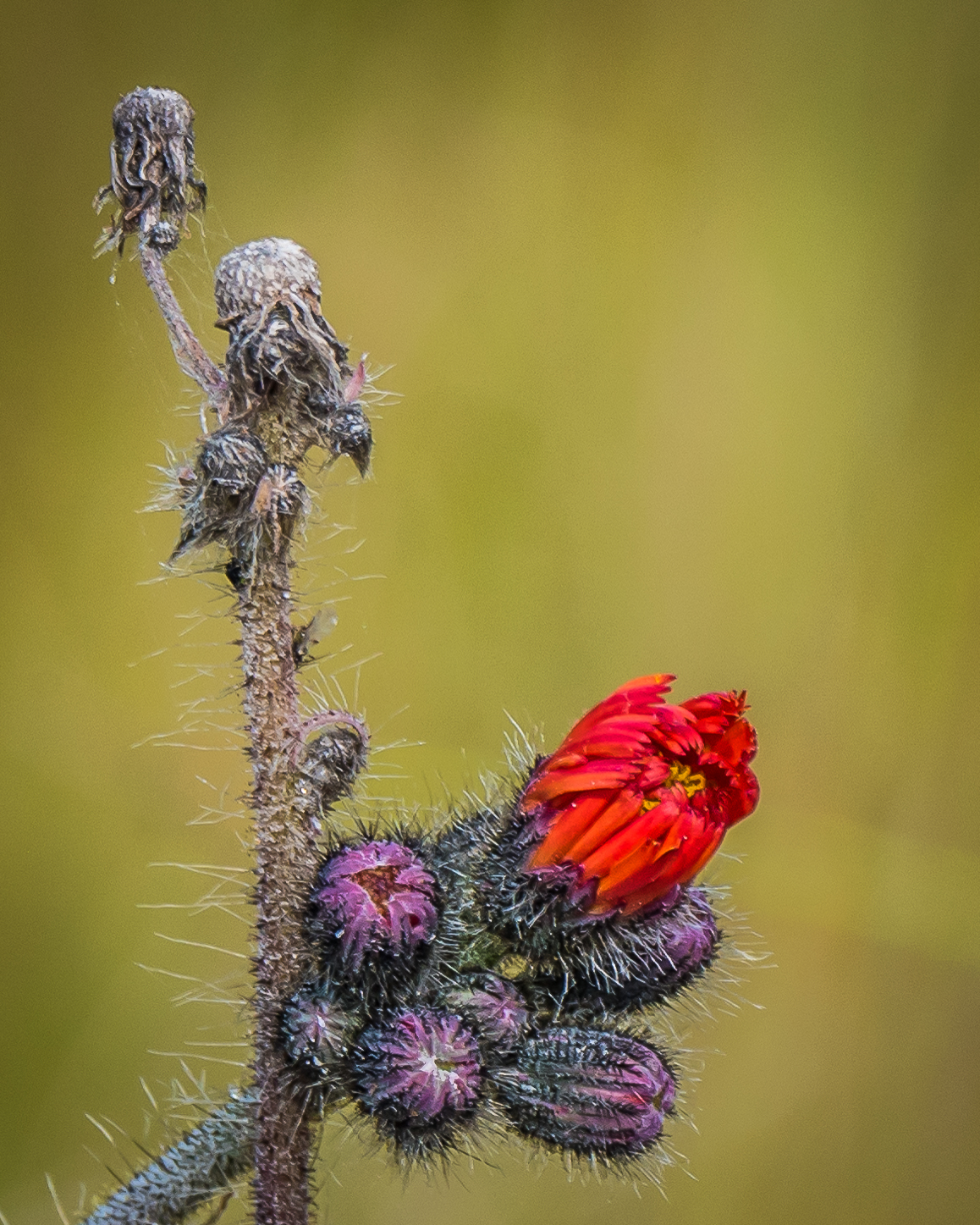
Orange Hawkweed, Devils Paintbrush are still blooming along the Burwash Road ….

If you are interested in Butterflies check this blog out:  https://leplog.wordpress.com/2017/08/04/mid-atlantic-butterfly-field-forecast-for-the-week-of-2017-august-5/    Awesome stuff at that site!

And if you are local or passing through, this is always worthwhile:    https://www.parrysound.com/parrysound-community/sideroads/   Great photography and interesting articles.

20170726-27 Trip to Manitoulin Part 2 of 2

This is part 2 of 2 about our trip to Manitoulin on a rainy July 26  and sunshiny July 27.  Part 1 follows after this post.  (Below this post if you’re using Brtthome’s Blog. or click on the previous  arrow if you are using https://brtthome.com/2017/08/04/20170726-27-trip-to-manitoulin-part-2-of-2/)

This is some of what was seen through the 100-400 mm lens on the GH4 on that trip:

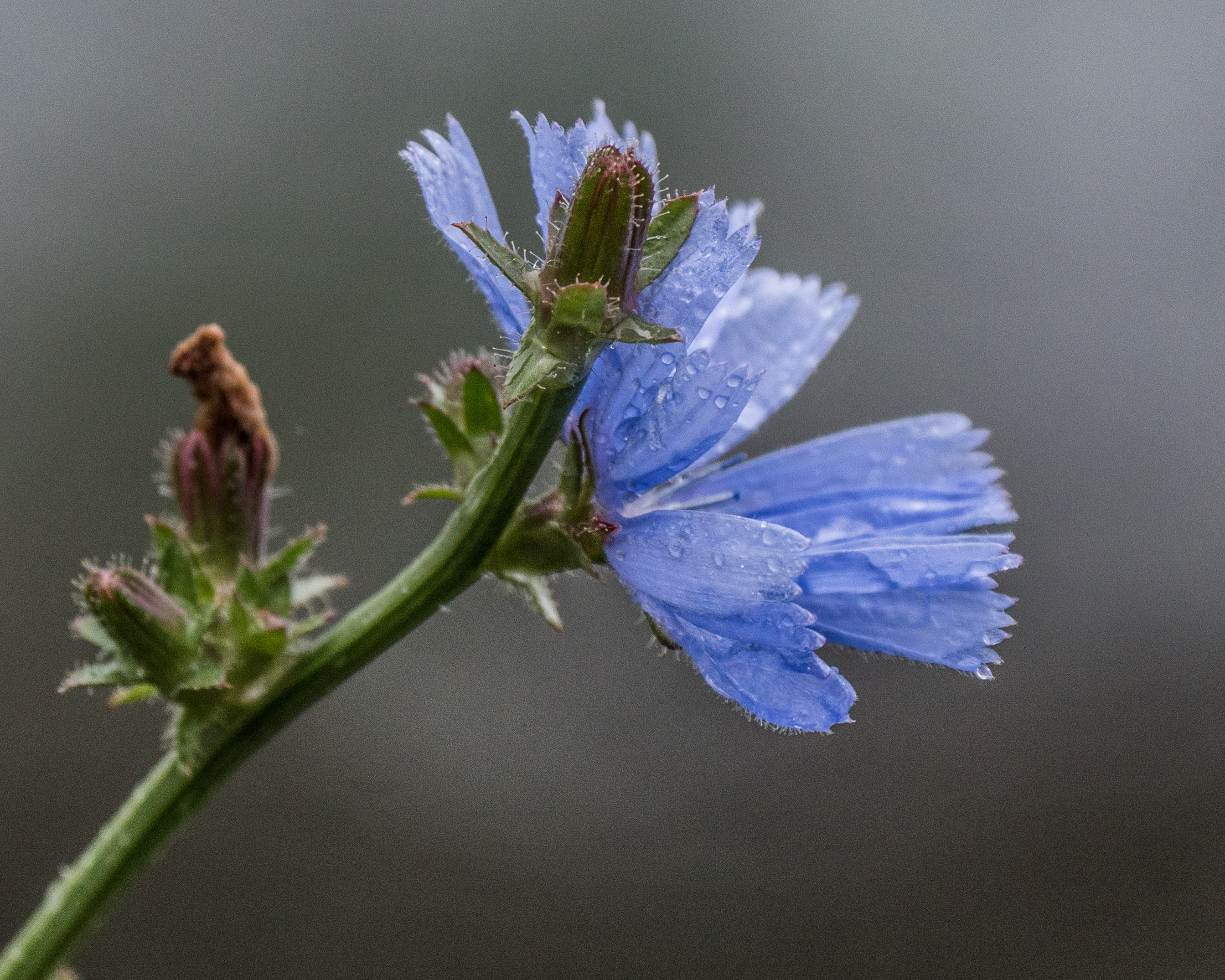
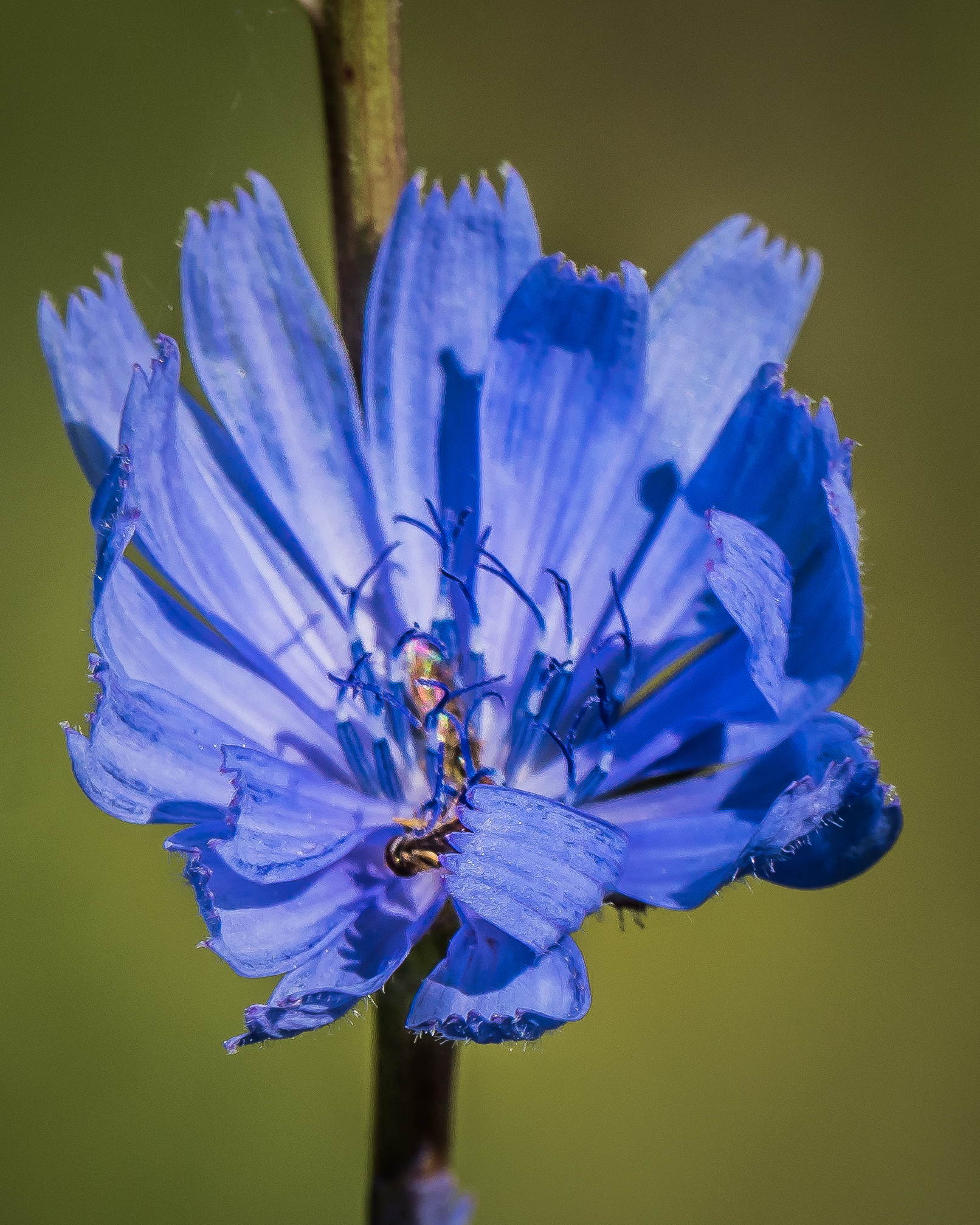
Common chicory (aka  blue daisy, blue dandelion, blue sailors, blue weed, bunk, coffeeweed, cornflower, hendibeh, horseweed, ragged sailors, succory, wild bachelor’s buttons, and wild endive)    was resplendent along most of the roadway.

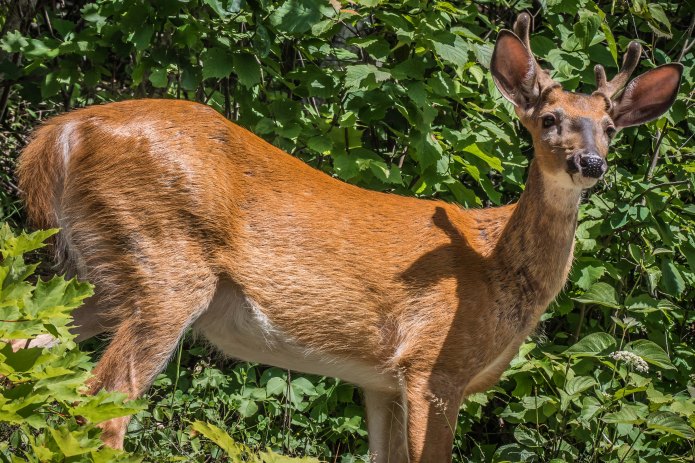
Doe licking lips after early morning snack …

Dew drenched Sandhill Crane checks out intruder …

Lady Cedar Waxwing giving some advice to her partner….

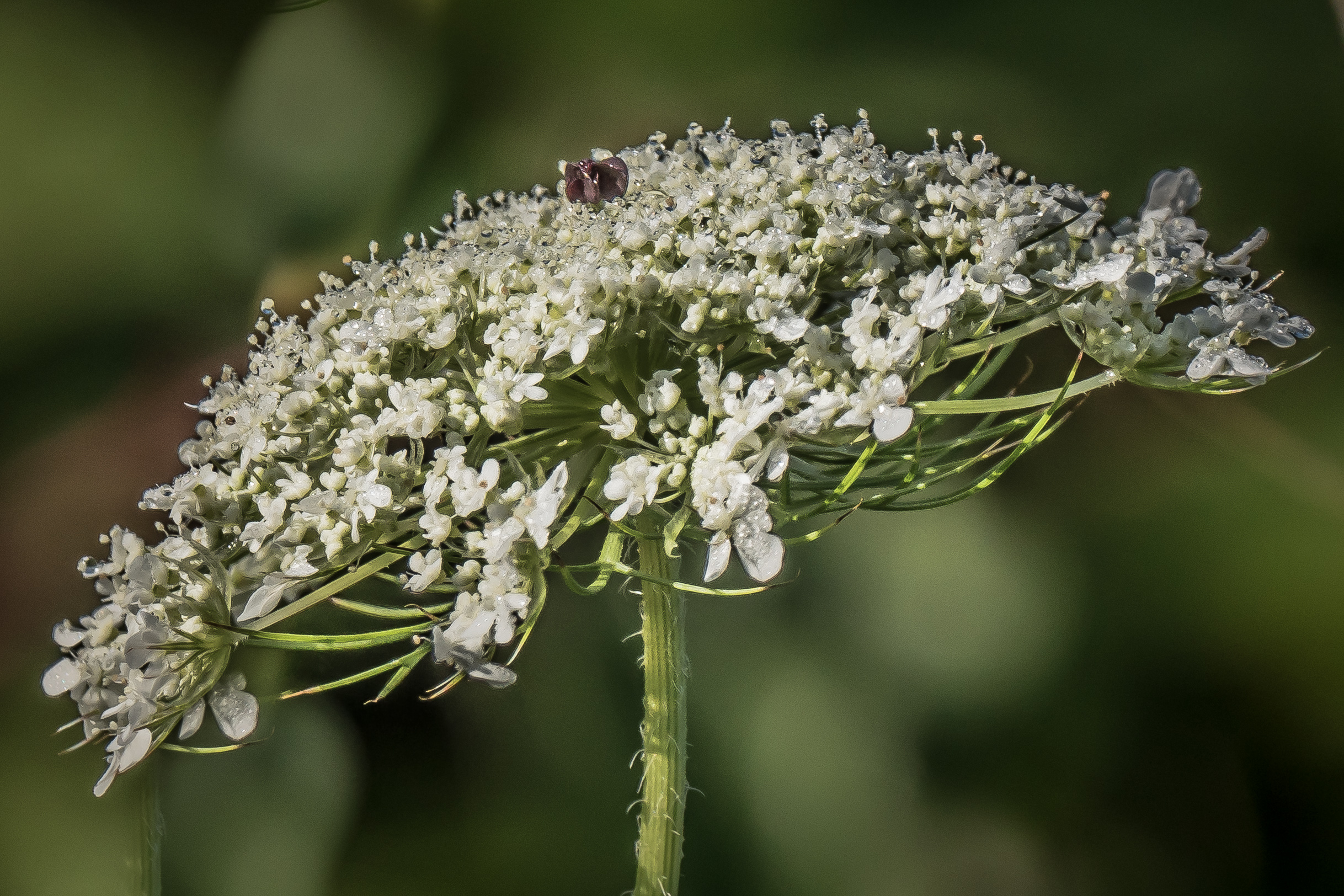
Queen Anne’s Lace  is edible but must be harvested very carefully.  It has poisonous look-alikes.

QAL bud …

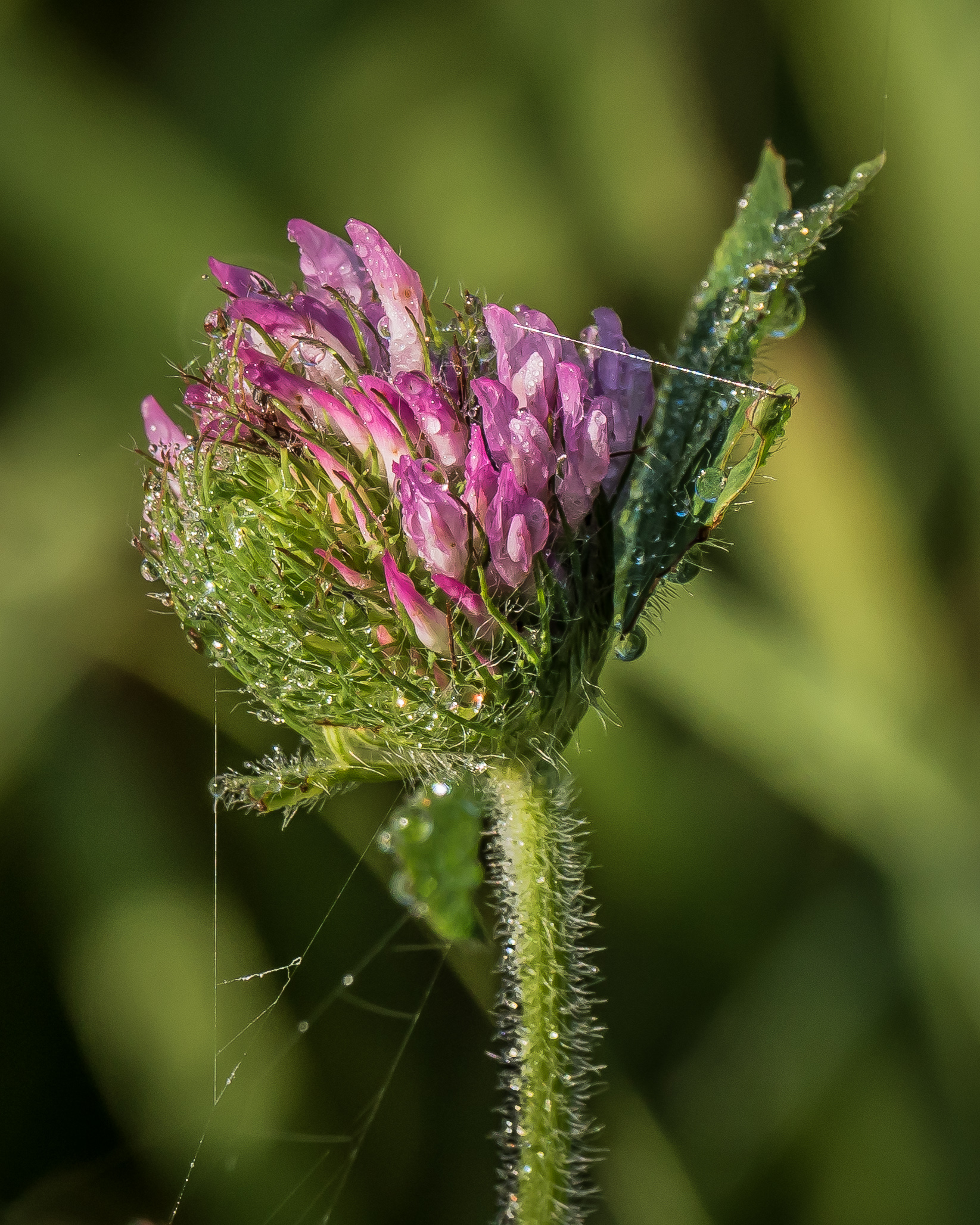
Sweet Clover collecting morning dew …

This plant has an  interesting history

\

Morning dew forming droplets in the early sun …

A couple more of this beautiful blue flower …

Close up of the buck in the “Featured Image” which will show above the title block on computers.   It seems to disappear on phones.

We had a great time.  TinTin met a new playmate and socialized well with humans.

Part 1 follows this post, in reverse chronological order.  🙂


Save

Save

20170726-27 Trip to Manitoulin Part 1 of 2

We visited kin at Bass Creek Resort.  Here are some scenes we saw on a very rainy July 26 and a sunshiny July 27:

I suspect that this Pine Tree on Quartzite above the road to Willisville has been photographed many times.

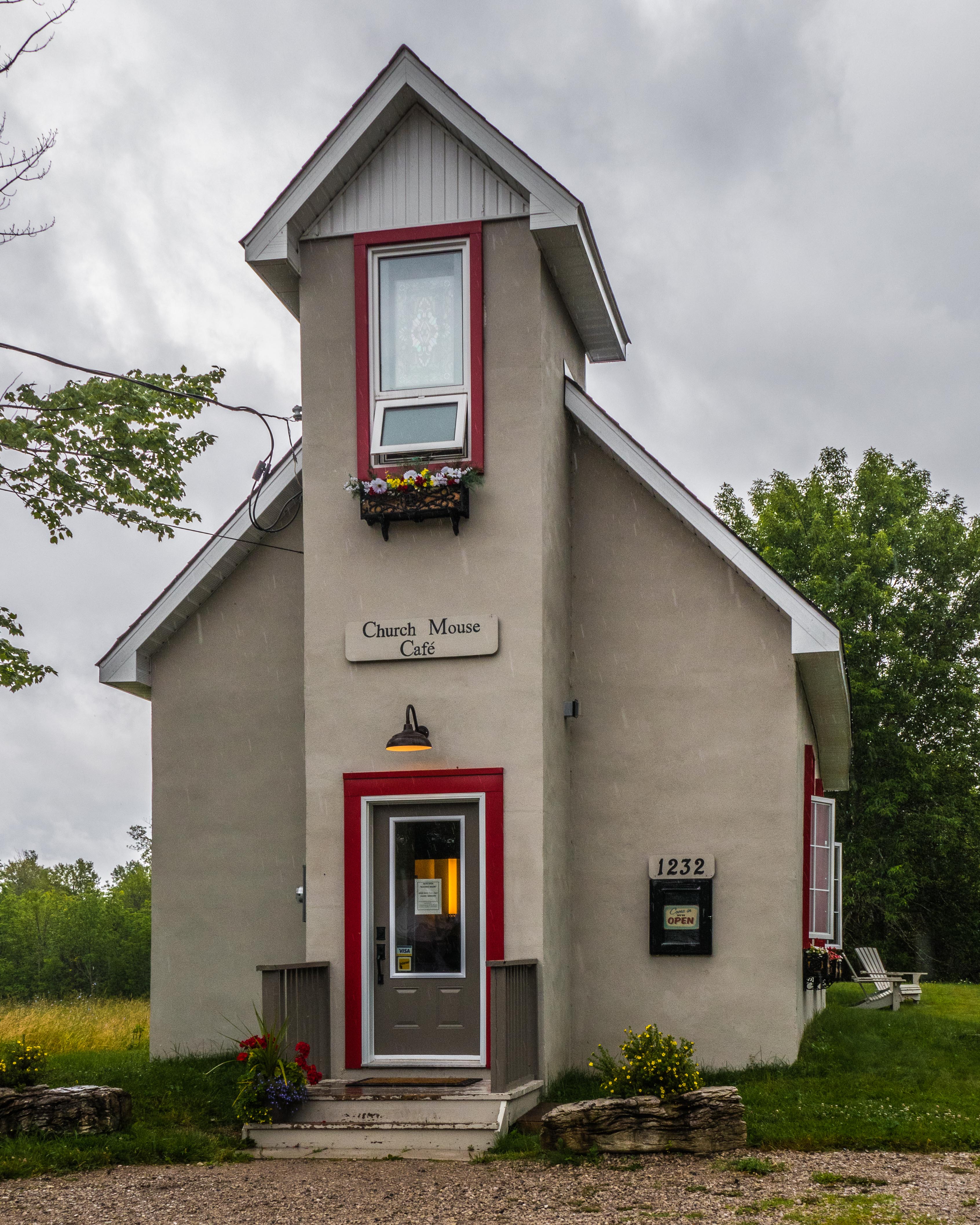
Quaint Cafe in Whitefish Falls ….

Quaint signage in Whitefish Falls …

Strawberry Island as seen from Hwy 6, NE of Goat Island.

Stormy Day at 10 Mile Point with little Loon Island in middle ground.

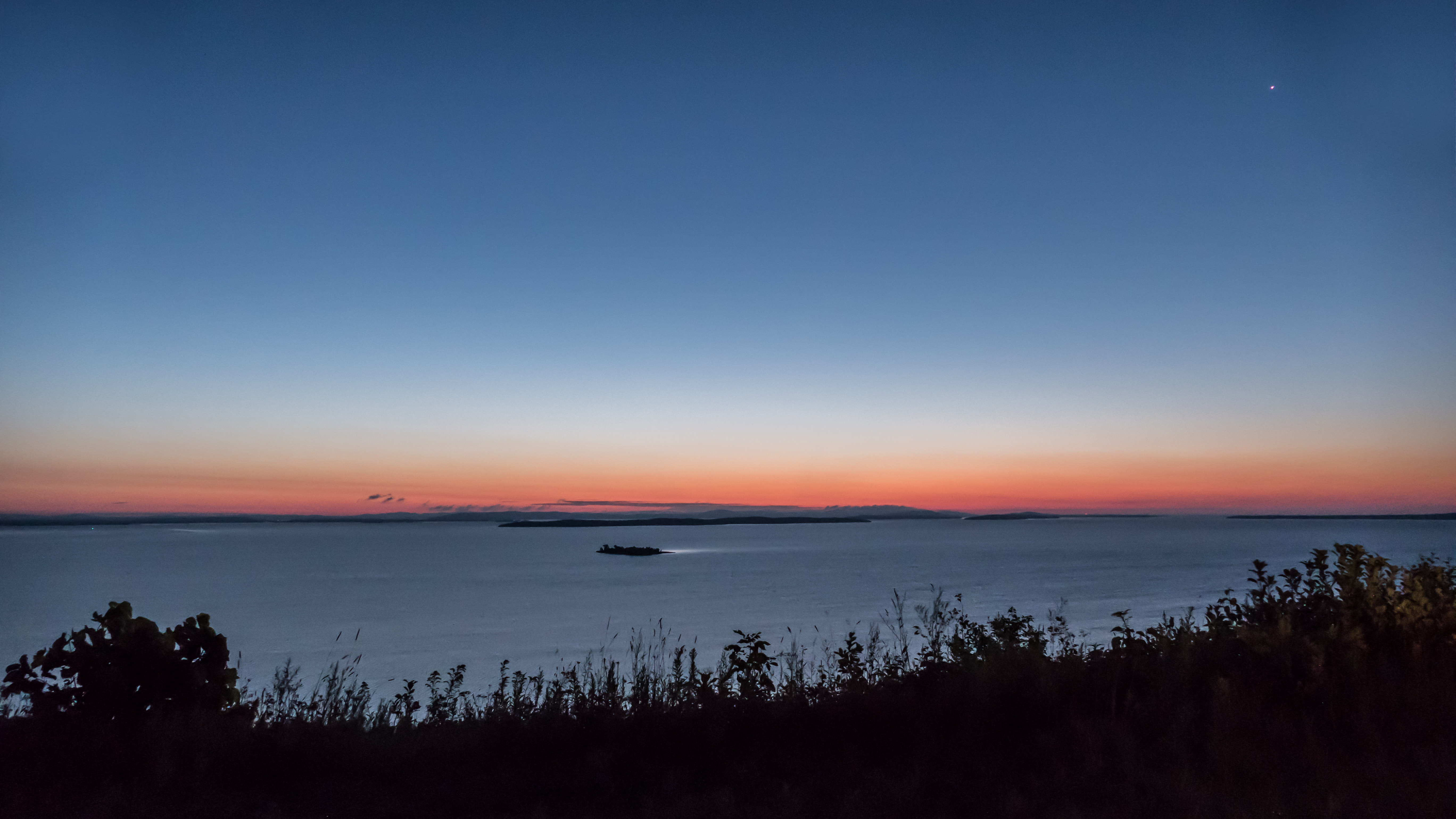
5:11 AM  the next morning.  That is Venus, upper right.

5:55 AM:

Above: How did that bush in the foreground move?


Bush is back in normal location at 6:05 AM….
Roll of low cloud accents this cabin on Green Bay Road…

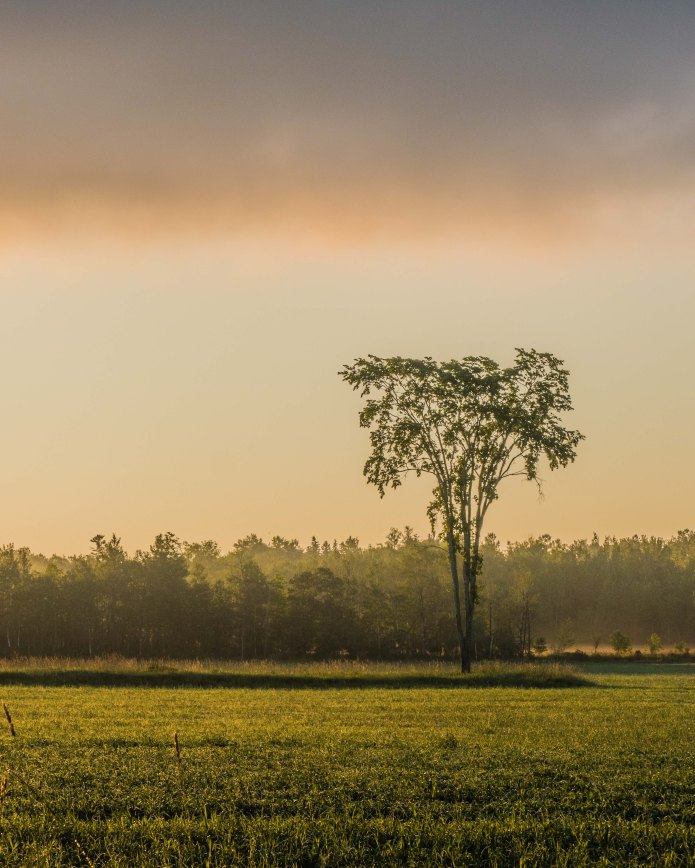
Backlit Elm on Green Bay Road…

The above, Part 1 of 2, was photographed with the FZ1000 Fixed Lens Panasonic Camera.    Part 2 will have photos taken with the 100-400 telephoto lens on the GH4 Interchangeable Lens Panasonic Camera.


Save