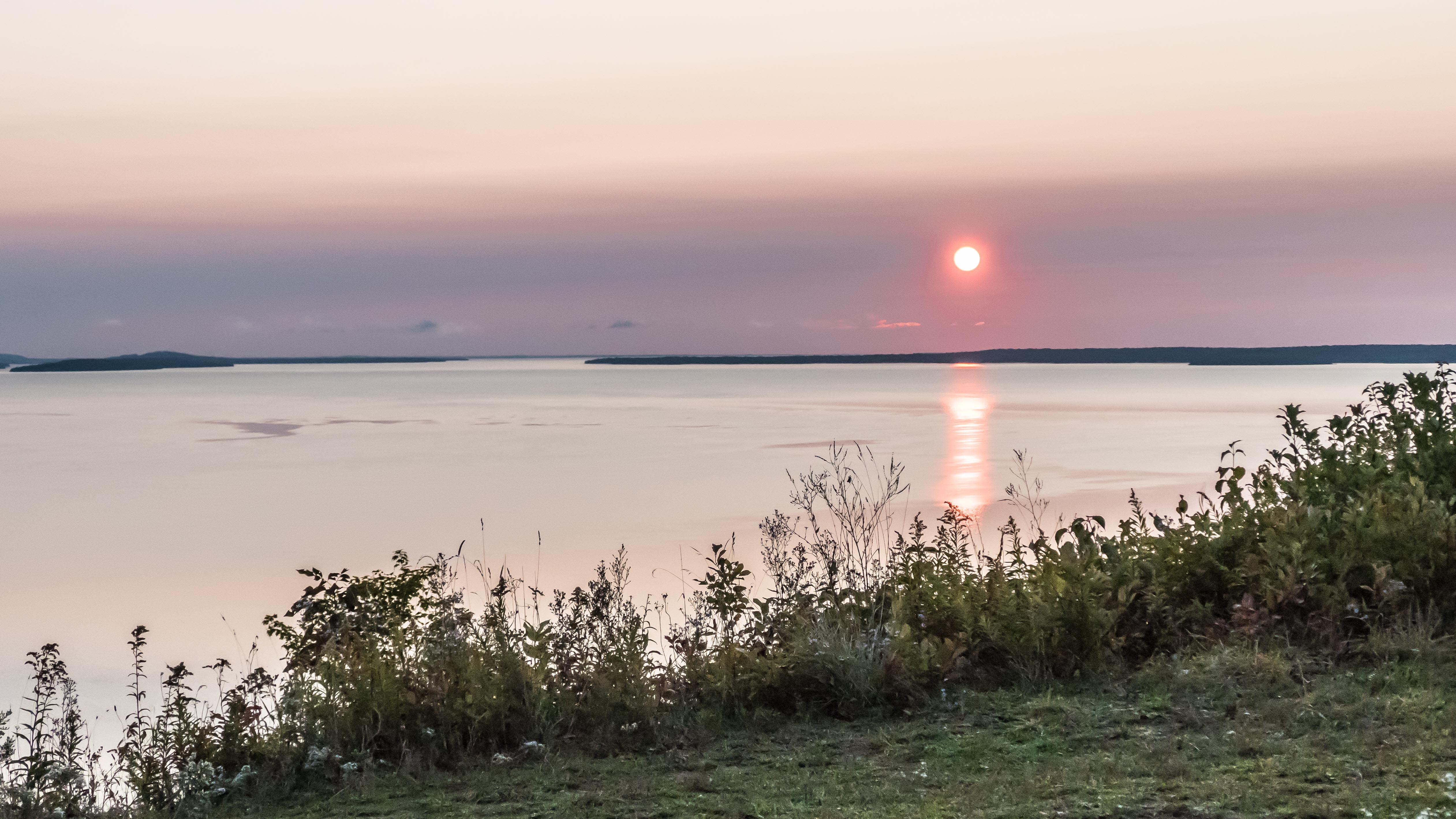
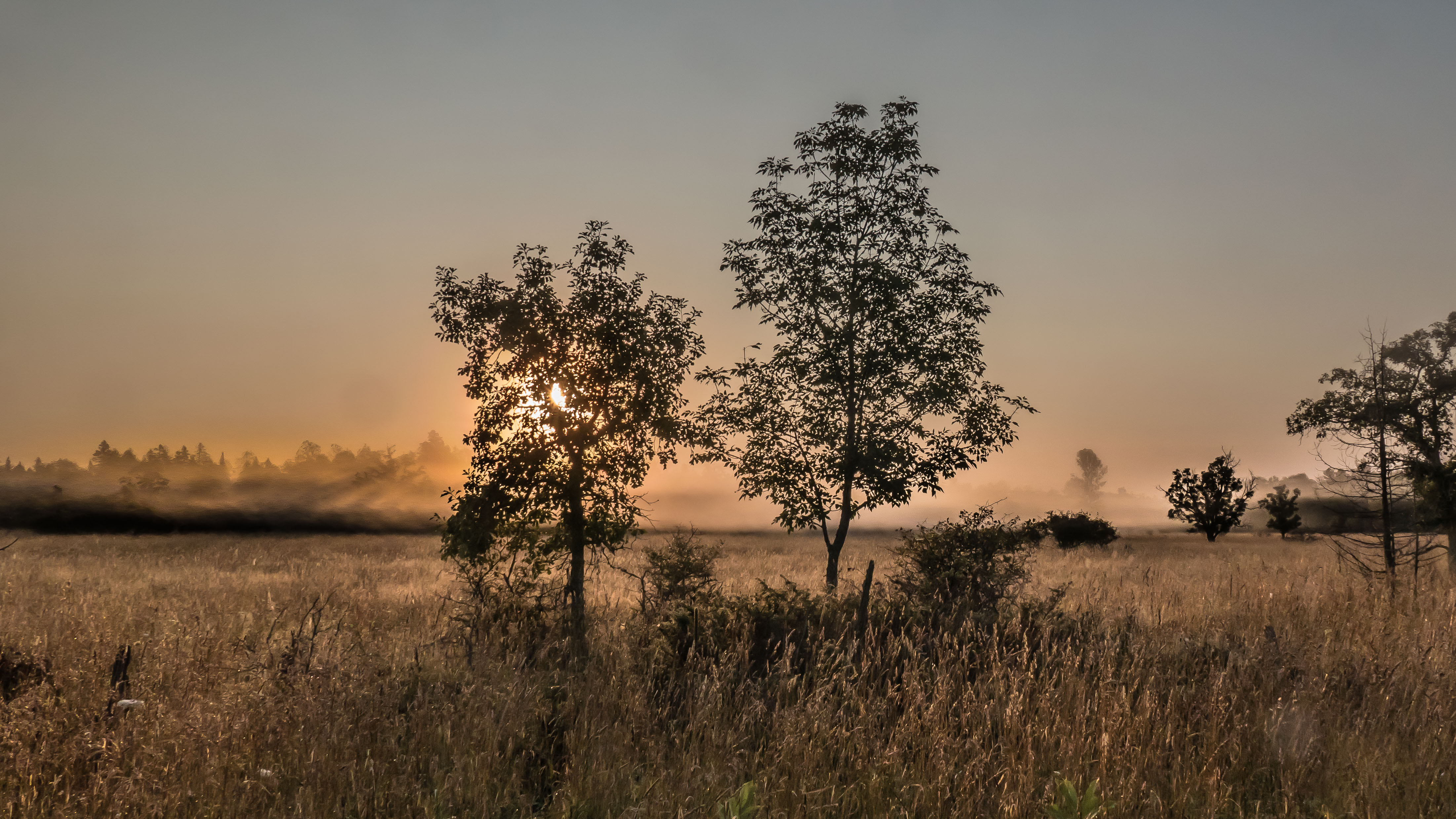
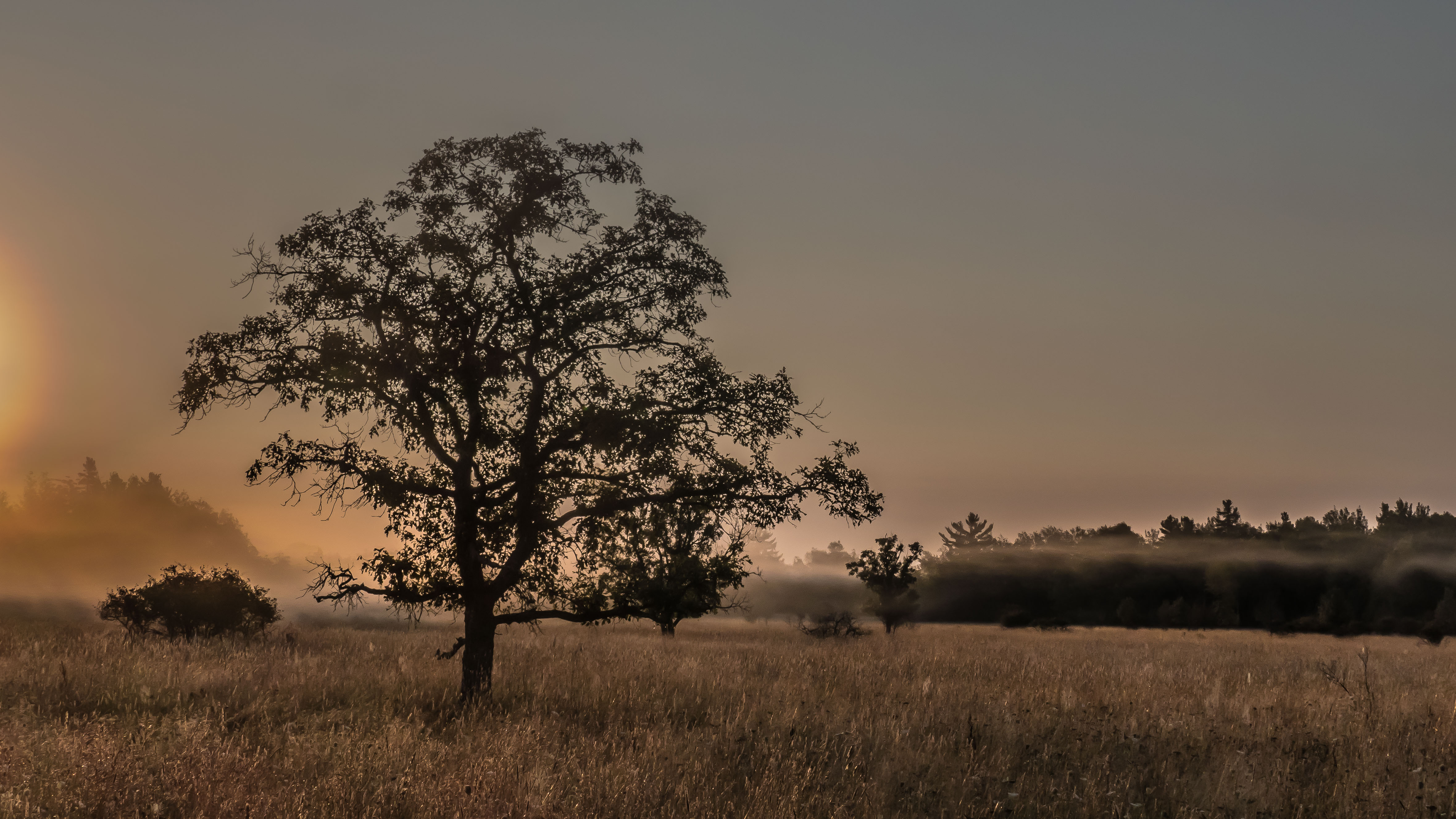
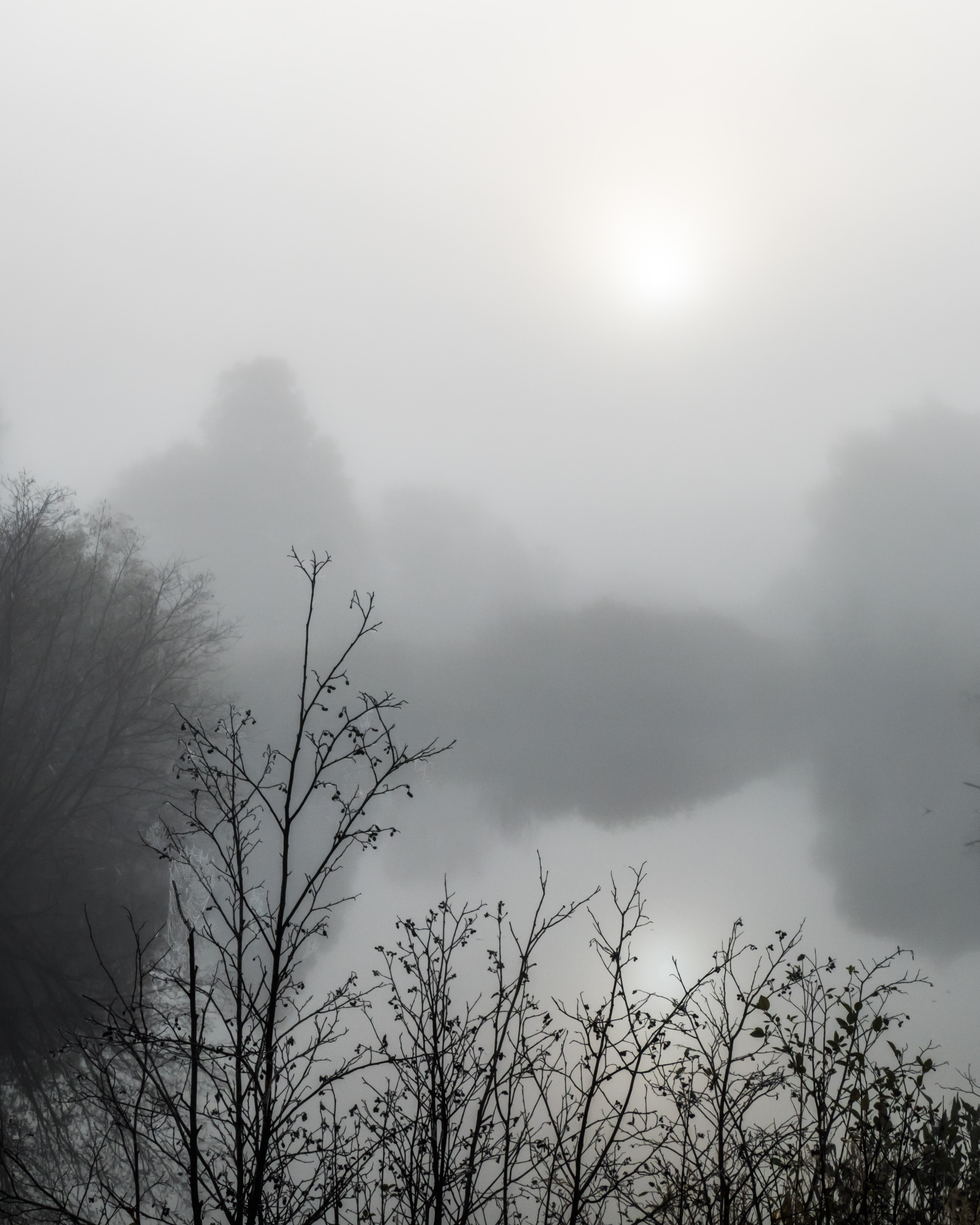
20170911-13 Fog on Manitoulin and near Britt

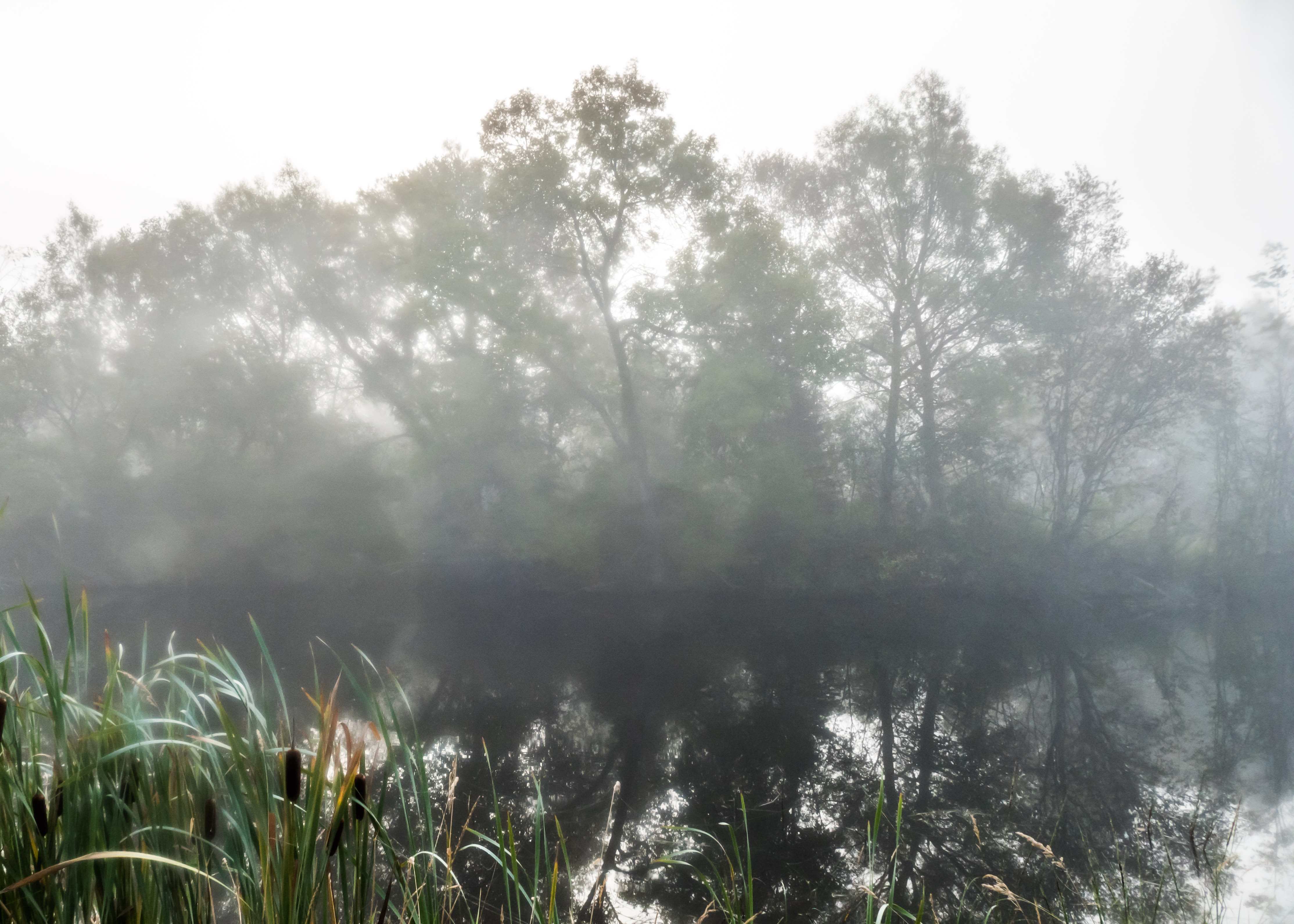
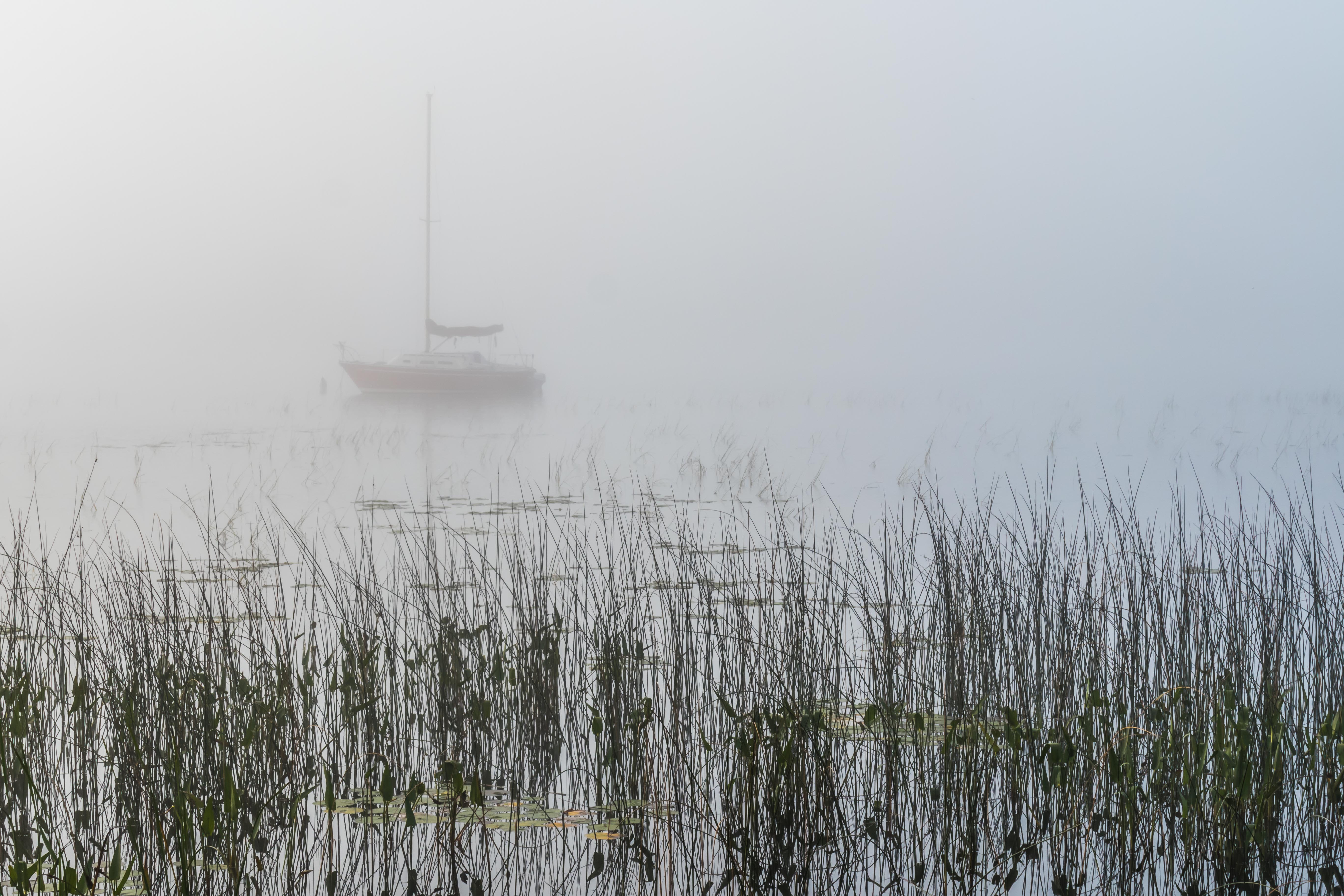
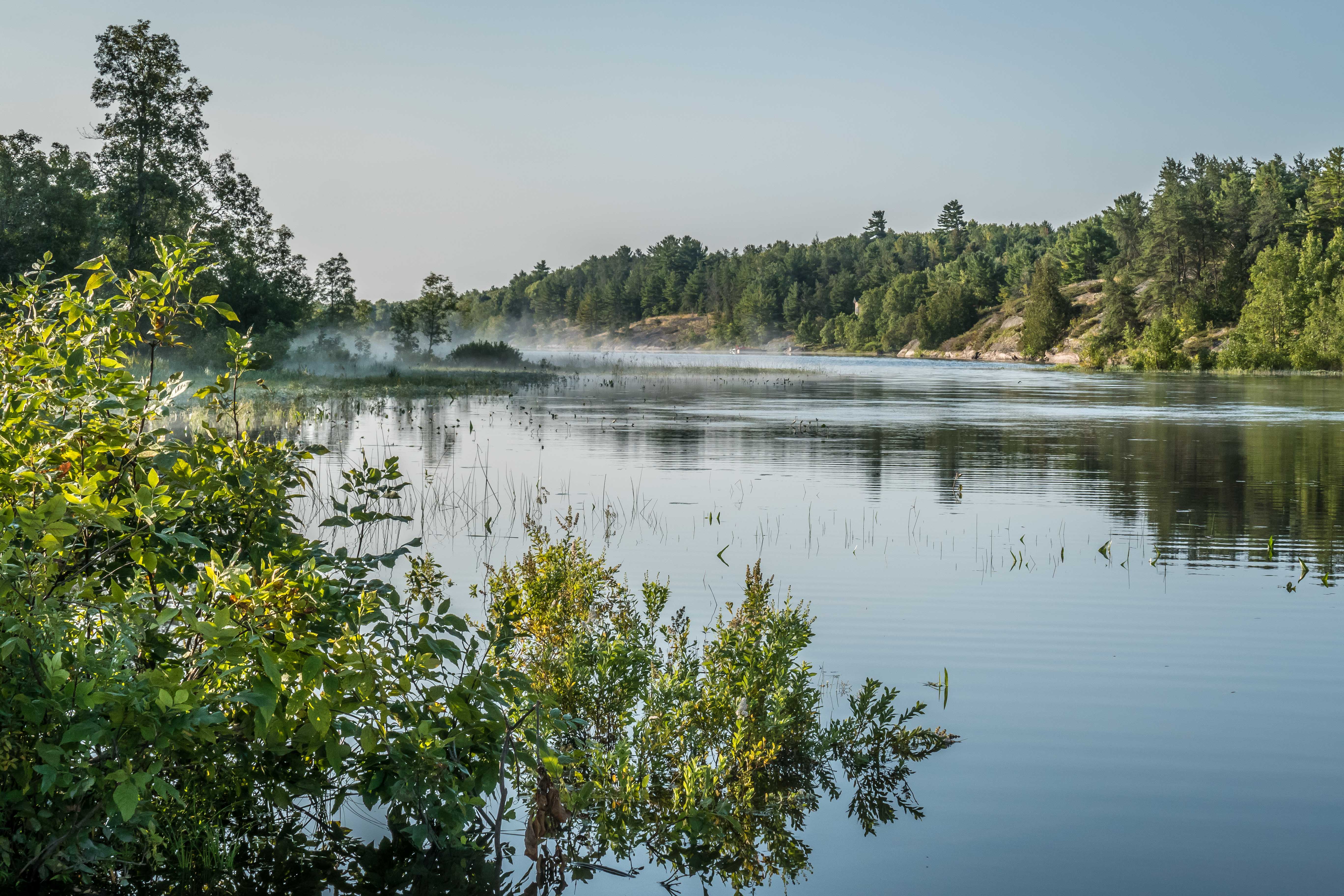
A high pressure dome gave us clear cold nights, causing condensation of humid air resulting in morning fogs.   Some examples …

Looking East before sunrise at 10 Mile Point.  Venus is in the blue about 1/3 in from the right.

I fell asleep in the car and missed sunrise.

On the way back to Bass Creek Resort I saw these scenes to the East …

Back in Britt, this was seen from Riverside Drive near the St Amants family home….


Still River from Old Legion Lane …

Relaxed anchor rode on this morning….

Does the dock lead you to a horizon?

Looking across Byng Inlet to the hamlet of Byng Inlet from Riverside Drive in Britt.

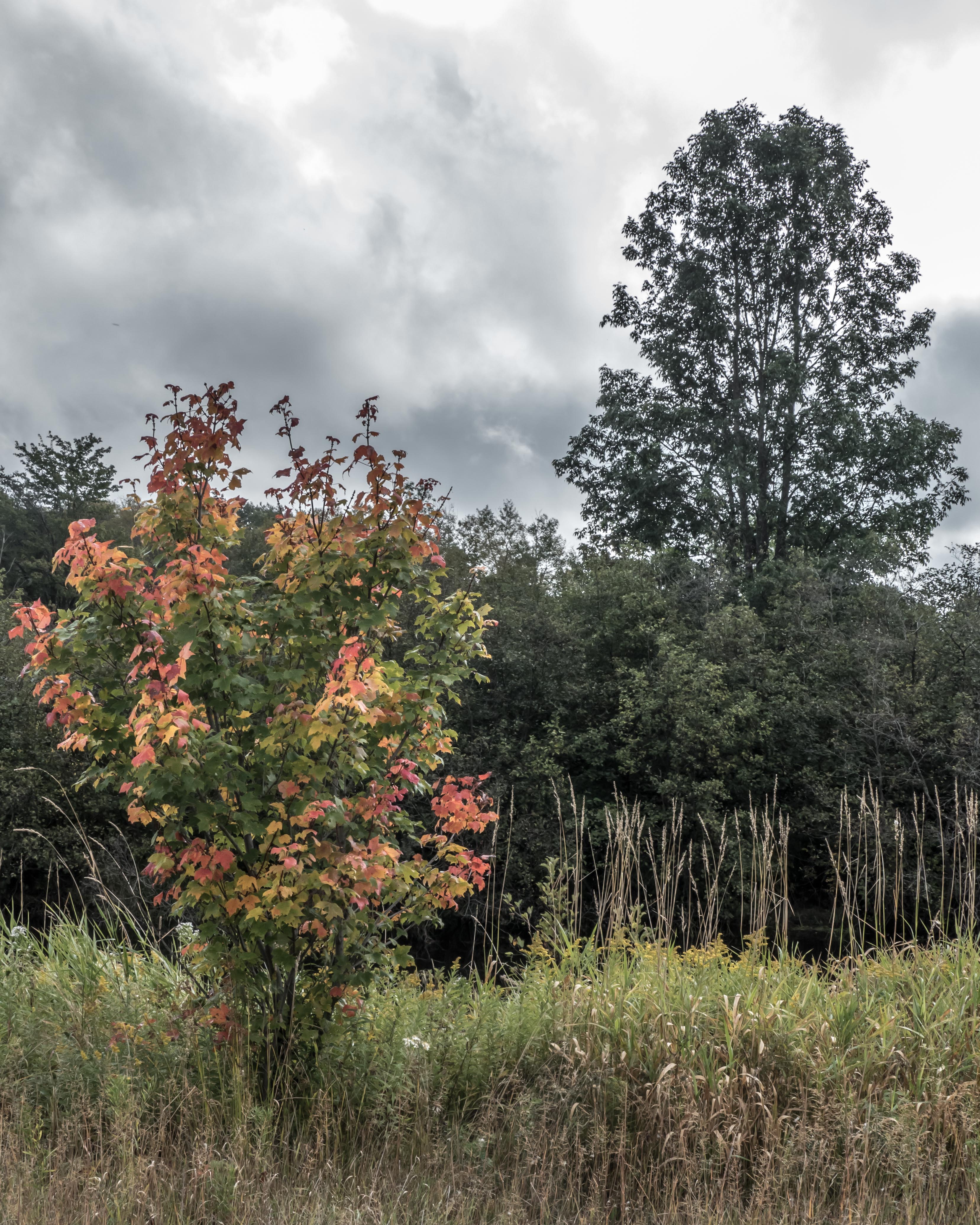
Fog has lifted to reveal turning leaves….


This short video arrived this morning:   A Grateful Day.

Nice!

Save

20170903-04 Remnants of Hurricane Harvey

Hurricane Harvey became a Post Tropical Cyclone  which died out as a Remnant Low over our area over the Labour Day Weekend.  Here are some of the effects that Harvey had on our neck of the woods:

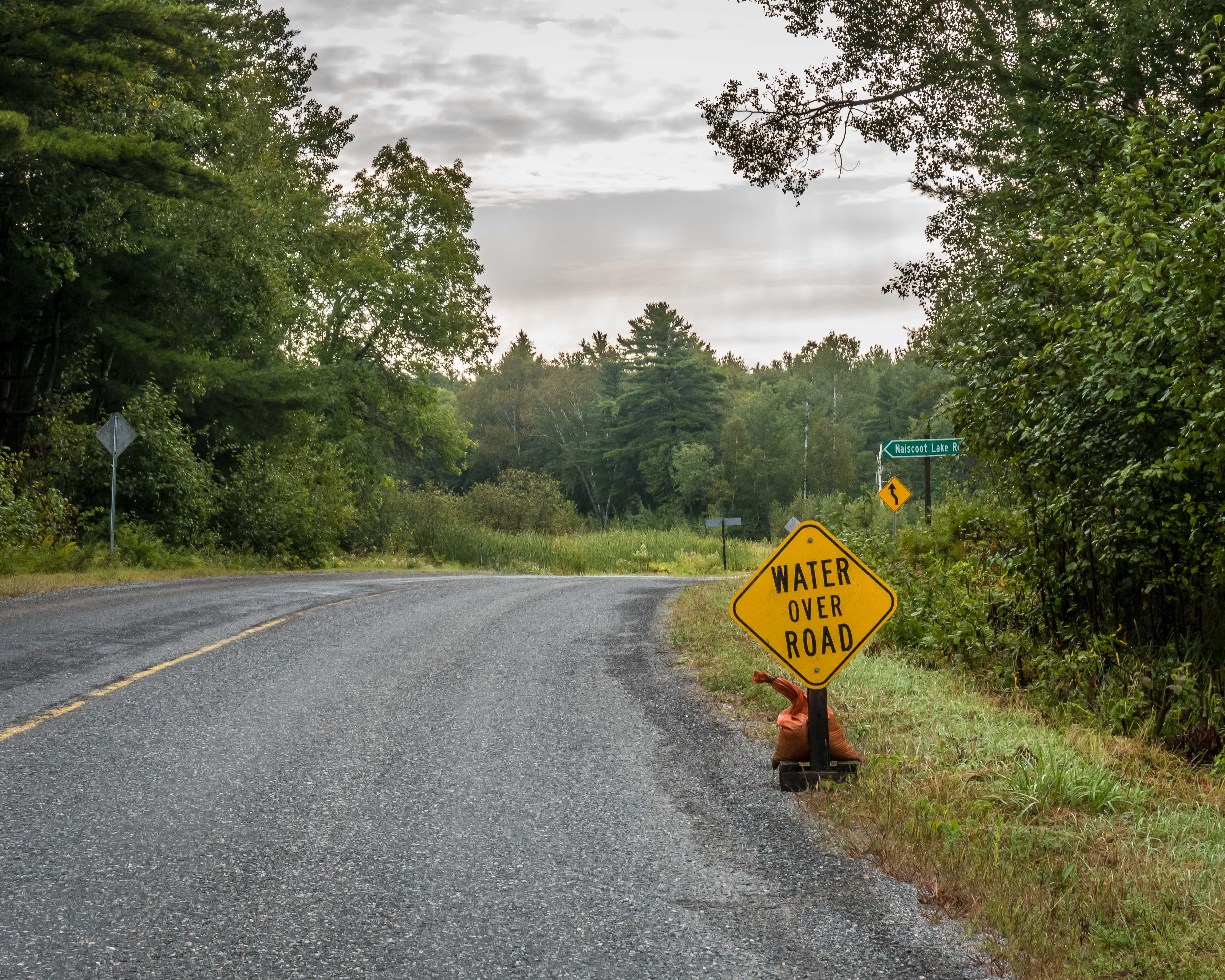
Highway 529 was flooded for a couple of days ….

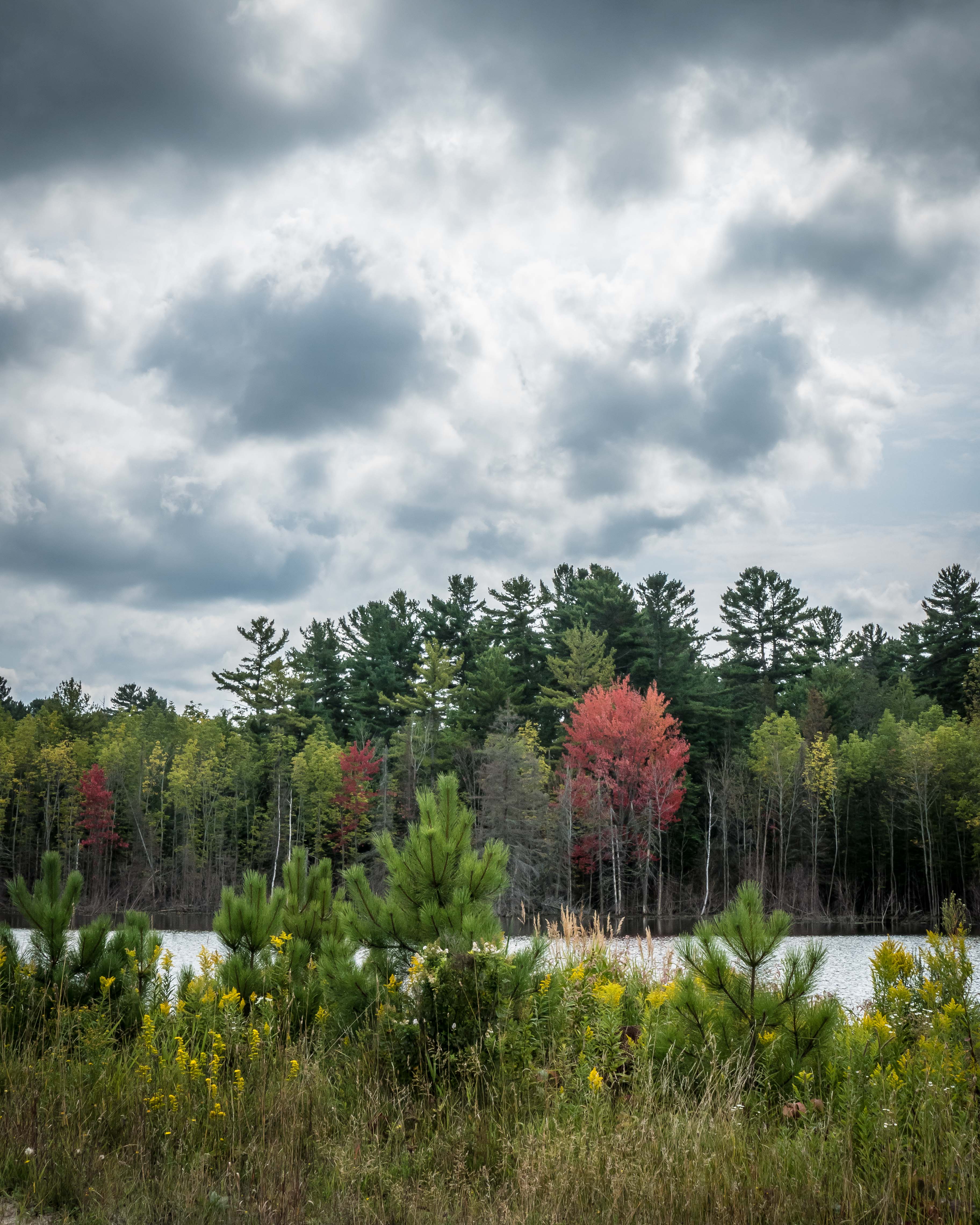
Threatening skies between rainshowers …

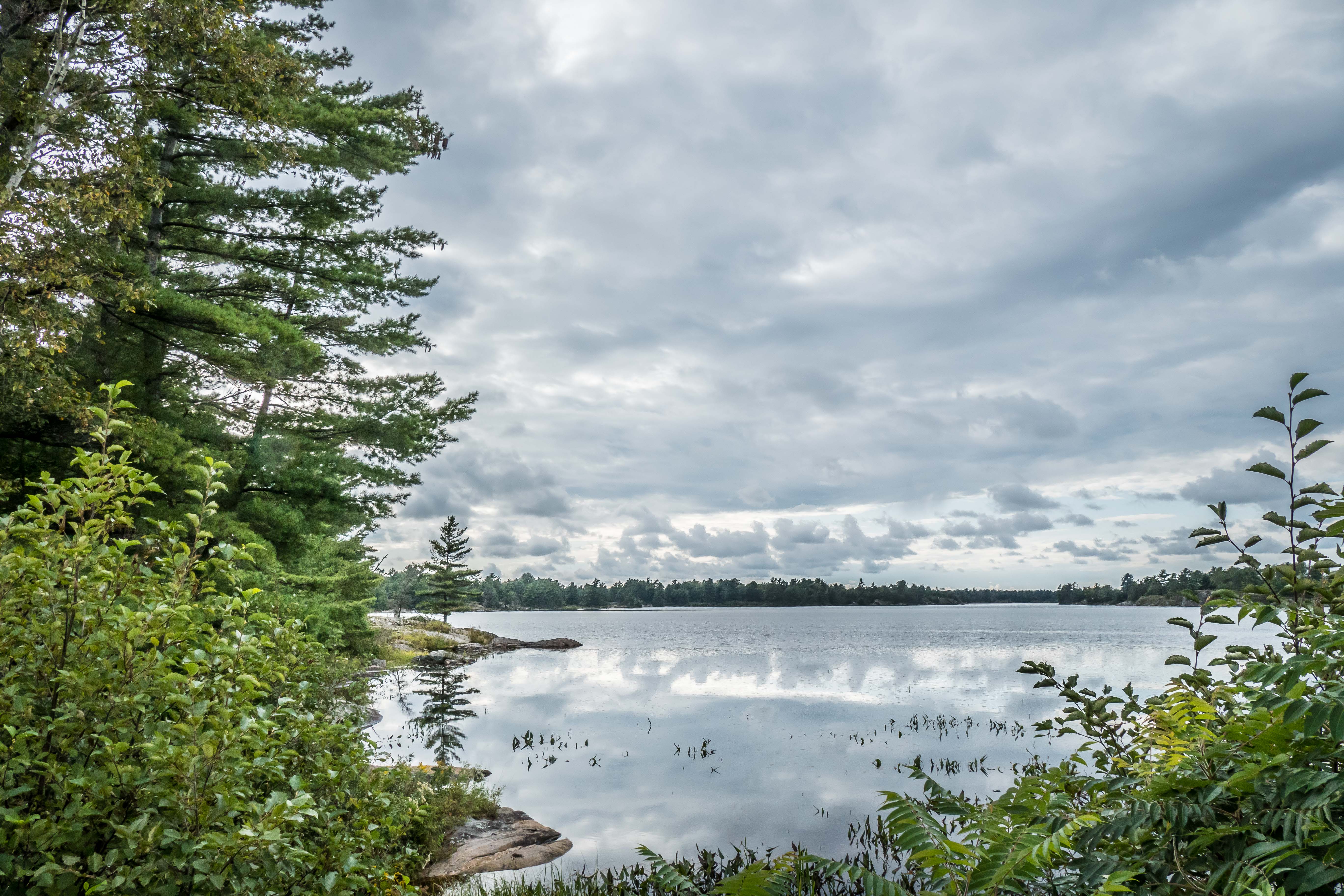
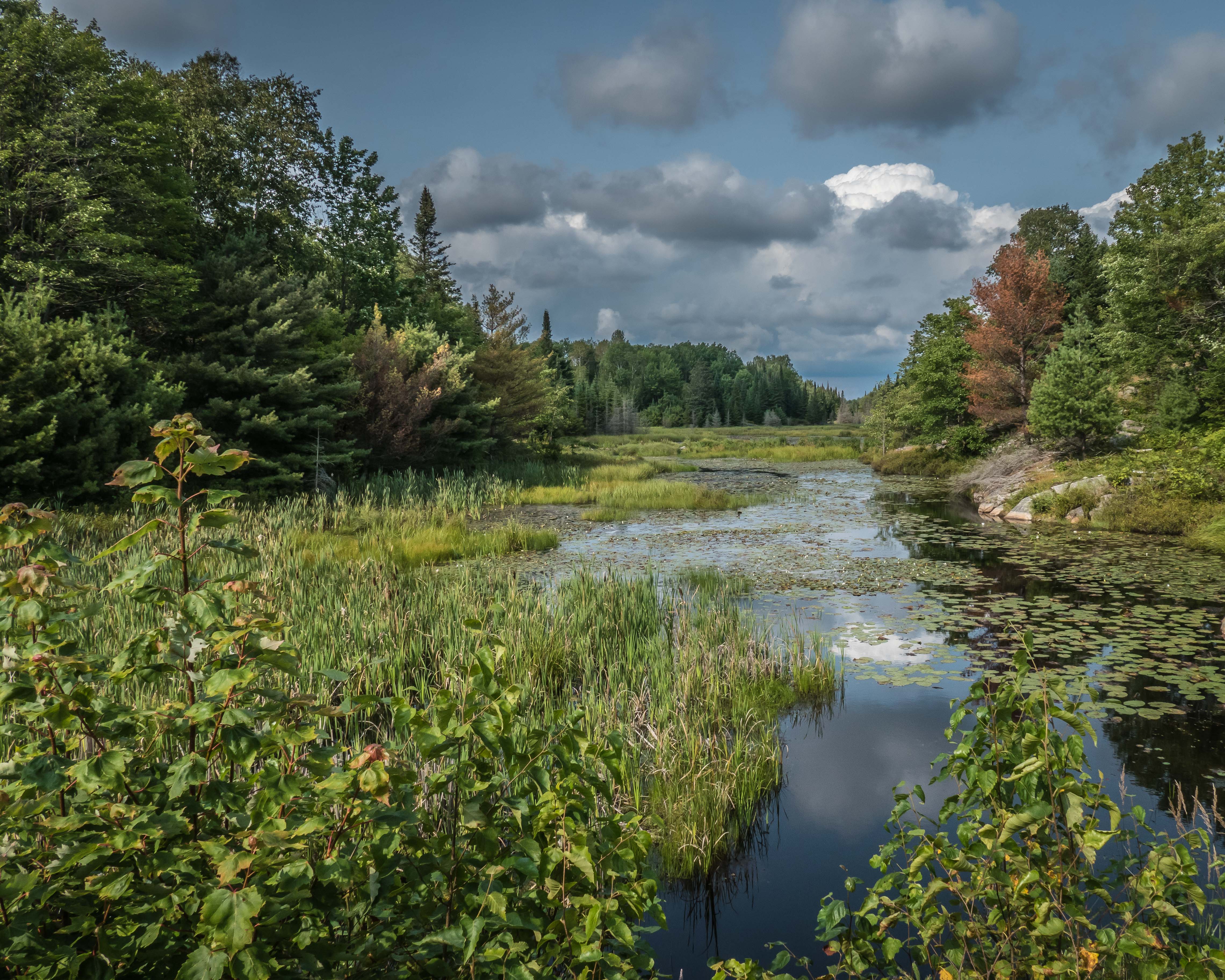
Low clouds, reflected, after a rainshower in calm conditions …

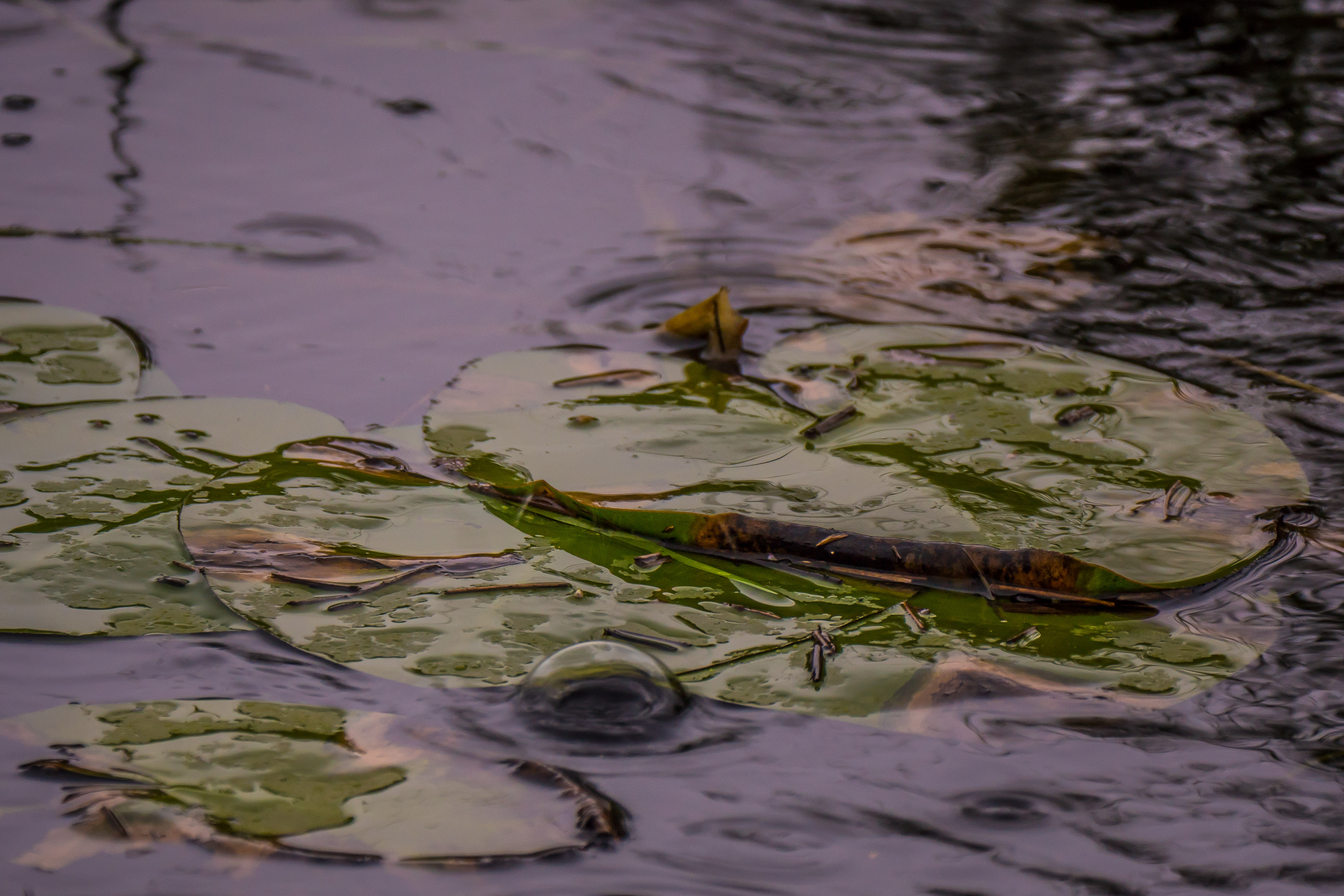
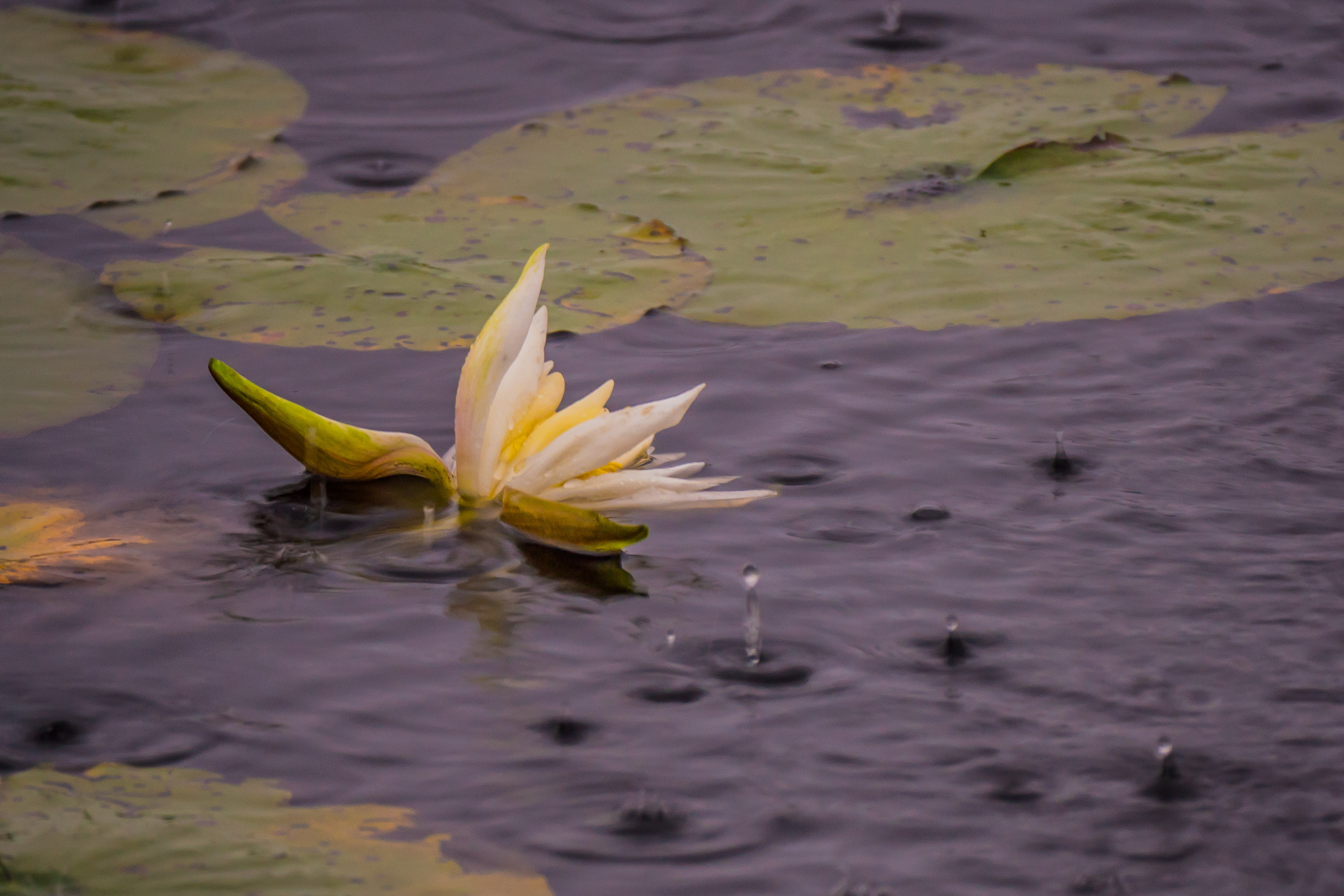
White Water Lilies had their leaf and flower stems stretched as the water levels rose.

Lots of drops ….

Fruits are wet …

Hydrangea in subdued back-light.

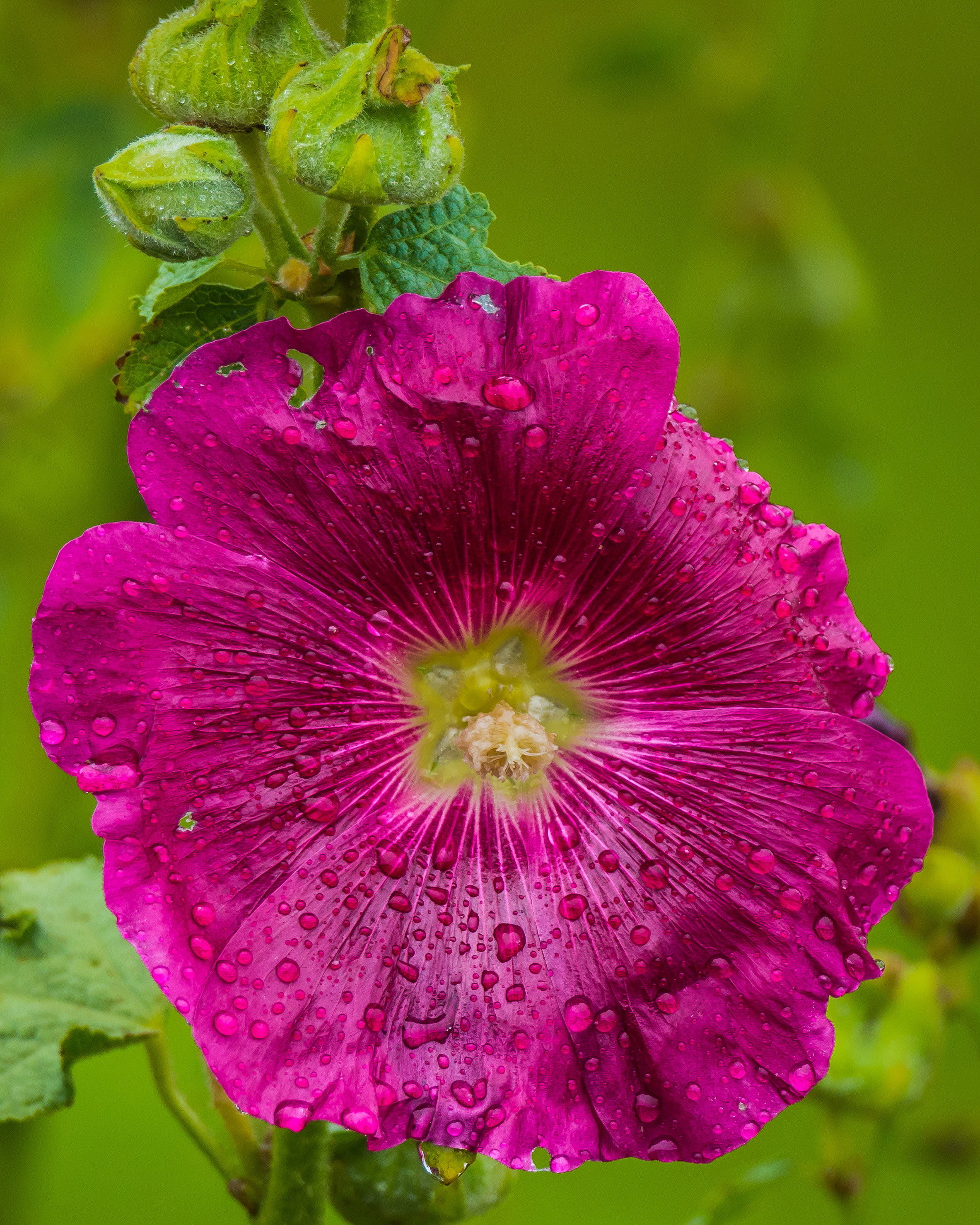
Hollyhocks collecting raindrops …

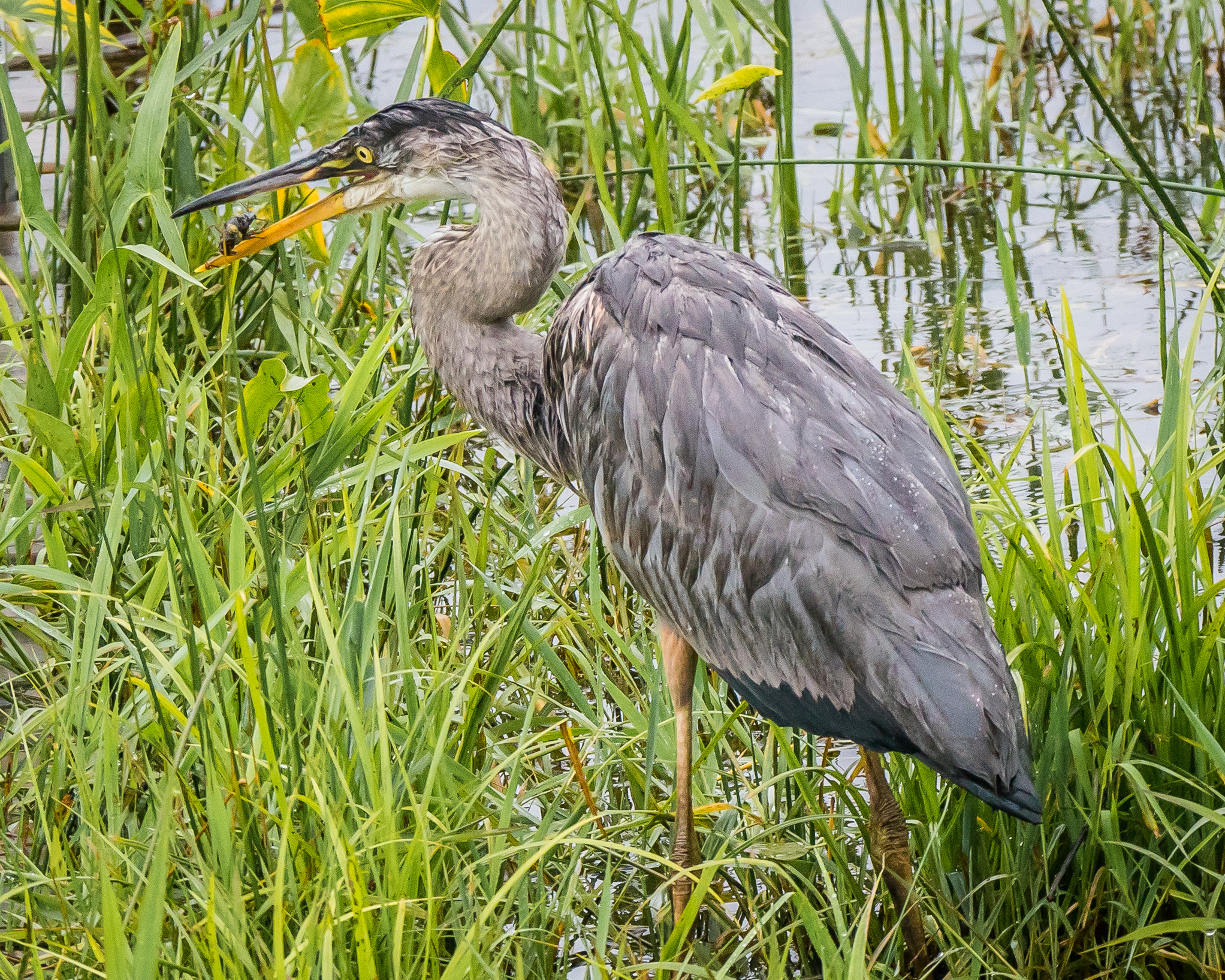
Great Blue Heron is grabbing a meal between showers ….

Got it!

“When will it ever dry out?”

“This rain never seems to stop.”

A good time to do some preening for the photographer.

Meanwhile life goes on as this unidentified chrysalis matures.

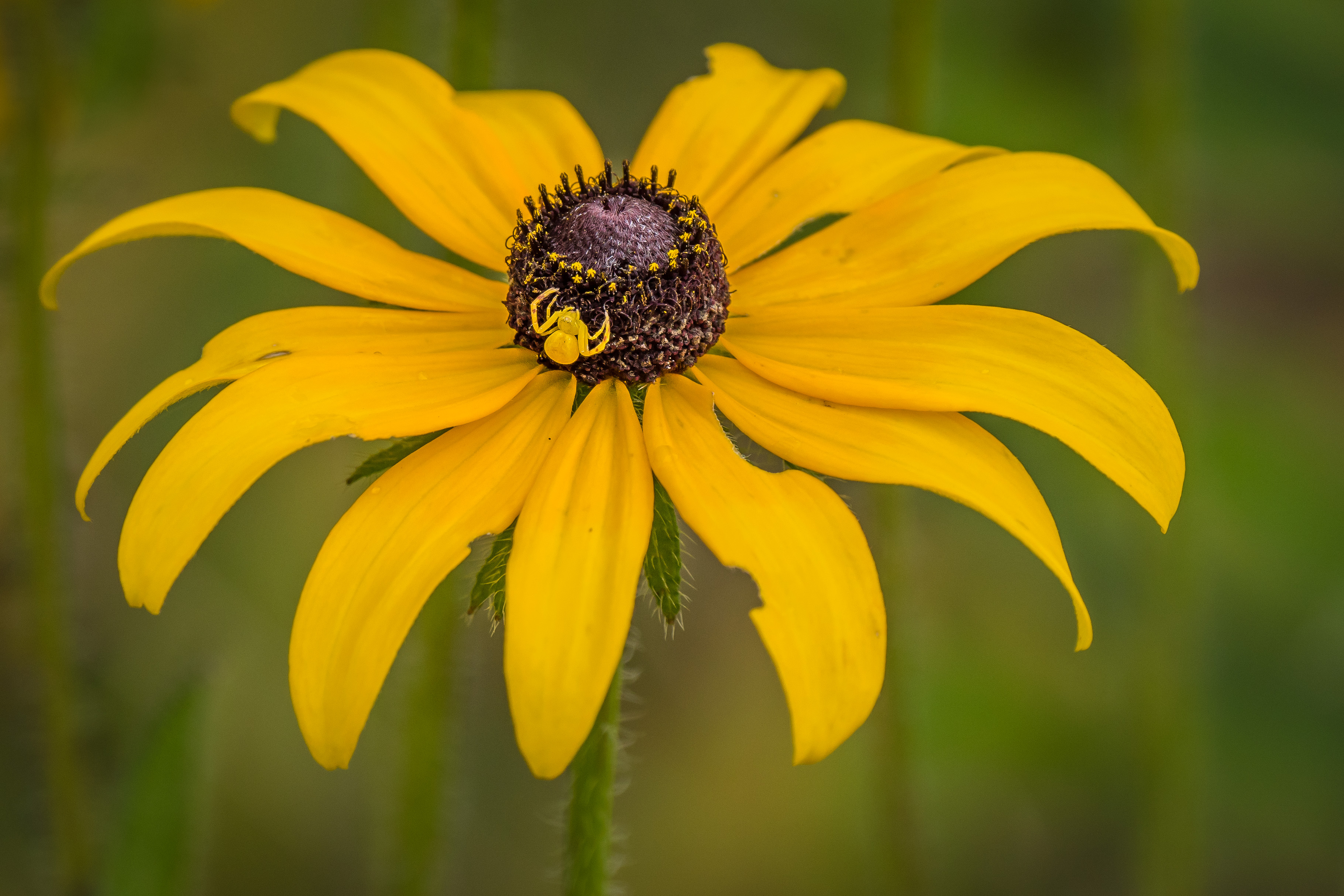
This Goldenrod Crab Spider has lost its camouflage on this Brown Eyed Susan

Water doesn’t seem to bother this Paper Wasps’ domicile….

A moment of dry sunshine brings out the pollinators …

A final reminder that Harvey has visited North America.

This Tuesday, Sept 4th, Pointe au Baril price is about 25 cents/liter higher than normal.  Possibly a combination of Labour Day Weekend  and Post Harvey pricing strategy.

As (Climate Scientist (?)), Bob Dylan said, “The Times They Are A-changin‘”

Come gather ’round people
Wherever you roam
And admit that the waters
Around you have grown
And accept it that soon
You’ll be drenched to the bone
If your time to you is worth savin’
Then you better start swimmin’ or you’ll sink like a stone
For the times they are a-changin’

20170902 Misty days of fall are starting

Dropping temperatures overnight are condensing the water vapour in wet air to give us morning mists and fogs.  Here are some examples…  (Click on the images to see them up close.)

Highway 607A on the way to Yesterday’s Resort …

Looking South from the Hwy 607 bridge over the Murdock River….

New pond at French River Bridge is stressing some of the trees, indicated by some premature fall colours….

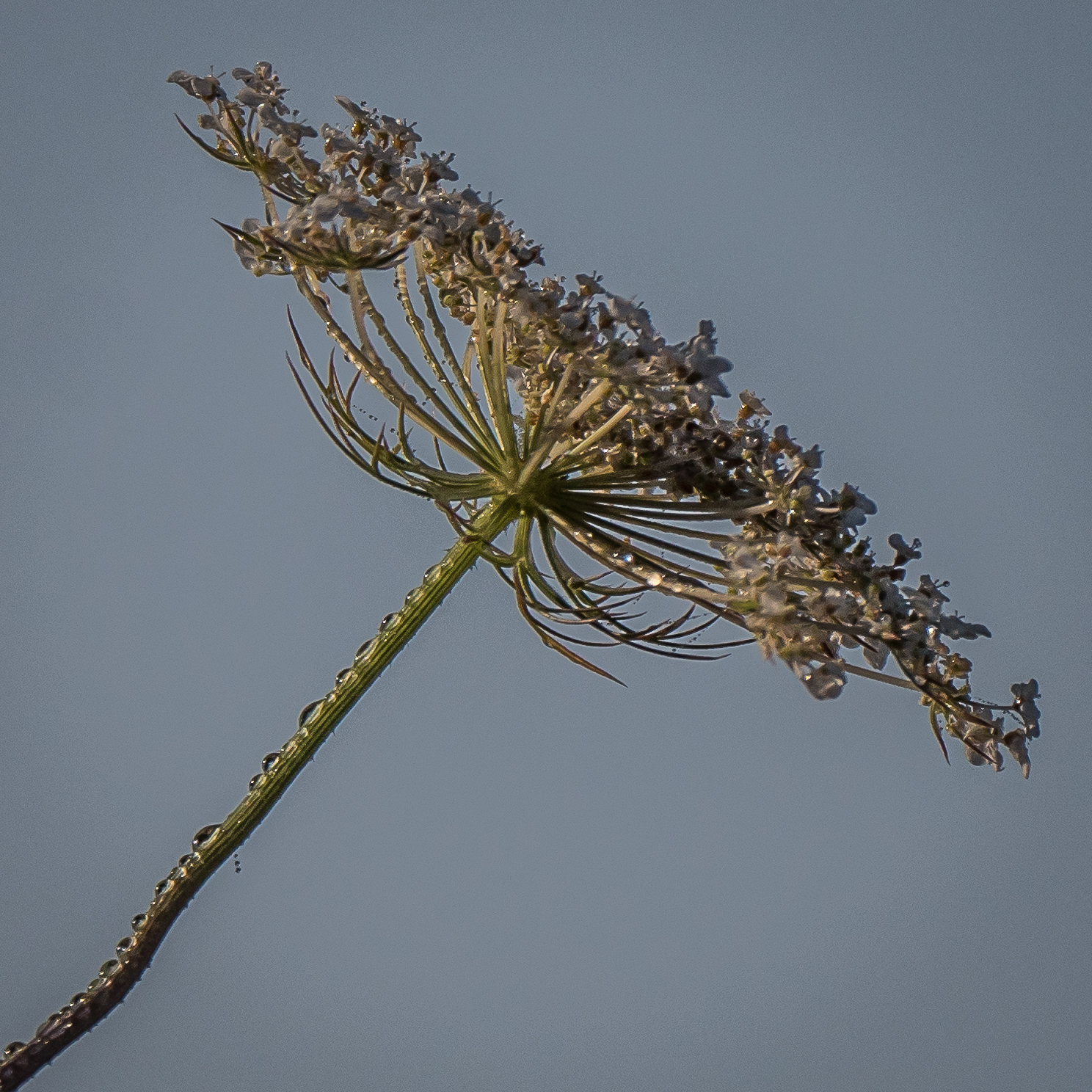
Queen Anne’s Lace Blossom in the morning dew …

Water droplets have condensed on the spent blossoms of this Queen Anne’s Lace …

In a day or two the above flowerhead will retract into this ball for the seeds to mature …

Necklaces of dewdrops  …

It is always surprising to see the huge number and variety of cobwebs when looking up-sun on a foggy morning…

Last of the summer Ox Eye Daisys …

Last blossom on a Viper’s Bugloss..


Painted Ladies are still nectaring on the asters…

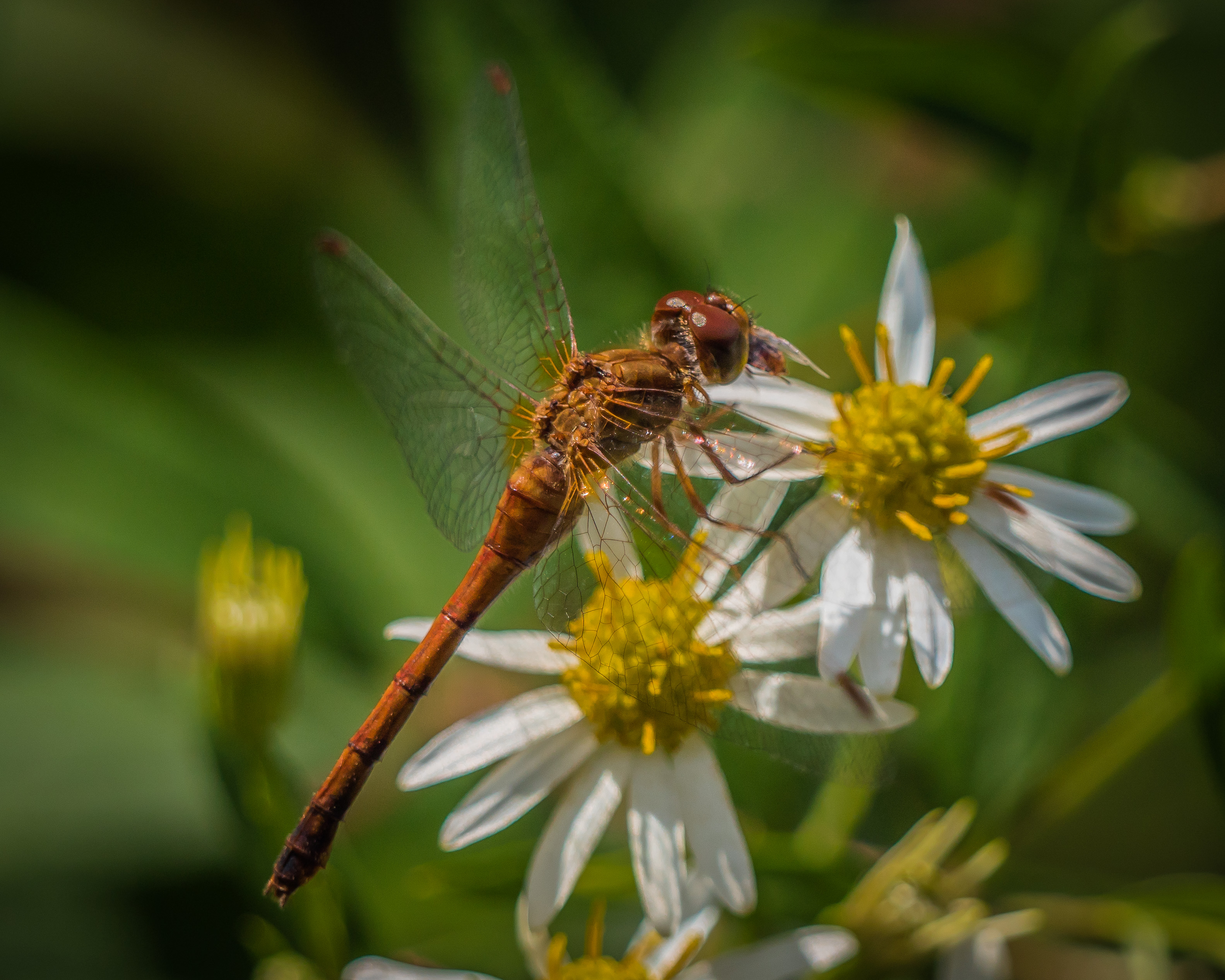
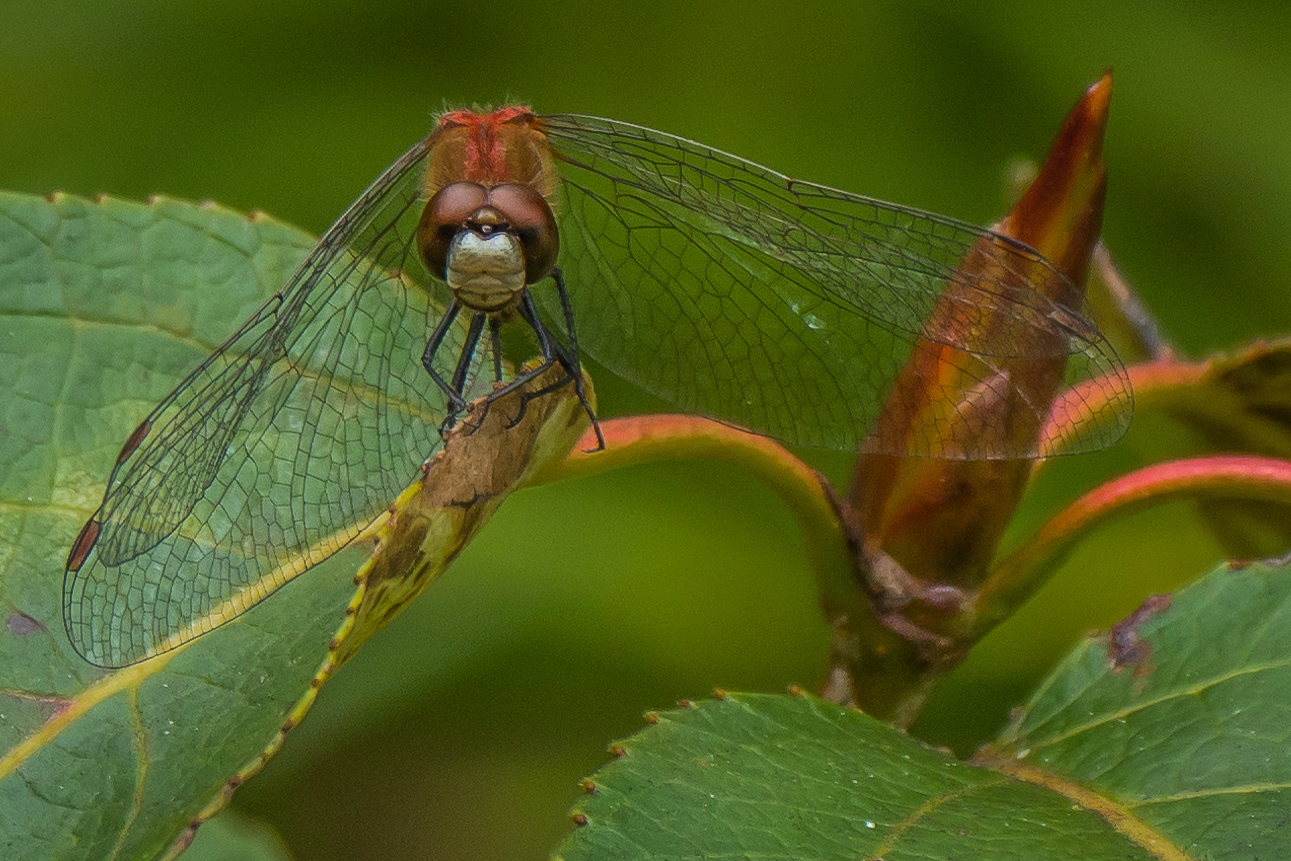
Probably a White-faced Meadowhawk or kin …

Andrew sent me this one a few days ago:  http://epod.usra.edu/blog/2017/09/storm-cell-over-polvadera-new-mexico.html

Save

20170831 End of August blooms, berries and bugs

Some local scenes as we approach the end of summer …

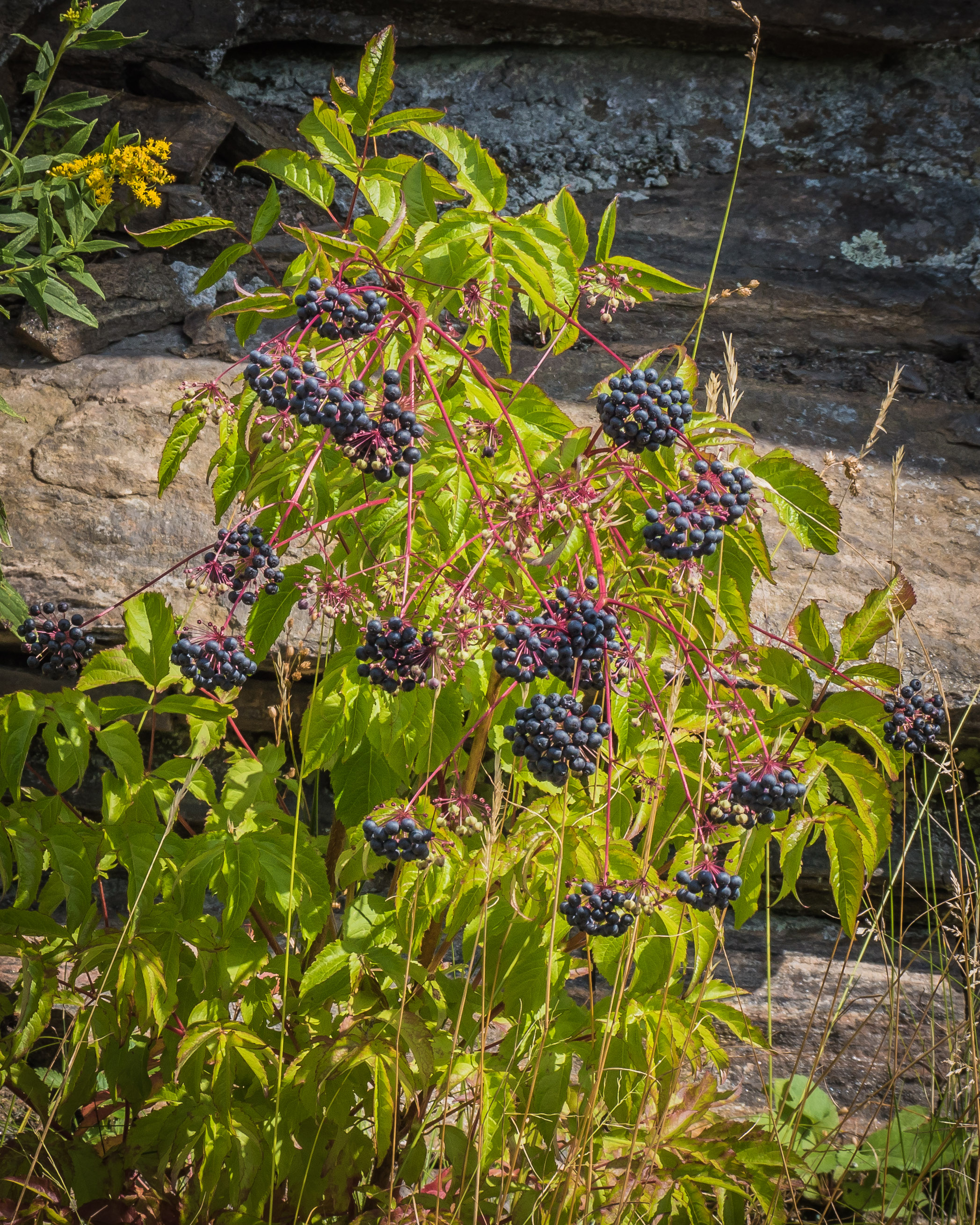
Bristly sarsaparilla is fruiting …

This looks like a potter or mason wasp  nectaring on a fall aster…

These mimics of Monarchs, Viceroy Butterflies are very busy in late summer…

That lateral line across both the fore and hind wings positively identifies this mimic.

No lateral line in this (female?) Monarch …

Probably a Cherry-faced, Ruby or White-faced Meadowhawk ….

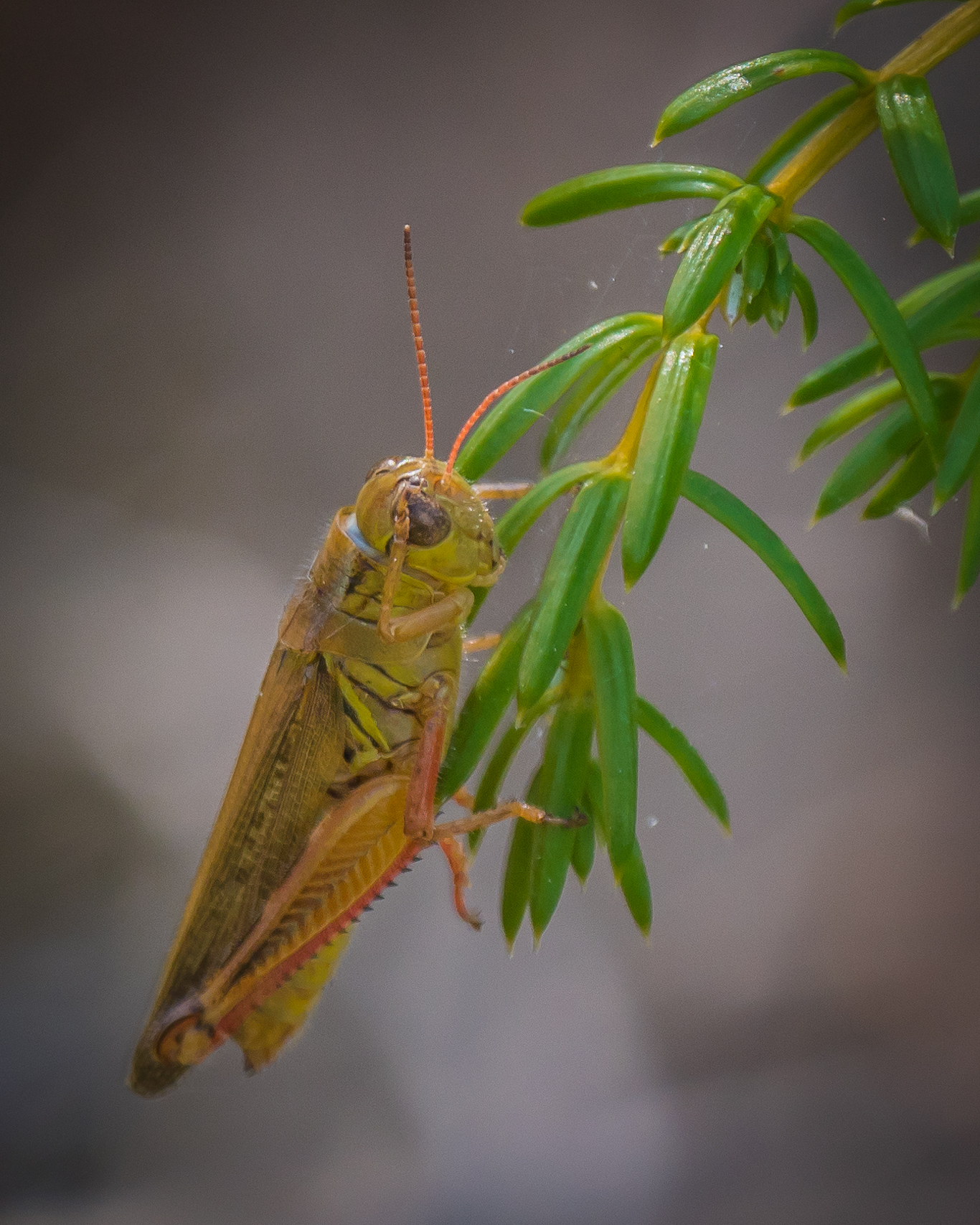
Grasshopper hanging onto a Juniper twig …

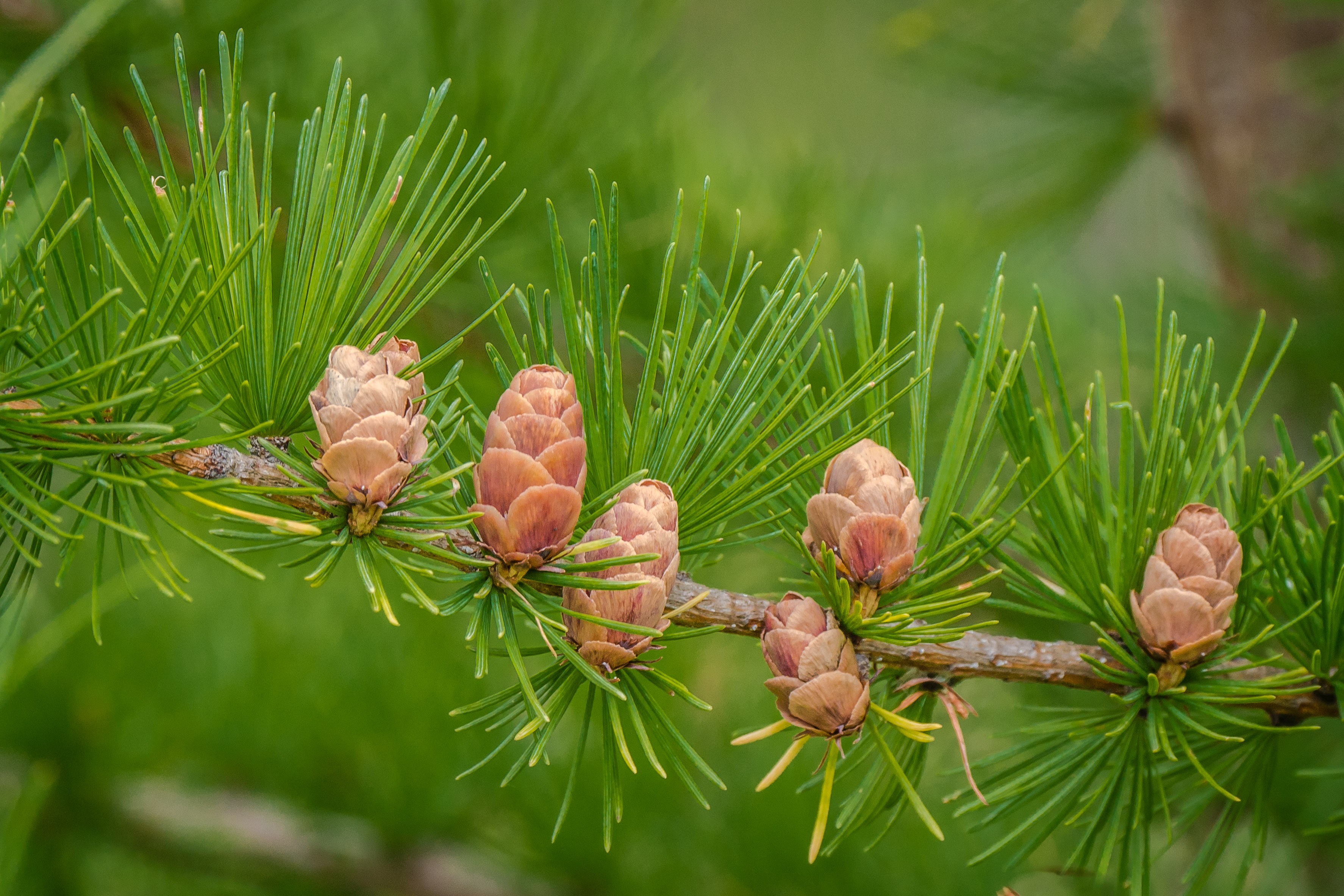
Maturing tamarack cones …

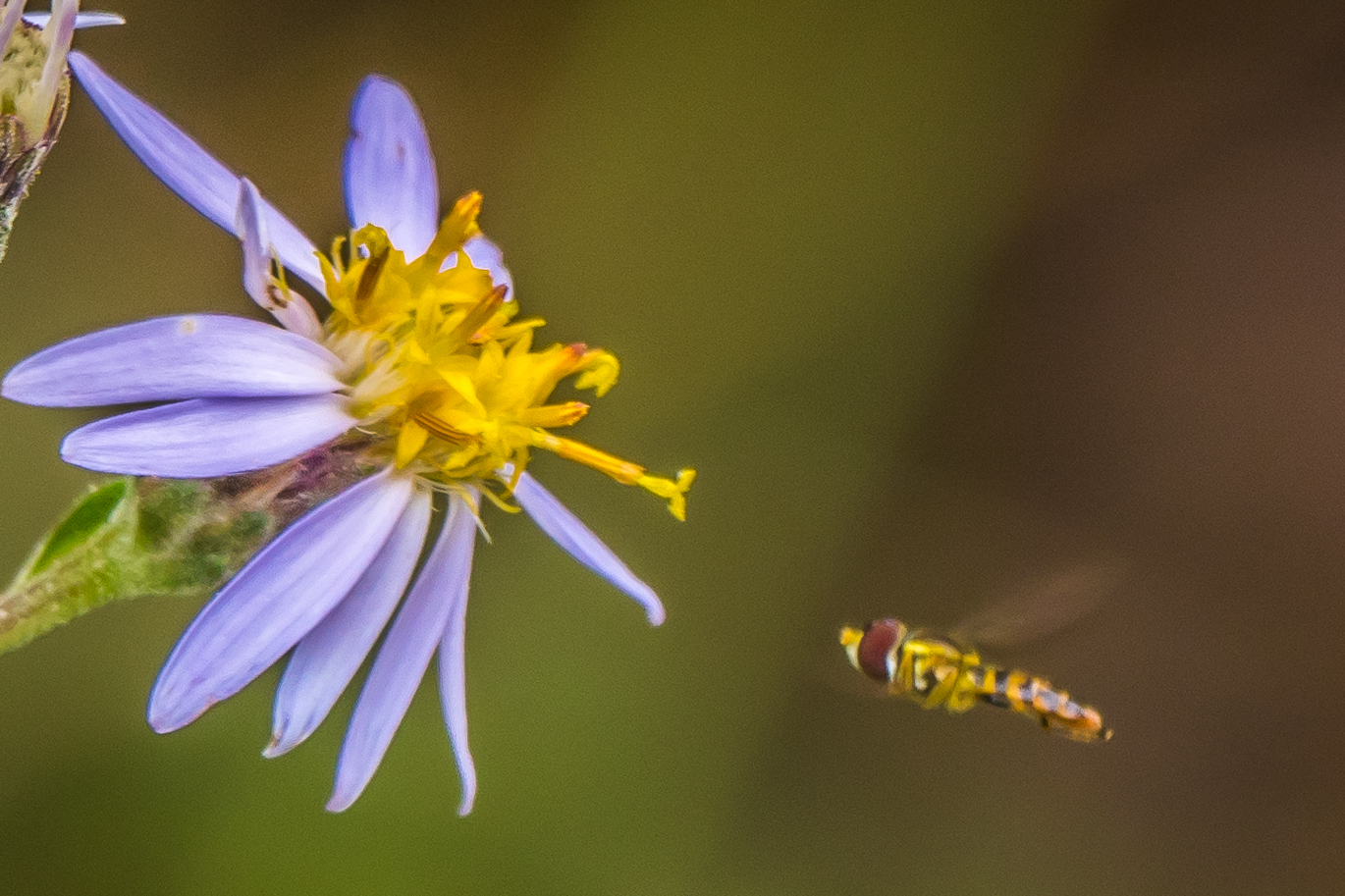
Hoverfly zooming in on a Purple gerardia

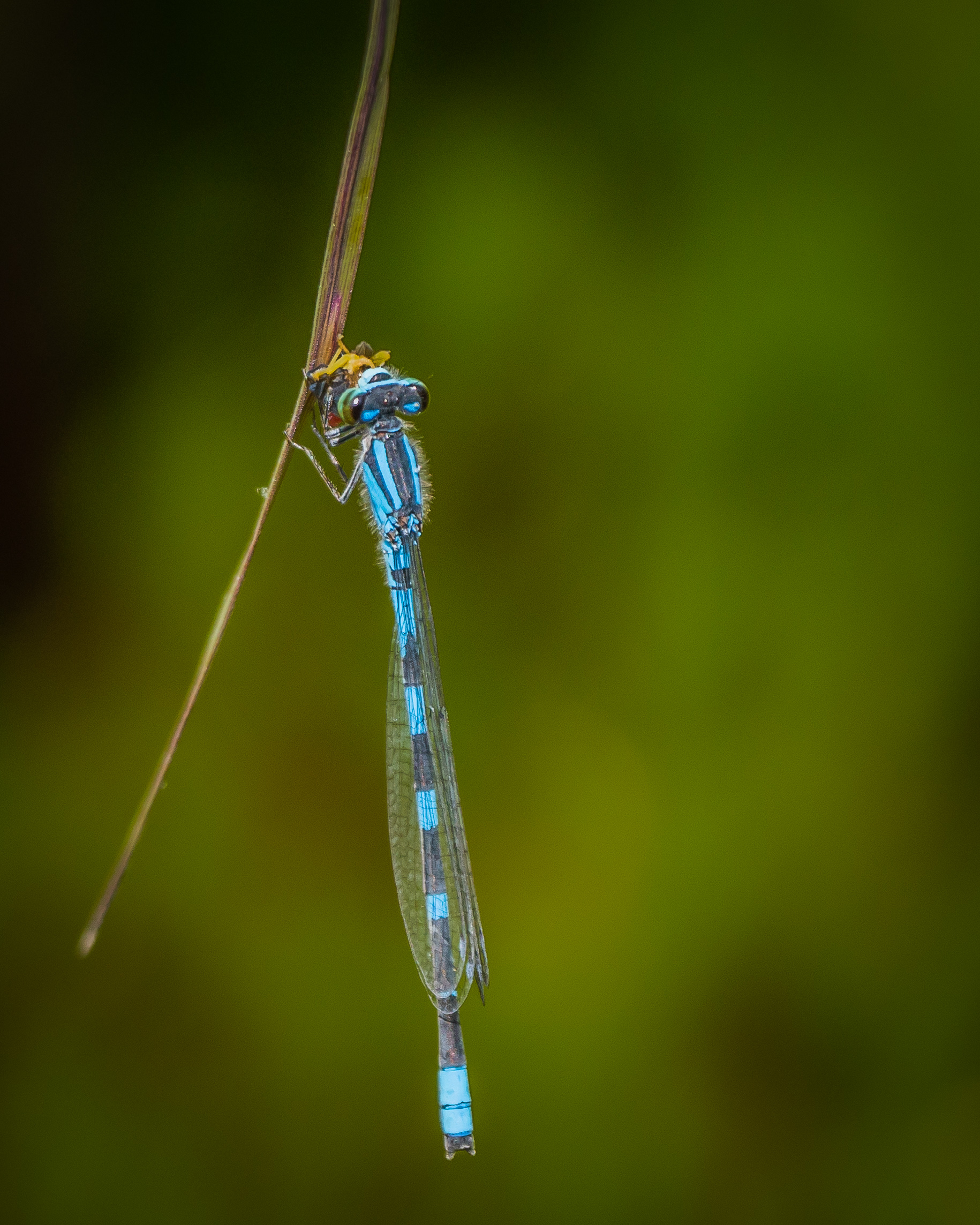
Two different bluets …  see the Dragonfly Whisperer


Seed “cones” of tag alder …


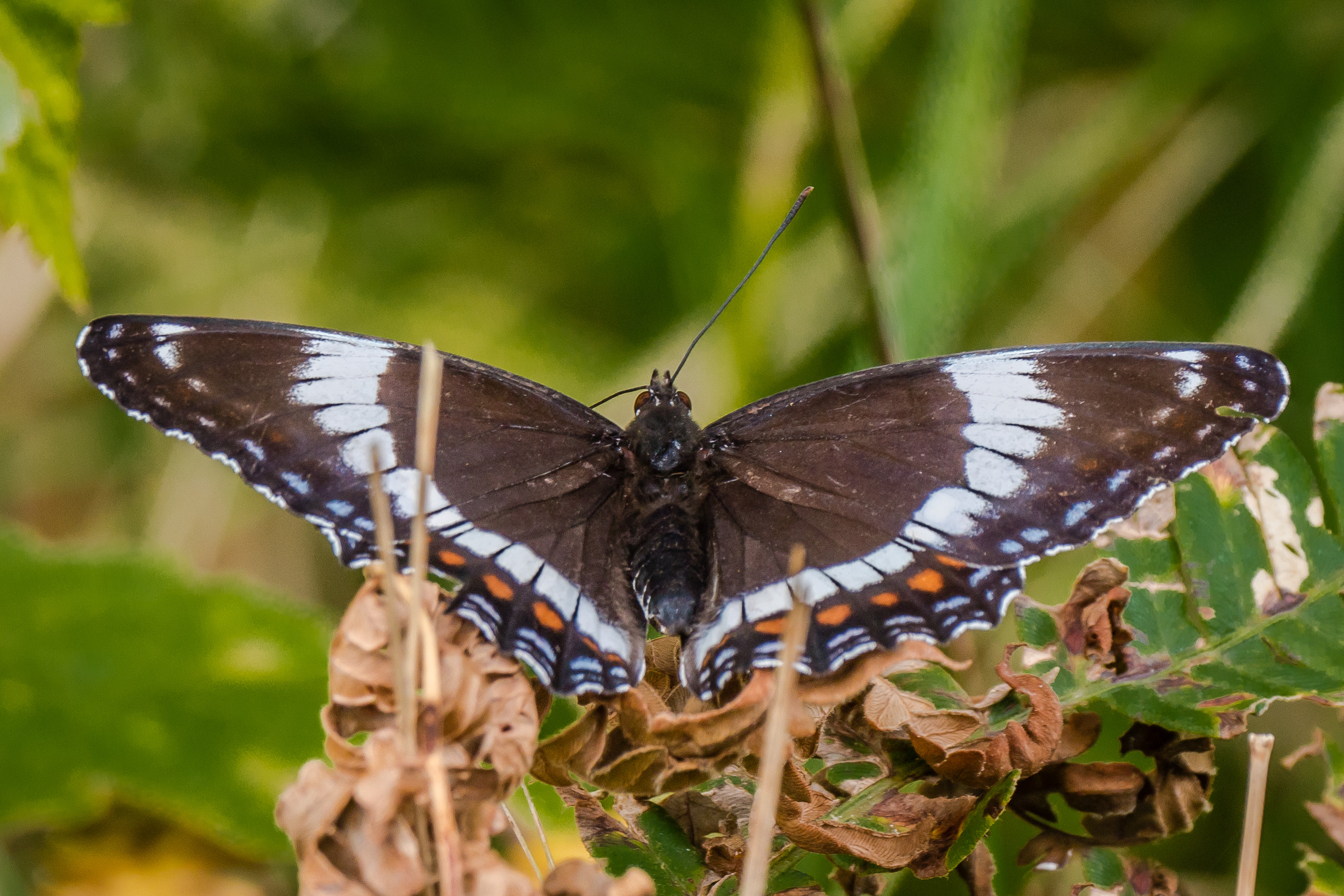
White Admiral … The fine condition of this specimen probably means that this is a second generation.  It’s caterpillars will overwinter to metamorphose next spring …

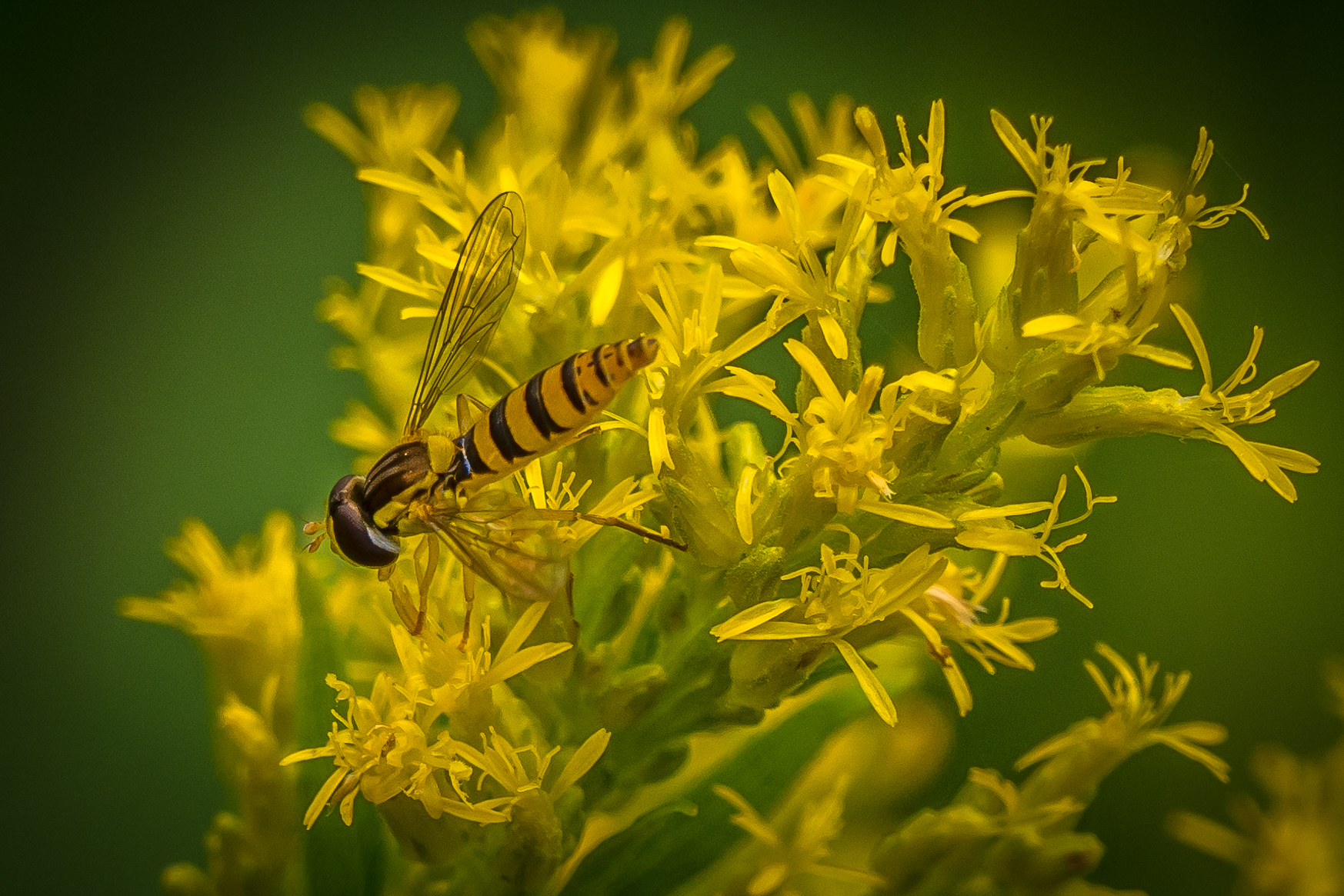
Short antennae indicate that this is a Hoverfly of some sort …

Obviously this is a regrowth of an earlier fruiting body.  It is a form of heart rot, a fungus which attacks the inner core of mature trees.  Here’s more information about this northern tooth fungus (Climacodon septentrionale)  found on Shebeshekong Road.

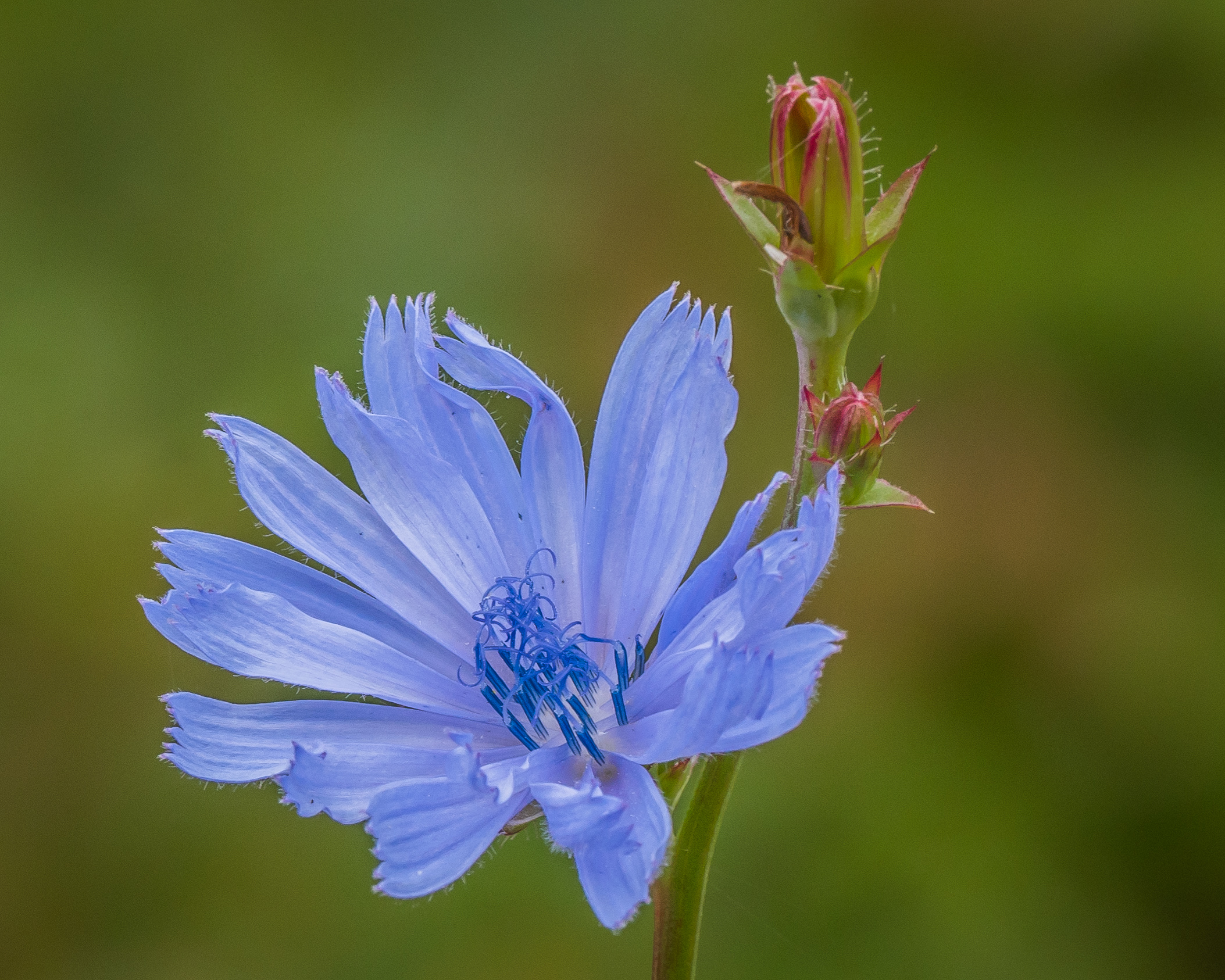
Blue Sailors or Chicory…

Probably White-faced Meadowhawks …


Longhorned beetle in the grass near Poplar trees….

Milkweed Tussock Moth Caterpillar on its favorite plant …

Meadowsweet in the rain …

Prunus serotina, commonly called black cherry, wild black cherry, rum cherry, or mountain black cherry, can be distinguished from Prunus virginiana, commonly called bitter-berry, chokecherry, Virginia bird cherry and western chokecherry by its collar type attachment of its stem to its fruit.  It also has a much nicer taste…. as in black cherry frozen yoghurt.

We have busy times as the end of summer nears….

Our friends in the southern states had to alter their bird watching due to Hurricane Irma:

http://birdcast.info/forecast/hurricane-irmas-impact-on-birds/


20170824-25 Local bugs and blooms

Here is a sampling of what we’ve been seeing over the last few days …

This Viburnum cultivated variety was blooming in the foundation planting at Cottage Country Animal Clinic … the great folks who look after TinTin.

Notice the similarity with the flower heads of Highbush Cranberry and Northern Wild Raisin.

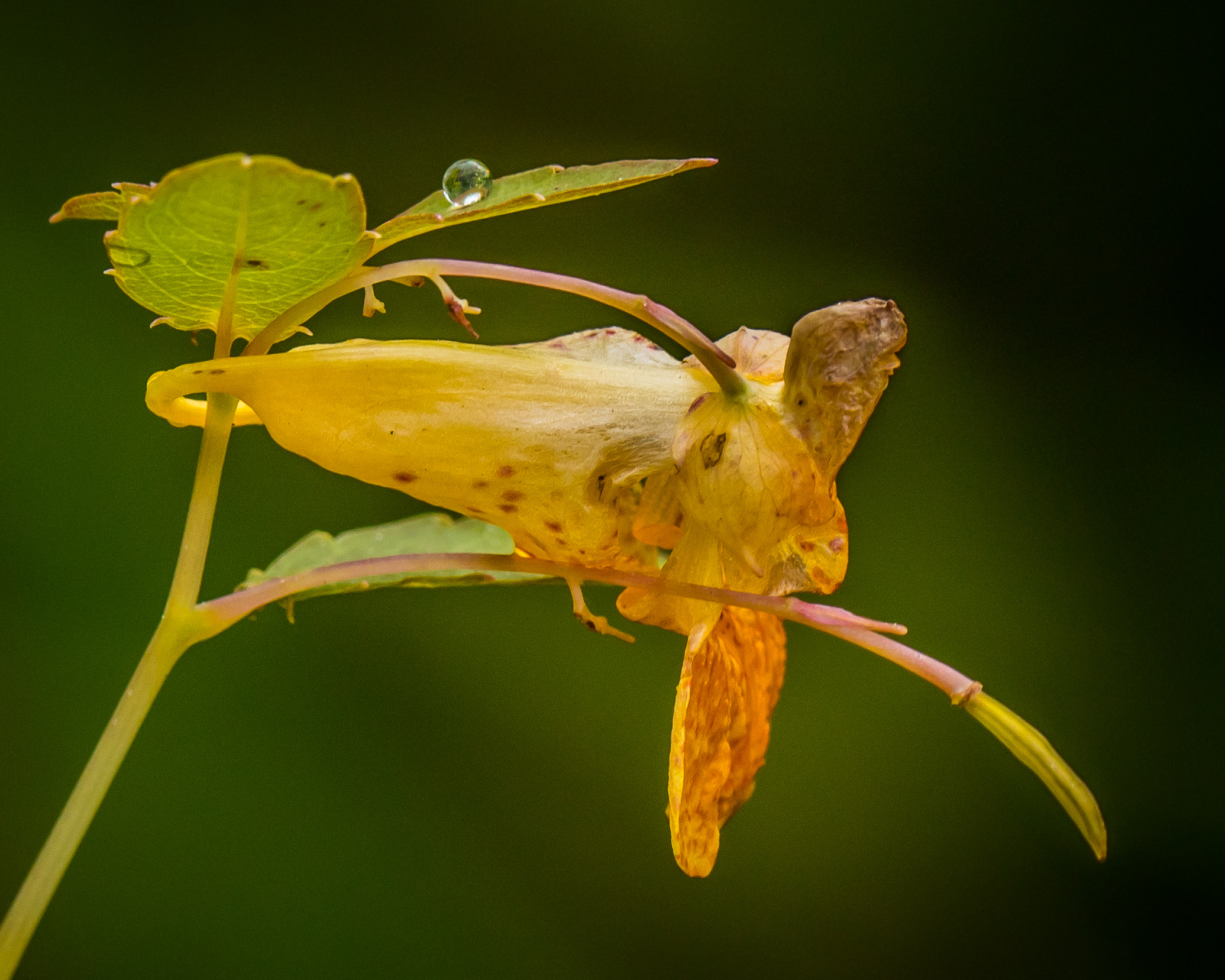
The spotted touch-me-nots are nearing the end of their blooming period….

Notice the huge amounts of pollen being carried by this orange belted bumble bee.  That is a big payload!

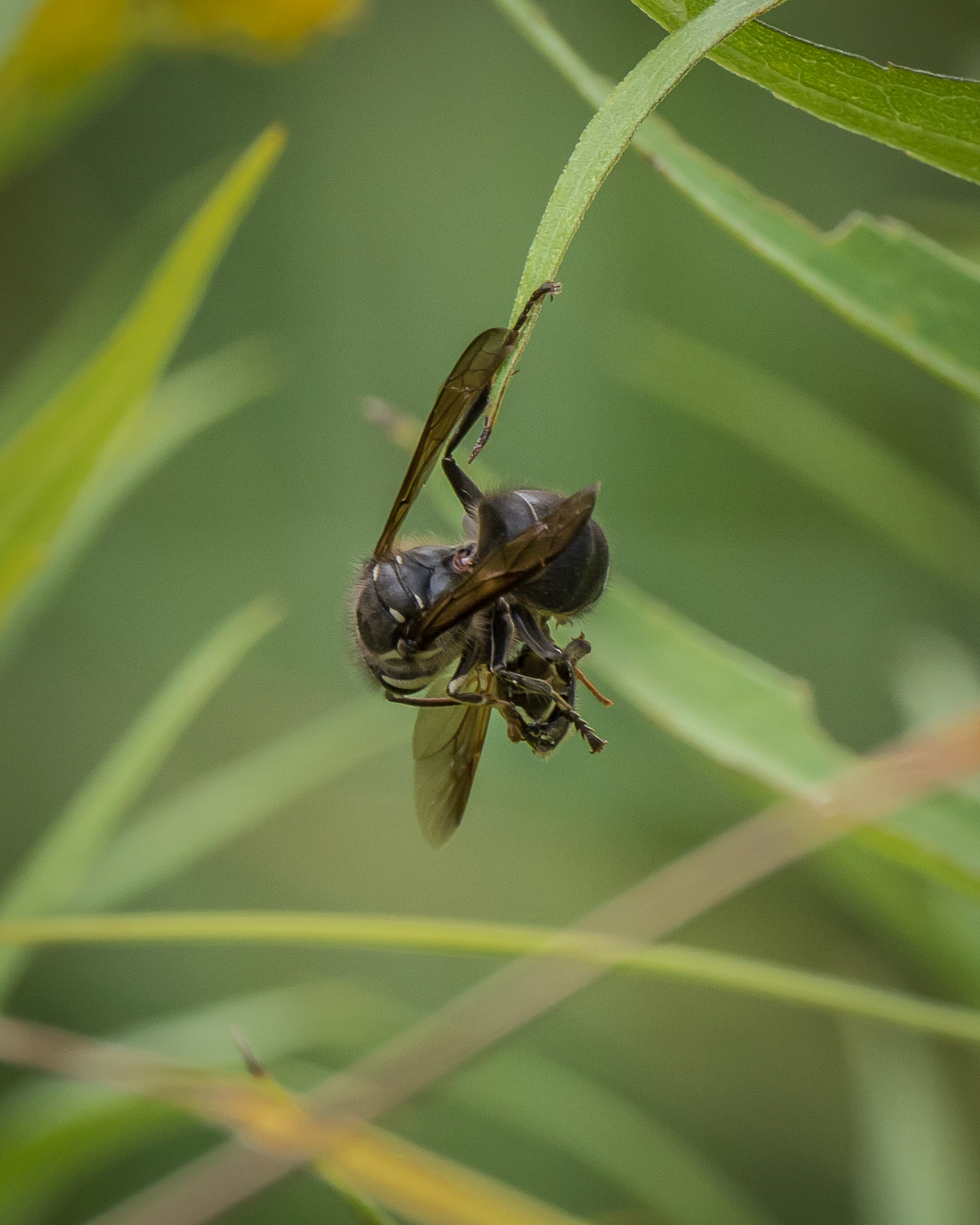
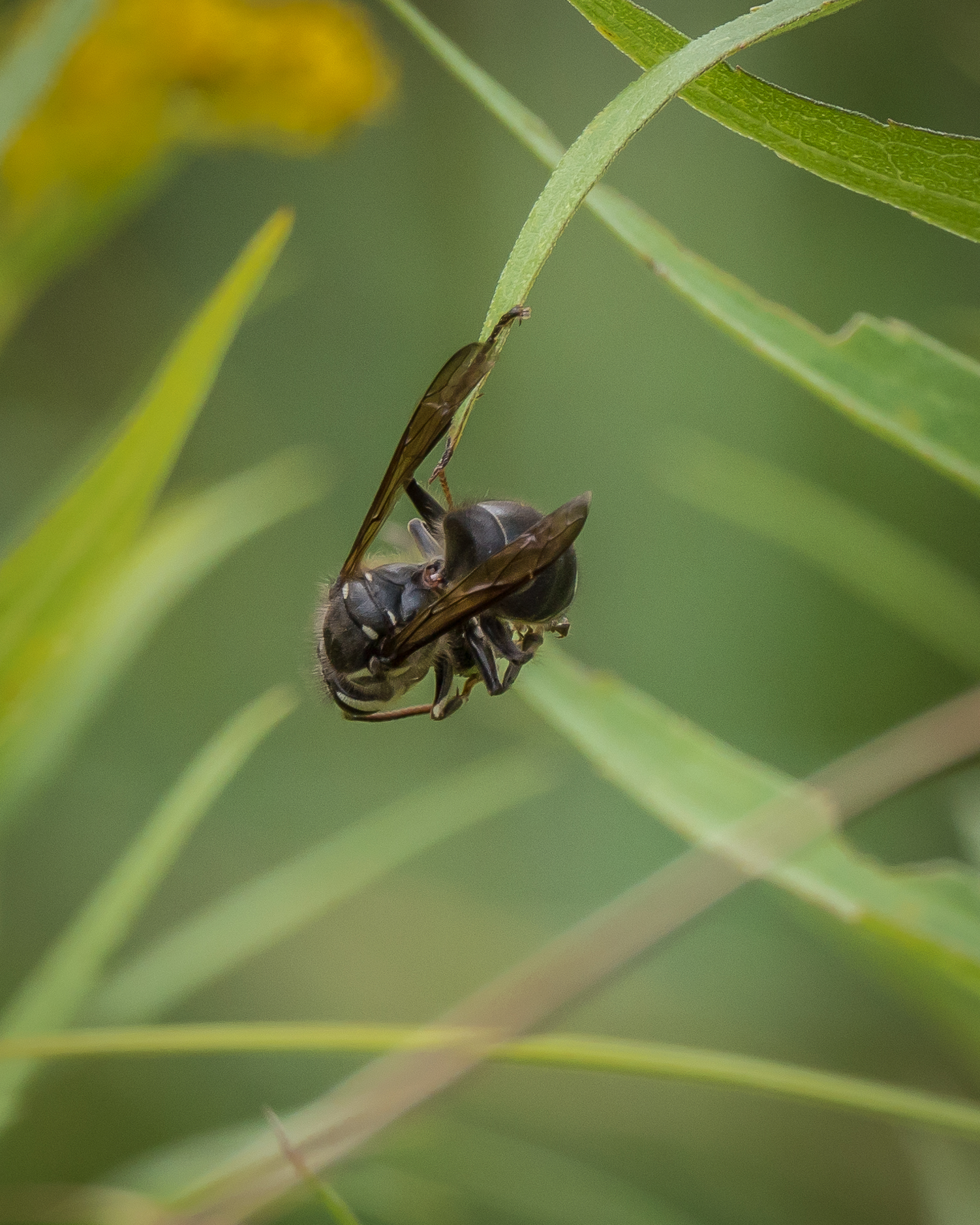
It appears that this predator, maybe a Great Black Wasp, is biting its prey.

EDIT 20171123:  Joe Campbell identified a wasp’s nest made by bald faced hornet.   I now believe that this is a bald faced hornet.  See my post 20171119 First heavy snow

After a few seconds this is all that is left of the prey, which drops to the ground …

The predator may be chewing on the remnants of its prey.  It then quickly buzzed off.

Whitefaced Meadowhawks continue to be abundant …

A brown grasshopper resting on some grass stems…

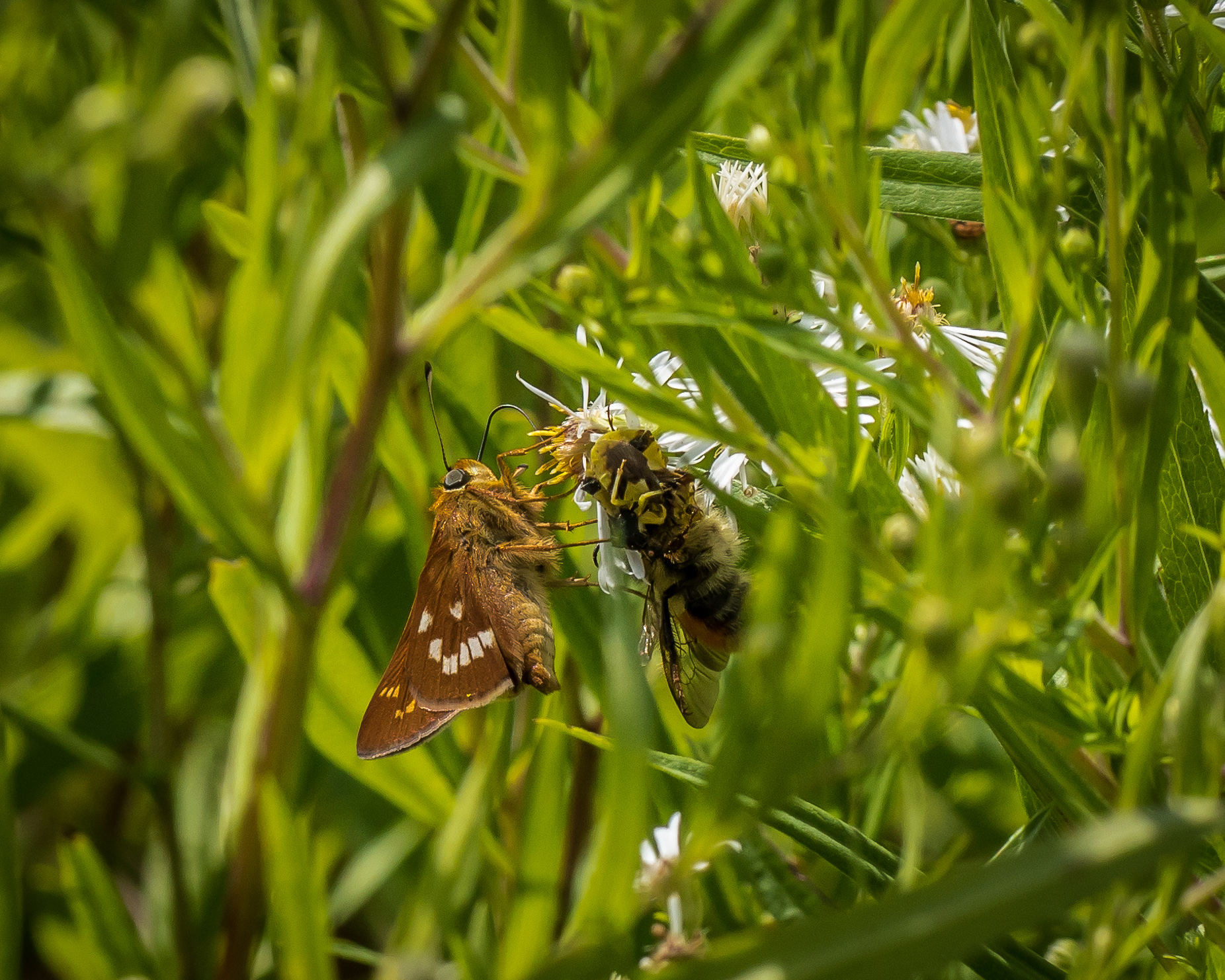
Leonard’s Skipper is sharing this flower with an unidentified critter …

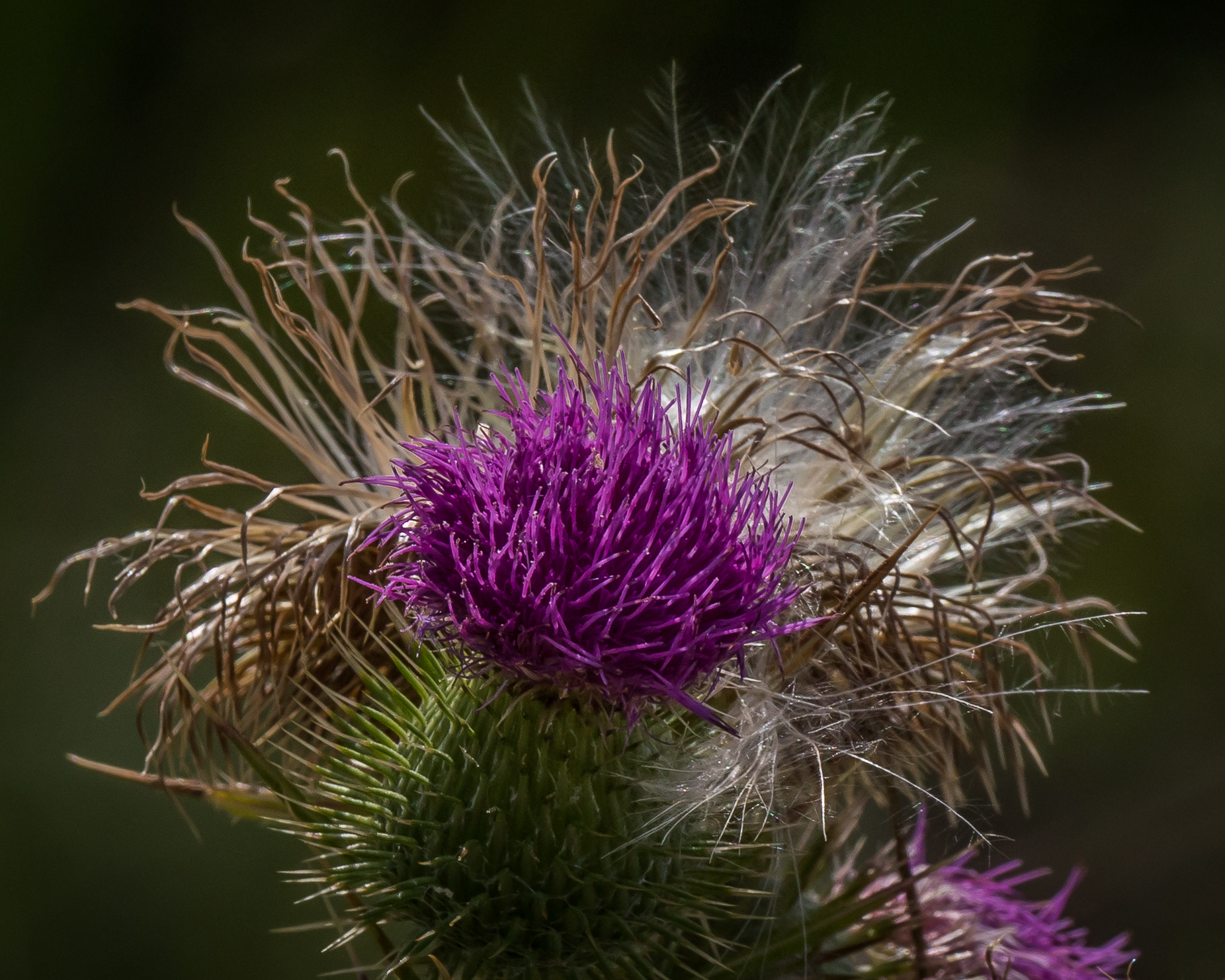
Thistle bloom in front of its seedhead.


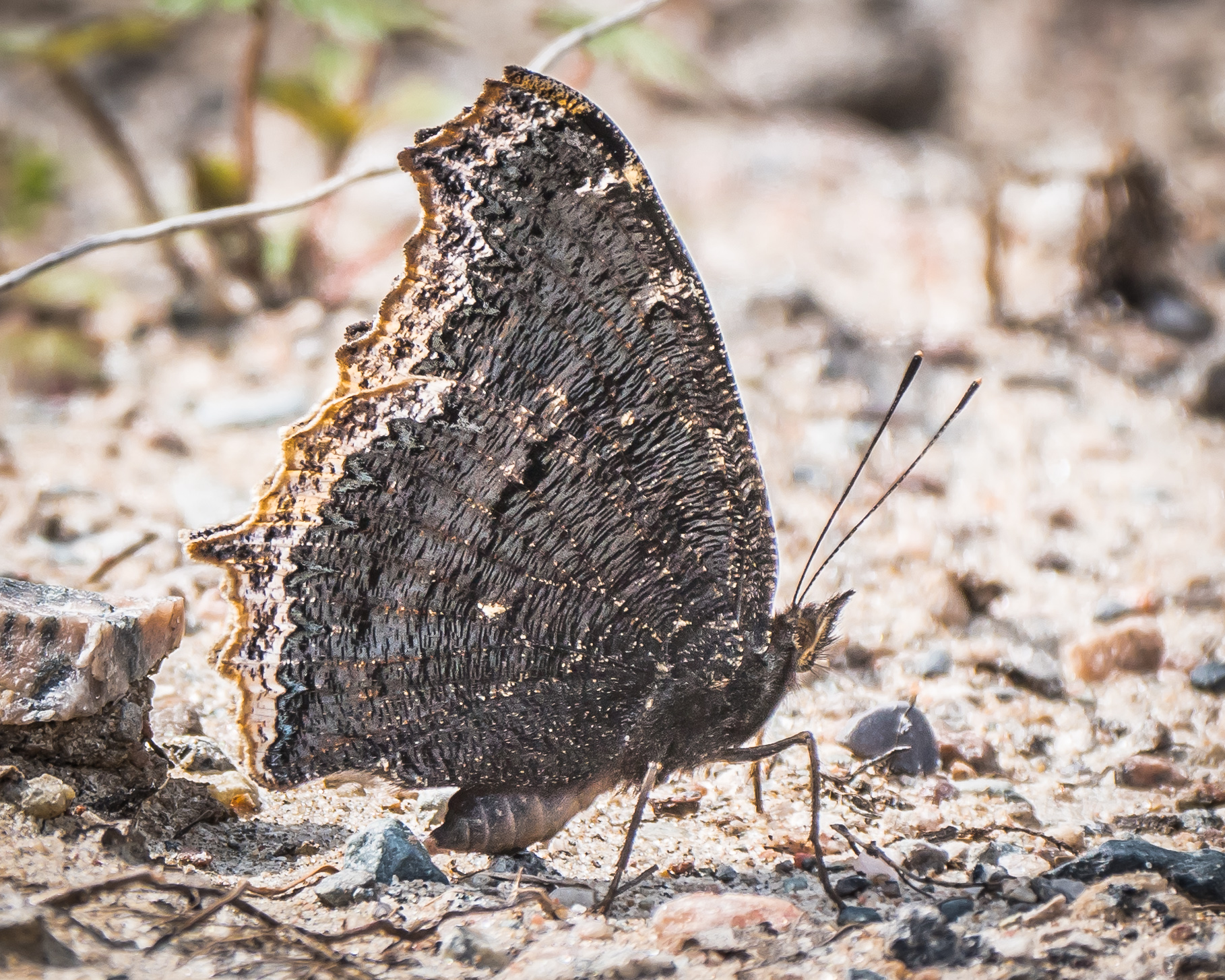
Second generation of Mourning Cloaks are flying about and foraging for sap and detritus…

It will hibernate over the winter, usually behind some bark, to emerge early next spring to mate and to start another cycle.

I just saw an article about Grasshoppers Molting:  https://naturallycuriouswithmaryholland.wordpress.com/2017/09/01/grasshoppers-molting/

If you go back to the previous post, you’ll see a couple edits about the position of Moon on the solar eclipse day.   Thanks Andrew.

20170821-23 Eclipse, Hwy 522 sights, water lilies and insects

We went to Lon and Ann’s to view the Solar Eclipse using Lon’s automatic arc welding helmet.  It has a sensor which “instantaneously” (1/2000 second) darkened the lens when facing the sun.  It worked very nicely and enabled us to watch the progress of the partial solar eclipse in Britt.

On eclipse day our Star is shining through early morning haze.
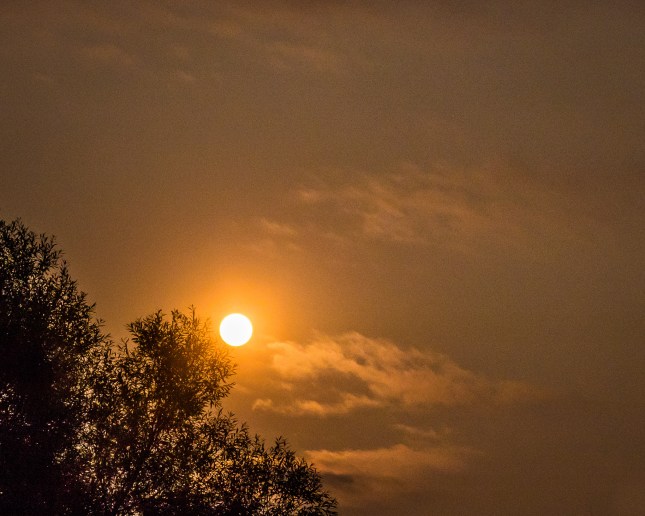
During partial eclipse our Star shines through two layers of high cloud.   The higher thin cirrus causes the slight halo and the lower cumuloform cirrus adds some detail to this photo made about 6 hours later than the upper photo.

In the upper photo where is the moon?  ie How far away to the right is the moon?  How many sun diameters?
*See answer below….

Since the camera is pointed Southward,  it is obvious that we are well North of the path of totality.  Think about going South to get “under the moon”, deeper into its shadow.

Meanwhile, back on Earth:

The blackberries are continuing to ripen.  A good crop this (wet) year….

A hoverfly is visiting a white fall aster …
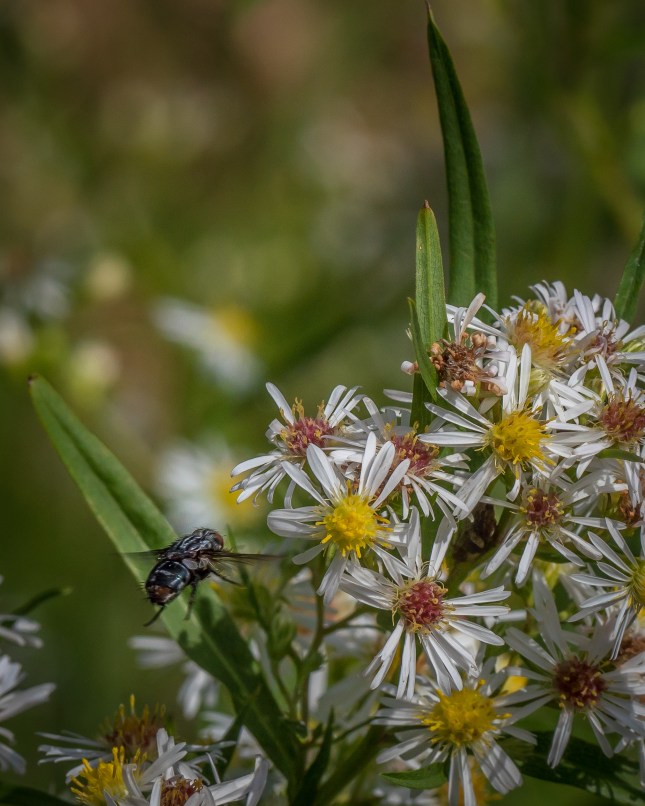
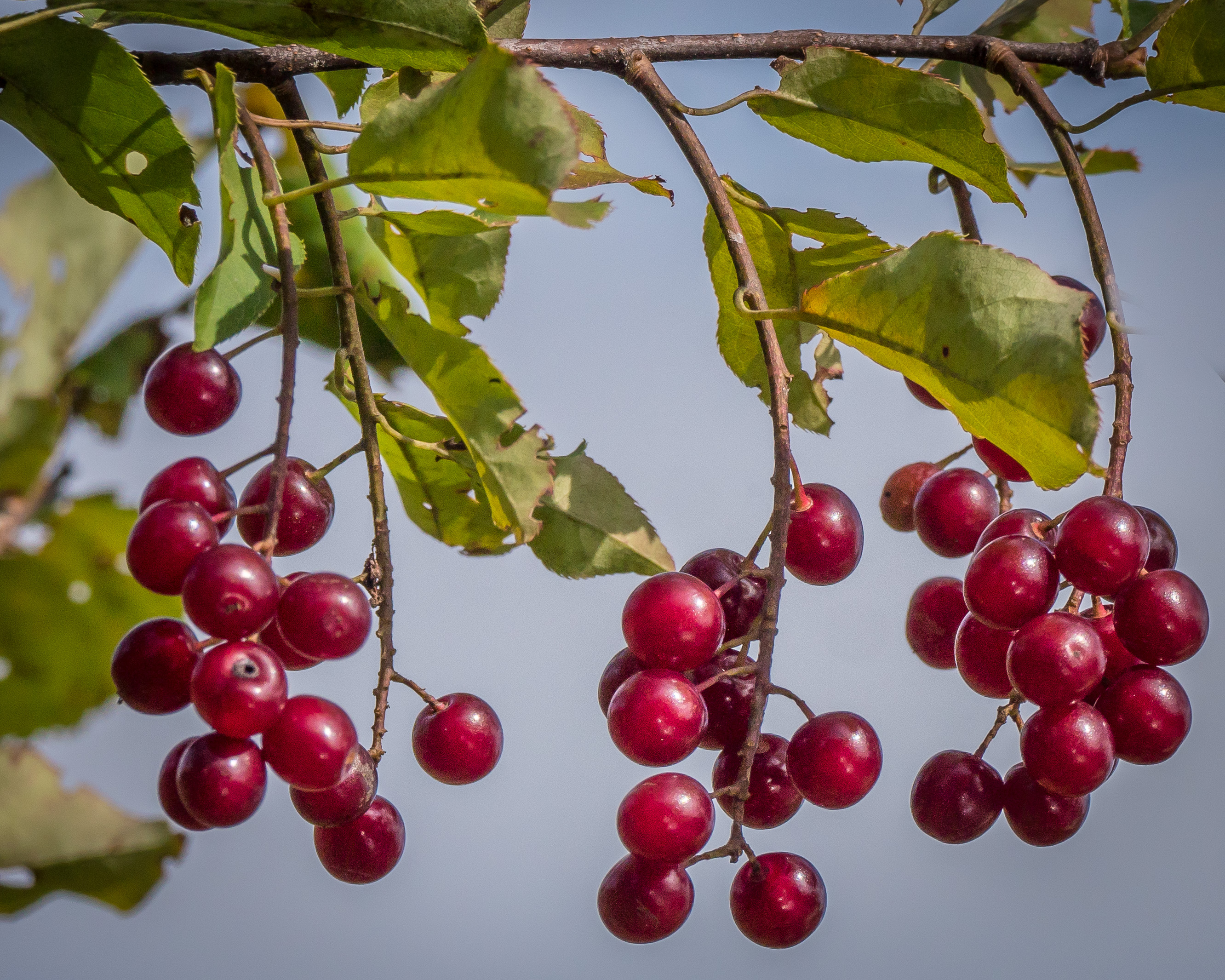
Chokecherries are ripening.  There is some evidence of bears foraging but most are deeper in the bush feasting on a good crop of berries…

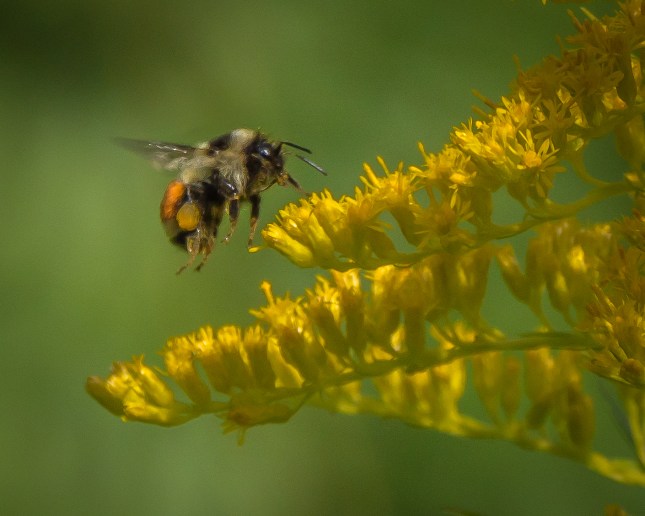
Orange-belted bumblebee visiting Goldenrod …
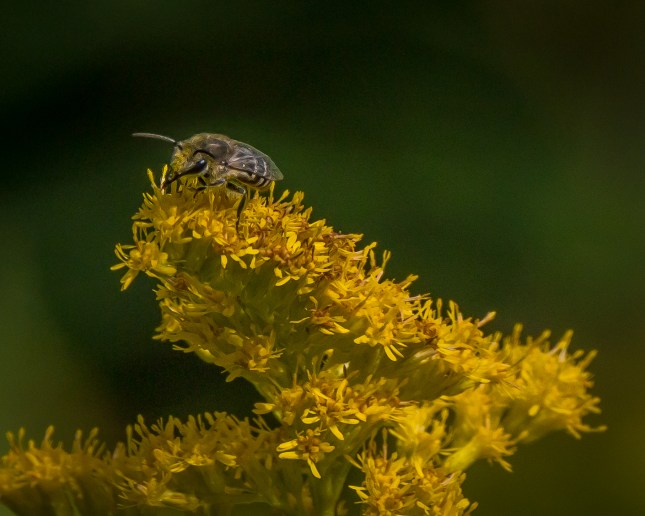
The long antennae indicate that this is a bee, probably one of The Solitary Bees.
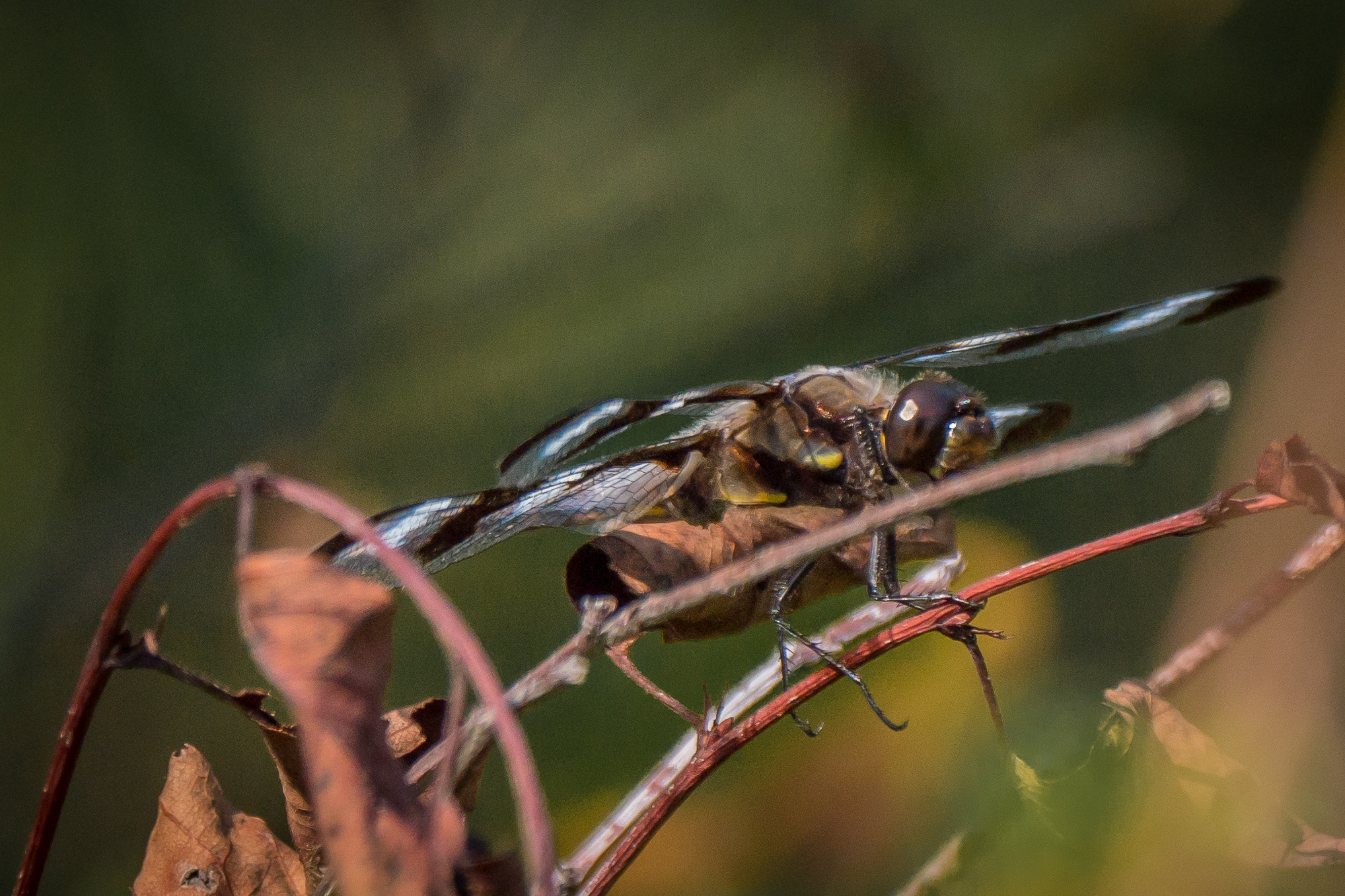
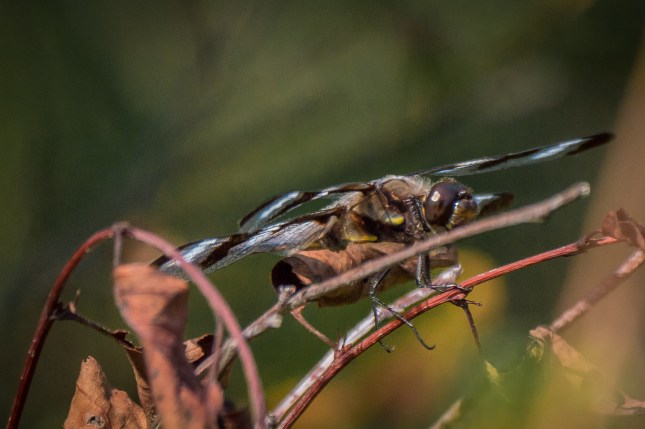
A male  Twelve – spotted Skimmer perched on a dogbane bush. See  Libellula
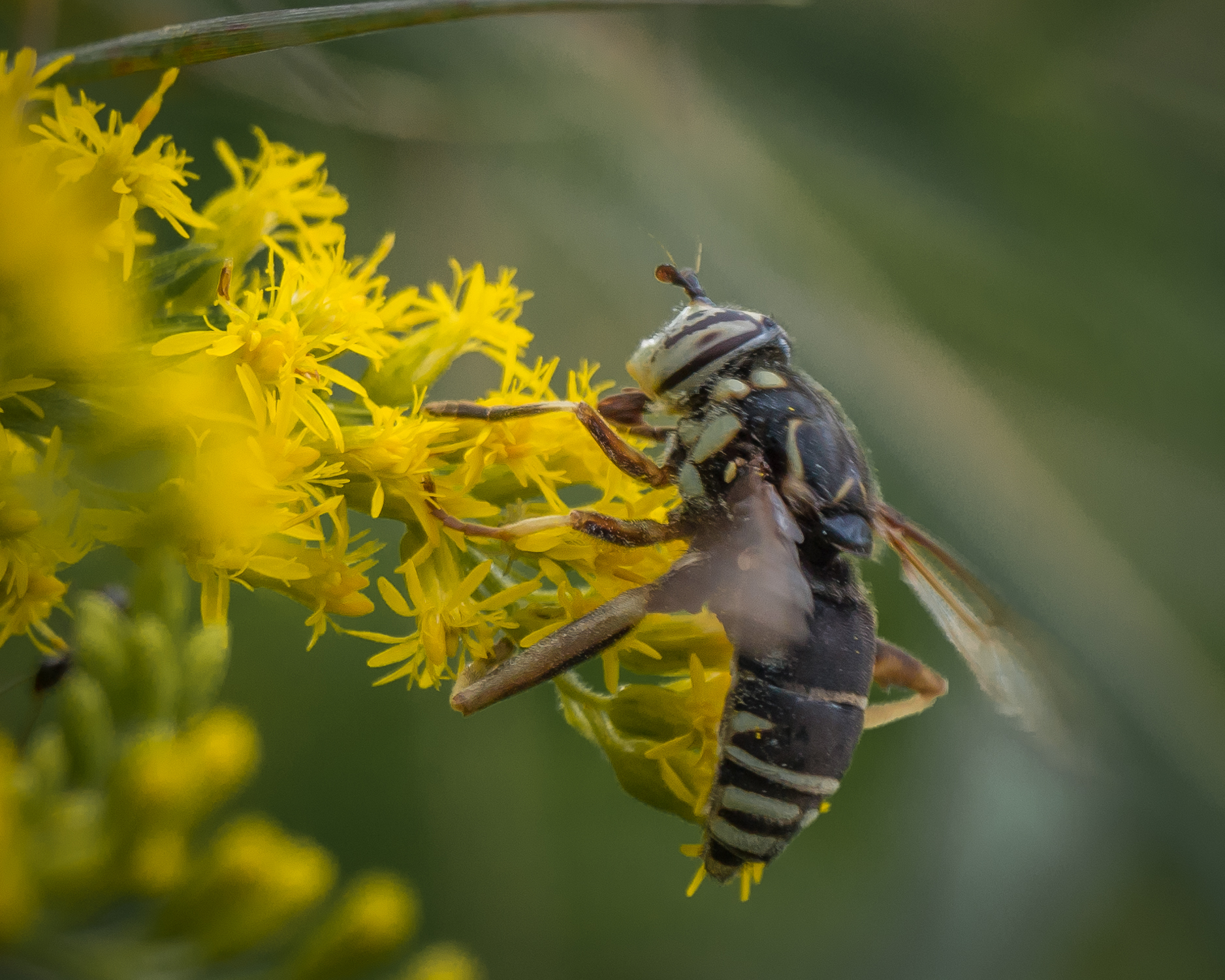
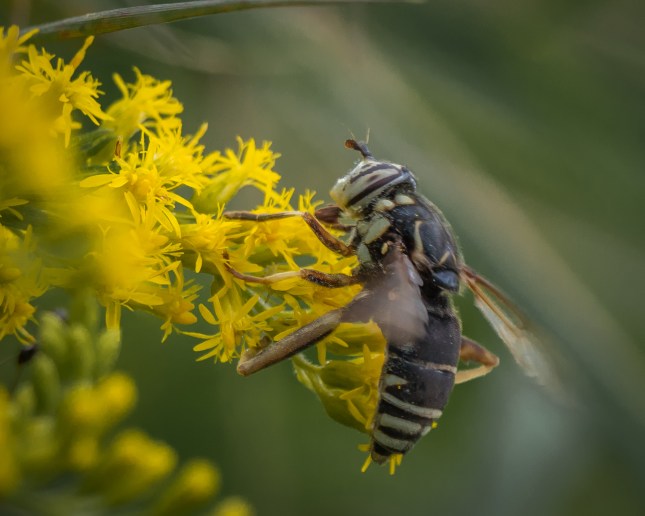
Short antennae indicates a hoverfly.  I have seen this one quite often, judging by its unique eye colouration:
Highbush cranberries are ready to be picked and processed into jelly.   That recipe writer refers to the wet running shoe stink of these cranberries.  It will linger in the kitchen for a while.

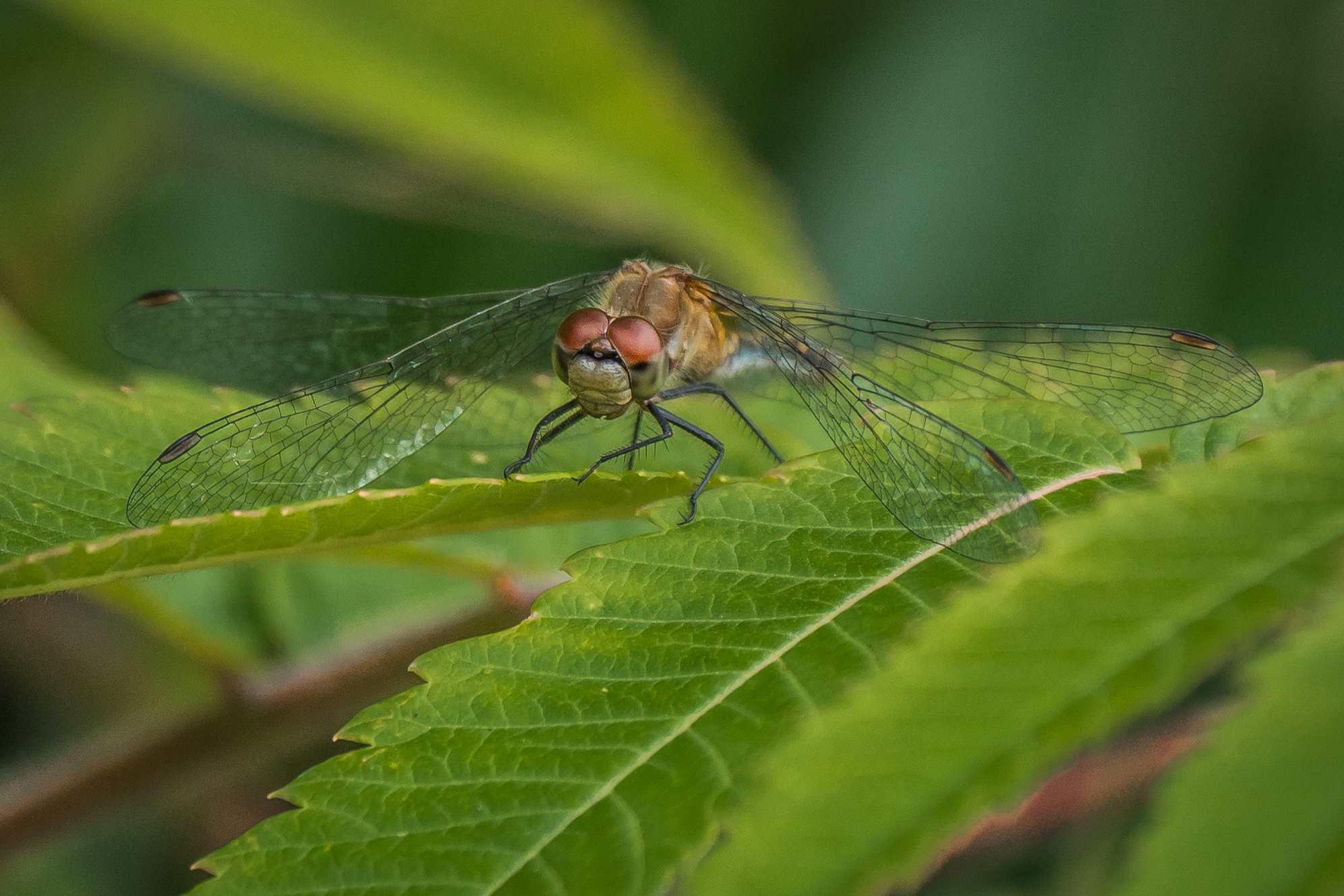
White-faced Meadowhawks are abundant these days.  These members of the Skimmer Family will be around for another month, depending on temperature.

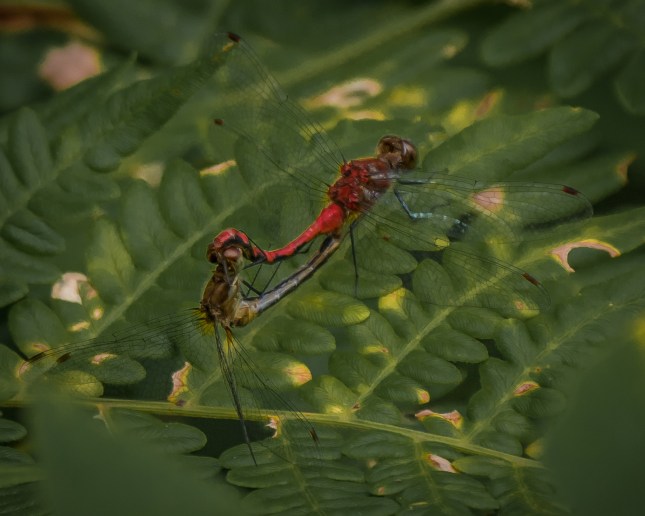
This “wheel position” is why Sympetrum obtrusum will be around for a while ….
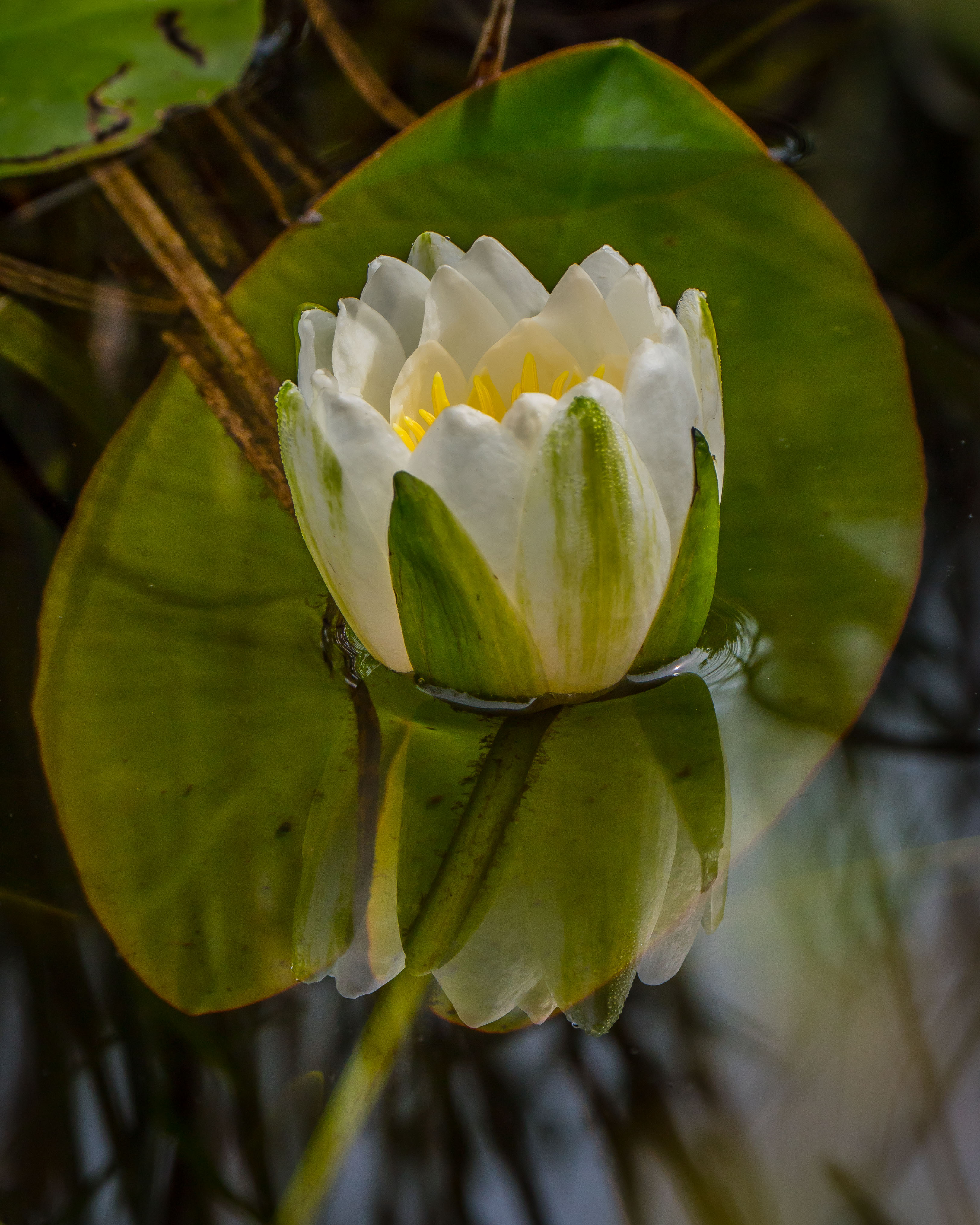
Here are a variety of views of Fragrant White Water Lilies ….

It seems that this might be an ambush spider of some sort on the fall aster.  It must be hunting for very small prey.
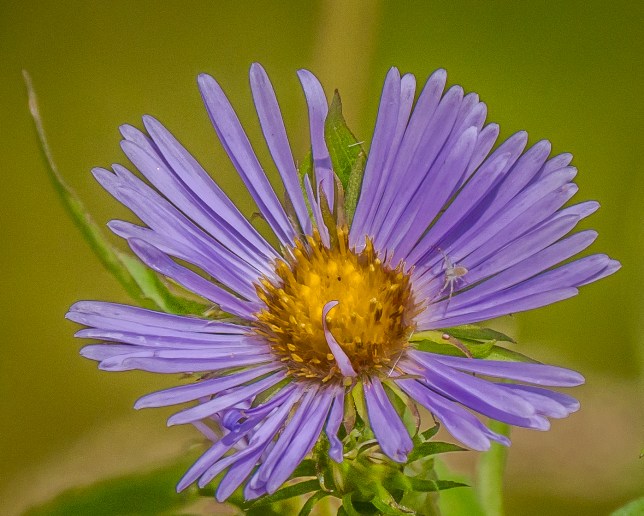
Pearly Everlasting are ready to be used as dried flowers for the winter ….

These Tamarack cones are all brown now, maturing by opening up their cones to release their seeds  over the next month or so.

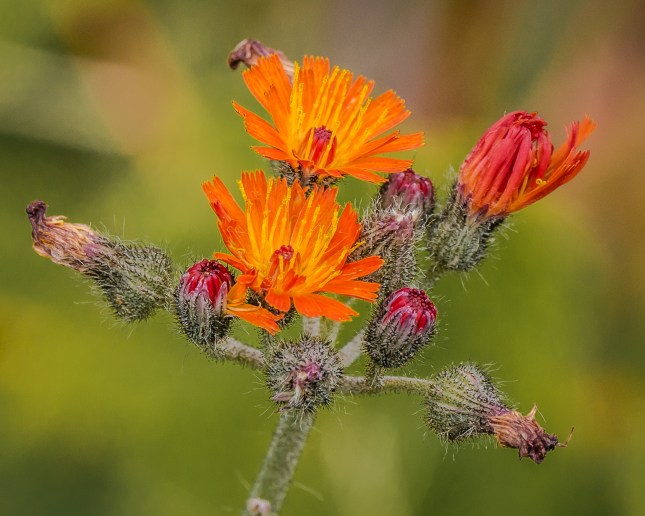
Brilliant Orange Hawkweed is still blooming ….
This White Admiral is in pristine shape, possibly a second generation?

Andrew passed on this Eclipse Megamovie … a timelapse of still shots made along the path of totality … mainly the sun’s corona but some showing Baily’s Beads and the Diamond Ring

*  Here is a very approximate estimate of the position of moon when the early sun photo was made.  Both the sun and moon are moving with respect to the observer.  Their changing positions are affected equally by the spin of the earth.
If Earth stood still, Moon would appear to be moving around Earth at 360º/month or 360º/30 days or 12º/day or 3º/6 hr  (Actually the Sidereal Month is  a bit shorter than 30 days (~27.3 days) so Moon will be moving a  little faster than 3º/6 hr.
So in that early morning photo Moon is about 3º or about 6 Sun diameters to the right of Sun  — about half ways to the right hand edge of the photo.   Right, Andrew?

EDIT

Actually Moon was about 6 Sun diameters up about 45º to the right (or more precisely at our co-latitude ( ~44.2º) with respect to the horizontal) when the early morning Sun was photographed through the haze.  Both Moon and Sun follow a path across the sky which is inclined depending on our Latitude.  If we were at the equator the sun would rise vertically in the east and set vertically in the west giving short lasting sunrises and sunsets.  For observers at the poles the sun makes a circle around the pole parallel to the horizon —- when the sun is visible.

ANOTHER EDIT

Andrew sent along this image which shows the position of Moon at the time that the first image of Sun was made.  He used “Starry Night Pro” to make the image.

moon position

Save

Save

Save

20170817 A trip to Yesterday’s Resort

After lunch at the French River Inn we took Hwy 607A to Yesterday’s Resort, built in 1923 as a CPR executive retreat.  It was opened to the public as a fishing and “recovery” resort.  It has hosted King George VI and Queen Elizabeth and many other celebrities including Marilyn Monroe and Clark Gable.  Up to 150 guests can be accommodated in a variety of buildings, mainly 2 bedroom cottages.   No, this is not a marketing blurb since it appears to be unused.  Most of the buildings are in disrepair with trees growing through the tennis court.  I decided not to make any photographs there since I didn’t want to record such an apparent loss.

Instead here are some flora and little critters we saw along the roadway …

A fly mimicking a bee on Tansy …

Roadside Fragrant White Water Lily …

One of the many Fall Asters in full bloom …

This Orange-belted Bumble Bee is foraging for nectar and pollen.  (Pollen sac on leg.)

This insect is nectaring on a White Spirea:

Drop of water on leaf of a Spotted Touch-me-not.

A lot of White Admirals are around these days.   Although this on is quite worn, perhaps a second brood has metamorphosed.

It spent several minutes collecting nectar from a fresh Joe Pye Weed blossom.

Syrphid fly on Evening Primrose …

A nice picture of a Queen Anne’s Lace.  Click on the image to get an enlarged version.

Staghorn Sumac fruit … also worth enlarging…

Syrphid on Goldenrod …

This long legged spider was moving around in a bunch of Goldenrods …

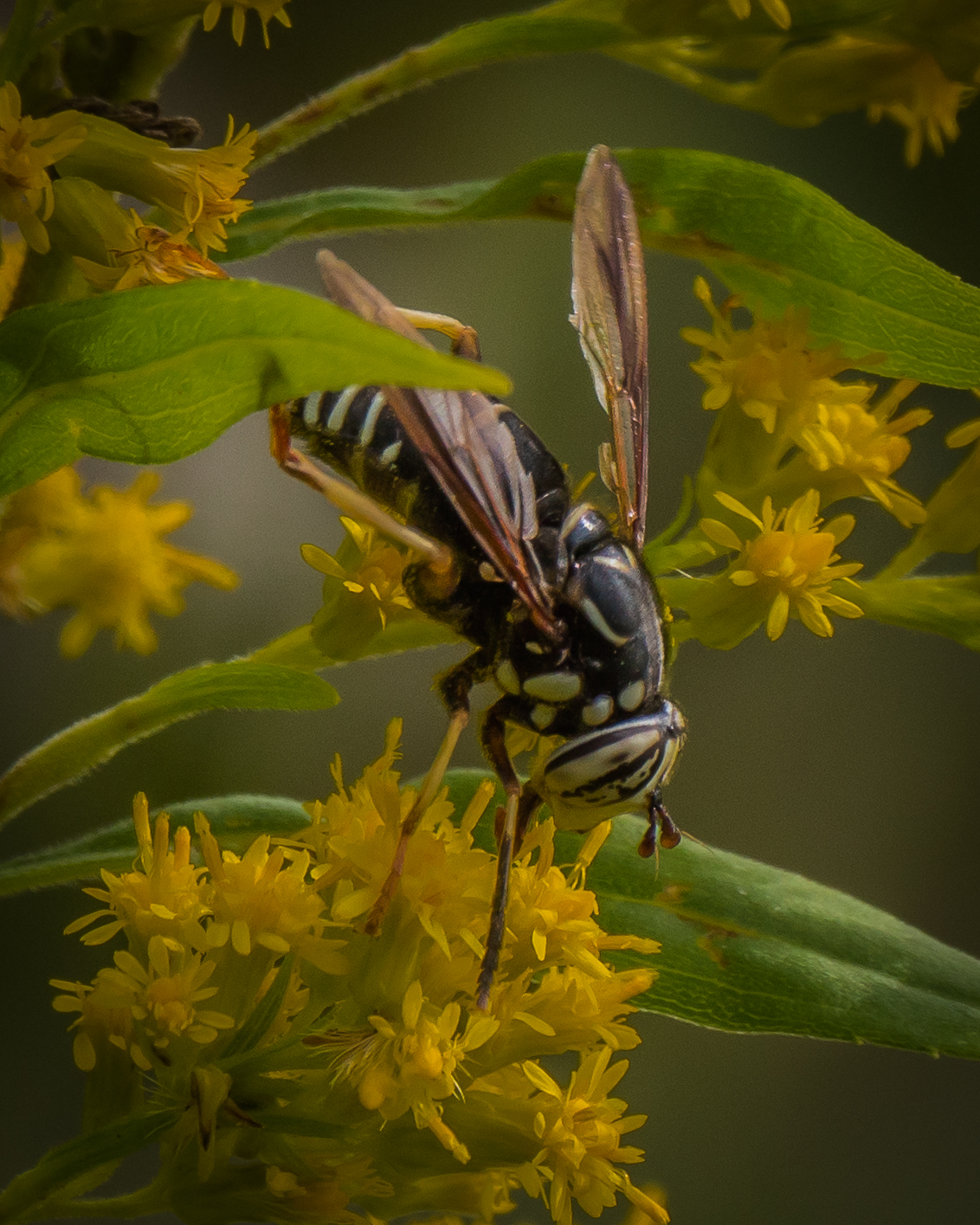
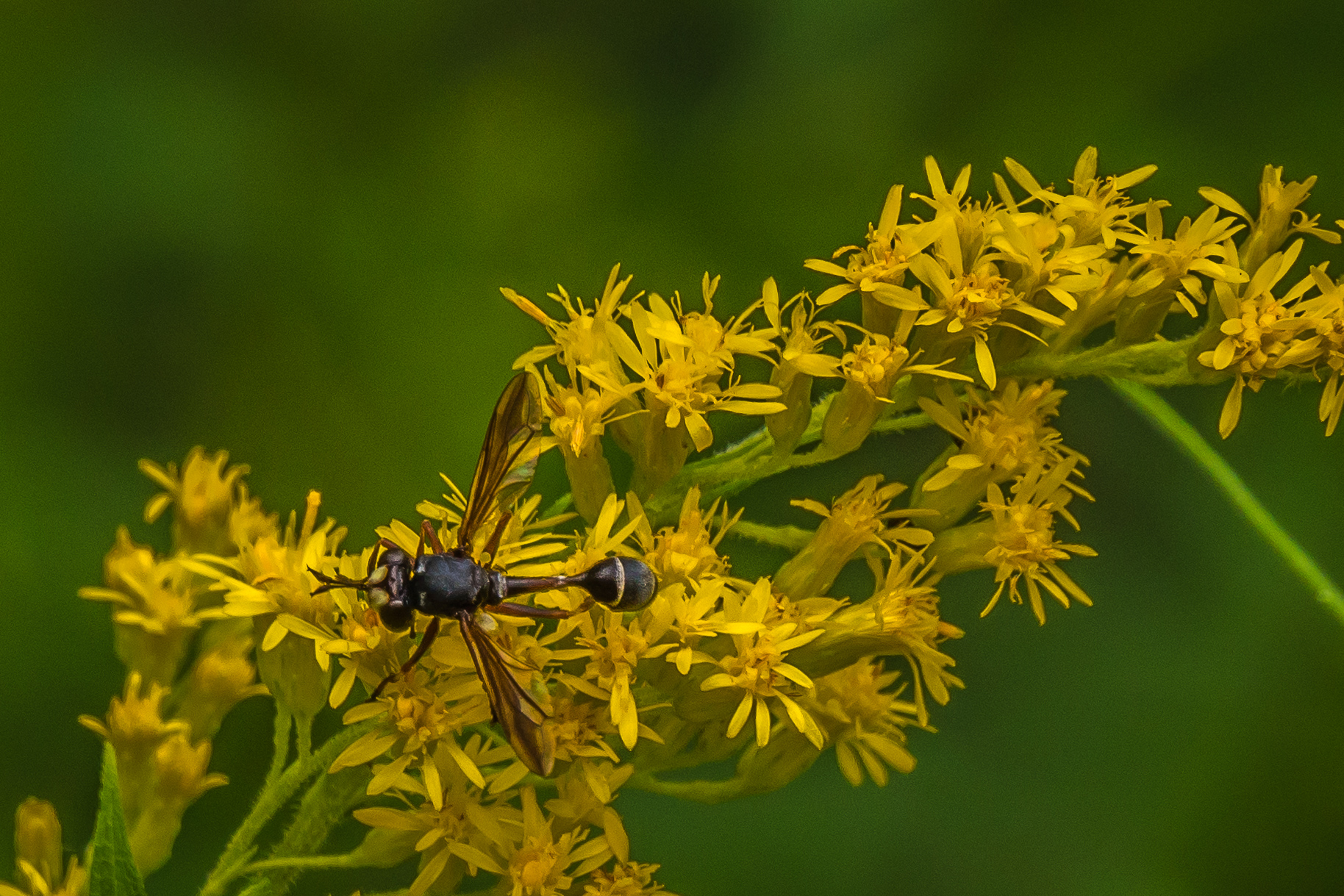
Another wasp, I think.   Look at that strange antenna!   (Up close)

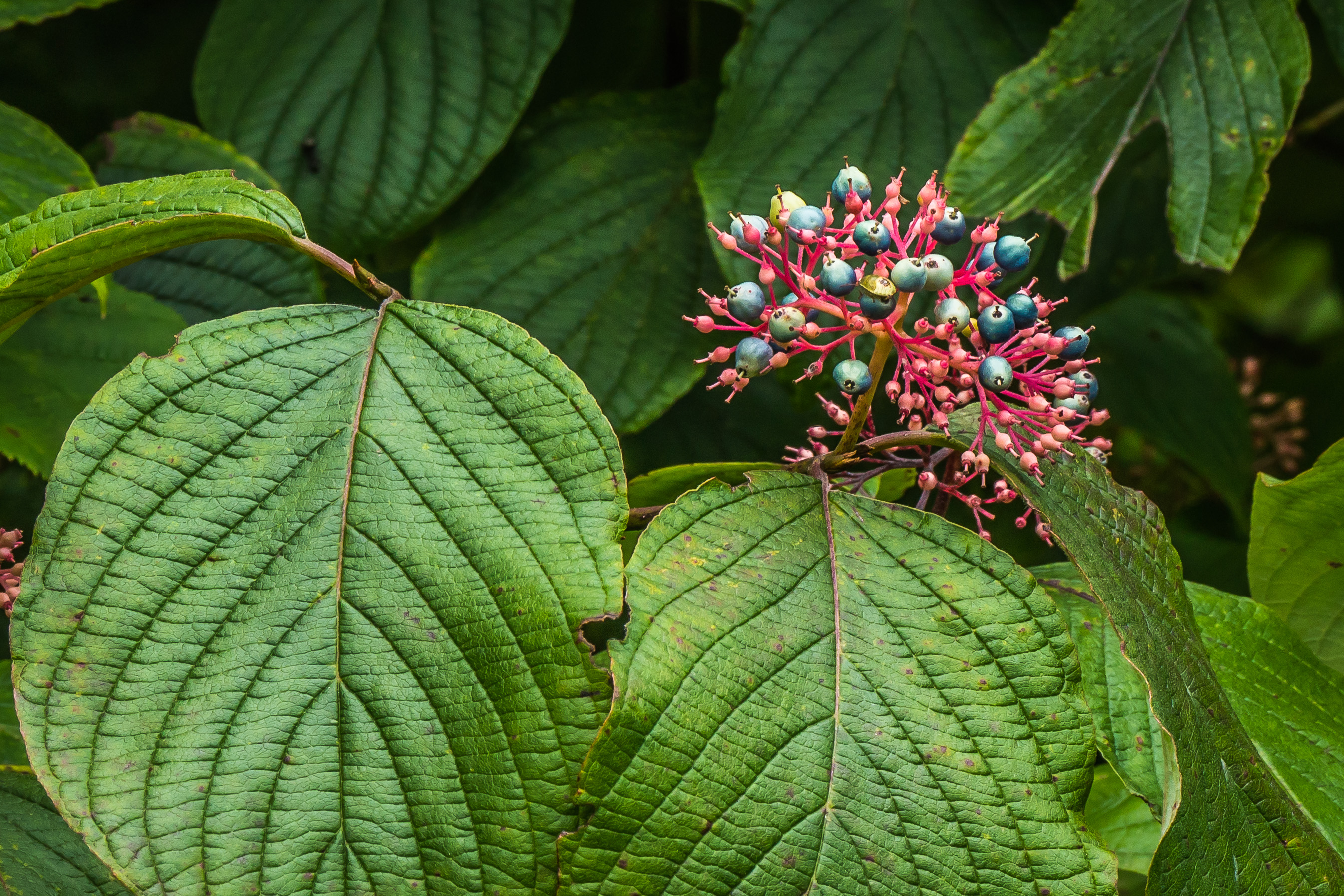
This Red Osier Dogwood has blue berries instead of the typical white —— perhaps indicating a cultivar?

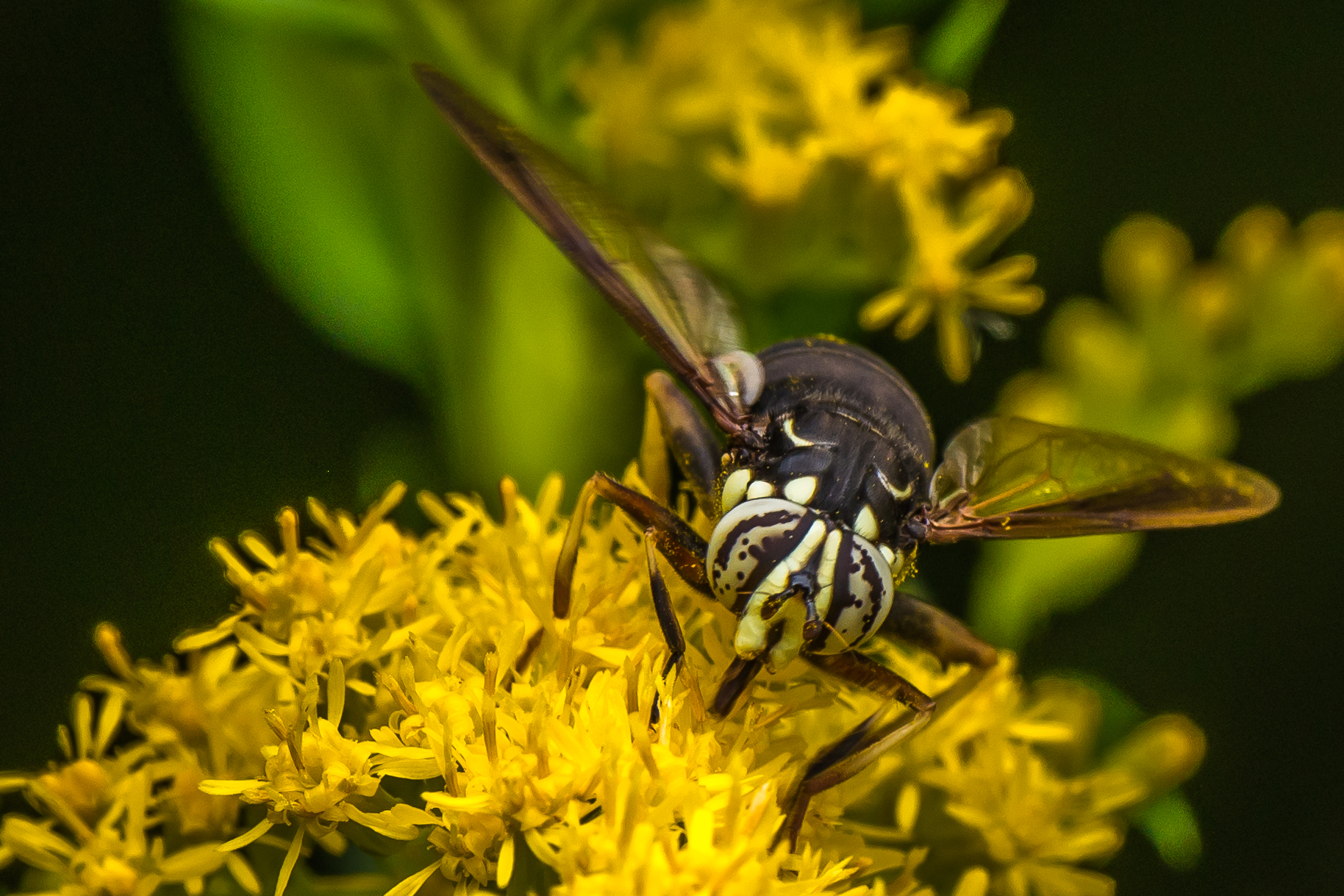
Look at the eyes of this spectacular Hover Fly (I think!).

Syrphid approaching a Fall Aster…

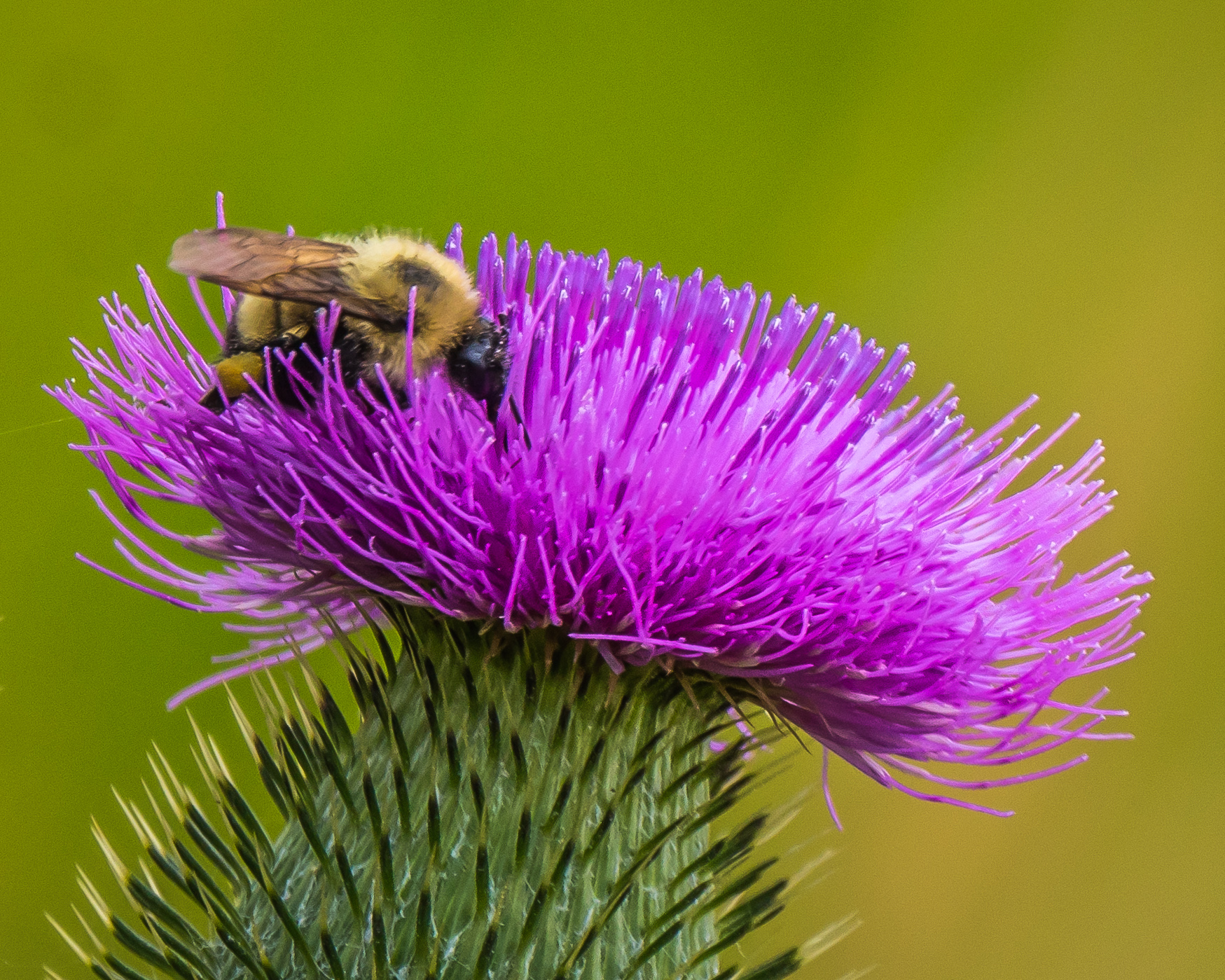
Another bumble bee foraging on a thistle … pollen sac on rear leg.

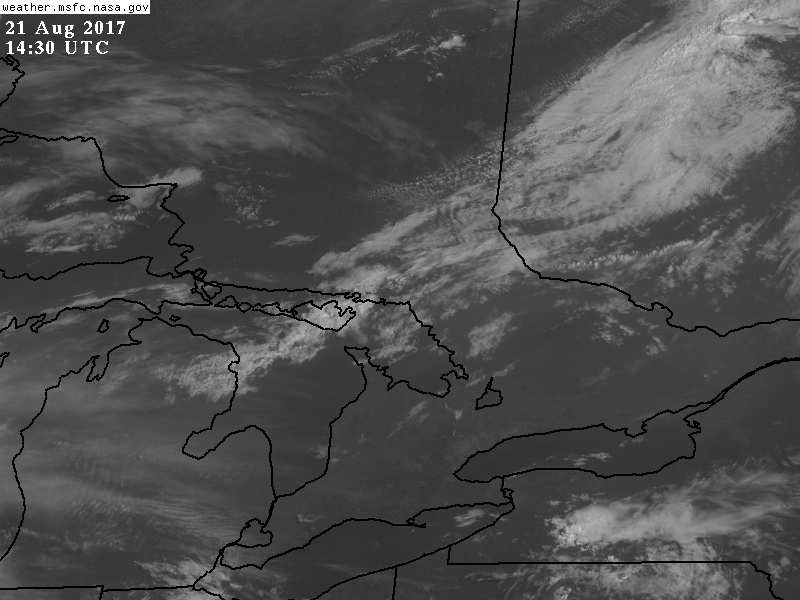
We are experiencing some high cloud a couple of hours before the eclipse on August 21.

So our eclipse might be photograph-able later today.   We’ll see.

20170815 Skerryvore Community Road scenes

On the way back from Parry Sound we stopped at Norse Brewery at Wood’s Road.   A good excuse to detour to Skerryvore Road for some scenes.  Here is some of what we saw…

Looking into the sun…

Looking down-sun:

This looks like a Soldier Beetle on a Boneset flower.   Common Boneset, judging by the leaves clasping the main stem.

Soldier Beetles mating.   These look like Goldenrod Soldier Beetles, who are also known as Pennsylvania Leather Beetles.

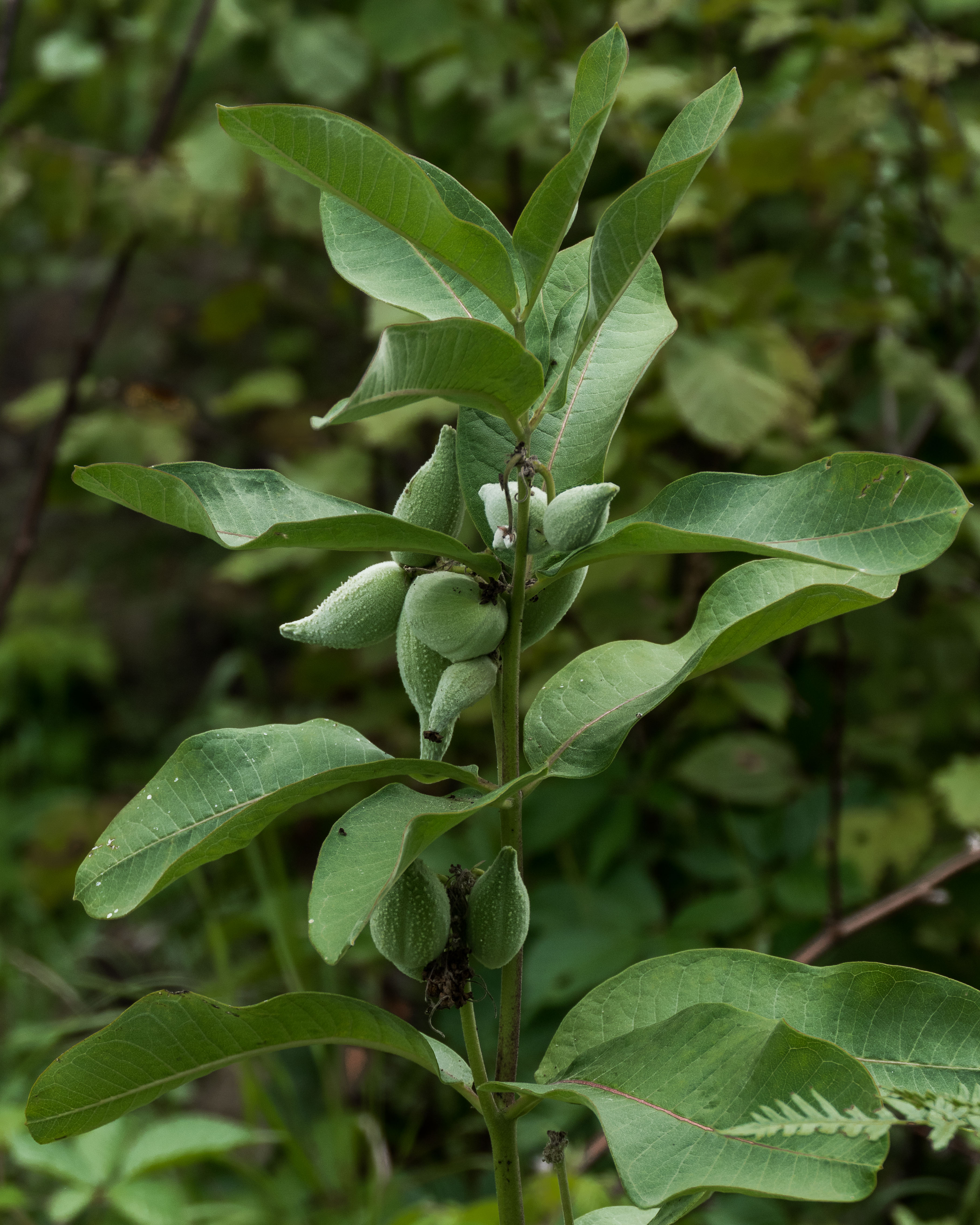
Milkweed pods are almost full size … ready to finish the maturing process.


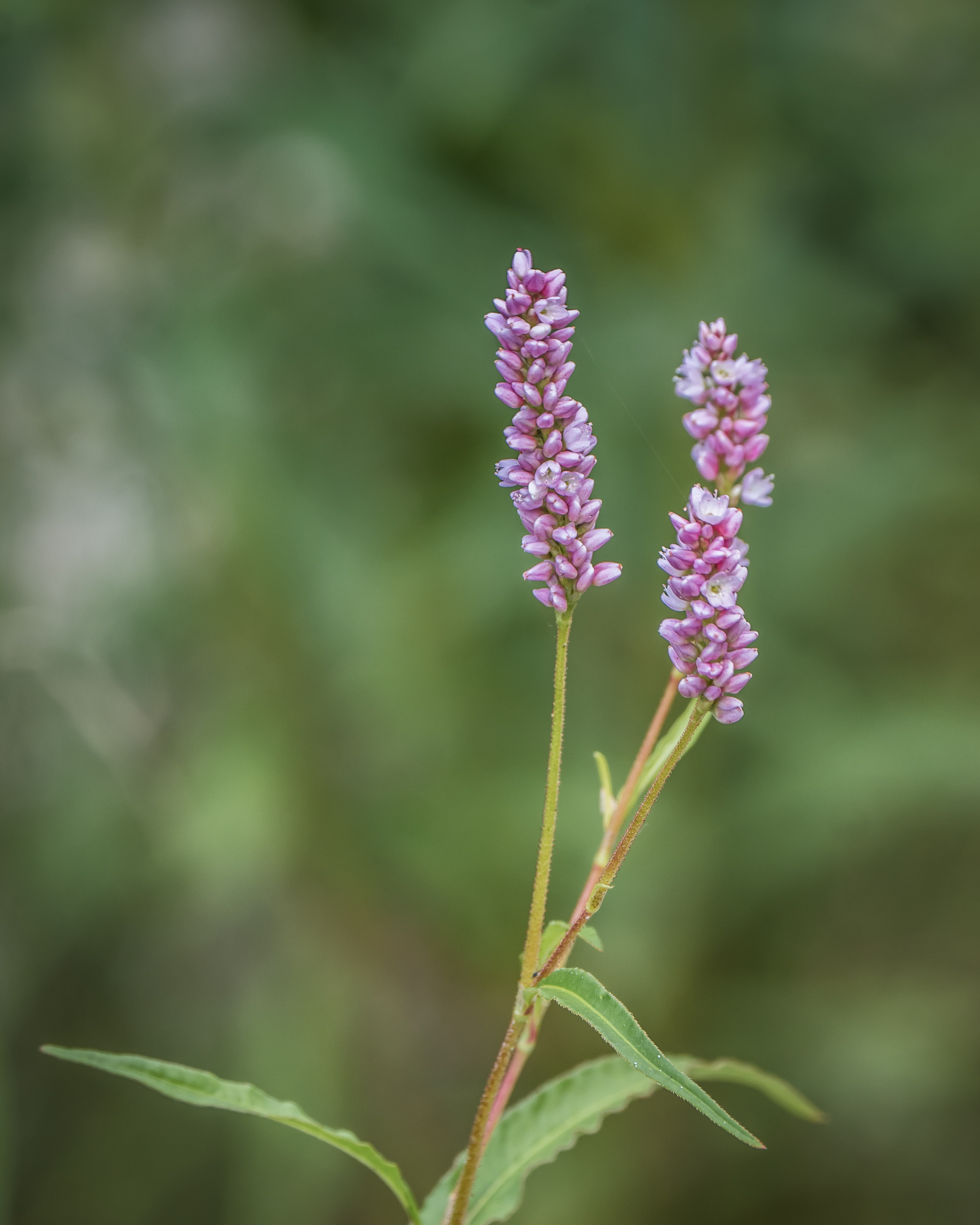
Terrestial Swamp Smartweed:

Bombus ternarius nectaring on Common Boneset …

The Cornell Lab has reviewed a new report describing the challenges facing migratory forest birds.  Check out the review here:

https://www.allaboutbirds.org/climate-change-or-habitat-loss-new-study-weighs-future-priorities-for-conserving-forest-migrants/?


20170815 Dragonflies, Berries, Blooms and a Hawk

After a short visit to Grundy Lake Provincial Park we saw these scenes on Hwy 522…

A White-faced Meadowhawk resting on a fern frond…

Pearly Everlasting are ready be picked for winter dried flower arrangements.

The long contact between the eyes indicates that this is a Darner.    The question is: which one?  This interesting website gets into that detail… at  “A Useful Field Mark For Darners: The Dorsal Stripe On Abdominal Segment 2”.  Neat stuff.

Close up of contact between the eyes and the nature of the pattern on the abdomen just aft of the thorax…

Close -up of abdomen, including clasper….

Close-up of wing venation

So I think that the above Dragonfly is a Variable Darner.


Blackberries are ripening.   A good crop this year.

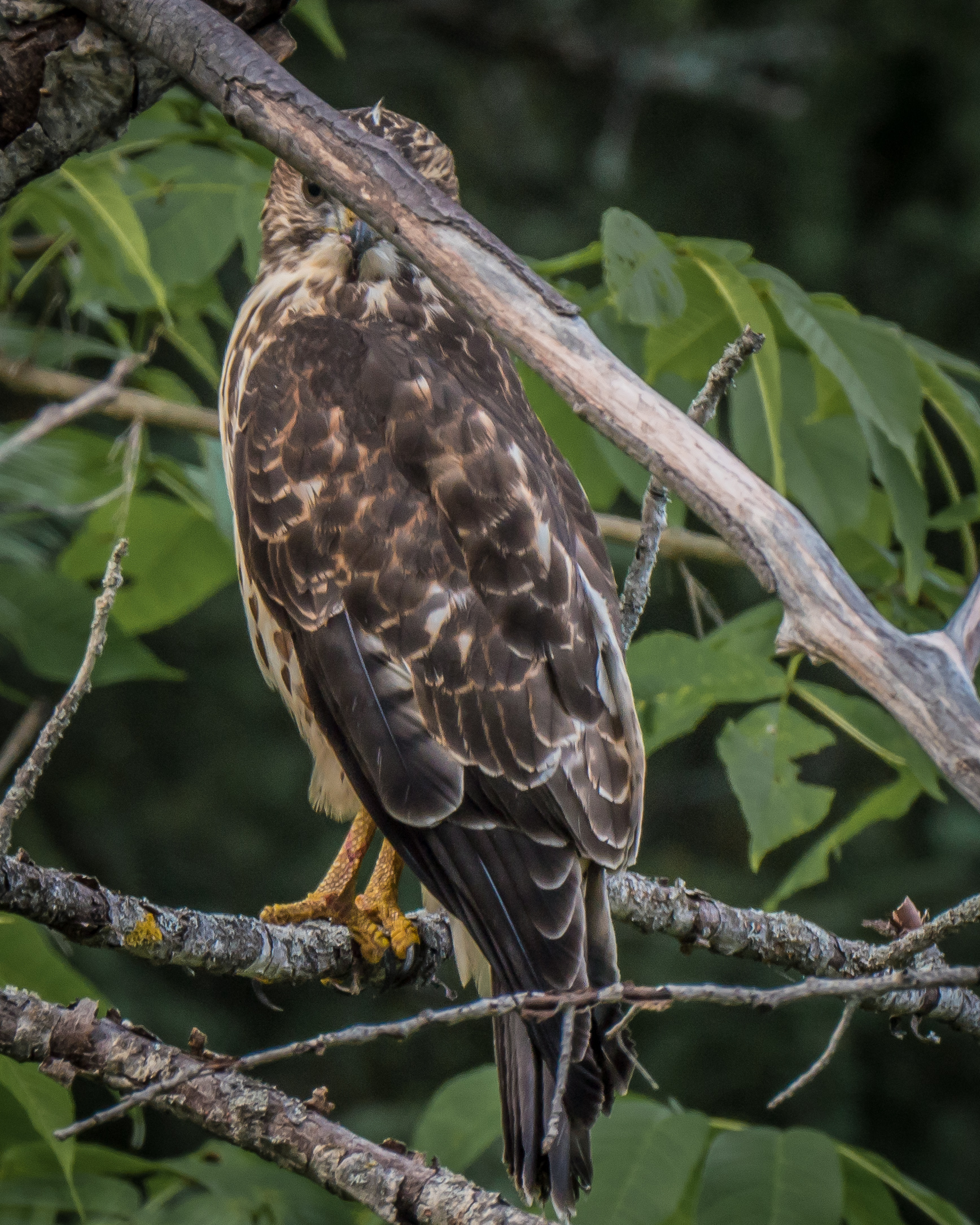
This hawk flew up from the roadside and played “peek-a-boo” with the photographer.

Careful maneuvering of the “mobile blind” led to these shots.  Click on the images to get closer…

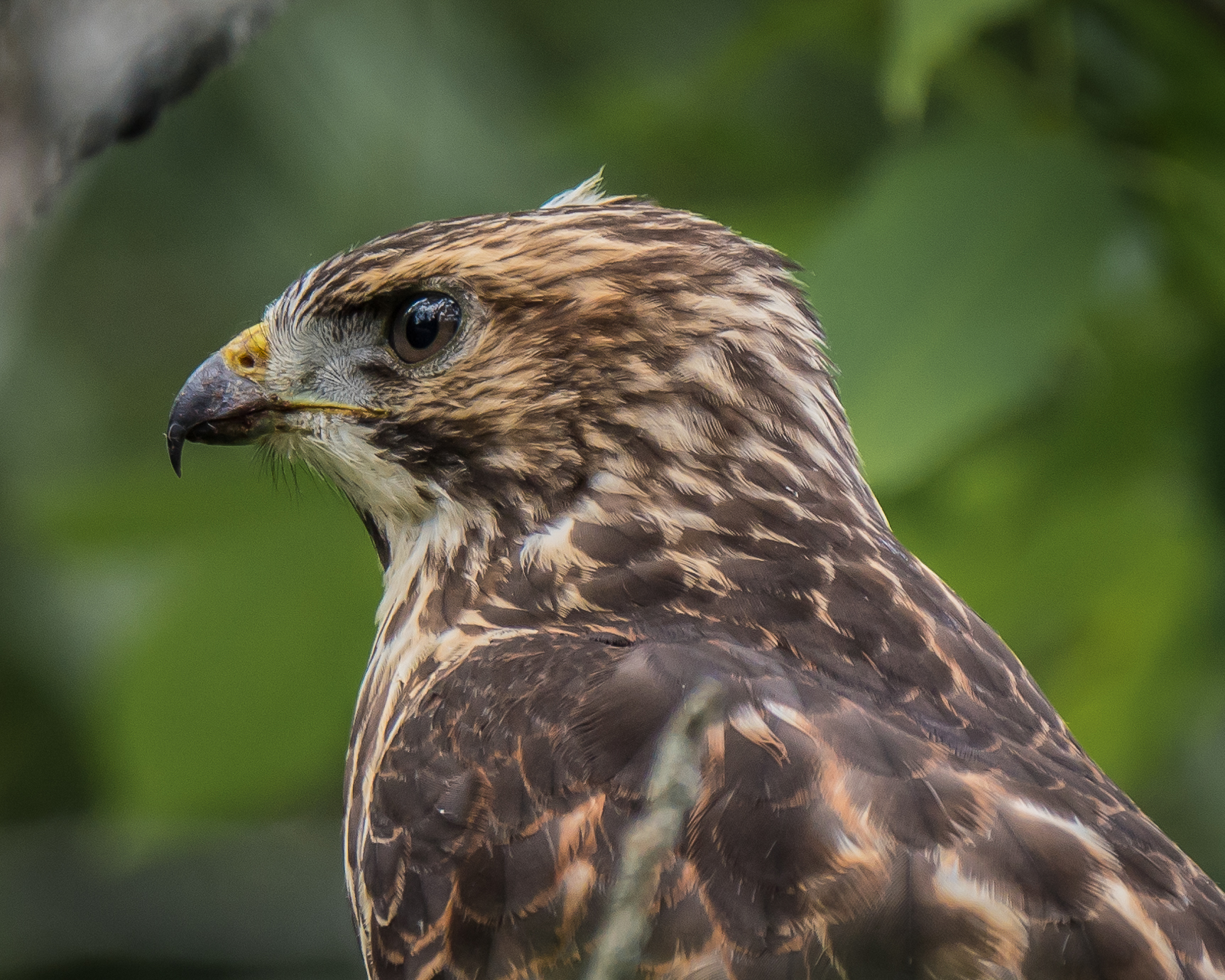
A final profile portrait ..   Click and expand the photo to get a clear picture of the reflections in that sharp eye….

Broad-winged HawkAudubon B-w H.

It could be a Coopers Hawk, or even a Red Tail.

Lots to learn, eh?


Save

Save
20170814 Reposting of 20150814 Trip to Moose Lake via Hwy 529 …. some bugs and blossoms

This post was entered as a “Page” in error back in August 2015!   Now, in August 2017 I am moving it back into the blog two years after it was photographed and written.

That will leave “Pages” ( Home, About, Gallery, Making Pictures, & others to come later) up in the title block as ongoing references.

Here is the original August 2015 posting.  Not much has changed.  Moose Lake still serves very good ice-cream.

We saw a lot of late summer activity.  Here are the highlights.

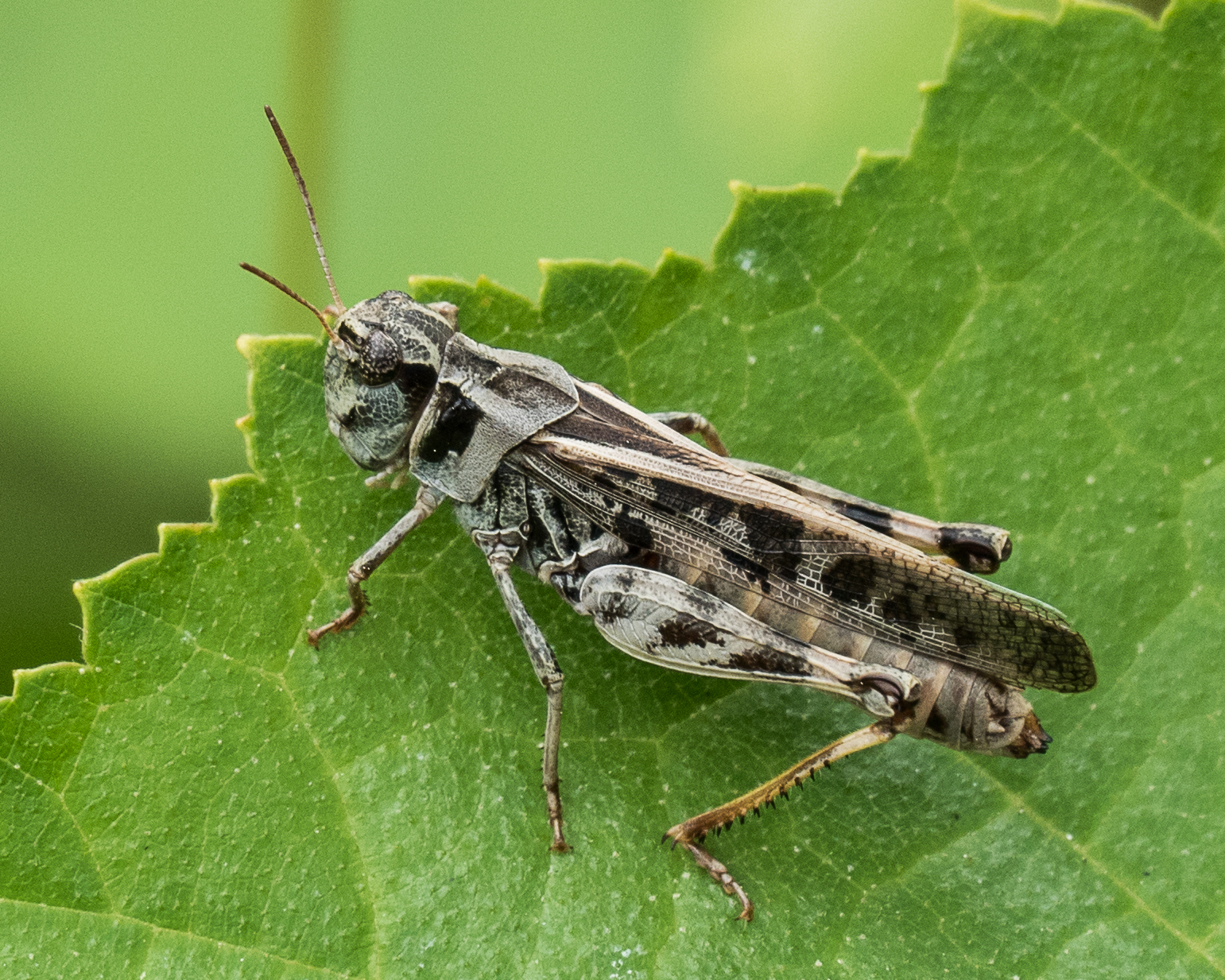
This grasshopper’s flight resembles a high speed butterfly.  Study grasshoppers.

P1660270-1

Keeping track of the photographer…

P1660294-1

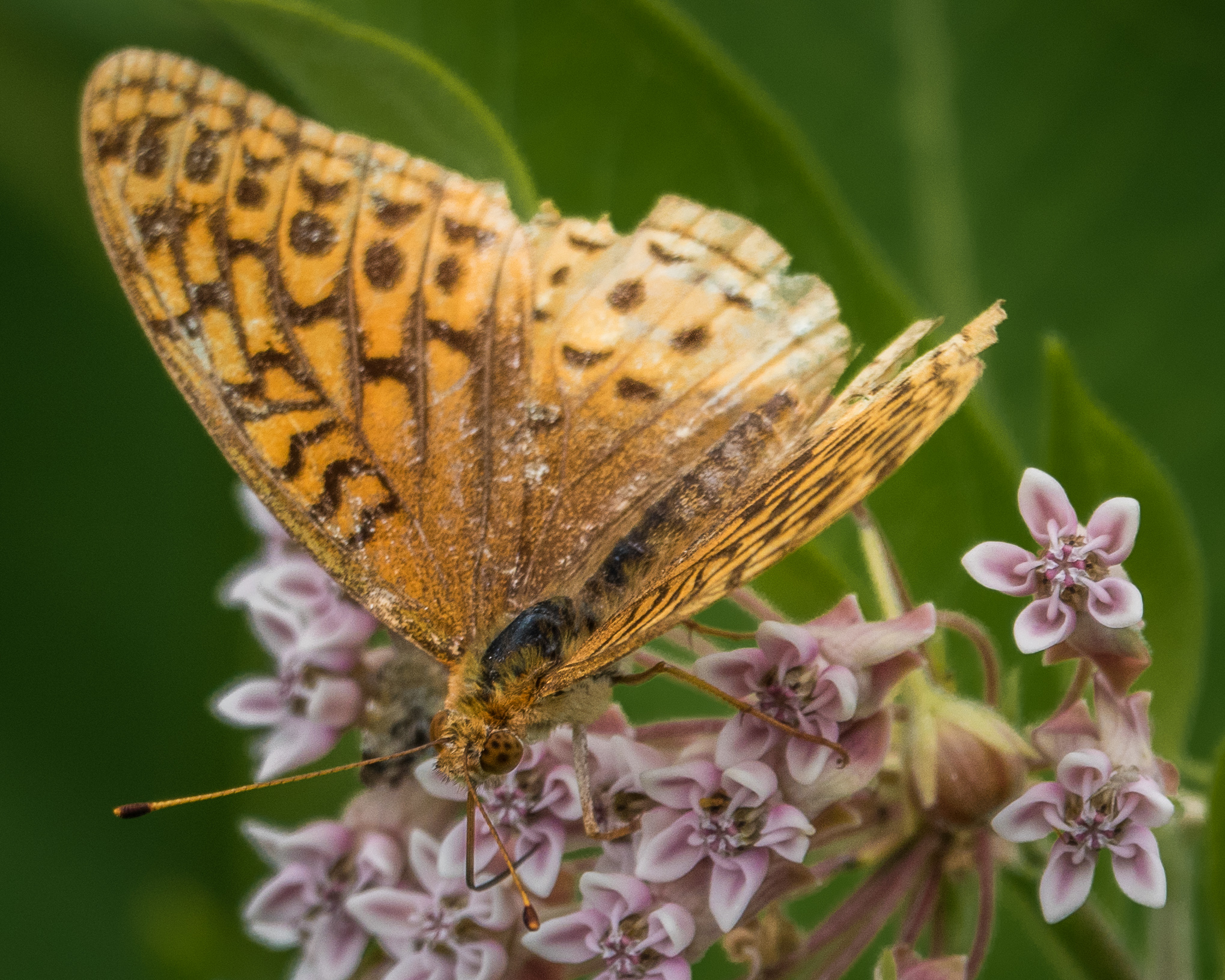
Last of the milkweed blossoms attracting bees and butterflies in need of nectar …

P1660276-1

P1660306-1 P1660322-1

Pods are forming quickly ..

P1660348-1

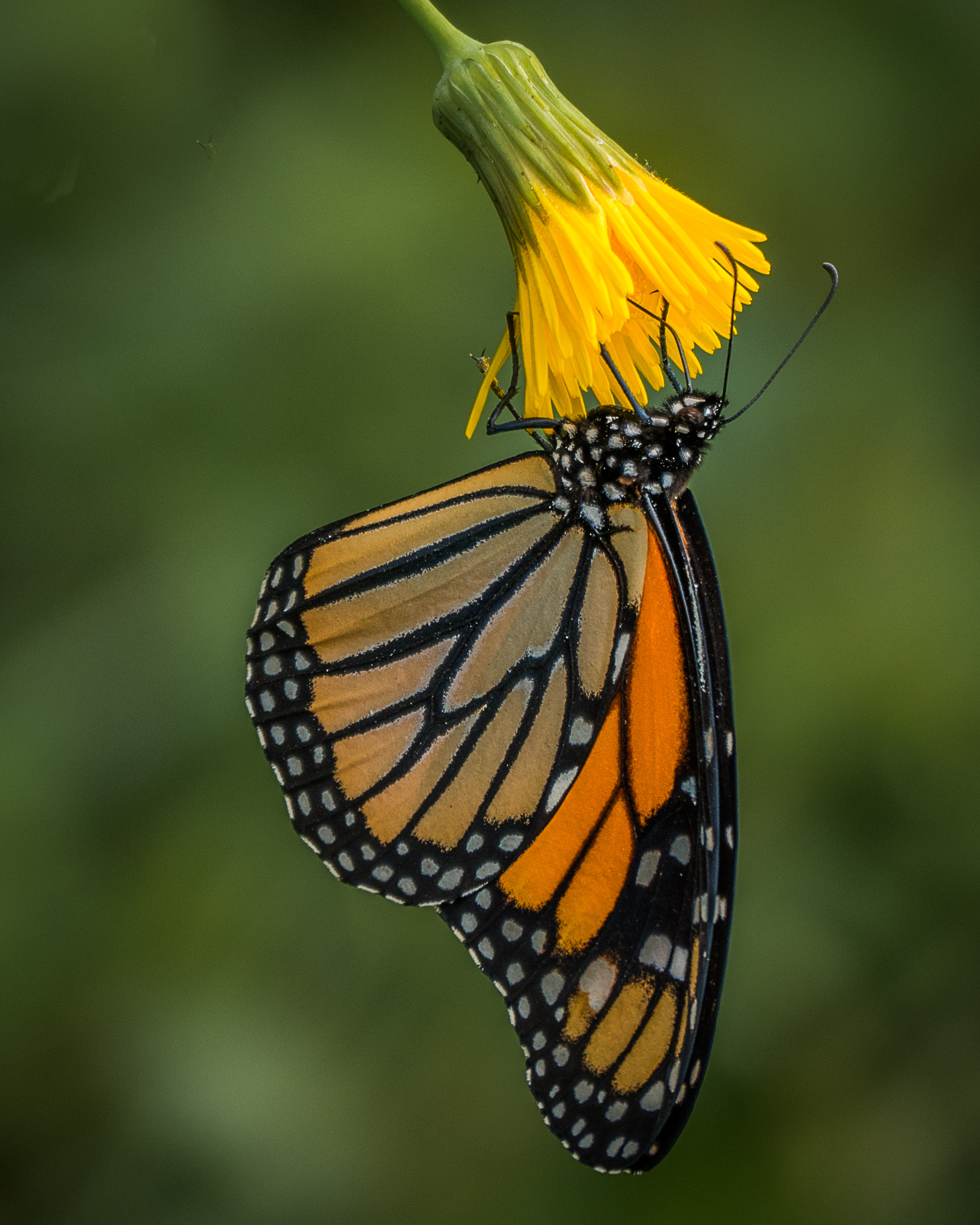
Yet another nectar source for the last of the Monarchs.

P1660363-1 P1660372-1

Jewelweed is a well known soother for poison ivy.

P1660402-1

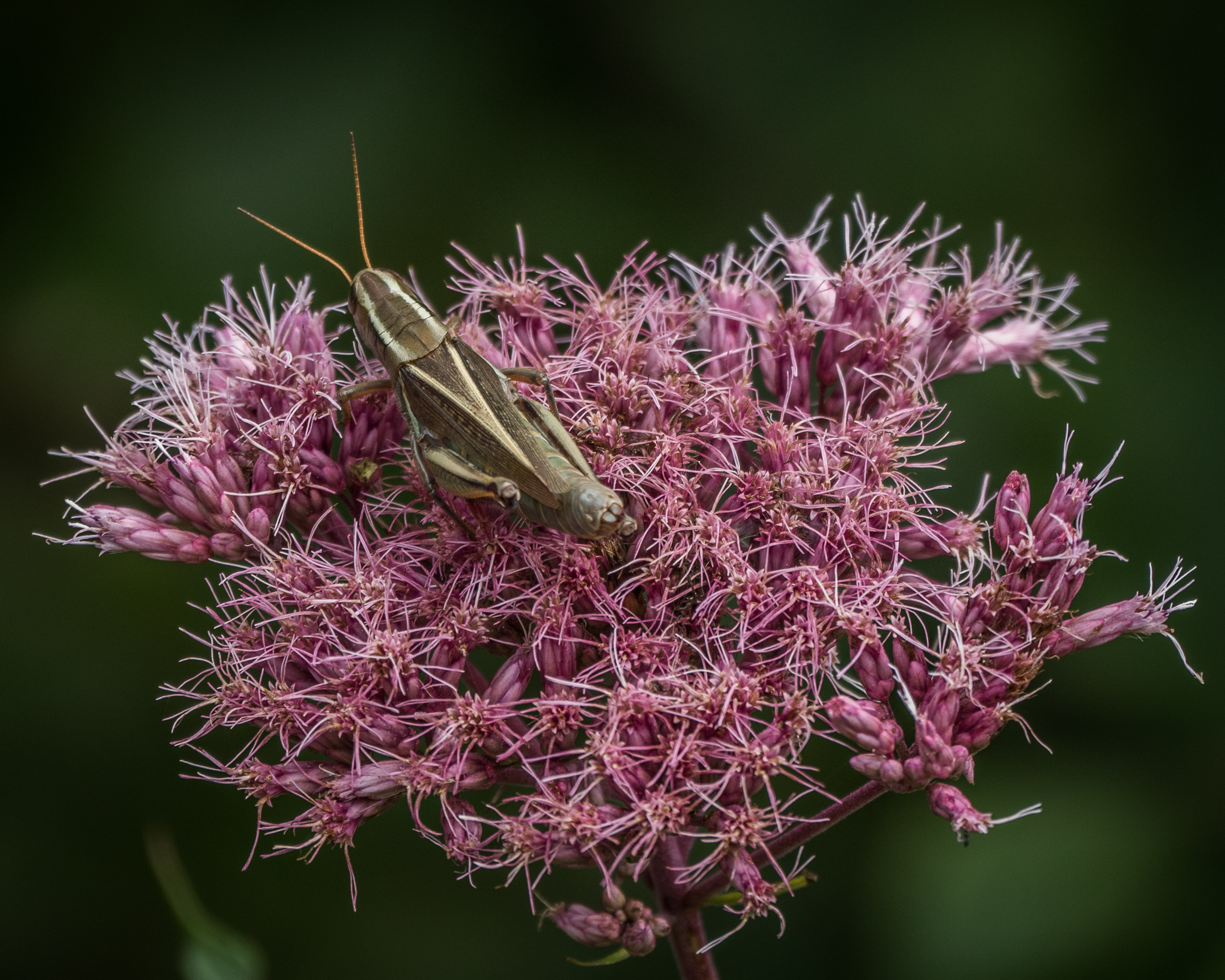
Joe Pye Weed flower head is an uncommon place for a grasshopper.

P1660409-1

Joe Pye Weed just starting to bloom….

P1660470-1

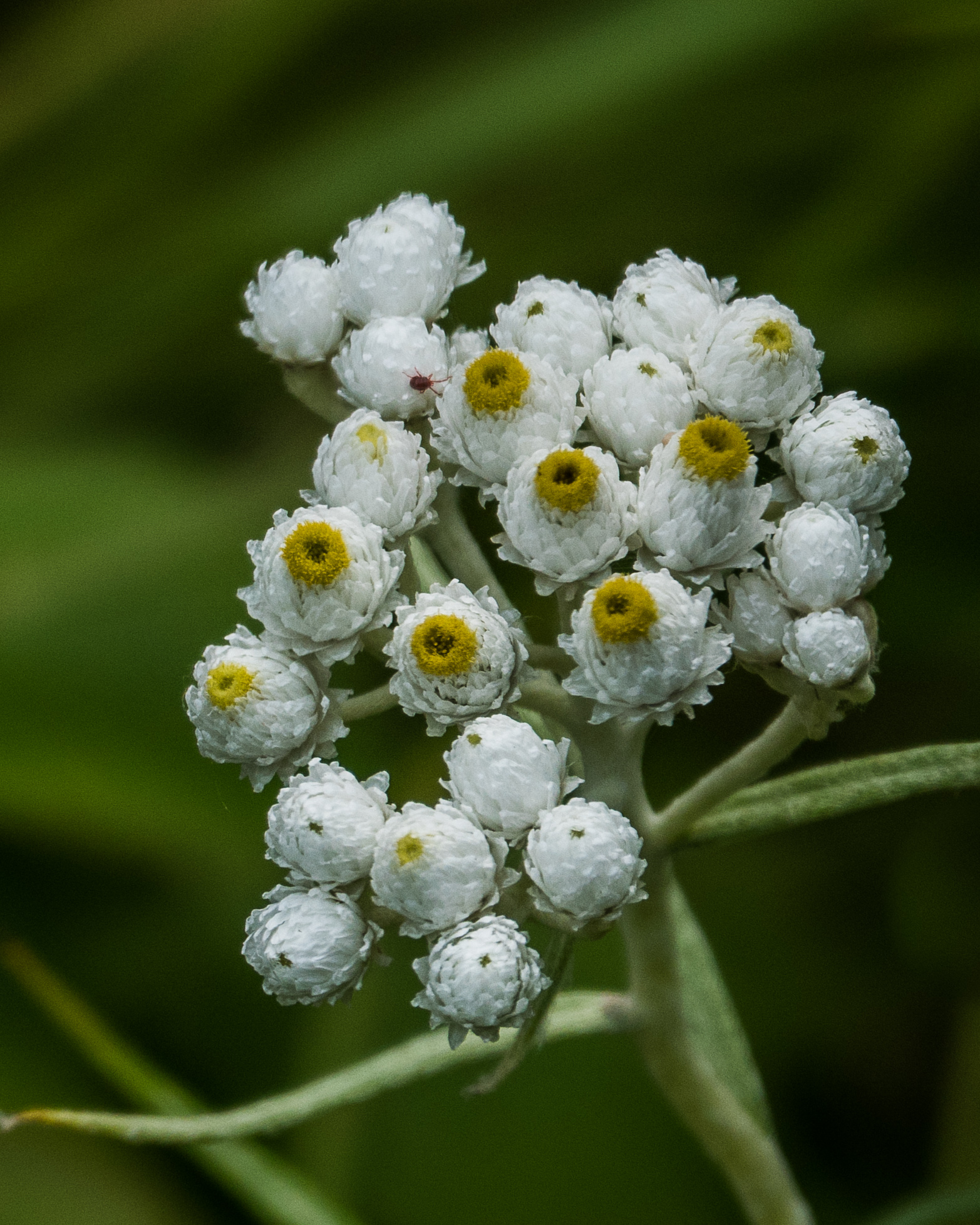
On of my favorite summer (and winter indoor) flowers …  Pearly everlasting.

P1660433-1 P1660444-1

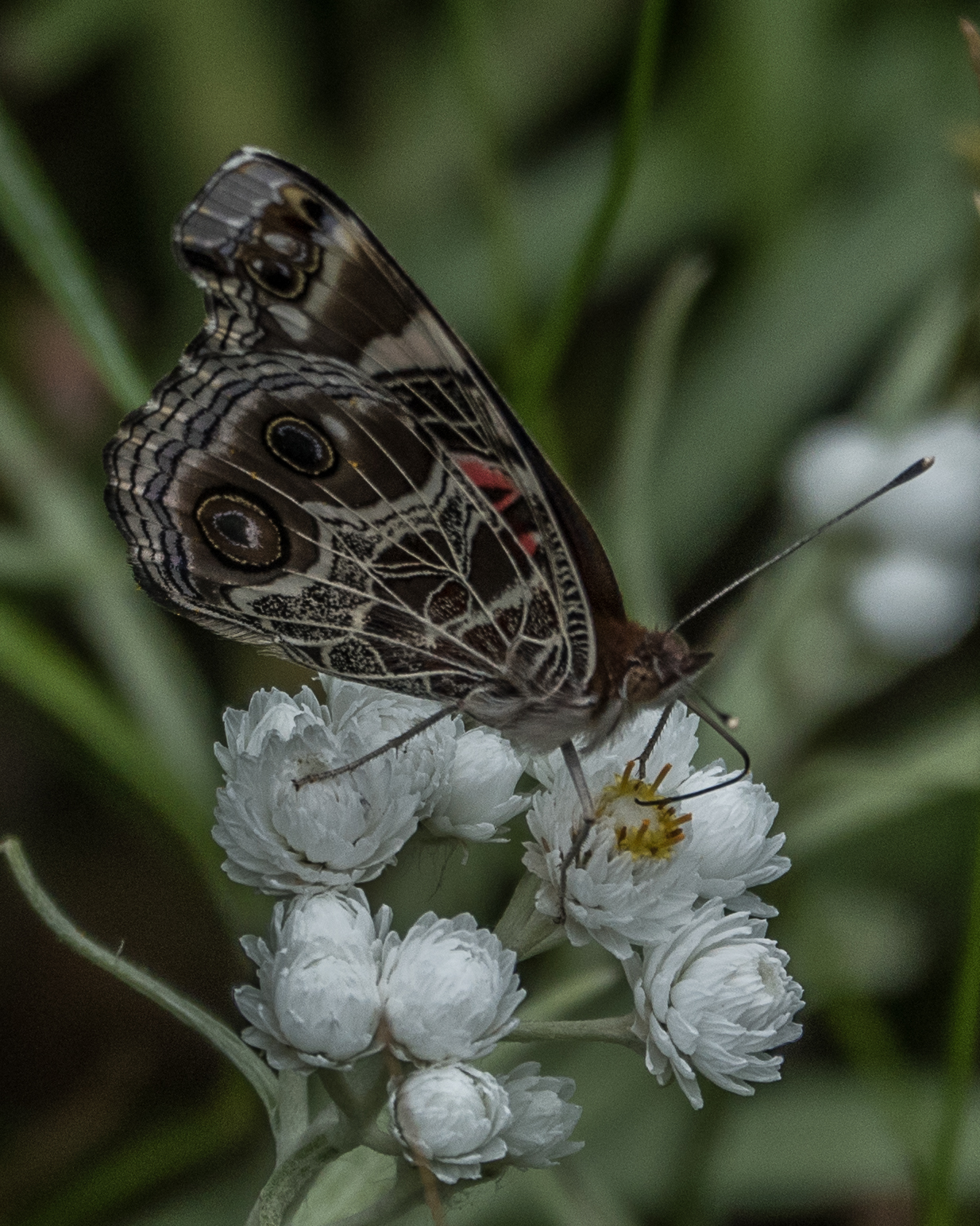
A source of nectar for this butterfly (duskywing skipper?)

EDIT:   Nope!   Try American Lady.

P1660483-1

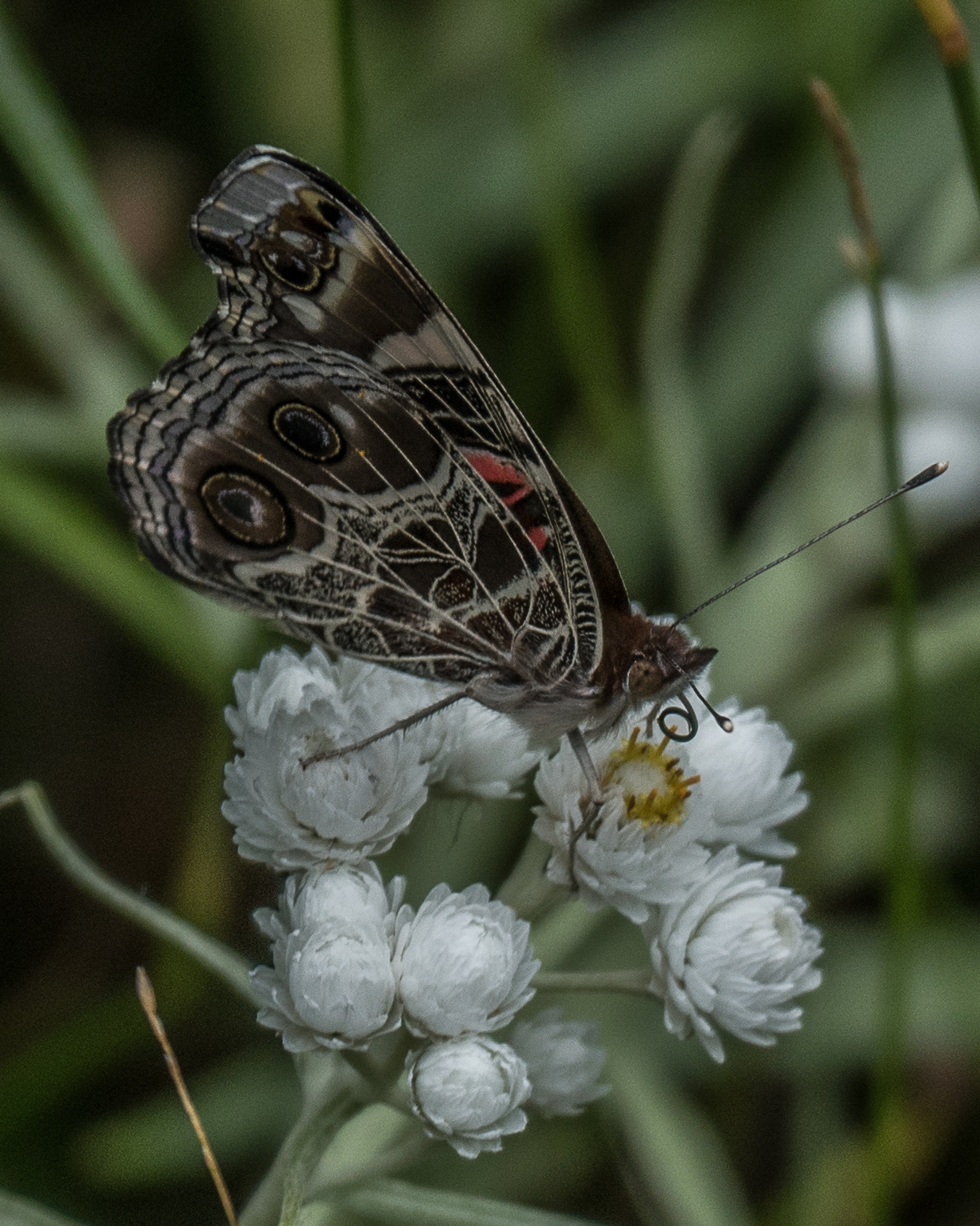
Stowing proboscis prior to flight ….

P1660492-1

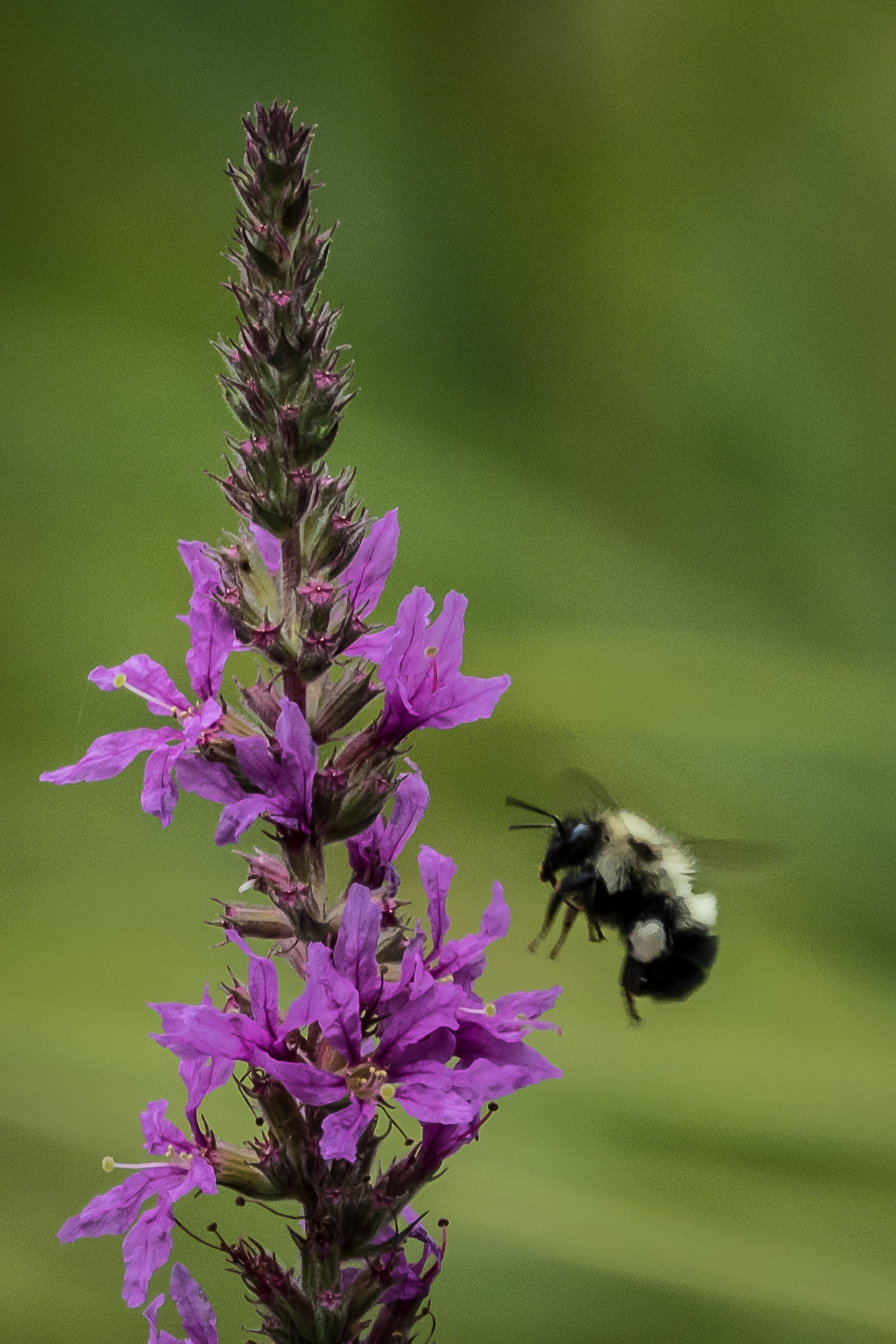
Bumble bee visiting purple loosestrife

P1660519-1

This shows why purple loosestrife is considered to be an invasive specie in our wetlands:
P1660536-1

After stopping for a “moose tracks” ice cream cone at Moose Lake Trading Post, I headed back to Britt and saw some towering clouds on the northern horizon…..  the subject of yet another post to this blog.

You’ll have to go back to the 2015 Archives if you’d like to see the posts either before or after the original post.