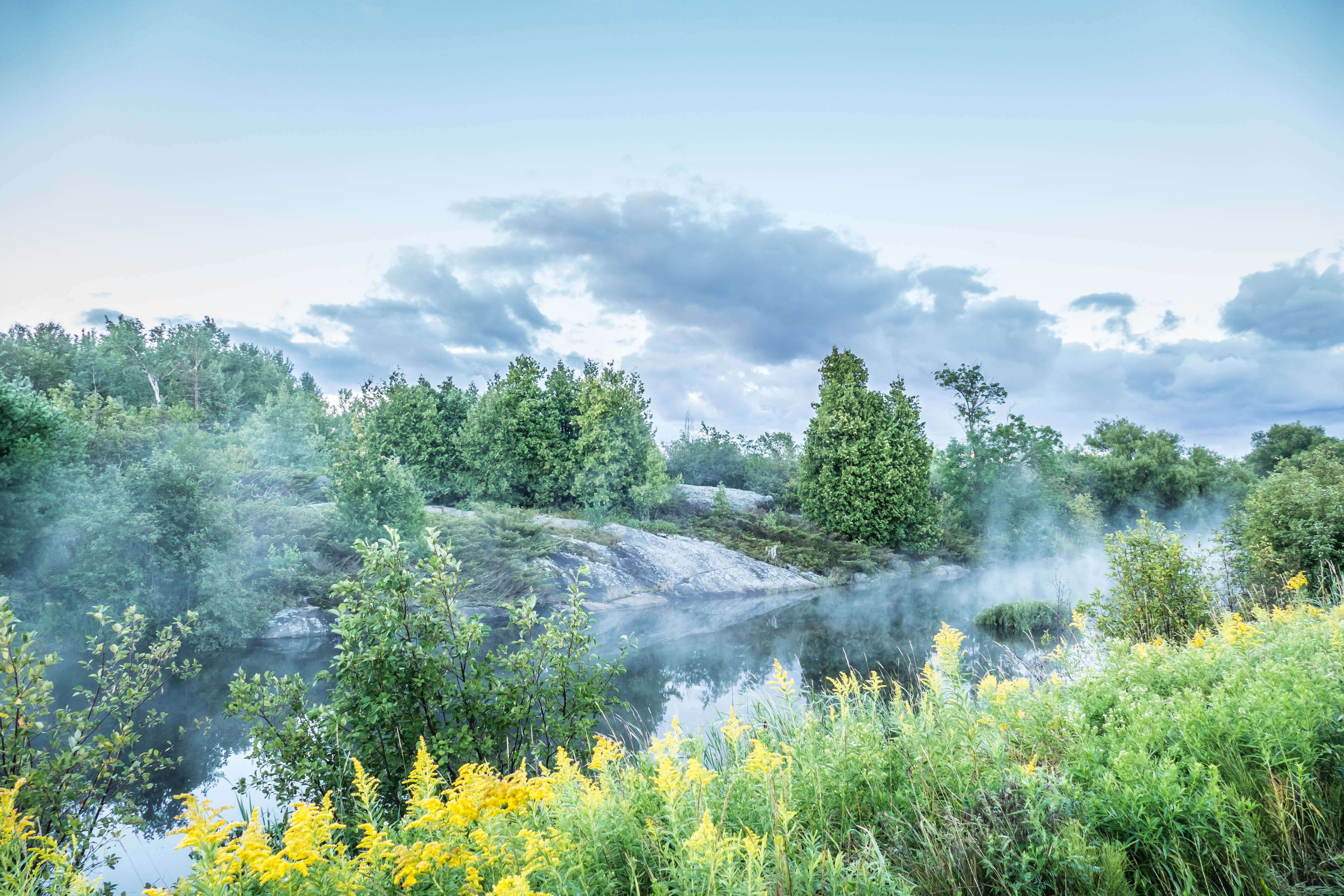
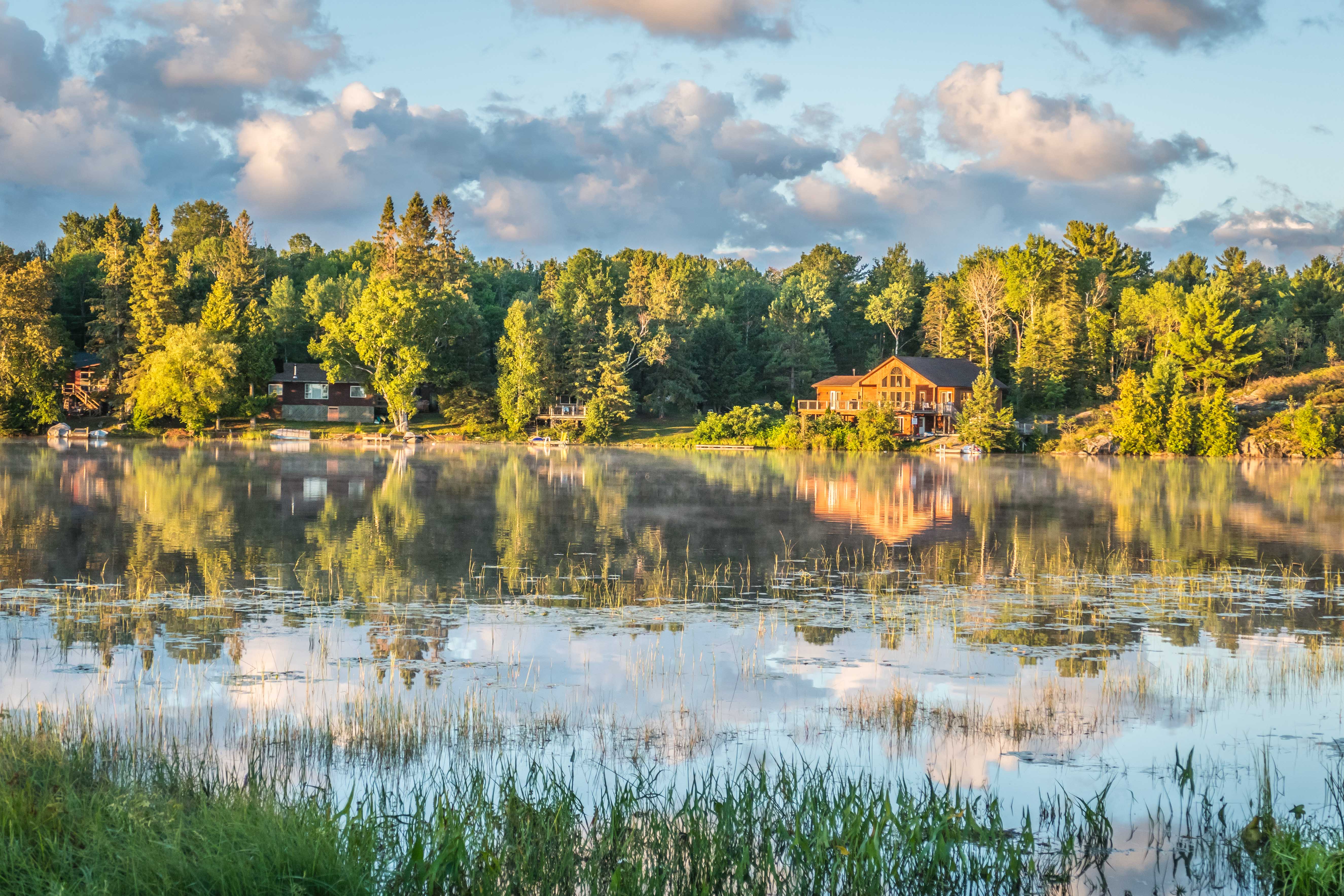
20160929 7 minutes with bees, wasps, and hoverflies on Large Leaved Aster

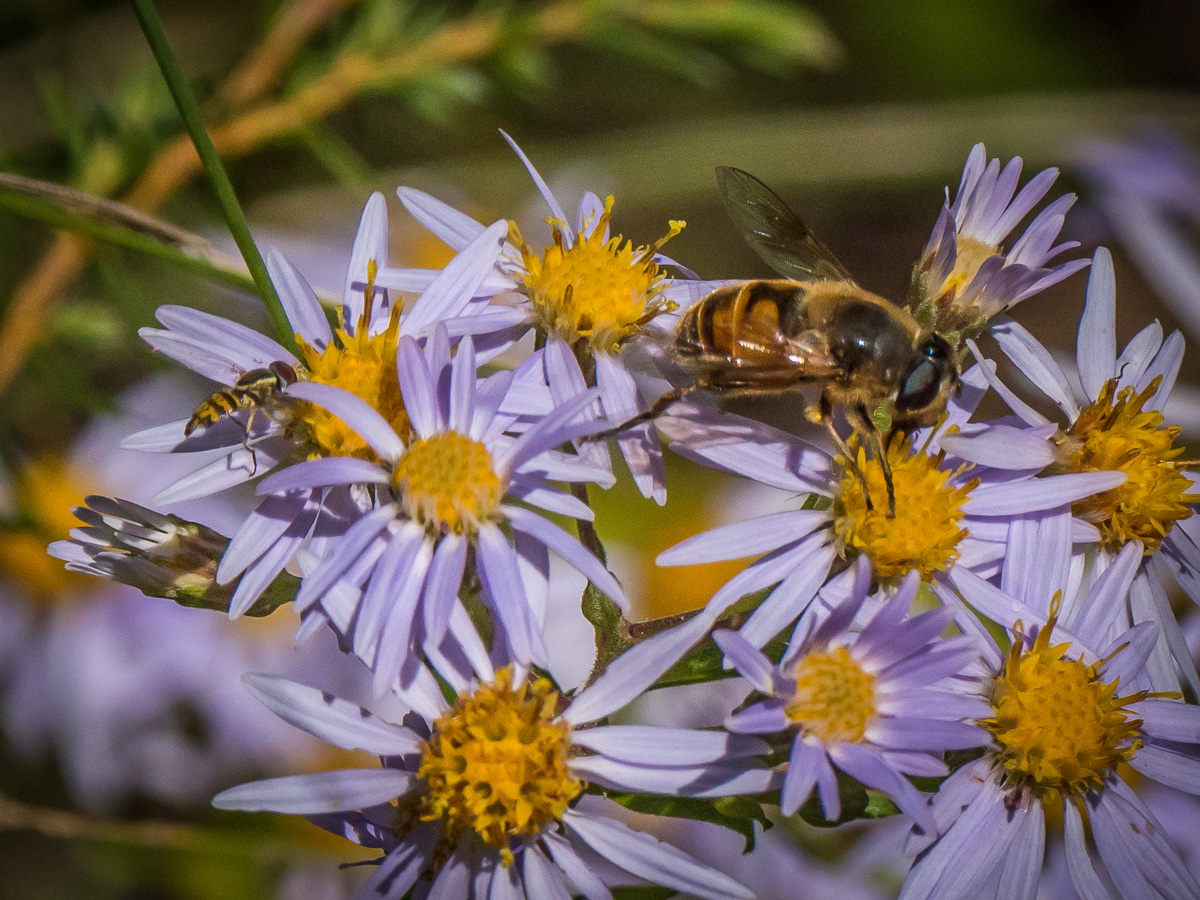
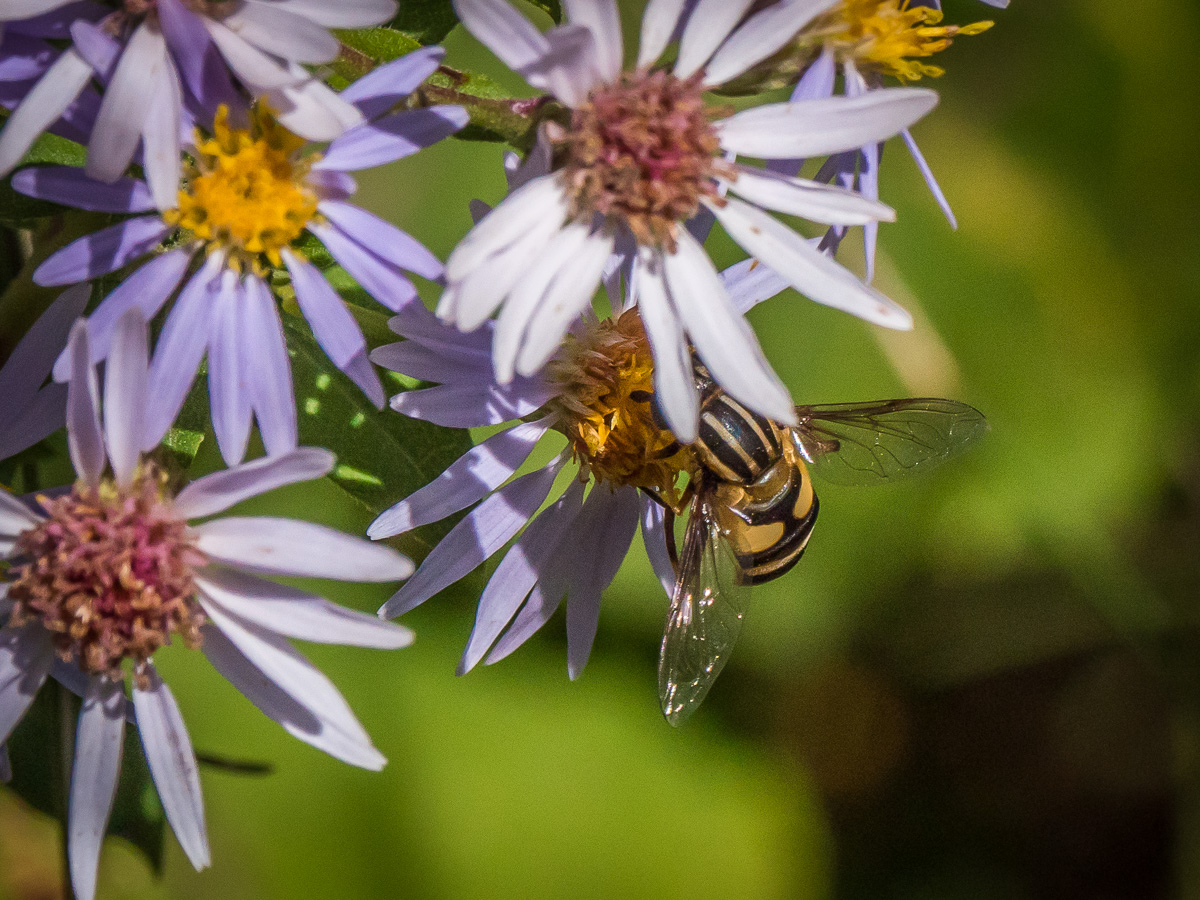
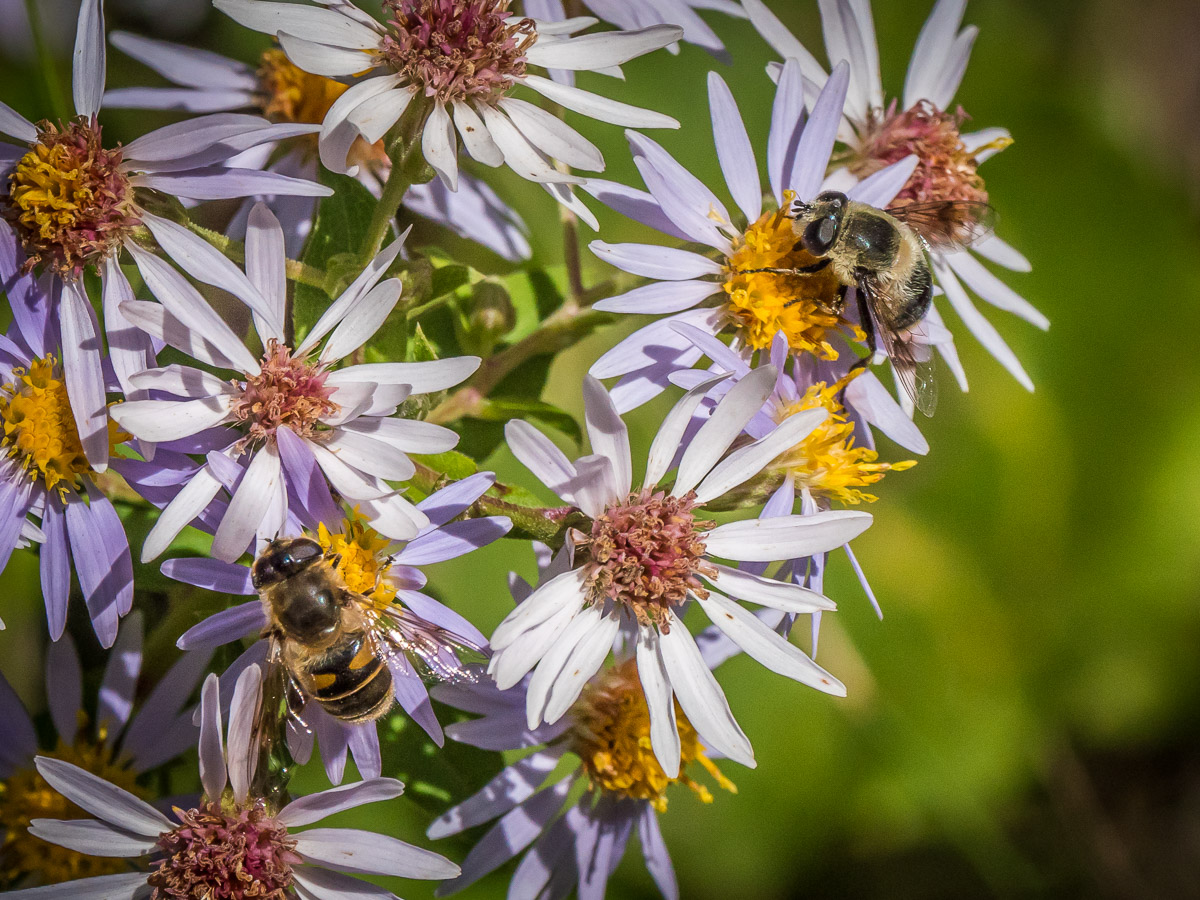
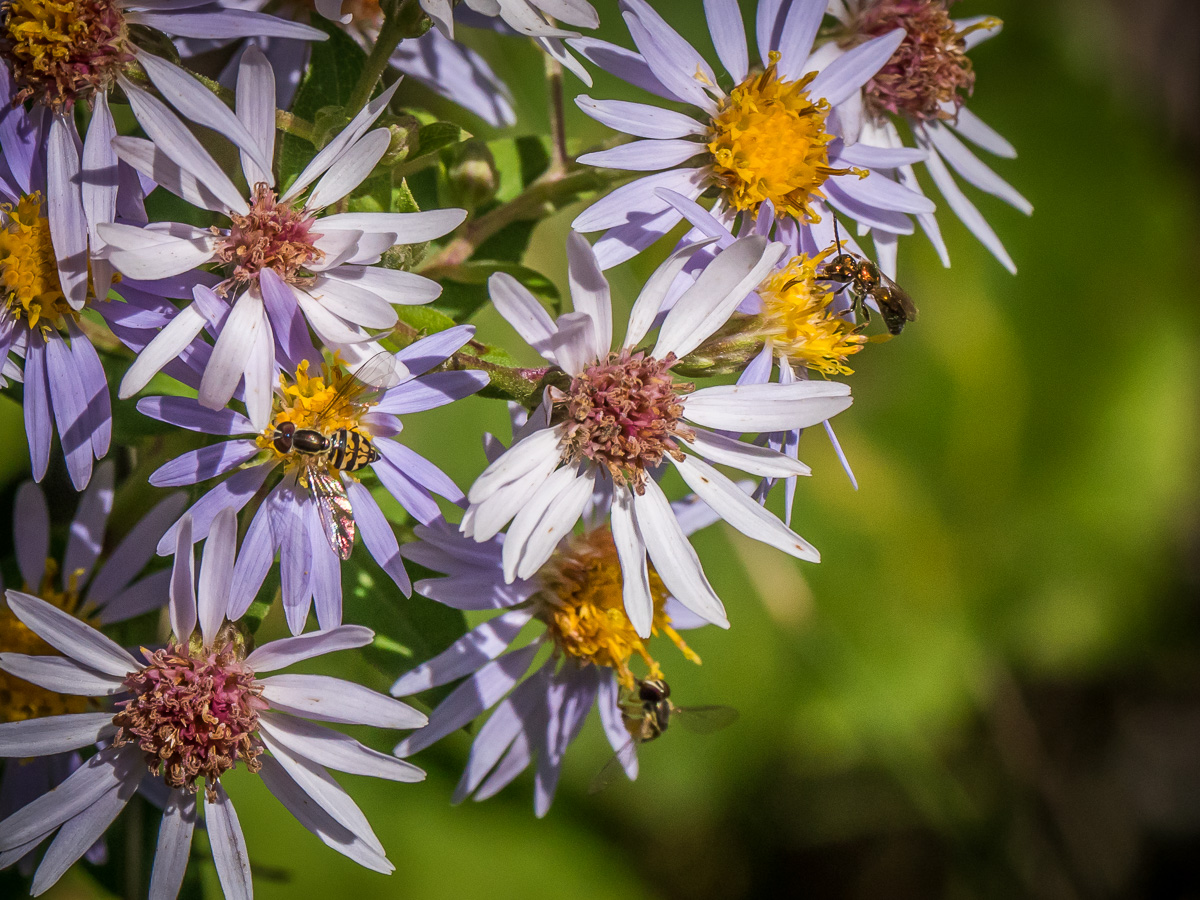
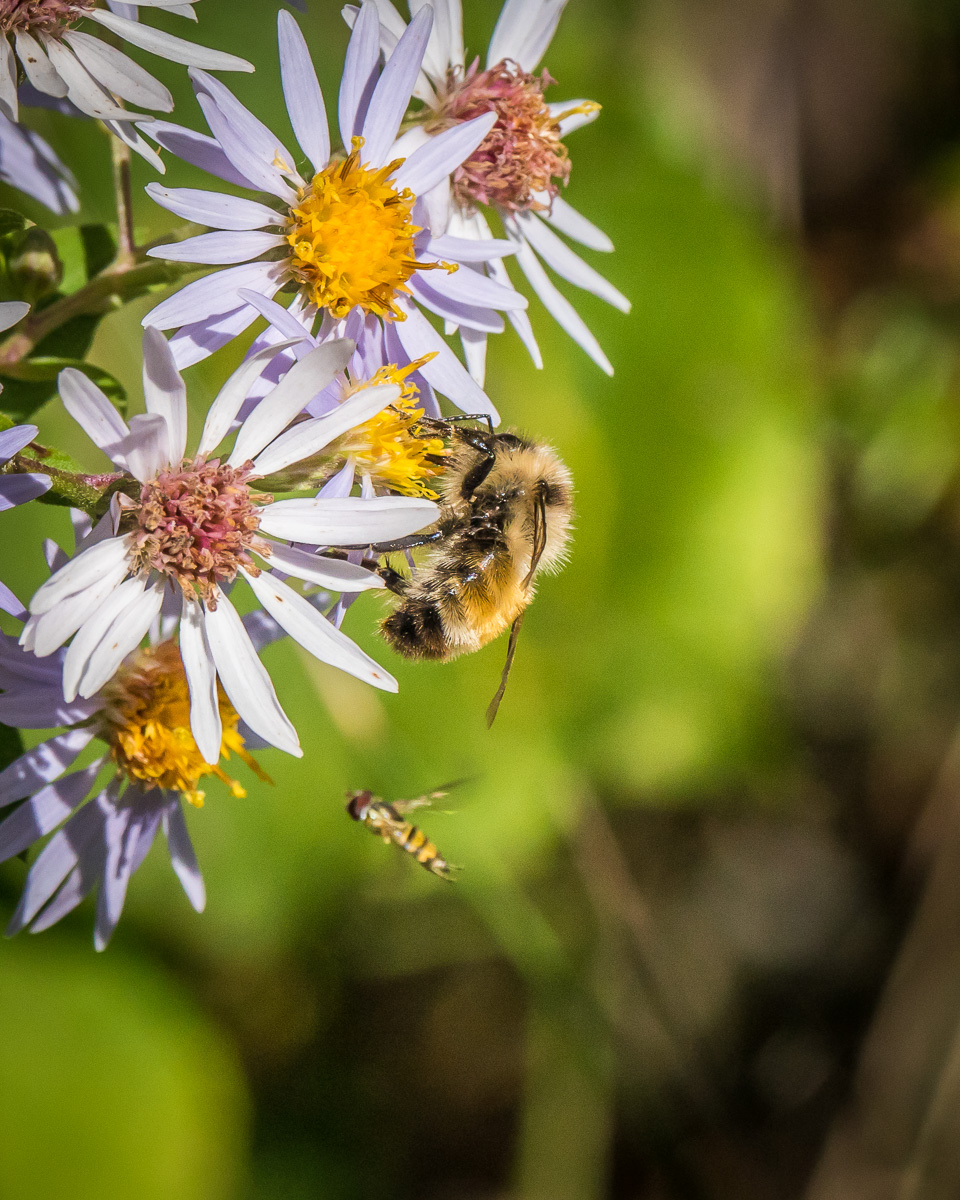
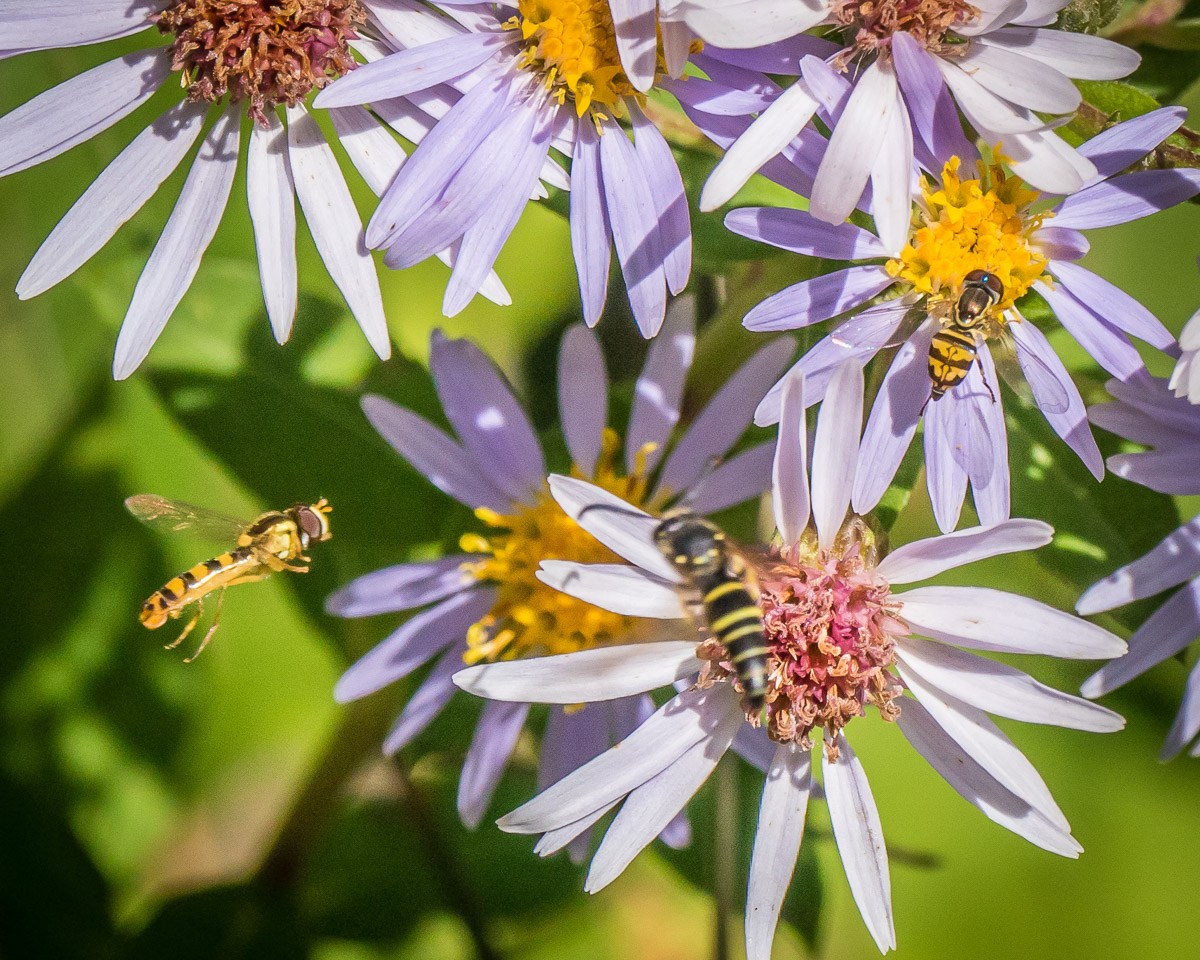
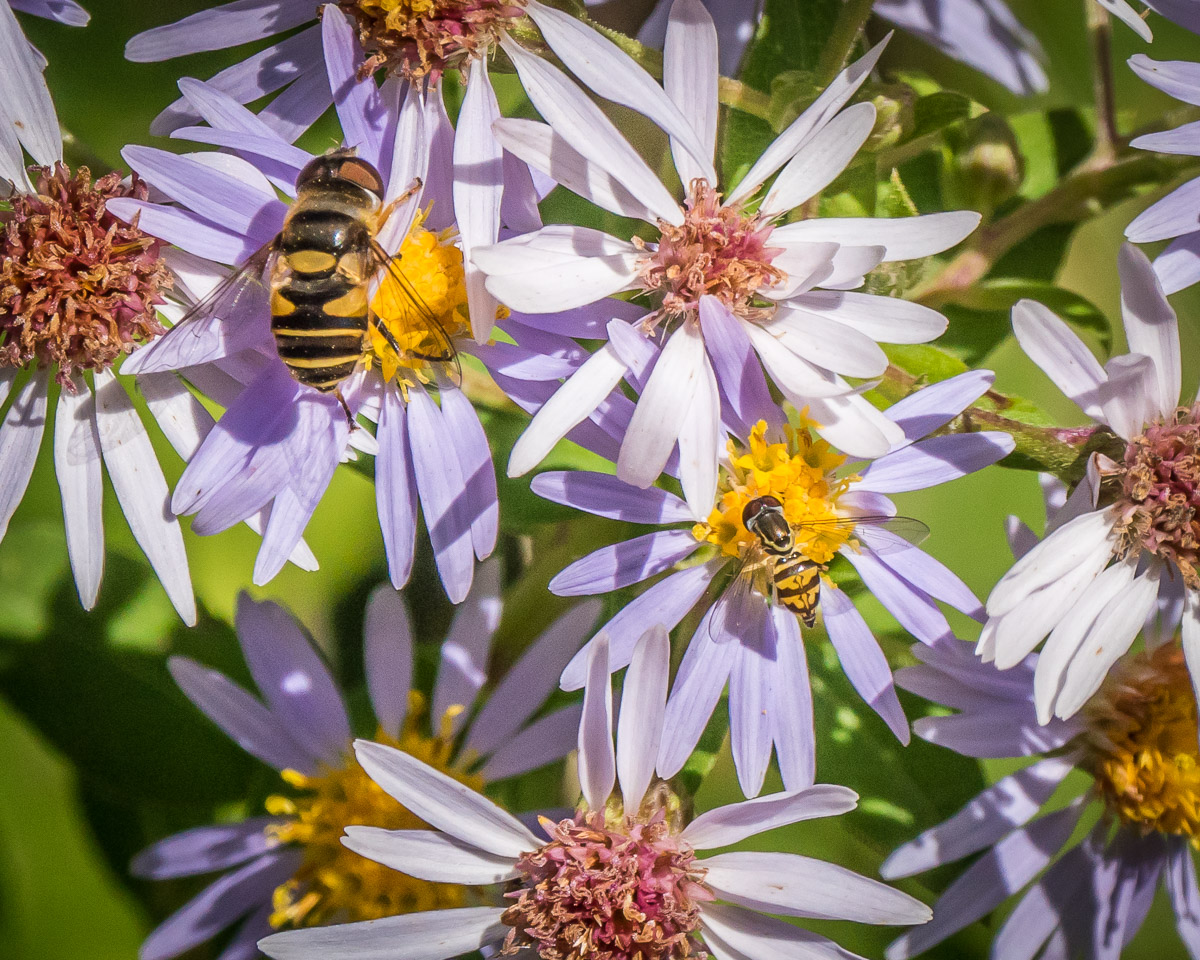
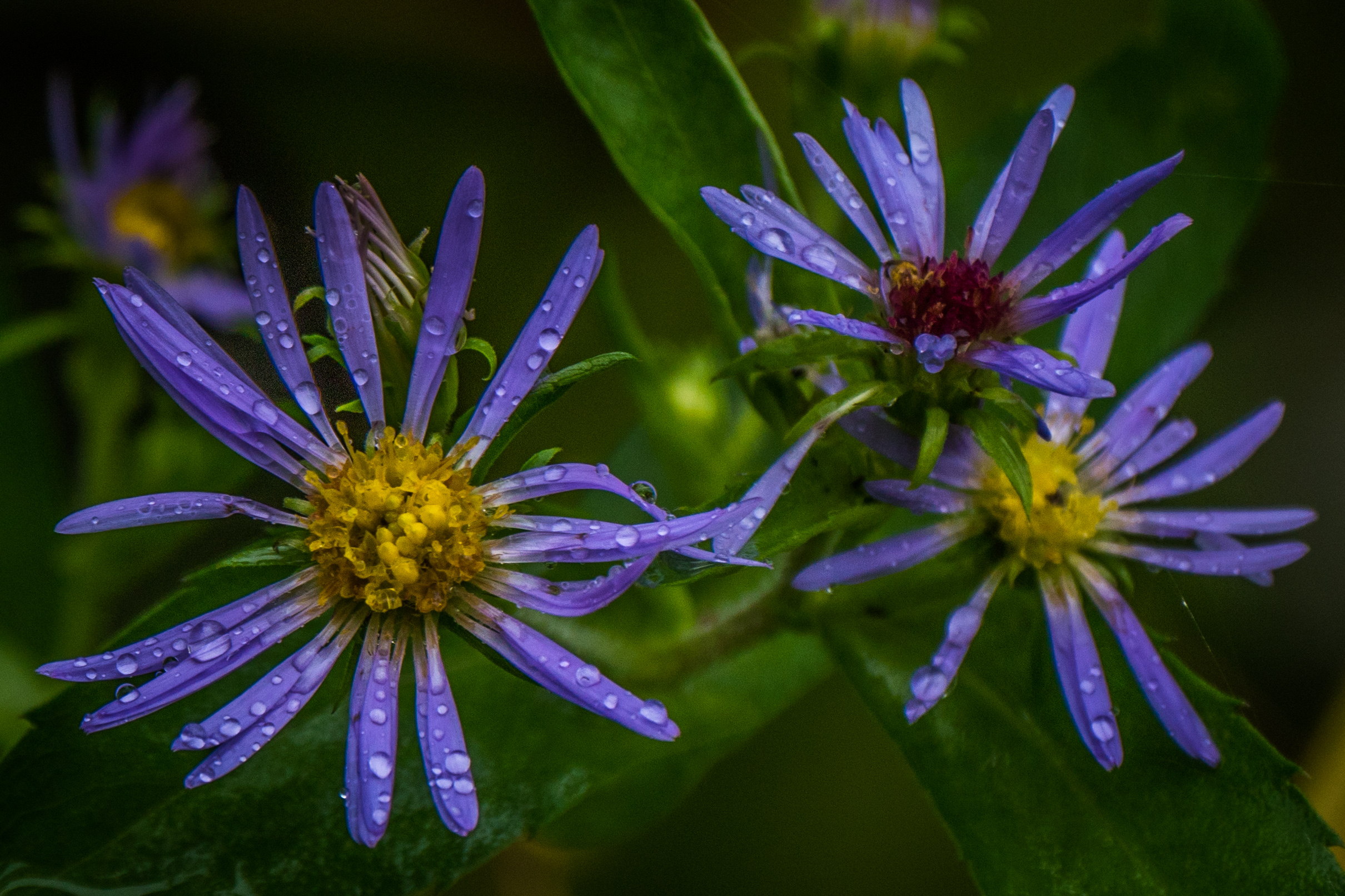
We had an hour or so of bright sunlight in the early afternoon of September 29, so I found a patch of Large Leaved Asters and looked for pollinators.  I was not disappointed as I pressed the shutter 60 times over a 7 minute period, all while sitting in the car.  It is fun to find the several insects on most of these photographs.   During this coming winter I’ll try to ID these pollinators as I am getting increasingly interested in their importance to our natural world.

Here are 20 photos (the other 40 are repetitious) showing different kinds and species of pollinators:

1:

p1450940-1

2:

p1450942-1

3:

p1450950-1

4:

p1450955-1

5:

p1450959-1

6:

p1450994-1

7:

p1460004-1

8:

p1460005-1

9:

p1460006-1

10:

p1460007-1-2

11:

p1460013-1

12:

p1460019-1

13:

p1460025-1

14:

p1460043-1

15:

p1460045-1

16:

p1460055-1-2

17:

p1460082-1

18:

p1460112-1

19:

p1460117-1

20:

p1460121-1

It was quite a  magical time, seeing all of these beasties filling up on nectar at these last of the Asters.  Can anyone recommend a good field guide to hoverflies, bees and wasps?  Many thanks.

Photo data:

All of the above have intact exifs and are downloadable at less than half a MB each*.  Leica 100-400 mm lens mounted on a Panasonic Lumix GH4 at max focal length (800 Full Frame equivalent) giving a working distance of about 1.3 m, all shot from the front seat of my car.

Most are at f/11 (f/22 FF equivalent), ISO 800, giving a shutter interval in the 1/1000 sec to 1/4000 sec range.  Electronic shutter (which is why some of the wings in flight are strange.)

*Here is #18 again, this time uploaded at 1.6MB with no limit on its edge dimensions.  Click on it to see the difference in detail between this image and the ones above with a smaller file size.

p1460112-1-2

Lots to see out there.  The camera is a good tool to enlarge one’s vision.

20160930 Some blooms and birdies

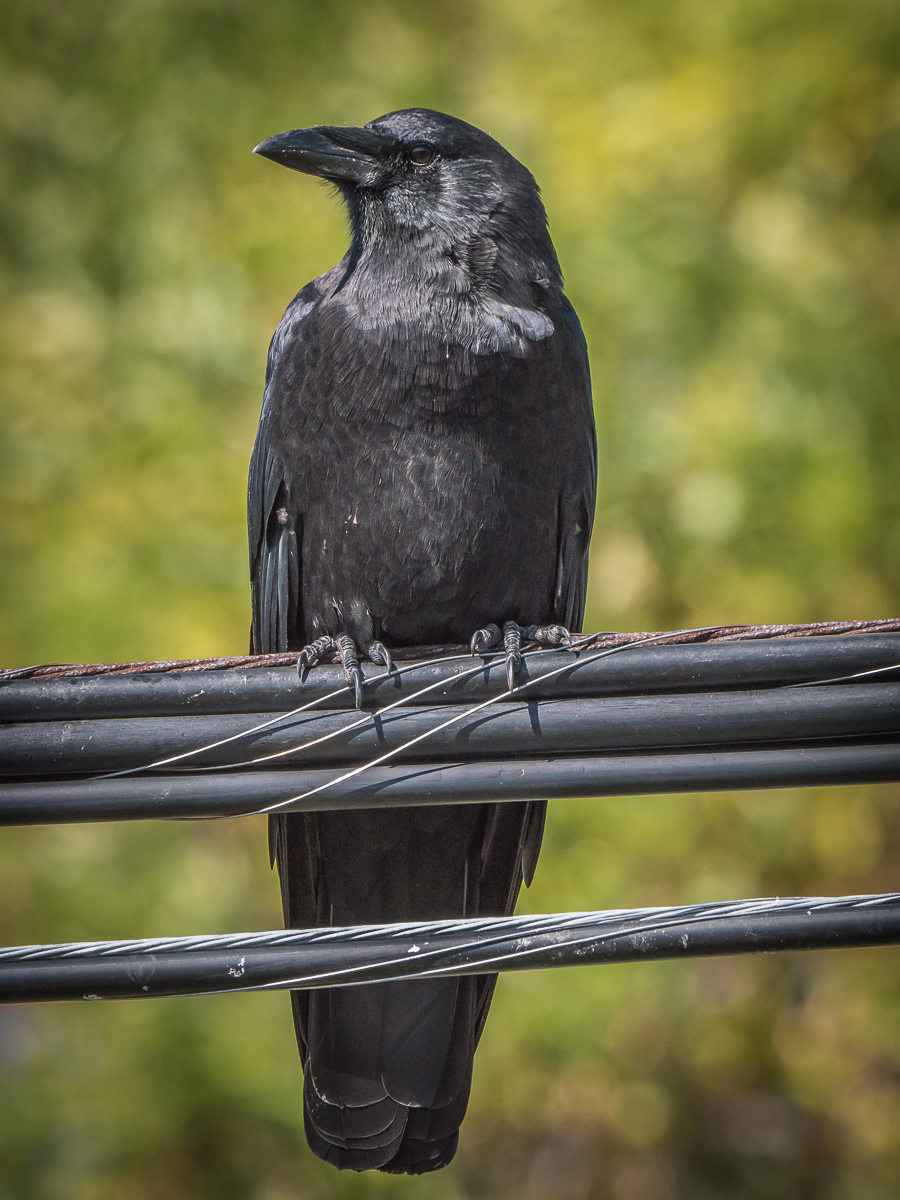
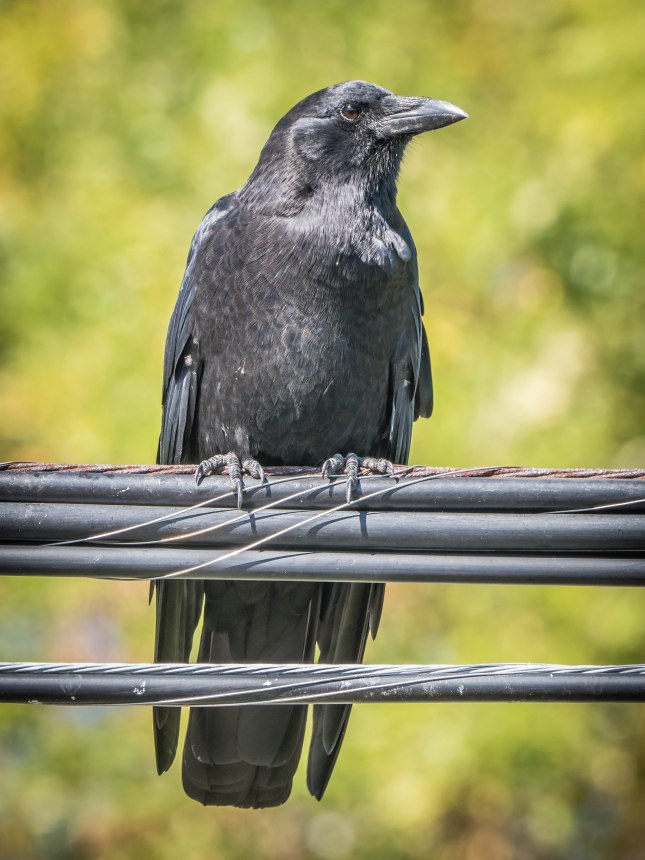
Here are a few photos of a late blooming Pale Corydalis, one of D.’s pansies, a sparrow and a crow inspecting the photographer.

Pale corydalis, usually one for the very early spring wildflowers blooming in September alongside its long narrow seed pods.

p1450929-1

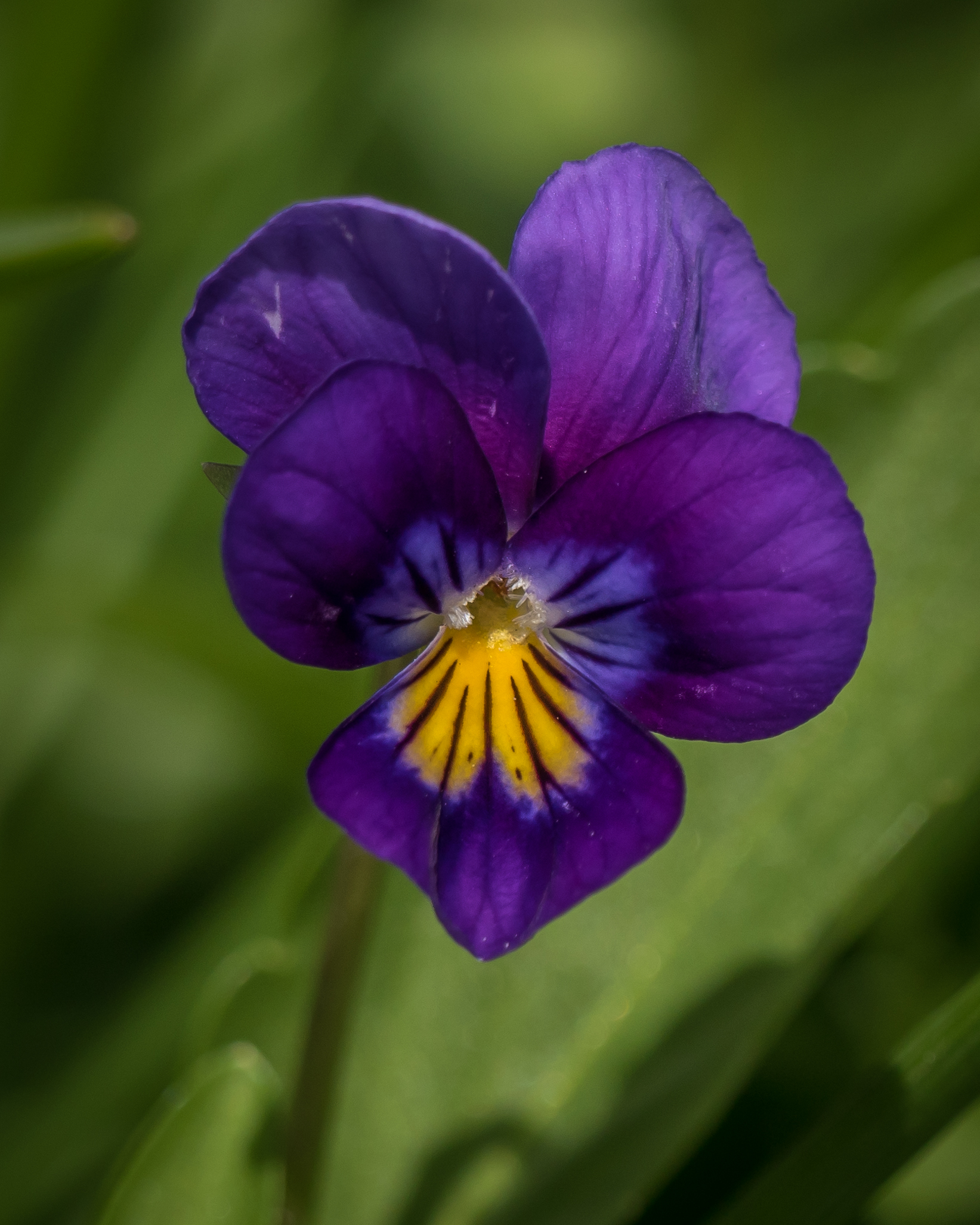
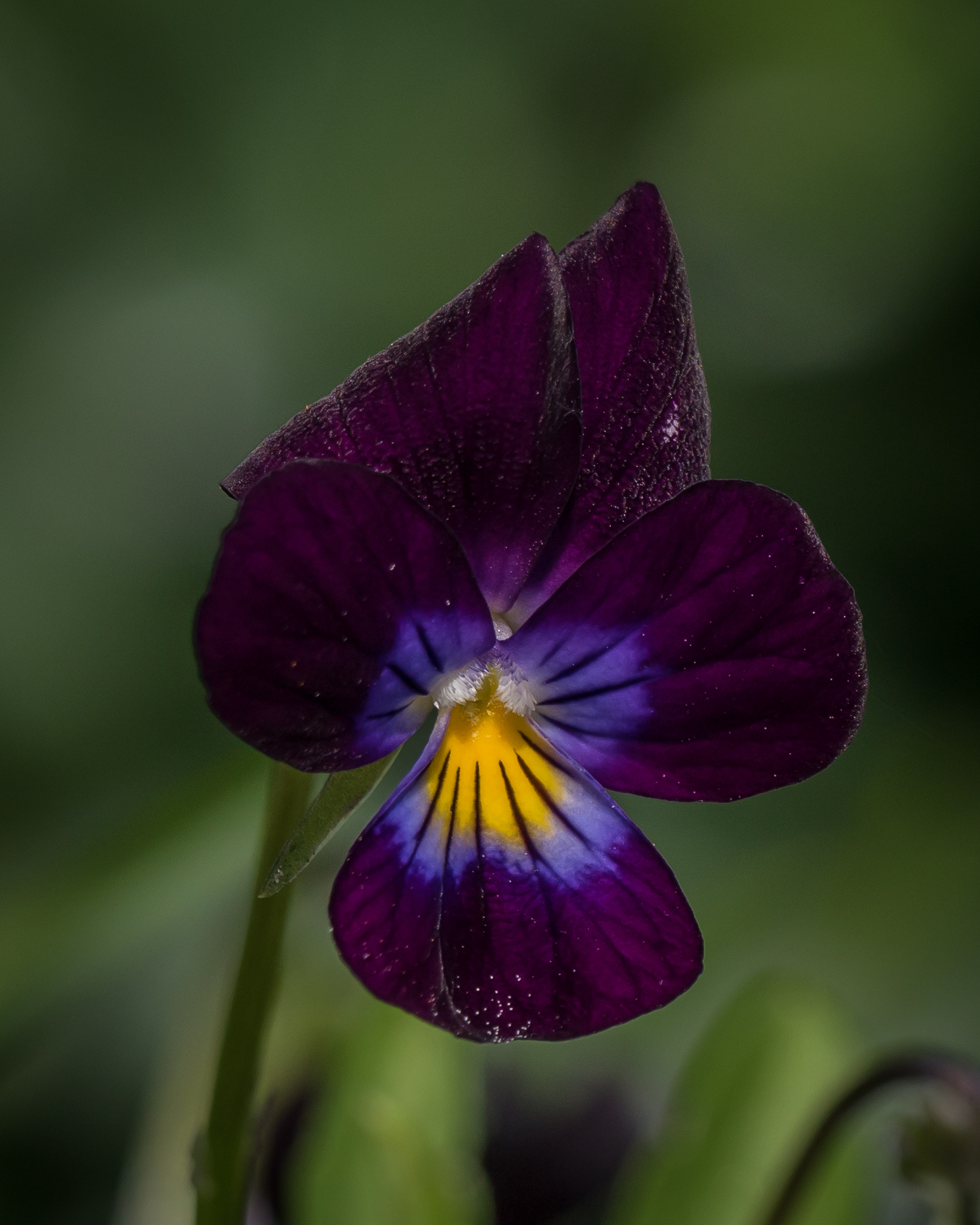
D. (trans?)planted these a few weeks ago.

p1460169-1

This fellow was hopping around in my driveway looking for seeds and grit, I think.

p1450851-1

A common sight on Riverside Road near Shirley’s place.  They are guaranteed of a snack there.

p1460143-1 p1460155-1 p1460164-1

Click to have a close-up look at the first one to see its eyelid, caught half open.

I had a bit of a problem uploading the above so please click on the image below to check the crow’s eyelid:

p1460143-1-2

I hope that it works this time!

NOPE!  It didn’t.  I don’t know how to use the editor to insert “clickable” images.  😦

20160930 End of September mushrooms

Here are some more mushrooms that were seen the last days of September:

A nice harvest by D & V found along Riverside Drive.  Some (orange) Chanterelles and a pair of (pale) King Boletus or CEP mushrooms (with spore tubes instead of gills).   These two species of wild mushroom are highly prized for their gourmet values.

p1790934-1

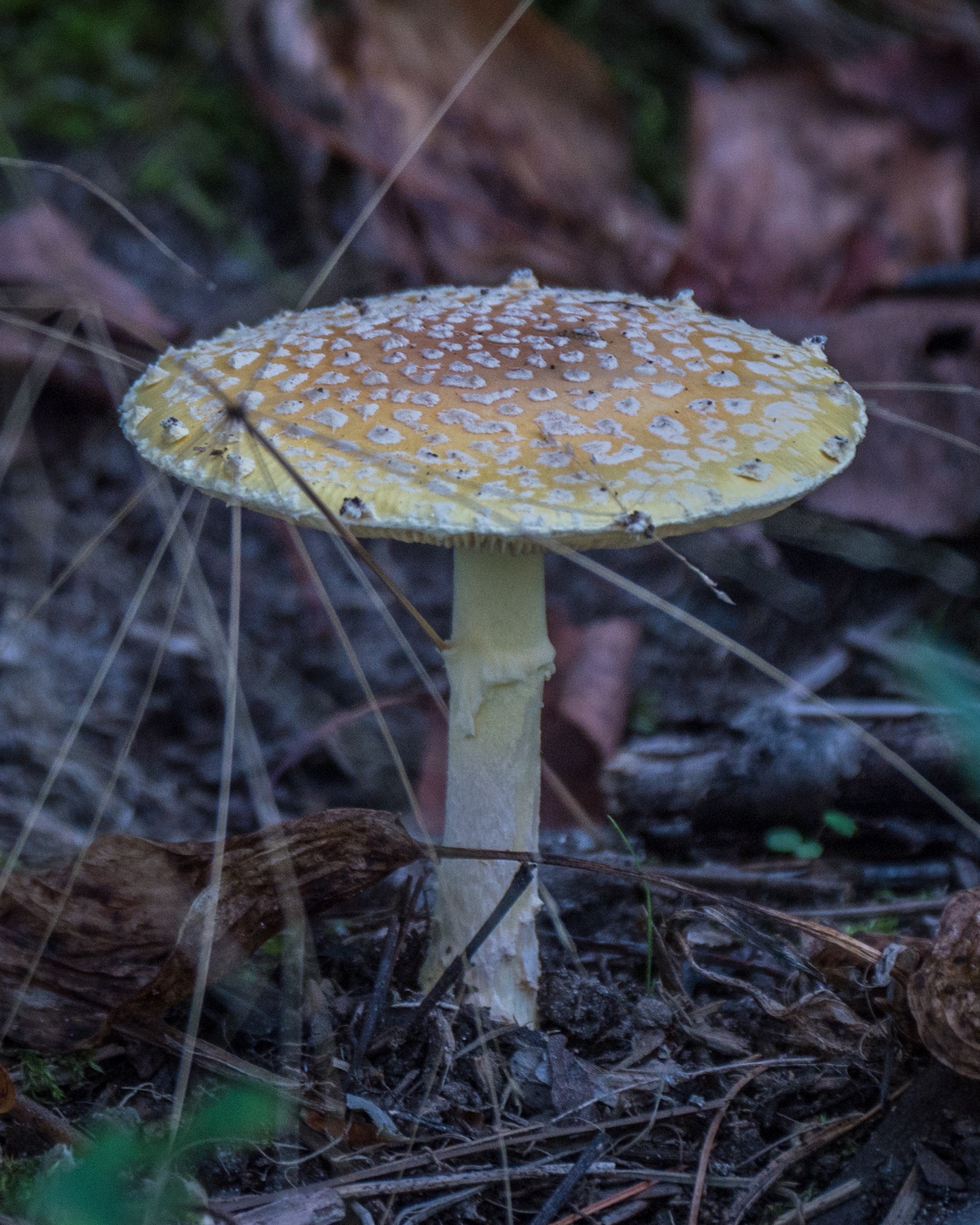
Some Amanita muscarias at varying stages of maturity.

p1790947-1

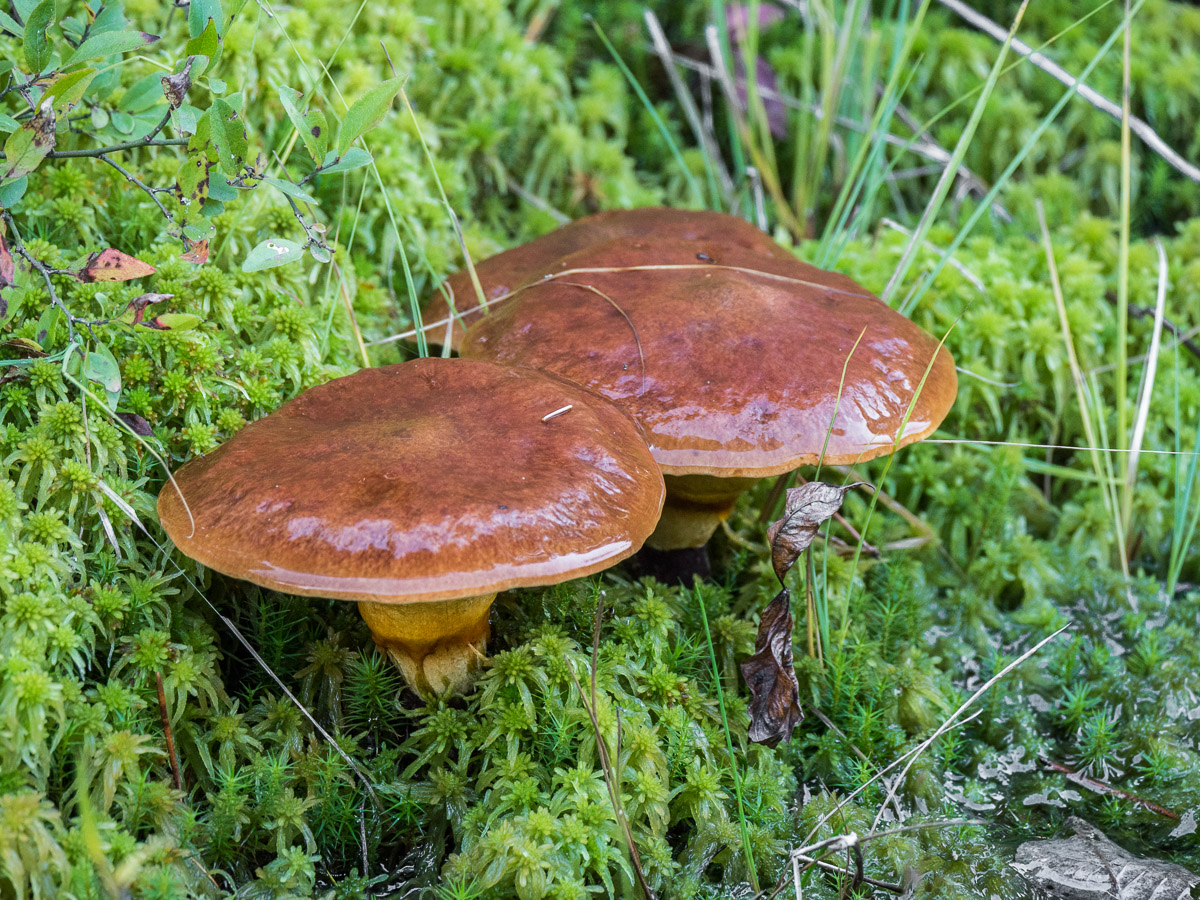
These look like a pair of Slippery Jacks:

p1450889-1

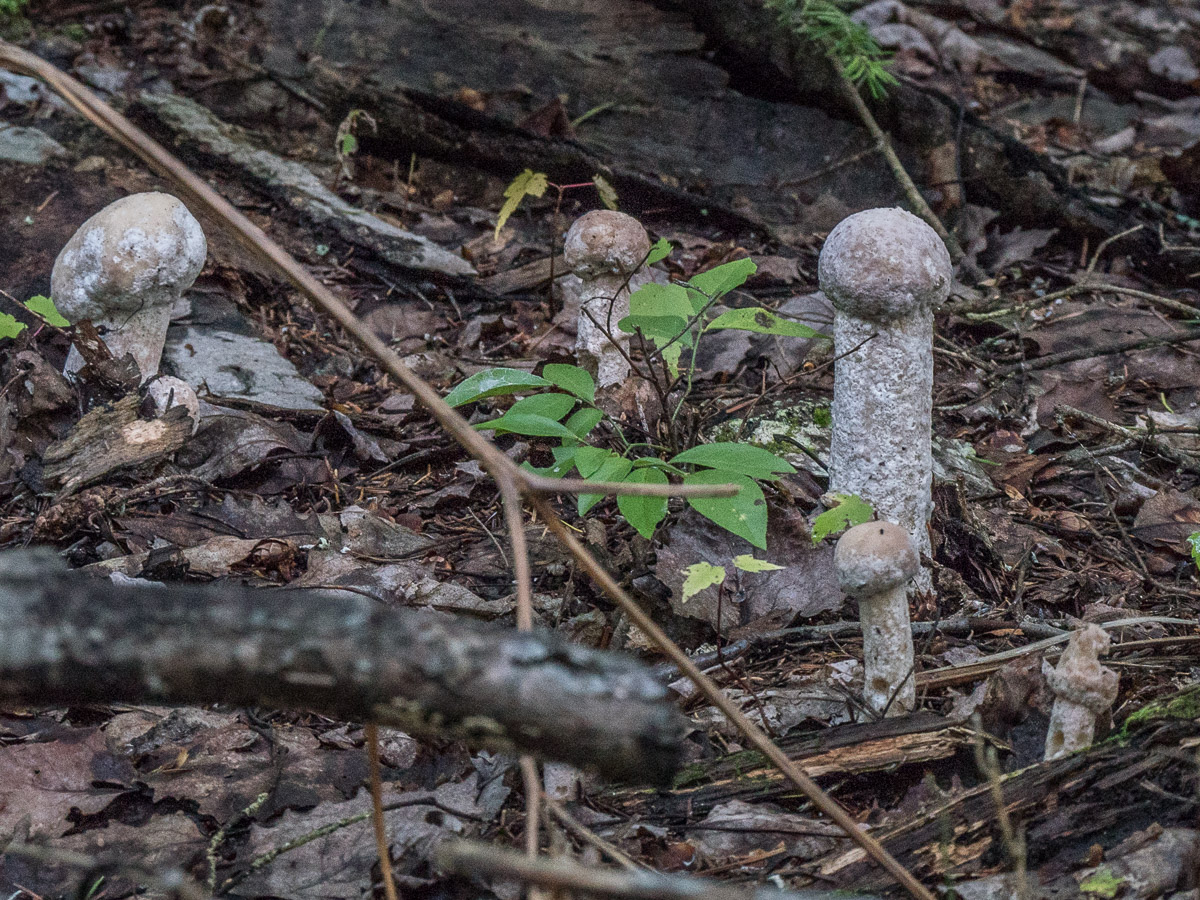
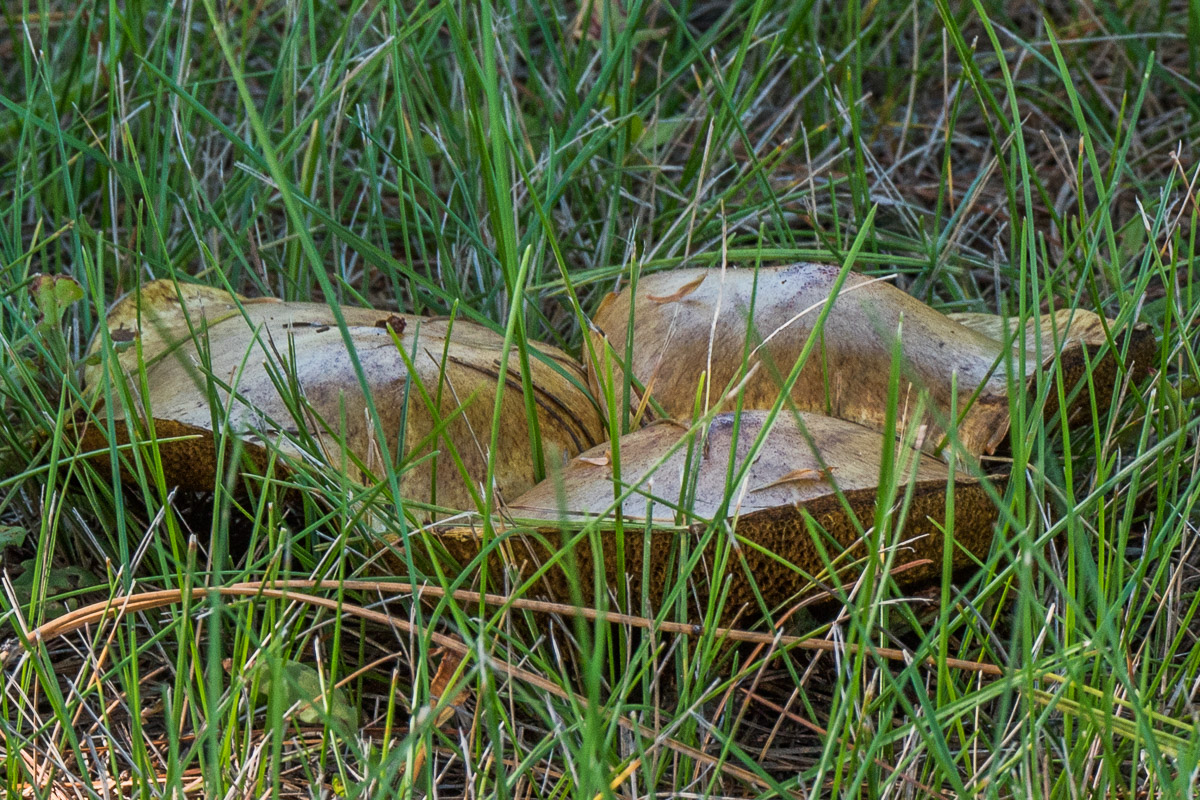
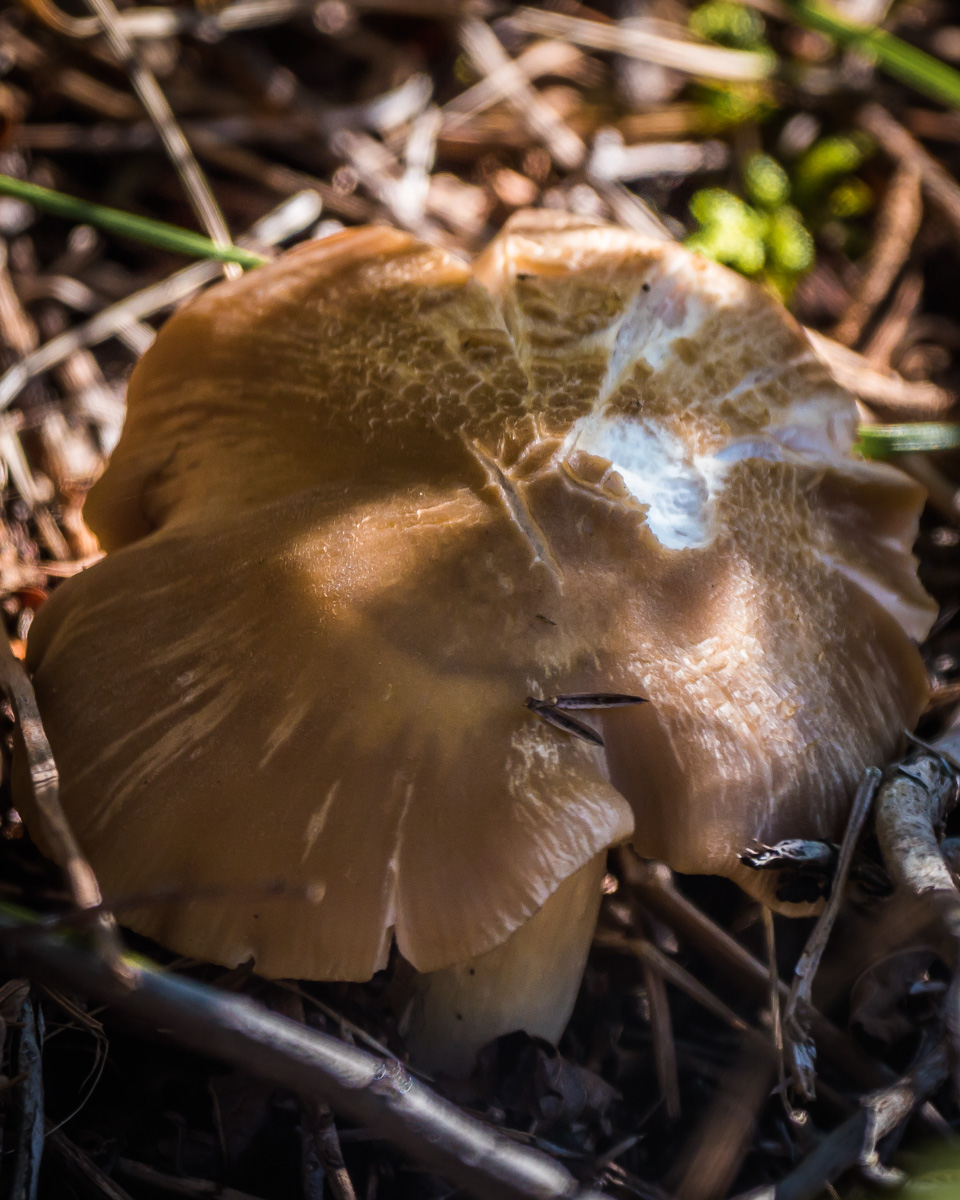
Very dangerous stage of ANY MUSHROOM.  Although these MAY  be a specie of Boletus, I would NEVER harvest them until the cap has separated from the stipe, permitting a positive ID.

p1450905-1

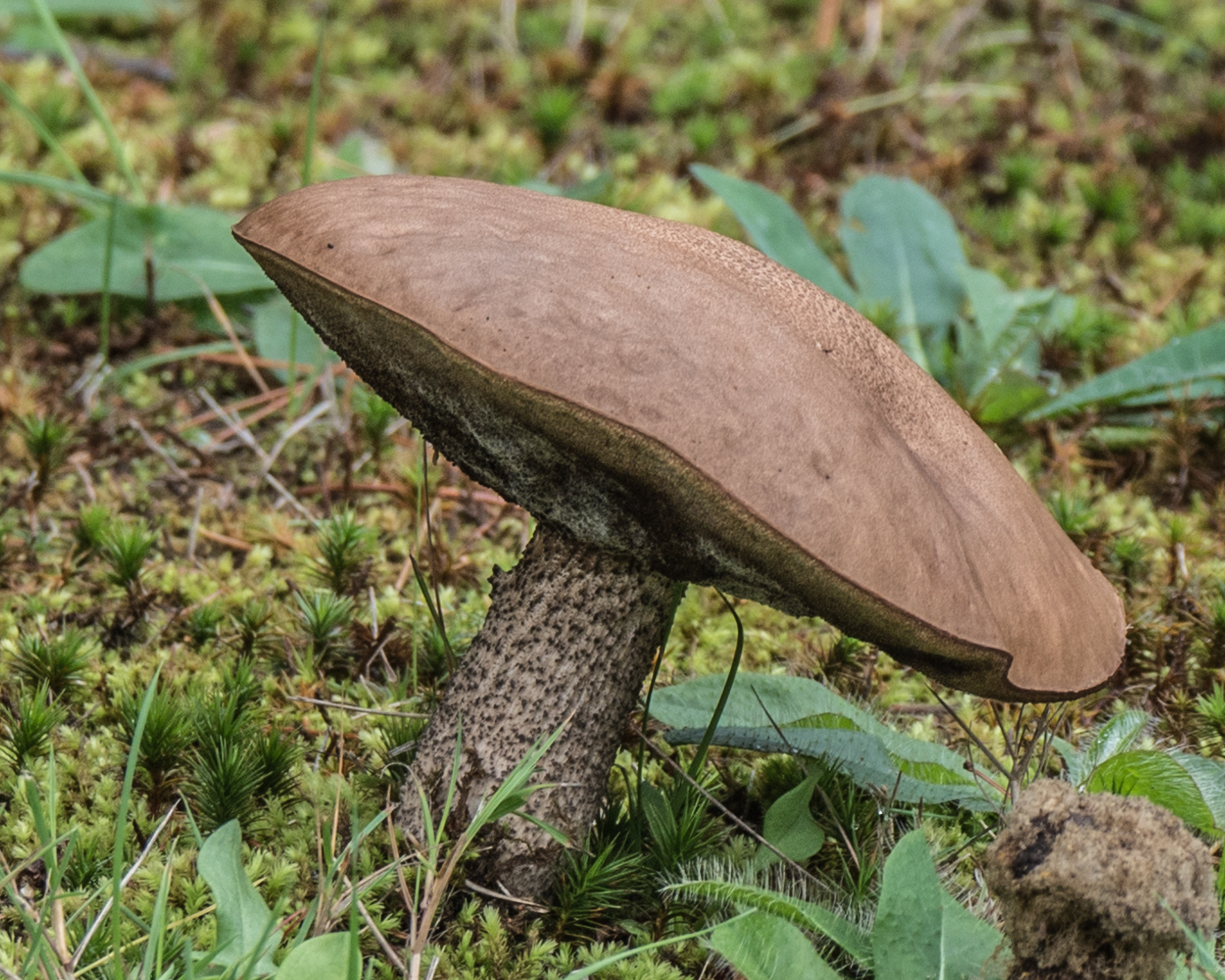
Undoubtedly another Bolete, even though the underside (with its spore tubes) is not visible.

p1460136-1

A few Amanitas in the lawn next to Holy Family Catholic Church in Britt.

p1460176-1

Perhaps some more Suillus (?) under the pine tree on same lawn.

p1460182-1

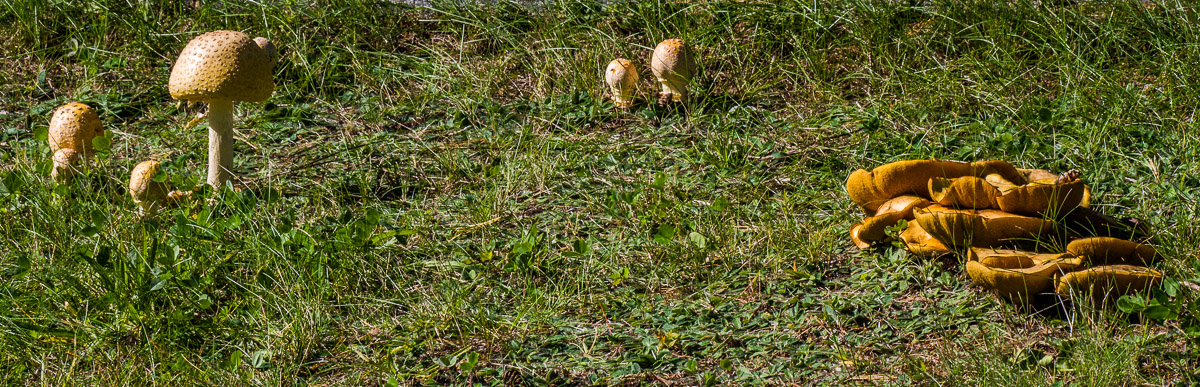
Above Amanita and Suillus(?) side by side.

p1460187-1

In the foreground of the above are these.   Also probably a Suillus.

p1460191-1

This is probably one of the Clavariaceae(?) or coral mushrooms which usually grow in deep shade, except for this specimen which had a shaft of very late afternoon falling on it.

p1460195-1

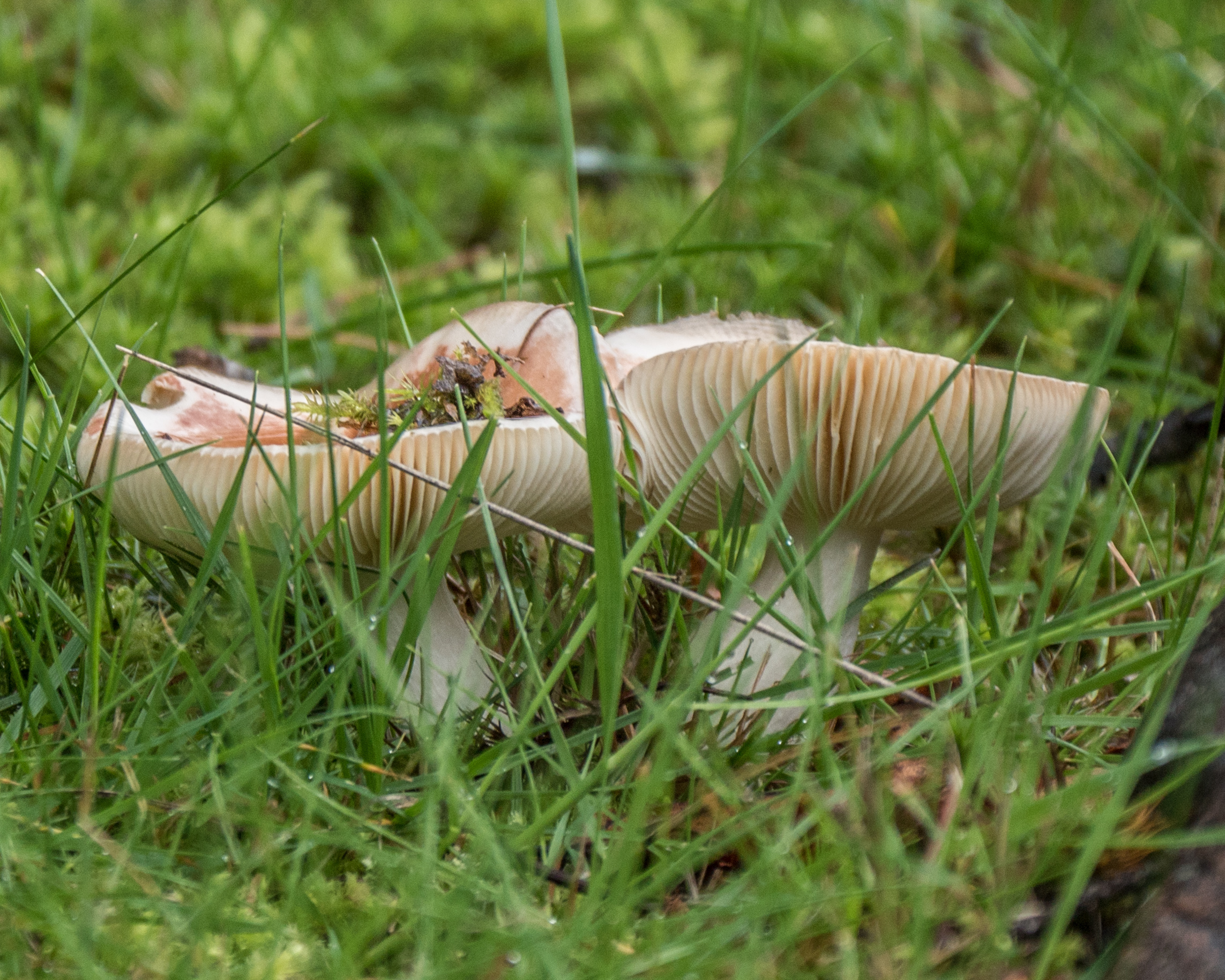
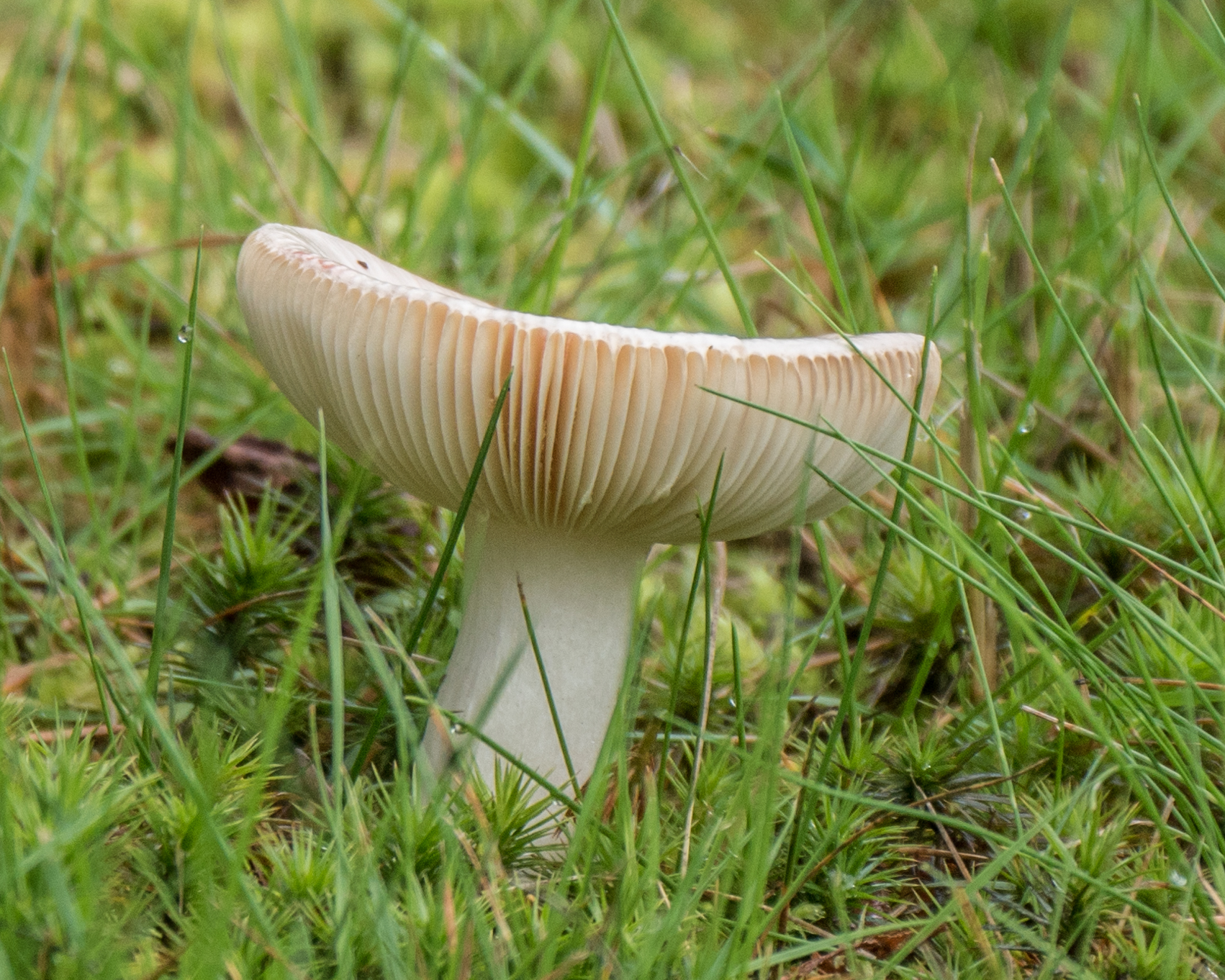
This is possibly one of the Russulaceae Family possibly a Lactarius.

p1460198-1

Probably a nice B. edulis!

p1460215-1

Possibly a nice Agaricaceae(?) in D and I’s field, recently mowed by A.:

p1460220-1Careful readers will not that I won’t ID a mushroom by sight alone.  It is important to look very very carefully at specimens, especially if you want to eat them.  Spore prints are very useful in identifying mushrooms.

20160930 End of summer mists and rains

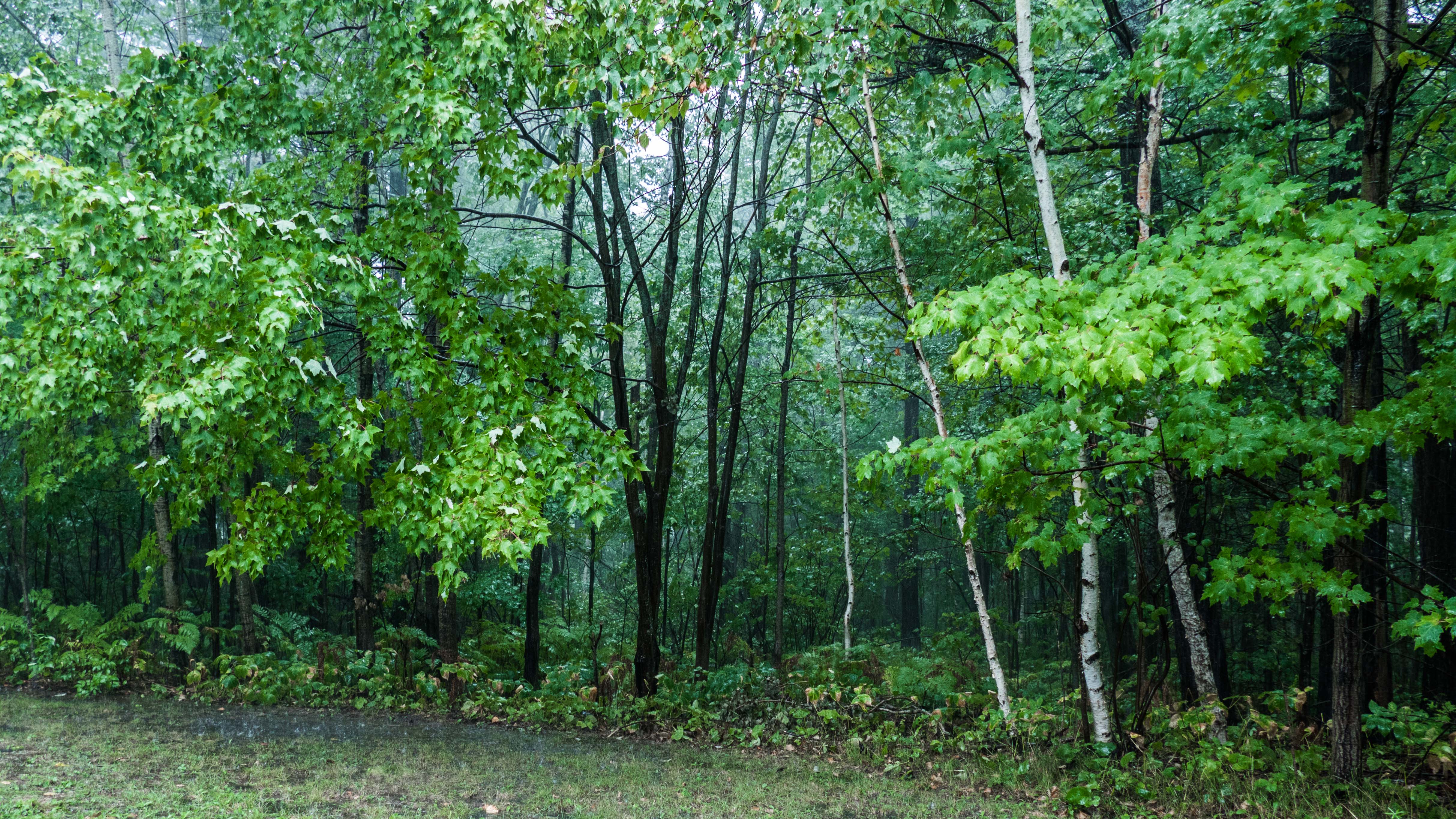
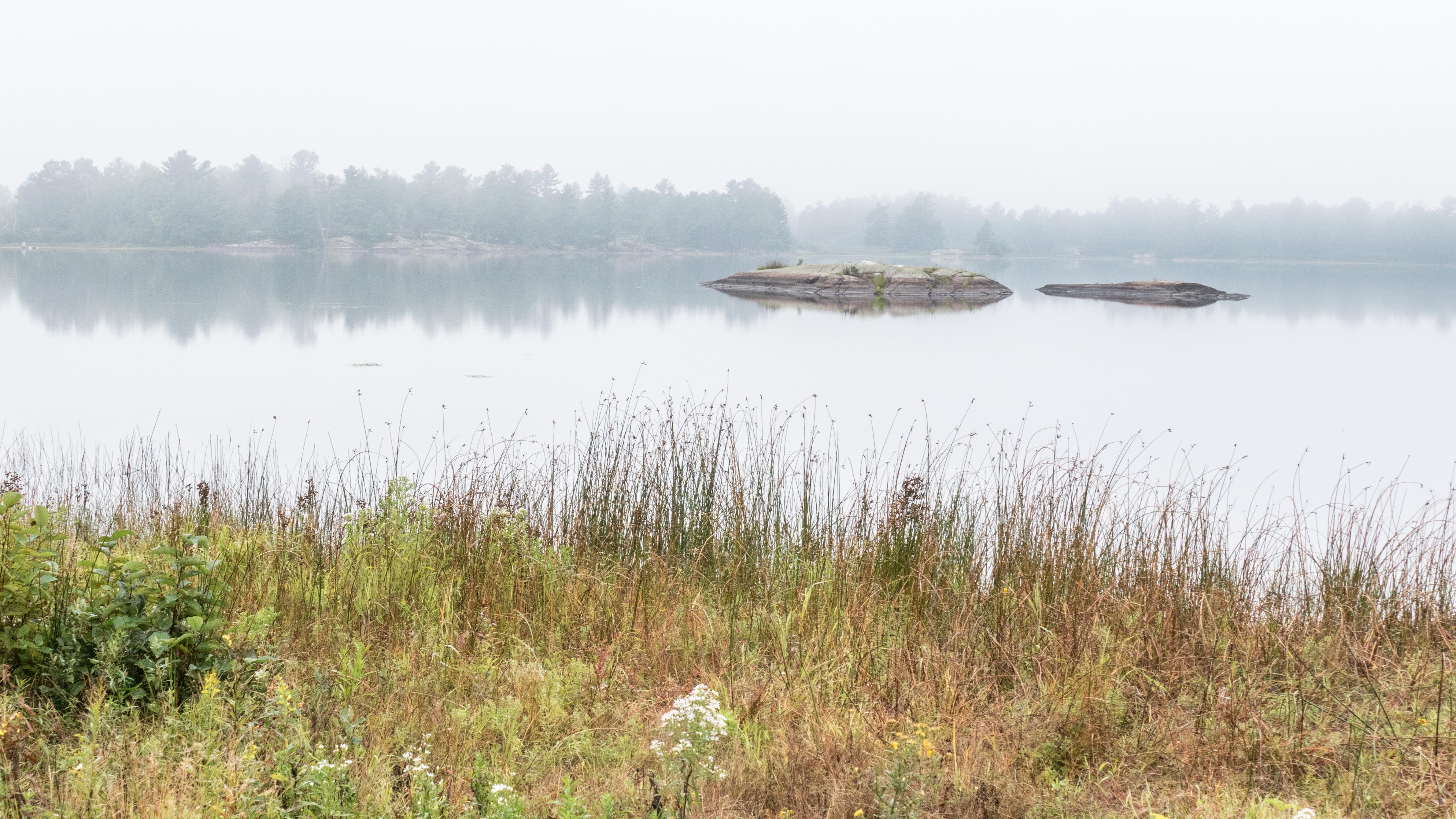
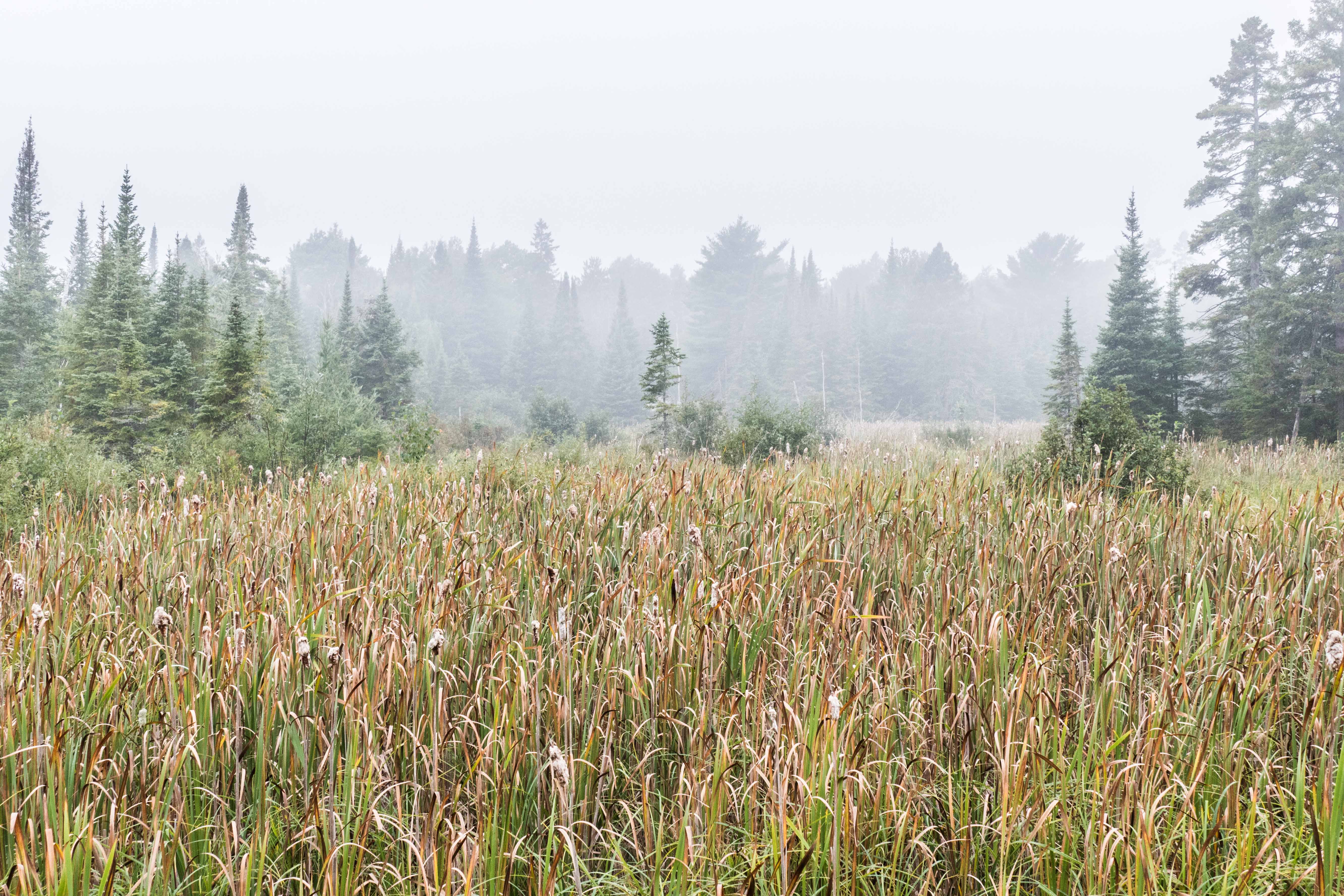
We enjoyed some nice foggy mornings and some rainy days in September.  Here are a few photos showing what they looked like.   Some will benefit from being enlarged by clicking on the photo.

A rest area on Hwy 69 through the car window:

p1790775-1

Through and open window …

p1790781-1

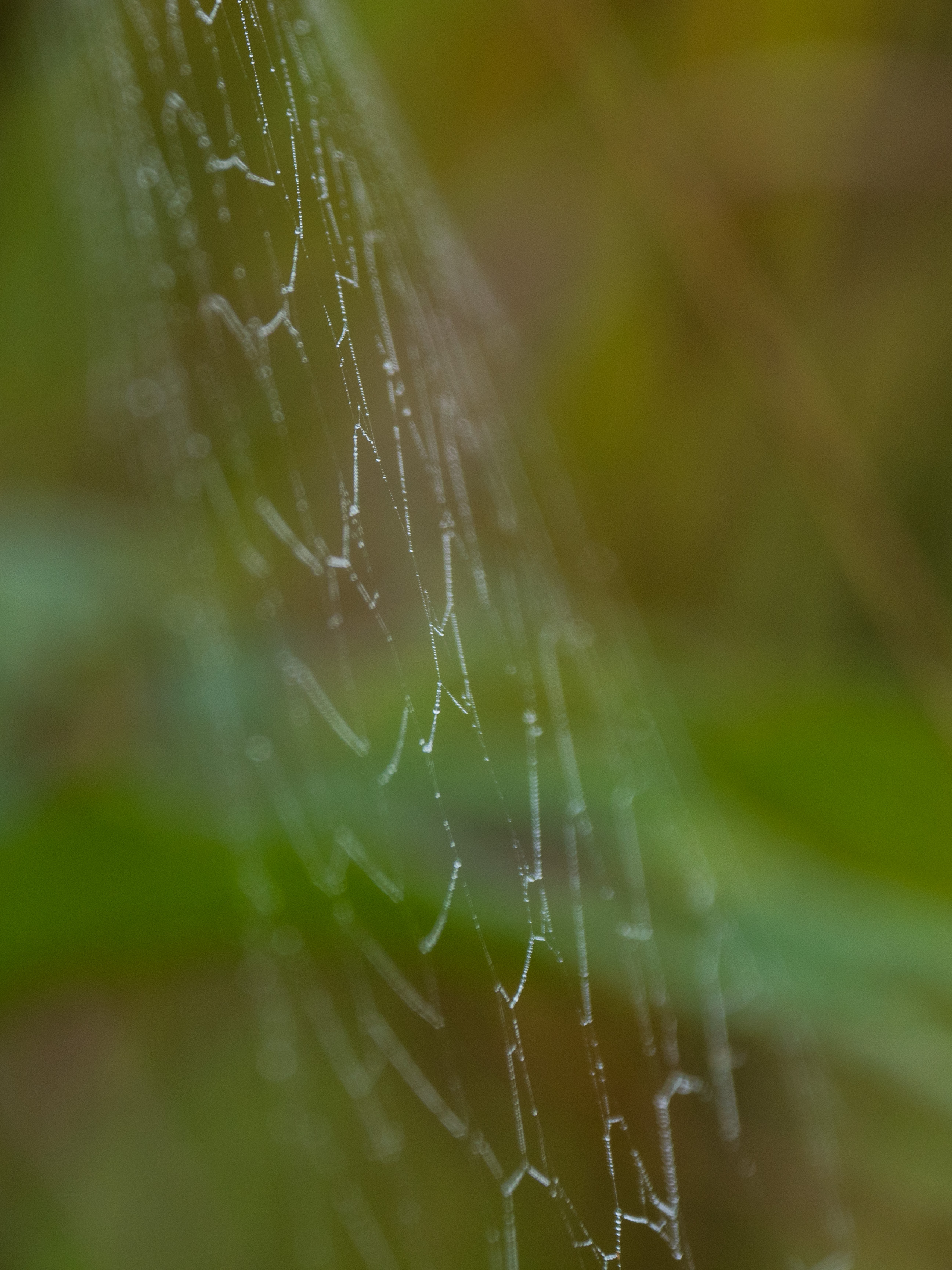
Very heavy dew …

p1440914-1

Dew on Goldenrod …

p1440919-1

more dew…

p1440926-1 p1440934-1 p1440950-1

When enlarged the dew droplets on the ‘parachutes’ are quite nice.

p1440956-1

As my sister says, “Butter and Eggs is a much nicer name than Toadflax.”

p1440962-1 p1440965-1 p1440974-1

A very ordinary roadside sight is quite nice when one stops to look carefully.  Actually this photo would probably have more impact if converted to Black and White:

p1790786-1 p1790792-1


Narrow leaved fall Aster

p1450539-1

“Shin-tangle”:

p1450552-1

The following were all taken very early in the morning, looking into the sunrise along the Still River:

p1450608-1 p1450611-1 p1450623-1 p1450634-1

You may be wondering why this sudden flurry of activity.

I had some issues with my ISP which messed up my email and my ability to upload to the blogsite.  Fortunately I have a work-around with my Bell Turbo Hub which works most of the time.

I uploaded several different posts today, which range from landscape, wildlife, fruits, mushrooms and pollinators.   All are earlier than this post and can be found by either clicking on the archive or by clicking on the title “Britthome’s Blog” at the top of the page.

20160930 End of summer fruits

Here are a few photos of the fruits that mature in September in the neighbourhood.

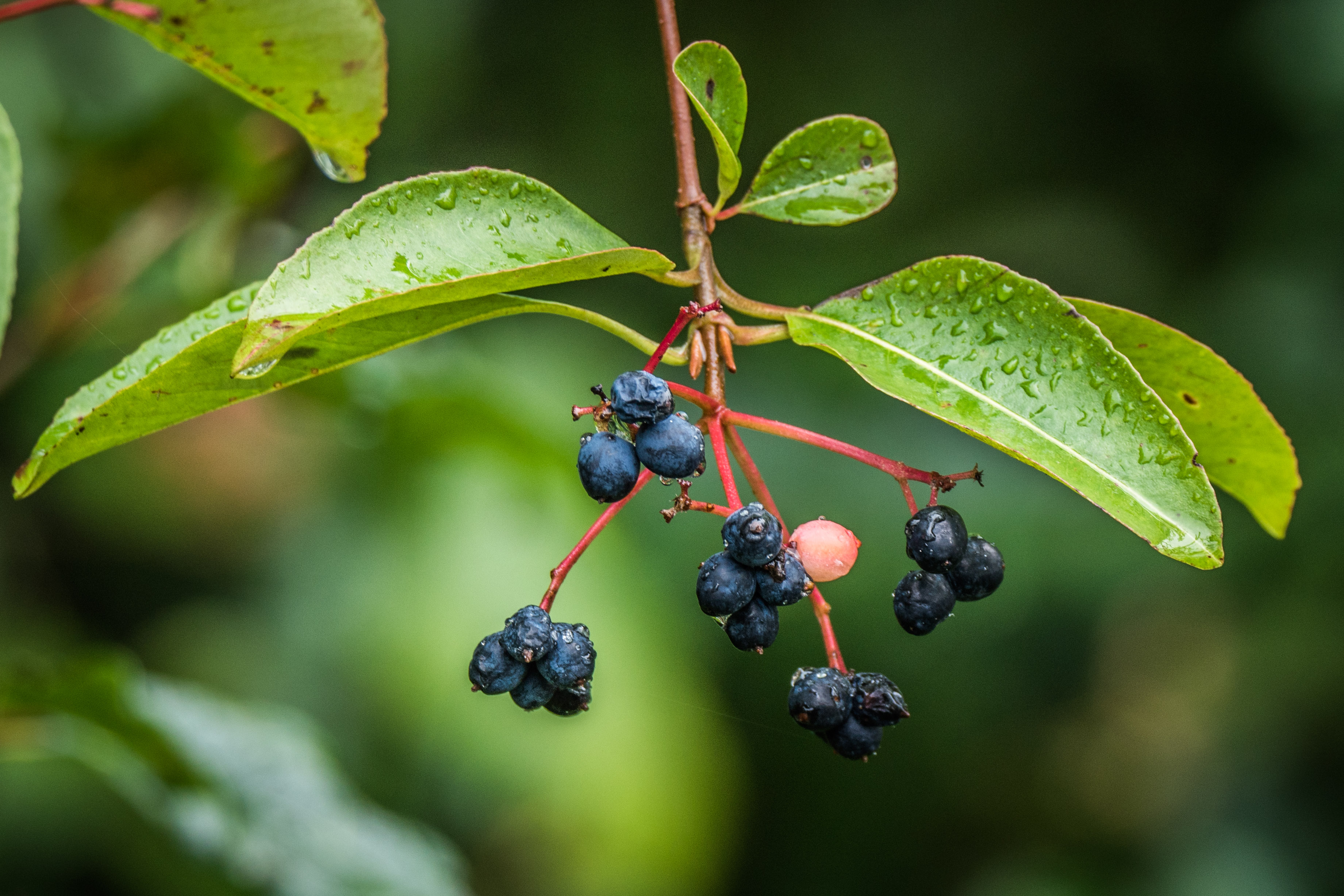
Northern Wild Raisins before all of the critters feed on them…

p1440611-1-2

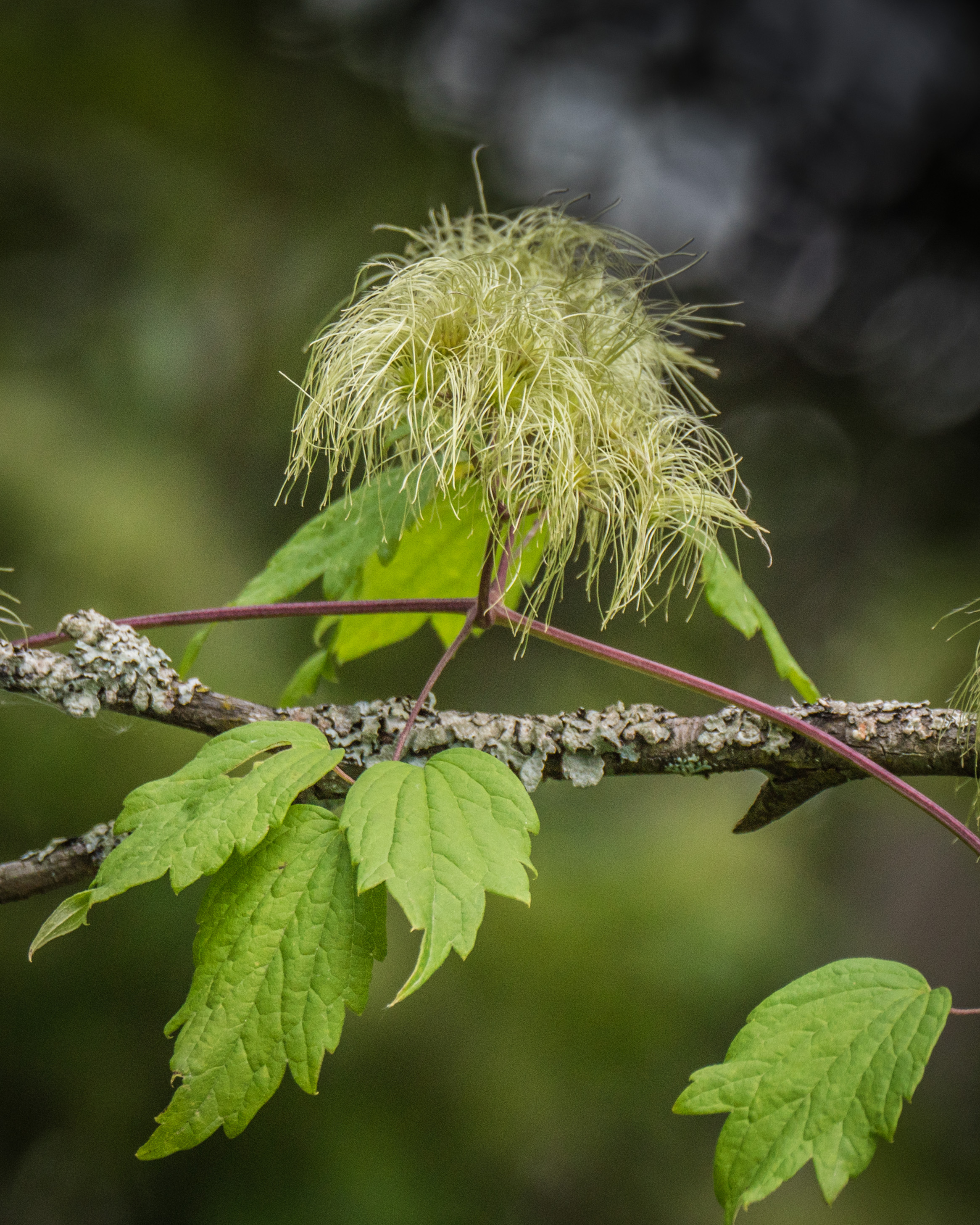
Not a fruit but I thought to include the seed fluff of this Virgin’s Bower:

p1440625-1

Famous Haw (thorn)

p1440878-1

Northern Wild Raisin at its peak for harvesting.  In a day or two the purple berries will shrivel up, resembling raisins.

p1450176-1

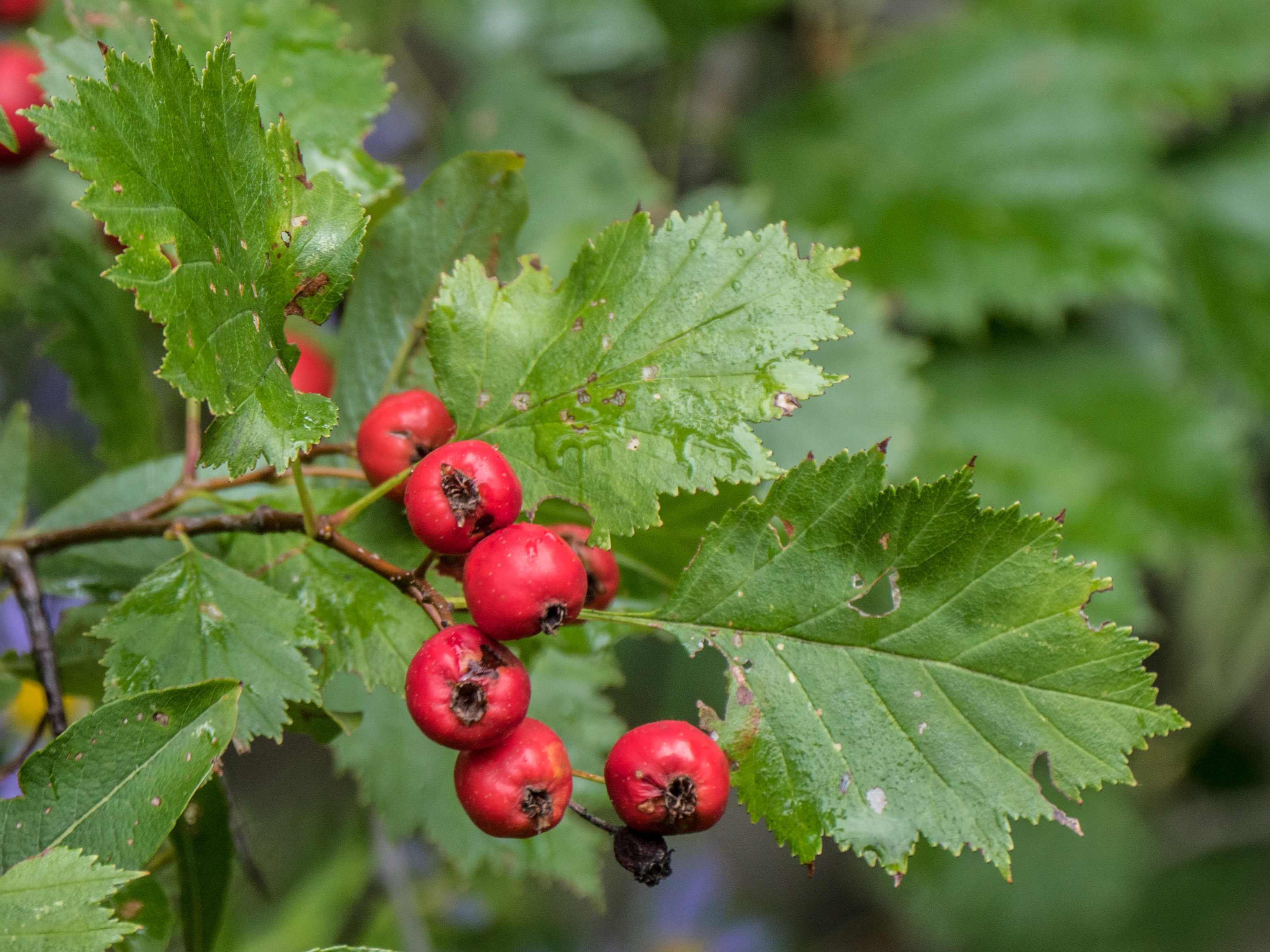
Fanleaf Hawthorn:

p1450212-1


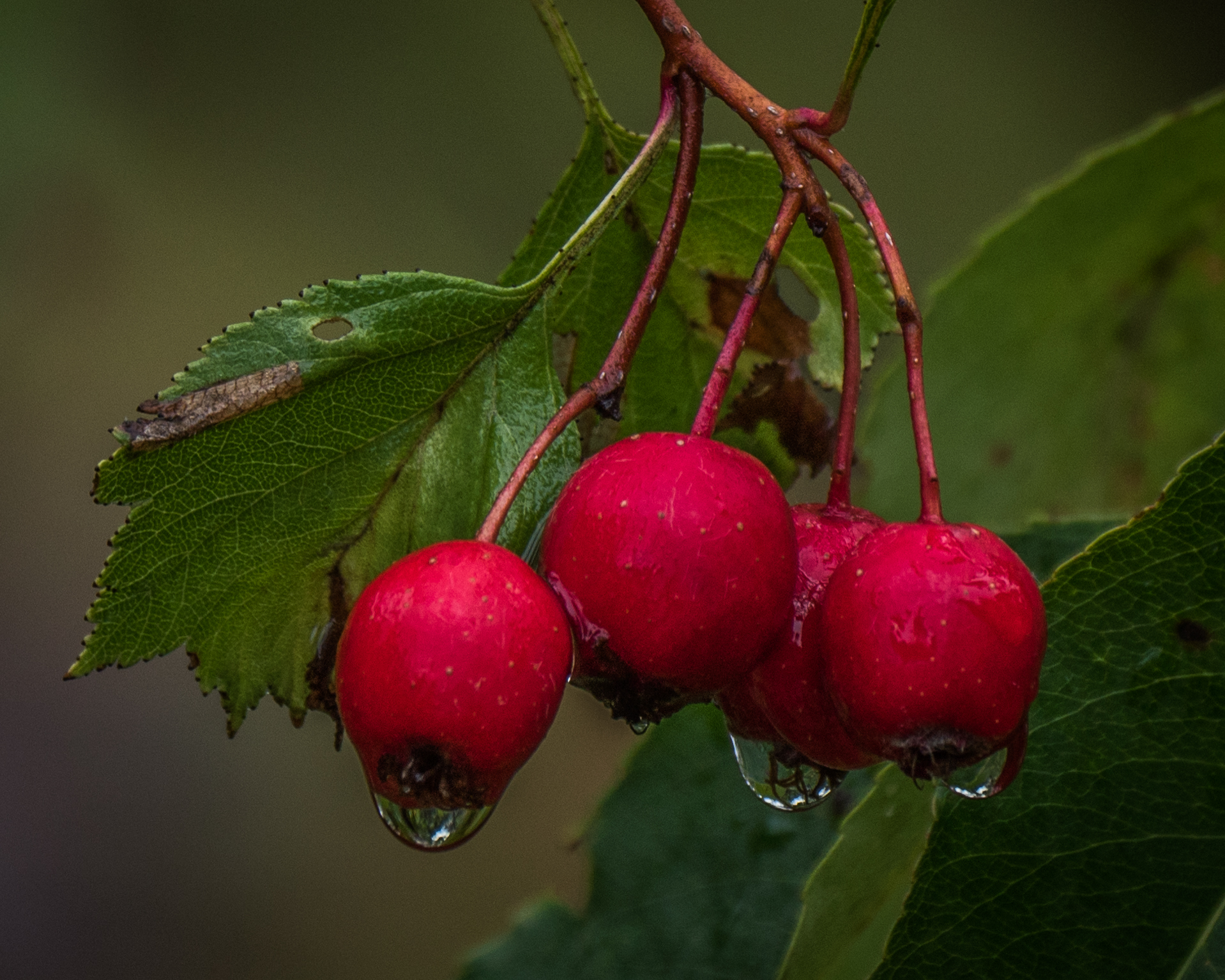
In the rain…

p1450506-1 p1450530-1 p1450542-1

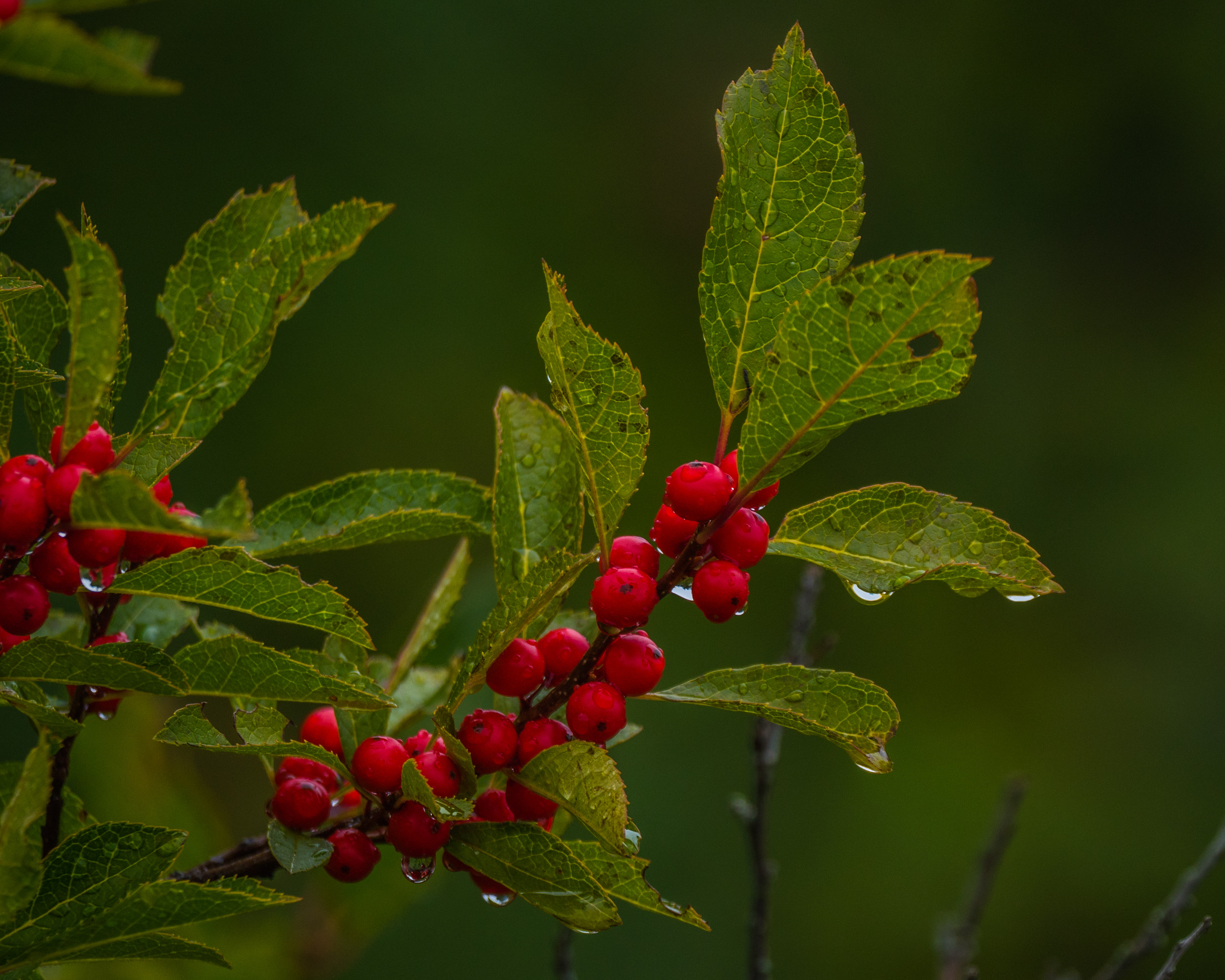
Inedible winterberry:

p1450588-1

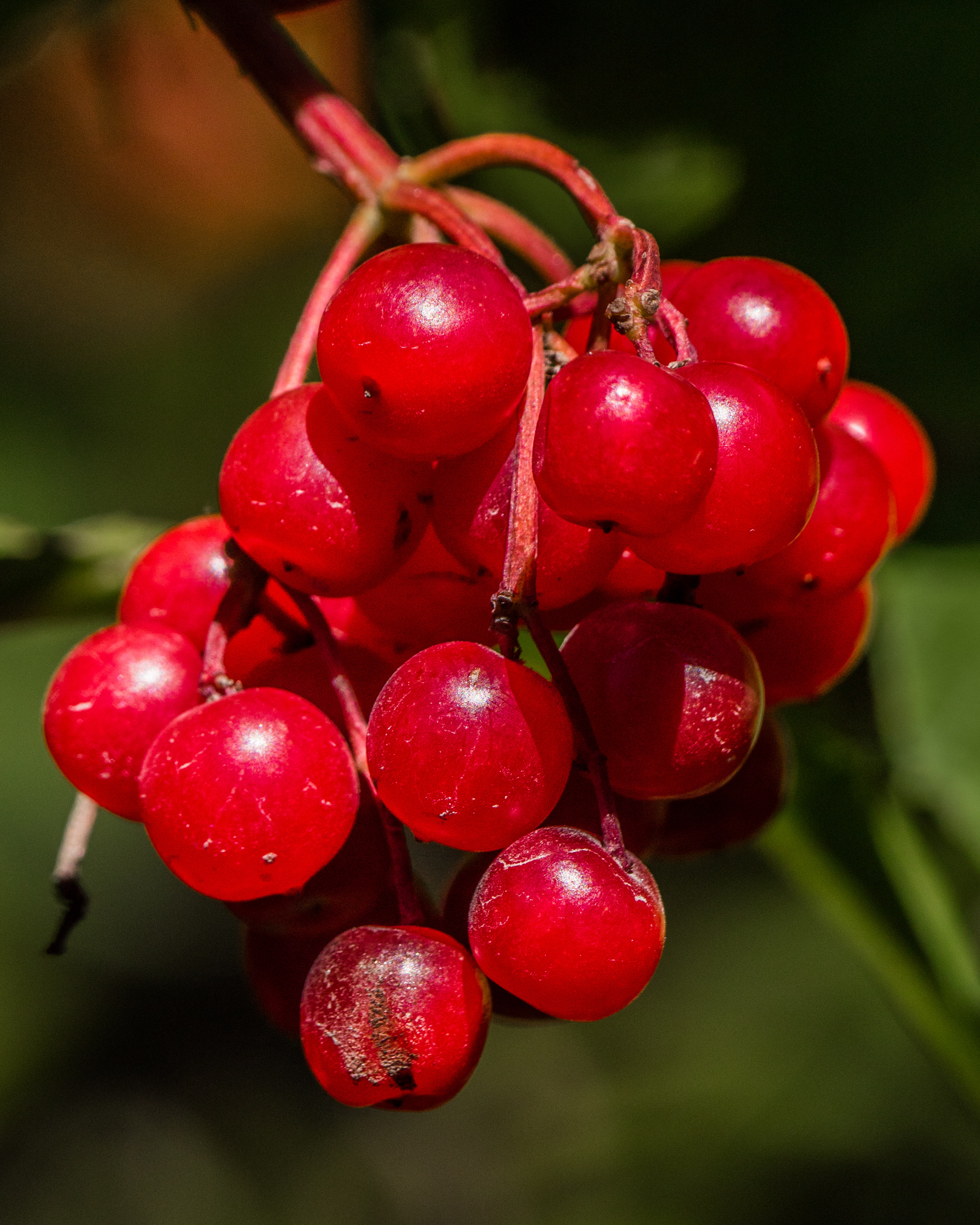
And the very edible (when processed into jelly) Highbush Cranberry:

p1450785-1

These fruits are critical for the carbo needs of the various critters who want to fatten up before winter.  This year we had a good crop so the birdies and mammals who eat them are happy.

20160930 September Mushrooms

A warm and wet September, especially after a dry warm summer stimulated a lot of mushrooms to fruit later than usual.  Boletes and Amanitas were especially visible this fall.

Here are some examples:

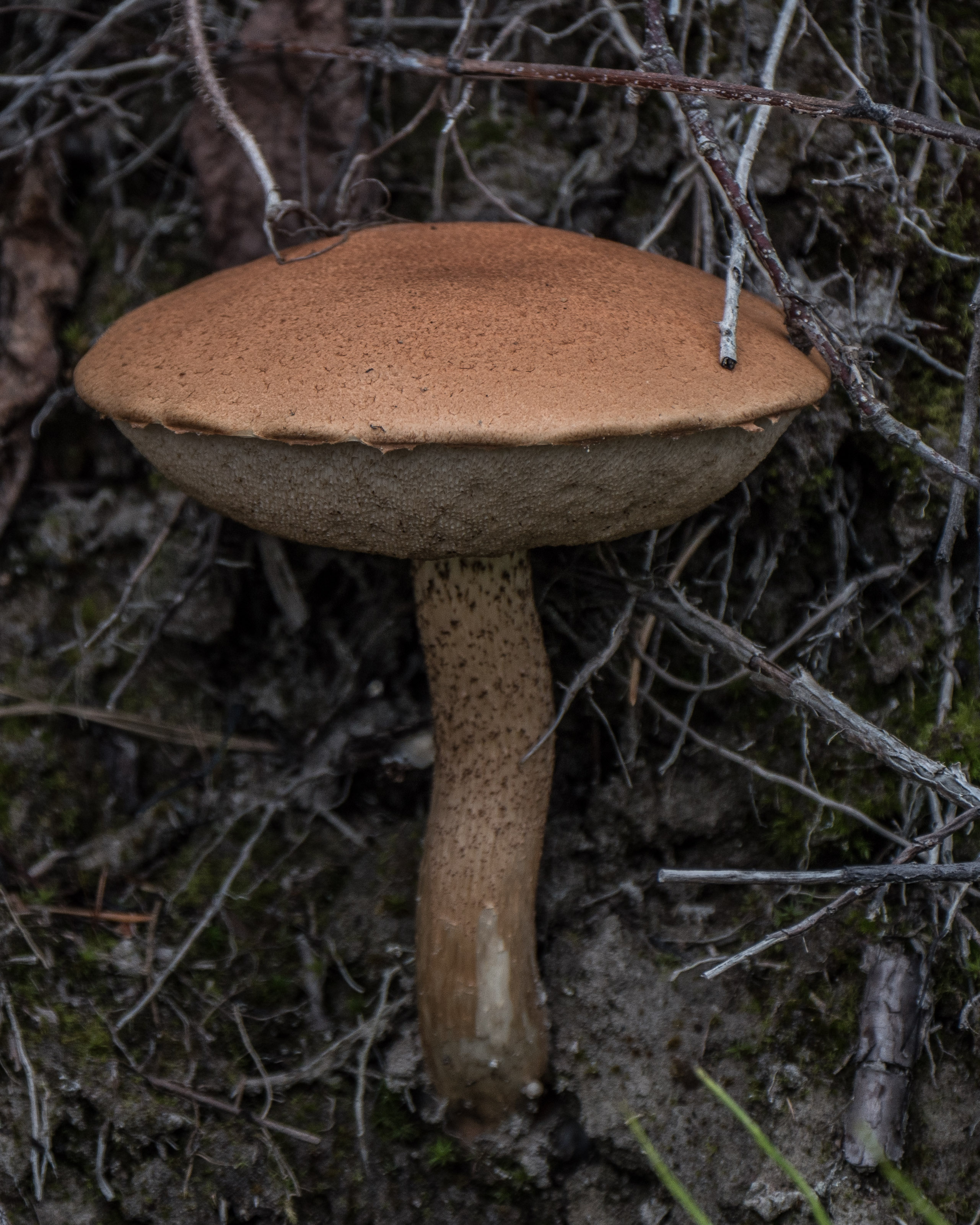
A nice harvest of one of the Boletes, possibly a Suillus.

p1440671-1

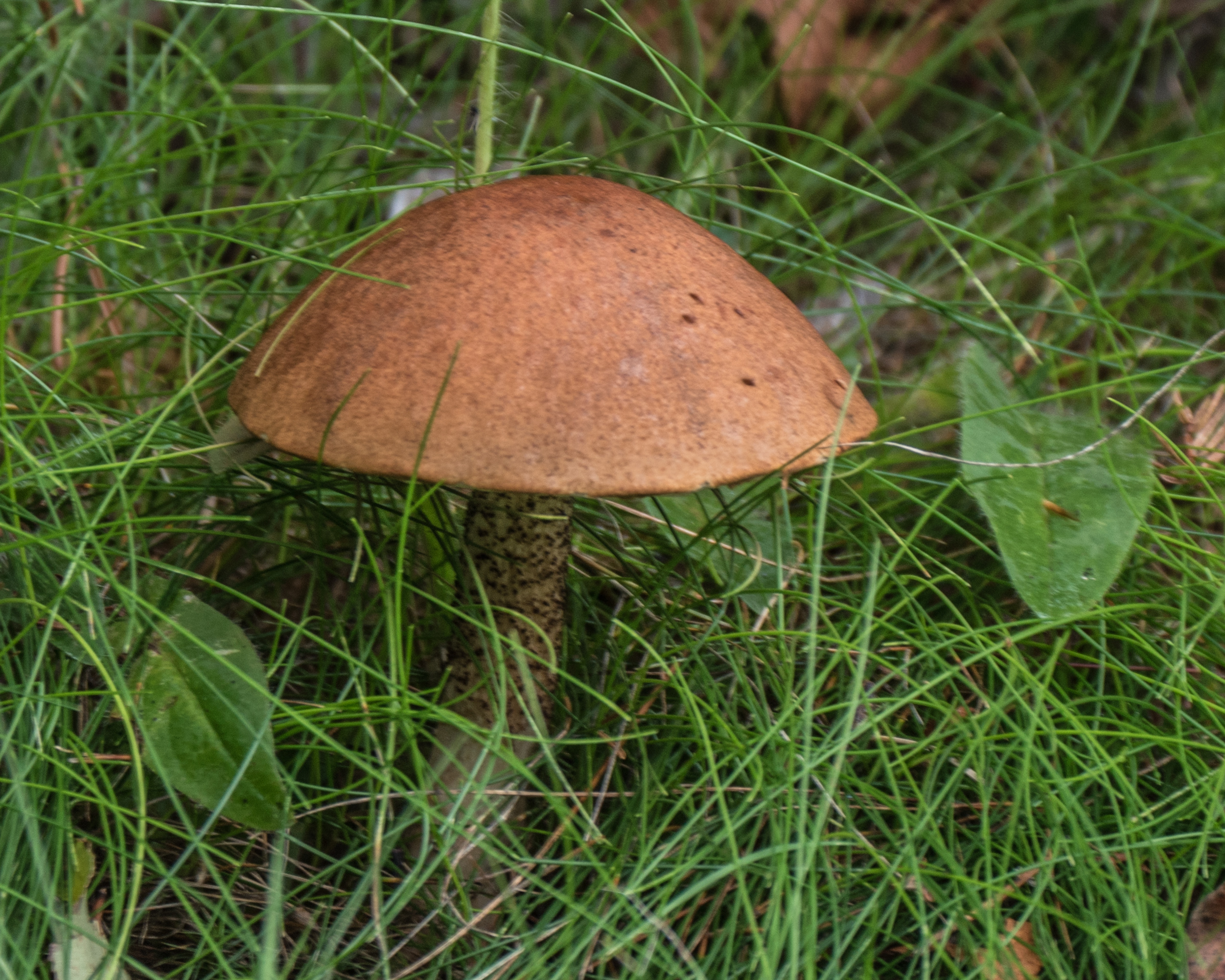
One of the Boletes up close, usually with a smooth cap, and variable markings on the stem…

p1450122-1

… and spore tubes underneath, instead of gills.

p1450131-1

I don’t recall what these gilled mushrooms are.

p1450140-1

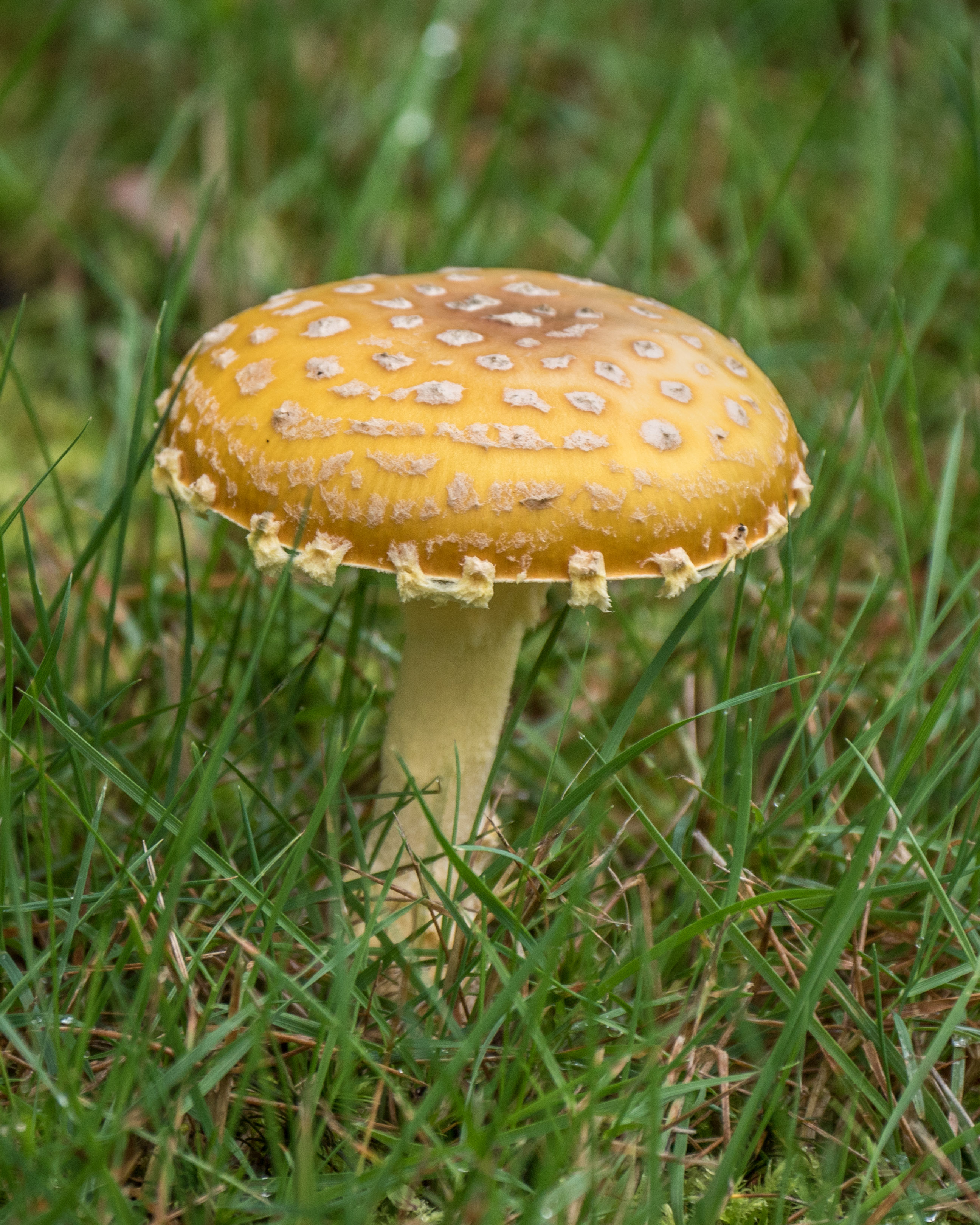
Amanita muscaria (a yellow/orange variety) just past the button stage …

p1450146-1

About a day older specimen… showing the remnants of the veil on the stem (stipe).

p1450160-1 p1450460-1 p1450518-1

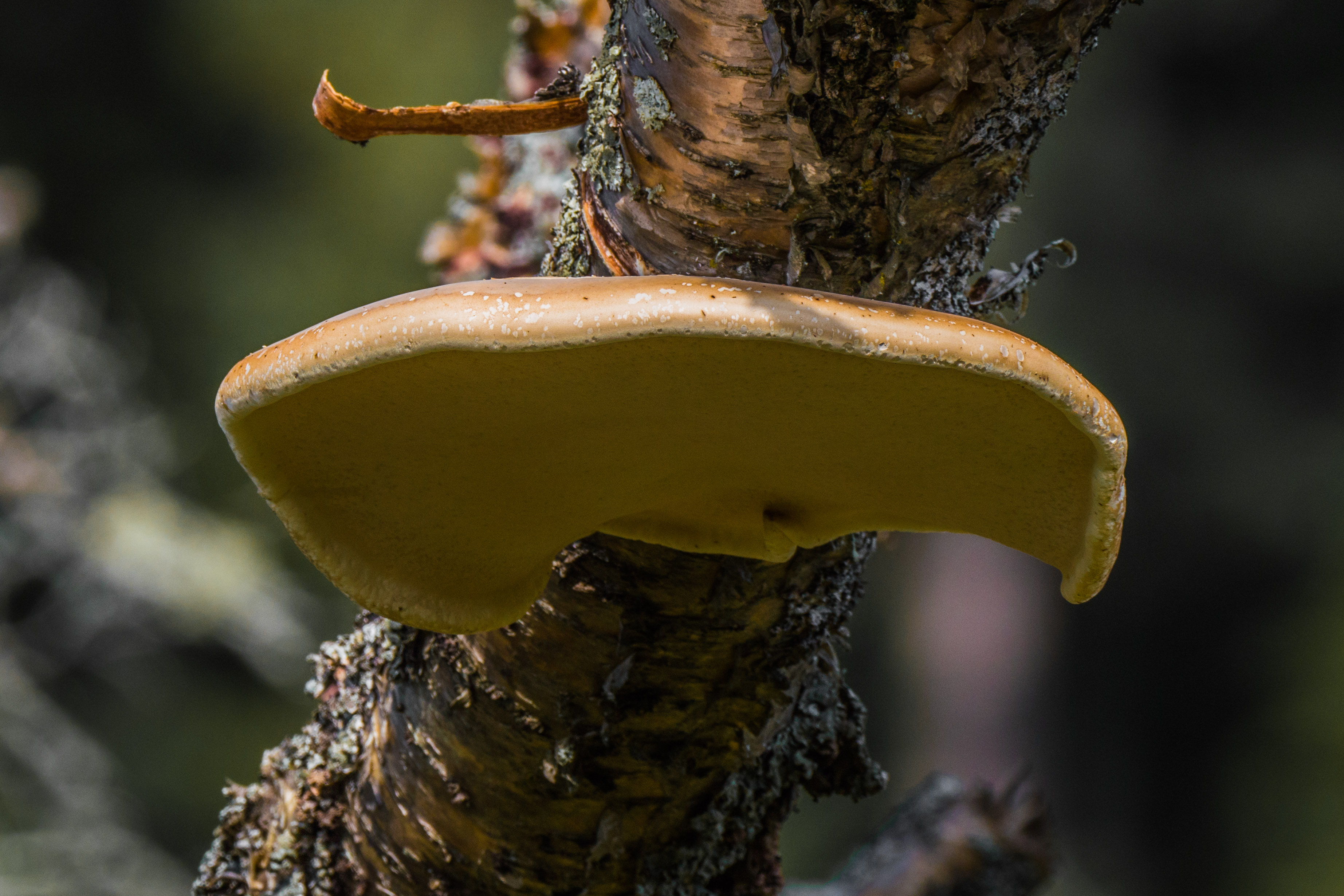
In spite of the spore tubes this is NOT a Bolete.  It is a Polypore of some sort attached to a yellow birch branch.

p1450595-1

A common name for this mushroom is Fly agaric.

p1450646-1

Boletes:

p1450670-1 p1450682-1 p1450685-1

Amanita:

p1450694-1

I don’t recall what these gilled mushrooms are:

p1450697-1 p1450700-1 p1450706-1


Bolete:

p1450709-1

Another gilled mushroom

p1450715-1

Bolete:

p1450718-1

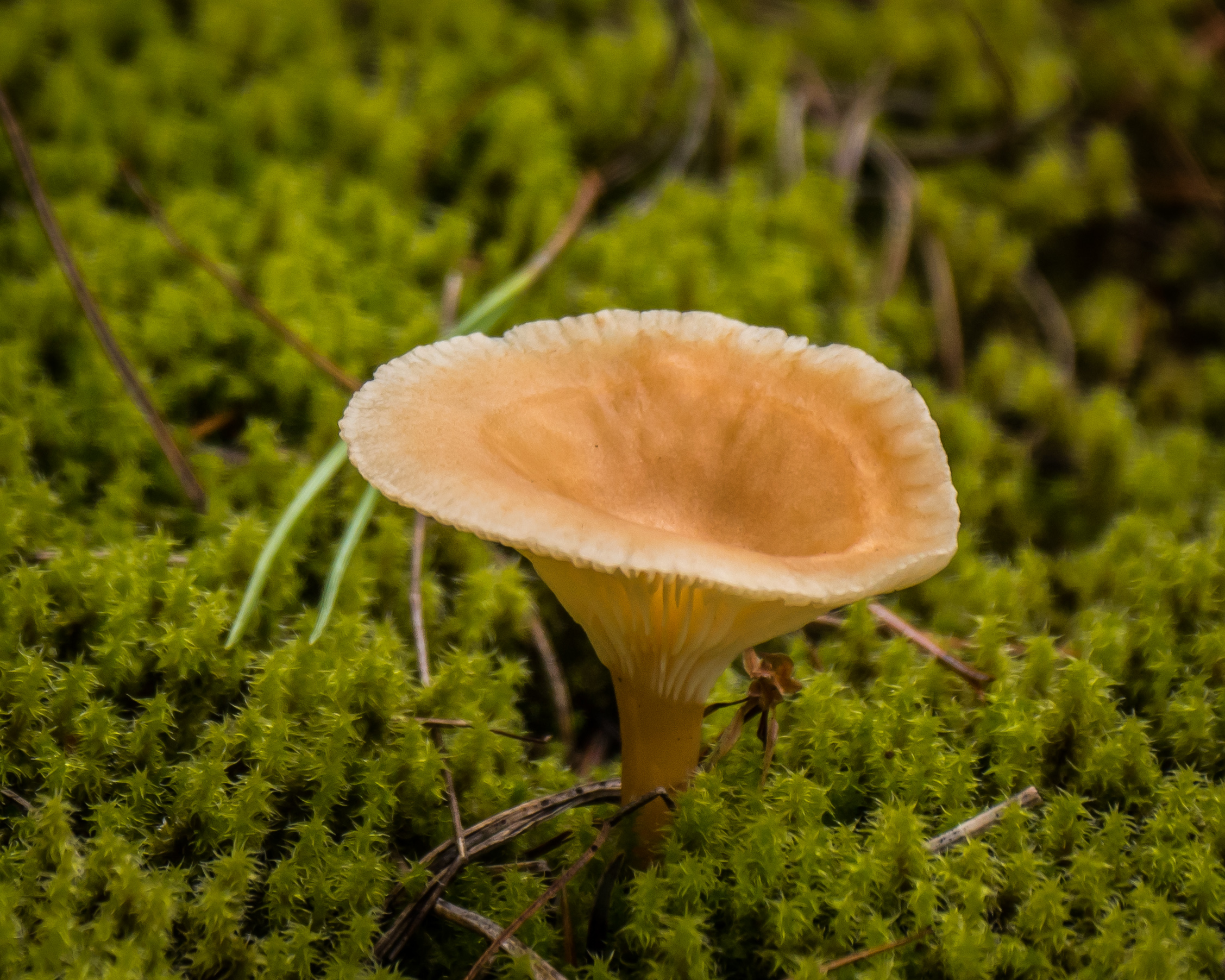
This is NOT a chanterelle:

p1450731-1 p1450734-1

My best mushroom field guide was written many years ago by Orson K Miller.  It remains a classic.  Foraging for mushrooms is safe and lots of fun … if you know what you’re doing and don’t take chances.   I suggest buying a good field guide if you want to eat wild mushrooms.  Some of the internet websites are not reliable. This one appears to be quite good.


20160930 September landscapes and other stuff

Here are some images that were made of the last month or so …

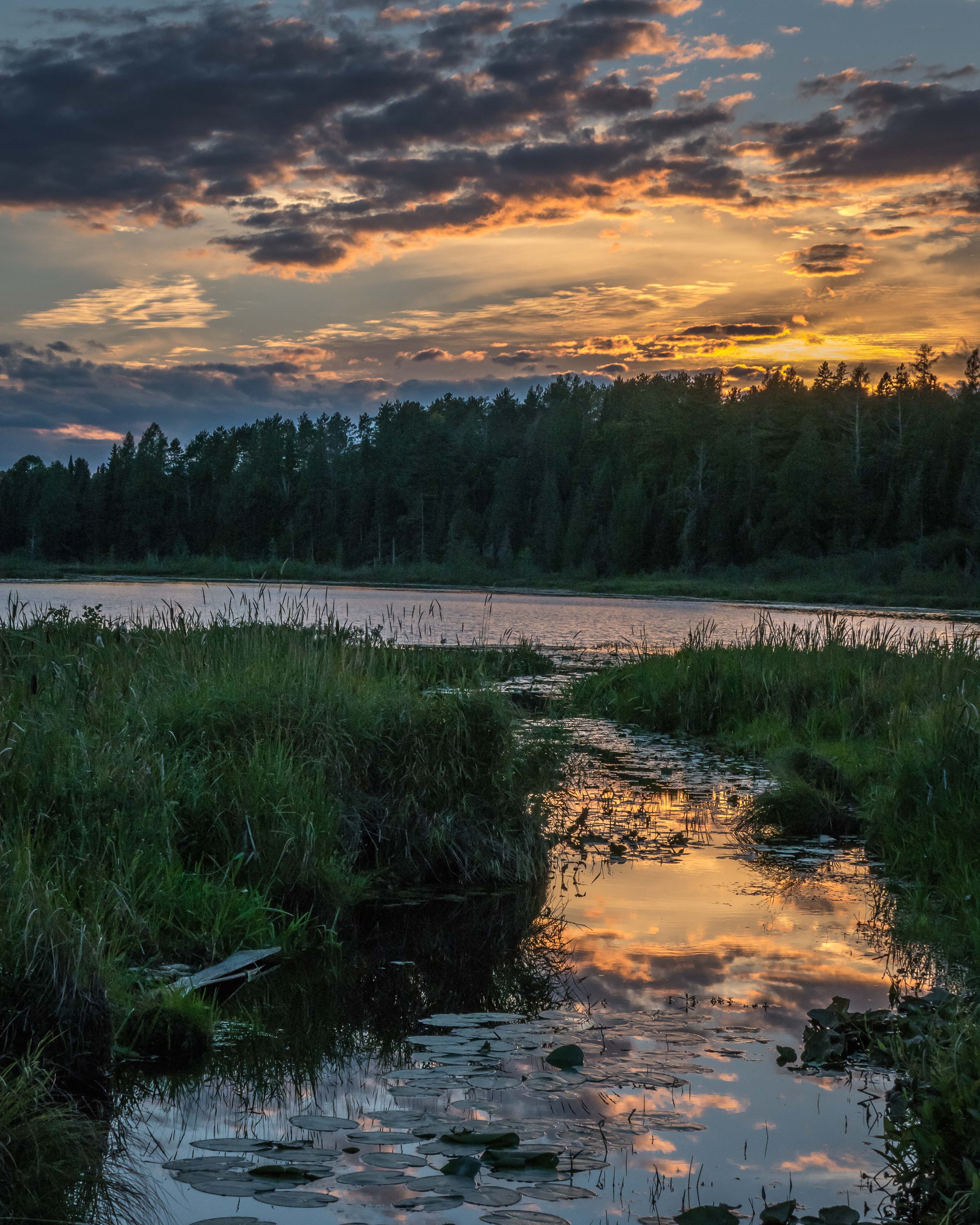
The next few were taken off of the North Road, Loring ON.  I included the series as the sky was changing quite rapidly …

p1790668-1 p1790680-1 p1790683-1 p1790701-1 p1790707-1-2 p1790725-1 p1790743-1

A little further up North Road …

p1790746-1

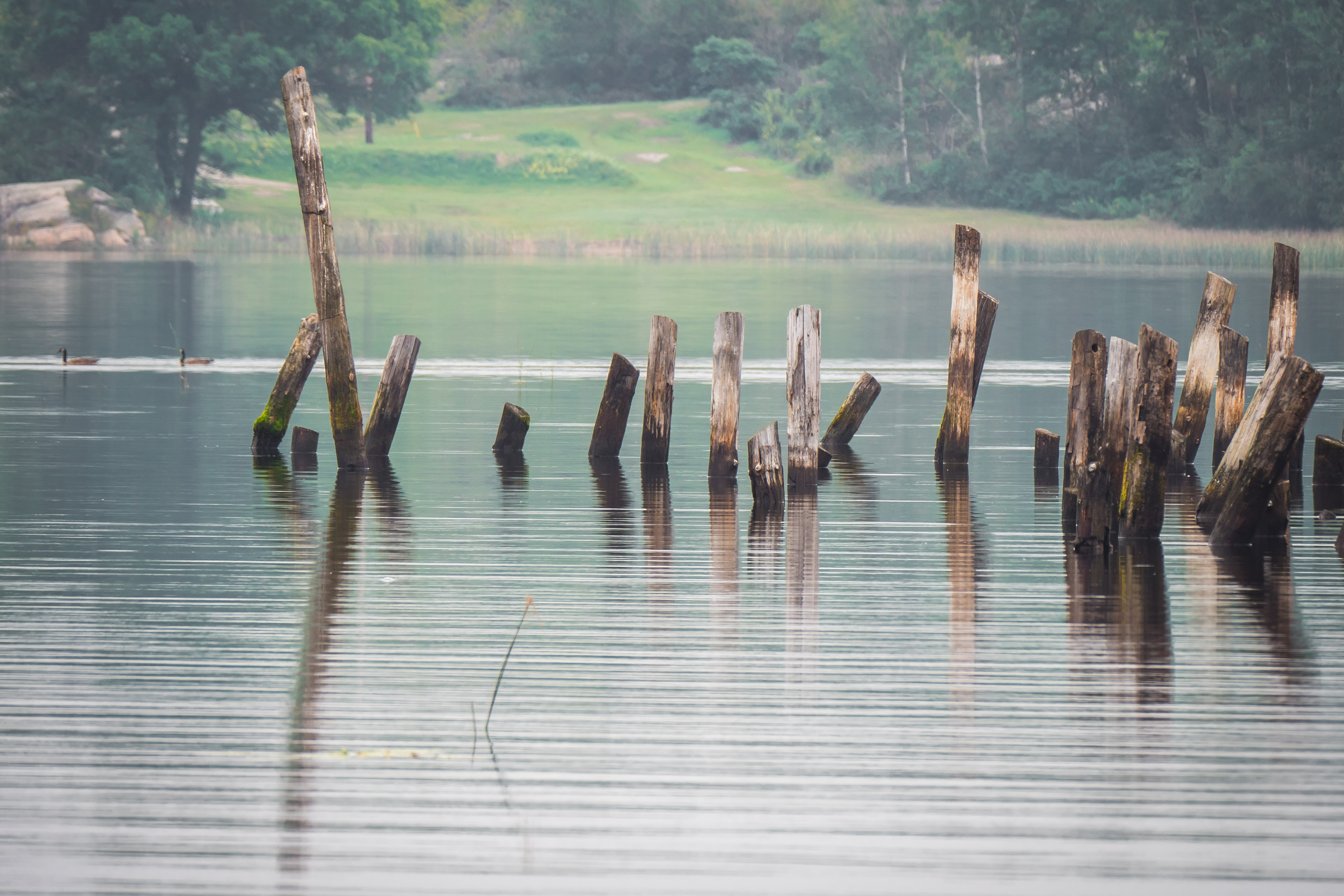
Remnants of Byng Inlet 100 year old dockage:

p1440983-1

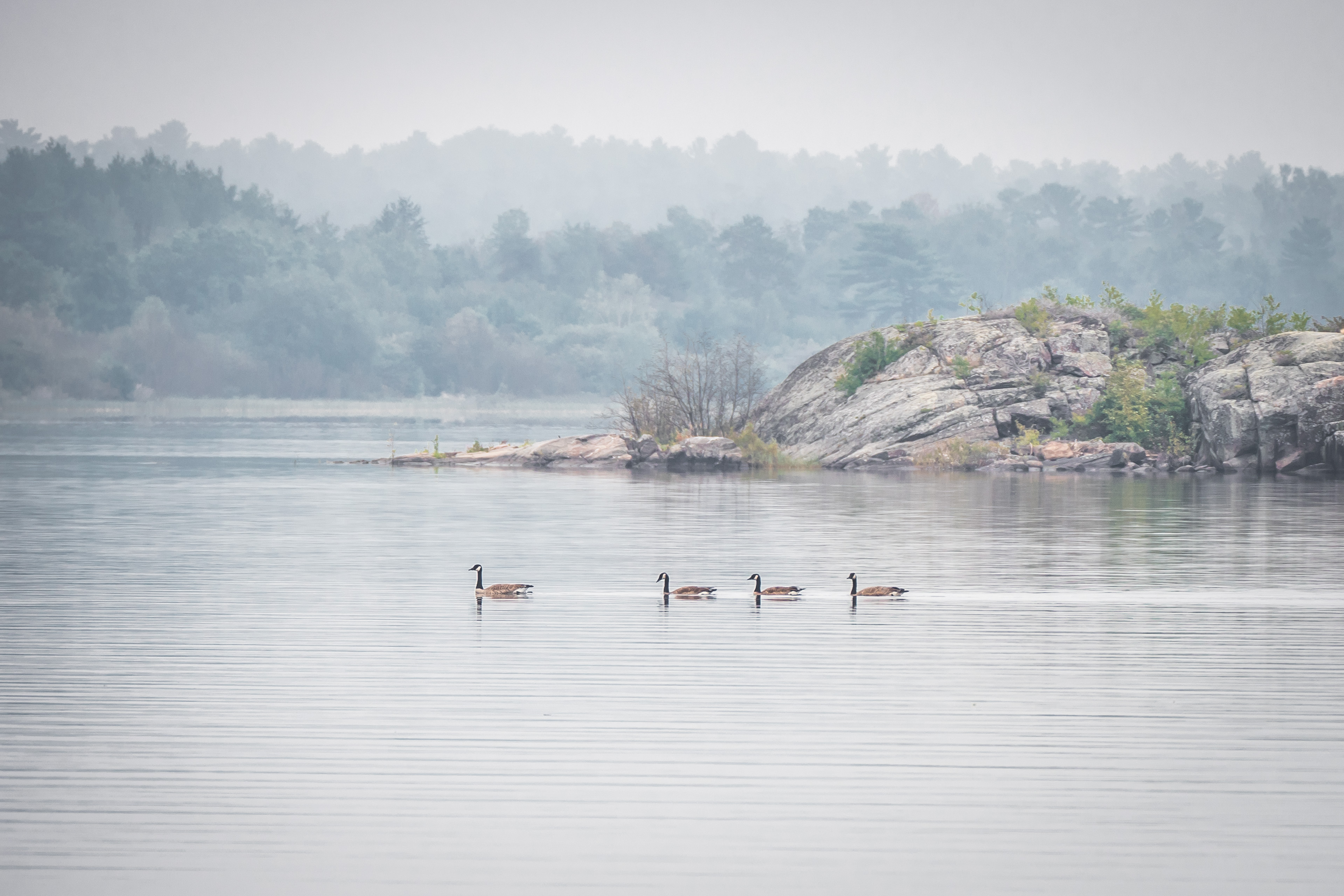
A few minutes later as the camera followed the geese in the above photo.

p1440989-1

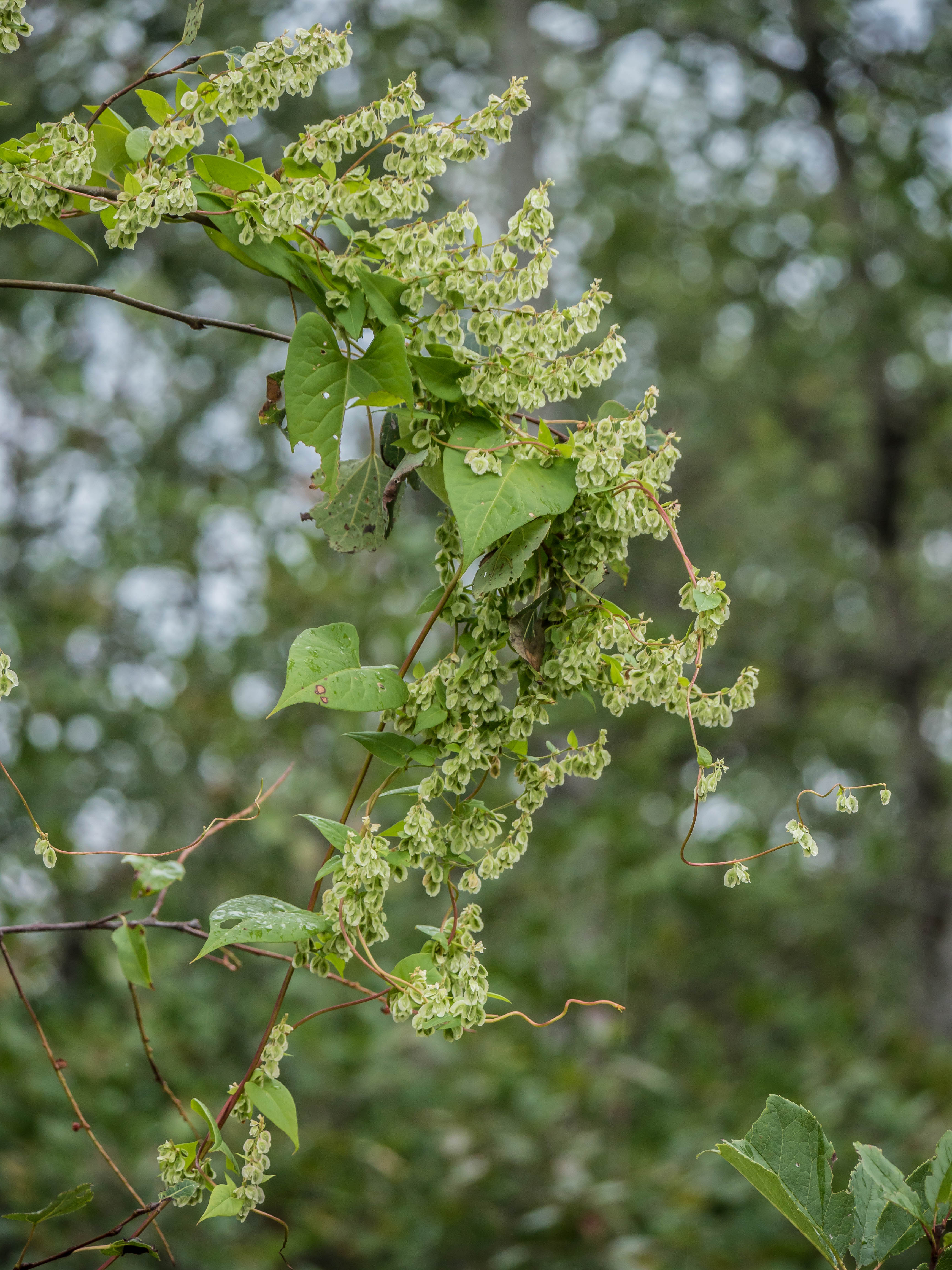
I don’t know what this vine is.  Seems like a cultivar.

p1450170-1

Diana’s wonderful pansies and zinnias…

p1450227-1 p1450230-1 p1450247-1

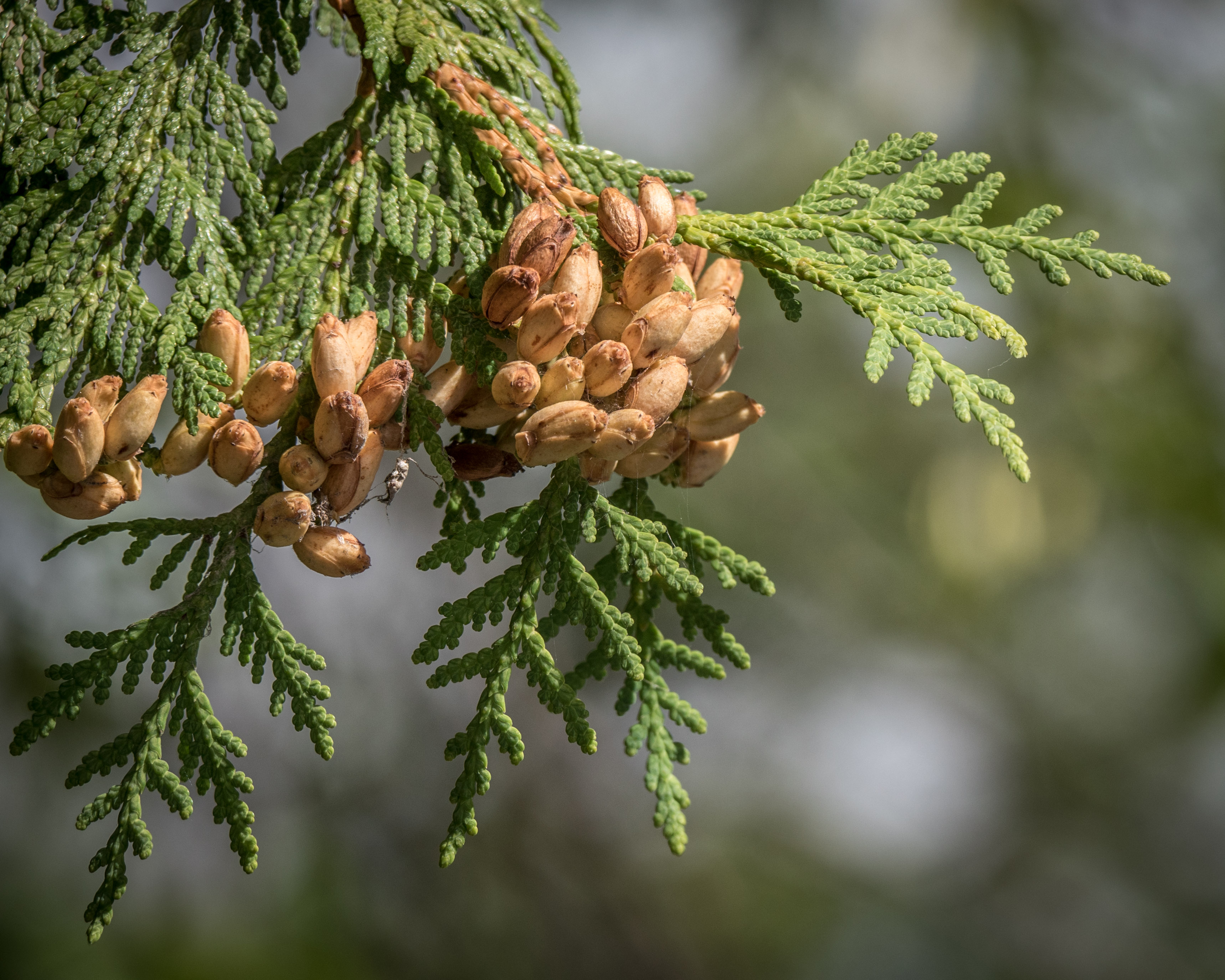
A good crop of cedar seeds this year …

p1450354-1

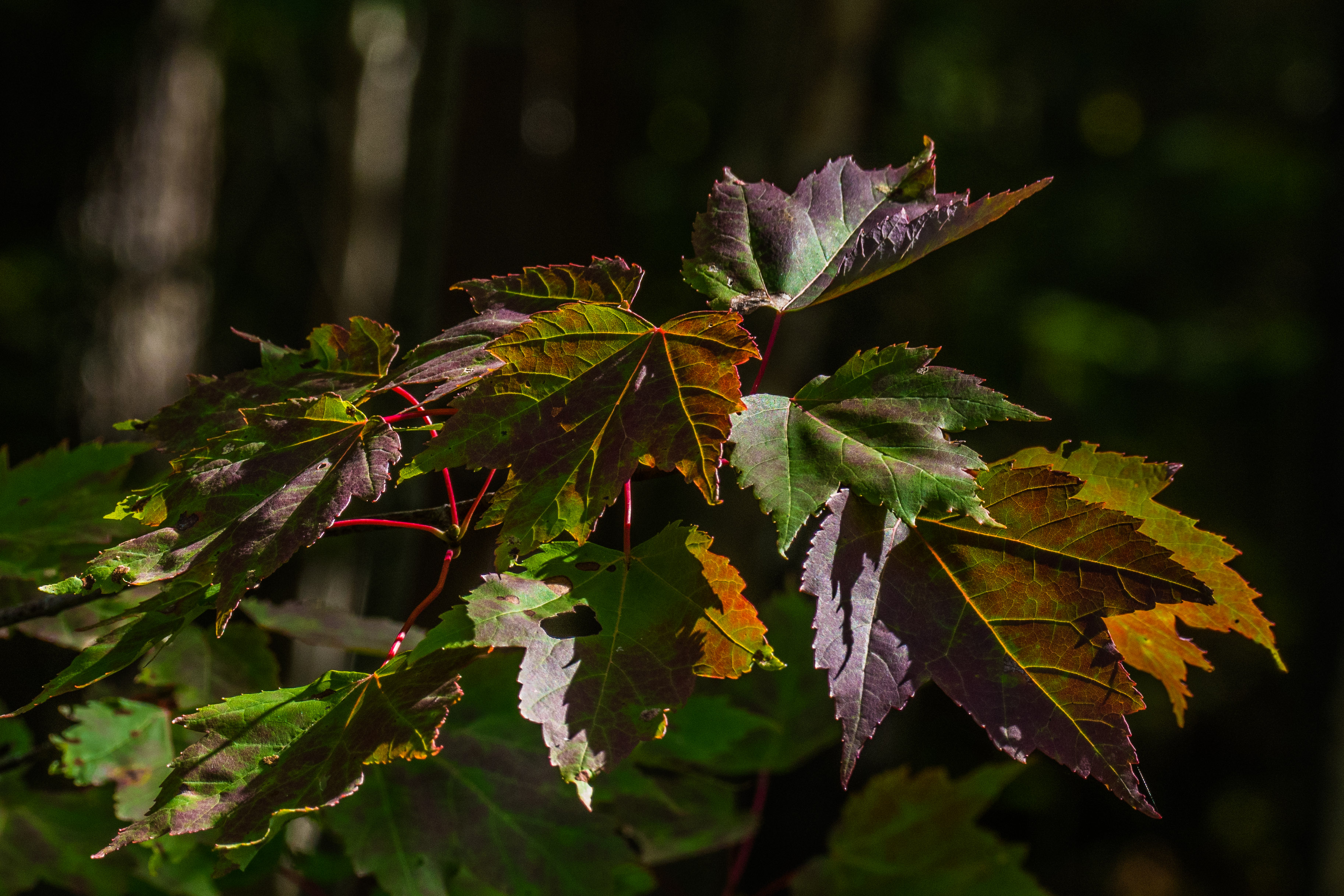
Maples are turning …

p1450395-1

Hwy 529 white pine in the mist …

p1790810-1 p1790816-1 p1790822-1 p1790829-1

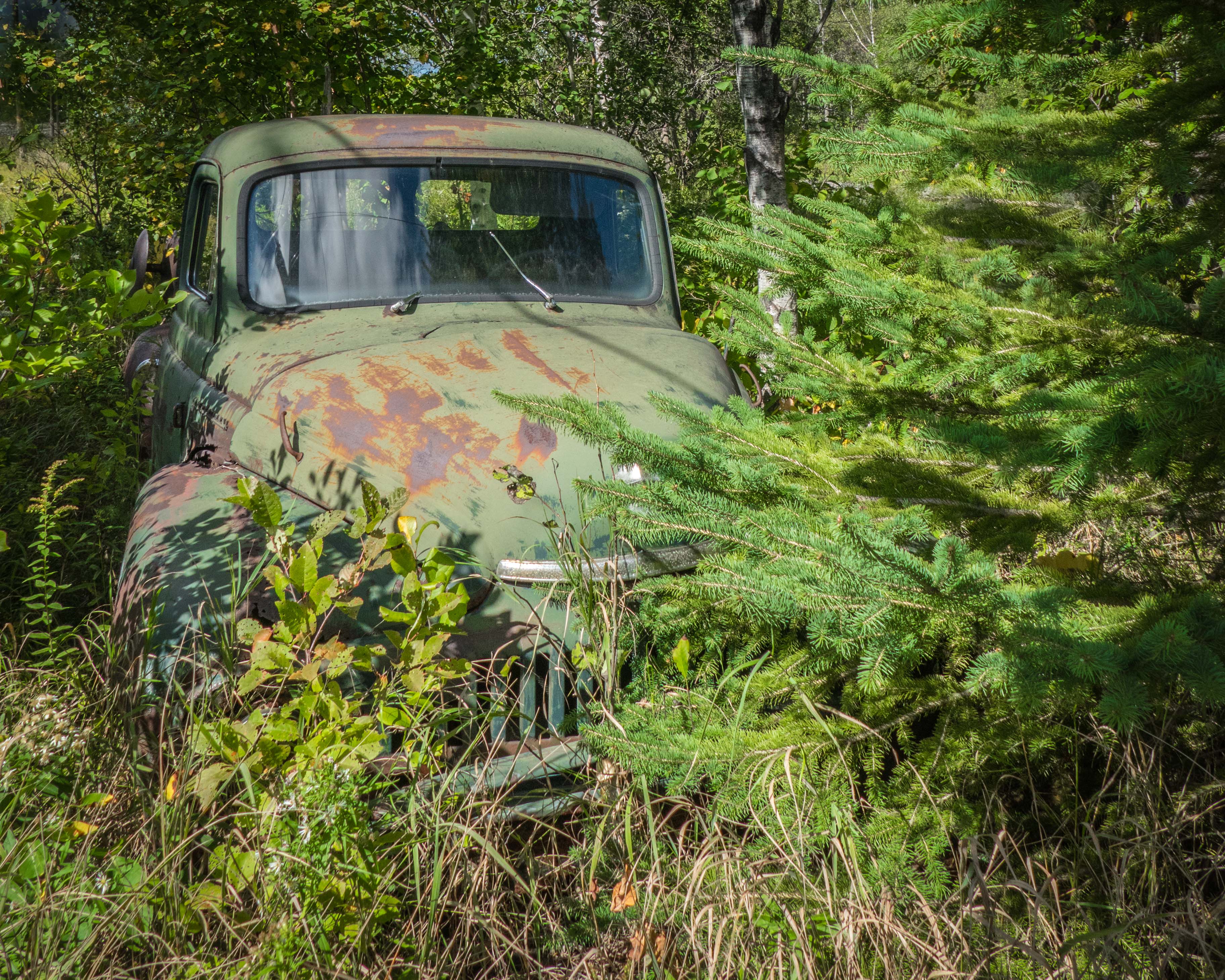
Elderly (’50s) International half-ton.

p1790844-1

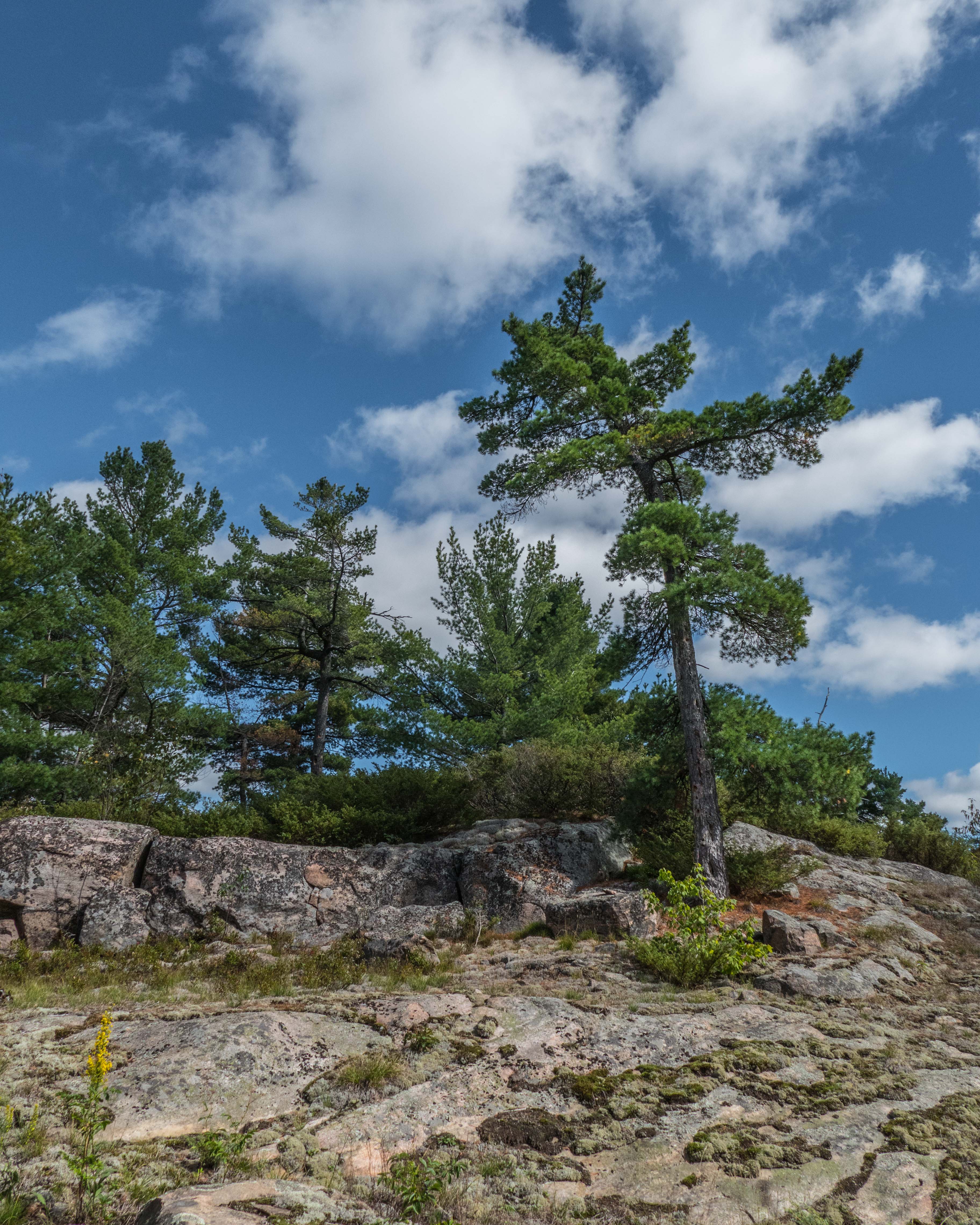
Here is that white pine again…

p1790849-1

And the rocks in Big Lake again…

p1790860-1

Turning leaves …

p1790861-1 p1790871-1-2

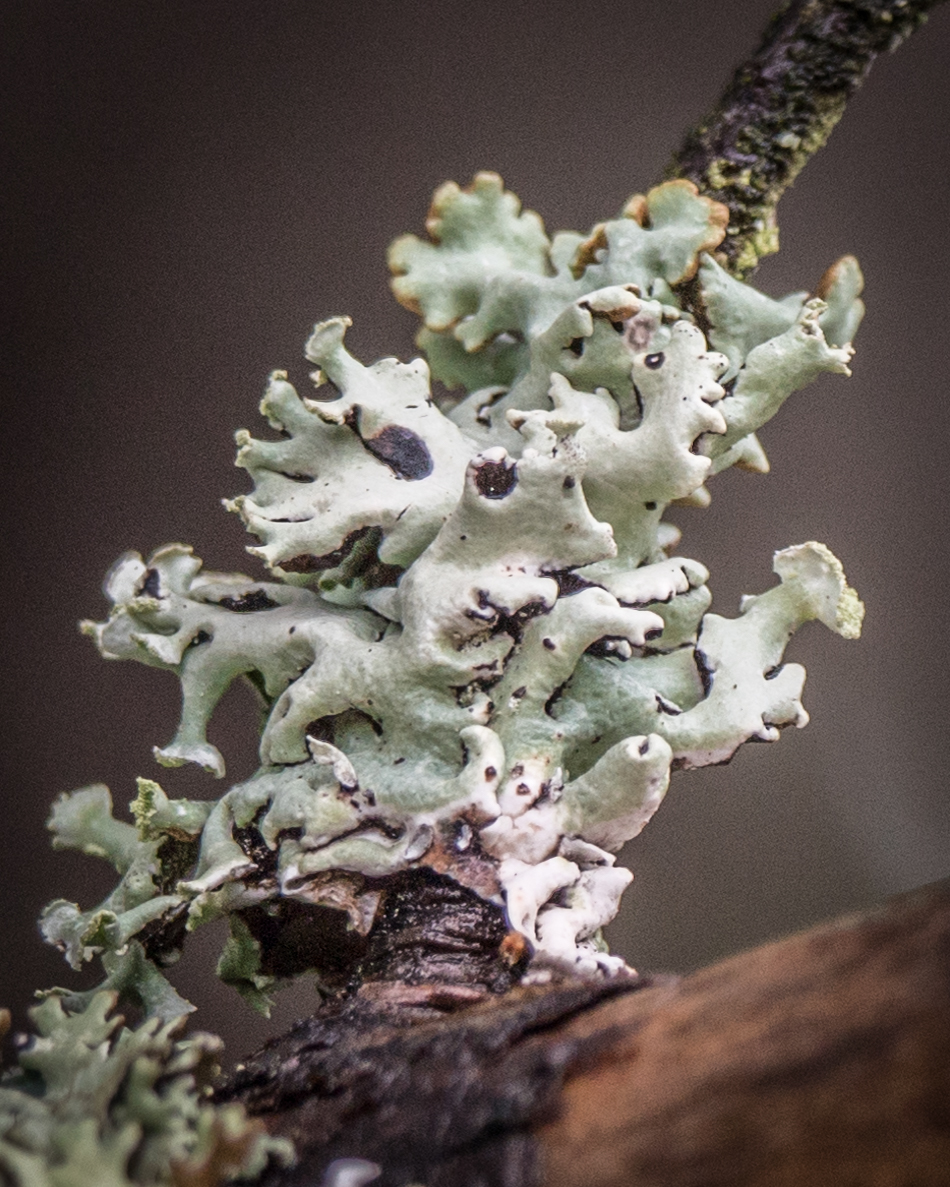
Lichens after a rain …

p1450566-1 p1450571-1

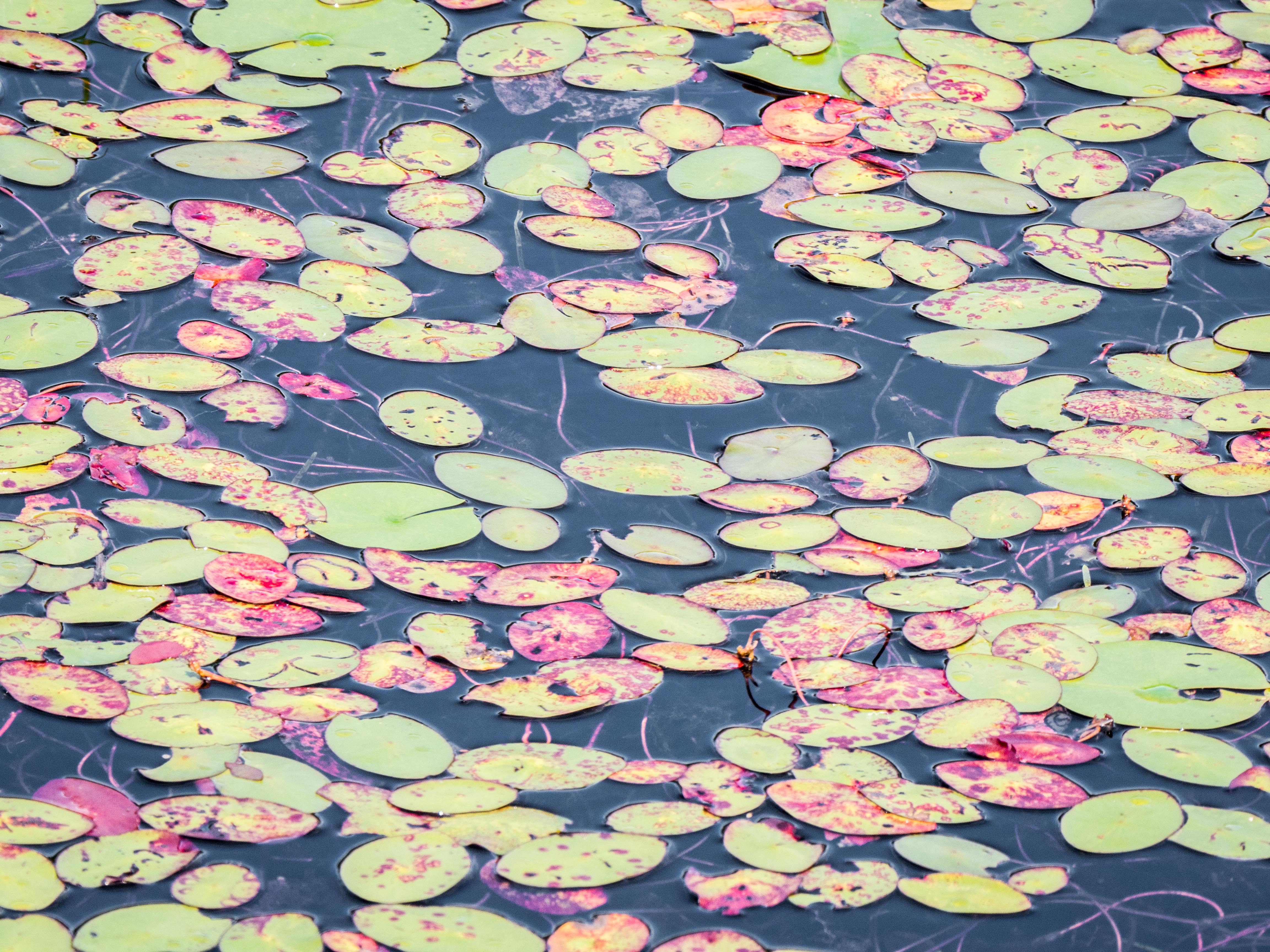
Monet and his waterlilies!!

p1450590-1-2

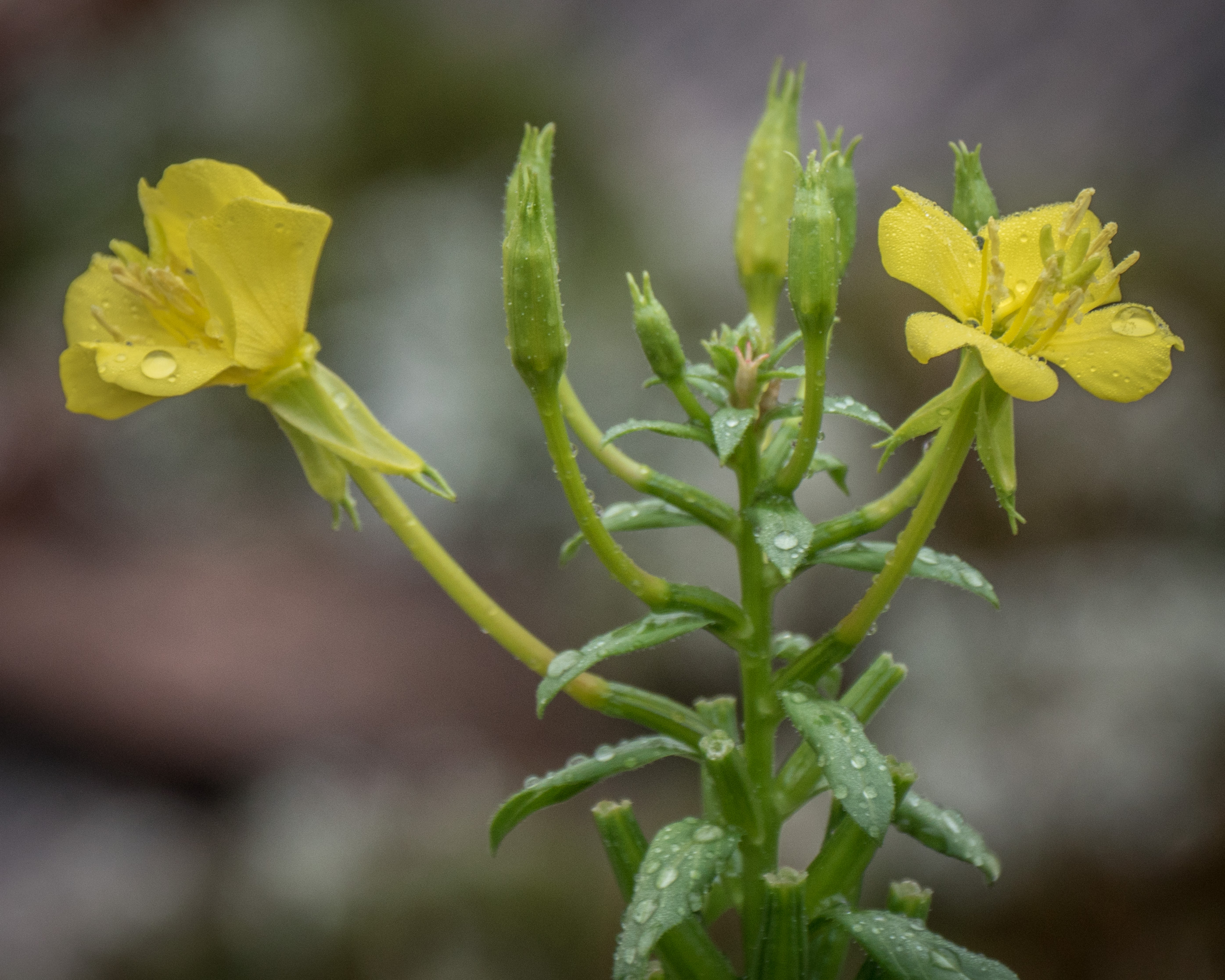
Evening primroses are ending their bloom cycle…

p1450602-1

And Pale Corydalis are blooming again … the second generation this year:

p1450728-1


Although many photographers suggest that the end of summer is a quiet time for natures images, it seems that there is always something interesting to see, if we look.

20160930 End of Summer pollinators …

Most of the butterflies have either moved south or deposited eggs to overwinter in bark or detritus so  most of the pollination is being done by bees and flies …

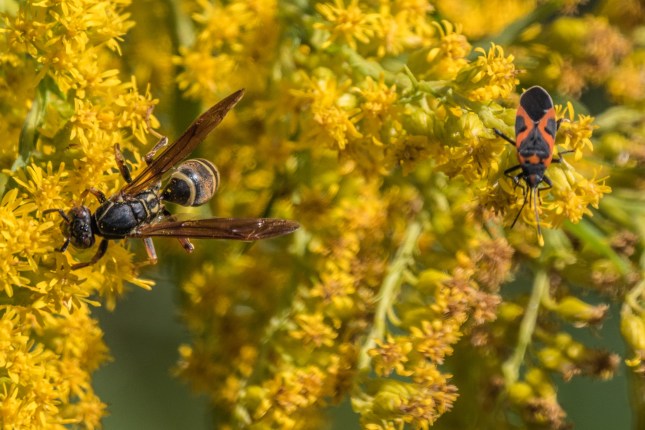
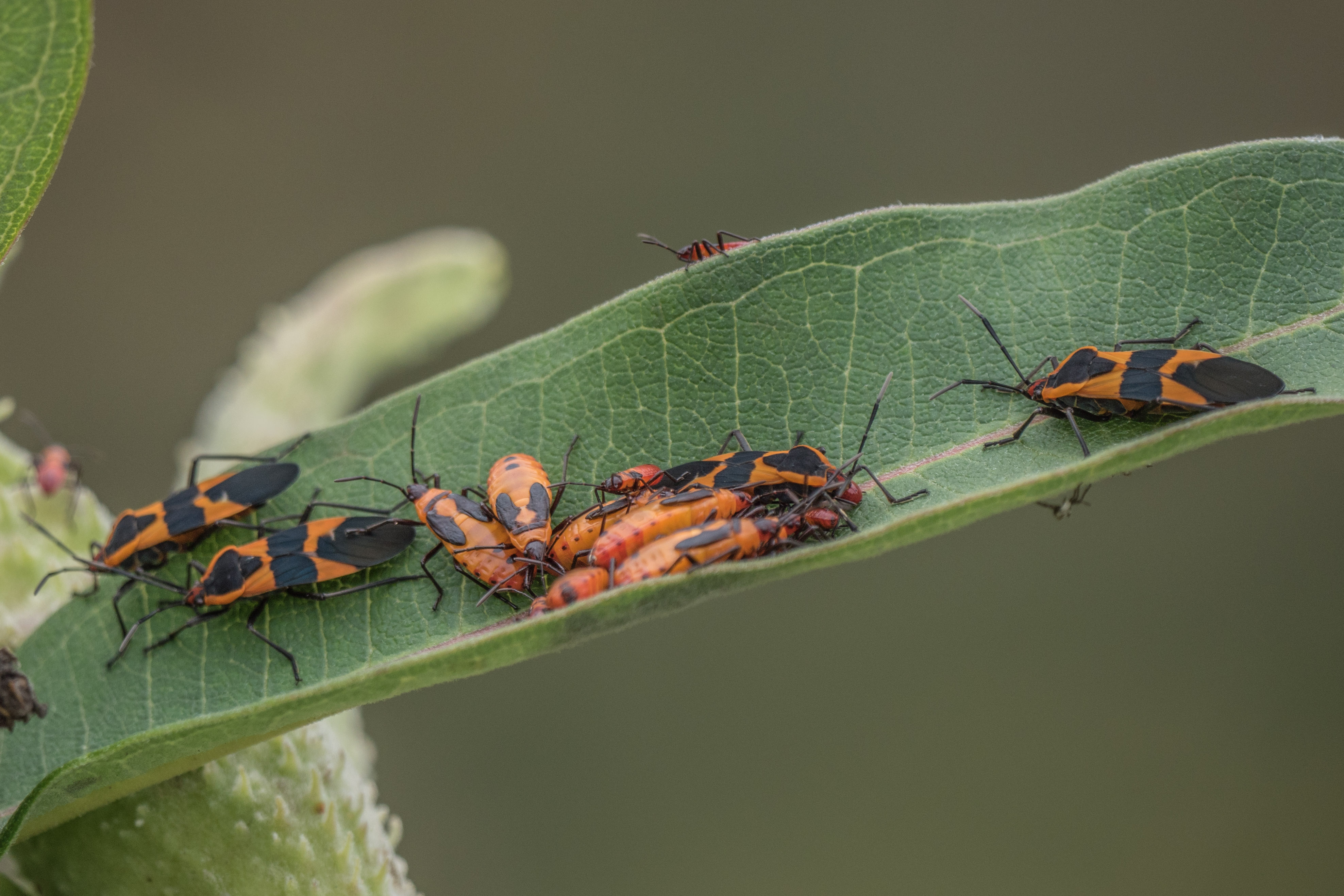
I don’t think that these milkweed bugs are pollinators but they are very common in early September:
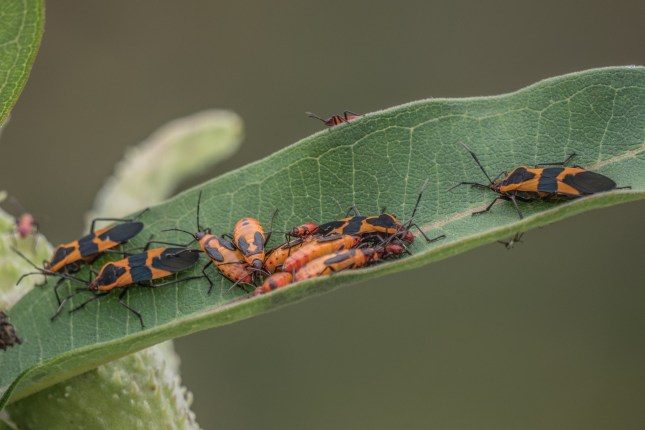
p1440590-1

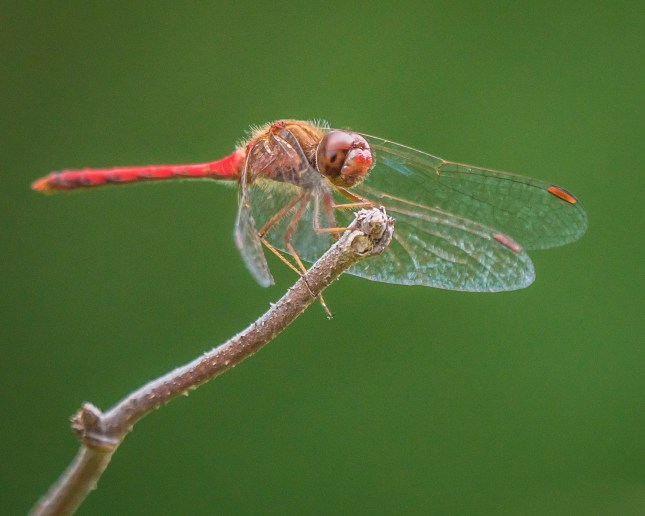
So are these dragonflies munching on smaller flies along roadside ditches.

p1440635-1

Wasp and milkweed bug on goldenrods:

p1440674-1

These two seem to be the same specie  …

p1440773-1 p1440797-1

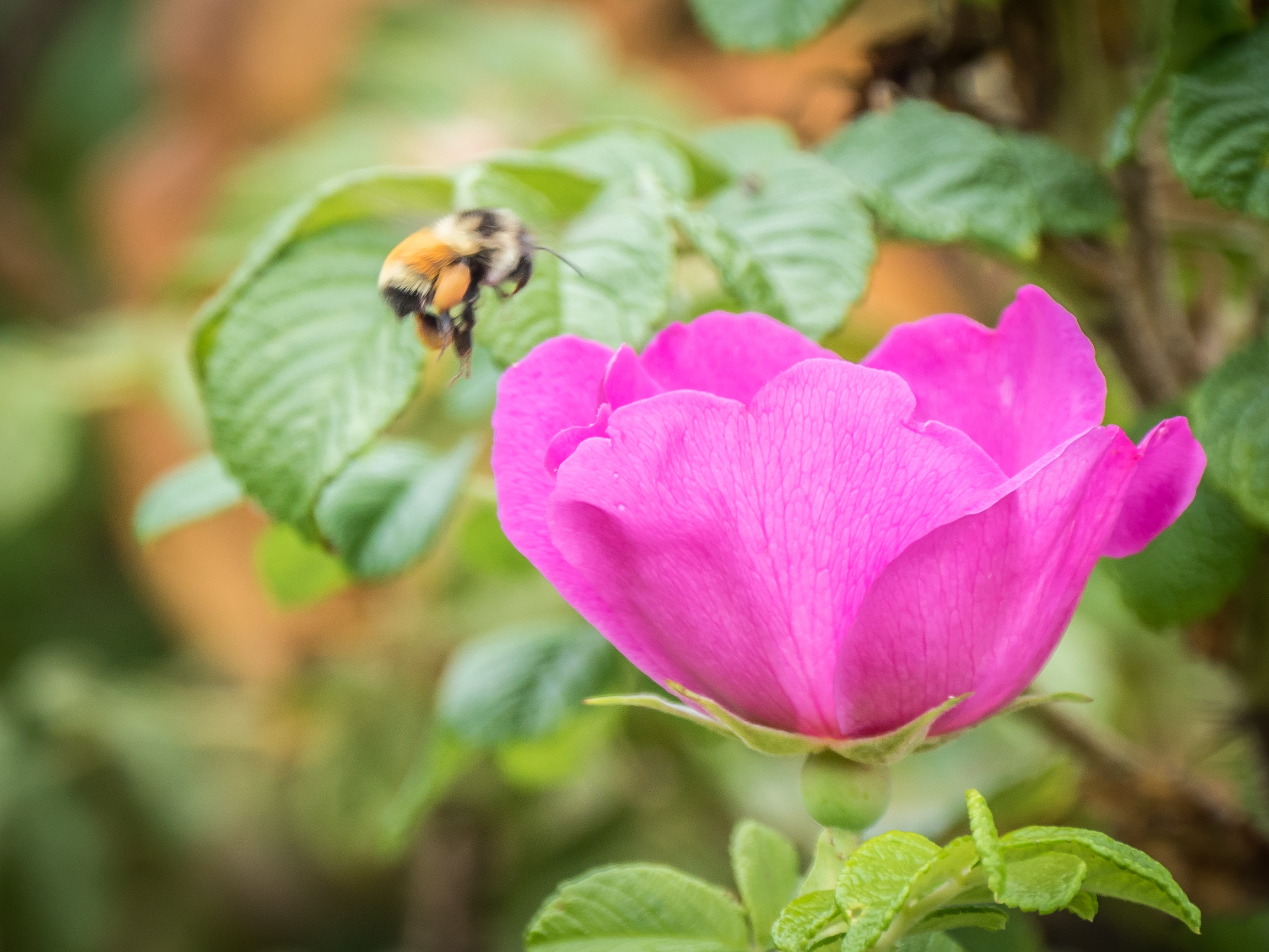
Bumblebee coming in for a landing on the last  of the wild roses …

p1450031-1

No bug here but the last of the portulacae.   My late mom used to have a great display of them in her planters bordering the patio on the family home in the Okanagan.
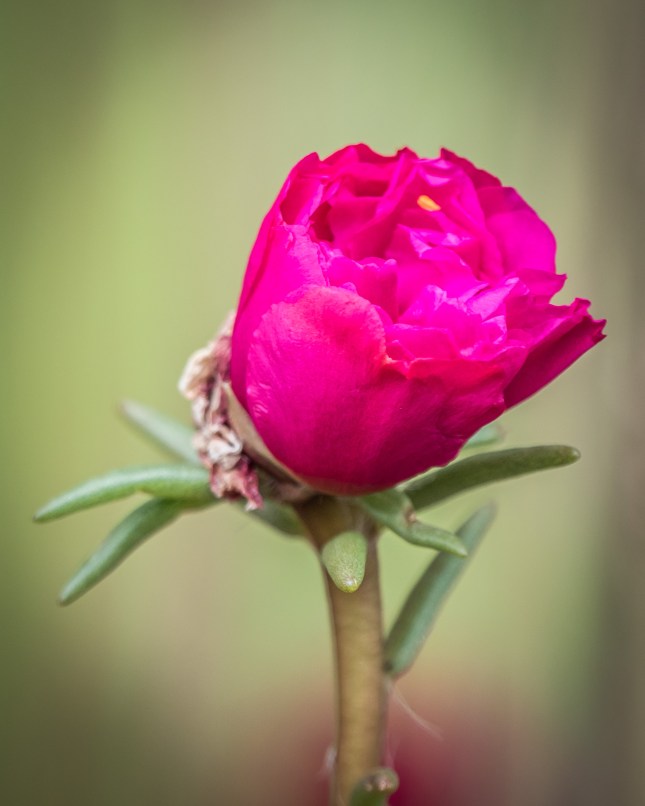
p1450056-1

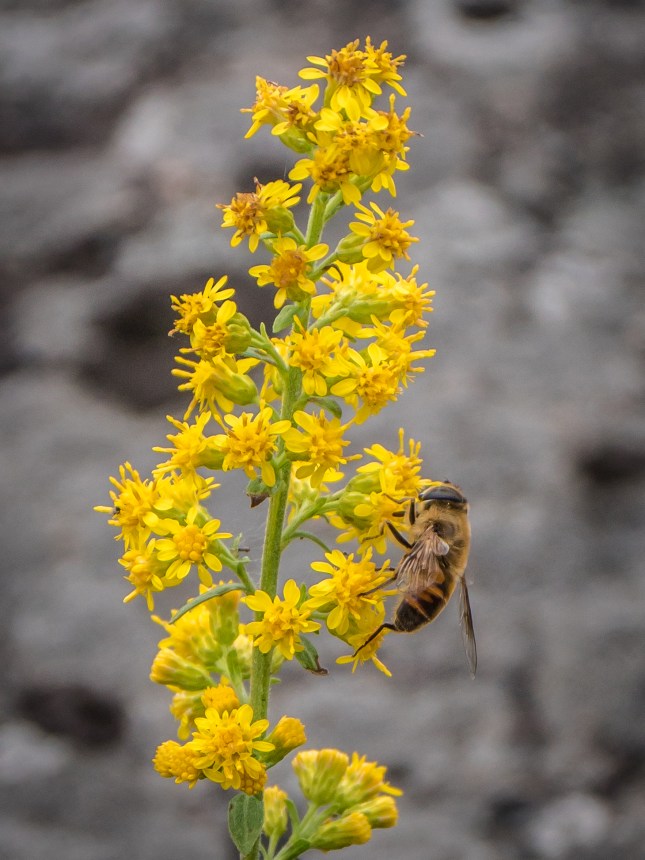
Bee harvesting nectar from a goldenrod.
p1450093-1

Very small butterfly/moth on the forest floor …

p1450116-1

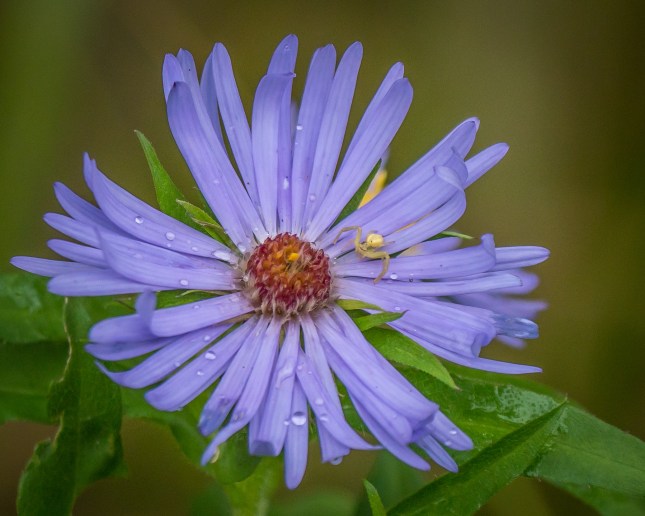
Crab spider waiting in ambush for a visitor to the center of this fall aster.
p1450203-1

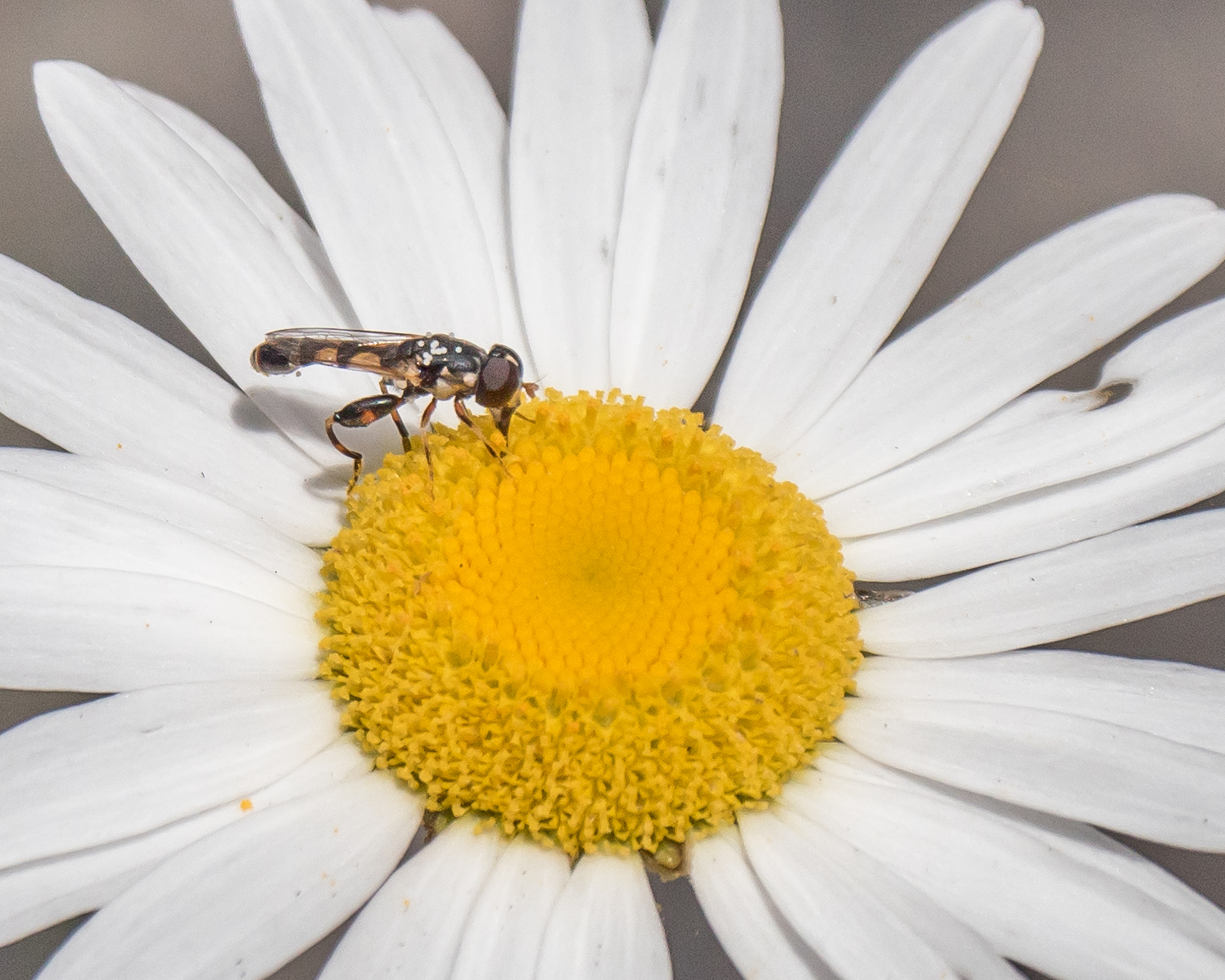
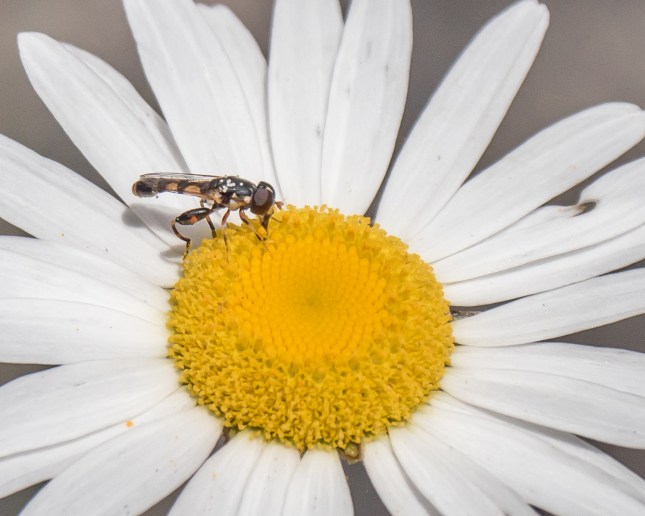
Sucking nectar out of the last of this year’s crop of Oxeye daisies.
p1450249-1

Late butterfly …

p1450270-1

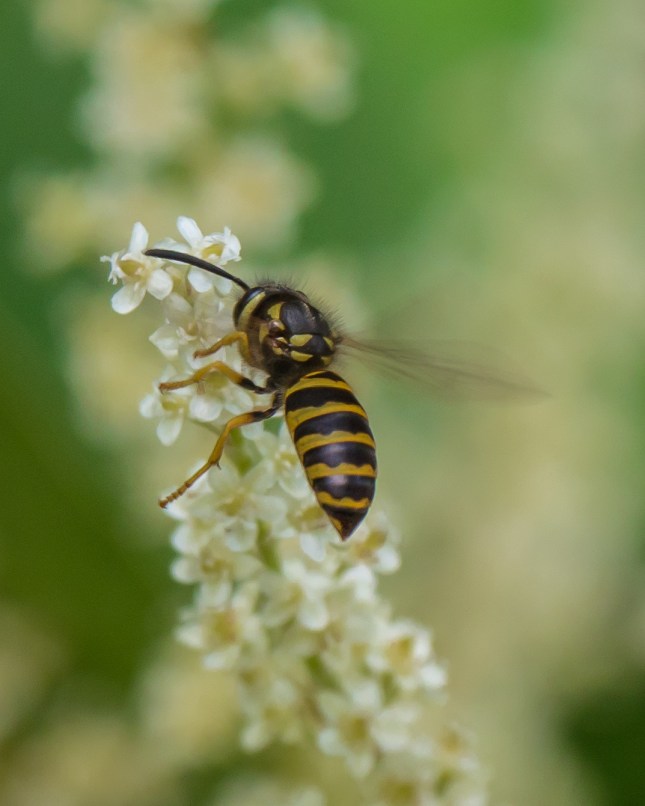
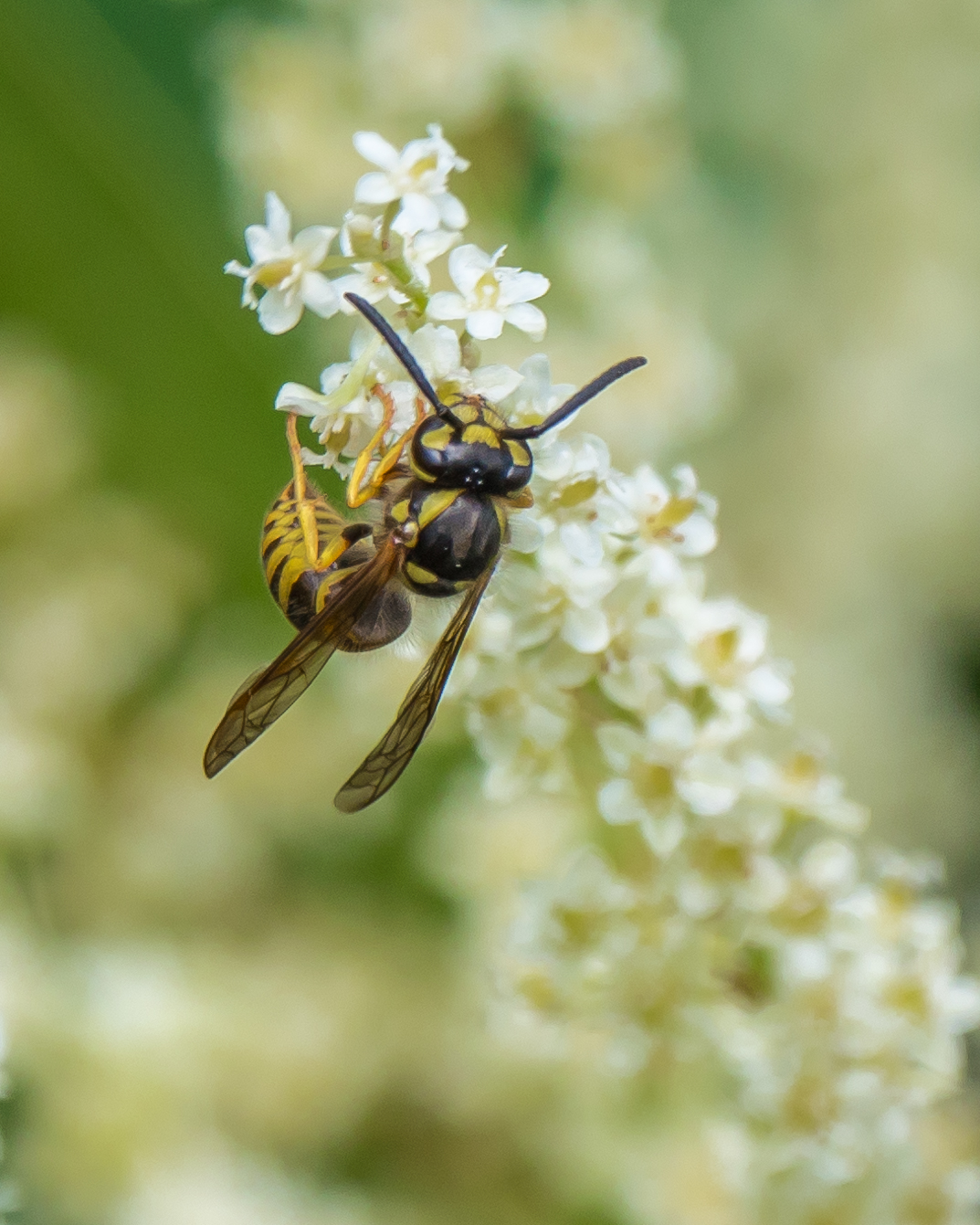
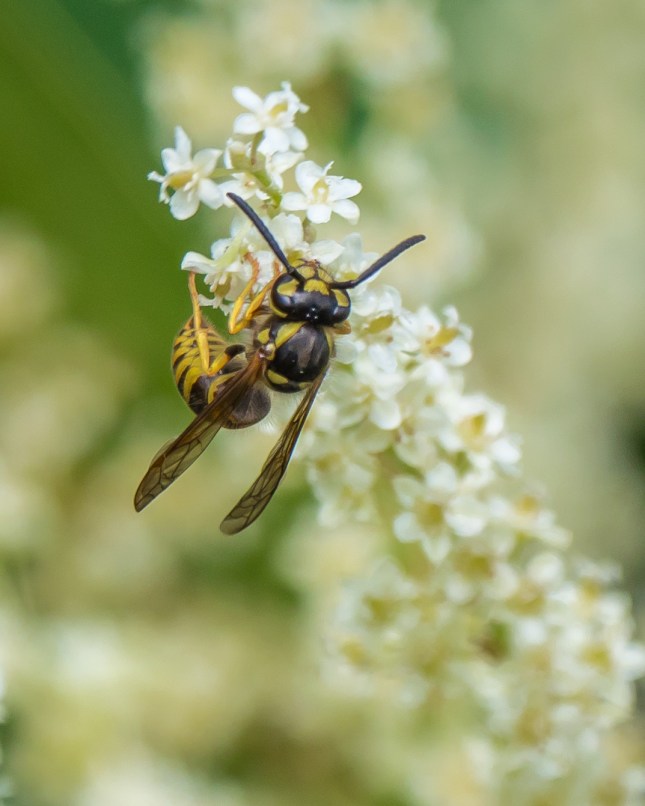
Wasp on cultivated goatsbeard blooms.
p1450314-1

Same beastie, good ID photographs…

p1450336-1 p1450340-1

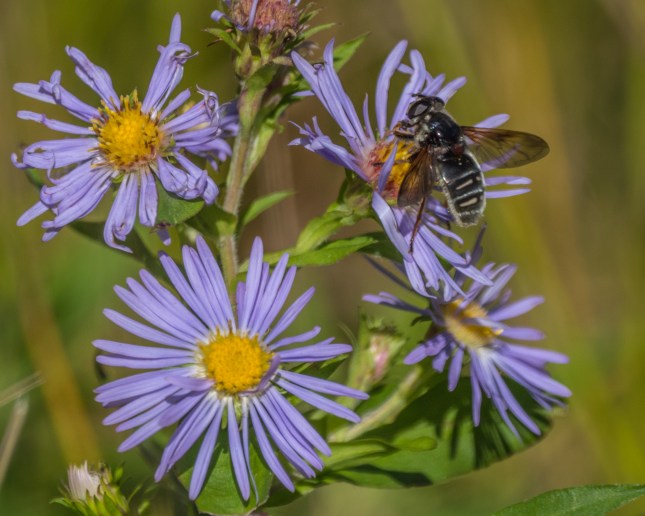
Fly (?) on fall asters…

p1450367-1 p1450371-1

Another dragonfly …

p1450461-1

Earlier I sent an email to some friends on the subject of pollination.  Here is some of it:

I’ve had difficulties connecting to the internet due to the effects of recent power outages on my wireless Bell hub.  Technology is great as long as it works.  So I am way behind on my emails and may have lost some.  I am also behind on my blog, speaking of which ….

Over the summer I became  quite  intrigued with the wide variety of bees, hoverflies, wasp, beetles, butterflies and moths that visit our wildflowers in great numbers.   On days with little or no wind some were photographed.  Although I cannot be quantitative I suspect that we had huge hatches of Skippers and small hatches of  Monarchs   The former suspicion may result from the use of a better lens with which to see them.  The latter might be due to changes in migration due to habitat destruction including bad weather in Mexico.

This morning while checking with my friends on DPR I came across this: https://www.dpreview.com/forums/post/58330908 , a photo report of Mike’s activities building nests for solitary bees in the UK. 

Mike links to this very informative tract on solitary bees in England:  http://www.moraybeedinosaurs.co.uk/solitary.html

In Northern Ontario, Susan Chan has been trying to help us understand and to support the roles of solitary bees and bumble bees.

http://northernhoot.com/bee-effect-native-pollinators-northern-ontario/
“Honey bees are not natural to our environment. They are an agricultural bee,” she said. “Even though a honey bee is a pollinator they were brought over here by colonizers for the purposes of honey and bees wax.”

Susan explained that there are two types of bees native to Ontario- the bumblebee and the solitary bee.

“Bumblebees live in very small colonies that don’t last from year to year and they make a small amount of honey for their day to day consumption. The largest group of native bees are solitary bees. One bee lives in a nest and raises a few offspring and they don’t make honey. Nectar and pollen are their food source.”
.

“Long grasses are attractive to bumblebees that may choose to nest in matted patches of grass. Bumblebees also nest in abandoned rodent burrows. Solitary bees have a preference for two natural habitats. Some build their nests in tunnels in the ground so one thing we caution farmers who want natural pollinators is to not till their land deeper than six inches. Solitary bees also lay their eggs in hollow stems. You can actually buy this type of nest or make them but my favourite way to create this habitat for native pollinators is by planting plants that produce hollow stems. Sumac, elderberry, raspberry and blackberry all have hollow stems. As the plant gets older the stems die back and bees can nest in those stems.”

Susan Chan has a very nice handbook in downloadable .pdf format here:  http://www.feedthebees.org/wp-content/uploads/2013/03/A-Landowners-Guide-to-Conserving-Native-Pollinators-in-Ontario.pdf  She includes a bunch of links to help ID the various pollinators that flit about in our gardens, fields and forests.

Here is a useful downloadable Guide to Toronto’s Pollinators:       http://www.davidsuzuki.org/issues/downloads/Pollinator_Guide_5pg.pdf

Finally, I suspect that I’ll be using this resource a lot next summer when I will get much more serious about photographing our various pollinators:
http://www.buzzaboutbees.net/bee-identification.html

I think that you’ll be able to copy and paste the links above into your browser window if you are interesting in following up on those insects which are so vital to the planet’s food web.


t

20160930 September critters

Here are some photos of critters seen at the end of summer …

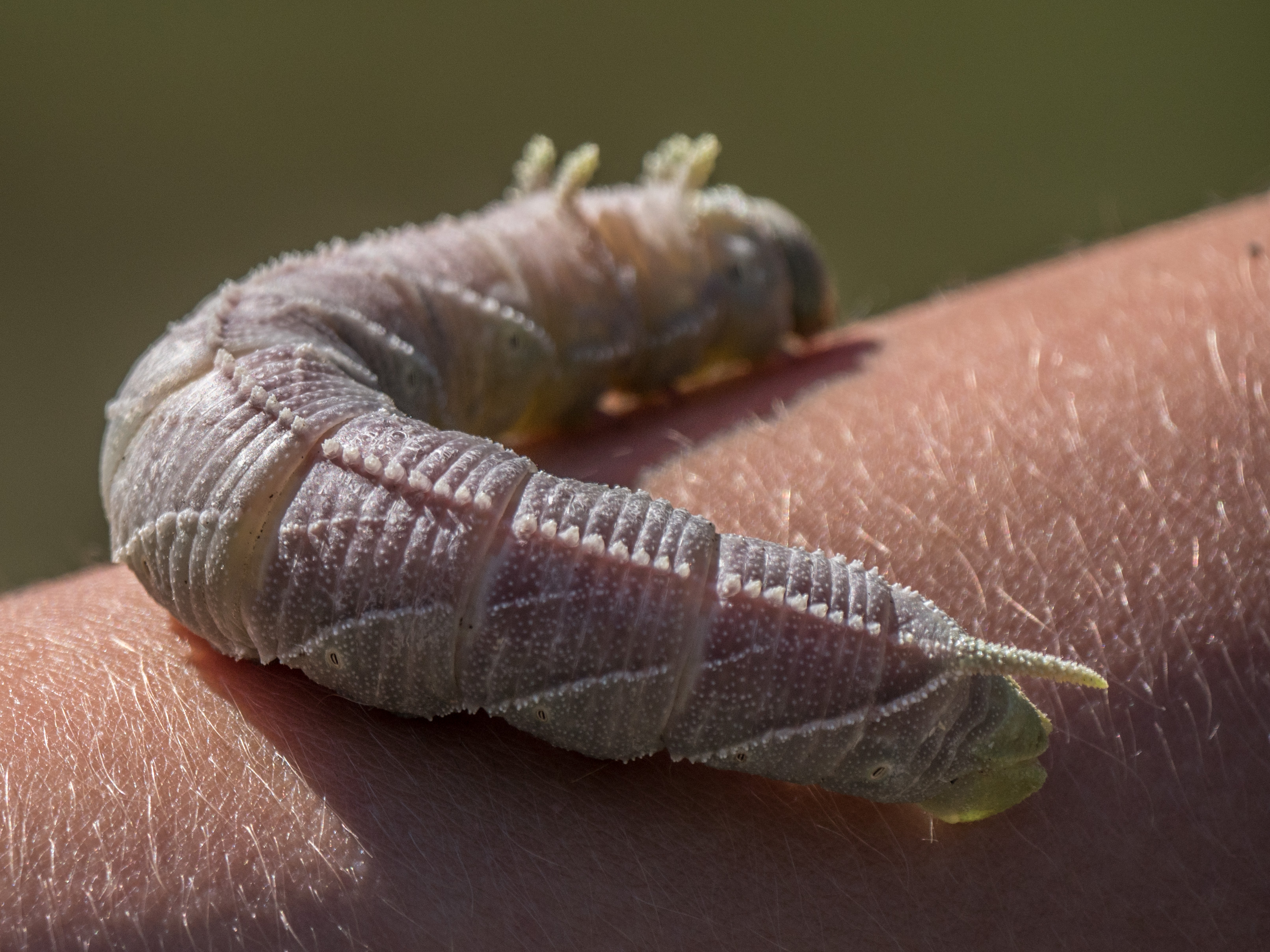
Unknown caterpillars …

p1440643-1 p1440644-1

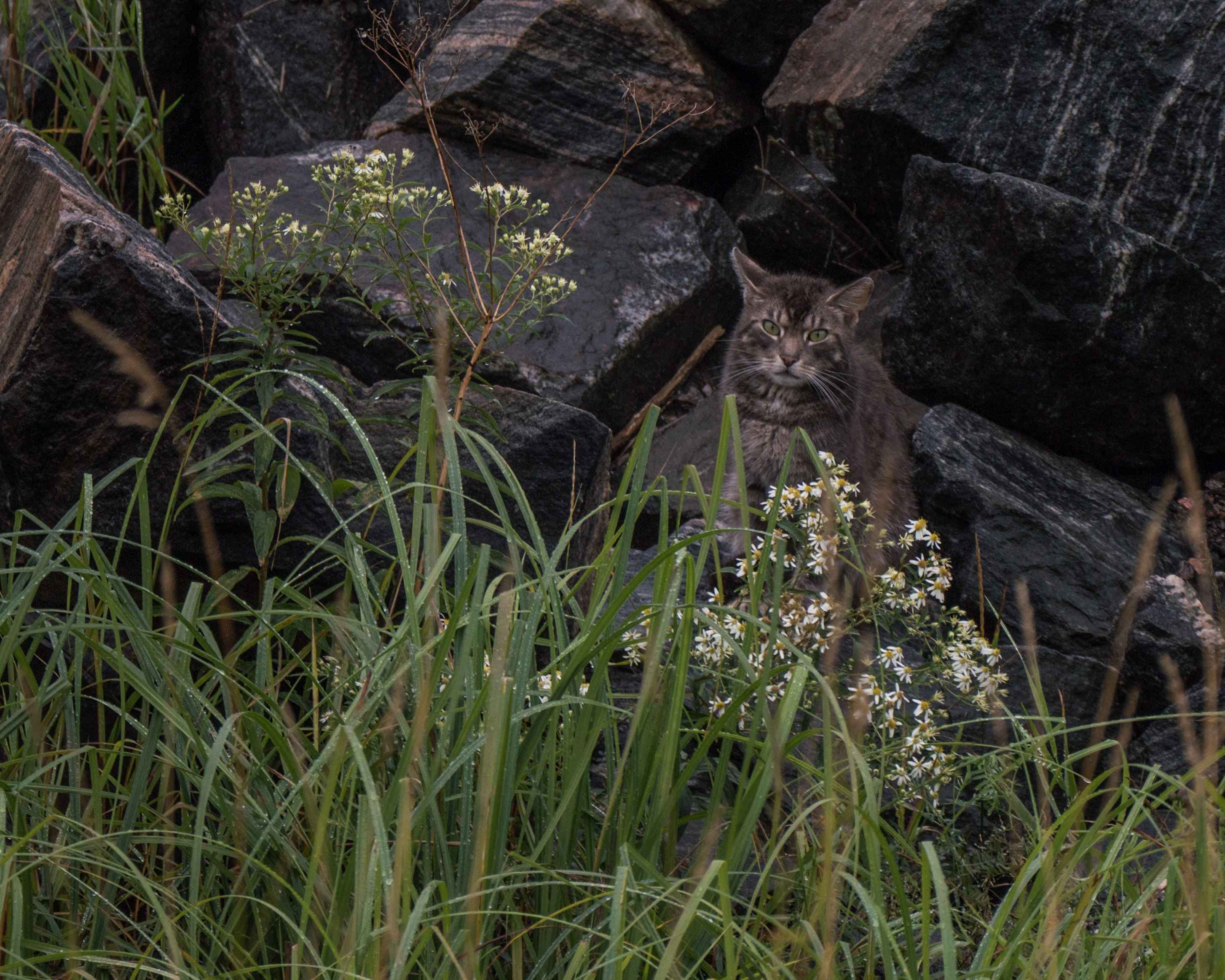
Feral cat near my place …

p1440764-1

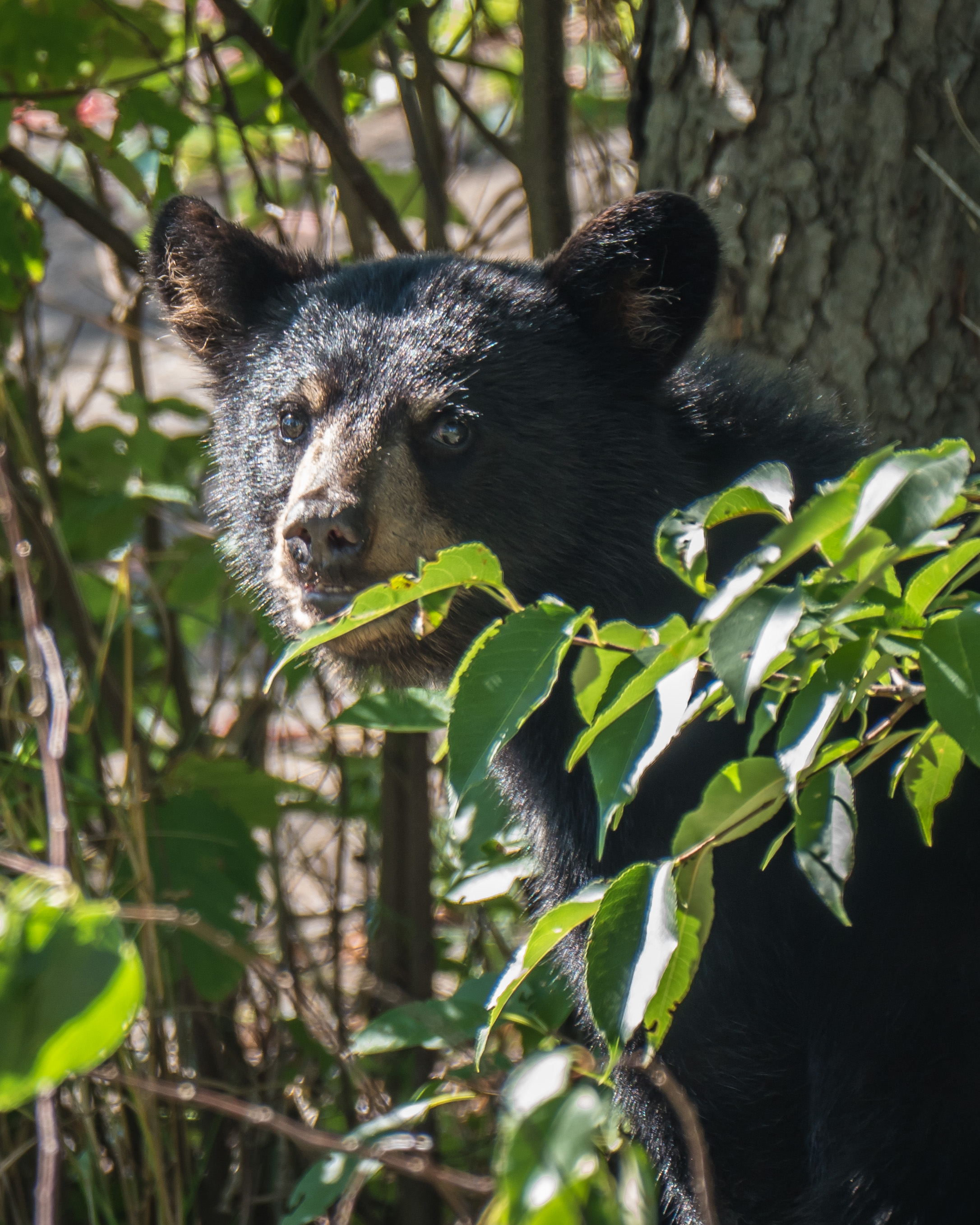
Bears had a feast of cherries this year …

p1440800-1

p1790612-1

p1440862-1

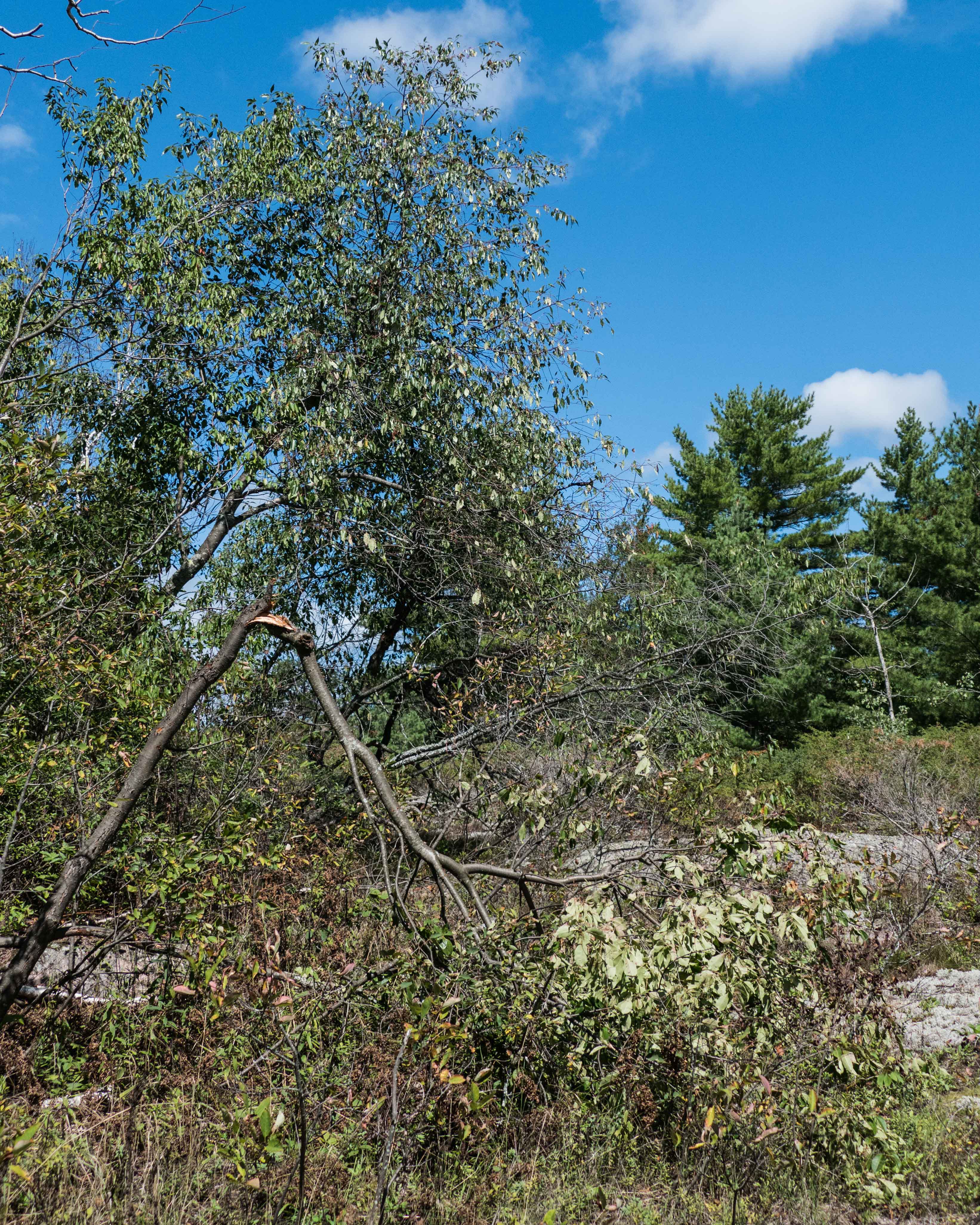
Bear work on a black cherry tree …p1790783-1

Immature Cedar Waxwing …

p1440900-1

Female American Redstart, I think …

p1450106-1

Broadwinged Hawk, I think…

p1450457-1

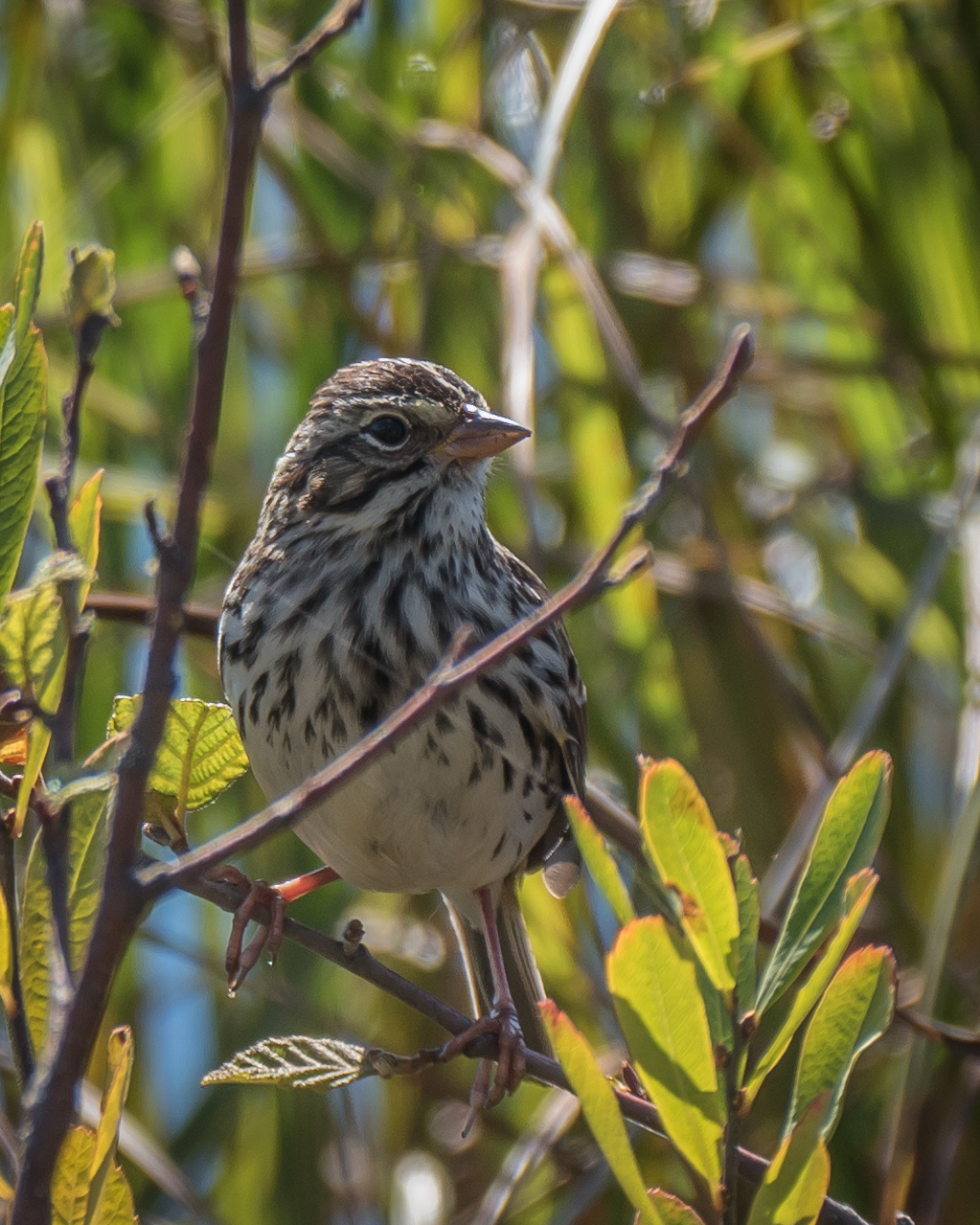
Sparrows were starting to flock together as the moved southward …

p1450751-1 p1450764-1

Woolly aphids on cherry branch …

p1450793-1

Racing striped Chippy engaging the photographer.  Click to see reflection in its eye.

p1450806-1

Save

20160817-26 Moonrise and landscapes

We have been seeing some nice phenomena over the last few weeks.  Here are some samples.  Some are worth clicking on to get full screen & full impact.

Full moon rising behind my house on August 17th…

P1430685-1-2

Twin Rivers under a threatening sky, before the storm…

P1790361-1

Rainclouds over Big Lake …

P1790365-1

Fishers out in the rainstorm…

P1790407-1

Still River reflecting some skylight through morning mist …

P1790450-1

Across from the Legion …

P1790456-1

Hamlet of Byng Inlet across Byng Inlet from Britt ….

P1790459-1

Cottage on Byng Inlet …

P1790466-1

My former waterfront fixed up with a nice little bridge over the stream…

P1790472-1

Murdock River at Hwy 607 Bridge …

P1790487-1

Michelle and Paul’s Willow…

P1790492-1

Looking west from North Road, Loring…

P1790495-1-2

Lily Pads on Hwy 522 …

P1790514-1

A few minutes before sunrise on the Still River …

P1790519-1

Rising sunlight on the hamlet of Byng Inlet …

P1790618-1

Another sunrise on my former location …

P1790635-1

Nice country that we live in, eh?

Save